
2027 How to Become an Occupational Therapist in Maryland

Co-Founder and Chief Data Scientist
Maryland offers a promising landscape for aspiring occupational therapists, with employment for this profession expected to grow by 20% over the next decade, reflecting a strong demand for skilled practitioners. This growth is fueled by an aging population and increased awareness of rehabilitative care benefits. Choosing to become an occupational therapist in Maryland not only presents stable job security but also a rewarding opportunity to make a meaningful difference in individual lives through personalized care and therapy.
This article, crafted by career planning experts, guides readers through the essential steps to pursue occupational therapy in Maryland. It provides clear, reliable information designed to illuminate the path from education to licensure and employment in this growing field.
Key Things to Know About Becoming an Occupational Therapist in Maryland
- Complete a master’s or doctoral degree in occupational therapy from a program accredited by the Accreditation Council for Occupational Therapy Education (ACOTE); Maryland supports multiple institutions offering quality education aligned with national standards.
- Pass the National Board for Certification in Occupational Therapy (NBCOT) exam, which certifies readiness to practice and is mandatory for Maryland licensure; this step ensures candidates meet rigorous national competency benchmarks.
- Apply for state licensure through the Maryland Board of Occupational Therapy Practice, fulfilling requirements including criminal background checks and continuing education to maintain a current license in a state with a growing demand for occupational therapists.
- What are the education requirements to become an occupational therapist in Maryland?
- How do you get a state license to practice occupational therapy in Maryland?
- How often do you need to renew an OT license in Maryland?
- What continuing education is required for OT license renewal in Maryland?
- How much does it cost to become an occupational therapist in Maryland?
- What financial aid options are available for OT students in Maryland?
- Can out-of-state occupational therapists work in Maryland?
- What are the career advancement opportunities for occupational therapists in Maryland?
- What skills do you need to be a successful occupational therapist in Maryland?
- What specializations are available for occupational therapists in Maryland?
- What is the average salary of an occupational therapist in Maryland?
What are the education requirements to become an occupational therapist in Maryland?
Formal education is fundamental for equipping occupational therapists with the knowledge and skills needed to address the complex physical, emotional, and developmental challenges their patients face. This preparation ensures practitioners can design effective therapeutic interventions tailored to diverse needs.
To meet professional standards, Maryland enforces specific educational pathways that applicants must follow. Here are the key steps involved:
- Bachelor's Degree Foundation: Students begin by earning a bachelor's degree from an accredited institution, with no required specific major. During their undergraduate studies, they complete essential prerequisite courses such as human anatomy, physiology, psychology, and sociology, establishing a strong foundation for graduate-level occupational therapy education.
- Accredited Graduate Program: Maryland requires completion of a master’s or doctoral degree in occupational therapy from an ACOTE-accredited program. These accredited occupational therapy programs in Maryland or other states provide rigorous training, typically spanning 2-3 years for master's and around three and a half years for doctoral studies, ensuring graduates meet licensing criteria.
- Supervised Fieldwork Experience: As part of their graduate education, students must complete a minimum of six months of supervised fieldwork under licensed occupational therapists. This hands-on experience across settings such as hospitals and rehabilitation centers is crucial to developing practical skills and confidence needed for independent practice in Maryland.
For students considering related healthcare careers, understanding the cpc medical coder salary may offer valuable insights into allied health professions and professional expectations.
How do you get a state license to practice occupational therapy in Maryland?
Obtaining a state license is a vital milestone for occupational therapists in Maryland, signaling both professional integrity and compliance with legal practice requirements. This credential ensures that therapists meet rigorous standards set by the Maryland Board of Occupational Therapy Practice and are qualified to provide safe, effective care.
The process reflects a commitment to excellence and public trust in the occupational therapy workforce. Outlined below are the typical steps to secure a Maryland occupational therapy license:
- Meet Minimum Age Requirement: Applicants must be at least 18 years old to pursue licensure, establishing a baseline for maturity and responsibility in the profession.
- Graduate from an Accredited Occupational Therapy Program: Completion of a bachelor’s or master’s degree from an ACOTE-accredited program is essential. In Maryland, Towson University currently holds this distinction, highlighting the selective educational pipeline for occupational therapy.
- Complete Supervised Fieldwork Experience: Maryland mandates a minimum of six months of full-time supervised clinical experience. This hands-on training is critical for developing practical skills and professional readiness.
- Pass the National Certification Examination (NBCOT): Earning the Occupational Therapist Registered (OTR) credential by passing the NBCOT exam with a minimum score of 450 is required. This national certification confirms standardized competency before pursuing state licensure.
- Submit a State Application and Pay the Fee: Candidates must complete the official application and pay a $200 fee to the Maryland Board, including providing transcripts, NBCOT verification, and, if applicable, credentials from other states. Application processing typically takes up to four weeks.
- Fulfill Criminal History Records Check: A mandated background check ensures adherence to ethical and legal standards necessary for professional practice in Maryland.
- Provide Additional Documentation: The Board may request professional references, letters of recommendation, and official transcripts to thoroughly evaluate the applicant’s qualifications and character.
- Request Verification from Previous Jurisdictions (if applicable): For those licensed elsewhere, verification from other states or countries is required to confirm professional standing.
For professionals exploring related credentials or certifications, reviewing the difference between certified professional coder and certified billing and coding specialist certification can also provide valuable insights into allied healthcare roles and pathways.
How often do you need to renew an OT license in Maryland?
Maintaining an active license is a cornerstone of professional integrity for occupational therapists in Maryland. Regular renewal not only confirms a therapist’s commitment to ongoing competency but also reinforces accountability to the public and adherence to the latest clinical and regulatory standards. This process ensures occupational therapists remain well-prepared to provide safe, effective care in an evolving healthcare environment.
In Maryland, occupational therapists are required to renew their licenses every two years. Renewal deadlines fall on June 30 of either even or odd years, depending on when the original license was issued. There is no official grace period; thus, renewal by the deadline is crucial to avoid lapsing.
If a license expires, the therapist must undergo reinstatement procedures, which can include additional fees and the completion of any outstanding continuing education requirements. This biennial schedule facilitates continuous professional development and guarantees that practitioners meet evolving state and national standards, maintaining their eligibility to practice without interruption.
An occupational therapist from Maryland, who graduated from a local university, shared his reflections on license renewal: “Renewing my license every two years felt demanding at first, mainly balancing continuing education with a busy caseload. But over time, it became a structured opportunity to focus on areas I wanted to improve.
The process was straightforward, though I was cautious not to miss the June 30 deadline. Missing it would mean extra paperwork and stress, which I wanted to avoid.” He noted that while the requirement seems rigorous, it genuinely fosters a habit of lifelong learning and professional responsibility.”
What continuing education is required for OT license renewal in Maryland?
Continuing education is vital for occupational therapists in Maryland to maintain professional competence and adhere to state standards. It ensures that practitioners stay informed about the latest therapeutic techniques, ethical guidelines, and regulatory changes, enabling them to deliver high-quality, evidence-based care.
Staying current reflects a commitment not only to personal growth but also to the diverse needs of the communities they serve.
- Biennial Hour Requirement: Occupational therapists and occupational therapy assistants must complete 24 contact hours of continuing education every two years. This allows ample time for professionals to plan their learning activities effectively within the renewal period defined by their license issuance.
- Core Competency Hours: At least 16 of the required hours must focus on core occupational therapy competencies including clinical skills and therapeutic interventions. This prioritization ensures the continuing education is directly tied to improving patient outcomes.
- Implicit Bias Training: First-time renewals require completion of an implicit bias training course. This component supports Maryland’s dedication to culturally responsive care by helping practitioners recognize and mitigate unconscious biases in their clinical practice.
- Alternative Certification Pathway: Those holding current National Board for Certification in Occupational Therapy (NBCOT) credentials may fulfill state requirements through this national certification’s ongoing professional development activities, offering flexibility while maintaining rigorous standards.
- Documentation and Audits: Practitioners must keep detailed records of their continuing education efforts, including certificates and course descriptions, ready to submit if audited. Although pre-approval of courses is not required, documentation ensures compliance with Maryland occupational therapy continuing education requirements.
- Renewal Process and Timing: Licenses expire on June 30 of the renewal year based on original issuance. Maryland provides an accessible online renewal portal to ease the administrative process, encouraging early planning to meet all continuing education and reporting obligations timely.
For professionals seeking to broaden their healthcare knowledge beyond occupational therapy, understanding the basics of medical billing and coding may also prove beneficial in related interdisciplinary contexts.
How much does it cost to become an occupational therapist in Maryland?
The total cost of becoming an occupational therapist in Maryland depends on various factors including the chosen educational path, exam fees, and required licensing expenses. Gaining a clear understanding of these costs allows students to prepare financially and make informed decisions during their career development.
- Tuition and Fees for OT Programs Typically, pursuing a Master's degree in Occupational Therapy (MSOT) involves significant tuition expenses, often ranging between $80,000 and $100,000 over two years. These costs cover tuition, graduate fees, and other institutional charges, reflecting the comprehensive nature of advanced OT education.
- Tuition and Fees for OTA Programs For those considering an Occupational Therapy Assistant (OTA) route, program costs are much lower but still vary by residency and institution. For example, OTA programs in Maryland can range from around $9,000 to over $27,000 depending on the college and residency status.
- NBCOT Exam Costs The National Board for Certification in Occupational Therapy exam fee is approximately $540. This essential examination is a prerequisite for earning certification and moving forward with state licensure.
- State Licensure Application Fees Maryland requires a licensure application fee of about $200 paid after passing the NBCOT exam, which is mandatory to legally practice as an occupational therapist within the state.
- Additional Expenses Beyond tuition and fees, candidates should budget for background checks, drug screenings, and optional professional memberships. These can add around $100 or more to overall costs and contribute to meeting professional and regulatory standards.
What financial aid options are available for OT students in Maryland?
Financing occupational therapy education in Maryland can present challenges, but a variety of financial aid options exist to ease this burden. These resources not only help reduce student debt but also encourage students to serve the state’s healthcare needs after graduation. Below are several key financial aid opportunities for OT students in Maryland.
- Federal Student Aid (FAFSA): Completing the FAFSA is essential for accessing federal grants, loans, and work-study programs. These include Stafford Loans, Graduate PLUS Loans, and Pell Grants for undergraduates, often serving as a foundation for financial support in Maryland schools.
- Maryland Workforce Shortage Student Assistance Grant (WSSAG): This grant offers up to $4,000 annually for full-time OT students at four-year institutions, with lower amounts for community college students. In exchange, recipients agree to work in Maryland’s high-need fields, including occupational therapy, after graduation.
- Physical and Occupational Therapists and Assistants Grant: Awarding up to $2,000 per year, this grant supports Maryland residents enrolled in OT programs who commit to practicing in facilities serving individuals with disabilities in the state.
- State and Institutional Grants and Scholarships: Multiple state grants and university scholarships are available based on merit, need, or service commitments. Institutions like Towson University and McDaniel College offer assistantships and tuition waivers tailored to OT students.
- Professional and Association-Sponsored Scholarships: Organizations such as the American Occupational Therapy Foundation provide scholarships recognizing academic merit and professional dedication, helping students finance their education while fostering career growth.
- Loan Forgiveness and Repayment Programs: Graduates working in underserved Maryland communities can benefit from programs that reduce or forgive student loans, easing long-term financial pressures in exchange for service commitments.
- Work-Study and Assistantship Opportunities: Federal and institutional work-study roles, as well as graduate assistantships, offer stipends or tuition assistance for part-time work related to occupational therapy education and research.
Can out-of-state occupational therapists work in Maryland?
Out-of-state occupational therapists can practice in Maryland, but it requires navigating specific licensing rules. Maryland does not generally recognize out-of-state licenses automatically, so therapists must apply for a state license by submitting an application, paying a fee, and providing verification from all states or countries where they have been licensed.
Additional requirements include graduation from an accredited occupational therapy program, completion of supervised fieldwork, and passing the NBCOT certification exam. This ensures that every therapist practicing in Maryland meets consistent standards for professional competence and public safety.
Maryland’s participation in the Occupational Therapy Licensure Compact offers a streamlined pathway for therapists licensed in other compact member states. If their home state belongs to the compact and their license is in good standing, they can practice in Maryland without obtaining a separate license.
This compact greatly eases temporary or remote work but does not replace Maryland’s full endorsement procedures for non-compact states. A criminal background check and ongoing certification maintenance are part of staying in compliance.
When I spoke with an occupational therapist from Maryland who graduated locally, she reflected on her colleagues’ experiences navigating these rules. “It’s reassuring to know there’s a clear route for out-of-state practitioners, but the process can still feel daunting,” she explained. She noted how some therapists initially found the verification and background checks complex, but ultimately saw these steps as vital for maintaining professional integrity.
That firsthand perspective underscores the importance of understanding both the standard licensing requirements and the benefits of the licensure compact when considering practice in Maryland.
What are the career advancement opportunities for occupational therapists in Maryland?
Occupational therapists in Maryland can leverage a range of career advancement paths, from specializing further in clinical practice to transitioning into roles in administration, research, or education. Opportunities such as pursuing management positions, engaging in interdisciplinary projects, and incorporating telehealth services are paving the way for expanded professional growth. Additionally, obtaining advanced certifications can open doors to leadership roles and niche areas of practice without duplicating clinical skill sets. For professionals interested in diversifying their expertise, exploring how to become a caregiver in Maryland can offer complementary career pathways.
What skills do you need to be a successful occupational therapist in Maryland?
Success as an occupational therapist in Maryland hinges on a well-rounded skill set that empowers practitioners to help clients regain independence, enhance their quality of life, and work seamlessly with diverse healthcare teams.
These skills are vital not only for delivering personalized, effective care but also for complying with state standards and advancing professional practice. Gaining mastery in these areas enables therapists to address complex client needs with confidence and adaptability. Key skills fundamental to this role include:
- Clinical Assessment and Observation: Skillful evaluation of client conditions allows therapists to identify needs accurately and tailor interventions that promote meaningful progress. This competency ensures treatment strategies remain aligned with evolving patient status.
- Communication and Interpersonal Skills: Building rapport with clients, families, and interdisciplinary teams is essential for clear goal setting and coordinated care, fostering trust and understanding throughout the therapeutic process.
- Motivational and Coaching Abilities: Encouraging active client participation boosts engagement and helps overcome barriers such as anxiety or frustration, which are common following injury or illness.
- Technical Knowledge and Adaptability: A deep understanding of anatomy, pathology, and therapeutic methods enables therapists to customize interventions and equipment like orthotics to fit individual needs.
- Planning, Organization, and Documentation: Effective management of caseloads and precise recordkeeping ensure continuity of care and compliance with Maryland’s regulatory standards.
What specializations are available for occupational therapists in Maryland?
Specialization allows occupational therapists in Maryland to sharpen their skills for specific populations and clinical needs, which enhances both the quality of care they provide and their career growth. By focusing on a particular niche, therapists can address unique challenges effectively and stand out in a competitive field.
Below are some common occupational therapy specialties in Maryland that reflect diverse community needs and professional pathways.
- Pediatrics: Pediatric occupational therapy Maryland professionals help children overcome physical, cognitive, or developmental obstacles to engage fully in daily life activities such as school and social interactions. They often practice in schools, outpatient clinics, and early intervention programs, fostering essential motor and sensory skills in young clients.
- Geriatrics: This specialization supports older adults facing age-related changes, emphasizing independence and safety. Geriatric therapists typically work in nursing homes, hospitals, assisted living facilities, and home health settings, ensuring that seniors maintain quality of life and functional abilities.
- Mental Health: Occupational therapists in mental health assist clients with psychiatric or emotional challenges by improving coping strategies and daily functioning. Their work environments include state inpatient facilities, community clinics, and rehabilitation centers focused on holistic recovery.
- Hand Therapy: Specialists in this area rehabilitate patients with hand, wrist, or upper limb injuries, aiming to restore dexterity and reduce pain. These therapists commonly practice in hospitals, orthopedic offices, and outpatient rehab centers.
- Physical Rehabilitation: Therapists in physical rehabilitation guide patients recovering from injuries or surgeries to regain strength and mobility. They work closely with multidisciplinary teams in hospitals and rehab clinics to foster independence in daily tasks.
- Assistive Technology: Those focusing on assistive technology help clients use adaptive tools to enhance independence, such as wheelchairs or communication aids. Often found in specialized clinics and schools, these therapists may hold certifications like ATP to provide expert guidance.
For those exploring career options, complementary fields such as online medical billing and coding offer additional pathways within healthcare administration to support occupational therapy services.
What is the average salary of an occupational therapist in Maryland?
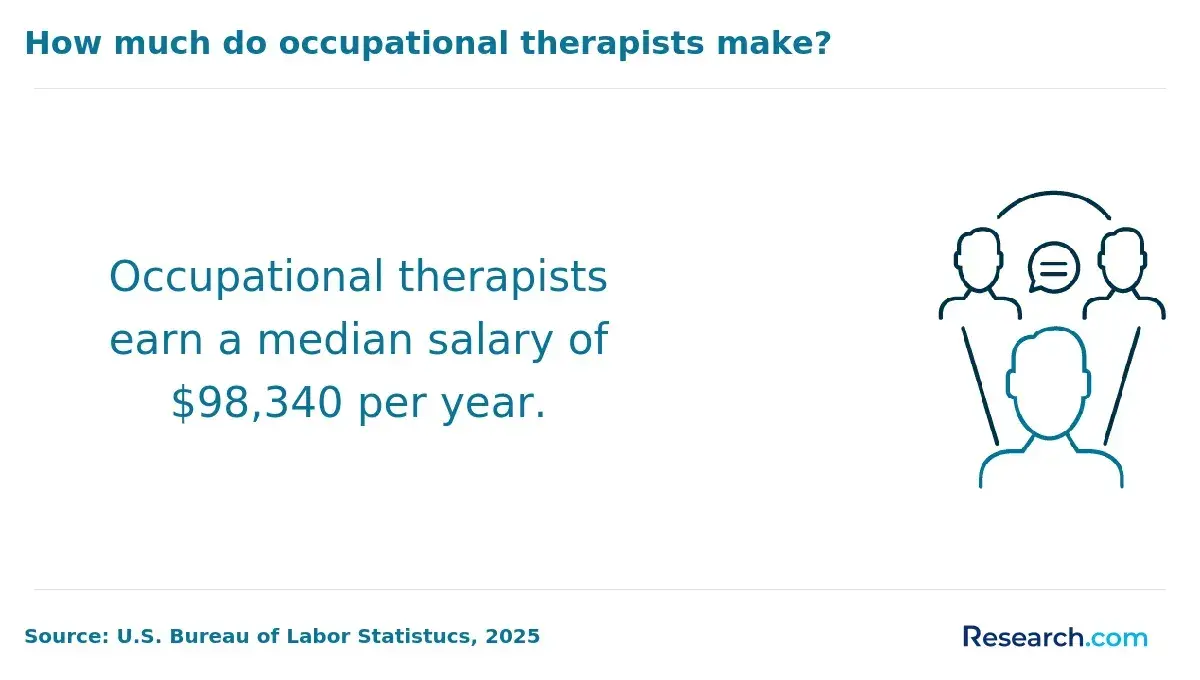
Occupational therapist salaries in Maryland are influenced by several key factors including experience level, work setting, and geographic location. These elements together shape the overall earning potential and help professionals gauge what to expect financially as they grow in their careers. Below are some crucial considerations affecting the average occupational therapist salary in Maryland.
- Years of Experience: Entry-level occupational therapists typically earn less, but their salary can increase significantly with expertise. Seasoned professionals with advanced clinical skills and patient management experience often see salaries rise well above the starting figures, reflecting their greater value in the workforce.
- Type of Employer: Work settings vary widely, from hospitals and private practices to specialized staffing agencies. Travel occupational therapists and those employed by high-paying agencies can earn substantially more on a weekly basis than their counterparts in traditional roles, sometimes approaching or exceeding $3,000 per week.
- Geographic Location Within Maryland: Salaries also differ by city and region, with urban areas like Towson and Baltimore offering higher wages compared to rural locations. This difference accounts for factors such as cost of living, demand for occupational therapy, and competition among healthcare facilities.
Those interested in a healthcare career may also consider related fields, such as exploring medical billing and coding online schools that accept financial aid, which can offer additional opportunities within the medical profession.
What Do Occupational Therapists in Maryland Say About Their Career?
- Eladio: "Completing my occupational therapy program at Towson University gave me a solid foundation and understanding of local healthcare needs. Starting my career working in a local school has been incredibly rewarding because I get to see firsthand the impact therapy has on children’s daily lives and academic performance. Maryland’s diverse community presents unique challenges, but also allows me to develop culturally responsive treatment plans. I’m truly passionate about helping students overcome obstacles and grow in confidence every day. "
- Jennifer: "Graduating from Salisbury University opened the door to a stable job market in Maryland’s school systems. Being an occupational therapist in an academic setting requires creative problem-solving and adaptability, skills I’ve been able to sharpen since I started. The opportunity to witness children’s progress while collaborating with educators has fostered my own professional growth. Maryland’s commitment to inclusive education and resources for kids with special needs makes this field both challenging and fulfilling."
- Clare: "My journey began at Morgan State University, where I cultivated a deep passion for community involvement along with my clinical skills. Working in the Maryland school system allows me to contribute positively to the well-being of young people, particularly by addressing the effects of urban living and environmental factors on their development. The state’s rich cultural diversity offers many learning experiences, and I appreciate the chance for continual career advancement through local professional development programs. This career has profoundly shaped my understanding of resilience and empathy. "
Related Articles for Nearby States
- 2027 How to Become an Occupational Therapist in Virginia
- 2027 How to Become an Occupational Therapist in West Virginia
- 2027 How to Become an Occupational Therapist in Pennsylvania
- 2027 How to Become an Occupational Therapist in Delaware
- 2027 How to Become an Occupational Therapist in New Jersey
- 2027 How to Become an Occupational Therapist in New York
- 2027 How to Become an Occupational Therapist in Ohio
- 2027 How to Become an Occupational Therapist in North Carolina
- 2027 How to Become an Occupational Therapist in Kentucky
- 2027 How to Become an Occupational Therapist in Connecticut
References:
- Eligibility https://www.nbcot.org/get-certified/eligibility
- Occupational Therapy Students Learn Entrepreneurial Skills to Start and Maintain a Successful Small Business | Notre Dame of Maryland University http://www.ndm.edu/news-and-events/news/occupational-therapy-students-learn-entrepreneurial-skills-start-and-maintain
- Occupational Therapy Program at McDaniel College https://www.mcdaniel.edu/academics/departments/kinesiology/health-sciences-occupational-therapy
- Board of Occupational Therapy - Occupational Therapist | Maryland OneStop https://onestop.md.gov/licenses/board-of-occupational-therapy-occupational-therapist-5d15409854f24d03e9997a18
- Login https://mdbot.mylicense.com/eGov/Login.aspx
- Department of Occupational Therapy & Occupational Science | Towson University https://www.towson.edu/chp/departments/occutherapy/
- 19+ Occupational Therapy Specialties & Types | USAHS https://www.usa.edu/blog/occupational-therapy-specialties/
- Qualities of Good Occupational Therapist | Jade ABA Therapy https://jadeaba.org/qualities-of-a-good-occupational-therapist/
- Maryland OT Programs – Maryland Occupational Therapy Association https://mota-members.com/maryland-ot-programs/
- Maryland CEU Requirements for PT, OT, SLP & RN – Medbridge Help Center https://support.medbridge.com/hc/en-us/articles/17760865721363-Maryland-CEU-Requirements-for-PT-OT-SLP-RN
Other Things You Need to Know About Becoming an Occupational Therapist in Maryland
Becoming a licensed occupational therapist (OT) in Maryland typically takes around 7 to 8 years, including education and licensure requirements. Candidates must first earn a bachelor’s degree followed by a master’s or doctoral degree in occupational therapy from an accredited program, which generally takes 2 to 3 years.
After completing the academic requirements, applicants must pass the national certification exam administered by the NBCOT and apply for state licensure through the Maryland Board of Occupational Therapy Practice. The entire process, from starting undergraduate studies to obtaining licensure, involves not only education but also supervised clinical experience and exam preparation, which collectively contribute to the timeline.
In 2027, prerequisites for OT school in Maryland typically include courses in biology, psychology, anatomy, physiology, and statistics. Additionally, shadowing hours with a licensed occupational therapist and volunteer work in relevant healthcare settings can strengthen an application.


