
2027 How to Become a Caregiver: Certification Requirements in Maryland

Co-Founder and Chief Data Scientist
Becoming a caregiver in Maryland can mean different things depending on where you plan to work. A family caregiver, a private-duty aide, a home health aide, a residential care aide, and a Certified Nursing Assistant (CNA) may all support older adults or people with disabilities, but the training, exam, renewal, and employer requirements are not always the same.
This guide explains how caregiver certification works in Maryland, including education expectations, training hours, exam requirements, costs, renewal rules, continuing education, salary ranges, and job options. It is designed for people comparing entry-level caregiving roles, adults changing careers, and workers who want to move from basic caregiving into higher-responsibility healthcare support positions.
Quick answer: How do you become a certified caregiver in Maryland?
To become a certified caregiver in Maryland, you generally need to meet the education expectations for the role, complete approved caregiver or aide training, pass any required competency evaluation, clear background and health screening requirements, and keep your credential active through renewal. For home health aide and CNA-related pathways, Maryland commonly expects formal training and competency testing, while some residential or private-duty caregiver roles rely more heavily on employer-led training.
The most important point is that “caregiver certification” is not one single credential. Requirements depend on whether you want to work in home care, assisted living, residential care, hospice, long-term care, or nursing support.
Key Things to Know About Becoming a Caregiver in Maryland
- Training requirements vary by job setting. Some basic caregiver programs may involve at least 40 hours of instruction, while home health aide training described in this guide requires 75 hours.
- Caregivers pursuing CNA or home health aide pathways should expect a competency evaluation that may include both written knowledge questions and a hands-on skills demonstration.
- Certification and renewal rules matter. Maryland caregiver-related credentials may require renewal every 24 months, and home health aides need at least 12 hours of annual ongoing training.
- What education is required to become a certified caregiver in Maryland?
- How many training hours are required for caregiver certification in Maryland?
- What topics are covered in caregiver training programs in Maryland?
- Is there a state exam for caregiver certification in Maryland?
- How do you apply for caregiver certification in Maryland?
- How much does it cost to get caregiver certification in Maryland?
- How often do you need to renew caregiver certification in Maryland?
- How do you advance your career after obtaining caregiver certification in Maryland?
- What continuing education is required for caregivers in Maryland?
- What is the salary for certified caregivers in Maryland?
- What jobs can you get with caregiver certification in Maryland?
What education is required to become a certified caregiver in Maryland?
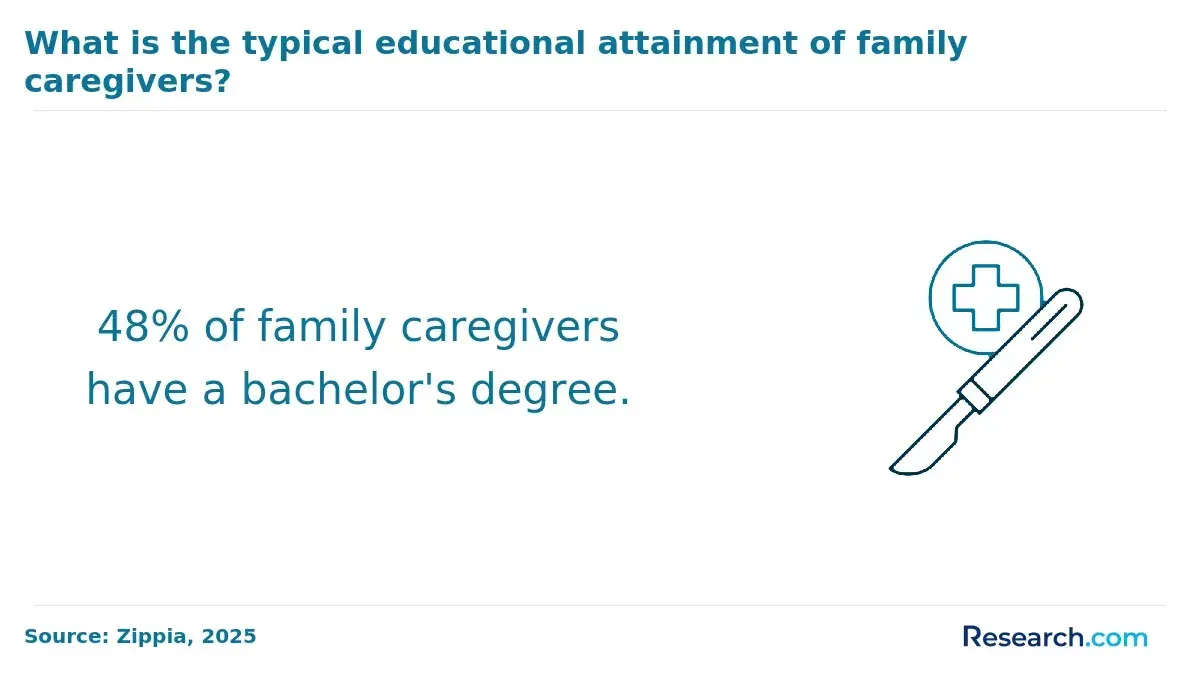
Most Maryland caregiver roles are built around practical training rather than a college degree. However, employers still expect caregivers to have the communication, reading, documentation, and problem-solving skills needed to follow care plans, report changes, protect client privacy, and respond safely during emergencies.
| Education or preparation area | How it applies in Maryland caregiving | Why it matters |
| High school diploma or GED | Typically expected for many formal caregiver, aide, or CNA-related roles. | Caregivers must read care instructions, complete records, understand safety policies, and communicate with families and supervisors. |
| Optional health or human services coursework | Community colleges and adult education centers may offer courses that strengthen a caregiver’s background. | Additional coursework can help candidates qualify for more structured healthcare support roles. |
| English language proficiency for ESOL/ELL learners | Non-native English speakers may need to show that they can understand instructions, document care, and communicate clearly. | Caregiving often involves safety-sensitive communication with clients, nurses, families, and agencies. |
| Role-specific training | Assisted living, nursing home, disability support, home health, and hospice settings may require different approved training. | The tasks, supervision level, and regulatory expectations differ by workplace. |
| Cross-cultural communication preparation | Experience with diverse communities can be valuable in Maryland’s care settings. | Caregivers often support clients with different languages, family structures, beliefs, routines, and care preferences. |
If you are choosing between caregiving and other entry-level healthcare fields, compare the time commitment, required credential, and type of work. For example, understanding how long a medical billing and coding program takes can help you decide whether you prefer hands-on patient support or healthcare administration.
Who should choose a Maryland caregiver training path?
- People who want direct, person-centered work helping older adults, people with disabilities, or clients recovering from illness.
- Career changers who want to enter healthcare without immediately pursuing a degree.
- Family caregivers who want formal skills to improve safety and confidence.
- Workers who may later advance into CNA, medication technician, nursing, occupational therapy, or care coordination roles.
Who may want a different healthcare path?
- People who prefer office-based healthcare work instead of physical care tasks.
- Individuals who are uncomfortable with bathing, toileting, mobility assistance, or end-of-life support.
- Workers seeking a role with less emotional strain or fewer irregular schedules.
- Students whose long-term goal requires a degree or license, such as nursing, therapy, or counseling.
How many training hours are required for caregiver certification in Maryland?
Maryland caregiver training hours depend on the credential and work environment. A private-duty companion caregiver may complete employer-required orientation, while a home health aide pathway has a defined training structure. Before enrolling, ask the school or agency exactly which credential the program prepares you for and whether it meets employer or state expectations for your target job.
- Total training hours for home health aides: 75 hours are required, combining classroom instruction with supervised practical training.
- Classroom instruction: 59 hours are devoted to core knowledge areas such as personal care, infection control, safety, ethics, communication, and documentation.
- Clinical or hands-on training: 16 hours focus on supervised practice so trainees can demonstrate care skills before working independently.
- Residential caregiver training: A fixed statewide hour requirement is not always mandated, but agencies must still prepare workers for client safety, emergency response, reporting, and role-specific duties.
- Ongoing home health aide training: Home health aides must complete at least 12 hours of annual ongoing training to maintain and update job-related skills.
| Caregiver path | Typical training expectation | Best fit |
| Basic caregiver or companion care training | May include short caregiver courses or employer-led orientation; some programs may be at least 40 hours. | People supporting clients with companionship, errands, reminders, and non-medical daily assistance. |
| Home health aide training | 75 hours total, including 59 classroom hours and 16 clinical or hands-on hours. | Workers who want to provide personal care in home-based settings under agency policies. |
| CNA-related pathway | Formal training plus competency evaluation may be required. | Caregivers who want broader nursing-support responsibilities in long-term care or healthcare facilities. |
| Residential care aide preparation | Agency-led or employer-specific training may apply. | Workers supporting clients in group homes, assisted living, or residential service environments. |
What topics are covered in caregiver training programs in Maryland?
Caregiver training in Maryland focuses on safe personal care, client rights, infection prevention, emergency response, documentation, and communication. The goal is not only to teach tasks, but also to help caregivers recognize changes in a client’s condition and know when to report concerns.
- Personal care and activities of daily living: Trainees learn how to assist with bathing, dressing, grooming, eating, toileting, positioning, and mobility while preserving dignity.
- Infection control: Programs cover hand hygiene, standard precautions, use of personal protective equipment, cleaning practices, and ways to reduce infection risk in homes and care facilities.
- Emergency response and CPR: Caregivers may study fire safety, evacuation steps, fall response, choking response, CPR, and when to call emergency services.
- Observation and reporting: Training emphasizes how to notice changes in mood, appetite, skin condition, mobility, pain, confusion, breathing, or behavior and report them appropriately.
- Documentation: Caregivers learn to record services, incidents, changes in condition, and care-plan information accurately and promptly.
- Ethics and confidentiality: Programs address privacy, professional boundaries, respectful care, and the caregiver’s responsibility to protect sensitive client information.
- Abuse and neglect prevention: Trainees learn warning signs of mistreatment, exploitation, neglect, and unsafe living conditions, along with reporting responsibilities.
- Patient and client rights: Caregivers study autonomy, informed choice, respect, freedom from abuse, and the right to participate in care decisions when appropriate.
- Dementia and cognitive support: Training may include communication techniques, redirection, routine-building, safety awareness, and person-centered care for clients with memory loss.
- Communication skills: Caregivers practice speaking with clients, families, nurses, supervisors, and interdisciplinary teams, including strategies for language barriers or cognitive impairment.
- Referral and escalation: Programs teach when a caregiver should contact a supervisor, registered nurse, physician, or emergency service instead of trying to handle a situation alone.
- Specialized topics: Depending on the provider, training may include behavioral health, developmental disability support, hospice care, end-of-life care, or medication-related boundaries.
These skills also overlap with other healthcare occupations that require accuracy, confidentiality, and strong documentation habits. If you are comparing patient-care and administrative options, reviewing a medical biller and coder career overview can help clarify which type of healthcare work fits you best.
Current trends affecting Maryland caregivers
- Aging population: More than 16% of Maryland residents are age 65 or older, increasing the need for dependable long-term care, home care, and family caregiver support.
- More care at home: Many clients and families prefer home-based support when it is safe and financially possible, which makes home health aide and personal care skills especially relevant.
- Greater focus on dementia care: Caregivers who understand cognitive impairment, communication challenges, wandering risks, and caregiver burnout may be better prepared for complex home and residential care roles.
- Technology in daily care: Caregivers may encounter electronic visit verification, digital care notes, telehealth coordination, medication reminder tools, and remote monitoring systems, depending on employer and client setting.
- Higher expectations for documentation: Agencies and healthcare partners increasingly expect accurate reporting because it affects care quality, compliance, billing, and continuity of care.
Is there a state exam for caregiver certification in Maryland?
Maryland exam requirements depend on the caregiver credential. For CNA and closely related aide pathways, candidates should expect a competency evaluation. Basic caregiver or companion roles may not always require a state exam, but employers can still require skills checks, orientation testing, CPR certification, or internal competency review.
For certification pathways that require testing, the exam typically includes two parts: a written or knowledge-based section and a practical skills demonstration. The written portion checks understanding of safety, client rights, infection control, care principles, and regulations. The skills portion asks candidates to demonstrate care tasks such as hygiene assistance, safe mobility support, feeding help, or emergency-response procedures.
Before enrolling, confirm three things with the training provider: whether the program is state-approved for your target credential, whether graduates are eligible for the Maryland Nurse Aide Competency Evaluation, and whether exam fees are included in tuition. You should also ask whether the program helps with scheduling, background checks, and documentation for the Maryland Board of Nursing when applicable.
How do you apply for caregiver certification in Maryland?
The application process is easier when you start with the role you want, then choose the credential that matches it. Do not enroll in the first low-cost program you find without confirming whether it qualifies you for the jobs you plan to apply for.
- Choose your target role. Decide whether you want to work as a companion caregiver, personal care aide, home health aide, residential care aide, hospice aide, CNA, or medication technician.
- Check eligibility. Many formal programs expect applicants to have a high school diploma or GED, and employers may require legal work authorization, reliable transportation, and basic English communication skills.
- Select an approved or employer-recognized training program. If your goal is a regulated aide or CNA pathway, verify that the Maryland Department of Health or appropriate authority recognizes the program. Program length may range from a few weeks to three months depending on schedule and specialization.
- Prepare required documents. Common documents include photo identification, proof of education, health screening records, and immunization information if requested.
- Complete the application with the training provider. Submit all forms carefully and keep copies of confirmations, receipts, and program policies.
- Complete the criminal background check. Maryland caregiver roles serving vulnerable clients commonly require a criminal history review, and some positions may require fingerprinting.
- Finish health screening requirements. Programs or employers may require proof of physical ability to perform care tasks and screenings such as a tuberculosis test.
- Attend all classroom and hands-on training sessions. Missing required hours can delay completion, testing eligibility, or hiring.
- Pass the competency evaluation if required. For exam-based credentials, complete both the knowledge and practical components according to local testing availability.
- Complete any additional employer or role-specific requirements. Some settings require CPR, first aid, dementia training, medication-related training, or specialized modules.
- Track renewal and continuing education deadlines. Keep your certification, CPR card, background check updates, and training certificates organized.
Questions to ask before enrolling in a Maryland caregiver program
| Question | Why it matters |
| Which credential does this program prepare me for? | “Caregiver certificate” can mean different things; the credential must match your career goal. |
| Is the program approved for CNA or home health aide eligibility if I need that pathway? | Not every short course qualifies graduates for regulated aide roles. |
| How many classroom and hands-on hours are included? | Required hours affect whether you can sit for an exam or meet employer standards. |
| Are exam fees, books, background checks, CPR, and uniforms included? | The lowest tuition may not be the lowest total cost. |
| Does the program help with job placement or clinical scheduling? | Support services can make a difference for first-time healthcare workers. |
| What happens if I fail the skills exam or miss a required session? | Retake policies and make-up fees can affect your timeline and budget. |
-
: "
Application paperwork can feel overwhelming at first because training records, health screening, background checks, and testing dates all move on different timelines. The best strategy is to create one folder for every document and confirm each deadline directly with the program or employer.
"
How much does it cost to get caregiver certification in Maryland?
The cost to become a caregiver in Maryland depends on the credential, school type, and what the advertised tuition includes. A short basic caregiver course can be inexpensive, while CNA training generally costs more because it includes more structured instruction and may involve exam-related requirements.
| Cost item | Typical amount stated | What to check before paying |
| Basic caregiver training tuition | $50 to $100 | Confirm whether it is for general caregiver knowledge or an employer-recognized credential. |
| CNA training tuition | $600 to $2,000 | Ask whether clinical hours, exam preparation, and required supplies are included. |
| Textbooks and materials | $0 to $100 | Some government-sponsored or community-based options include materials at no extra charge. |
| Application fees | $25 to $75 | Public or community programs may charge less, but not every provider charges an application fee. |
| Background check | $30 to $50 | Find out whether fingerprinting is required and whether the fee is paid to the school or a third party. |
| State exam fees | $105 to $125 | Exam fees may apply for credentials such as CNA certification; some caregiver certificates do not require a state exam. |
| Additional expenses | $50 to $150 | CPR, first aid, uniforms, supplies, parking, transportation, or administrative fees may raise total cost. |
When comparing caregiver certification programs in Maryland, look at total cost rather than tuition alone. A program that includes books, CPR, background checks, and exam support may be more economical than a cheaper program with multiple separate fees. Public agencies may also offer subsidized or free training for family caregivers.
If you are still deciding between short-term certificates and longer healthcare education options, this comparison of a medical billing and coding certificate versus a bachelor’s degree can help you think through credential length, cost, and career direction.
How to reduce your caregiver training costs
- Ask employers whether they reimburse training after a probationary period.
- Check community colleges, workforce development programs, and local agencies before choosing a private school.
- Ask whether materials, CPR, uniforms, and exam fees are included in the advertised price.
- Compare day, evening, and weekend schedules to avoid lost income from missed work.
- Keep receipts and documentation in case an employer or program requires proof of completed training.
How often do you need to renew caregiver certification in Maryland?
Maryland caregiver-related certification renewal depends on the credential, but the renewal cycle described here is every two years. Caregivers should not wait for a reminder notice before taking action because an expired credential can interfere with employment, scheduling, or eligibility for certain assignments.
In Maryland, caregiver certification must be renewed every two years based on the caregiver’s birth month and birth year. Individuals born in odd-numbered years renew in odd years, while those born in even-numbered years renew in even years. Renewal is due by the 28th day of the caregiver’s birth month. The Board of Nursing sends renewal notices three months before expiration, but the caregiver remains responsible for renewing on time even if the notice is not received.
Renewal generally involves submitting the required renewal application and paying the applicable fees set by the Board. Caregivers should also keep proof of employment, continuing training, CPR renewal, and any employer-mandated in-service education in a secure file.
How do you advance your career after obtaining caregiver certification in Maryland?
Caregiver certification can be an entry point into a broader healthcare career. Advancement usually comes from combining experience with additional training, stronger documentation skills, specialization, and credentials that allow more responsibility.
| Advancement option | What it may involve | When it makes sense |
| Specialize in dementia, hospice, or disability support | Additional training in communication, behavior support, safety, or end-of-life care. | Best for caregivers who want deeper expertise without immediately changing occupations. |
| Move into CNA roles | Formal training, competency evaluation, and work under nursing supervision. | Useful for caregivers who want more clinical duties and facility-based options. |
| Become a medication technician | Additional certification beyond basic caregiver preparation. | Appropriate for workers in assisted living or long-term care settings where medication support is part of the role. |
| Grow into lead caregiver or care coordinator roles | Experience, reliability, documentation strength, scheduling knowledge, and communication skills. | Good for caregivers who want leadership responsibilities without leaving direct care entirely. |
| Transition into allied health or therapy careers | Additional education and field-specific requirements. | Best for caregivers who want a licensed professional pathway over time. |
Caregivers who enjoy helping clients regain independence may eventually explore rehabilitation-related careers. For example, learning how to become an occupational therapist in Maryland can show how caregiving experience may connect to a longer-term healthcare education plan.
What continuing education is required for caregivers in Maryland?
Continuing education requirements in Maryland depend on the caregiver’s role. Some positions have no statewide continuing education mandate, while others require annual training, employer in-service education, or license renewal conditions. Even when continuing education is not required by the state, employers may still expect regular updates in safety, infection control, abuse reporting, dementia care, and client rights.
- Personal care aides and home caregivers: No statewide continuing education requirement is listed for all such roles; initial training covers core caregiving skills, and additional education may be recommended or required by employers.
- Medicaid Waiver Program caregivers: Additional training can apply based on program rules, client needs, or annual topic requirements.
- Certified Nursing Assistants (CNAs): No statewide continuing education hours are listed here, although employers may require in-service training on safety, infection control, abuse recognition, and facility policies.
- Home health aides: At least 12 hours of annual ongoing training is required to maintain and refresh skills.
- Licensed nurses such as RNs and LPNs: Licenses renew biennially, and renewal can be based on 1,000 active nursing hours in five years, graduation within five years, or 30 CEUs over two years.
- Professional counselors and related roles: At least 20 Category A CEUs per renewal are required when the renewal period is less than two years, and programs must be board-approved.
Continuing education topics worth prioritizing
- Dementia communication and behavior support.
- Fall prevention and safe transfers.
- Infection control and respiratory illness precautions.
- Abuse, neglect, and exploitation reporting.
- End-of-life care and family communication.
- Documentation quality and electronic care records.
- Emergency response, CPR, and first aid renewal.
What is the salary for certified caregivers in Maryland?
Certified caregiver earnings in Maryland vary by credential, employer, region, shift, overtime availability, and level of responsibility. Caregivers working for larger healthcare organizations or senior living communities may have access to more structured pay scales and benefits, while private-duty or small-agency work may vary more widely.
- Average annual salary: Certified caregivers in Maryland earn around $42,182 per year, or approximately $20 per hour, as of September 2025.
- Hourly wage range: Many in-home caregivers report pay between $15 and $21 per hour, depending on employer and location.
- Annual salary range: Typical annual pay ranges from $33,781 to $44,333, with higher compensation more likely in urban areas or specialized roles.
- Comparison with the national average: Maryland’s certified caregiver hourly wage is above the national average of $17.38 per hour, reflecting higher living costs and demand for trained caregivers.
- Employer impact: Larger healthcare systems, assisted living providers, and senior care organizations may offer stronger benefits, overtime, and advancement structures than smaller agencies or private households.
- Certification impact: CNA, home health aide, dementia care, hospice, or medication-related training can help caregivers compete for roles at the higher end of the pay range.
Salary should not be the only factor in choosing a caregiving job. Compare benefits, mileage reimbursement, overtime rules, shift expectations, client assignments, training support, and supervision quality. If you want healthcare work with less physical care, online medical billing and coding programs may be worth comparing with hands-on caregiving roles.
What jobs can you get with caregiver certification in Maryland?
Caregiver certification can qualify you for several entry-level and mid-level support roles in homes, senior living communities, residential programs, hospice settings, nursing homes, and healthcare facilities. The best job depends on how much personal care you want to provide, whether you prefer one-on-one home assignments or facility-based work, and whether you plan to pursue additional credentials.
| Job title | Main responsibilities | Common work settings |
| Home Health Aide | Assists with bathing, dressing, grooming, mobility, meal support, medication reminders, and observation of condition changes. | Private homes and home health agencies. |
| Personal Care Attendant (PCA) | Provides hands-on help with daily routines, light housekeeping, grooming, mobility, and basic self-care. | Homes, assisted living settings, and community-based care programs. |
| Companion Caregiver | Offers conversation, supervision, errands, transportation help, appointment support, and social engagement. | Private homes and senior care agencies. |
| Residential Care Aide | Supports daily routines, safety monitoring, basic care, documentation, and resident well-being. | Group homes, residential care programs, and assisted living facilities. |
| Hospice Aide | Provides comfort-focused personal care, emotional support, and assistance to patients and families during end-of-life care. | Homes, hospice programs, and inpatient hospice centers. |
| Certified Nursing Assistant (CNA) | Assists with personal care, vital signs, mobility, feeding, documentation, and nursing-supervised tasks. | Nursing homes, hospitals, rehabilitation centers, and long-term care facilities. |
| Medication Technician (Med Tech) | Administers medications and documents responses in approved settings, with additional certification beyond basic caregiver preparation. | Assisted living, long-term care, and residential care settings. |
Caregivers who want to combine patient care experience with administrative flexibility can also explore healthcare office roles over time. For example, learning how to become a certified medical coder and biller from home can help you compare direct care with remote or office-based healthcare career options.
Common mistakes to avoid when becoming a caregiver in Maryland
| Mistake | Why it can hurt you | Better approach |
| Assuming every caregiver certificate is the same | A short online certificate may not qualify you for CNA, home health aide, or employer-required roles. | Start with the job title you want, then confirm the exact required credential. |
| Choosing a program based only on tuition | Exam fees, books, CPR, uniforms, and background checks can raise the total price. | Ask for a full written cost breakdown before enrolling. |
| Ignoring hands-on training | Caregiving is physical and practical; classroom knowledge alone may not prepare you for transfers, bathing, or emergency response. | Choose training with supervised skills practice when your target role requires direct care. |
| Waiting until the last minute to renew | An expired credential may affect work assignments or hiring eligibility. | Track renewal dates, especially the 28th day of your birth month in the correct renewal year. |
| Assuming salary outcomes are guaranteed | Pay varies by employer, location, credential, schedule, and experience. | Compare hourly pay, benefits, overtime, mileage, training support, and advancement opportunities. |
| Overlooking emotional and physical demands | Caregiving may involve grief, dementia behaviors, lifting, irregular schedules, and family stress. | Ask employers about supervision, safety policies, staffing backup, and caregiver support. |
What Do Caregivers in Maryland Say About Their Career
Caregiver experiences vary by employer, client population, schedule, and support system. The following accounts reflect individual perspectives and should not be treated as guaranteed outcomes for every graduate or caregiver.
- After finishing the certified caregiver program at Baltimore City Community College, I felt better prepared to work with people who needed steady support throughout the day. My first role in a local school helped me build patience, cultural awareness, and confidence. The work is demanding, but I value the stability and the chance to make a visible difference. Darel
- Anne Arundel’s caregiving academy gave me a structured foundation before I started supporting students in Maryland. The training helped me understand safety, communication, and how to adapt when each person’s needs are different. I have learned that caregiving requires flexibility, resilience, and pride in being part of a larger support network. Angel
- Montgomery College gave me practical preparation for caregiving work in an academic setting. Serving students in a culturally diverse environment has challenged me to listen carefully and respond with compassion. The role has helped me grow professionally while building relationships that feel meaningful. Cali
Related Articles for Nearby States
- 2027 How to Become a Caregiver: Certification Requirements in Virginia
- 2027 How to Become a Caregiver: Certification Requirements in West Virginia
- 2027 How to Become a Caregiver: Certification Requirements in Pennsylvania
- 2027 How to Become a Caregiver: Certification Requirements in Delaware
- 2027 How to Become a Caregiver: Certification Requirements in New Jersey
- 2027 How to Become a Caregiver: Certification Requirements in New York
- 2027 How to Become a Caregiver: Certification Requirements in Ohio
- 2027 How to Become a Caregiver: Certification Requirements in North Carolina
- 2027 How to Become a Caregiver: Certification Requirements in Kentucky
- 2027 How to Become a Caregiver: Certification Requirements in Connecticut
Key Insights
- Maryland caregiver certification is not a single universal credential. Requirements depend on whether you want basic caregiving, home health aide work, residential care, CNA duties, hospice support, or medication technician responsibilities.
- Home health aide training requires 75 hours, including 59 hours of classroom instruction and 16 hours of hands-on or clinical training. Some basic caregiver courses may be at least 40 hours, but you should verify what role the course actually qualifies you for.
- Exam requirements are role-specific. CNA and related aide pathways commonly require a competency evaluation with written and practical skills components, while some private-duty or companion roles rely on employer training.
- Budget beyond tuition. Training may cost $50 to $100 for basic caregiver courses and $600 to $2,000 for CNA programs, with possible added costs for materials, applications, background checks, exams, CPR, uniforms, and administrative fees.
- Renewal matters. Maryland caregiver-related certification is renewed every two years, based on birth month and birth year, with renewal due by the 28th day of the caregiver’s birth month.
- Pay varies by credential and employer. Certified caregivers in Maryland earn around $42,182 annually, or approximately $20 per hour, as of September 2025, but actual earnings depend on location, specialization, schedule, and workplace.
- The best program is the one that matches your target job. Before enrolling, ask whether the program is approved, how many training hours it includes, whether it prepares you for required exams, and what costs are included.
References:
- Maryland Caregiver Training Online - Free Certification https://caredemy.us/product/maryland-caregiver-training/
- Maryland Caregiver Training and Certified Nursing Aide School Directory - CaregiverList.com https://www.caregiverlist.com/maryland/caregivertraining.aspx
- Maryland Department of Health Schedule of Fees https://health.maryland.gov/mbon/pages/services-fees.aspx
- HHA Certification | American Caregiver Association https://americancaregiverassociation.org/hha-certification/
- Training Resources For Caregivers - Maryland Department of Human Services https://dhs.maryland.gov/maryland-commission-caregiving/training-resources-caregivers/
- Senior Care Certifications and Caregiver Training Options https://www.care.com/c/senior-care-certifications/
- 404 Error - learn2care https://www.learn2care.us/ebook-pdf/Maryland-ebook.pdf
- Maryland Residential Care Service Caregivers - Orientation Training https://www.care-courses.com/collections/maryland-residential-care-service-caregivers-orientation-training
- Maryland Caregiver Training | myCNAjobs.com https://www.mycnajobs.com/caregiver-training/maryland
- SAVVY Caregiver - Maryland Living Well Center of Excellence https://mdlivingwell.org/programs/savvy/
Other Things You Should Know About Certification Requirements in Maryland
In 2027, becoming a caregiver in Maryland requires passing background checks that include a Maryland criminal history record check and possibly an FBI fingerprint check. These checks ensure the suitability and safety of candidates working with vulnerable populations.
Yes, in 2027, the Maryland Board of Nursing approves certain training programs for caregivers. Programs must cover essential caregiving skills and include at least 75 hours of training, with a portion being clinical practice under supervision. Check their official website for a current list.


