
2027 How to Become a Medical Assistant in Minnesota Online

Co-Founder and Chief Data Scientist
Medical assisting in Minnesota offers strong job prospects with a projected 15% employment growth between 2020 and 2030, according to the Bureau of Labor Statistics. The state’s aging population and expanding healthcare services drive demand for skilled medical assistants. Pursuing this career in Minnesota provides competitive wages and regional stability.
This article outlines practical steps to become a medical assistant through online programs tailored to Minnesota residents. Developed by career planning experts, it delivers clear guidance on certifications, course selection, and career entry strategies. Readers will gain actionable insights to navigate the training process and launch a medical assisting career efficiently.
Key Things to Know About Becoming a Medical Assistant in Minnesota
- Choose an accredited online medical assistant program recognized by the Minnesota Medical Association to ensure eligibility for certification exams.
- Complete both the theoretical coursework online and arrange local clinical externships, as hands-on experience is required by employers statewide.
- Prepare for and pass the Certified Medical Assistant (CMA) exam administered by the AAMA to increase job prospects in Minnesota’s growing healthcare market.
- Can you become a medical assistant in Minnesota through online programs?
- How long are online medical assistant programs in Minnesota?
- Are online medical assistant programs in Minnesota accredited?
- How do you get certified as a medical assistant in Minnesota online?
- How long does it take to become a medical assistant in Minnesota?
- How much does it cost to complete a medical assistant program in Minnesota online?
- Can you get financial aid for online medical assistant training in Minnesota?
- Can a Medical Assistant Transition to Other Allied Health Roles?
- What is the average salary for medical assistants in Minnesota?
- Are online-trained medical assistants hired as often as campus-trained ones in Minnesota?
- Do online medical assistant programs in Minnesota lead to advanced healthcare careers?
Can you become a medical assistant in Minnesota through online programs?
Online medical assistant programs in Minnesota offer a flexible path for students balancing work or family obligations, often allowing completion in as little as four months. However, these programs typically require practical, hands-on clinical experience, which can pose challenges for fully remote learners.
- Online Coursework: Core subjects like medical terminology, anatomy, and patient care are delivered online with self-paced lessons designed to prepare students for Minnesota medical assistant certification online exams efficiently.
- Clinical Training Requirements: Nearly all programs mandate externships or practicum hours ranging from 40 to 140 hours in healthcare settings such as Mayo Clinic or Abbott Northwestern Hospital, often arranged locally to fit students’ schedules.
- Flexibility and Support: Rolling admissions, virtual tutoring, and career coaching make these programs accessible, but verifying local externship availability is critical for timely completion.
- Job Placement Assistance: Services like those offered by Stepful connect graduates with employers in Minnesota, though lack of hands-on experience can limit opportunities with some organizations.
Prospective students should also explore related healthcare roles online; for example, learning what do medical coders do to understand complementary career options. Overall, while the convenience of online medical assistant programs in Minnesota is attractive, successful completion hinges on securing adequate clinical experience to meet employer expectations.
How long are online medical assistant programs in Minnesota?
Online medical assistant programs in Minnesota vary in length depending on the credential you seek—certificate, diploma, or associate degree. Deciding on the right program length helps you balance your goals, time commitments, and career aspirations. Below is a clear outline of typical timelines so you can plan your path efficiently.
- Certificate Programs (About 4 months): These accelerated options allow students to enter the workforce quickly. A fast-track certificate often takes around four months of full-time study plus required externship hours, ideal for those wanting the fastest training possible. This option serves well if you prioritize speed and are focused on gaining essential skills rapidly.
- Diploma Programs (9 to 12 months): Diploma programs usually range from 10 to 12 months and combine online coursework with hands-on clinical labs and externships. This option balances comprehensive training and a moderate timeline, preparing you for entry-level positions and certification exams efficiently.
- Associate Degree Programs (16 to 24 months): Offering a more in-depth education, associate degrees generally take between 16 and 24 months to complete. Along with medical assisting coursework, you’ll get a broader general education, which can open doors for advancement in healthcare or further studies.
- Flexible and Part-Time Options: Many programs embrace part-time study and evening classes, extending the total length but providing flexibility for working adults. Choosing a part-time path suits those balancing existing commitments but requires patience as completion times lengthen accordingly.
All programs include required in-person externships to build real-world skills. Before committing, consider your timeline alongside the job market, where certification remains crucial for competitiveness. If you’re exploring healthcare roles further, learning what do medical billers and coders do can provide useful career insights complementary to medical assisting.
Are online medical assistant programs in Minnesota accredited?
In Minnesota, the most recognized accrediting body for accredited online medical assistant programs is the Commission on Accreditation of Allied Health Education Programs (CAAHEP). CAAHEP evaluates programs based on rigorous standards related to curriculum content, faculty qualifications, and student outcomes. When a program earns CAAHEP accreditation, it indicates that the education provided meets highly respected national standards specific to medical assisting. This is a key factor for students to consider when selecting a program, as it often aligns with eligibility requirements for certification exams.
Accreditation significantly impacts students’ training quality and future employment prospects. Graduates of accredited medical assistant programs are more attractive to employers because they have completed education verified to prepare competent healthcare professionals. Additionally, completing a CAAHEP-accredited program is frequently a prerequisite for sitting for certification exams offered by organizations like the American Association of Medical Assistants (AAMA). Beyond certification, accredited training ensures familiarity with industry best practices, including administrative skills that complement clinical duties, such as those detailed in the responsibilities of working as a medical biller and coder. Overall, Minnesota medical assistant program accreditation provides assurance that the investment in education will support a sustainable healthcare career path.
How do you get certified as a medical assistant in Minnesota online?
Certification is a key credential for medical assistants in Minnesota, signaling verified skills and improving job prospects. Online education supports this goal by offering flexible, accredited programs that fit various schedules while maintaining required training standards.
- Research Accredited Online Programs: Choose a program accredited by CAAHEP or ABHES to ensure eligibility for certification exams. These programs combine online coursework with necessary in-person components for comprehensive training.
- Meet Admission Requirements: Typically, a high school diploma or GED is needed along with background checks and health clearances. CPR/First Aid certification is often required before the clinical practicum starts.
- Complete Online Didactic Coursework: Study key subjects like medical terminology, anatomy, and clinical procedures remotely at your own pace, allowing for flexibility around personal commitments.
- Fulfill In-Person Clinical Requirements: Participate in supervised clinical hours at approved healthcare facilities to gain hands-on experience, a mandatory step for accredited programs.
- Graduate from the Program: Earn a diploma or A.A.S. degree after completing coursework and clinical training, preparing you fully for the certification process.
- Prepare for Certification Exams: Use the provided study materials to ready yourself for national exams such as the CMA or RMA, which certify your professional competency.
- Obtain National Certification: Pass a certification exam to meet employment and professional standards, increasing job opportunities and career potential.
Online pathways simplify access to accredited medical assistant training by offering remote learning and local clinical placements. This approach balances convenience with rigorous practical experience, helping meet Minnesota’s healthcare workforce needs effectively.
How long does it take to become a medical assistant in Minnesota?
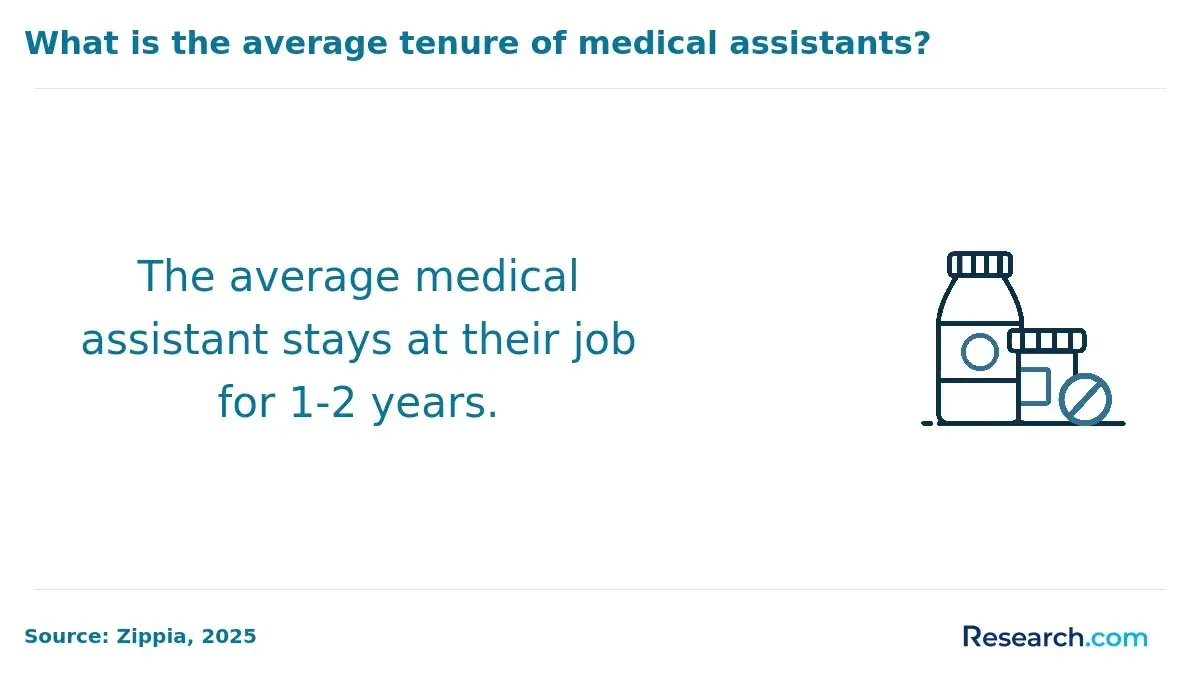
Several factors influence how long it takes to become a medical assistant in Minnesota. The length of the educational program primarily ranges from short certificate or diploma courses to longer associate degree programs. National certification is not legally mandated, but it is strongly preferred by employers, requiring additional preparatory study and exam time after completing schooling. Clinical training, often in the form of supervised externships, is typically integrated into programs and is essential for gaining practical experience, which also impacts the overall timeline. All these components combine to determine when a student is truly ready to enter the workforce.
Most students complete their medical assisting education within 9 to 24 months, depending on the program chosen. Certificate programs are the fastest route, typically completed in under a year, while associate degrees require a two-year commitment but offer more comprehensive training. After graduation, preparing for certification exams can add one to three months before job applications begin. Factors such as part-time study or balancing work commitments can extend this timeline, whereas enrolling in accelerated online programs with integrated externships can shorten it. Being proactive about scheduling externships and exam preparation also helps move the process along more smoothly.
When I spoke with a medical assistant from Minnesota who graduated from a local school’s online program, he shared that managing the timeline required careful planning and self-discipline. “The online coursework gave me flexibility, but I had to stay on top of deadlines to finish the certificate in just under a year,” he explained. Securing a clinical externship was one of the biggest challenges, as it required coordinating with local clinics while completing virtual classes. After completing his program, he spent several weeks preparing for the certification exam, describing the experience as “intense but rewarding.” His story highlights how online pathways can provide efficient routes to certification when students remain organized and focused throughout the process.
How much does it cost to complete a medical assistant program in Minnesota online?
Costs for completing an online medical assistant program in Minnesota depend largely on the program type and school. Tuition varies between certificate, diploma, and associate degree programs, while additional fees and expenses differ by institution and included resources.
- Tuition: Tuition is the main expense and varies widely. Certificate programs often charge monthly rates starting around $79, while associate degrees can exceed $10,000 in total. Public community colleges usually offer lower tuition than private schools.
- Textbooks and Supplies: Students typically pay for textbooks, clinical supplies, and uniforms. Some programs include basic supplies like a stethoscope in tuition, but expect to budget $200 to $800 for additional learning materials.
- Technology Fees: Access to online platforms and digital resources may carry extra fees, usually between $50 and $300 for the entire program. These fees support virtual classrooms and technical support.
- Certification Exam and Preparation Costs: The Certified Clinical Medical Assistant exam costs about $259. Some programs cover this fee and provide study materials, but others require a separate payment.
- Externship and Clinical Expenses: Clinical externships involve costs for transportation, immunizations, and background checks, generally ranging from $100 to $500 depending on site requirements.
- Application and Enrollment Fees: One-time fees, like a $29 application charge, may apply and are usually non-refundable.
Knowing these cost components helps you create a realistic budget and avoid surprises. Comparing programs not just on tuition but all associated expenses ensures better financial planning for your medical assistant training in Minnesota.
Can you get financial aid for online medical assistant training in Minnesota?
Financial aid can make online medical assistant training in Minnesota much more affordable by helping students cover tuition and other expenses. Several options are available that reduce out-of-pocket costs, making it easier to complete your program without financial stress.
- Federal Grants: Need-based awards like the Pell Grant don’t require repayment and apply to accredited online programs after submitting the FAFSA.
- Student Loans: Federal loans with lower interest rates are available for half-time students, also accessed through the FAFSA application.
- Scholarships: Academic and community-based scholarships, including those from local foundations, can provide extra financial support.
- Employer Tuition Assistance: Some healthcare employers in Minnesota offer tuition reimbursement to staff pursuing medical assistant credentials.
When asking a Minnesota medical assistant about financial aid, she reflected that managing costs was stressful at first. She enrolled in an online program at a local college and relied heavily on a combination of federal grants and scholarships. “The FAFSA was daunting, but the financial aid office helped every step,” she shared. Employer assistance came later, easing ongoing expenses. Her experience shows that while navigating aid options takes effort, a thoughtful approach makes online training financially feasible and rewarding.
Can a Medical Assistant Transition to Other Allied Health Roles?
Medical assistants looking to expand their career prospects may consider additional certifications and targeted training in allied health fields. Building on your clinical foundation, specialized education can facilitate a smooth transition into related roles. For example, exploring opportunities on how to become an occupational therapist in Minnesota provides insights into paths beyond medical assisting. Enhanced credentials, continuing education, and relevant networking can help bridge gaps between direct patient care and advanced allied health roles, ensuring long-term professional growth.
What is the average salary for medical assistants in Minnesota?
Salaries for medical assistants in Minnesota vary based on factors such as geographic location, years of experience, the type of healthcare setting, and certification status. Completing an online medical assistant program provides essential skills but does not directly increase pay; employers focus more on certification and practical experience. Understanding these realities can help plan your career strategy effectively.
- Entry-Level Pay: Starting medical assistants typically earn between $16.01 and $16.95 per hour, equating to about $33,300 to $35,258 annually. These wages reflect early-career roles often held by individuals without advanced certifications.
- Median Salary: The average annual salary for medical assistants in Minnesota is roughly $40,518, with certified professionals earning slightly more, around $42,000 to $47,000 per year, reflecting the positive impact of certification on earnings.
- Experienced Medical Assistant Wages: Seasoned medical assistants with additional certifications or specialized skills can expect salaries between $49,950 and $52,887 annually, highlighting the benefits of career growth and continued professional development.
- Differences Across Healthcare Settings: Salaries tend to be higher in hospitals and large healthcare systems compared to smaller clinics or private practices, due to factors like the complexity of care and organizational size.
By understanding these salary ranges and the influence of certification and experience, prospective medical assistants can set realistic expectations and strategically pursue education and credentials to enhance their earning potential in Minnesota’s competitive job market.
Are online-trained medical assistants hired as often as campus-trained ones in Minnesota?
Employers in Minnesota often weigh online versus campus-based medical assistant training differently, especially when it comes to hands-on experience and clinical skills. While campus programs have a long-standing reputation for providing direct practical training, many online programs now include clinical labs or externships, narrowing the gap in practical preparedness. Here are key factors that influence online medical assistant hiring in Minnesota:
- Clinical Training Requirements: Employers expect medical assistants to have strong hands-on clinical skills. Both online and campus programs can fulfill this need if they include comprehensive clinical labs and externships, ensuring candidates are practice-ready.
- Employer Preferences: Some healthcare providers combine online education with paid on-the-job training to tailor skills to their specific settings. This integrated learning model reflects a preference for flexibility while maintaining quality standards.
- Job Readiness: Programs that offer administrative and clinical support training, along with job placement assistance, enhance employability. Focusing on these practical skills helps graduates transition smoothly into the workforce.
- Regional Workforce Needs: Minnesota’s demand for culturally responsive and adaptable medical assistants, especially in underserved communities, influences hiring. Candidates trained in programs addressing these needs may have an advantage.
For those exploring options, combining medical assistant training with certifications or additional skills can strengthen job prospects. Exploring related fields like medical billing and coding online courses may provide valuable complementary skills, improving employment chances in Minnesota’s evolving healthcare sector.
Do online medical assistant programs in Minnesota lead to advanced healthcare careers?
Medical assisting is a practical entry point into healthcare, offering hands-on clinical and administrative experience. Minnesota online medical assistant programs provide flexible study options, ideal for students who need to balance other responsibilities while preparing for a healthcare career. Completing an online medical assistant program can open doors to several advanced healthcare career paths, including:
- Registered Nursing (RN): Many graduates use medical assisting as a foundation to enter nursing programs. The clinical skills and patient care experience gained give applicants an advantage when pursuing ADN or BSN degrees.
- Healthcare Administration: With further education, such as a bachelor's degree, medical assistants can move into management roles like clinic manager or health services manager, which offer higher salaries and leadership opportunities.
- Specialized Medical Assisting: Additional certifications enable specialization in areas like ophthalmology or phlebotomy, increasing job security and earning potential through credentials such as Certified Ophthalmic Assistant or Certified Phlebotomy Technician.
- Medical Assisting Education & Training: Experienced assistants passionate about teaching may qualify to educate future students, often requiring an associate or bachelor’s degree and sometimes a teaching credential.
- Advanced Certifications: Earning credentials like Certified Clinical Medical Assistant or Certified Electronic Health Records Specialist helps secure roles with greater responsibility and improved pay.
- Pathways to Allied Health Professions: Medical assisting experience serves as relevant preparation for careers such as respiratory therapist or physical therapy assistant, which demand additional education but value this foundational clinical background.
Students interested in healthcare career advancement in Minnesota often build on their credentials step-by-step. Some complement their training with stackable credentials, including exploring specialized areas or related fields, or pursue recognized programs like the best online medical coding training programs, which further enhance qualification and career options.
What Do Medical Assistants in Minnesota Say About Their Career
- Completing my medical assistant training online through the Northern Lakes Academy gave me the flexibility I needed while managing family commitments. The program’s focus on practical skills prepared me well to start working in a local school’s health office, where I’ve been able to support both students and staff with their healthcare needs. I love how this role allows me to contribute positively to young people's well-being every day, and the stability of healthcare jobs in Minnesota offers me peace of mind for the future. Lancer
- Starting my career as a medical assistant in a Minnesota academic institution has been a rewarding journey. My training at Twin Cities Medical Academy was thorough and accessible online, which helped me balance work and study smoothly. The chance to work in a school environment means I get to directly impact students' health and wellness, which is especially meaningful given Minnesota’s strong community spirit. The ongoing professional development options in this field here keep me motivated and eager to grow. Richard
- The journey through an online medical assistant program at St. Croix Technical Institute was transformative both personally and professionally. Living in Minnesota, I appreciate how the program tailored aspects to address rural community health needs and the unique challenges of our environment. This career has allowed me to develop new skills, build my confidence, and make a tangible difference in local schools by promoting healthier lifestyles among students. It’s fulfilling to know that my work supports both the academic and physical well-being of children. Carl
Related Articles for Nearby States
- 2027 How to Become a Medical Assistant in Wisconsin Online
- 2027 How to Become a Medical Assistant in Iowa Online
- 2027 How to Become a Medical Assistant in North Dakota Online
- 2027 How to Become a Medical Assistant in South Dakota Online
- 2027 How to Become a Medical Assistant in Nebraska Online
- 2027 How to Become a Medical Assistant in Illinois Online
- 2027 How to Become a Medical Assistant in Missouri Online
- 2027 How to Become a Medical Assistant in Michigan Online
- 2027 How to Become a Medical Assistant in Kansas Online
- 2027 How to Become a Medical Assistant in Indiana Online
References:
- Minnesota State - Medical Assistant https://www.minnstate.edu/system/asa/academicaffairs/cfc/fields/500071.html
- Minnesota Online Medical Assistant Certificate Program | Self-Paced Course https://www.uscareerinstitute.edu/online-medical-assistant-school/minnesota
- How to become a medical assistant in Minneapolis, Minnesota | Minneapolis Medical Assistant School https://minneapolismedicalassistant.com/how-to-become/
- Medical Assistant | Anoka Technical College https://www.anokatech.edu/programs/medical-assistant/
- Minnesota Medical Assistant Certification Exam, MN CMA RMA exam https://www.tests.com/Minnesota-Medical-Assistant-Certification-Exam
- Minnesota State - Medical Assistant https://www.minnstate.edu/system/asa/academicaffairs/cfc/fields/500071.html
- Minnesota Online Medical Assistant Certificate Program | Self-Paced Course https://www.uscareerinstitute.edu/online-medical-assistant-school/minnesota
- How to become a medical assistant in Minneapolis, Minnesota | Minneapolis Medical Assistant School https://minneapolismedicalassistant.com/how-to-become/
- Medical Assistant | Anoka Technical College https://www.anokatech.edu/programs/medical-assistant/
- Minnesota Medical Assistant Certification Exam, MN CMA RMA exam https://www.tests.com/Minnesota-Medical-Assistant-Certification-Exam
Other Things You Need to Know About Becoming a Medical Assistant Online in Minnesota
The time to become a medical assistant in Minnesota online typically ranges from 9 months to 2 years, depending on your chosen program and full-time or part-time enrollment. Flexible online courses allow you to progress at your own pace within these timeframes.
To become a certified medical assistant online in Minnesota by 2026, complete an accredited online medical assistant program, pass the Certified Medical Assistant (CMA) or Registered Medical Assistant (RMA) exam, and fulfill any state-specific requirements, such as background checks or additional certification.


