
2027 How to Become a Medical Assistant in New Jersey Online

Co-Founder and Chief Data Scientist
Becoming a medical assistant in New Jersey online is a smart move considering the state's growing healthcare industry. New Jersey employs over 30,000 medical assistants, with a steady 15% growth rate expected over the next decade. This career offers job security and competitive pay in a flexible, hands-on role. Tackling certification and training online makes it easier to balance your current life while preparing for a new profession.
This article breaks down how to become a medical assistant online in New Jersey. Created by career planning experts, it guides you to the key info needed to start your journey with confidence.
Key Things to Know About Becoming a Medical Assistant in New Jersey
- Find an accredited online program that meets New Jersey’s requirements—usually around 1 year to complete, combining coursework and hands-on training.
- Prepare for certification exams like the CMA or RMA, since many employers in New Jersey prefer certified medical assistants to boost job prospects.
- Check New Jersey job outlook—medical assistant roles are growing fast, with average salaries around $35K–$40K, so getting certified online is a solid move.
- Can you become a medical assistant in New Jersey through online programs?
- How long are online medical assistant programs in New Jersey?
- Are online medical assistant programs in New Jersey accredited?
- How do you get certified as a medical assistant in New Jersey online?
- How long does it take to become a medical assistant in New Jersey?
- How much does it cost to complete a medical assistant program in New Jersey online?
- Can you get financial aid for online medical assistant training in New Jersey?
- What is the average salary for medical assistants in New Jersey?
- Are online-trained medical assistants hired as often as campus-trained ones in New Jersey?
- Do online medical assistant programs in New Jersey lead to advanced healthcare careers?
- Can online medical assistant training lead to specialized healthcare roles in New Jersey?
Can you become a medical assistant in New Jersey through online programs?
Online programs in New Jersey offer great flexibility for those wanting to become a certified medical assistant, letting you study from home and at your own pace. However, while the theory and administrative skills translate well to the online format, the hands-on clinical training essential for this career must be done in person, which often means programs are partially online rather than fully remote.
- Online Coursework: Most programs provide classes on anatomy, medical terminology, and basic clinical skills online, allowing you to manage study time easily and sometimes finish in as little as four months.
- Hybrid Learning Models: Many options mix online lessons with on-campus labs or clinical practice to balance flexibility with hands-on experience.
- Clinical Training Requirements: Practical skills like phlebotomy and patient care require supervised externships at healthcare facilities, which can’t be completed online.
- Program Length and Structure: Diploma tracks might take around 10 months while associate degrees can extend to 16 months, including all clinical components.
- Support Services: Online students often get access to virtual advising, tutoring, tech help, and job placement assistance for a smooth learning experience.
- Workforce Demand: With job growth expected at 24%, there are plenty of opportunities in New Jersey, making flexible medical assistant online programs a smart choice for busy learners.
If you’re wondering how can I advance my career in medical billing and coding, starting with solid medical assistant training online could be a helpful step.
How long are online medical assistant programs in New Jersey?
If you’re looking into online medical assistant training duration in New Jersey, the timeline really depends on the credential you want to earn. Whether you’re aiming for a certificate, diploma, or associate degree, each path comes with its own pace and depth of study. Knowing these differences helps you choose the right fit for your schedule and career goals.
- Certificate Programs (4–12 months): These are usually the quickest option, great if you want to jump into the workforce fast. Some accelerated programs can be done in as little as 4 months, covering core skills and preparing you for certification exams. Other certificate options tend to be self-paced and might take closer to 10–12 months, fitting well around work or family commitments.
- Diploma Programs (10–12 months): Diploma programs offer a bit more detail and hands-on training, often combining online lessons with in-person labs or externships. They generally take about 10 months, but some fast-track options can wrap up in just 12 weeks, usually with a heavier workload and in-person sessions.
- Associate Degree Programs (2 years): If you want a broader education and more career flexibility, an associate degree might be the way to go. These programs typically take about two years and include general education courses alongside medical assisting classes. They are less often fully online, but can lead to higher earning potential and management roles.
As you decide, keep in mind that most programs align with certification requirements, which is important if you want to take the Certified Clinical Medical Assistant exam. Also, if you’re curious about salary differences between certifications, you might find this CBCS vs CPC certification salary comparison useful. Overall, the length of online medical assistant programs in New Jersey varies a lot, so pick the path that fits your lifestyle and career goals best.
Are online medical assistant programs in New Jersey accredited?
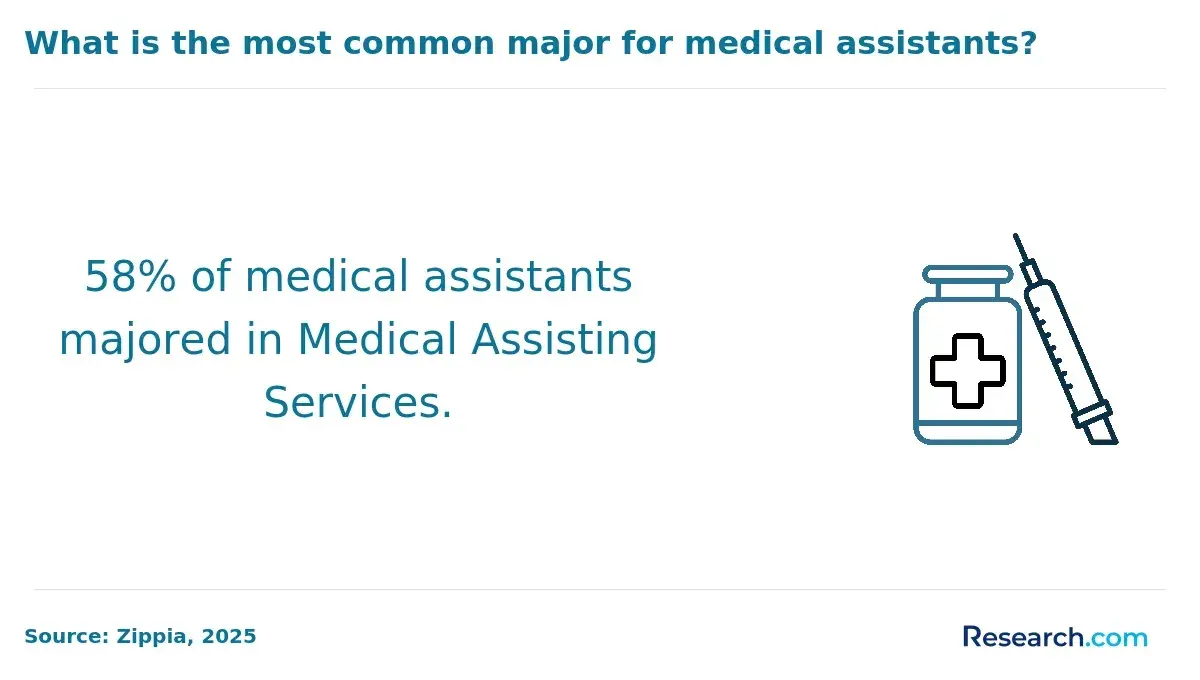
Accreditation plays a big role in finding quality accredited online medical assistant programs in New Jersey because it shows that the curriculum meets solid standards and prepares you well for both certification and real-world work. Without proper accreditation, it’s tough to know if a program will truly get you ready for a medical assistant career or meet employer expectations. There are two main accrediting groups for New Jersey medical assistant program accreditation, including online options:
- Commission on Accreditation of Allied Health Education Programs (CAAHEP): This is one of the largest and most trusted accrediting agencies for health-related programs. CAAHEP looks closely at curriculum quality, student success. Graduates from CAAHEP-accredited programs can sit for the Certified Medical Assistant (CMA) exam, which is a well-recognized credential in the field.
- Accrediting Bureau of Health Education Schools (ABHES): ABHES focuses on schools and programs in allied health education, including medical assisting. Their accreditation means a program meets tough standards for educational quality and success. Finishing an ABHES-accredited program also opens doors to national certifications like CMA or Registered Medical Assistant (RMA).
Choosing a New Jersey medical assistant program with either CAAHEP or ABHES accreditation gives you a real advantage. Such programs regularly update their courses to keep pace with healthcare changes, making sure you get relevant skills. Plus, graduating from an accredited program boosts your chances of passing national certification exams and makes your resume stand out to employers, helping with job prospects and often better pay. If you want to get a clear picture of typical medical biller and coder duties and expectations, accreditation also ensures the education covers essential skills your future job might require, preparing you for more than just the basics.
How do you get certified as a medical assistant in New Jersey online?
Getting certified as a medical assistant in New Jersey is a smart move since it proves you have the skills employers want and lets you take on important tasks like giving injections. Online education makes this even easier by offering flexible schedules and accessible courses for busy folks. Here’s a straightforward guide on how to go about it:
- Complete an Accredited Online or Hybrid Training Program: Enroll in a program recognized by CAAHEP or ABHES that covers medical terminology, anatomy, and office skills. These programs prepare you for nationally recognized certifications like the CMA or RMA.
- Fulfill In-Person Clinical Requirements: Despite most coursework being online, you’ll need hands-on experience through supervised clinical rotations in healthcare settings. New Jersey requires at least 10 hours of clinical training and practice with injections and venipuncture to qualify for advanced duties.
- Graduate from the Program: Finish all your academic and clinical components successfully to become eligible for certification exams, which are the crucial next steps in your career path.
- Apply for National Certification Exams: You can sign up online to take the CMA exam with the AAMA or the RMA exam with the AMT. The CMA exam needs to be taken within five years of finishing your program.
- Prepare for and Pass the Certification Exam: Use study guides, online practice tests, and course materials to get comfortable. Passing shows you meet national skill standards.
Online medical assistant training in New Jersey keeps the same quality as traditional programs but adds flexibility for your life. Combining virtual lessons with required in-person clinical work means you can get certified and ready for work without putting everything else on hold.
How long does it take to become a medical assistant in New Jersey?
The time it takes to become a medical assistant in New Jersey depends mainly on the type of educational program you choose, the need for certification, and how much clinical training you get during your course. Certificate or diploma programs typically last about 9 to 12 months and combine both classroom learning and hands-on externships. If you decide to pursue an associate degree instead, plan for 18 to 24 months since these tend to be more comprehensive, including general education and longer clinical experiences. While New Jersey doesn’t require state licensure, many employers prefer candidates who have national certification, which can add a few extra months for exam preparation and scheduling after you finish school. The clinical externship portion is usually part of your program’s length, so it doesn't extend the timeline beyond the stated durations.
Most students finish their training and step into the workforce within 9 months to 2 years, depending on the path they take and any additional time spent prepping for certifications. Some find they can speed things up by enrolling in accredited, streamlined online programs that combine coursework with flexible externships. Others take a little longer if they need time to balance study with work or family commitments. Either way, starting with a solid program that matches your goals is key to moving into a medical assisting career without unnecessary delays.
A medical assistant from New Jersey, who graduated from a local online school, shared how the timeline felt realistic but challenging. He mentioned that juggling coursework with a part-time job required good time management, especially during the clinical externship phase, which couldn't be rushed. He said, “It wasn’t just about finishing fast, but making sure I was really ready. Overall, the program’s pace was just right for me, and having the online option gave me the flexibility I needed to stay on track.”
How much does it cost to complete a medical assistant program in New Jersey online?
The cost to complete an online medical assistant program in New Jersey can vary quite a bit, depending on the school and program type. Tuition, fees, and extra expenses typically range from under $5,000 to close to $20,000. Knowing what to expect financially helps you budget smarter and pick the right program for your needs.
- Tuition Fees: This is the biggest chunk of the cost and can vary widely among programs. Some online courses are self-paced with flexible payment plans, making it easier to manage tuition costs month-to-month, while others require paying the full amount upfront.
- Textbooks and Supplies: Besides tuition, you might need to buy textbooks, a stethoscope, and other supplies. Some programs include these in the package, giving you essentials like a stethoscope and blood pressure cuff, but others expect you to purchase them separately.
- Technology Fees: Since you’re learning online, there could be technology fees to support the digital platform. Often these fees are included in tuition or charged separately, but usually aren’t a huge extra expense.
- Exam Preparation Costs: Many programs help prepare you for certification exams. Some even cover the cost of the certification exam itself, which can save you a couple of hundred dollars and is definitely worth considering.
Getting a clear picture of these costs lets you plan ahead and avoid surprises along the way. Plus, some programs offer financial aid and scholarships that can lighten the financial load even more, so it’s worth researching all options before you commit.
Can you get financial aid for online medical assistant training in New Jersey?
Financial aid can really open doors for students looking to train as medical assistants online in New Jersey by easing the cost burden. There are several helpful options out there designed to fit different needs and situations.
- Federal Grants: The Pell Grant is a popular choice for students with financial need, offering up to several thousand dollars a year without needing to pay it back.
- Student Loans: Federal loans come with lower interest and flexible repayment plans, making them a safer bet than private loans if you need extra funds.
- State Grants and Scholarships: New Jersey provides aid like the Tuition Aid Grant, which can reduce expenses for eligible residents attending approved schools.
- Institutional Scholarships: Many schools offer their own scholarships based on merit or need, helping to cut down tuition costs directly.
- Employer Tuition Assistance: Some healthcare employers pitch in with tuition help, which is great if you’re working while studying.
I spoke with a medical assistant from New Jersey who graduated from a local online program. She told me navigating financial aid felt overwhelming at first—“there’s a lot of forms and deadlines,” she said—but she quickly found out her school helped with scholarships and guided her through federal aid applications. The employer tuition assistance also gave her peace of mind while juggling work and school. She reflects, “Without that support, I honestly don’t think I could have made it through on my own.” Her experience shows that while the process can be tricky, plenty of financial aid options really do exist to make online medical assistant training doable in New Jersey.
What is the average salary for medical assistants in New Jersey?
Medical assistant salaries in New Jersey can really depend on a few key things, like where you work, how much experience you have, and the type of healthcare setting you’re in. Whether you completed your training online or in a classroom doesn’t usually affect your paycheck much, as employers care more about your certification and skills. Here’s a quick breakdown of what you might expect:
- Entry-Level Pay: If you’re just starting out, typical earnings range from $38,000 to $41,000 a year, or around $18 to $20 an hour. Urban areas like Jersey City and Newark tend to offer higher starting wages.
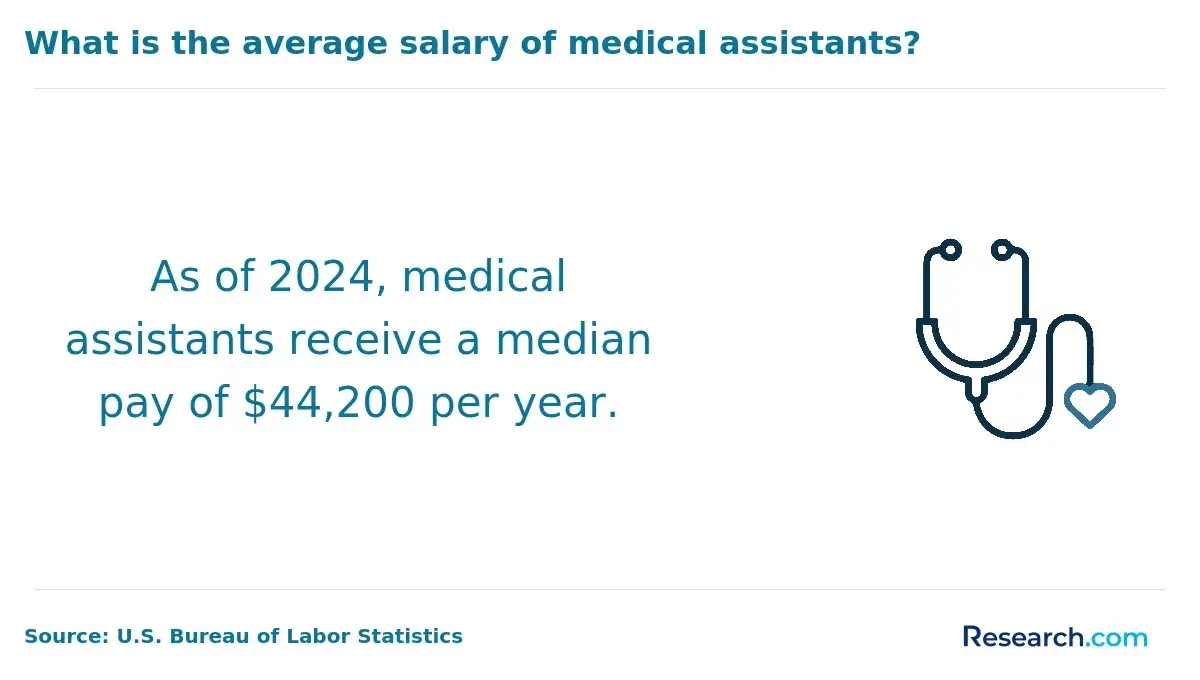
- Median Salary: On average, medical assistants make about $46,500 annually, or $22.36 per hour, which is roughly 10% above the national average.
- Experienced and Certified Pay: With a few years under your belt and a certification like CMA or RMA, pay bumps up to $50,000–$55,000 or more yearly, with hourly rates between $24 and $26.50.
- Work Setting Differences: Hospitals usually pay the best, sometimes over $55,000 for certified pros, while private practices and outpatient clinics hover around $44,000 to $48,000. Specialty clinics and urgent care spots fall in between but may offer extra perks.
Knowing these salary details can really help you set realistic goals and choose the right path whether you’re looking to train online or in person in New Jersey’s healthcare field.
Are online-trained medical assistants hired as often as campus-trained ones in New Jersey?
Employers in New Jersey often weigh online-trained medical assistants differently compared to those trained on campus, mainly because of concerns about the amount of hands-on experience and clinical skills gained. While online programs offer flexibility, many healthcare providers still look for proof of strong practical training before making hiring decisions.
- Clinical Training Requirements: Most jobs require a certain number of in-person clinical hours through externships or labs, regardless of whether the classroom portion was online or face-to-face. Employers want to see that graduates had real, hands-on practice before joining the workforce.
- Employer Preferences: Some healthcare employers prefer campus-trained grads because they assume on-site training is tougher and comes with more direct supervision. Still, well-designed accredited online or hybrid programs with clinical externships are gaining acceptance, especially if they prepare students for certifications like the CCMA.
- Job Readiness: Showing you can handle clinical procedures, interact with patients, and manage admin tasks is key. Online graduates with solid externships often compete just as well as campus grads when they can prove practical skills.
- Regional Workforce Needs: The demand for medical assistants in New Jersey is strong, with a good wage outlook and a steady job growth rate. Some areas or employers might be more open to online-trained applicants, especially during workforce shortages, as long as certification and clinical skills check out.
- Accreditation and Certification: Most employers want candidates from accredited programs who hold recognized certifications like the CCMA or CMA. Online programs that meet these standards and include clinical experience are generally accepted.
If you want to dive deeper into related education topics, consider checking out education requirements medical billing and coding certificate vs bachelors degree for a clearer picture of how different healthcare certifications stack up.
Do online medical assistant programs in New Jersey lead to advanced healthcare careers?
Starting as a medical assistant is a smart way to jump into healthcare because it builds solid clinical and office skills that are in demand. Online medical assistant programs in New Jersey make this even easier by offering flexibility, perfect for juggling work, family, or other commitments while moving forward professionally. Such programs can open doors not just to entry-level jobs but also to varied advanced healthcare careers later on.
- Registered Nursing (RN): Many medical assistants take the natural step of becoming registered nurses by pursuing ADN or BSN degrees. Their hands-on experience makes nursing school easier to navigate and more valuable, and some bridge programs even accept previous medical assistant training and experience.
- Healthcare Administration: Organization and clerical skills from medical assisting translate well into healthcare management roles like office managers or medical records supervisors. Further education in healthcare management can help boost you into leadership with some of the highest wages in New Jersey’s healthcare field.
- Specialized Medical Assisting: Earning certifications in specialties like cardiology or ophthalmology can set you apart, making your skills more sought-after and often leading to better pay. Many certifications offer online or hybrid courses, adding convenience to career growth.
- Advanced Clinical Roles: Roles such as phlebotomist or EKG technician are achievable with additional certificate programs, many available online. These positions often have growing demand and can expand your clinical expertise significantly.
- Further Academic Pathways: Many online programs let you transfer credits toward associate or bachelor’s degrees in nursing or health sciences, creating a smooth path for ongoing education. Schools like Rutgers support this progression, making it tempting to take the next step after certification.
If you’re considering ways to expand your healthcare career, programs offering a flexible online medical billing and coding certification might also complement your medical assistant background and open more doors in healthcare administration. Taking these steps after your New Jersey medical assistant certification can really broaden your options.
What Do Medical Assistants in New Jersey Say About Their Career
- Completing my medical assistant training online through Garden State Health Academy allowed me to balance my family responsibilities while gaining the skills I needed to start my career. I appreciated the flexibility of the courses and the supportive instructors who were always available virtually. Working now in a local school setting, I find it incredibly rewarding to contribute to the health and well-being of students, especially during challenging times. This path has opened doors for advancement and continuous learning that I hadn’t considered before. Jachin
- My journey began with an online medical assistant program at Newark Career College, where I acquired comprehensive clinical knowledge and hands-on skills. Starting my career in a nearby school brought unique opportunities to engage with a diverse community and adapt to New Jersey’s fast-paced educational environment. I find great satisfaction in supporting students' health and fostering a positive atmosphere for learning. This profession has truly expanded my professional skills and deepened my passion for community care. George
- Pursuing my medical assistant training through Coastal Jersey Medical Institute was a transformative experience that challenged me to grow both professionally and personally. The program’s focus on practical healthcare delivery and cultural competency was especially valuable in New Jersey’s diverse communities. As I support students in a local school, I’m proud to make a meaningful impact on young people’s futures while continuously advancing my career in healthcare. The stability and progress I’ve found in this role give me confidence for what’s next. Mina
Can online medical assistant training lead to specialized healthcare roles in New Jersey?
Online programs provide the essential clinical and administrative foundation required for entry-level positions while also equipping graduates to pursue specialized certifications. Graduates can leverage their experience to access niche roles that require additional accreditation, enhanced practical skills, and targeted professional training. This pathway may include obtaining further certifications and engaging in continuing education to meet evolving industry standards and regulatory requirements. Exploring expanded career opportunities, such as specialized therapy fields, is a strategic move for those seeking advancement. Consider exploring how to become an occupational therapist in New Jersey for additional insight into diversifying your healthcare career.
Related Articles for Nearby States
- 2027 How to Become a Medical Assistant in Delaware Online
- 2027 How to Become a Medical Assistant in Pennsylvania Online
- 2027 How to Become a Medical Assistant in New York Online
- 2027 How to Become a Medical Assistant in Maryland Online
- 2027 How to Become a Medical Assistant in Connecticut Online
- 2027 How to Become a Medical Assistant in Rhode Island Online
- 2027 How to Become a Medical Assistant in Virginia Online
- 2027 How to Become a Medical Assistant in Massachusetts Online
- 2027 How to Become a Medical Assistant in West Virginia Online
- 2027 How to Become a Medical Assistant in Ohio Online
References:
- Medical Assistant Salary in New Jersey 2025 Per Hour: Highest Paying Cities, Cost of Living, Job Outlook, and Career Growth Strategies — https://www.nysmda.com/ https://www.nysmda.com/dental-news/medical-assistant-salary-in-new-jersey-2025-per-hour-highest-paying-cities-cost-of-living-job-outlook-and-career-growth-strategies-1
- Average Medical Assistant Salary in New Jersey (Hourly and Annually) https://www.stepful.com/medical-assistant-salaries/new-jersey
- Medical Assistant Certification Parsippany New Jersey — NPS https://npscerts.com/medical-assistant-certification-parsippany-new-jersey/
- Medical Assistant Certification | Training | My Career NJ https://mycareer.nj.gov/training/50226
- Learn How to Become a Medical Assistant in New Jersey https://www.allalliedhealthschools.com/medical-assisting/new-jersey/
- Medical Assistant Certification Program NJ | ACI Medical & Dental School https://aci.edu/primary-programs/medical-assistant-certification/
Other Things You Should Know About Becoming a Medical Assistant Online in New Jersey
To become a successful medical assistant in New Jersey in 2027, you will need strong communication, organizational, and clinical skills. Proficiency in medical software and patient interaction are also vital, as well as having empathy and the ability to handle multitasking efficiently in a healthcare setting.
An online medical assistant program in New Jersey often offers the advantage of flexible scheduling, allowing students to learn at their own pace. This flexibility can make it easier to balance other commitments, such as work or family obligations, while pursuing certification.


