
2027 How to Become a Medical Assistant in Oklahoma Online

Co-Founder and Chief Data Scientist
Oklahoma employs over 5,000 medical assistants, with a projected 18% job growth through 2030. This expansion reflects the rising demand for healthcare services across the state. Pursuing a career as a medical assistant in Oklahoma offers competitive salaries and job stability within a growing field. Online programs provide flexible pathways to gain necessary certifications and skills without relocating.
This article, crafted by career planning experts, details practical steps for becoming a medical assistant in Oklahoma through online education. It guides readers in selecting accredited programs, meeting state requirements, and successfully launching their healthcare career.
Key Things to Know About Becoming a Medical Assistant in Oklahoma
- Choose an accredited online medical assistant program that meets Oklahoma’s educational standards and includes a hands‑on clinical component within the state.
- Prepare for the Certified Medical Assistant (CMA) exam offered by the AAMA, as certification improves job prospects in Oklahoma’s growing healthcare sector.
- Leverage Oklahoma’s high demand for medical assistants, with the state expecting a 15% workforce growth through 2030, to secure entry‑level positions post‑certification.
- Can you become a medical assistant in Oklahoma through online programs?
- How long are online medical assistant programs in Oklahoma?
- Are online medical assistant programs in Oklahoma accredited?
- How do you get certified as a medical assistant in Oklahoma online?
- How long does it take to become a medical assistant in Oklahoma?
- How much does it cost to complete a medical assistant program in Oklahoma online?
- Can you get financial aid for online medical assistant training in Oklahoma?
- What are the emerging career opportunities and trends for medical assistants in Oklahoma?
- What is the average salary for medical assistants in Oklahoma?
- Are online-trained medical assistants hired as often as campus-trained ones in Oklahoma?
- Do online medical assistant programs in Oklahoma lead to advanced healthcare careers?
Can you become a medical assistant in Oklahoma through online programs?
Online medical assistant programs in Oklahoma offer valuable flexibility, especially for those balancing work or family commitments. However, while coursework can be completed remotely at a personal pace, hands-on clinical training remains an essential and sometimes challenging requirement. This means students must prepare for both virtual learning environments and in-person skill development. Here are the main components to consider if you want to become a medical assistant in Oklahoma online:
- Online Coursework Delivery: Didactic instruction is typically fully online, covering subjects like medical terminology and healthcare systems through interactive lessons, videos, and open-note tests.
- Hybrid Learning Models: Some programs combine online lectures with mandatory in-person labs and externships, requiring students to complete clinical skill demonstrations at approved healthcare sites.
- Clinical Training Requirements: Practical experience usually involves about 180 hours at medical clinics or physician offices, which students must arrange in Oklahoma, often with program support.
- Certification Preparation: Most online options prepare students for national exams such as the Certified Clinical Medical Assistant (CCMA), which helps validate skills gained in training.
- Program Duration: Certificate programs range from 4 to 12 months, while associate degrees may take up to 20 months, offering a relatively quick entry into the healthcare field.
- Student Support Services: Virtual advising, tutoring, technical help, and career coaching are provided to assist students throughout their online education journey.
For those considering their future earnings, understanding the clinical coder salary can offer valuable insight into related healthcare career paths.
How long are online medical assistant programs in Oklahoma?
The duration of online medical assistant programs in Oklahoma varies based on the type of credential pursued, whether a certificate, diploma, or associate degree. Choosing the right program length depends on your career goals and how quickly you want to enter the workforce. Below is a practical breakdown of the typical timelines for each educational path.
- Certificate Programs (around 4 months): These programs offer the shortest duration, often completed in about four months of full-time study. They focus on core clinical and administrative skills necessary for entry-level roles and usually prepare students for national certification exams, making them ideal for those seeking rapid workforce entry.
- Diploma Programs (9–12 months): Diploma courses typically take between nine and twelve months to finish. They provide a balanced mix of online learning and hands-on clinical experiences or externships, equipping students with practical skills valued by employers. This option offers more depth than certificate programs without the full commitment of an associate degree.
- Associate Degree Programs (about 20–24 months): These programs usually span roughly 20 to 24 months, combining comprehensive medical assisting training with general education courses. Associate degrees can open doors to broader career opportunities and make it easier to transfer credits for further education. They are often preferred by employers seeking well-rounded candidates.
When comparing program lengths, keep in mind that the duration of medical assistant courses in Oklahoma sometimes includes required in-person clinical labs or externships to develop practical skills. Also, obtaining national certification is encouraged by most employers and often recommended after program completion. For those balancing work and family commitments, the flexibility of online programs can be a significant advantage as you plan your path forward. If you want to explore related career options and salaries, consider reviewing the medical biller and coder career salary insights to expand your understanding of allied health professions.
Are online medical assistant programs in Oklahoma accredited?
Accreditation plays a key role in maintaining the quality and credibility of online medical assistant programs in Oklahoma. It ensures that these programs adhere to national standards for curriculum, instructor expertise, and student outcomes, which is essential for preparing students for real-world medical assistant roles. There are several accrediting bodies responsible for Oklahoma medical assistant program accreditation, each guaranteeing educational rigor and eligibility for professional certifications:
- Commission on Accreditation of Allied Health Education Programs: CAAHEP is a leading programmatic accreditor recognized nationwide. It evaluates medical assistant programs based on strict curriculum standards and faculty qualifications. Graduating from a CAAHEP-accredited program often requires taking the Certified Medical Assistant (CMA) exam offered by the American Association of Medical Assistants (AAMA).
- Accrediting Bureau of Health Education Schools (ABHES): ABHES accredits both online and on-campus programs and is recognized by the U.S. Department of Education. Programs accredited by ABHES prepare students for both clinical and administrative medical assistant roles and support eligibility for certifications like the Registered Medical Assistant (RMA) through American Medical Technologists (AMT).
- Oklahoma State Regents for Higher Education: While not a programmatic accreditor, this state agency approves institutions authorized to operate in Oklahoma. Students should confirm their online program’s authorization status, especially if the school is out of state, to ensure their training meets local requirements.
Choosing accredited online medical assistant programs in Oklahoma directly influences a student’s training quality and career opportunities. Accreditation ensures that coursework and clinical experiences meet industry standards, equipping graduates with the skills employers demand. Additionally, completing an accredited program is typically necessary to qualify for national certification exams such as the CMA or RMA, which greatly enhance employability in Oklahoma’s healthcare sector. With the state’s medical assistant employment expected to grow significantly, pursuing proper accreditation is a practical step toward career readiness. For those interested in related healthcare roles, understanding what is the job of medical billing and coding can offer additional professional pathways.
How do you get certified as a medical assistant in Oklahoma online?
Certification enhances a medical assistant’s credibility and job prospects in Oklahoma, even though it’s not legally required. Online education provides a flexible way to complete coursework while balancing other commitments, making certification more attainable.
- Complete an Accredited Training Program: Enroll in a medical assisting program recognized by the ABHES or CAAHEP. Many offer online coursework covering theory, medical terminology, and administrative tasks, while requiring some in-person attendance.
- Fulfill In-Person Clinical Requirements: Gain hands-on experience through a practicum or clinical rotation in a healthcare setting. This real-world training is essential for mastering skills like taking vital signs and assisting with procedures.
- Prepare for Certification Exams: Study for exams such as the CMA, which includes 200 questions with a passing score of 425, or the RMA, requiring a 70% pass rate on 210 questions. Online resources and practice tests can support exam readiness.
- Apply for Certification: Submit your application through certifying bodies like the AAMA for CMA or AMT for RMA, often via their online portals, once eligibility requirements are met.
Online and hybrid programs balance flexibility with hands-on experience, allowing candidates in Oklahoma to meet professional standards efficiently while preparing for certification exams. This approach helps aspiring medical assistants enter the workforce with recognized credentials and practical skills.
How long does it take to become a medical assistant in Oklahoma?
The total time required to become a medical assistant in Oklahoma depends mainly on the type of educational program chosen, clinical training included, and whether certification preparation is pursued. Certificate and diploma programs typically take about 9 to 12 months, combining classroom instruction with hands-on clinical experience. Associate degrees demand a longer commitment, usually around 18 to 24 months, as they incorporate more comprehensive coursework and extended clinical rotations. Preparation for certification exams, while optional in Oklahoma, can add one to three months, depending on individual study pace and prior experience. These factors collectively shape the timeline, influencing how quickly someone enters the workforce.
Most students complete their medical assisting training within a year if they choose certificate or diploma paths, making this the fastest way to start working. Those opting for associate degrees should expect closer to two years before graduation and job entry. Pursuing certification can either accelerate career advancement or be skipped to save time, depending on employment goals. Online programs particularly offer flexibility, which may speed up completion if learners dedicate consistent hours.
A medical assistant from Oklahoma who graduated via a local online program shared that while balancing study and work was challenging, the ability to progress at his own pace helped him finish in just over ten months. Reflecting on the process, he noted that “the hands-on training was the biggest adjustment after online coursework, but the structure prepared me well,” emphasizing that realistic scheduling and commitment were key to managing the timeline effectively.
How much does it cost to complete a medical assistant program in Oklahoma online?
The cost to complete a medical assistant program online in Oklahoma varies substantially based on program type, length, and institution. Tuition alone can range widely, and when combined with fees and additional expenses, the total investment may be quite different depending on your chosen school and credential level.
- Tuition: This is the largest expense and differs by program. Online certificate programs typically start around $650 for accelerated courses and can go up to nearly $18,000 for comprehensive associate degrees or diplomas at community colleges and universities.
- Textbooks and Supplies: Expect to spend between $200 and $600 on textbooks, workbooks, and medical supplies. Some programs include key tools like stethoscopes in tuition, which can reduce these costs.
- Technology Fees: Schools often charge these fees to maintain online platforms and virtual labs, generally ranging from $50 to $300 per program. These may be billed per semester or as a one-time fee.
- Certification Exam Fees and Preparation: Certification is essential for employment. Exam and prep costs usually add between $160 and $259 per exam attempt, with extra study materials costing around $50 to $200. Some programs may bundle these fees into tuition.
- Clinical Externship Costs: Though the coursework is online, clinical externships require expenses such as transportation, uniforms, or immunizations, adding approximately $100 to $500, depending on location and program requirements.
By breaking down these key cost components, students can better prepare financially and choose a program that aligns with their budget. Clear awareness of tuition plus all associated fees helps avoid surprises and ensures a smoother path through training and certification.
Can you get financial aid for online medical assistant training in Oklahoma?
Financial aid is essential for many students pursuing online medical assistant training in Oklahoma, helping to ease the financial burden and make education more attainable. Various funding options are available to reduce out-of-pocket costs and support your career goals.
- Federal Grants: These are need-based awards like the Pell Grant that do not require repayment, providing significant tuition assistance to eligible students through FAFSA applications.
- Student Loans: Federal loans offer lower interest rates and flexible repayment plans, while private loans are also available; repayment typically begins after finishing your program.
- Institutional Scholarships: Many schools offer scholarships based on merit or financial need; contacting your chosen program directly can reveal these opportunities.
- Employer Tuition Assistance: Some healthcare employers in Oklahoma provide tuition reimbursement for employees advancing their education, often requiring continued employment.
A medical assistant from Oklahoma who graduated from a local online program shared that navigating financial aid initially felt overwhelming. She emphasized how critical it was to communicate directly with her school’s financial aid office, which helped clarify available scholarships and loan options. She was grateful for employer tuition assistance that eased her expenses but noted the importance of balancing work hours and coursework. “It wasn’t easy,” she recalled, “but knowing I could access specific aid programs made pursuing my training possible without causing long-term financial strain.” Her experience shows that while challenges exist, thorough planning and resourcefulness can unlock valuable support for online medical assistant students in Oklahoma.
What are the emerging career opportunities and trends for medical assistants in Oklahoma?
Medical assistants in Oklahoma are witnessing expanding roles driven by technological innovations and evolving patient care models. Increasing use of telehealth and electronic health records is creating opportunities to specialize in administrative tech support, patient coordination, and integrated care services. Furthermore, professionals are enhancing their value through targeted certifications that enable cross-training in ancillary fields. Some individuals even diversify their expertise by exploring related career pathways, such as how to become an occupational therapist in Oklahoma, which enrich broader healthcare competencies. Embracing continuous education and industry trends can open doors to leadership roles and specialized positions in clinical settings and administrative operations.
What is the average salary for medical assistants in Oklahoma?
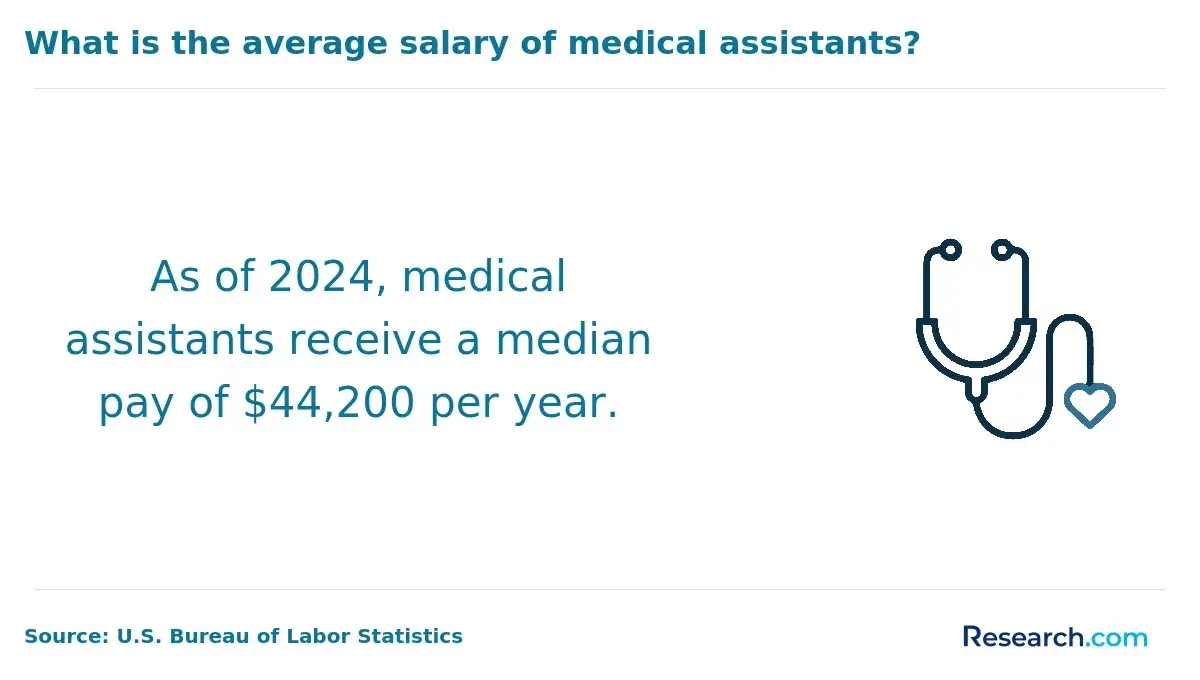
Salaries for medical assistants in Oklahoma vary based on factors such as geographic location, work experience, and the healthcare setting. Completing an online training program does not significantly impact starting salaries, as employers emphasize certification, skills, and practical experience over the education format.
- Entry-Level Pay: New medical assistants typically earn between $33,000 and $33,200 annually, or about $16 per hour, representing the lower 25th percentile for the state. These figures reflect those just beginning their careers or working in smaller clinics.
- Median Salary: The average annual wage ranges from roughly $39,976 to $42,402, equating to $19 to $20 per hour, which is typical for professionals with some experience and certification.
- Experienced Medical Assistant Wages: With increased experience or specialization, salaries can reach $45,700 to $54,015 annually, or $23 to $25 per hour, reflecting earnings at the top 25th percentile.
- Differences Across Healthcare Settings: Medical assistants in hospitals and outpatient clinics generally earn more than those in private practices. For example, Lawton offers salaries up to $42,612 annually, slightly above the state average.
Understanding these salary benchmarks enables prospective medical assistants to strategically plan their education and career paths in Oklahoma, focusing on certification, gaining experience, and selecting optimal work environments to maximize earning potential.
Are online-trained medical assistants hired as often as campus-trained ones in Oklahoma?
Employers in Oklahoma often weigh online-trained and campus-trained medical assistants differently, mainly due to varied exposure to hands-on experience and clinical skills. While traditional programs prioritize in-person labs, many online options now incorporate substantial clinical components to meet employer standards, influencing perceptions of job readiness.
- Clinical Training Requirements: Both online and campus-based programs increasingly demand practical clinical work, including in-person labs and externships. Completing these hands-on experiences is essential to developing the clinical competencies that Oklahoma employers expect from medical assistants.
- Employer Preferences: Some hiring managers favor graduates from established campus programs because of their well-documented training history. However, online medical assistant job prospects in Oklahoma are improving as many online programs partner with local clinics for clinical rotations, especially when graduates earn recognized certifications like CCMA or RMA.
- Job Readiness and Certification: Certification remains a critical hiring factor, often outweighing the mode of instruction. Candidates from both online and campus paths who hold national credentials demonstrate verified clinical skills and are highly considered by Oklahoma employers.
- Regional Workforce Needs: Rural and underserved Oklahoma communities may prioritize accessibility and flexibility in training, making online-trained assistants a practical solution for local shortages. This aligns with state workforce demands driven by healthcare expansion in various counties.
- Accreditation and Program Reputation: Accreditation from recognized bodies and partnerships with healthcare providers are key indicators of program quality. These factors enhance the employability of online-trained candidates and help close gaps in employer confidence.
For a deeper understanding of educational pathways, consider exploring the key differences between medical billing and coding certificate and bachelors degree, which can further clarify your decisions on medical assistant training and credentials.
Do online medical assistant programs in Oklahoma lead to advanced healthcare careers?
Medical assisting is a practical entry point into the healthcare field, offering hands-on experience and foundational knowledge useful across many roles. Online medical assistant degree pathways in Oklahoma provide the flexibility to balance education with other commitments, making it easier for students to start their healthcare careers without relocating or compromising current responsibilities. Once certified, medical assistants can pursue several avenues for career advancement in Oklahoma:
- Nursing Career Pathway: Transitioning from medical assisting to nursing typically involves completing an Associate’s or Bachelor’s degree in Nursing. This shift opens doors to roles such as Registered Nurse (RN) or Advanced Practice Registered Nurse (APRN), providing higher earning potential and expanded clinical responsibilities.
- Healthcare Administration: Gaining experience as a medical assistant can lead to positions in healthcare management, like medical office manager or health information specialist. These roles usually require additional training or certifications focused on healthcare business operations and leadership skills.
- Specialized Medical Assisting: Advanced certifications in fields like dermatology, cardiology, or ophthalmology allow medical assistants to focus on niche areas. This specialization often enhances job prospects and salary by developing expertise sought by specific medical practices.
- Advanced Certifications: Earning credentials such as Certified Medical Assistant (CMA) or Registered Medical Assistant (RMA) improves employability and career growth. These designations demand passing national exams and maintaining continuing education.
For those interested in complementary skills that can broaden their healthcare career options, exploring online college programs for medical billing and coding is a valuable addition. Combining such expertise with medical assisting can enhance job security and opportunities for promotion in healthcare settings.
What Do Medical Assistants in Oklahoma Say About Their Career
- Completing my medical assistant training through Tulsa Health Academy’s online program was a life-changing experience. The flexibility allowed me to balance work and study while gaining critical skills tailored to Oklahoma’s healthcare environment. Starting my career in a local school has been incredibly rewarding, as I get to support young students' health and wellness daily. The stability of the medical assistant role here is reassuring, and I am excited about the possibilities for advancement within the state’s growing healthcare sector. Alex
- My journey as a medical assistant began after finishing the comprehensive online program at Red River Medical College. The reflective nature of my training helped me appreciate how my work directly impacts community health, especially in Oklahoma’s rural areas. Working in a local academic institution, I feel a deep sense of pride knowing I contribute to the well-being of students and staff alike. This role has strengthened my communication skills and empathy, fueling my passion for public service and community growth. Lindy
- As someone who values continuous learning, I enrolled in the Oklahoma City Healthcare Institute’s online program to become a certified medical assistant. The program was intensive but well-organized, preparing me to handle the unique challenges Oklahoma faces, including serving diverse populations with varying healthcare needs. Starting my career in a local school setting gave me the chance to advance professionally while making a meaningful impact on children’s health and education. I’m proud of the professional growth I’ve achieved in this role and the difference it makes every day. Kirby
Related Articles for Nearby States
- 2027 How to Become a Medical Assistant in Texas Online
- 2027 How to Become a Medical Assistant in Kansas Online
- 2027 How to Become a Medical Assistant in Arkansas Online
- 2027 How to Become a Medical Assistant in Missouri Online
- 2027 How to Become a Medical Assistant in Colorado Online
- 2027 How to Become a Medical Assistant in New Mexico Online
- 2027 How to Become a Medical Assistant in Nebraska Online
- 2027 How to Become a Medical Assistant in Louisiana Online
- 2027 How to Become a Medical Assistant in Iowa Online
- 2027 How to Become a Medical Assistant in Mississippi Online
References:
- 8 Essential Skills for Medical Assistants in Oklahoma City https://oklahomacitymedicalassistant.com/blog/medical-assisting/8-essential-skills-for-medical-assistants-in-oklahoma-city/
- Certified Clinical Medical Assistant | Oklahoma State University https://osuokc.edu/community-outreach/training-development-center/career-training/certified-clinical-medical-assistant.html
- What Skills Does a Medical Assistant Need in Tulsa? https://tulsamedicalassistant.com/blog/medical-assisting/what-skills-does-a-medical-assistant-need-in-tulsa_/
- Oklahoma - Med Assisting https://medassisting.org/ok/
- Medical Assisting - Central Technology Center https://centraltech.edu/classes/medical-assisting/
Other Things You Should Know About Becoming a Medical Assistant Online in Oklahoma
In 2027, online medical assistant programs in Oklahoma typically range from 9 months to 2 years. These programs offer flexible schedules but require students to complete a specified number of clinical hours in person at an affiliated healthcare facility to gain practical experience.
Online learning can potentially reduce the time to become a medical assistant in Oklahoma by offering more flexible scheduling and allowing students to complete coursework at their own pace. However, since medical assistant programs require hands-on clinical training that must be completed in person, the overall time savings may be limited. The hybrid nature of most accredited programs means that while theoretical components are expedited online, practical experience still dictates the minimum duration. Therefore, online learning can streamline certain aspects but does not drastically shorten the total time needed to become a certified medical assistant in Oklahoma.


