
2027 How to Become a Medical Assistant in South Carolina Online

Co-Founder and Chief Data Scientist
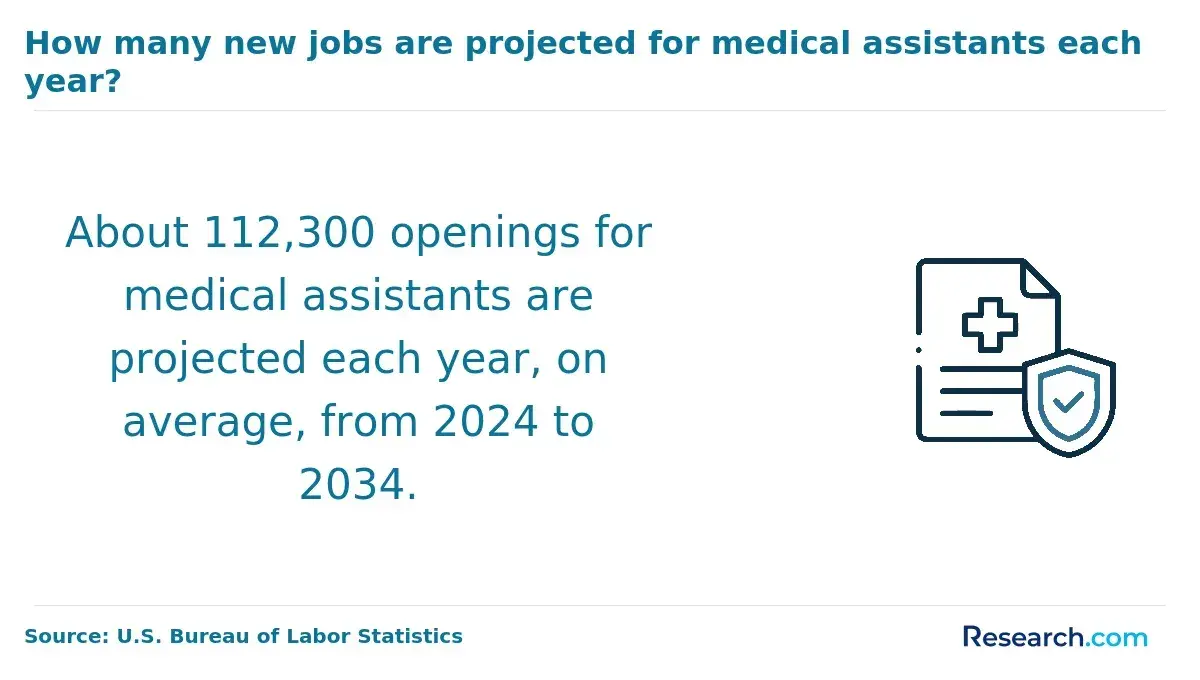
South Carolina’s healthcare sector is expanding rapidly, with a projected 19% growth for medical assistant roles by 2030, outpacing many other occupations. This surge reflects increasing demand for skilled professionals to support aging populations and busy clinical environments. Pursuing a career as a medical assistant in South Carolina presents a stable and rewarding path, blending clinical work with administrative responsibilities. However, traditional training programs may not suit everyone’s schedule or location.
This article explores how to become a medical assistant in South Carolina through online programs, delivering expert guidance and reliable resources. It aims to equip readers with essential facts for informed career decisions in this vital field.
Key Things to Know About Becoming a Medical Assistant in South Carolina
- Choose an accredited online program aligned with South Carolina’s healthcare standards to ensure eligibility for certification and licensure.
- Complete a combination of online coursework and supervised externships, as hands-on clinical experience is mandated despite the online format.
- Understand South Carolina’s growing demand for medical assistants, with workforce projections indicating a 19% increase by 2030, highlighting strong job prospects post-certification.
- Can you become a medical assistant in South Carolina through online programs?
- How long are online medical assistant programs in South Carolina?
- Are online medical assistant programs in South Carolina accredited?
- How do you get certified as a medical assistant in South Carolina online?
- How long does it take to become a medical assistant in South Carolina?
- How much does it cost to complete a medical assistant program in South Carolina online?
- Can you get financial aid for online medical assistant training in South Carolina?
- What are the admission requirements for online medical assistant programs in South Carolina?
- What is the average salary for medical assistants in South Carolina?
- Are online-trained medical assistants hired as often as campus-trained ones in South Carolina?
- Do online medical assistant programs in South Carolina lead to advanced healthcare careers?
Can you become a medical assistant in South Carolina through online programs?
Online medical assistant programs in South Carolina offer students exceptional flexibility, enabling them to balance work, family, and education. Yet, the challenge remains—how effectively can these programs replicate essential hands-on clinical experience through a virtual environment? Exploring this balance reveals important considerations:
- Online Coursework: These programs cover essential administrative and clinical knowledge, often using interactive lessons and videos to engage learners in medical assistant duties.
- Hybrid Learning Models: Some institutions blend online theory with in-person labs and externships, which is vital for students to gain real-world clinical skills.
- Clinical Training: Hands-on training is indispensable. While some programs provide volunteer externships, others require students to secure clinical placements independently, highlighting a critical responsibility beyond coursework.
- Certification Preparation: Online curricula typically prepare students for national certifications such as the CCMA or RMA, credentials crucial for advancing within the healthcare field.
The prospect of South Carolina medical assistant certification online invites one to consider how technology and traditional practices merge. It also opens dialogue on the future of clinical education. Furthermore, understanding broader healthcare roles is beneficial; for example, knowing what do medical coders do can complement medical assistant knowledge, particularly in handling patient records and healthcare data management.
How long are online medical assistant programs in South Carolina?
The time it takes to complete online medical assistant programs in South Carolina varies considerably based on the type of credential pursued, reflecting different educational goals and commitment levels. Whether opting for a certificate, diploma, or associate degree, the length of study impacts not just how quickly one enters the workforce but also the depth of training received. Understanding these timelines can reshape how prospective students plan their careers and anticipate future opportunities.
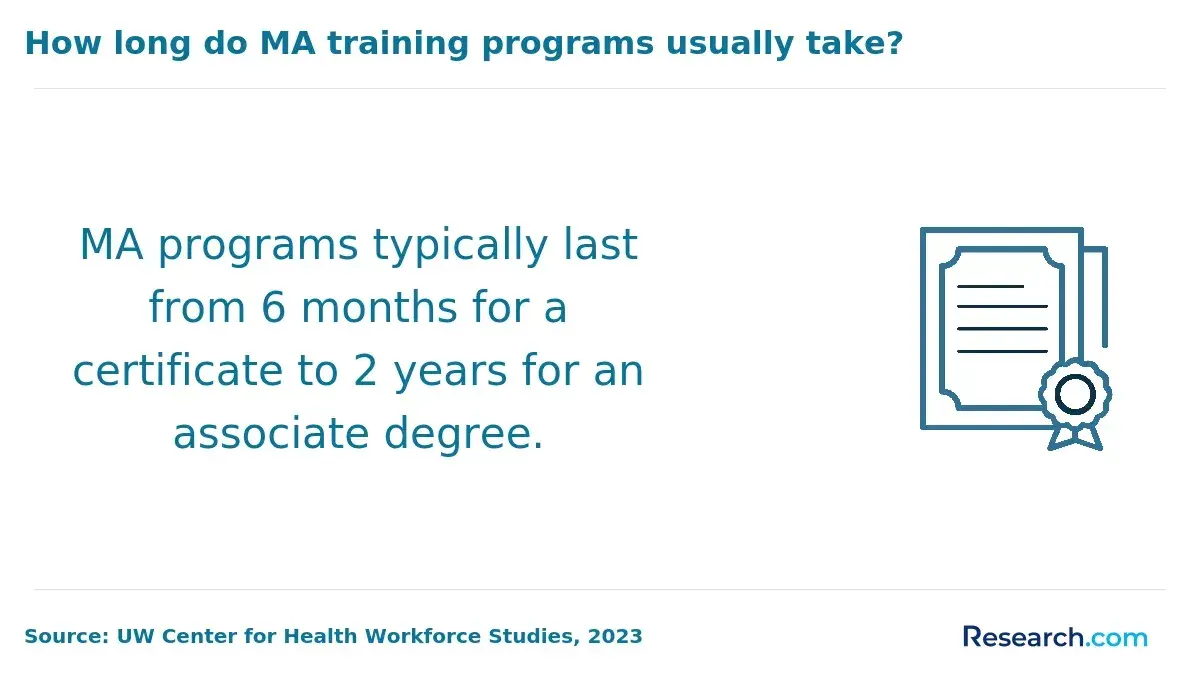
- Certificate Programs (4–8 Months): These are typically the fastest routes, ideal for those who want to enter the medical assisting field quickly. Many programs are self-paced, enabling completion in as little as 4 to 7 months, focusing on essential skills and certification exam preparation.
- Diploma Programs (9–12 Months): Slightly longer than certificates, diplomas provide a more robust curriculum combining online lessons with hands-on clinical externships. These programs better prepare graduates for a wider range of entry-level positions, with a completion timeline often around 10 months for full-time students.
- Associate Degree Programs (16–24 Months): Taking about two years, associate degrees blend general education with advanced medical courses and practical training. They establish a strong foundation for career growth or further education in healthcare.
It’s important to question the traditional emphasis on program length alone when considering how long is online medical assistant school in South Carolina. Self-paced options challenge the norm by allowing motivated learners to accelerate their pace, while required clinical components ensure practical competency regardless of format. For students weighing career options, understanding these variables can influence whether speed or depth takes precedence. Additionally, considering pathways to certifications—such as inquiries into CBCS vs CPC which certification is better—adds another layer to aligning one’s education with long-term professional goals.
Are online medical assistant programs in South Carolina accredited?
Accreditation plays a pivotal role in maintaining educational standards and assuring students that a program will adequately prepare them for their professional roles. It is particularly important for online programs, where verifying the quality of instruction can be more challenging. By choosing an accredited online medical assistant program in South Carolina, students can be confident they are gaining relevant skills that align with industry expectations and certification requirements.
In South Carolina, the primary organization responsible for medical assistant program accreditation is the Commission on Accreditation of Allied Health Education Programs (CAAHEP). CAAHEP is highly regarded and acknowledged by the U.S. Department of Education, setting rigorous standards for curriculum content, faculty qualifications, and clinical training opportunities. This accreditation assures that South Carolina medical assistant program accreditation meets a consistent benchmark that equips students to succeed in certification exams and adapt to evolving healthcare environments.
Accreditation impacts students’ training by ensuring a balanced approach to both theoretical knowledge and practical skills, critical for real-world medical assisting roles. It also enhances employment prospects, as many healthcare employers prioritize graduates from accredited programs who have demonstrated competence and are often eligible for certification exams. Students considering this path should ask how a program’s accreditation relates to key industry credentials, including the Certified Medical Assistant (CMA). For those curious about the broader healthcare administrative landscape, exploring what is the function of medical billing and coding can offer useful insights often intertwined with medical assistant duties.
How do you get certified as a medical assistant in South Carolina online?
Certification distinguishes medical assistants by validating their expertise and opening doors to better job prospects and career growth. Online education expands access by offering flexible learning formats without compromising the rigor needed for professional readiness.
- Choose an Accredited Online or Hybrid Program: Enroll in a program recognized for meeting national standards and tailored to South Carolina requirements, ensuring your training prepares you effectively for certification exams.
- Complete Coursework Remotely: Study topics ranging from medical terminology to clinical procedures at your own pace, allowing you to balance education with personal and professional obligations.
- Fulfill In-Person Clinical Training: Engage in hands-on externships or clinical rotations arranged locally, which are essential for developing real-world skills under supervision, typically requiring around 200 hours.
- Graduate and Receive Credential: Successfully finishing your program grants a certificate or diploma, often a necessary qualification to sit for national exams.
- Prepare for Certification Exams: Focus your efforts on exams like the Certified Medical Assistant (CMA) or Registered Medical Assistant (RMA), using program resources that may include test prep and fee assistance.
- Apply for Positions and Maintain Certification: After certification, pursue employment opportunities while committing to continuing education to renew credentials and advance your career.
Online pathways challenge traditional assumptions about training by merging flexible learning with essential clinical experience, thereby broadening who can become qualified medical assistants in South Carolina without diluting professional standards.
How long does it take to become a medical assistant in South Carolina?
The path to becoming a medical assistant in South Carolina involves multiple factors that shape how long the process will take. Educational program length is a primary consideration, with certificate or diploma programs typically taking 9 to 12 months, while associate degrees require 18 to 24 months. Certification requirements add another layer, even though South Carolina does not mandate state licensure; securing nationally recognized credentials such as the CMA or RMA often benefits employment prospects and requires successful completion of accredited programs. Clinical training, embedded within these programs, offers essential hands-on experience but also contributes to the overall timeline. Together, these elements form a complex timeline that prospective students must navigate thoughtfully.
Most students complete their training and enter the workforce within one to two years, depending on the chosen program and individual circumstances. Accelerated diploma programs offer the quickest route but may limit the depth of education compared to associate degrees, which typically provide broader knowledge and potentially better long-term job opportunities. Factors such as part-time study, scheduling of certification exams, and clinical externship placements can either hasten or extend this timeline. Flexibility in program delivery, including online options, also influences how quickly students can progress through the requirements and start their careers.
When speaking with a medical assistant from South Carolina who completed an online diploma program at a local technical school, he shared that balancing work and study was the biggest challenge. “The online structure let me move at my own pace, but coordinating the required externship took extra weeks because I had to find a nearby clinical site that fit my schedule,” he explained. Despite these hurdles, he appreciated how the condensed timeline kept his motivation high, noting, “It really felt like a tangible goal every month, knowing I was stepping closer to a stable job.” His experience reflects how personalized learning paths and practical constraints combine to create unique timelines for each future medical assistant in South Carolina.
How much does it cost to complete a medical assistant program in South Carolina online?
The cost to complete a medical assistant program online in South Carolina depends heavily on the institution and program type, with tuition alone ranging significantly. Additional fees and necessary expenses can quickly add up, making it essential to scrutinize every cost factor before committing.
- Tuition: Tuition fees form the largest single expense, varying widely by program. Some self-paced certificates may cost around $1,400 to $1,700, while more comprehensive diploma or associate degree options can have higher tuition, depending on length and resources.
- Application and Enrollment Fees: Many programs require a one-time non-refundable application or enrollment fee, often around $29, which is not included in tuition and is due upfront.
- Textbooks and Supplies: Not all programs bundle textbooks or supplies into tuition. Some may require purchasing items like textbooks, stethoscopes, or blood pressure cuffs separately, potentially increasing overall costs.
- Technology Fees: Maintaining online access often involves technology fees to support digital platforms, plus the cost of computers and software needed for remote learning, which some programs charge separately.
- Certification Exam and Preparation: Certification exam costs vary, typically $150 to $250, and may not be included in tuition. Some programs include study guides or practice exams as part of the package, adding value.
- Externship or Clinical Supplies: Programs with in-person clinical components may require additional expenses such as uniforms, immunizations, and background checks, which can be unexpected for students focusing only on tuition.
Recognizing the full scope of potential costs beyond just tuition empowers students to budget realistically and avoid financial surprises during their education. This comprehensive approach to cost evaluation is crucial for managing the investment required to become a certified medical assistant in South Carolina.
Can you get financial aid for online medical assistant training in South Carolina?
Financial aid can transform the financial challenge of pursuing online medical assistant training in South Carolina into an achievable goal. By leveraging various funding sources, students can focus on learning instead of the often overwhelming tuition costs.
- Federal Grants: Pell Grants and similar programs offer aid based on financial need and require no repayment. They are accessible to students enrolled in accredited online medical assistant programs, easing upfront expenses.
- Federal Student Loans: Available for associate degree or diploma students, these loans cover tuition and fees but carry the responsibility of repayment with interest, calling for careful consideration.
- Scholarships: Institutional and private scholarships reward academic merit or financial need. Many online programs and local schools provide dedicated scholarships with varying eligibility criteria.
- School-Based Payment Plans: Flexible tuition payment options enable spreading costs over time, reducing immediate financial barriers for certificate seekers.
- Employer Tuition Assistance: Some healthcare employers support employees’ education with reimbursement programs, a valuable resource for those balancing work and study.
A medical assistant from South Carolina who graduated from a local online program shared how navigating financial aid was initially confusing but ultimately encouraging. "I didn’t expect to qualify for a Pell Grant at first, but once I confirmed my program was accredited, the process became clearer," she recalled. She also found her employer’s tuition assistance beneficial, allowing her to continue working while studying. "The combination of grant aid and payment plans made the financial side manageable, even when things felt uncertain," she reflected. Her experience reveals that while challenges exist, financial aid for online medical assistant training in South Carolina is within reach for determined students.
What are the admission requirements for online medical assistant programs in South Carolina?
Prospective students typically need a high school diploma or GED, with some programs also recommending or requiring foundational courses in biology, math, or related subjects. In addition, applicants are expected to demonstrate basic computer proficiency and have reliable internet access to successfully navigate online coursework. Institutions may review communication skills and proficiency in English to ensure candidates can effectively engage in both virtual and clinical interactions. It is advisable to review each program’s specific eligibility criteria prior to applying to guarantee a smooth enrollment process. For those considering a broader healthcare career path, explore how to become an occupational therapist in South Carolina.
What is the average salary for medical assistants in South Carolina?
Medical assistant salaries in South Carolina are shaped by multiple variables, including geographic location, experience, and employment setting. While online training for medical assistants has gained acceptance, it does not independently guarantee higher starting pay; factors like certification and workplace environment play a more decisive role in compensation.
- Entry-Level Pay: Starting medical assistants typically earn around $15.82 per hour, translating to an annual salary of $32,900. Entry-level wages tend to be lower in rural areas but rise quickly with experience and certification.
- Median Salary: The average annual salary stands at about $38,389, with certified assistants making roughly $40,107. Most salaries fall between $36,980 and $44,684, reflecting credential and job market influences.
- Experienced Medical Assistant Wages: Those with extensive experience or advanced certifications earn at the top end, with salaries reaching $48,321 annually in larger healthcare systems or specialized practices.
- Differences Across Healthcare Settings: Earnings vary by work environment; hospital and large outpatient clinic employees command higher wages than those in smaller private practices, with metro areas like Charleston offering more competitive pay.
Understanding these salary nuances offers prospective medical assistants a clearer vision for career planning, emphasizing the importance of certification, experience, and setting over reliance on training format alone.
Are online-trained medical assistants hired as often as campus-trained ones in South Carolina?
Employers in South Carolina often weigh online and campus-trained medical assistants differently, largely focusing on clinical skills and practical training rather than the mode of instruction. While flexibility in online learning is undeniable, concerns about hands-on experience sometimes shape hiring decisions, especially in roles demanding direct patient care. This nuanced view challenges the assumption that online graduates are less prepared.
- Clinical Training Requirements: Employers look for candidates from accredited programs emphasizing essential clinical skills. Many online medical assistant programs integrate in-person labs and externships, bridging the gap between virtual learning and practical experience, which positively affects hiring rates for online medical assistant graduates in South Carolina.
- Employer Preferences: Certification credentials like the Certified Clinical Medical Assistant (CCMA) are often prioritized over training format. Programs that prepare students well for certification exams encourage employers to focus on competence and credentials rather than where the study was completed.
- Job Readiness: Both online and campus graduates must prove their ability to handle administrative and clinical tasks effectively. Some online programs even report higher certification exam pass rates, indicating that online-trained candidates can meet or exceed expected job readiness levels.
- Regional Workforce Needs: South Carolina’s growing healthcare sector, especially in rural areas, creates demand that online programs help address by producing qualified candidates quickly and flexibly. This responsiveness influences more employers to consider online-trained applicants equally.
For those exploring their career path, it’s worth comparing curricula and outcomes rather than relying on traditional notions of teaching methods, much like deciding between a medical billing and coding certificate vs bachelors degree similarities and differences. The critical factor remains the candidate’s practical competence and the program’s accreditation, which ultimately shapes employers’ willingness to hire.
Do online medical assistant programs in South Carolina lead to advanced healthcare careers?
Medical assisting frequently acts as a strategic entry point into healthcare, offering practical experience that blends clinical and administrative skills. Online medical assistant programs in South Carolina provide unique flexibility, empowering students to balance their education with other commitments while preparing for a range of future opportunities. This flexibility directly supports South Carolina medical assistant career advancement by opening doors to numerous advanced roles.
- Nursing: The hands-on skills gained in medical assisting, including patient care and lab work, translate smoothly into nursing programs. With South Carolina's noted nursing shortage, medical assistants have a competitive advantage when pursuing nursing careers.
- Healthcare Administration: Those interested in management can leverage medical assisting experience to enter healthcare administration. Basic training in billing, records, and office workflows can evolve into leadership positions with further education.
- Specialized Medical Assisting: Additional certifications in phlebotomy, EKG technology, or medical coding enhance job prospects, particularly in high-demand specialties like cardiology or dermatology.
- Advanced Certifications and Allied Health Roles: Credentials such as CCMA, CPT, or CET increase responsibility and earning potential. These certifications are increasingly valued across South Carolina healthcare settings.
- Pathway to Physician Assistant or Other Advanced Roles: Medical assisting clinical experience can fulfill prerequisites for PA programs and advanced practice careers, making it a vital foundational step.
- Health Informatics and Medical Billing: Familiarity with electronic health records enables transition into health informatics or billing, sectors growing rapidly as South Carolina healthcare digitizes records.
For learners interested in the billing and coding aspect, exploring whether can you get financial aid for medical billing and coding is also essential to support career growth and certification in South Carolina medical assistant certification in South Carolina offers a clear pathway to substantial career development across diverse healthcare fields.
What Do Medical Assistants in South Carolina Say About Their Career
- Completing my online medical assistant program through Charleston Health Academy was a game-changer. The flexibility of the courses allowed me to balance family life while gaining critical hands-on skills. Now working in a local school, I find so much joy knowing I’m contributing to the health and well-being of the students every day. South Carolina’s supportive community atmosphere makes this work especially meaningful. Tammy
- After finishing my training with Midlands Medical Institute’s online program, I began my career as a medical assistant in an academic setting. The experience has sharpened my professional skills and opened many doors for advancement in healthcare. The diverse patient population here in South Carolina has challenged me to grow culturally and clinically, enriching my compassion and expertise. Claire
- Pursuing medical assistant certification online through Palmetto Career College empowered me to make a positive impact in my community. Working with children and families in a local school has been emotionally rewarding and has strengthened my sense of purpose. South Carolina’s unique environment offers many health challenges, and I feel proud to be part of a frontline workforce addressing those needs with dedication and professionalism. Jerome
Related Articles for Nearby States
- 2027 How to Become a Medical Assistant in Georgia Online
- 2027 How to Become a Medical Assistant in North Carolina Online
- 2027 How to Become a Medical Assistant in Florida Online
- 2027 How to Become a Medical Assistant in Tennessee Online
- 2027 How to Become a Medical Assistant in Alabama Online
- 2027 How to Become a Medical Assistant in Virginia Online
- 2027 How to Become a Medical Assistant in Kentucky Online
- 2027 How to Become a Medical Assistant in Mississippi Online
- 2027 How to Become a Medical Assistant in West Virginia Online
- 2027 How to Become a Medical Assistant in Louisiana Online
References:
- South Carolina Online Medical Assistant Certificate Program | Self-Paced Course https://www.uscareerinstitute.edu/online-medical-assistant-school/south-carolina
- Online Medical Assisting Programs for South Carolina Residents https://www.herzing.edu/healthcare/medical-assisting/south-carolina
- South Carolina Online Medical Assistant Programs: Explore SC Schools https://www.edumed.org/online-schools/medical-assistant-programs/south-carolina-sc/
- Online Certified Medical Administrative Assistant (CMAA) + Medical Terminology (Voucher Included) from University of South Carolina Lancaster https://careertraininglancaster.sc.edu/training-programs/certified-medical-administrative-assistant-ccma-plus-medical-terminology-voucher-included/
- Online Certified Clinical Medical Assistant (CCMA) (Voucher Included) from Western Carolina University https://onlinecareertraining.wcu.edu/training-programs/certified_clinical_medical_assistant/
Other Things You Should Know About Becoming a Medical Assistant Online in South Carolina
In 2027, online medical assistant programs in South Carolina typically last between 9 months and 2 years. The duration varies based on the program's intensity and schedule, including part-time or full-time options.
Yes, many online medical assistant programs in South Carolina in 2027 include comprehensive curricula that incorporate both theoretical and practical components, ensuring students gain the necessary skills for clinical duties. These programs often require completing externships or practical labs to provide hands-on experience.
To qualify as a medical assistant in South Carolina, candidates must develop a blend of clinical and administrative skills essential for supporting healthcare providers effectively. Key competencies include proficiency in patient communication, medical terminology, and basic clinical procedures such as taking vital signs and assisting with examinations. Additionally, strong organizational abilities and familiarity with electronic health records (EHR) are crucial to managing patient information accurately. Building these skills through accredited online medical assistant programs can prepare students to meet employer expectations and comply with state standards, paving the way for certification and employment in various healthcare settings.


