
2027 How to Become a Medical Assistant in Vermont Online

Co-Founder and Chief Data Scientist
Medical assisting is a rapidly growing profession in Vermont, with employment expected to increase by 15% over the next decade. This growth highlights the strong demand for skilled medical assistants who provide vital support to healthcare teams. Vermont offers promising salaries and opportunities for career advancement in this essential field. Pursuing a career as a medical assistant in Vermont is a wise choice for those seeking stability and fulfillment in healthcare.
This article, prepared by experts in career planning, guides readers through the steps to become a medical assistant in Vermont online. It equips aspiring professionals with clear, reliable information tailored to their goals.
Key Things to Know About Becoming a Medical Assistant in Vermont
- Choose an accredited online medical assistant program that meets Vermont's educational standards, ensuring comprehensive training in both administrative and clinical skills.
- Complete required hands-on externships or practicums in local healthcare settings to gain practical experience, vital for employment in Vermont’s healthcare workforce.
- Prepare for and pass the Certified Medical Assistant (CMA) exam, which boosts job prospects in Vermont, where the medical assistant field is growing steadily with over 2,000 active professionals.
- Can you become a medical assistant in Vermont through online programs?
- How long are online medical assistant programs in Vermont?
- Are online medical assistant programs in Vermont accredited?
- How do you get certified as a medical assistant in Vermont online?
- How long does it take to become a medical assistant in Vermont?
- How much does it cost to complete a medical assistant program in Vermont online?
- Can you get financial aid for online medical assistant training in Vermont?
- Can Medical Assistant Certification Propel Your Career Transition to Other Healthcare Roles?
- What is the average salary for medical assistants in Vermont?
- Are online-trained medical assistants hired as often as campus-trained ones in Vermont?
- Do online medical assistant programs in Vermont lead to advanced healthcare careers?
Can you become a medical assistant in Vermont through online programs?
Online medical assistant programs in Vermont offer remarkable flexibility, allowing students to balance their studies with work or family life. While these programs provide comprehensive theoretical knowledge, the hands-on clinical training required to become a certified medical assistant online in Vermont introduces necessary in-person elements to ensure practical skills development.
- Online Coursework: Most programs cover essential topics like medical terminology, anatomy, and office procedures through engaging video lectures and self-paced modules that fit students’ schedules.
- Hybrid Learning Models: Combining online lessons with in-person requirements, these programs often ask students to complete clinical labs or skills assessments locally, blending convenience with real-world experience.
- Clinical Training: Vermont students must complete between 80 to 180 hours of externship at healthcare facilities, providing invaluable hands-on patient care experience that cannot be replaced by virtual learning.
- Program Duration and Flexibility: Courses typically last from 4 to 12 months, offering options such as evening or daytime classes to accommodate various lifestyles and commitments.
- Support Services: Virtual academic advising, tutoring, and technical support help students stay on track and overcome obstacles throughout their online journey.
- Externship Coordination: While some schools assist with placement, students often take an active role in securing externship sites within Vermont’s healthcare community, fostering responsibility and networking.
By choosing an online path, those eager to enter healthcare can access the knowledge and skills needed to succeed, while fulfilling the crucial clinical hours that transform theory into practice. Those interested in further job-related insights might explore the medical billing and coding job description as a complementary healthcare career option.
How long are online medical assistant programs in Vermont?
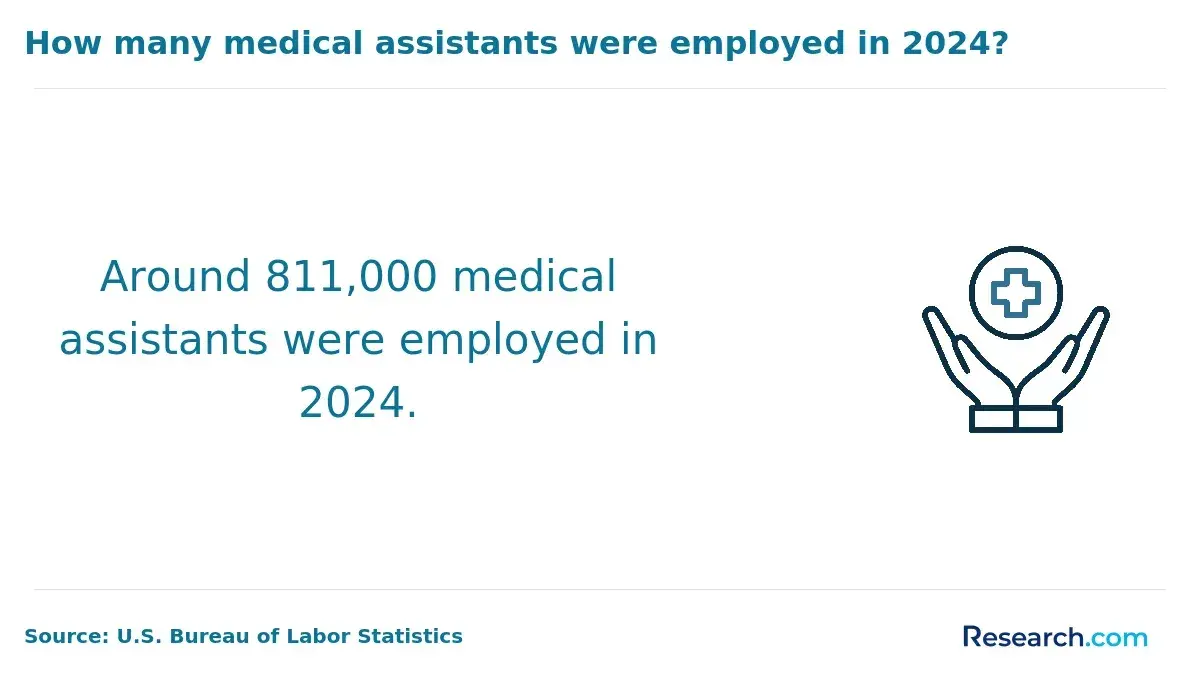
The length of online medical assistant programs in Vermont varies depending on the credential you choose, whether it’s a certificate, diploma, or associate degree. Each option offers a unique balance of time commitment and depth of training, allowing you to select the path that best fits your goals and lifestyle.
- Certificate Programs (4–6 months): These programs are designed for those eager to start their career quickly, covering essential skills such as medical terminology and patient care. With focused coursework and practical externships, certificates offer a fast track into the workforce without sacrificing quality education.
- Diploma Programs (9–12 months): Diploma options provide a more balanced approach, blending online learning with hands-on clinical experiences. This route expands your knowledge in administrative and clinical procedures, preparing you thoroughly for certification and employment opportunities.
- Associate Degree Programs (16–24 months): For a comprehensive education, associate degrees combine general education with specialized medical assistant training. This option opens doors for career advancement and further study, supporting long-term success in healthcare.
Choosing the right timeline for your studies helps you align your education with your career ambitions. Whether you prefer the quicker path of a certificate or the in-depth preparation of an associate degree, Vermont’s online programs are structured to support every step of your journey. Plus, all reputable programs include in-person externships to ensure you gain the practical experience that employers value most. Expanding your healthcare skills can also complement related career paths, such as a medical biller and coder career, enhancing your versatility and opportunities in the medical field.
Are online medical assistant programs in Vermont accredited?
Accreditation plays a vital role in confirming that online medical assistant programs in Vermont maintain high standards of education and adequately prepare students for real-world healthcare roles. Choosing an accredited online medical assistant program in Vermont means investing in quality training that aligns with professional expectations and certification requirements, ultimately enhancing career readiness. Several key accrediting bodies oversee medical assistant education, ensuring programs meet rigorous criteria. These organizations include:
- Commission on Accreditation of Allied Health Education Programs: One of the most recognized accrediting agencies nationwide, CAAHEP ensures medical assistant programs meet strict curriculum and faculty standards. Graduates from CAAHEP-accredited programs can qualify to take the Certified Medical Assistant (CMA) exam, a significant credential in the field.
- Accrediting Bureau of Health Education Schools: ABHES accredits both traditional and online medical assistant programs, emphasizing instructional quality and student support. Completing an ABHES-accredited program enables students to pursue certifications such as CMA or Registered Medical Assistant (RMA).
- Distance Education Accrediting Commission (DEAC): Specializing in online and distance education, DEAC guarantees that online programs deliver academically sound and industry-relevant training. This accreditation is especially relevant for Vermont residents seeking fully online medical assistant training.
Enrolling in an accredited online medical assistant program in Vermont provides tangible benefits beyond education. Accreditation opens doors to professional certifications that employers highly value, boosting employment prospects and potential earnings. Certified medical assistants often enjoy greater job security and advancement opportunities in Vermont’s growing healthcare sector. Furthermore, accreditation assures students that their program meets nationally recognized standards, fostering confidence and motivation throughout their studies. For those exploring related healthcare roles, understanding what is medical billing and coding can also broaden career options.
How do you get certified as a medical assistant in Vermont online?
Certification boosts your credibility and opens doors to rewarding job opportunities in Vermont’s healthcare field. Online education makes this goal achievable by offering flexible programs that fit your schedule while delivering the essential training you need to succeed.
- Complete an Accredited Online or Hybrid Training Program: Enroll in a program designed for Vermont students that covers clinical skills, medical terminology, and administrative tasks. These courses often range from 4 months for certificates to over a year for diplomas or degrees, allowing you to learn at your own pace.
- Fulfill In-Person Clinical and Externship Requirements: Gain hands-on experience through clinical coursework and a supervised externship, typically completed at a local healthcare facility. This practical training ensures you can confidently apply your knowledge in real-world settings.
- Obtain Basic Life Support (BLS) Certification: Most programs require you to complete a BLS CPR course from recognized providers like the American Heart Association, preparing you to respond effectively in emergencies.
- Graduate and Receive a Certificate of Completion: Successfully completing your coursework and clinical hours earns you a certificate, qualifying you to sit for national certification exams.
- Prepare for and Pass a National Certification Exam: Focus on exams such as the Certified Clinical Medical Assistant (CCMA) or Registered Medical Assistant (RMA). Many programs offer exam prep and may include the first exam attempt as part of your training.
Online pathways combine expert instruction with essential in-person practice, delivering a convenient yet rigorous route to certification. They empower you to balance life’s demands while positioning you for success in Vermont’s healthcare workforce.
How long does it take to become a medical assistant in Vermont?
The time it takes to become a medical assistant in Vermont depends on several key factors, including the type of educational program, clinical training requirements, and certification pursuits. Certificate or diploma programs are typically shorter, lasting around nine months to one year, and focus on developing essential skills quickly. More comprehensive associate degree programs take about two years but offer a broader education and deeper clinical experience. While certification is not mandatory in Vermont, many employers value credentials like the CMA or RMA, which usually require additional exam preparation after completing education. These elements together shape the overall timeline and help prepare students for successful careers in healthcare.
Most aspiring medical assistants in Vermont can expect to finish their training and enter the workforce within one to two and a half years, depending on their chosen pathway and pace of study. Shorter programs combined with focused exam preparation often accelerate readiness, while associate degree routes provide well-rounded preparation that may extend the timeline but open more doors. Clinical externships add invaluable hands-on experience that boosts confidence and employability.
One medical assistant from Vermont who graduated from a local online program shared that balancing coursework with personal responsibilities was challenging but rewarding. “My program took a bit longer than I expected because of juggling family and work,” he explained, “but the online format gave me flexibility, and the clinical training really made me feel ready. I’d say the journey is personal, and with commitment, it’s absolutely achievable within two years.”
How much does it cost to complete a medical assistant program in Vermont online?
The cost to complete an online medical assistant program in Vermont varies depending on the school, program format, and included services. Tuition, fees, and additional expenses can range widely, giving you flexible options to fit your budget and learning style.
- Tuition: Tuition is the main expense and can range from about $79 per month for self-paced certificate programs to flat fees up to $4,000 for more structured, comprehensive courses. Many programs offer payment plans or financial aid to make this investment more manageable.
- Application and Registration Fees: Most programs require a one-time application or registration fee, which can range from around $29 to $250. These fees are generally non-refundable and are due at enrollment.
- Textbooks and Supplies: Some programs include basic supplies like a stethoscope and blood pressure cuff in the tuition, while others require you to purchase textbooks, lab kits, or materials separately—adding roughly $125 or more to your costs.
- Technology Fees: Technology or platform fees help maintain online learning systems and digital resources. These fees may be bundled into tuition or charged separately; it’s important to confirm how your program handles them.
- Certification Exam and Preparation: Exam fees for certifications like the CCMA exam might be included in tuition or charged separately. Study guides and practice tests may also add to your expenses but are valuable tools for success.
Knowing these cost elements allows you to plan smarter, avoid surprises, and select a program that fits your goals and finances. With clear financial expectations, you can confidently invest in your future as a skilled medical assistant ready to make a difference.
Can you get financial aid for online medical assistant training in Vermont?
Financial aid opens doors for many aspiring medical assistants in Vermont, making online training both affordable and achievable. With various support options, students can confidently pursue their goals without overwhelming financial pressure.
- Federal Grants: Pell Grants and other federal awards help students cover tuition costs without the burden of repayment, based on demonstrated financial need.
- Student Loans: Federal and private loans provide flexible borrowing options, with federal loans offering lower interest rates and grace periods after graduation.
- State Scholarships and Grants: Vermont’s VSAC offers need-based grants and scholarships aimed at healthcare students, easing the path to certification.
- Employer Tuition Assistance: Some healthcare employers support employees by funding training, reducing or eliminating education expenses through reimbursement or sponsorship.
A medical assistant from Vermont shared how financial aid transformed her experience. She enrolled in a local program with the help of a full institutional scholarship and employer tuition assistance that covered additional costs. She recalled feeling anxious about financing her education until she discovered these resources. “Navigating the applications felt daunting, but the support made it manageable,” she said. The blend of scholarships and employer programs allowed her to focus on learning without financial distraction, turning a challenging journey into an empowering one.
Can Medical Assistant Certification Propel Your Career Transition to Other Healthcare Roles?
Medical assistant certification can serve as a strategic stepping stone to more specialized roles within the healthcare industry. Leveraging clinical and administrative competencies, professionals may transition into fields such as healthcare management, patient advocacy, or specialized therapeutic roles. For candidates looking to diversify their career opportunities, exploring targeted educational pathways is essential. Detailed guidance on expanding your scope—including a structured pathway to how to become an occupational therapist in Vermont—illustrates how foundational training as a medical assistant can open doors to broader professional horizons.
What is the average salary for medical assistants in Vermont?
Salaries for medical assistants in Vermont vary based on factors such as geographic location, years of experience, and the healthcare setting in which one works. While completing medical assistant training online can effectively prepare individuals for certification and employment, it does not directly impact starting salaries; employers prioritize accreditation and demonstrated competency. Understanding these variables helps aspiring medical assistants make informed decisions about their education and career path.
- Entry-Level Pay: New medical assistants typically start at about $36,360 annually or $18.12 per hour. These figures reflect early-career earning potential as individuals gain experience and skills.
- Median Salary: The average salary ranges between $37,190 and $43,987 per year, with certified professionals earning closer to $45,012 annually, showing the value of certification in Vermont’s job market.
- Experienced Medical Assistants: Seasoned workers can earn up to $55,289 per year, especially with additional certifications and time in the field, highlighting opportunities for wage growth.
- Healthcare Setting Differences: Hospitals and larger systems often offer higher pay than smaller clinics or private practices, with metro areas like Burlington seeing slightly elevated wages.
By knowing these salary trends, prospective medical assistants can better plan their education and career progression in Vermont’s stable healthcare environment.
Are online-trained medical assistants hired as often as campus-trained ones in Vermont?
Employers in Vermont often weigh the value of online-trained medical assistants against those trained on campus, with a strong focus on the depth of hands-on clinical experience. While online programs offer great flexibility, many healthcare providers still prioritize real-world patient care skills developed through direct clinical supervision. However, as more online programs integrate practical externships, the gap between online and campus-trained candidates continues to narrow, opening promising opportunities for job seekers. When considering medical assistant job opportunities in Vermont for online graduates, several key factors influence hiring decisions:
- Clinical Training Requirements: Both online and campus-based programs generally include a vital clinical externship or hands-on lab experience. This essential component ensures that candidates gain practical skills needed to succeed in medical settings and meet licensure requirements.
- Employer Preferences: Many healthcare employers look for graduates who have proven their capabilities through supervised clinical training, whether completed online or in person. Larger facilities may have firm standards, whereas smaller practices often value certification and readiness over training location.
- Job Readiness: Certification, such as CCMA or RMA combined with documented hands-on training, strongly boosts a candidate’s competitiveness. Employers want medical assistants prepared to efficiently handle both administrative duties and patient care tasks.
- Regional Workforce Needs: Vermont’s demand for qualified medical assistants, particularly in rural or underserved areas, encourages employers to give online-trained graduates a fair chance, provided they meet all clinical and certification criteria.
- Accreditation and Program Reputation: Graduates from accredited programs recognized by authorities like NECHE or ABHES are more attractive to employers. Accreditation assures quality education and eligibility for certification exams.
For those seeking affordable online pathways, exploring the cheapest medical billing and coding online courses can complement a medical assistant career and enhance employment prospects.
Do online medical assistant programs in Vermont lead to advanced healthcare careers?
Medical assisting is a valuable entry point into the healthcare field, offering essential skills in patient care and clinical support. Online medical assistant programs in Vermont provide flexible learning options, making it easier for students balancing work or family commitments to pursue their goals. This flexibility opens doors to exciting opportunities in healthcare career advancement in Vermont.
- Registered Nursing (RN): Many use medical assisting as a foundation to become registered nurses. The hands-on experience gained helps in transitioning smoothly into nursing programs, accelerating progress toward an associate or bachelor's degree that Vermont's growing healthcare system demands.
- Healthcare Administration: Strong organizational and communication skills acquired through medical assisting can lead to roles in healthcare management. Graduates may advance by earning degrees or certificates to qualify for positions such as office manager or billing coordinator in Vermont medical facilities.
- Specialized Medical Assisting: Focusing on specialties like ophthalmology or cardiology offers additional certification options. Specialized roles often come with greater responsibilities and higher wages, reflecting the value of advanced expertise.
- Advanced Certifications: Credentials like Certified Medical Assistant (CMA) or Registered Medical Assistant (RMA) increase employability and open paths to supervisory positions, enhancing career growth and earning potential.
- Other Healthcare Professions: Skills gained in medical assisting also prepare students for careers in licensed practical nursing, phlebotomy, or medical coding. To explore such options, consider researching the best online medical billing and coding schools to continue advancing in related fields.
What Do Medical Assistants in Vermont Say About Their Career
- Completing my medical assistant training online through Green Mountain Academy allowed me to balance work and family life without any compromise. The flexibility of the program made it possible to study at my own pace while still feeling connected to the local healthcare community. Now, working as a medical assistant in a Vermont school, I’m proud to contribute directly to the health and well-being of students every day. This career has not only given me stability but also a deep sense of purpose in my community. Ada
- Starting my career as a medical assistant in a local Vermont school was both rewarding and eye-opening. The cultural emphasis on community and nature here offers unique challenges, especially when addressing health in rural settings, but it has helped me develop adaptable skills and a compassionate approach to care. After completing my education at Maple Ridge Technical Institute, I’ve grown professionally and personally, embracing opportunities that allow me to serve students in a truly holistic way. Jazie
- Pursuing my medical assistant certification at Champlain Online Academy opened doors I hadn’t imagined. The comprehensive curriculum and supportive instructors prepared me not just for immediate job placement but for ongoing career advancement. Living in Vermont, I appreciate the chance to work in a professional setting that values continual learning and community involvement. This journey has been transformative, helping me grow in confidence while positively impacting future generations. Kira
Related Articles for Nearby States
- 2027 How to Become a Medical Assistant in New Hampshire Online
- 2027 How to Become a Medical Assistant in Massachusetts Online
- 2027 How to Become a Medical Assistant in New York Online
- 2027 How to Become a Medical Assistant in Connecticut Online
- 2027 How to Become a Medical Assistant in Rhode Island Online
- 2027 How to Become a Medical Assistant in Maine Online
- 2027 How to Become a Medical Assistant in New Jersey Online
- 2027 How to Become a Medical Assistant in Pennsylvania Online
- 2027 How to Become a Medical Assistant in Delaware Online
- 2027 How to Become a Medical Assistant in Maryland Online
References:
- 4-Month Vermont Medical Assistant Certification Program https://www.stepful.com/program/vermont-medical-assistant-certification-program
- Online Certified Clinical Medical Assistant (CCMA) (Voucher Included) from Center for Workforce & Professional Education at Vermont State University https://careertraining.vermontstate.edu/training-programs/certified_clinical_medical_assistant/
- Online Medical Assisting Programs for Vermont Residents https://www.herzing.edu/healthcare/medical-assisting/vermont
- Certified Clinical Medical Assistant (CCMA) - VTC CEWD https://cewd.vtc.edu/cewd/online-offerings/certified-clinical-medical-assistant-ccma/
- Vermont Online Medical Assistant Certificate Program | Self-Paced Course https://www.uscareerinstitute.edu/online-medical-assistant-school/vermont
- Medical Assistant Certification in Vermont | Job-Ready Healthcare Training https://skilltrade.com/locations/vermont/medical-assistant
Other Things You Should Know About Becoming a Medical Assistant in Vermont
Begin by enrolling in an accredited online medical assistant program, which typically includes coursework in medical terminology, anatomy, and clinical procedures. Upon completion, pursue certification via exams like the CMA or RMA. Verify state-specific requirements as you progress.
To obtain online medical assistant certification in Vermont in 2027, enroll in an accredited program, complete the coursework and clinical training components, and pass a certification exam such as the CMA (AAMA) or RMA (AMT). Ensure the program meets the specific state requirements for Vermont.


