
2027 How to Become an Occupational Therapist in Vermont

Co-Founder and Chief Data Scientist
Vermont offers a promising career path for occupational therapists, with employment projected to grow 16% over the next decade, outperforming many states nationwide. The state’s commitment to healthcare and community wellness creates numerous opportunities to impact lives positively. Pursuing occupational therapy in Vermont means joining a rewarding profession dedicated to helping individuals regain independence and improve their quality of life.
This article is crafted by experts in career planning to guide aspiring occupational therapists through each step of certification and employment in Vermont. It provides clear, reliable information to help candidates confidently navigate their educational and professional journey in this fulfilling field.
Key Things to Know About Becoming an Occupational Therapist in Vermont
- Complete a Master’s or Doctorate in Occupational Therapy from an accredited program, meeting Vermont’s high educational standards in health care.
- Pass the National Board for Certification in Occupational Therapy (NBCOT) exam to ensure professional readiness. Over 90% of Vermont candidates successfully clear this annually.
- Obtain a Vermont state license by submitting proof of education, NBCOT certification, and completing a background check, and join a growing workforce with strong job prospects in rehabilitation and elder care.
- What are the education requirements to become an occupational therapist in Vermont? Educational Requirements
- How do you get a state license to practice occupational therapy in Vermont? How do you get a state license to practice occupational therapy in Vermont?
- How often do you need to renew an OT license in Vermont? License Renewal
- What continuing education is required for OT license renewal in Vermont? Continuing Education
- How much does it cost to become an occupational therapist in Vermont? Cost
- What financial aid options are available for OT students in Vermont? Financial Aid
- Can out-of-state occupational therapists work in Vermont? Can out-of-state occupational therapists work in Vermont?
- How can complementary caregiving skills benefit your occupational therapy practice in Vermont? skills
- What skills do you need to be a successful occupational therapist in Vermont? Skills
- What specializations are available for occupational therapists in Vermont? Specializations
- What is the average salary of an occupational therapist in Vermont? Salary
What are the education requirements to become an occupational therapist in Vermont?
Formal education plays a vital role in shaping skilled occupational therapists who are ready to address the diverse physical, emotional, and developmental needs of their patients. A solid educational foundation allows therapists to develop critical thinking and practical skills essential for creating effective interventions.
Below are the key Vermont occupational therapist education requirements that set the stage for a successful career.
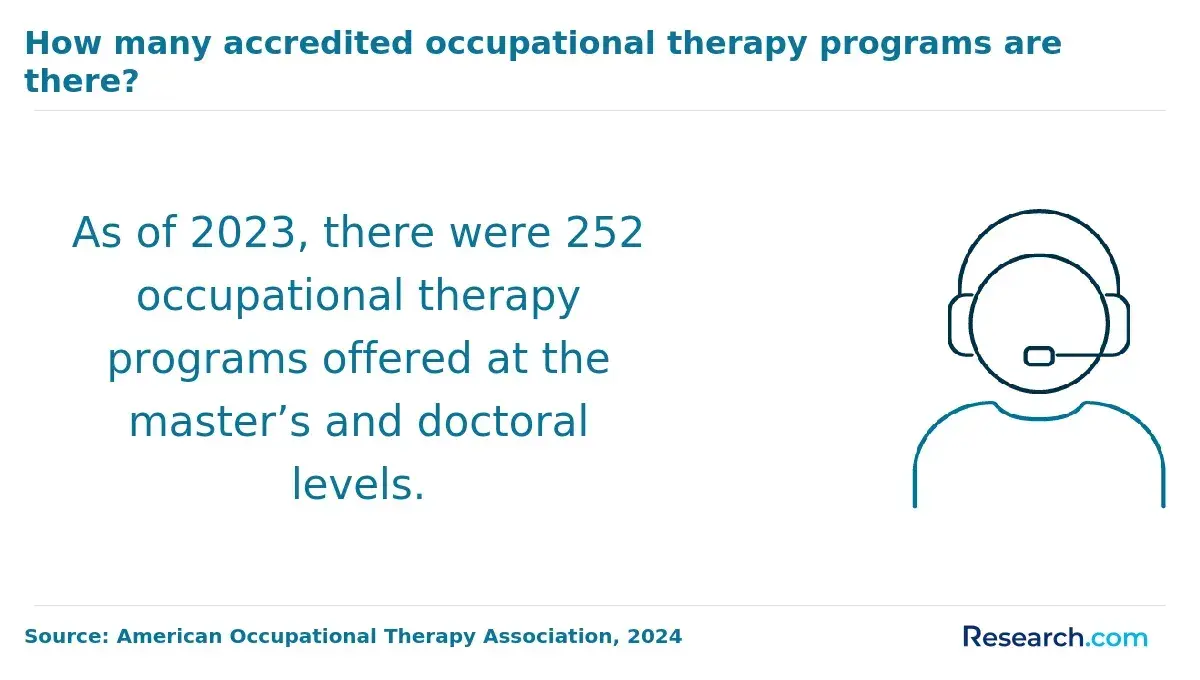
- Academic Degree Requirements: Aspiring therapists must complete a degree from an American Occupational Therapy Association's Accreditation Council for Occupational Therapy Education (ACOTE) accredited program. While Vermont does not currently have in-state ACOTE-accredited schools, it fully recognizes graduates from programs across other states and various countries. Most candidates pursue either a Master’s or Doctoral degree in occupational therapy to meet licensure prerequisites.
- Supervised Fieldwork Experience: Practical experience is fundamental. Candidates must complete at least 24 weeks of supervised fieldwork under a licensed occupational therapist’s guidance. This hands-on training enhances clinical skills by allowing students to apply their academic knowledge in real-world settings.
- Program Structure and Duration: Occupational therapy degree programs Vermont generally involve comprehensive curricula that combine traditional instruction, experiential learning, and capstone projects. For example, an entry-level Doctor of Occupational Therapy (OTD) program can span 8 semesters and include the required fieldwork hours, ensuring students graduate well-prepared.
Those interested in understanding related educational timelines can explore how long does it take to finish medical billing and coding school as part of their broader career planning at how long does it take to finish medical billing and coding school.
How do you get a state license to practice occupational therapy in Vermont?
Obtaining a state license is an essential milestone for occupational therapists in Vermont, establishing not only professional credibility but also meeting the legal requirements needed to practice confidently and ethically. Holding a license reflects your commitment to delivering quality care and adhering to the standards set by the state.
Understanding Vermont occupational therapy license requirements will empower you to navigate this process smoothly and start making a positive impact in your community.
The following steps outline how to apply for an OT license in Vermont and guide you through the licensure journey:
- Completing an Accredited Program: Begin by successfully finishing an occupational therapy program accredited by the American Occupational Therapy Association’s Accreditation Council for Occupational Therapy Education (ACOTE). This robust education combines both classroom learning and practical fieldwork, ensuring you gain the foundational knowledge and hands-on skills needed within the profession.
- Supervised Fieldwork Experience: As part of your education, you must complete supervised fieldwork—at least 24 weeks for occupational therapists and 16 weeks for assistants. This experience is crucial for developing clinical competence under professional guidance, allowing you to apply theory to real-world situations effectively.
- Passing the NBCOT Exam: A pivotal step is passing the National Board for Certification in Occupational Therapy exam. This standardized assessment verifies your readiness and qualification to practice safely and effectively. If you wish to gain experience while preparing for this exam, Vermont allows a temporary license to practice under supervision.
- Submitting a State Application: You need to submit a detailed application to the Vermont Office of Professional Regulation, providing proof of your education, fieldwork, and NBCOT certification. Along with your forms, be prepared to pay the required fees to move forward in the licensure process.
- Fulfilling Background Check Requirements: Ensuring public safety is paramount, so a background check is typically part of the application. This step helps maintain the high professional standards expected of licensed occupational therapists in Vermont.
Exploring licensure is a rewarding step toward your career, and while pursuing your credentials, consider researching the cpc vs cbcs certification similarities and differences to broaden your professional horizons.
How often do you need to renew an OT license in Vermont?
Renewing an occupational therapy license is a vital practice that guarantees the highest professional standards are upheld, ensuring both accountability and trust within the community.
For occupational therapists in Vermont, the renewal process helps maintain alignment with current practices and evolving regulations, fostering continued growth and competence in their roles. This ongoing commitment reflects a dedication to safe, effective care and a drive to stay informed about advancements in the field.
In Vermont, occupational therapists are required to renew their licenses every two years, with all licenses expiring on May 31st of even-numbered years. This regular renewal cycle provides a consistent timeline for practitioners to update their credentials and submit necessary documentation before the deadline.
Late renewals are subject to statutory late fees, and extended lapses beyond five years may lead to additional procedures including formal hearings. Such a structured schedule, balanced with continuing education requirements, ensures therapists remain eligible to practice and continuously integrate new knowledge and standards into their work, supporting both personal and professional development.
An occupational therapist from Vermont who graduated from a local program shared his experience with the renewal process. He described feeling initially overwhelmed by the renewal timeline but found that the clear biennial schedule helped him plan ahead and avoid last-minute stress.
“Knowing exactly when my license expires—May 31st every two years—actually gives me peace of mind,” he explained. He noted that the continuing education requirements encouraged him to engage with new research and techniques, which ultimately rejuvenated his passion for his profession. While navigating the paperwork was occasionally challenging, the structured process reinforced his sense of responsibility and connection to the broader Vermont occupational therapy community.
What continuing education is required for OT license renewal in Vermont?
Continuing education is vital for occupational therapists in Vermont to maintain professional competence, comply with state regulations, and stay updated on emerging therapeutic techniques and healthcare standards.
By fulfilling ongoing educational obligations, practitioners demonstrate their dedication to delivering the highest quality care and adapting to changes in this dynamic field. This focus on lifelong learning reflects the broader continuing education requirements for occupational therapists in Vermont.
- Biennial Continuing Education Hours: Licensed occupational therapists must complete at least 20 hours of approved continuing education every two years to renew their license. This consistent learning schedule helps practitioners stay proficient and informed on current best practices.
- Approved Course Topics and Formats: Continuing education must be relevant to occupational therapy and approved by state regulators. Both live and online courses from accredited providers are accepted, allowing flexibility in how OTs meet the Vermont OT license renewal CEU hours.
- Reporting and Documentation: Practitioners are responsible for maintaining proof of completed education, such as certificates, for a minimum of four years. The state may audit these records to ensure compliance, so keeping thorough documentation is essential.
- Initial Licensure Waiver: New licensees are exempt from continuing education requirements during their first license cycle, recognizing their recent academic and clinical training achievements.
- Requirements for Occupational Therapy Assistants (OTAs): OTAs share the same 20-hour biennial continuing education requirement as OTs, reinforcing a unified standard of excellence across all occupational therapy professionals in Vermont.
For those exploring related allied health fields, understanding what is a career in medical billing and coding can provide useful insight into the broader healthcare education landscape and professional pathways.
How much does it cost to become an occupational therapist in Vermont?
The total cost of becoming an occupational therapist in Vermont depends on factors such as education, exams, and licensing fees. Knowing these expenses early empowers you to plan your financial journey with confidence and clarity.
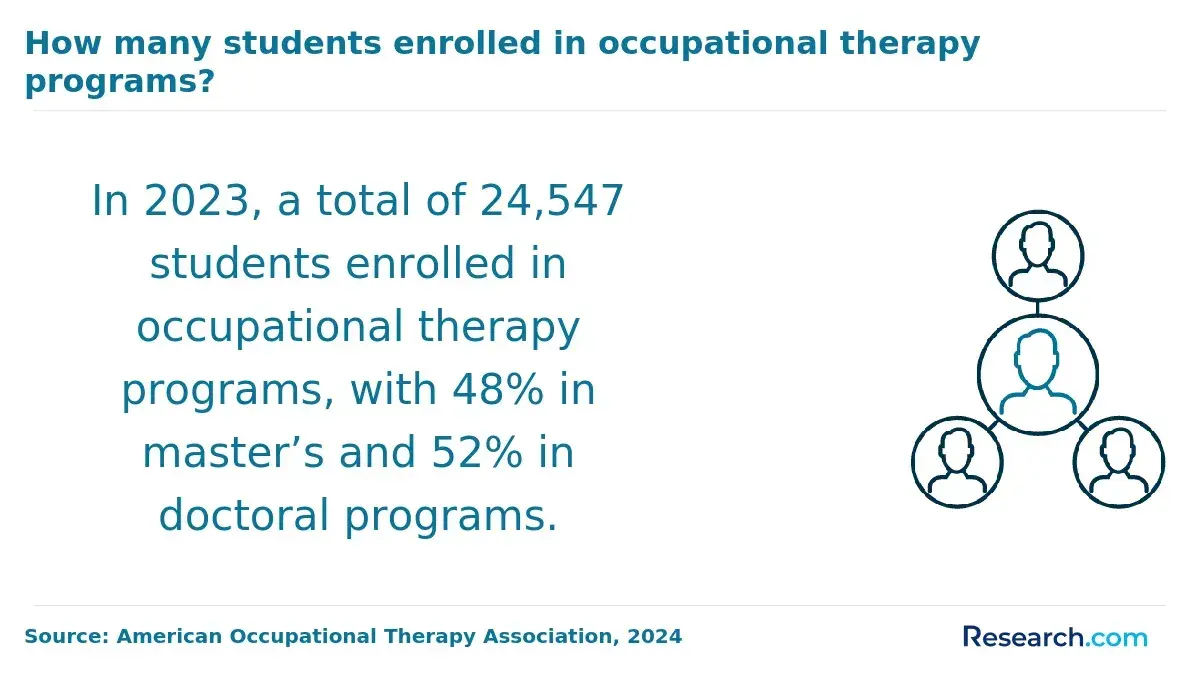
- Tuition and Fees for an Accredited OT Program: Tuition costs vary widely, often ranging from $20,000 to over $50,000 annually, depending on the institution and program format. Additional fees may apply for educational materials or equipment, so researching specific programs is essential to budget effectively.
- NBCOT Exam Costs: The National Board for Certification in Occupational Therapy exam typically costs around $555. This certification is a vital step, opening doors to professional opportunities across Vermont and beyond.
- State Licensure Application Fees: Vermont charges a $115 fee for initial licensure for both occupational therapists and assistants. This fee covers the processing of your application, transcripts, and exam results as you take your career forward.
- Background Checks and Additional Expenses: Background check fees generally range from $20 to $50 and are required for licensure. Joining professional organizations like the Vermont Occupational Therapy Association, which costs about $15 annually, offers valuable networking and educational benefits.
What financial aid options are available for OT students in Vermont?
Financial aid plays a crucial role in making occupational therapy education accessible and affordable for students in Vermont. With tuition, fees, and living costs often posing significant challenges, these funding options empower aspiring occupational therapists to focus on their training and future careers.
Below are some of the key financial aid opportunities available to support OT students in Vermont:
- Federal Student Aid (FAFSA) – Filling out the FAFSA is an essential first step for OT students seeking financial assistance. It opens doors to federal grants, work-study programs, and student loans, providing a foundation for many aid packages with priority deadlines to maximize eligibility.
- State Loan Repayment Programs – Vermont's State Loan Repayment Program and Educational Loan Repayment Program offer loan forgiveness and repayment help for healthcare professionals working in underserved areas, which may benefit some occupational therapists serving high-need communities.
- Vermont Student Assistance Corporation (VSAC) Scholarships – VSAC provides access to numerous scholarships through a single application, awarding amounts based on academic achievement, financial need, and community commitment within Vermont.
- Elizabeth J. Davis Scholarship – Designed for Vermont residents studying healthcare professions, including OT, this award supports students planning to work in home care by offering scholarships between $1,000 and $3,000, with selection based on essays and financial need.
- American Occupational Therapy Foundation (AOTF) Scholarships – These scholarships, ranging up to $5,000, are available to full-time OT students nationwide and recognize academic excellence and commitment, with one application covering multiple awards.
- University-Based Financial Aid – Institutions like the University of Vermont provide grants and scholarships tied to financial need and merit, complementing federal and state aid to reduce student costs.
- Vermont Occupational Therapy Association Support – This association offers an annual scholarship exclusively for OT students connected to Vermont, adding valuable financial support to encourage local career development.
Can out-of-state occupational therapists work in Vermont?
Out-of-state occupational therapists are warmly welcomed to practice in Vermont, but they must secure Vermont state licensure to do so. Vermont does not participate in the Occupational Therapy Licensure Compact, so therapists cannot rely on compact privileges to work across state borders.
Instead, they must apply through the state’s licensing process, which involves meeting education and supervised experience requirements, and possibly passing Vermont’s examination. There is also an option for licensure without examination on a case-by-case basis, providing some flexibility for those already licensed elsewhere.
For those eager to begin practicing while their full license is in process, Vermont offers a temporary license allowing supervised practice under a licensed Vermont occupational therapist. This supportive system helps bridge the gap and encourages talented therapists from other states to contribute their skills promptly.
An occupational therapist from Vermont, who graduated locally, shared that navigating Vermont’s licensing was an encouraging yet meticulous journey. She reflected that understanding the steps clearly and embracing the support available made all the difference, reminding her that patience and preparation truly open doors for out-of-state practitioners eager to serve Vermont’s community.
How can complementary caregiving skills benefit your occupational therapy practice in Vermont?
Occupational therapists can expand their scope of practice by integrating caregiving competencies that enhance patient support beyond conventional therapy sessions. Acquiring additional caregiving credentials can facilitate holistic treatment plans, particularly for patients requiring long-term assistance or home-based care strategies. This complementary skill set not only reinforces patient confidence but also promotes seamless coordination with home care services, thereby enriching overall treatment outcomes. For detailed certification guidance, refer to how to become a caregiver in Vermont.
What skills do you need to be a successful occupational therapist in Vermont?
Occupational therapists in Vermont play a vital role in helping clients regain independence, enhance their quality of life, and actively participate in daily activities. These professionals also support interdisciplinary healthcare teams, ensuring that care is comprehensive and personalized across diverse community settings. Mastering certain key skills is essential for occupational therapists to deliver meaningful, effective interventions and thrive in Vermont’s evolving healthcare landscape.
Below are the fundamental skills that underpin success in this rewarding field:
- Clinical Reasoning and Problem-Solving: The ability to assess each client’s unique needs and create tailored, evidence-based therapy plans drives positive outcomes and fosters independence.
- Communication and Interpersonal Skills: Clear, compassionate communication with clients and healthcare teams builds trust, facilitates collaboration, and supports continuous care.
- Adaptability and Flexibility: Successfully navigating Vermont’s varied rural and urban settings requires therapists to modify approaches to best fit changing client needs and available resources.
- Cultural Competence and Sensitivity: Respecting diverse backgrounds enables therapists to provide personalized, relevant interventions that honor each client’s identity and context.
- Commitment to Lifelong Learning: Staying current through continuing education ensures therapists meet Vermont’s licensing requirements and deliver cutting-edge, high-quality care.
What specializations are available for occupational therapists in Vermont?
Specialization empowers Vermont occupational therapists to concentrate their skills on specific populations, conditions, or practice areas, significantly enhancing their career opportunities and impact. By honing expertise in targeted fields, OTs can provide exceptional, personalized care that truly transforms lives across diverse communities.
Below are some of the compelling Vermont occupational therapist specialty areas that inspire meaningful work and professional growth.
- Physical Rehabilitation: Focused on helping individuals recover mobility and independence after injuries or illnesses, OTs in this area collaborate in hospitals and rehabilitation centers to restore strength and function.
- School Systems/Pediatrics: These therapists support children with developmental or learning challenges within schools or early intervention programs, fostering skills essential for academic success and everyday participation.
- Gerontology: Addressing the needs of older adults, this specialization enhances seniors’ quality of life by managing age-related conditions and promoting safety and independence in assisted living or home health settings.
- Mental Health: Occupational therapists in mental health develop coping strategies and life skills for individuals facing psychological challenges, working in community centers, psychiatric hospitals, or residential programs.
- Hand Therapy: Specializing in hand, wrist, and arm rehabilitation, these OTs use tailored exercises and splinting techniques in outpatient clinics to restore fine motor function and dexterity.
- Rehabilitation: Encompassing broad recovery needs, rehabilitation therapists support patients in acute care and community programs to regain daily function and mobility, often overlapping with physical and gerontological specialties.
For those exploring pathways to broaden their skills, combining occupational therapy with further education can be crucial. Consider advancing with self paced online medical billing and coding courses to complement clinical expertise with valuable healthcare administration knowledge.
What is the average salary of an occupational therapist in Vermont?
The average occupational therapist salary in Vermont varies based on several important factors including experience level, work environment, and geographic location. These influences shape Vermont occupational therapist earnings and pay range, creating opportunities for growth as professionals advance in their careers.
Consider the following key aspects that impact occupational therapist pay in Vermont.
- Years of Experience – Occupational therapists with more years of practical experience generally earn higher salaries. Starting OTs might earn around $81,460 annually, while those with extensive clinical expertise can surpass $110,000 per year, reflecting their advanced skills and specialized knowledge.
- Type of Employer – Salary levels can differ significantly depending on the employer. Hospitals and specialized rehab centers tend to offer higher pay compared to schools or community health programs, where hourly rates and annual salaries may be more modest.
- Geographic Location within Vermont – Urban centers like Burlington typically provide higher wages, often around $45.80 per hour, while rural areas might have lower salaries but offer benefits like a reduced cost of living that can balance earnings.
- Work Setting – Occupational therapists working in hospital or acute care settings usually have greater earning potential than those in home health or school-based roles, which may offer more flexibility but comparatively lower income.
- Specialization and Advanced Credentials – Pursuing board certification or additional degrees can increase earning potential, as employers often reward advanced competencies with salary incentives.
- Employment Status – Full-time therapists generally achieve higher annual earnings compared to part-time or PRN staff, despite similar hourly rates.
For those considering different career routes, understanding these factors alongside your goals can provide clarity on potential compensation. If you’re wondering what do i need to start working as certified medical coder and biller or exploring related healthcare roles, take the time to research the requirements and opportunities carefully.
What Do Occupational Therapists in Vermont Say About Their Career?
- Jin: "Completing my occupational therapy program at Vermont Technical College was a transformative experience that truly prepared me for the realities of working in local academic settings. Starting my career in a nearby school allowed me to integrate hands-on therapy with the community’s genuine appreciation for mental and physical well-being. Vermont’s natural environment and small-town culture offer unique opportunities to engage children in outdoor activities as part of their therapy, which I find incredibly rewarding. Watching the students develop both socially and physically reminds me daily why I chose this profession. "
- Clarissa: "Reflecting on my career as an occupational therapist in Vermont, I find the path deeply fulfilling due to the balance between professional growth and community connection. Graduating from Norwich University’s OT program gave me solid training, but it was my time working in a local school that truly expanded my perspective on the role I play. The supportive networks here encourage continuous learning and advancement, which has helped me take on leadership roles within school-based programs. I am proud to contribute positively to young people’s lives while enhancing my skills in a meaningful, supportive environment."
- Devon: "Starting my journey through the University of Vermont’s OT program and then immediately taking up a role in a nearby school has been both challenging and inspiring. Vermont’s unique blend of commitment to education and outdoor lifestyle means I get to combine evidence-based practices with innovative community-focused therapy models. The ability to impact children’s development in a state that values mental health as much as physical health creates a strong sense of purpose. I’ve grown tremendously, both professionally and personally, while fostering connections that go beyond the classroom. "
Related Articles for Nearby States
- 2027 How to Become an Occupational Therapist in New Hampshire
- 2027 How to Become an Occupational Therapist in Massachusetts
- 2027 How to Become an Occupational Therapist in New York
- 2027 How to Become an Occupational Therapist in Connecticut
- 2027 How to Become an Occupational Therapist in Rhode Island
- 2027 How to Become an Occupational Therapist in Maine
- 2027 How to Become an Occupational Therapist in New Jersey
- 2027 How to Become an Occupational Therapist in Pennsylvania
- 2027 How to Become an Occupational Therapist in Delaware
- 2027 How to Become an Occupational Therapist in Maryland
References:
- Rehabilitation Service/Therapy Jobs | University of Vermont Health Network Careers https://uvmhealthnetworkcareers.org/jobs/rehabilitation-service-therapy/
- Travel Occupational Therapist License Processing Timeframes by State https://www.coremedicalgroup.com/traveler-tools/resources/ot-licensure
- The Future of Multi-State Licensing | AMN Healthcare https://www.amnhealthcare.com/blog/allied/travel/the-ot-compact-the-future-of-multi-state-licensing/
- Requirements for the Doctor of Occupational Therapy Degree | University of Vermont Catalogue https://catalogue.uvm.edu/graduate/degreerequirements/requirementsfortheoccupationaltherapydoctorate/
- OT/OTA Licensure Applications & Fees by State https://triagestaff.com/ot-ota-licensure-applications-fees-by-state/
- Vermont CE Requirements: PT, OT & Massage Therapy CE https://www.onlinece.com/state-requirements/vermont/
- Occupational Therapy Assistant - Vermont Health Careers https://vthealthcareers.org/careers/rehibilitation-therapy/occupational-therapy-assistant/
- Skills Every Occupational Therapist Should Have https://www.husson.edu/online/blog/2025/02/skills-occupational-therapists-should-have
- Vermont OT Connections https://vermontotconnections.com/
- Vermont Laws https://legislature.vermont.gov/statutes/fullchapter/26/071
Other Things You Should Know About Becoming an Occupational Therapist in Vermont
To become a licensed occupational therapist in Vermont in 2027, you need to earn a master's degree in occupational therapy from an accredited program, complete fieldwork requirements, pass the NBCOT exam, and apply for licensure with the Vermont Secretary of State's Office of Professional Regulation.
Becoming a licensed Occupational Therapist (OT) in Vermont typically takes around 7 to 8 years, including education and licensing requirements. Candidates must first earn a bachelor’s degree, followed by a Master’s or Doctorate in Occupational Therapy, which usually takes 2 to 3 years.
After completing the educational component, applicants must pass the National Board for Certification in Occupational Therapy (NBCOT) exam and meet Vermont’s state licensure requirements, which include submitting an application and paying fees. Overall, the process combines formal education, examination, and administrative steps to ensure competency in practice.
Admission to Occupational Therapy (OT) programs in Vermont typically requires applicants to have completed specific prerequisite coursework including anatomy, physiology, biology, psychology, and statistics. These foundational subjects ensure students possess a strong understanding of human behavior and body systems essential for OT practice.
Additionally, many programs expect applicants to have experience volunteering or working in healthcare or rehabilitation settings to demonstrate commitment and practical knowledge. Meeting these academic and experiential prerequisites is crucial for a competitive application to Vermont’s accredited OT schools.


