
2027 How to Become a Caregiver: Certification Requirements in Vermont

Co-Founder and Chief Data Scientist
Vermont’s aging population creates a growing demand for skilled caregivers, with over 20% of residents aged 60 and above. This trend makes caregiving a rewarding and stable career choice in the state. Pursuing caregiver certification in Vermont not only opens doors to meaningful employment but also supports community health and well-being. Understanding the state’s specific certification requirements is essential for a successful career start.
This article, crafted by seasoned career planning experts, guides readers through Vermont’s caregiver certification process. It empowers prospective caregivers with clear, reliable information to confidently begin their professional journey in this vital and compassionate field.
Key Things to Know About Becoming a Caregiver in Vermont
- Complete a state-approved training program of at least 40 hours to develop essential caregiving skills and meet Vermont’s education standards.
- Pass a competency evaluation that tests practical knowledge and caregiving abilities, ensuring readiness to provide quality care.
- Submit to a background check to maintain safety and trustworthiness, supporting Vermont’s commitment to a skilled and reliable caregiver workforce.
- What education is required to become a certified caregiver in Vermont?
- How many training hours are required for caregiver certification in Vermont?
- What topics are covered in caregiver training programs in Vermont?
- Is there a state exam for caregiver certification in Vermont?
- How do you apply for caregiver certification in Vermont?
- How much does it cost to get caregiver certification in Vermont?
- How often do you need to renew caregiver certification in Vermont?
- How Can Caregiver Certification Open Doors to Advanced Healthcare Opportunities in Vermont?
- What continuing education is required for caregivers in Vermont?
- What is the salary for certified caregivers in Vermont?
- What jobs can you get with caregiver certification in Vermont?
What education is required to become a certified caregiver in Vermont?
Meeting the education requirements for caregivers in Vermont is a vital step toward delivering exceptional care and making a positive impact on individuals' lives. These requirements ensure caregivers are well-prepared through state-approved caregiver training programs in Vermont that provide essential knowledge and skills. Key education requirements to become a certified caregiver in Vermont include:
- High School Diploma or Equivalent: A foundational academic credential is typically required to enter caregiver training courses and begin the certification process.
- Completion of State-Approved Caregiver Training Programs: Enrolling in recognized programs ensures caregivers receive structured education on caregiving principles, safety, and patient support techniques tailored to Vermont’s standards.
- Understanding of Health and Safety Protocols: Training encompasses vital information about health regulations and safety measures, preparing caregivers to protect themselves and those they assist.
- Basic Communication Skills: Effective interaction with patients, families, and healthcare teams is emphasized throughout the education to promote compassionate and clear communication.
- Continuing Education Opportunities: Many programs encourage ongoing learning to maintain current knowledge and skills, reflecting Vermont’s commitment to high caregiving quality.
For those seeking a flexible entry into caregiving or related health roles, understanding how long to finish medical billing and coding training can also be valuable. This knowledge supports a broader perspective on allied healthcare training options available in Vermont, complementing core caregiver education paths.
How many training hours are required for caregiver certification in Vermont?
In Vermont, the training requirements for non-medical caregivers emphasize competency and practical assessment rather than fixed hours, offering flexibility while maintaining quality standards. Vermont, however, does not require a specific minimum number of training hours for non-medical caregiver certification. However, caregivers must successfully pass a competency evaluation to demonstrate their readiness. Here is a breakdown of the training and certification components:
- Initial Training Hours: Vermont does not mandate initial training hours at the state level, allowing agencies to design programs that meet their standards. Many training providers recommend 8 to 12 hours covering safety, communication, and client rights to ensure adequate preparation.
- Competency Evaluation: Caregivers must pass an assessment to confirm they possess key caregiving skills, such as assisting with daily activities and handling emergencies. This requirement prioritizes practical ability over prescribed classroom hours.
- Ongoing Education: There is no state-required ongoing training, but experts suggest 6–12 hours annually to keep caregivers updated on best practices and emerging care challenges, including dementia and infection control.
- CNA Certification: For those pursuing Certified Nursing Assistant status, Vermont requires completion of a state-approved course and passing a state exam, involving more structured education and testing.
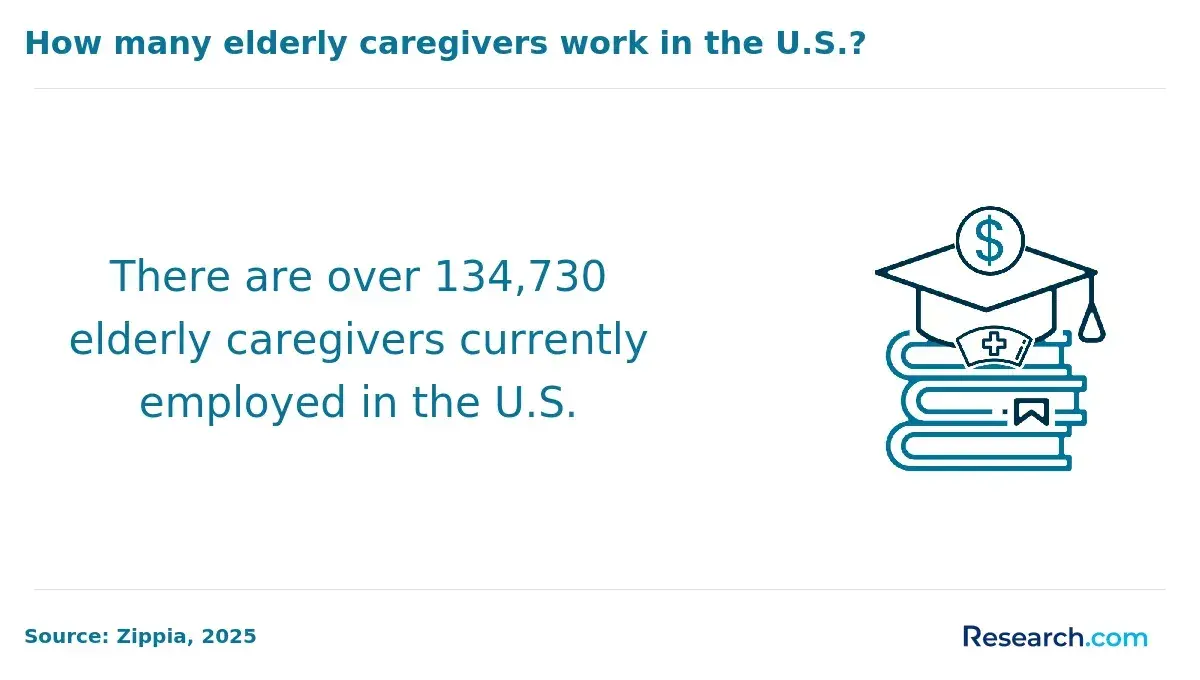
What topics are covered in caregiver training programs in Vermont?
Caregiver training programs in Vermont are thoughtfully designed to equip caregivers with the essential skills and confidence needed to provide compassionate, respectful, and effective care. These programs not only ensure quality support for clients but also empower caregivers to handle diverse and sometimes challenging situations with professionalism and empathy. The Vermont caregiver certification curriculum reflects this commitment with a comprehensive range of core topics.
- Personal Care Skills: Caregivers master assisting with everyday tasks such as bathing, dressing, grooming, and mobility, all while emphasizing dignity and promoting client independence.
- Infection Control and Hygiene: Training includes critical practices to prevent infections, covering handwashing, glove use, and equipment sterilization to protect both caregivers and clients.
- Safety and Emergency Procedures: Caregivers learn fall prevention, safe lifting, and how to respond calmly and effectively to emergencies like fires, medical incidents, or natural disasters.
- Trauma-Informed Care: This topic highlights understanding trauma’s impact, especially in foster and kinship care settings, and fostering environments that are sensitive and supportive.
- Communication Skills: Emphasis is placed on clear verbal and non-verbal communication, active listening, and strategies for engaging individuals with cognitive or sensory challenges.
- Respecting Diversity and Cultural Competence: Courses teach recognizing and adapting to diverse cultural and linguistic needs to ensure personalized, respectful care for every client.
- Patient Rights and Advocacy: Caregivers gain knowledge about legal rights such as privacy and informed consent, and their role as advocates for those they serve.
- Dealing with Chronic Illness and Disabilities: Instruction focuses on symptom monitoring, medication management, and encouraging adherence to care plans for clients with ongoing health needs.
- Mental Health Awareness: Caregivers are equipped to identify signs of mental health issues, such as depression or dementia, and learn appropriate responses or referral actions.
- Documentation and Care Planning: Accurate record-keeping, understanding care plans, and timely reporting of changes are key elements of this training area.
- Boundaries and Professionalism: Guidance is provided on maintaining ethical conduct, confidentiality, and healthy professional relationships.
- Support for Families and Caregiver Self-Care: Programs address strategies for family support, stress management, and accessing community resources to sustain caregiver well-being.
The depth and breadth of these caregiver training topics in Vermont illustrate how well-prepared certified caregivers emerge ready to provide outstanding, person-centered care in any setting. For those curious about related fields, exploring what requirements are needed to become a medical biller and coder can also offer valuable insights into healthcare careers.
Is there a state exam for caregiver certification in Vermont?
Many states implement caregiver certification exams to ensure that individuals entering this vital profession possess the necessary skills and knowledge to provide safe, compassionate care. These exams safeguard vulnerable populations by confirming caregivers meet consistent competency standards before certification.
Vermont does require a state exam for caregiver certification, tailored to the specific caregiving role pursued. For entry-level roles such as Personal Care Aide or Home Health Aide, candidates must complete a state-approved training program—typically between 75 and 150 hours—followed by a competency exam. This exam includes both a written test and a practical skills demonstration, covering crucial areas like patient care, infection control, safety protocols, and ethical responsibilities.
For those pursuing certification as a Certified Nursing Assistant (CNA), Vermont mandates completing a state-approved CNA course and passing a state certification exam administered by Headmaster. This exam also combines a written portion with a clinical skills evaluation. Successfully passing both parts allows candidates to be listed on the Vermont Nurse Aide Registry and legally work as CNAs.
This thorough examination process helps ensure caregivers are well-prepared, blending essential theory with hands-on practice to confidently meet the state’s demanding standards for quality care.
How do you apply for caregiver certification in Vermont?
Following the correct steps to apply for caregiver certification in Vermont ensures that you meet all state requirements and positions you for success in this rewarding career. The process helps you become fully prepared, compliant, and eligible to provide compassionate, high-quality care to those who need it most.
- Determine Eligibility: Applicants must be at least 18 years old and pass a criminal background check to work as a caregiver in Vermont.
- Complete State-Approved Training: Enroll in a state-approved program covering caregiving skills, medication administration, and emergency procedures, available online or in person.
- Gain Hands-On Experience: Obtain required practical experience through internships, volunteer work, or employment in a care setting, depending on employer or program standards.
- Prepare Required Documentation: Collect proof of training completion, identification, and any experience verification required for certification.
- Submit Your Application: Apply online via the Vermont Department of Health or certifying body, ensuring all documents and digital signatures are included for a complete submission.
- Undergo Criminal Background Check: Complete this mandatory safety step, with some agencies offering support during the process.
- Register and Pass Certification Exam (If Applicable): For CNA or similar certifications, register for and complete the state exam testing both knowledge and practical skills.
- Complete Additional Training (If Required): Some caregiving roles need specialized courses like “Foundations” or “Families Forever,” especially for kinship or foster care.
- Maintain Certification: Fulfill ongoing continuing education required by your certifying body or employer to keep credentials current.
A caregiver from Vermont, who graduated from a local school, shared her personal journey with the certification process. “At first, the paperwork and background check seemed overwhelming,” she remembered, “but breaking it down step by step made it manageable.” Navigating the state-approved training was challenging but rewarding, especially with online options that fit her schedule. She emphasized how reassuring it was to have support from her training program when submitting the online application, which required careful attention to details like digital signatures and document uploads. Passing the certification exam boosted her confidence immensely. “Knowing I met Vermont’s high standards felt like a true accomplishment,” she reflected. Her experience highlights how thorough preparation and perseverance turn the process into a meaningful step toward a fulfilling caregiving career.
How much does it cost to get caregiver certification in Vermont?
When planning to become a caregiver in Vermont, knowing the expected costs upfront empowers you to choose the best training path confidently. Careful budgeting ensures you stay focused on your goal while navigating the variety of certification options available. The cost of caregiver certification in Vermont can vary based on the type of program and credential level pursued, offering flexibility for many learners.
- Training Program Tuition: Basic caregiver courses, especially online options, usually range from $50 to $100, while comprehensive certificate programs at colleges may cost up to $800 or higher. For example, the National Caregiver Certification Course prices lie between $99 and $138.98.
- Textbooks and Materials: Some online trainings include digital materials in the tuition, but in-person courses may require additional spending of $25 to $100 for textbooks or printed resources.
- Application Fees: Most basic programs waive application fees, though some vocational schools might charge a non-refundable fee between $25 and $50 during enrollment.
- Background Checks: A necessary step for caregiver certification in Vermont, background checks usually cost $30 to $50 and help maintain safety and trust in caregiving roles.
- Exam Fees: While many basic certification exams are included with training, candidates pursuing Vermont CNA training program fees should expect an additional state exam fee between $90 and $130, following completion of required coursework.
Several factors influence certification costs, including the training provider’s format—online programs often offer lower tuition and fewer extra fees compared to in-person formats. Vermont’s specific training requirements for CNAs, such as a minimum of 75 training hours, contribute to higher tuition costs for advanced credentials. Exploring flexible options, like 8 week medical billing and coding courses, can inspire efficient pathways to certification for motivated students.
How often do you need to renew caregiver certification in Vermont?
Renewing caregiver certification in Vermont plays a vital role in keeping caregivers equipped with the latest skills and knowledge to provide exceptional care. This process not only ensures compliance with state regulations but also reinforces trust between caregivers, employers, and those receiving care. By successfully renewing certification, caregivers demonstrate their ongoing commitment to professional growth and high standards in their field.
In Vermont, caregiver certification must typically be renewed every year, reflecting the state’s dedication to maintaining quality care. Renewal often involves completing a recognized training course and passing an examination, with a modest fee that covers course updates and certification processing. While specifics may vary by role and provider, annual renewal ensures caregivers remain current and ready to meet evolving care needs with confidence and competence.
How Can Caregiver Certification Open Doors to Advanced Healthcare Opportunities in Vermont?
Earning your caregiver certification in Vermont not only validates your skills in patient care but also lays the groundwork for expanding your career within the healthcare sector. Many professionals leverage their certification as a springboard to pursue advanced roles such as supervisory positions or specialized clinical careers. Strategic investments in additional training can facilitate a smooth transition into higher-responsibility fields. For example, if you are considering a move into a different yet related profession, learn from our guide on how to become an occupational therapist in Vermont to broaden your scope and enhance your credentials.
What continuing education is required for caregivers in Vermont?
Continuing education is vital for caregivers in Vermont to maintain their skills, deliver exceptional care, and ensure compliance with evolving healthcare standards. It fosters proficiency, compassion, and safety, which are essential in meeting the diverse needs of vulnerable populations. While Vermont does not require continuing education for unlicensed caregivers, ongoing training remains a cornerstone of high-quality caregiving.
- State Requirements: No mandatory continuing education for unlicensed caregivers, including personal care attendants and home health aides.
- Federal Requirements for CNAs: Certified Nursing Assistants in Medicare/Medicaid-certified nursing homes must complete 12 hours of annual in-service training covering infection control, resident rights, safety protocols, and care techniques.
- Employer-Provided Training: Many agencies offer voluntary training on dementia care, medication management, and emergency preparedness, with hours and topics varying by employer.
- Professional Recommendations: Experts encourage all caregivers to pursue additional certifications like CPR and first aid to enhance skills and employability.
A caregiver from Vermont whom I spoke with shared his experience with continuing education, having graduated from a local caregiving school. He described the balance of managing his work duties while participating in federally required in-service trainings as both challenging and rewarding. “The trainings are more than just a requirement,” he explained, “they keep me confident and prepared every day.” He emphasized the support from his employer, which offered additional workshops beyond federal mandates, helping him grow professionally. His journey underscores how continuing education, even when optional, enriches caregiving quality, bolsters career development, and sustains a positive mindset in this crucial field.
What is the salary for certified caregivers in Vermont?
The salary for certified caregivers in Vermont is influenced by several factors, including geographic location within the state, the type of employer, and the caregiver’s level of certification and experience. Urban centers and specialized care facilities often offer higher pay, while rural areas or entry-level roles may provide more modest earnings. Gaining advanced certification or stepping into supervisory positions can also boost certified caregiver pay in Vermont, rewarding dedication and skill development.
- Average Caregiver Salary in Vermont: Certified caregivers earn between $39,520 and $46,800 annually, with a statewide average of around $43,289, reflecting the balance of local demand and cost of living.
- Hourly Wages Range: Hourly rates generally range from $20 to $24, with specific areas like Averill offering about $20 per hour, aligning well with competitive regional pay scales.
- Salary Percentiles: Earnings vary widely, spanning from $33,500 at the 25th percentile to $57,400 at the 75th percentile, and top earners approach nearly $80,000 annually, highlighting growth opportunities.
- Comparison to National Averages: Vermont’s average caregiver salary consistently beats the national average, reflecting the state’s commitment to quality care and skilled professionals.
- Employer Influence: Specialized agencies like BAYADA Home Health Care offer higher wages of around $27 per hour, emphasizing the value placed on certified expertise and longer shifts.
For those interested in expanding their qualifications, taking a free medical billing and coding course can complement caregiving skills and open additional career advancement pathways.
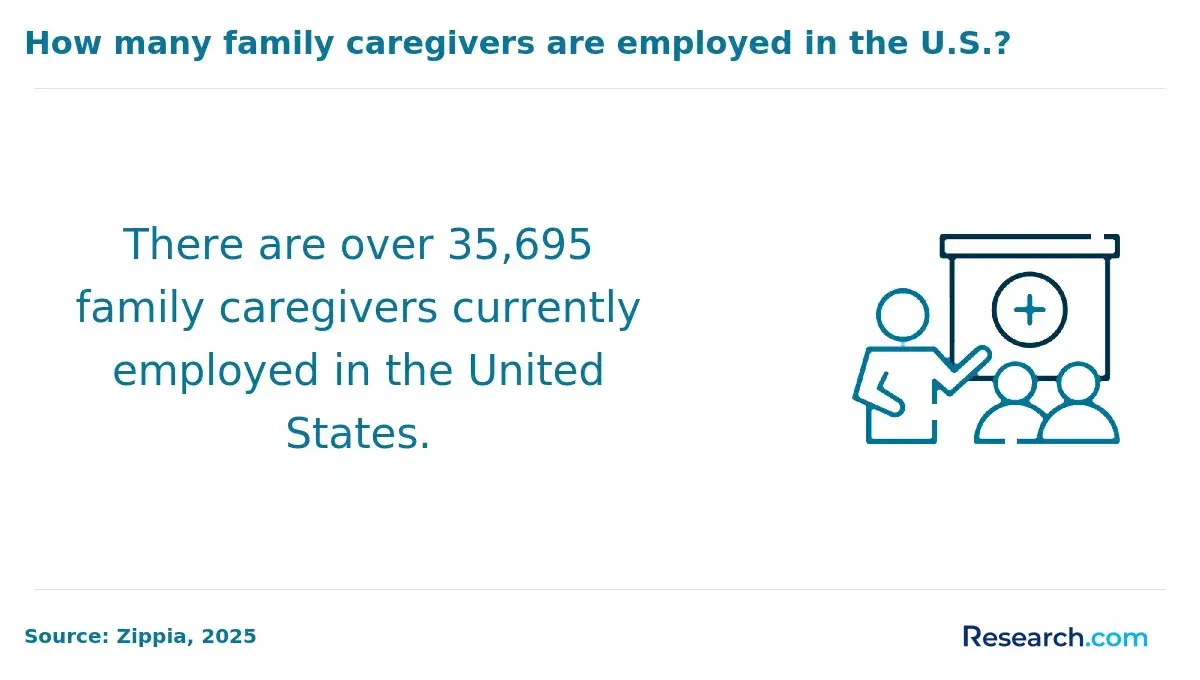
What jobs can you get with caregiver certification in Vermont?
Caregiver certification in Vermont paves the way to diverse and rewarding career paths in healthcare and support services. This certification enhances your qualifications, allowing you to work in essential roles that improve lives across homes, facilities, and communities. Whether you seek entry-level or specialized positions, certification broadens your options and earning potential in this growing field.
- Home Health Aide: Provides personal care and medication reminders to clients in their own homes, helping them maintain independence and comfort.
- Personal Care Attendant (PCA): Assists with daily routines such as bathing and meal preparation, typically working under nurse supervision in residential settings.
- Residential Care Aide: Supports residents in assisted living or long-term care facilities with hygiene, mobility, and daily activities, playing a vital role in senior care.
- Hospice Aide: Offers compassionate end-of-life care focused on comfort and emotional support within hospice, nursing homes, or private residences.
- Live-in Caregiver: Resides in the client’s home to provide continuous assistance with daily needs, medication, and companionship, a sought-after category of live-in caregiver jobs in Vermont.
- Certified Nursing Assistant (CNA): Delivers hands-on medical and personal care in hospitals and nursing homes, often serving as a stepping stone to advanced nursing roles.
- Memory Care Aide: Specializes in care for individuals with dementia or Alzheimer’s, combining personal care with behavioral support in memory care units.
- Medication Technician/Med Tech: Administers prescribed medications in assisted living settings, requiring additional training beyond basic certification.
With the certification and experience gained, you might also explore opportunities in related fields such as medical coding and billing by learning what does a certified medical coder and biller do, expanding your healthcare career options while continuing to support patient care.
What Do Caregivers in Vermont Say About Their Career
- Completing my caregiver certification through Champlain Valley Union High School gave me the practical skills I needed to feel confident from day one. Starting my career working in a local school, I quickly realized how rewarding it is to support students' emotional and physical well-being. Vermont's tight-knit communities have allowed me to grow both personally and professionally, making every day a chance to make a meaningful difference. I appreciate the stability and respect this profession provides, especially in a state that values close student-caregiver relationships deeply. Evelyn
- After finishing the caregiver program at Hartford Area Career and Technology Center, I began working in a local school and found the experience both challenging and inspiring. Vermont's unique rural environment means adapting to diverse needs and really engaging with families on a personal level. This career has fostered my empathy and patience, sharpening my skill set while grounding me in the community I love. The ability to advance professionally here reassures me that I have a long, fulfilling career ahead. Sven
- Training through the Springfield Technical Education Center was a turning point in my life, opening doors I hadn’t imagined before. Working as a caregiver within a Vermont school community has taught me the importance of cultural sensitivity and resilience, especially working with children facing various challenges. I’m passionate about helping young people thrive and knowing I can contribute positively in such a supportive environment keeps me motivated every day. Vermont’s focus on education and well-being really makes this profession feel valued and impactful. Jyn
Related Articles for Nearby States
- 2027 How to Become a Caregiver: Certification Requirements in New Hampshire
- 2027 How to Become a Caregiver: Certification Requirements in Massachusetts
- 2027 How to Become a Caregiver: Certification Requirements in New York
- 2027 How to Become a Caregiver: Certification Requirements in Connecticut
- 2027 How to Become a Caregiver: Certification Requirements in Rhode Island
- 2027 How to Become a Caregiver: Certification Requirements in Maine
- 2027 How to Become a Caregiver: Certification Requirements in New Jersey
- 2027 How to Become a Caregiver: Certification Requirements in Pennsylvania
- 2027 How to Become a Caregiver: Certification Requirements in Delaware
- 2027 How to Become a Caregiver: Certification Requirements in Maryland
References:
- Vermont Caregiver Training Course - Free Certification Included https://caredemy.us/product/vermont-caregiver-training/
- Online Personal Care Aide Training from Center for Workforce & Professional Education at Vermont State University https://careertraining.vermontstate.edu/training-programs/personal-care-aide-training/
- Vermont Caregiver Training & Certification for Home Care - CaregiverList.com https://www.caregiverlist.com/vermont/caregiver-training-certification
- Applications, Licensing & Fees | Vermont Department of Health https://www.healthvermont.gov/systems/board-medical-practice/applications-licensing-and-fees
- Vermont Caregiver - Orientation Training https://www.care-courses.com/collections/vermont-caregiver-orientation-training
- Senior Care Certifications and Caregiver Training Options https://www.care.com/c/senior-care-certifications/
- How to Become a Caregiver in Vermont | Dreambound https://dreambound.com/blog/how-to-become-a-caregiver-in-vermont
- Vermont Caregiver Training | myCNAjobs.com https://www.mycnajobs.com/caregiver-training/vermont/
- Nursing Applications & Renewals https://sos.vermont.gov/nursing/apply-renew/
- Vermont CEU Requirements | CEUfast https://ceufast.com/staterequirements/vermont
Other Things You Should Know About Becoming a Caregiver in Vermont
In 2027, to become a certified caregiver in Vermont, you need to complete a state-approved training program, pass a competency exam, and undergo a criminal background check. Continuing education may also be required to maintain certification.
In Vermont, caregivers must meet state-specific requirements, which may not include mandatory certification. However, if certification is necessary and obtained from another state, contacting Vermont's regulatory board is essential to confirm transferability and any additional requirements.
In Vermont, you can become a certified caregiver even without prior experience, as the state emphasizes training and certification over previous work history. Prospective caregivers must complete a state-approved training program, which covers essential skills and knowledge needed for caregiving roles. After successful completion, candidates can obtain certification, making the profession accessible for those new to the field. This approach ensures that individuals are properly equipped to provide quality care regardless of their starting experience level.
To become a certified caregiver in Vermont in 2027, candidates must complete a state-approved training program, pass a competency evaluation, and undergo a background check. Certification ensures that caregivers have the necessary skills and knowledge to provide quality care to clients.


