
2027 How to Become a Physical Education Teacher in California

Co-Founder and Chief Data Scientist
Physical education teachers in California play a vital role in promoting student health and wellness. With over 50,000 students enrolled in public schools for every thousand physical education teachers, the demand for qualified educators remains strong.
The state’s commitment to fostering active lifestyles through schools underscores the value of pursuing a career as a physical education teacher. California offers competitive salaries and opportunities for professional growth, making it an attractive destination for education professionals.
This article, prepared by experts in career planning, details the necessary steps to become a physical education teacher in California. It provides comprehensive guidance on certification requirements, educational pathways, and practical advice to support aspiring teachers in navigating the process effectively.
Key Things to Know About Becoming a Physical Education Teacher in California
- Earn a bachelor’s degree with a focus on physical education or a related field, ensuring completion of California’s required coursework for teaching credentials.
- Pass the California Basic Educational Skills Test (CBEST) and the California Subject Examinations for Teachers (CSET) in Physical Education to meet state certification standards.
- Complete a state-approved teacher preparation program, including student teaching to gain practical experience, given California’s demand for qualified PE educators amid over 18,000 active teaching credentials.
- What are the education requirements to become a physical education teacher in California? Educational Requirements
- What skills are essential for physical education teachers in California? Skills
- Do PE teachers in California need a teaching license? Do PE teachers in California need a teaching license?
- How do you get certified as a PE teacher in California? Certification
- Can out-of-state teachers transfer their license to California for PE teaching? Can out-of-state teachers transfer their license to California for PE teaching?
- How long does it take to become a PE teacher in California? How long does it take to become a PE teacher in California?
- How much does it cost to become a PE teacher in California? Costs
- What are the professional development and renewal requirements for PE teachers in California? What are the professional development and renewal requirements for PE teachers in California?
- Are there scholarships for physical education teaching students in California? Financial Aid
- Is there demand for physical education teachers in California? Is there demand for physical education teachers in California?
- What is the average salary of a PE teacher in California? Average Salary
What are the education requirements to become a physical education teacher in California?
Formal education lays the essential groundwork for physical education (PE) teachers in California to develop effective, standards-based programs that foster student wellness throughout their lives. Comprehensive academic preparation equips educators with the necessary skills to meet diverse student needs and apply current research to promote holistic physical, social, and emotional growth.
The following outlines the baseline education requirements to enter this profession.
- Bachelor’s Degree in Physical Education or Related Field: Earning a bachelor’s degree is a fundamental step, typically in physical education, kinesiology, exercise science, or a related discipline. These programs include specialized coursework in motor development, human movement, and instructional strategies aligned with bachelor’s degree requirements for PE teachers in California.
- Completion of a State-Approved Teacher Preparation Program: Candidates must complete a California physical education teacher credential program, which integrates subject matter content with pedagogical training. These programs may offer blended options combining credential coursework and student teaching or post-baccalaureate pathways for degree holders.
- Student Teaching Experience: Supervised student teaching is a required practical component, providing candidates with hands-on classroom experience under the mentorship of licensed teachers. This immersive training sharpens instructional skills and classroom management techniques.
- Subject Matter Competence: Prospective teachers demonstrate expertise either through an approved subject-matter program or by passing the California Subject Examinations for Teachers (CSET) in Physical Education, ensuring a mastery of growth, motor skills, movement concepts, and professional practices.
Those interested in the best pathways to fully leverage their educational background into teaching careers may also explore high-paying jobs with education degree opportunities.
What skills are essential for physical education teachers in California?
Physical education teachers in California require a diverse skill set to effectively engage students, encourage lifelong healthy habits, and manage classrooms that reflect the state’s diverse population. These essential teaching skills for California PE teachers help address different learning needs and foster an inclusive environment where all students can thrive.
Below are key skills that physical education teachers must cultivate to succeed in their roles.
- Communication: Clear and effective communication enables physical education teachers to convey instructions, provide feedback, and motivate students. Strong verbal and non-verbal skills are crucial for explaining complex movements and promoting a positive, supportive atmosphere during physical activities.
- Leadership: The ability to inspire and guide students is vital for creating engagement and teamwork. Good leadership helps maintain order, encourages participation, and sets examples of healthy behavior, which supports the broader goals of physical education.
- Adaptability: Given the varied abilities and backgrounds of students in California schools, physical education teachers must adapt lesson plans and teaching methods accordingly. Flexibility allows teachers to address different fitness levels, accommodate disabilities, and respond positively to an evolving educational environment.
- Knowledge of Fitness and Health: A thorough understanding of exercise science, health principles, and safety practices is fundamental for any physical education teacher. This expertise ensures that teachers can design appropriate fitness programs that promote physical well-being and educate students about healthy lifestyle choices.
Meeting the physical education teacher qualifications in California often involves understanding these skills deeply while pursuing educational credentials. For educators aiming to advance their expertise and leadership abilities, exploring the best online doctorate in higher education programs can provide valuable opportunities for growth and career progression.
Do PE teachers in California need a teaching license?
Licensing requirements for physical education teachers in California play a vital role in maintaining high teaching standards and supporting effective student outcomes. By ensuring educators possess the necessary credentials, the state promotes consistent, standards-based instruction and fosters physical literacy across diverse school environments.
In California’s public schools, PE teachers must hold a valid Single Subject Teaching Credential in Physical Education issued by the California Commission on Teacher Credentialing.
Obtaining this credential requires completing a bachelor’s degree, an approved teacher preparation program, demonstrating subject matter competency—often through the California Subject Examinations for Teachers—and passing the California Basic Educational Skills Test.
After earning the preliminary credential, teachers complete an induction program to receive a clear credential, which they must renew every five years. This rigorous licensure process ensures that public school PE teachers are well-prepared to deliver high-quality physical education aligned with state standards.
In contrast, private and charter schools in California have more flexibility regarding PE teacher licensure. While many private schools may prefer or require teaching credentials, the state does not mandate them, leaving hiring decisions to the individual institution. Charter schools, operating independently from many district rules, may set their own qualification standards, sometimes adopting state credentialing requirements voluntarily.
This variance creates different career pathways for PE teachers: those with state licensure have access to broader employment opportunities, greater job security, and higher salaries in public schools, whereas those without licensure, opportunities limited to private or charter schools, typically with less stability and professional development.
How do you get certified as a PE teacher in California?
Certification guarantees that physical education teachers in California are equipped with the necessary expertise and instructional skills to promote student health, fitness, and lifelong wellness effectively. This process ensures teachers meet rigorous academic and professional standards, which improves the quality of physical education across all grade levels.
Below are the essential steps to achieve certification as a PE teacher in California:
- Earn a Bachelor’s Degree: Obtain a bachelor’s degree from an accredited institution in physical education, kinesiology, or a related field. This foundational academic preparation is required for all candidates pursuing PE teaching credentials.
- Complete a State-Approved Teacher Preparation Program: Enroll in and finish a California-approved program that combines coursework in pedagogy with supervised student teaching experience. These programs can be part of an undergraduate blended option or a separate post-baccalaureate credential.
- Demonstrate Subject Matter Competency: Complete an approved subject matter program or pass all three subtests of the California Subject Examinations for Teachers (CSET) in Physical Education, showcasing comprehensive content knowledge in the discipline.
- Pass Required State Exams: Successfully pass the California Basic Educational Skills Test (CBEST), which evaluates skills in reading, writing, and mathematics. Additional requirements may include certifications in First Aid and CPR, and sometimes passing the U.S. Constitution Exam.
- Apply for the Preliminary Teaching Credential: Submit an application for the Preliminary Single Subject Teaching Credential in Physical Education after completing all prior requirements. This credential authorizes teaching in California public schools.
- Advance to the Clear Credential: After gaining practical classroom experience and fulfilling further professional development, upgrade to the Clear Credential to maintain long-term teaching eligibility in California.
A PE teacher from California who graduated from a local university shared his experience navigating this certification path. He described the process as “demanding but rewarding,” highlighting that balancing coursework, exam preparation, and student teaching required significant time management and dedication. “Passing the CSET subtests was a pivotal moment,” he recalled, emphasizing the importance of becoming deeply familiar with the physical education curriculum.
He also noted that obtaining First Aid and CPR certification provided confidence not only in meeting requirements but also in handling real-life situations at school. Reflecting on the journey, he mentioned feeling a profound sense of accomplishment when receiving his Preliminary Credential, marking the beginning of his teaching career. His story underscores how thorough preparation and persistence are key to becoming a certified PE educator in California.
Can out-of-state teachers transfer their license to California for PE teaching?
California does not provide full license reciprocity for out-of-state physical education teachers. Instead, educators must complete several additional requirements beyond holding an out-of-state license. While California is a participant in the National Association of State Directors of Teacher Education and Certification (NASDTEC) reciprocity agreement, having a PE teaching credential from another state does not automatically grant eligibility to teach in California.
Out-of-state teachers are required to submit a comprehensive application, provide official academic transcripts, and pass a criminal background check. Furthermore, candidates must meet California-specific coursework requirements and typically must pass the California Subject Examinations for Teachers (CSET) in Physical Education.
For teachers with documented experience of two or more years, some requirements may be slightly eased, but all candidates must still fulfill California’s standards related to teacher preparation and credentialing.
There is also an option to obtain a preliminary credential valid for five years, allowing out-of-state teachers to work while completing any remaining coursework or testing mandated by the state. The impact of these policies is significant for physical education teachers relocating to California.
Despite prior experience and credentials, educators must invest additional time and resources to satisfy California’s rigorous standards. Passing the CSET exams, meeting course requirements—including those related to teaching English learners—and undergoing credential evaluation often delay the ability to resume teaching.
The process ensures that all PE teachers are proficient in California’s instructional standards and content knowledge, maintaining high-quality physical education programs statewide.
These regulations may pose challenges to out-of-state educators, making it essential to start the credentialing process early and to carefully plan for potential delays in licensure and employment. The state’s commitment to maintaining high educational standards underscores the importance of these steps in preparing qualified PE teachers for California classrooms.
How long does it take to become a PE teacher in California?
The time required to become a physical education teacher in California varies widely depending on the educational path chosen, certification requirements, and practical teaching experience. While traditional routes tend to follow a defined timeline, alternative and blended programs may shorten or extend the process.
Understanding how long to get PE teacher credential in California involves examining each phase from undergraduate studies to credential approval.
- Bachelor’s Degree: Completing a bachelor's degree, typically in physical education, kinesiology, or a related field, generally takes about four years of full-time study. This foundational step often includes coursework aligned with state subject matter standards, which can streamline the credentialing process.
- Teacher Preparation Program: After earning a degree, candidates must complete a California Commission on Teacher Credentialing (CTC)-approved teacher preparation program, usually lasting one to two years. Some institutions offer blended programs that combine undergraduate and credential coursework, potentially reducing the total duration to four or five years.
- Subject Matter Competency: Demonstrating proficiency in physical education, either by completing an approved subject matter program or passing the California Subject Examinations for Teachers (CSET) is essential. Preparing for and passing the CSET can extend the process by several month,s depending on the candidate’s readiness.
- Student Teaching Experience: Practical classroom experience through supervised student teaching is a mandatory component, typically spanning one semester of four to six months. This hands-on training is integrated within the teacher preparation timeline and vital for credential eligibility.
- Credential Application and Certification: Upon fulfilling educational and practical requirements, candidates apply for the Preliminary Single Subject Teaching Credential. Approval can take a few weeks to a couple of months based on documentation processing.
Overall, the minimum timeframe to complete the steps and receive preliminary certification is about five to six years, assuming uninterrupted full-time study. Prospective educators interested in accelerated options might explore programs promoted as the most affordable education degree online, which sometimes incorporate blended elements to shorten the timeline.
How much does it cost to become a PE teacher in California?
The cost to become a PE teacher in California involves multiple expenses, including tuition, examination fees, and certification costs. Each step in the process requires investment in education and assessments, contributing to the overall financial commitment needed before entering the profession.
Below is a breakdown of the primary fees for California physical education teaching credential candidates to consider.
- Bachelor’s Degree Tuition: Earning a bachelor’s degree is fundamental, with annual tuition for in-state students at California State University campuses ranging from about $5,742 to $7,000, while private institutions may exceed $30,000 per year. The total cost for a four-year degree varies widely, typically between $23,000 and $120,000 depending on the institution chosen.
- PE Teacher Preparation Program: After completing a bachelor’s degree, aspiring teachers must enroll in an approved preparation program. Tuition and associated fees generally range from $8,000 to $15,000 at public universities, with private programs often charging higher rates.
- Licensing and Exam Fees: Candidates must pass subject exams, such as the California Subject Examinations for Teachers (CSET), which cost $69 per subtest, totaling $207 for the three required. Additional fees include a $100 credential application, a $2.65 processing fee, and fingerprinting services around $49.
- Additional Costs: Expenses for textbooks, course materials, TB tests, CPR certification, and background clearances can add several hundred dollars more. Such miscellaneous charges should be factored into the overall investment.
Considering all these factors, the estimated cost to become a PE teacher in California can vary significantly. Prospective candidates may also explore educational financing options, including programs comparable to affordable online library science master's degrees, to manage these expenses effectively.
What are the professional development and renewal requirements for PE teachers in California?
California requires physical education teachers to engage in ongoing professional development and renew their credentials every five years. Educators must complete a designated number of continuing education hours that focus on both pedagogical practices and updates in state curriculum standards, ensuring their instructional methods remain current with evolving health and wellness research. Additionally, participation in workshops, seminars, and specialized training sessions is crucial for maintaining licensure and enhancing career advancement opportunities. For a broader perspective on the credentialing timeline, consider the comprehensive overview provided on how long does it take to become a teacher in California.
Are there scholarships for physical education teaching students in California?
Financial aid and scholarships play a vital role in helping aspiring physical education teachers in California manage the financial demands of tuition, credentialing, and training. These resources provide essential support, enabling students to focus on their studies and professional growth without overwhelming debt.
- Federal and State Financial Aid: Students typically start by applying for federal aid through FAFSA, qualifying for grants and loans. California residents may also access state programs like Cal Grant, which offer significant tuition assistance at public and private institutions.
- Institutional Scholarships: Many universities in California, especially those with strong kinesiology or teacher preparation programs, offer scholarships based on merit, leadership, and financial need to support physical education majors.
- Professional Association Scholarships: Organizations such as CAHPERD provide annual scholarships targeting students with commitments to PE careers, emphasizing academic achievement and residency in California.
- Specialized Scholarships: Targeted scholarships support minority and underrepresented students, such as those offered through programs like CANFit, to promote diversity within physical education fields.
When I spoke with a PE teacher from California who recently graduated from a local university, she reflected on her financial aid journey with gratitude. “Applying for scholarships was both challenging and hopeful,” she shared. “I relied heavily on institutional scholarships that recognized my leadership and passion for adapted physical activity.”
She recalled the relief of receiving awards just in time to cover fees, saying, “It made a real difference, easing my financial stress and letting me focus on becoming the best educator I could.” Her experience confirms that well-targeted scholarships are an essential lifeline for many future PE teachers in California.
Is there demand for physical education teachers in California?
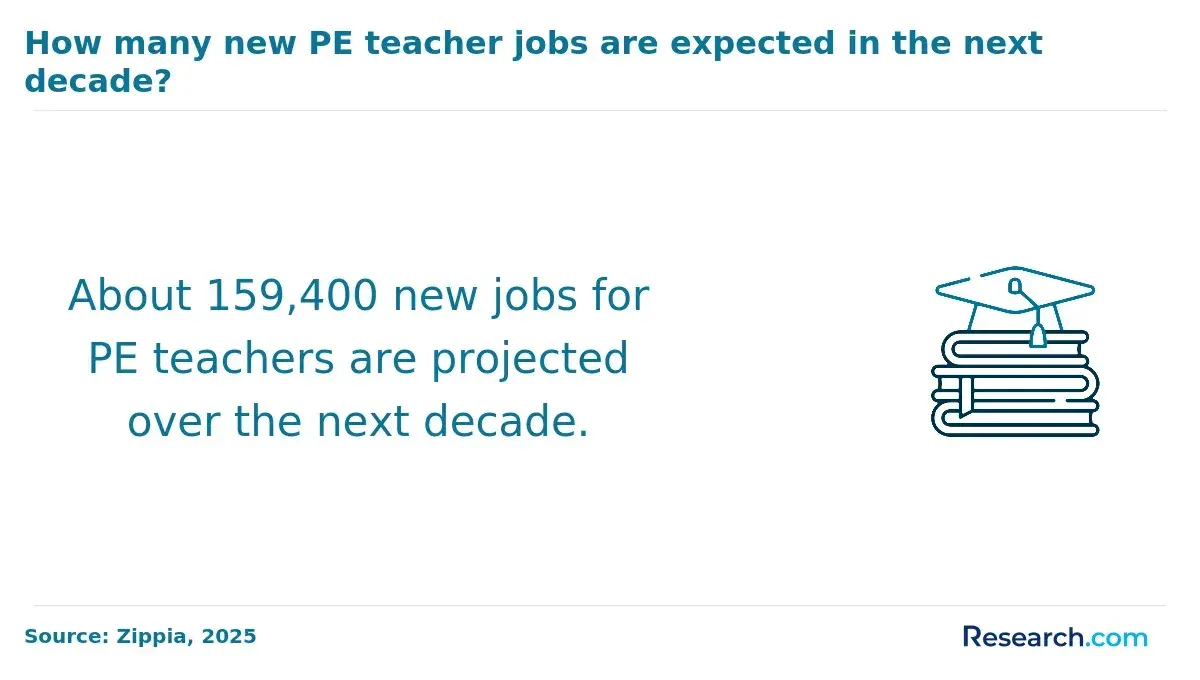
The demand for physical education teachers in California is driven by multiple factors such as student enrollment trends, state health initiatives, and retirement rates among existing educators. As public health policies increasingly emphasize wellness and mandated PE curriculum standards, the need for qualified professionals in this sector grows. This evolving landscape shapes hiring patterns across the state, influencing both short-term vacancies and long-term workforce planning.
The strongest demand for PE teachers in California is found primarily in public schools, especially within urban and underserved districts. These areas face the greatest challenges in meeting state requirements for physical education and student wellness programs. California leads the nation in employing physical education teachers, with high job opening volumes reported in major metropolitan districts, including Los Angeles and San Francisco.
Nationally projected growth for K–12 teaching positions remains positive, with physical education specifically expected to grow at about 3.1%, supporting a steady demand. Additionally, schools place a high value on candidates with additional expertise in health, nutrition, or social-emotional learning, reflecting a broader approach to student well-being.
For aspiring PE teachers, understanding the physical education teacher shortage in California highlights increased opportunities, particularly in high-need areas willing to combine teaching with coaching or health education roles.
These trends create a competitive yet accessible job market in California, outperforming many other states. Candidates interested in advancing their qualifications may also explore advanced degrees, including how long does it take to get an edd, to enhance their professional standing and adaptability within evolving educational demands.
What is the average salary of a PE teacher in California?
In California, PE teachers earn some of the highest salaries in the country, with averages routinely exceeding $98,000 and some estimates reaching up to $122,990 annually. Salary considerations are especially important in California due to the high cost of living and the impact on career satisfaction and long-term financial planning.
Below are the primary factors influencing PE teacher salaries in California:
- Years of Experience: Entry-level PE teachers in California typically start at around $66,596 per year, while those with extensive experience may earn up to $195,690, reflecting tiered salary schedules that reward longevity.
- Education Level: Advanced degrees and specialist credentials can substantially increase earning potential, with many districts offering salary increments for higher educational attainment.
- School Type (Public vs. Private): Public school teachers generally receive higher and more consistent pay due to union-negotiated salary schedules and state funding compared to private or charter school counterparts.
- Geographic Location Within California: Salaries vary widely by region; urban centers like Los Angeles and San Diego offer averages upwards of $136,000, while rural areas tend to provide lower but still competitive salaries.
The earning potential for PE teachers in California reflects the challenges of high living costs and diverse student needs, balanced by the considerable professional rewards and opportunities within the state’s education system.
What Do Physical Education Teachers in California Say About Their Career?
- Daniel: "Completing my PE teaching credential at Redwood Valley Academy gave me not only the technical skills but also a deeper appreciation for California's diverse student body. Starting my career in a local school allowed me to adapt programs that truly resonate with kids from different backgrounds, which makes every day fulfilling. The chance to incorporate outdoor activities unique to California’s climate has reinvigorated my passion for teaching and fitness. Witnessing students grow physically and emotionally motivates me continuously. "
- Flora Bel: "After finishing the program at Golden State Sports Institute, I began teaching at a local school and was amazed by the professional growth opportunities available in California. The state’s commitment to supporting educators helped me advance quickly, and I appreciate how much ongoing training is encouraged. Being a PE teacher here means I can influence not only physical health but also mental well-being through comprehensive school initiatives. It’s rewarding to contribute positively to the holistic development of the youth. "
- Tanisha: "My journey through the Coastal Horizon Academy program prepared me well for the unique challenges of teaching PE in a diverse and vibrant state like California. Engaging with the community has been the most uplifting part, especially seeing kids gain confidence through sport despite socio-economic challenges. California’s rich natural environment provides incredible opportunities for outdoor education, making my classes exciting and varied. Teaching here is more than a job—it’s a chance to make a real difference. "
Related Articles for Nearby States
- 2027 How to Become a Physical Education Teacher in Nevada
- 2027 How to Become a Physical Education Teacher in Oregon
- 2027 How to Become a Physical Education Teacher in Arizona
- 2027 How to Become a Physical Education Teacher in Idaho
- 2027 How to Become a Physical Education Teacher in Utah
- 2027 How to Become a Physical Education Teacher in Washington
- 2027 How to Become a Physical Education Teacher in New Mexico
- 2027 How to Become a Physical Education Teacher in Colorado
- 2027 How to Become a Physical Education Teacher in Montana
- 2027 How to Become a Physical Education Teacher in Wyoming
References:
- Physical Education Credential Program | California State University Long Beach https://www.csulb.edu/college-of-education/physical-education-credential-program
- What Degree Do I Need to Teach High School PE? | PLNU https://www.pointloma.edu/resources/education/what-degree-do-i-need-teach-high-school-pe
- Physical education teacher salary in California ‐ CareerExplorer https://www.careerexplorer.com/careers/physical-education-teacher/salary/california/
- Physical Education Teacher Salary in California (October 01, 2025) | Salary.com https://www.salary.com/research/salary/recruiting/physical-education-teacher-salary/ca
- PE Teacher Salary | Physical Education Teacher Salary https://www.peteacheredu.org/salaries/
- Physical Education Teaching Credential (Secondary Education) | CSU Northridge https://www.csun.edu/eisner-education/secondary-education/programs/physical-education-teaching-credential
- PE Teacher jobs in California https://www.topschooljobs.org/jobs/pe-teacher/california/
- How to Become a PE Teacher in 2025 | Teachers of Tomorrow https://www.teachersoftomorrow.org/blog/insights/how-to-become-a-pe-teacher-in-2023/
- How to Become a Physical Education Teacher - Graduate Programs for Educators https://www.graduateprogram.org/blog/how-to-become-a-physical-education-teacher/
- Out of State Trained Teachers | How To https://www.sdcoe.net/administrative-services/human-resources/credentialing/how-to/~board/credentialing/post/teach-in-california-if-you-were-trained-out-of-state
Other Things You Should Know About Becoming a Physical Education Teacher in California
California does offer alternative certification routes for aspiring Physical Education (PE) teachers, allowing candidates without a traditional teacher preparation program to enter the profession. One common pathway is the Preliminary Credential through programs such as the California Teachers of Tomorrow or other approved internship programs, which combine coursework with on-the-job training.
These alternative programs require candidates to meet basic requirements, including subject matter competency and passing the California Basic Educational Skills Test (CBEST). This approach helps address teacher shortages by enabling individuals with relevant experience or education to become credentialed PE teachers more efficiently.
To become a PE teacher in California by 2026, you need a bachelor's degree in physical education or a related field. You must also complete a teacher preparation program and pass the California Basic Educational Skills Test (CBEST) and the California Subject Examinations for Teachers (CSET) in physical education.


