
2027 How to Become a Physical Education Teacher in Idaho

Co-Founder and Chief Data Scientist
Idaho offers a promising career path for aspiring physical education teachers, with over 1,200 active K-12 physical education educators statewide. The demand for qualified professionals continues to grow as schools emphasize holistic student development. Pursuing this career in Idaho means contributing to healthier, more active communities while enjoying competitive salaries and growing job stability.
This article, crafted by experts in career planning, provides a clear roadmap to becoming a physical education teacher in Idaho. It delivers essential information on certification requirements, educational pathways, and vital professional tips to guide you step-by-step toward a rewarding career in this important field.
Key Things to Know About Becoming a Physical Education Teacher in Idaho
- Earn a bachelor’s degree in physical education or a related field from an accredited institution to meet Idaho’s educator preparation standards.
- Complete a state-approved teacher preparation program, including student teaching, to develop practical classroom and coaching skills.
- Pass the required content and professional teaching assessments as mandated by the Idaho State Department of Education to obtain certification in physical education.
- What are the education requirements to become a physical education teacher in Idaho?
- What skills are essential for physical education teachers in Idaho?
- Do PE teachers in Idaho need a teaching license?
- How do you get certified as a PE teacher in Idaho?
- Can out-of-state teachers transfer their license to Idaho for PE teaching?
- How long does it take to become a PE teacher in Idaho?
- How can I plan my certification timeline and career progression in Idaho?
- How much does it cost to become a PE teacher in Idaho?
- Are there scholarships for physical education teaching students in Idaho?
- Is there demand for physical education teachers in Idaho?
- What is the average salary of a PE teacher in Idaho?
What are the education requirements to become a physical education teacher in Idaho?
Formal education is the foundation for Idaho physical education teachers to build effective programs that support students' lifelong wellness. By gaining a deep understanding of exercise science, health, and instructional methods, teachers can create engaging lessons tailored to diverse learning needs. Below are the key education requirements that prepare educators to succeed in this rewarding field.
- Bachelor’s Degree in Physical Education or Related Field: Candidates must complete a bachelor’s degree in physical education, kinesiology, or a related discipline from an accredited college or university. This degree covers essential topics such as anatomy, exercise physiology, movement theory, and health education.
- Completion of a State-Approved Teacher Preparation Program: Aspiring physical education teachers in Idaho must finish a teacher preparation program sanctioned by the Idaho State Department of Education. These programs include training in pedagogy, classroom management, curriculum development, and assessment, along with practical student teaching experience.
- Minimum GPA and Academic Performance Standards: To meet Idaho physical education teacher degree requirements, students often need to maintain a minimum 3.0 GPA in their education and kinesiology coursework. This standard ensures a strong grasp of both subject matter and teaching skills.
- Clinical Experience and Student Teaching: Hands-on clinical practice is vital. Teachers-in-training complete supervised student teaching assignments where they apply their knowledge by planning and delivering PE lessons in real classrooms.
- Current CPR and First Aid Certification: Candidates may also be required to hold up-to-date CPR and first aid certification prior to entering student teaching. This prepares teachers to respond effectively to emergencies during physical activities.
For those interested in advancing their careers, exploring jobs for master of education can open doors to greater opportunities in education leadership or specialization.
What skills are essential for physical education teachers in Idaho?
Success as a physical education teacher in Idaho hinges on mastering a set of vital skills that engage students, promote lifelong healthy habits, and effectively manage diverse classroom environments. These skills empower you to connect with students on multiple levels and respond to the unique challenges of teaching physical education. Below are the essential teaching skills for PE teachers in Idaho that can transform your classroom and inspire your students.
- Communication Skills: Strong Idaho physical education teacher communication skills are indispensable for clearly conveying instructions, motivating students, and collaborating with parents and colleagues. Whether delivering verbal cues during lessons or writing progress updates, effective communication fosters a supportive and trusting learning atmosphere.
- Leadership and Motivation: A successful PE teacher leads by example, inspiring students to participate actively in physical activities. You create clear goals, offer positive feedback, and build an inclusive environment that encourages each student’s engagement and fosters a sense of teamwork and confidence.
- Adaptability and Flexibility: Idaho’s diverse student body requires teachers to adjust their methods to meet varying learning styles and physical abilities. Being adaptable allows you to modify lesson plans on the fly and respond productively to unforeseen challenges in the gym or on the field.
- Knowledge of Fitness and Health: A deep understanding of exercise physiology, anatomy, and current health trends is essential to craft safe, effective, and enjoyable activities. This expertise ensures you provide students with a well-rounded education that promotes wellness and physical literacy.
For those looking to build these skills on a strong academic foundation, exploring an online college teaching degree can be a flexible and effective way to prepare for a rewarding career in physical education.
Do PE teachers in Idaho need a teaching license?
Licensing requirements in Idaho ensure that physical education teachers bring both expertise and effective teaching skills to their classrooms, creating a consistent and high-quality learning experience for students. This formal credentialing supports educators in promoting student health, physical literacy, and lifelong fitness with confidence and professionalism.
In Idaho public schools, holding a teaching license is mandatory for physical education teachers. Candidates must complete a bachelor’s degree along with an approved educator preparation program, which covers essential coursework and supervised practice. Passing the Praxis Physical Education: Content Knowledge exam is also required, verifying their command of critical PE concepts.
After fulfilling a background check and submitting all necessary documents, teachers receive an initial certificate valid for five years, renewable through ongoing professional development. This rigorous process helps public schools maintain strong standards and offers teachers greater job stability and competitive salaries.
Private and certain charter schools in Idaho often have more flexible licensure policies. While many prefer licensed educators, state certification is not legally required, allowing schools to consider candidates with alternative qualifications or experience. Charter schools’ requirements can vary depending on their governance.
This flexibility can open doors for individuals with diverse backgrounds, but often comes with less job security and fewer benefits. Choosing between these paths influences career growth, so aspiring PE teachers should weigh their personal goals and the trade-offs carefully when planning their journey.
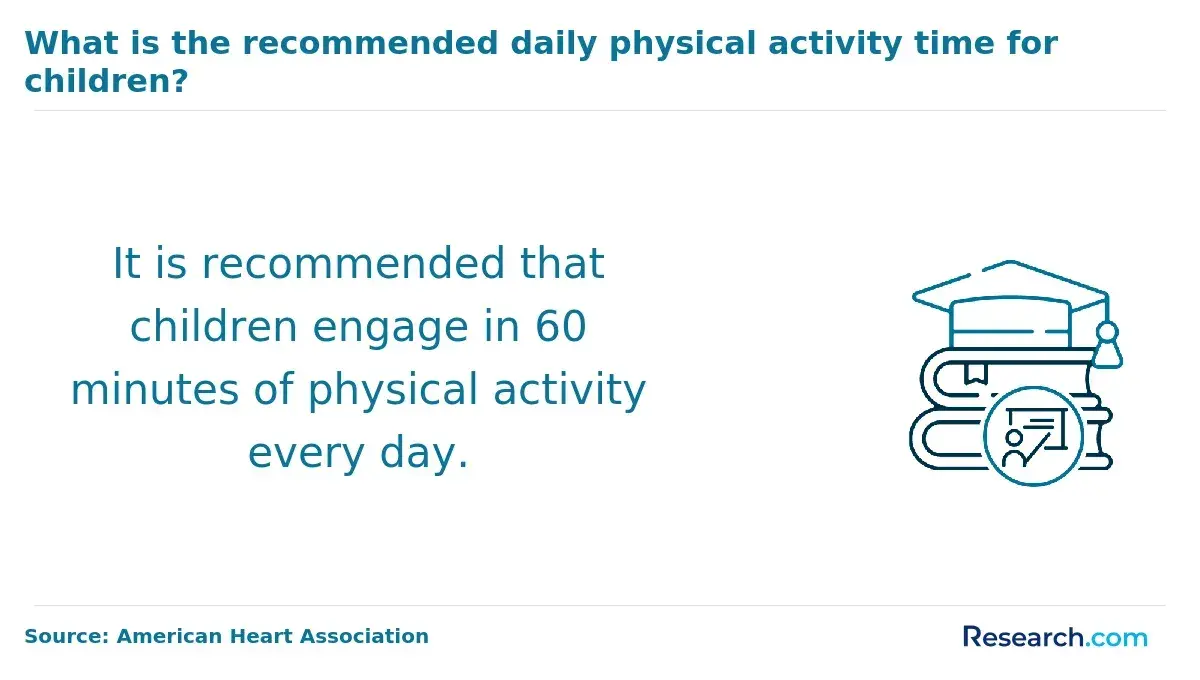
How do you get certified as a PE teacher in Idaho?
Certification is essential for ensuring physical education teachers in Idaho are ready to support student health, fitness, and well-being effectively. It confirms they have the knowledge and skills to create engaging, safe, and developmentally appropriate learning environments. Below are the key steps to becoming a certified PE teacher in Idaho:
- Complete a Bachelor’s Degree: Earn a bachelor’s degree in physical education, kinesiology, or a related field. This academic foundation includes coursework in movement theory, exercise science, and teaching methods, alongside practical experiences like internships and student teaching.
- Finish a State-Approved Teacher Preparation Program: Enroll in and complete a program approved by the Idaho State Department of Education to develop classroom management skills and curriculum knowledge specific to PE. Successful completion grants an institutional recommendation necessary for certification.
- Pass Required State Exams: Successfully pass the Praxis Physical Education: Content Knowledge exam, achieving the minimum score required. This exam tests your expertise in teaching strategies, student motivation, and content knowledge aligned with Idaho’s endorsement requirements.
- Complete Background Check and Fingerprinting: Undergo thorough background screening, including fingerprinting and checks against state and federal databases, to ensure the safety and well-being of students.
- Submit Certification Application: Compile all required documents such as transcripts, exam scores, recommendations, and background check results, then submit your application to the Idaho State Department of Education. The first certificate lasts five years and can be renewed through professional development.
I spoke with a PE teacher from Idaho who graduated from a local university to learn about his certification journey. He recalled how balancing the rigorous coursework with a busy student teaching schedule tested his time management skills, but he found every challenge rewarding. “Passing the Praxis was stressful,” he shared, “but preparing through focused study groups made all the difference.”
Navigating the fingerprinting and background check process was smoother than expected, he noted, but assembling all paperwork for the application required careful organization. Reflecting on the experience, he emphasized the support from mentors and peers as crucial for staying motivated. “Earning my certification didn’t just open doors—it gave me confidence to inspire my students every day.”
Can out-of-state teachers transfer their license to Idaho for PE teaching?
Out-of-state teachers seeking to transfer their license to Idaho for physical education positions will find that the state does not offer full license reciprocity. Instead, Idaho uses a structured transitional process. Teachers with a valid license from another state can apply for a three-year, non-renewable Interim Certificate that allows them to teach while completing Idaho-specific requirements.
These requirements often include coursework in literacy and technology, passing a background check with fingerprint clearance, and submitting transcripts along with an Institutional Recommendation from their teacher preparation program. Some applicants may also be required to take the Praxis II subject assessment for physical education if their previous testing does not meet Idaho’s standards.
This interim certification provides a pathway but is not an immediate guarantee of full licensure. Once all state requirements are met and credentials reviewed as equivalent, teachers can apply for a renewable five-year teaching certificate in Idaho.
For physical education teachers relocating to Idaho, these policies can impact career planning and timing. Idaho mandates certification for PE teachers at the high school level, making full compliance essential for continuing a teaching career without interruption. While the interim certificate allows you to start teaching sooner, the additional coursework and testing can require time and financial investment.
This means careful planning is crucial to avoid employment gaps. Idaho currently experiences significant demand for qualified physical education teachers, especially in rural areas, which presents opportunities but also means the state maintains high standards. Being aware of these steps and preparing early to meet Idaho's unique requirements will help you transition smoothly and continue your passion for teaching PE to Idaho’s students.
How long does it take to become a PE teacher in Idaho?
The physical education teacher training duration in Idaho can vary depending on several factors, including the chosen degree program, the structure of teacher preparation, and certification processes. While the overall pathway typically spans a few years, knowing the timeline for each stage can help you plan your journey effectively.
- Bachelor’s Degree (4 years): Most aspiring PE teachers complete a bachelor’s degree in physical education, kinesiology, or a related field, usually taking four years of full-time study. This foundational stage equips you with essential knowledge about exercise science and teaching methods, preparing you for practical application.
- Teacher Preparation Program (1 year): After earning your degree, you’ll usually spend about a year in a teacher preparation program. This phase includes both coursework on educational theory and supervised classroom experience, helping you develop the skills needed to engage and inspire students effectively.
- State Certification Requirements (several months): Idaho requires physical education teachers to obtain state certification, which involves passing exams and completing background checks. The time needed can vary but is generally a few months after finishing your preparation program.
- Practical Teaching Experience: Gaining hands-on experience through student teaching or internships is essential and often integrated into your teacher preparation program. This real-world practice lets you apply your knowledge and build confidence in a classroom setting.
If you're considering alternative pathways, affordable online education degree options can sometimes accelerate or provide more flexible scheduling for your studies while maintaining quality standards. Navigating how many years to become a PE teacher in Idaho with a clear plan will keep you motivated and focused on your goal.
How can I plan my certification timeline and career progression in Idaho?
An effective plan balances meeting Idaho’s certification requirements with aligning long-term career goals. Mapping out prerequisite coursework, licensure testing, and ongoing professional development milestones ensures a smooth transition from candidate to experienced educator. Reviewing detailed timelines can provide clarity on the duration of each phase and help set realistic expectations. For a comprehensive analysis of the process, consider reviewing how long does it take to become a teacher in Idaho.
How much does it cost to become a PE teacher in Idaho?
The journey to becoming a physical education teacher in Idaho involves various expenses that go beyond just tuition. Costs like certification exams, preparation programs, and required materials all contribute to the total amount you'll need to budget. Being aware of these components helps you plan effectively and stay focused on your goal.
Here are the main cost elements to consider:
- Tuition for a Bachelor’s Degree: Earning a bachelor’s degree in physical education or a related field is the foundation. In Idaho, in-state tuition can range around $9,000 per year, adding up to approximately $36,000–$40,000 for four years before financial aid or scholarships.
- PE Teacher Preparation Program Expenses: These programs are often part of your degree but may include extra fees like application costs and certifications in CPR or first aid. These can add a few hundred dollars to your overall expenses, so it’s wise to budget accordingly.
- Licensing and Exam Fees: Passing the Praxis exams for Physical Education and Health Education is a must, with each exam costing between $120 and $150. Additionally, the teacher certification application fee is $75, with renewals every five years also charged at $75. Managing the cost of PE teacher certification in Idaho is crucial to avoid surprises.
- Additional Costs: Plan for textbooks, which can be $500–$1,000 annually, background checks and fingerprinting fees of around $28–$35, and any specialized materials needed for coursework and student teaching. These smaller expenses add up but are essential parts of becoming fully prepared.
For those still considering options, you might find it helpful to explore whether is getting a online bachelors degree in early childhood education worth it—sometimes gaining related qualifications can also influence becoming a PE teacher in Idaho expenses strategically.
Are there scholarships for physical education teaching students in Idaho?
Managing the costs of education and certification can be daunting for aspiring physical education teachers in Idaho. Fortunately, a variety of scholarships and financial aid options exist to ease this burden and open the door to a rewarding teaching career.
- Federal Financial Aid: Programs like Pell Grants and Direct Loans offer vital support based on financial need when you complete the FAFSA, helping to cover tuition and living expenses.
- Idaho State Scholarships and Grants: Initiatives such as the Idaho LAUNCH Grant and Opportunity Scholarship provide substantial tuition assistance for qualifying students pursuing education degrees.
- Institutional Scholarships: Universities like the University of Idaho and Lewis-Clark State College offer merit- and need-based awards for students focusing on physical education.
- Teaching and Education Grants: These fund coursework, internships, or research, often prioritizing candidates ready to serve high-need communities.
- Loan Forgiveness Programs: Graduates teaching in qualifying Idaho schools can have portions of their federal student loans forgiven after several years of service.
I spoke with a PE teacher from Idaho who graduated from a local college and shared how scholarships transformed her journey. She recalled feeling overwhelmed by tuition costs at first but found hope when awarded an endowed scholarship exclusive to education majors. “It covered enough to let me focus on my studies without constant financial stress,” she said.
The combination of that scholarship and a state grant meant she graduated with minimal debt and a strong commitment to give back through teaching. Her experience underscores how targeted financial support can powerfully shape a future in physical education.
Is there demand for physical education teachers in Idaho?
Several factors influence the demand for physical education teachers in Idaho, including school enrollment growth, state health initiatives, and retirement trends among current educators. As Idaho’s population expands, especially in urban and suburban areas, the need for qualified PE teachers rises to meet increased student enrollment.
State and local authorities also emphasize the importance of health and fitness education, encouraging the development of comprehensive physical education programs. This upward pressure on hiring creates ongoing opportunities for educators in this field.
The demand for physical education teachers in Idaho is strongest in public schools, particularly in rapidly growing districts and underserved rural communities where recruiting certified teachers can be challenging. While private and charter schools do hire PE instructors, the majority of openings remain in the public sector, driven by mandated physical education standards and population shifts.
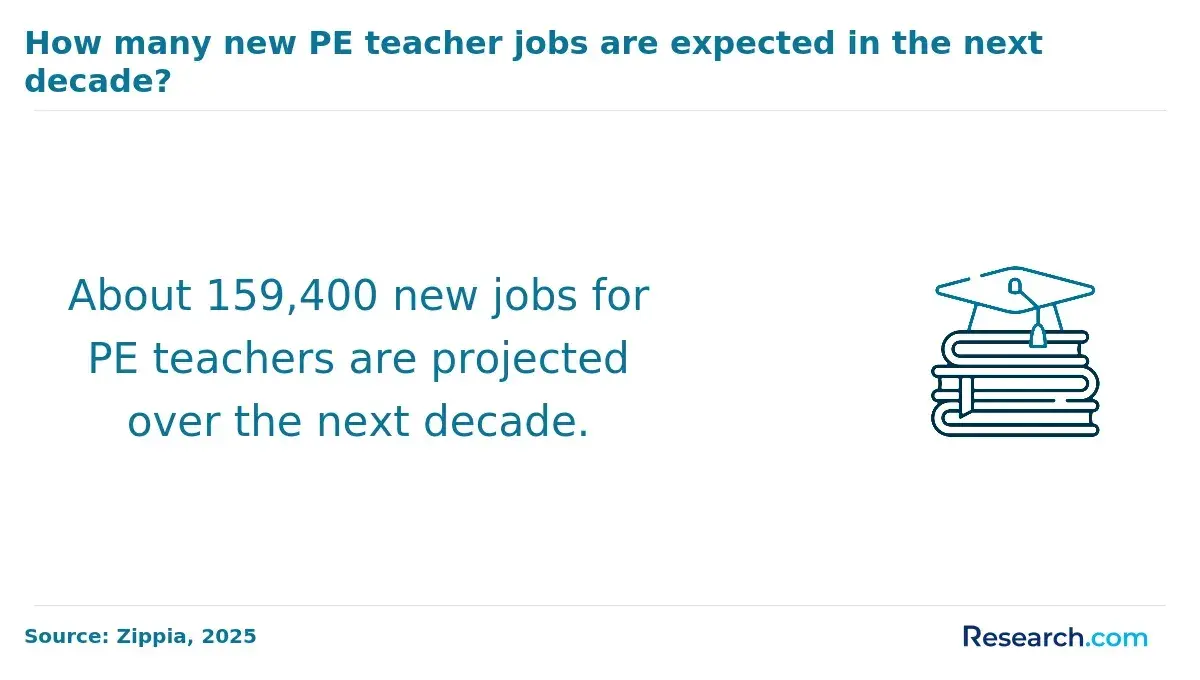
Although the overall national job growth for PE teachers is modest at around 3.1% through 2032, Idaho’s specific needs are amplified by local retirements and targeted health programs. Job listings in metropolitan areas like Boise underscore a steady requirement for new hires, while rural districts often face staffing shortages that create unique opportunities for candidates willing to work outside urban centers.
For those aspiring to teach physical education in Idaho, being open to positions in underserved areas or with extracurricular coaching responsibilities can enhance employment prospects. Additionally, exploring the shortest edd online degrees can be a strategic step for further career advancement within education.
What is the average salary of a PE teacher in Idaho?
Physical education teachers in Idaho earn an average of $60,840 annually, which is notably higher than the national average of $49,652. This comparison highlights the varying regional demand and investment in physical education careers. For those considering a path in physical education in Idaho, salary plays a vital role in career decisions, reflecting both the cost of living and the value placed on educators in the state.
Below are the key factors that influence physical education teacher salaries in Idaho:
- Years of Experience: Salaries increase with tenure, starting near $44,240 for entry-level teachers and reaching up to $142,650 for those with extensive experience.
- Education Level: Advanced degrees like master’s or doctorates often place teachers on higher salary scales, rewarding specialized knowledge and leadership skills.
- School Type (Public vs. Private): Public schools typically offer more consistent and often higher salaries due to regulated funding compared to private institutions.
- Geographic Location within Idaho: Pay varies by region, with urban districts generally offering higher salaries than rural areas such as Ahsahka or Almo.
The salary potential for PE teachers in Idaho underscores the dedication required and the rewarding opportunities available for those committed to their professional growth and educational impact.
What Do Physical Education Teachers in Idaho Say About Their Career?
- Completing my physical education program at Boise State Academy truly prepared me for the dynamic demands of teaching in Idaho. Starting my career in a local school, I quickly realized how fulfilling it is to promote lifelong wellness among students while also adapting to the unique outdoor opportunities our state offers. The abundant parks and trails have allowed me to integrate nature-based activities into my curriculum, which keeps students engaged and energized. This profession has deepened my passion for fostering healthier lifestyles in our youth, all while enjoying excellent job stability. Jailen
- My journey began after finishing the program at Coeur d’Alene Central School, and stepping into my first role as a PE teacher was both challenging and rewarding. Idaho’s strong sense of community means you’re not just teaching students but also collaborating closely with families and local organizations. I’ve experienced significant personal growth, learning to tailor my teaching to diverse learners and manage the balance between indoor and outdoor activities across seasons. The career advancement paths here are encouraging, offering many opportunities to specialize or become leaders in school wellness programs. Bradley
- Teaching physical education in Idaho has been a deeply professional and enriching experience since graduating from Idaho Falls Technical Academy. The state’s emphasis on active, holistic education has presented unique challenges like adapting to rural schools with limited resources, but it’s also opened doors to innovative partnerships with community recreation centers and youth sports leagues. I appreciate the ongoing professional development workshops available that help refine my teaching and coaching skills. Contributing to the physical and emotional well-being of students in such a supportive environment makes this career incredibly meaningful. Zayne
Related Articles for Nearby States
- 2027 How to Become a Physical Education Teacher in Montana
- 2027 How to Become a Physical Education Teacher in Washington
- 2027 How to Become a Physical Education Teacher in Oregon
- 2027 How to Become a Physical Education Teacher in Nevada
- 2027 How to Become a Physical Education Teacher in Utah
- 2027 How to Become a Physical Education Teacher in Wyoming
- 2027 How to Become a Physical Education Teacher in California
- 2027 How to Become a Physical Education Teacher in Colorado
- 2027 How to Become a Physical Education Teacher in Arizona
- 2027 How to Become a Physical Education Teacher in New Mexico
References:
- How to Become a PE Teacher in Idaho | Requirements for PE Teacher Jobs in ID https://www.peteacheredu.org/idaho/
- Certification / Certification & Professional Standards / Idaho Department of Education https://www.sde.idaho.gov/cert-psc/cert/
- The Sky Hasn’t Fallen: Alternative Teacher Certification in Idaho Public Charter Schools - BLUUM https://www.bluum.org/alternative-teacher-certification-idaho-public-charters/
- Exercise, sport and health sciences | Physical education teacher certification emphasis (B.S.) | University of Idaho https://www.uidaho.edu/academics/degree-finder/eshs-physical-education-cert-bs
- Idaho Alternative Teaching Certification Requirements https://www.teachercertificationdegrees.com/certification/idaho-alternative/
- Become a Teacher in Idaho | Idaho Teacher Certification https://www.americanboard.org/idaho/
- Physical Education Teaching | Idaho State University https://www.isu.edu/hpss/undergraduate-programs/physical-education-teaching/
- Best Value Colleges for Physical Education Teaching & Coaching (Income $30-$48k) in Idaho - College Factual https://www.collegefactual.com/majors/education/teacher-education-and-development/physical-education-teaching-and-coaching/rankings/best-value-avg-aid-income2/rocky-mountains/idaho/
- Become a K-12 Physical Education Teacher | University of Idaho https://www.applyboard.com/schools/university-of-idaho/programs/bachelor-of-science-exercise-sport-and-health-science-physical-education-teacher-education
- Physical Education Degrees in Idaho | EducationDegree.com – Education Degree https://www.educationdegree.com/programs/physical-education/idaho/
Other Things You Should Know About Becoming a PE Teacher in Idaho
To become a certified physical education teacher in Idaho in 2027, you need to earn a bachelor's degree in physical education or a related field, complete a state-approved teacher preparation program, pass the Praxis exams, and apply for certification through the Idaho State Department of Education.
In Idaho, a physical education teaching degree typically requires courses like Kinesiology, Exercise Science, Health Education, and Teaching Methods for PE. Students must also complete a student teaching component and pass the Praxis exams to become certified to teach PE in the state.


