
2027 How to Become a Physical Education Teacher in Kansas

Co-Founder and Chief Data Scientist
Kansas offers a promising path for aspiring physical education teachers, with over 1,200 job openings projected through 2028. This demand reflects the state’s growing commitment to fostering healthy, active lifestyles in schools. Pursuing a career in physical education here blends rewarding community impact with competitive salaries and stable employment opportunities, making it a wise professional choice.
This article explores the essential steps to becoming a physical education teacher in Kansas. Crafted by career planning experts, it guides readers through certification requirements, educational pathways, and practical advice. The information equips prospective teachers with clear, reliable insights to embark confidently on their career journey in this vibrant state.
Key Things to Know About Becoming a Physical Education Teacher in Kansas
- Earn a bachelor’s degree in physical education or a related field accredited by Kansas State Department of Education.
- Complete a state-approved teacher preparation program that includes student teaching experience to build practical skills.
- Pass the Kansas performance assessment and content exams to obtain your teaching license, as over 30% of Kansas physical education teachers renew certifications every five years.
- What are the education requirements to become a physical education teacher in Kansas?
- What skills are essential for physical education teachers in Kansas?
- Do PE teachers in Kansas need a teaching license?
- How do you get certified as a PE teacher in Kansas?
- Can out-of-state teachers transfer their license to Kansas for PE teaching?
- How long does it take to become a PE teacher in Kansas?
- How much does it cost to become a PE teacher in Kansas?
- How can I advance your career as a physical education teacher in Kansas?
- Are there scholarships for physical education teaching students in Kansas?
- Is there demand for physical education teachers in Kansas?
- What is the average salary of a PE teacher in Kansas?
What are the education requirements to become a physical education teacher in Kansas?
Becoming a physical education teacher in Kansas opens a world where health, movement, and education blend to inspire lifelong fitness and wellness. Formal education lays the foundation for crafting engaging PE curricula that meet diverse student needs and promote physical literacy. Let’s explore the key education requirements that set the stage for this rewarding career.
To meet the essential education requirements for PE teacher in Kansas, candidates typically follow these critical steps:
- Bachelor’s Degree in Physical Education or Related Field: Earning a bachelor’s degree is fundamental, ideally in physical education, kinesiology, or a related discipline from a regionally accredited institution. This degree covers vital subjects such as exercise physiology and motor learning to prepare candidates thoroughly.
- Completion of a State-Approved Teacher Preparation Program: Candidates must complete a state-approved program integrated with their degree study that merges theory with extensive field experience. This practical component includes significant student teaching hours in K-12 settings, bridging academic knowledge with classroom realities.
- Coursework in Educational Foundations and Instructional Methods: Beyond physical education content, future teachers study educational psychology and instructional technology to develop effective teaching strategies tailored for diverse learners and evolving PE standards.
- Field Experience and Student Teaching: Immersive field experiences, including supervised student teaching in both elementary and secondary schools, sharpen classroom management and instructional skills under professional guidance.
For those seeking advanced opportunities, exploring the ranking of the best 1 year online masters degree in education programs can provide additional pathways to deepen expertise and accelerate career growth within Kansas physical education teacher degree programs.
What skills are essential for physical education teachers in Kansas?
Mastering essential physical education teacher skills in Kansas energizes educators to connect with students, spark enthusiasm for fitness, and navigate the diverse classrooms found across the state. These skills shape teachers who inspire active lifestyles while addressing varied student needs with creativity and care.
To truly thrive in this dynamic field, several core competencies stand out. Here are key Kansas physical education teaching competencies that unlock success in this rewarding career:
- Comprehensive Content Knowledge: A strong grasp of movement science, biomechanics, and fitness principles grounded in Kansas standards enables teachers to design lessons that help students develop lasting motor skills and healthy habits. This expertise allows educators to integrate physiological and psychological concepts that deepen students’ understanding and engagement.
- Effective Communication: Clear, positive communication is vital for guiding students through activities and reinforcing expectations. Kansas physical education teaching competencies emphasize using both verbal and nonverbal cues to foster inclusive environments where every student feels understood and motivated.
- Instructional Adaptability: Embracing the rich diversity of Kansas classrooms means tailoring instruction to accommodate a wide range of abilities and backgrounds. Flexible lesson plans and innovative adjustments empower all learners to participate confidently and safely.
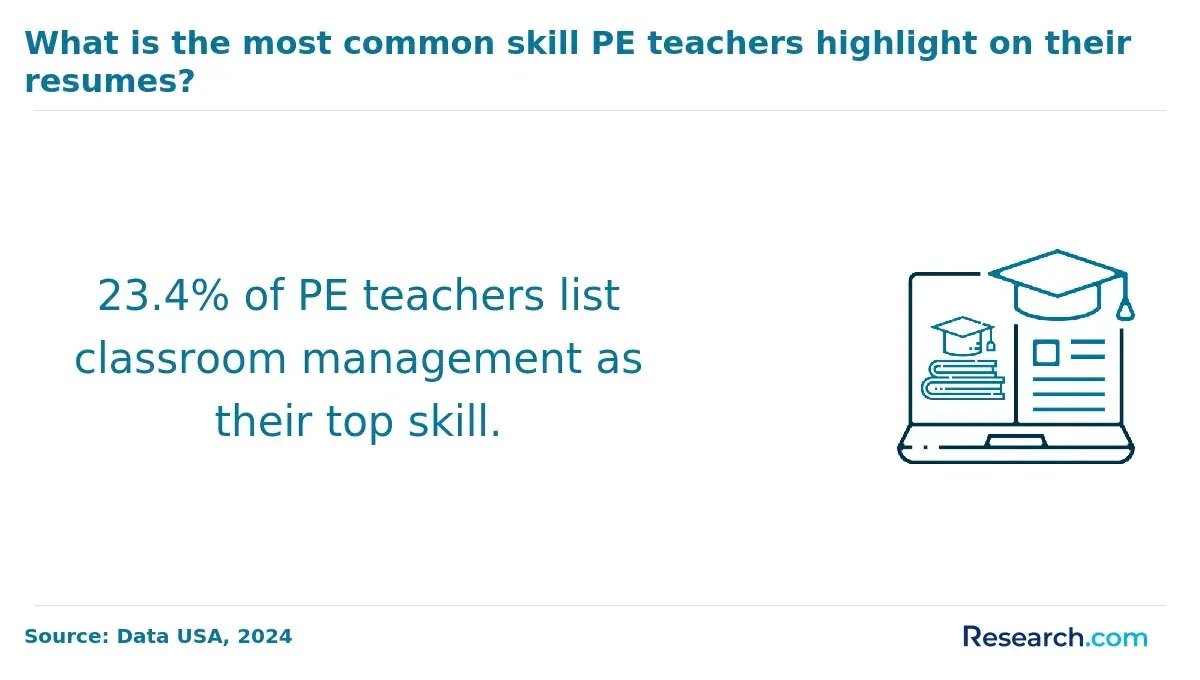
- Leadership and Classroom Management: Inspiring teamwork and maintaining an organized, respectful space are cornerstones of physical education success. Strong leadership fosters student responsibility and cooperation, essential for dynamic group activities and long-term development.
For those interested in expanding their knowledge beyond traditional settings, exploring online teaching degrees can provide additional pathways to hone these competencies and more.
Do PE teachers in Kansas need a teaching license?
Licensing requirements serve as a crucial compass for maintaining quality and consistency in physical education across Kansas. They guarantee that educators bring a solid foundation of knowledge and skills, ensuring students receive instruction that promotes physical literacy and lifelong wellness.
In Kansas public schools, holding a valid teaching license with a physical education endorsement is non-negotiable. Candidates must complete a bachelor’s degree, engage in a state-approved teacher preparation program, and pass the Praxis subject exams tailored for physical education.
This rigorous process, overseen by the Kansas State Department of Education, aims to certify that PE teachers are well-equipped both academically and practically. Starting with an initial two-year license that requires mentored teaching experience, educators can upgrade to a professional five-year license, opening doors to long-term public school positions and professional growth.
The landscape shifts when it comes to private schools, charter schools, and alternative education settings. These institutions often embrace more flexible hiring policies—sometimes accepting candidates without state licensure but holding a relevant degree or practical experience.
Charter schools, especially, enjoy autonomy, occasionally prioritizing experience or alternative credentials over formal licensure. However, this freedom comes at a cost: PE teachers without licenses may encounter limited job security and reduced benefits.
Ultimately, possessing a Kansas teaching license broadens career horizons, offering entrance to a wider array of roles and greater stability in the education field.
How do you get certified as a PE teacher in Kansas?
Certification in Kansas ensures physical education teachers are well-prepared to inspire student fitness, health, and lifelong wellness. This essential process upholds high teaching standards, directly benefiting student learning and physical activity.
To become a licensed PE teacher in Kansas, candidates must navigate several key steps outlined below.
- Earn a Bachelor’s Degree: Obtain a bachelor’s degree in physical education or a closely related field from an accredited institution. Many Kansas universities offer specialized programs that align with state requirements and prepare candidates for effective teaching.
- Complete a State-Approved Teacher Preparation Program: Finish a Kansas-approved educator preparation program including coursework focused on teaching strategies and a supervised student teaching experience, usually lasting at least 12 weeks, to develop practical classroom skills.
- Pass Required State Exams: Successfully pass the Praxis exams, including the Core Academic Skills, Principles of Learning and Teaching (PLT), and the Physical Education: Content Knowledge test, achieving the minimum required scores for certification.
- Undergo Background Checks: Complete thorough criminal background checks conducted by both the state and federal authorities to ensure safety and trustworthiness in the school environment.
- Submit an Application for Initial Licensure: Apply online through the Kansas State Department of Education, providing official transcripts, proof of program completion, exam results, and a licensure fee. The review typically takes six to eight weeks.
A PE teacher from Kansas, who completed his studies locally, reflected on his path to certification as challenging yet rewarding. He mentioned, “Balancing intense coursework and student teaching pushed me to grow professionally and personally.”
Navigating the Praxis exams felt daunting at first, especially mastering both content knowledge and teaching methods, but the preparation made him confident in his abilities. He appreciated how the background checks reassured him about entering a trusted profession. “Submitting my application was a moment of relief and excitement, realizing I was one step closer to making a real impact.”
His experience underscores the thoughtful process behind becoming a certified physical education teacher in Kansas, blending dedication with meaningful accomplishment.
Can out-of-state teachers transfer their license to Kansas for PE teaching?
Kansas does not offer full license reciprocity for out-of-state physical education teachers, so simply holding a valid PE teaching license from another state won’t automatically grant you the right to teach there. Instead, Kansas requires additional steps to ensure all educators meet its specific standards.
Out-of-state teachers usually need to pass the PRAXIS II content assessment in physical education, submit detailed transcripts, and may have to complete extra coursework if their previous training doesn’t exactly match Kansas requirements.
Sometimes the state issues a temporary or restricted license, allowing you to start teaching while completing these steps. This system ensures that educators not only have subject expertise but also align with Kansas’s pedagogical expectations and safety standards.
For PE teachers relocating to Kansas, these rules can be both a challenge and an opportunity. You might face a waiting period while passing exams or gathering the necessary documents, which could slow down your transition. Yet, this process also opens doors to professional growth by encouraging you to deepen your mastery of Kansas-specific teaching standards.
If your past preparation doesn’t fully fit Kansas’s criteria, a restricted license offers a useful bridge, letting you gain teaching experience while fulfilling additional requirements. This path requires collaboration among you, your new school district, and a Kansas-approved educator preparation program, making your career move an active and engaging journey rather than a simple paperwork transfer.
Ultimately, the process helps maintain high-quality PE instruction across the state, supporting both your professional development and students’ learning experiences.
How long does it take to become a PE teacher in Kansas?
The journey to become a physical education teacher in Kansas offers an exciting path with variable timelines depending on your chosen degree program, the specifics of teacher preparation, and the hands-on teaching experiences you accumulate.
The length of physical education teacher programs in Kansas reflects a combination of academic, practical, and certification requirements, shaping how quickly candidates can enter the profession.
- Bachelor’s Degree in Physical Education: This foundational step typically takes about four years of full-time study at an accredited college or university. The program blends general education with specialized physical education courses crafted to prepare you for K-12 certification and practical teaching demands.
- Teacher Preparation Program Admission: Usually completed by the junior year, gaining admission requires meeting GPA thresholds, passing standardized tests, and clearing background checks. Delays can add extra semesters if prerequisites or testing are postponed.
- Teacher Preparation Coursework and Field Experience: Integrated within the degree, this phase involves education courses along with extensive fieldwork totaling over 700 applied learning hours, including a student teaching semester. It solidifies your hands-on skills and classroom readiness.
- Licensure Exams and Application: After graduation, passing Kansas-required exams such as the Praxis for physical education typically takes several months. Successfully navigating this final step secures your official teaching license.
- Additional Endorsements or Graduate Study (Optional): Some candidates extend their timeline by six months to two years to earn add-on endorsements or pursue graduate studies, broadening their expertise and career options.
For those exploring flexible pathways, considering an affordable online education degree might provide opportunities to balance study with other commitments while advancing toward licensure.
How much does it cost to become a PE teacher in Kansas?
Becoming a physical education teacher in Kansas involves several expenses that combine to form the overall cost of certification and education. Key factors include tuition fees, required testing, and licensing costs, all crucial in meeting state requirements. These costs vary depending on the institution and specific program choices.
Here are the main expenses you should consider when budgeting for the cost of PE teacher certification in Kansas:
- Kansas physical education degree tuition: Pursuing a bachelor’s degree in education or physical education is foundational. For in-state students at public universities, annual tuition generally ranges from $7,000 to $11,000, totaling between $28,000 and $44,000 for the full four years. Private colleges often have higher tuition rates, so it’s important to compare options carefully.
- PE Teacher Preparation Program Expenses: Beyond general tuition, enrolling in an approved teacher preparation program can add $1,000 to $4,000 in extra fees. This covers specialized coursework and program-specific requirements needed to comply with Kansas teaching standards.
- Licensing and Exam Fees: To obtain certification, you must pass two Praxis exams—the Principles of Learning and Teaching exam at $130 and the Physical Education: Content Knowledge exam at $115. The initial license application fee is $45, with renewal every five years also costing $45.
- Books and Supplies: Textbooks and materials for your degree can add an estimated $1,000 to $2,000, depending on course selections and whether you purchase used or new materials.
- Background Check and Fingerprinting: A mandatory background check for licensure typically costs between $50 and $60. This step might be waived if you have previously held a substitute teaching license in Kansas.
For those looking to explore affordable graduate options after certification, consider reviewing the most affordable online mlis programs that can complement your teaching career.
How can I advance your career as a physical education teacher in Kansas?
Professional development remains a key factor in career advancement for physical education teachers in Kansas. Educators can pursue specialized training programs, leadership courses, and advanced certifications that augment classroom expertise and open pathways to roles such as department coordinator or curriculum specialist. Participation in state-sponsored workshops, local mentorship initiatives, and peer networks further enhances instructional skills and strategic career growth. For insight into foundational requirements, review how long does it take to become a teacher in Kansas.
Are there scholarships for physical education teaching students in Kansas?
Covering the costs of education can feel like navigating a maze for aspiring physical education teachers in Kansas, but scholarships and financial aid illuminate the path.
These resources ease the burden, letting students focus on mastering their craft and stepping into schools ready to inspire.
- Federal Student Aid (FAFSA): This essential starting point unlocks access to federal grants, loans, and work-study programs that serve as a foundation for funding education.
- Kansas Teacher Service Scholarship: Targeting high-need areas like physical education, this scholarship offers financial support in exchange for a commitment to teach in Kansas schools.
- Institutional Scholarships: Universities often provide awards tailored for PE majors, recognizing academic achievement and dedication to sport or teaching.
- Loan Forgiveness Programs: Graduates teaching in shortage or underserved areas can benefit from programs that reduce student debt over time.
I recently spoke with a PE teacher from Kansas, a local graduate who recalled the relief her scholarship brought. "When I received the funding, it was like a weight lifted," she said, describing how the institutional scholarship helped cover textbooks and fees while she juggled practicum hours.
Navigating applications felt daunting, but the promise of teaching in an underserved district kept her motivated. She reflects, "It wasn’t just about the money; it was knowing the state saw value in our future as educators."
Is there demand for physical education teachers in Kansas?
Several factors drive the demand for physical education teachers in Kansas, including changes in school enrollment, state health and wellness initiatives, and teacher retirement trends. As schools emphasize improving student health, physical education programs increasingly become a priority, impacting the number of PE teaching positions needed. These elements create a dynamic environment influencing the physical education teacher job market in Kansas.
The strongest demand for PE teachers is found primarily in public schools, especially in underserved or rural districts where vacancies can be higher and attracting qualified candidates is more challenging.
Private schools and adaptive physical education programs also contribute to the demand, reflecting diverse opportunities across the state. Although there is no specific projected job growth data for Kansas, nationally the field is expected to grow by around 3.1% over the next decade.
Local shortages driven by retirements and health initiatives suggest that the demand in Kansas may be more pronounced than the national average. This demand includes specialized roles such as adaptive PE teachers, who support students with unique needs, a growing focus in districts like Topeka Public Schools.
For those exploring career options, the combined impact of these trends signals a promising job market for physical education teachers in Kansas. The persistent shortages, especially in rural and underserved areas, mean that qualified educators with credentials in health, coaching, or adaptive PE will find diverse opportunities.
Those interested in advancing their qualifications might consider exploring career options with online doctorate degree in education to enhance their prospects in this competitive yet rewarding field.
What is the average salary of a PE teacher in Kansas?
Exploring the landscape of physical education teaching salaries reveals that Kansas PE teachers earn an average of $60,840 per year, surpassing the national average of about $49,700. Salary not only impacts financial stability but also signals the value placed on educators within the state’s communities.
Let’s explore the main factors shaping PE teacher salaries in Kansas:
- Years of Experience: Salaries increase with tenure, starting near $47,320 for beginners and reaching up to $100,280 for seasoned teachers, reflecting district pay scales rewarding longevity.
- Education Level: Advanced degrees elevate earning potential; for instance, those with a master’s degree can earn up to $53,442 compared to $45,766 for bachelor’s holders.
- School Type (Public vs. Private): Public schools generally offer higher salaries due to funding and collective bargaining, whereas private schools often provide lower compensation.
- Geographic Location within Kansas: Urban areas like Kansas City pay more, averaging $59,628, while rural regions such as Wichita lag behind at about $48,258.
The salary range for PE teachers in Kansas reflects both the financial constraints of the educational system and the rewarding career possibilities accessible through experience, education, and additional roles. This balance highlights the dynamic nature of teaching physical education across the state.
What Do Physical Education Teachers in Kansas Say About Their Career?
- Completing my physical education program at Lincoln Heights Academy truly prepared me for the real-world challenges of teaching in Kansas. The local curriculum and community involvement enriched my experience, and starting my career at a local school gave me the chance to connect deeply with students who share a love of outdoor activities typical to this region. There’s a sense of fulfillment in helping kids embrace active lifestyles, especially when you see their confidence grow through sports and fitness. This career path not only provided stability but also allowed me to contribute meaningfully to my community’s health and well-being. DeShawn
- Starting work as a PE teacher in a local Kansas school has been a rewarding journey where I’ve witnessed firsthand how physical education fosters teamwork and resilience in students. My time studying at Prairie View School of Education gave me a solid foundation, but it’s the diversity of the student population and the school’s commitment to health that have made this profession so impactful. Kansas’s wide-open spaces and seasonal sports traditions offer unique opportunities to engage students in varied physical activities that keep both mind and body sharp. The career advancement options here keep me motivated to grow as an educator and leader. Jin
- Reflecting on my career as a PE teacher after graduating from Cedar Ridge Collegiate, I feel deeply honored to impact young lives across Kansas. The blend of rural and urban environments presents both challenges and rewarding experiences, especially in tailoring programs that meet different community needs. I’ve grown tremendously by learning how to integrate Kansas’s resources, like trails and parks, into my lessons. This profession continually inspires me, as physical education is not just about fitness but building lifelong habits and confidence among students. The professional circle here encourages ongoing development, making this career a truly fulfilling choice. Estela
Related Articles for Nearby States
- 2027 How to Become a Physical Education Teacher in Nebraska
- 2027 How to Become a Physical Education Teacher in Oklahoma
- 2027 How to Become a Physical Education Teacher in Missouri
- 2027 How to Become a Physical Education Teacher in Colorado
- 2027 How to Become a Physical Education Teacher in Iowa
- 2027 How to Become a Physical Education Teacher in Arkansas
- 2027 How to Become a Physical Education Teacher in Texas
- 2027 How to Become a Physical Education Teacher in South Dakota
- 2027 How to Become a Physical Education Teacher in Wyoming
- 2027 How to Become a Physical Education Teacher in Minnesota
References:
- How to Become a PE Teacher in Kansas | Requirements for PE Teacher Jobs in KS https://www.peteacheredu.org/kansas/
- Physical Education Plus (B.S.E.) | Department of Curriculum and Teaching https://ct.ku.edu/academics/physical-education-plus/bachelors-degree
- Physical Education and Health Education https://coe.k-state.edu/academics/pathways-to-teaching/education-difference/physical-health-education.html
- How to Become a Teacher in Kansas in 2025 | Teachers of Tomorrow https://www.teachersoftomorrow.org/blog/insights/how-to-become-a-teacher-in-kansas/
- Teach Physical Education in Kansas | Washburn University https://www.washburn.edu/academics/college-schools/arts-sciences/kinesiology/bed.html
- Physical Education Plus | School of Education and Human Sciences https://soehs.ku.edu/academics/physical-education-plus
- Physical Education https://www.wichita.edu/academics/applied_studies/School_of_Education/PE/index.php
- Best Undergraduate Physical Education Programs in Kansas, USA | ApplyBoard https://www.applyboard.com/best-programs/best-undergraduate-physical-education-programs-in-kansas-usa
- Best Value Colleges for Physical Education Teaching & Coaching (Income $30-$48k) in Kansas - College Factual https://www.collegefactual.com/majors/education/teacher-education-and-development/physical-education-teaching-and-coaching/rankings/best-value-avg-aid-income2/the-plains-states/kansas/
- Educate Kansas | Job Board scripts/funct.search.job | 26d9e333375e1a6 https://jobs.educatekansas.org/inner.php
Other Things You Should Know About Becoming a Physical Education Teacher in Kansas
In 2027, to transition to teaching PE in Kansas with a degree in another field, you'll need to complete a teacher preparation program focused on physical education and pass the Praxis exams. You'll then apply for an Initial Teaching License and complete a mentoring program during your first years of teaching.
In 2027, aspiring PE teachers in Kansas must pass the Praxis Subject Assessments for Physical Education. This exam assesses content knowledge specific to physical education and is a key requirement for obtaining teaching licensure in Kansas.
To become a licensed PE teacher in Kansas in 2027, obtain a bachelor’s degree in physical education, complete a teacher preparation program, and pass the Praxis exams. Then, apply for a teaching license with the Kansas State Department of Education. Continuing education may be required for license renewal.


