
2027 How to Become a Police Officer: Education Requirements in Alaska

Co-Founder and Chief Data Scientist
Alaska offers a unique and rewarding career as a police officer, with employment growth projected at 5% over the next decade. The state’s vast and diverse geography creates a demand for skilled law enforcement professionals capable of managing rural and urban challenges. Pursuing this career provides job stability, competitive salaries, and a chance to serve vibrant communities.
This article outlines the essential education requirements to become a police officer in Alaska. Prepared by experts in career planning, it delivers clear, actionable guidance to help prospective officers navigate qualifications and training efficiently and confidently.
Key Things to Know About Becoming a Police Officer in Alaska
- A minimum of a high school diploma or GED is required to apply for most police officer positions in Alaska.
- Many agencies prefer candidates with some college credits or an associate degree in criminal justice to improve job competitiveness.
- Completion of Alaska Police Standards Council (APSC) certified training at a police academy is mandatory before full certification.
- What is the minimum education requirement to become a police officer in Alaska?
- Which majors are most recommended for aspiring police officers in Alaska?
- What subjects are taught in Alaska police academy?
- Can military service replace education requirements for police officers in Alaska?
- How much does it cost to get a police officer education in Alaska?
- Are scholarships available for aspiring police officers in Alaska?
- What certifications benefit a police officer's career development in Alaska?
- Can police officers transition to other legal careers in Alaska?
- What roles can you get as a police officer in Alaska?
- What is the average salary of police officers in Alaska?
- What education trends are affecting law enforcement careers in Alaska?
What is the minimum education requirement to become a police officer in Alaska?
Education is a critical component in law enforcement, providing officers with essential communication, ethical, and problem-solving skills needed on the job. While educational standards vary across the United States, Alaska maintains clear and consistent requirements for those pursuing a career in policing. Meeting the minimum education requirement for a police officer in Alaska ensures candidates are prepared for the rigors of training and fieldwork. The following are the accepted minimum educational credentials:
- High School Diploma: Applicants must have a high school diploma from a state-recognized institution, confirming completion of the foundational education necessary for police duties.
- GED Certificate: Candidates without a traditional diploma can qualify by earning a General Education Development (GED) certificate, which Alaska recognizes as a valid alternative.
- State-Recognized Home School Diploma: Diplomas from certified home schooling programs that meet state or local district standards are also acceptable to fulfill the education prerequisite.
These requirements guarantee that all recruits possess the literacy and basic knowledge to succeed in the Alaska Public Safety Academy and subsequent on-the-job training. Additionally, pursuing specialized credentials like a forensic science certificate online can further enhance a candidate’s qualifications within law enforcement fields.
Which majors are most recommended for aspiring police officers in Alaska?
Choosing the right college major can significantly strengthen your qualifications and increase opportunities for advancement within Alaska’s law enforcement agencies. Selecting one of the best criminal justice majors in Alaska programs equips candidates with foundational knowledge and practical skills tailored to the state’s unique policing challenges, helping them stand out in a competitive job market.
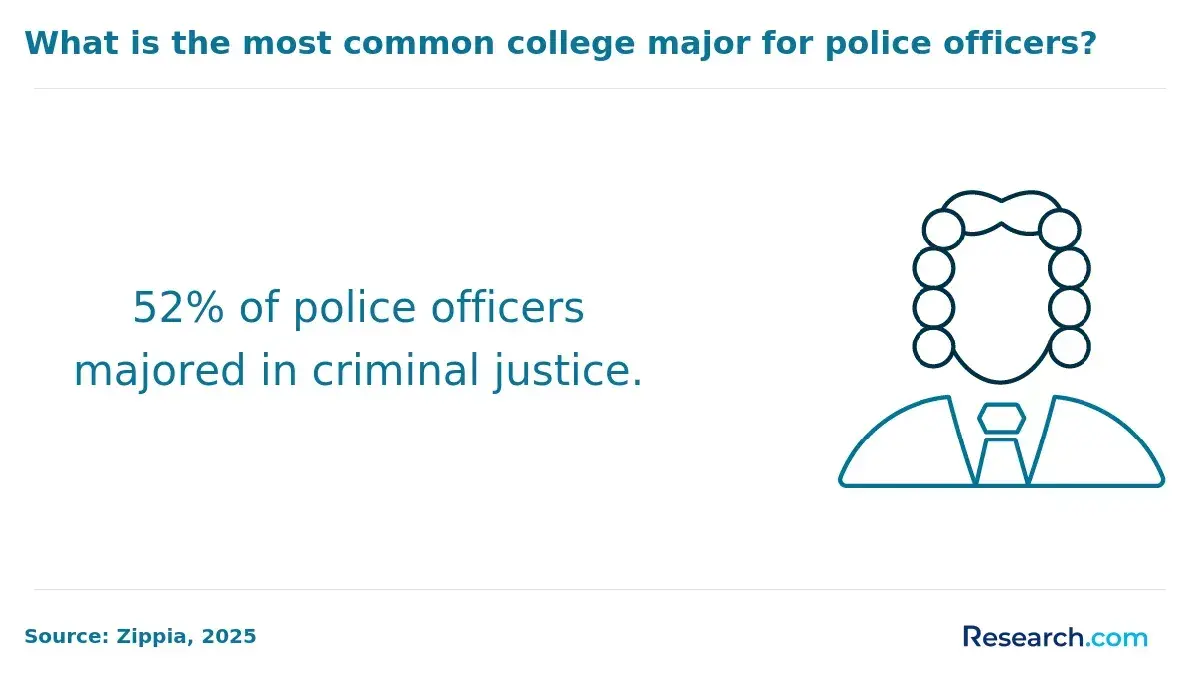
- Criminal Justice: This is the most directly relevant major for law enforcement, emphasizing legal systems, criminal procedures, and enforcement strategies. Programs in Alaska prepare students for roles in both urban and rural settings, including restorative justice and community-focused policing.
- Criminology: Concentrating on crime causes and prevention, criminology develops analytical skills useful for investigative work and strategic planning. Departments value these majors for their ability to interpret crime trends and support community-oriented policing initiatives.
- Psychology: Understanding human behavior and mental health is key to managing crisis situations and fostering communication. Psychology majors gain insights beneficial in handling diverse incidents, making them assets in high-stress environments.
- Sociology: This major explores social dynamics, including substance abuse and domestic violence issues prevalent in Alaska communities. Knowledge of social structures helps officers design effective outreach and prevention programs.
- Political Science: Insight into government systems and public policy supports navigation of Alaska’s complex jurisdictional landscape. This understanding is crucial for collaborative law enforcement efforts involving tribal, state, and local agencies.
- Law (Pre-Law or Legal Studies): Focusing on constitutional law and legal research, this major prepares officers for advanced investigative and administrative roles. Legal expertise ensures adherence to regulatory standards and supports ethical policing practices.
- Public Administration: This prepares candidates for leadership with training in management, budgeting, and policy analysis. Graduates are well-suited for supervisory roles, especially in agencies coordinating multiple resources.
Alaska’s degree programs for law enforcement frequently offer flexible formats, including a forensic science degree online, making it easier for students statewide to pursue these valuable educational paths.
What subjects are taught in Alaska police academy?
Police academy training in Alaska equips recruits with essential skills, legal knowledge, and sound judgment necessary for effective law enforcement in a challenging environment. The curriculum balances academic study with practical, scenario-based exercises to prepare officers for real-world demands.
- Alaska Criminal Law and Procedures: Understanding the Alaska Criminal Code and constitutional law is vital to enforcing laws within legal boundaries. This knowledge ensures officers protect citizens' rights while carrying out their duties lawfully.
- Firearms and Defensive Tactics: Training covers various weapons and defensive techniques, including live-fire drills and low-light scenarios. This prepares officers to act decisively and safely in potentially dangerous situations.
- Emergency Vehicle Operations: Recruits learn high-speed pursuit tactics and crash investigation skills through classroom and practical instruction. These capabilities are crucial for navigating Alaska’s difficult terrains and weather conditions effectively.
- Report Writing and Communication: Clear documentation and effective verbal communication are emphasized to support accurate incident reporting and interagency cooperation. These skills are essential for courtroom testimony and operational clarity.
- Community Policing and Ethics: Courses focus on procedural justice, cultural competence, and ethical decision-making to build public trust and promote impartial policing, especially within Alaska’s diverse communities.
- Health, Fitness, and First Aid: Daily physical training alongside first aid and CPR enables officers to stay fit and provide emergency aid, which is critical in remote locations with limited medical access.
- Special Topics: Instruction covers domestic violence response, interrogation techniques, crime scene investigation, DUI enforcement, and cold water survival to address specific challenges unique to Alaska policing.
Can military service replace education requirements for police officers in Alaska?
Alaska does not allow military service to replace the minimum education requirements for police officers. Candidates must have at least a high school diploma or GED to qualify for entry-level law enforcement positions, as set by both the Anchorage Police Department and the Alaska State Troopers. While an associate degree or higher is preferred, it is not mandatory. Military service cannot substitute for this baseline education credential, even if a candidate has honorable service or extensive military training. However, veterans are encouraged to apply because their experience often brings valuable skills in leadership, discipline, and law enforcement-related training that can strengthen their application beyond the basic educational requirement.
Law enforcement agencies in Alaska highly value military backgrounds, especially when the candidate has specialized training in areas such as military police duties or leadership roles. Military experience can support a candidate’s application by demonstrating familiarity with structured environments, physical fitness, and stress management. For example, prior military police service may be considered as part of lateral entry qualifications but does not replace educational credentials. All candidates, regardless of veteran status, must meet the education standard, while military service can complement and enhance their overall profile during evaluation and training, such as the Alaska Law Enforcement Training (A.L.E.T.) program.
I spoke with a police officer from Alaska who shared his experience navigating the hiring process after military service. He graduated from a local police academy and emphasized that despite his years in the military, he still had to provide proof of his high school diploma before even being considered. “My service was definitely a plus during the interview and training stages,” he recalled, “but it didn’t change the fact that education requirements are strict here.” He noted the challenge of balancing the respect he felt his military background commanded with the reality that academic qualifications mattered most for eligibility.
“The process was tough but fair,” he said, “and completing the academy solidified my career path. Military experience helped with the discipline and teamwork, but it never replaced the need for formal education.” His insight confirms that in Alaska, veterans bring important strengths, but education remains a non-negotiable foundation for becoming a police officer.
How much does it cost to get a police officer education in Alaska?
Costs to pursue police officer education in Alaska vary based on the path taken, whether it's a community college program, a university degree, or attending a police academy. Understanding the police academy tuition and fees in Alaska and other related expenses can help candidates plan their budgets effectively.
- Community College Tuition: Tuition typically ranges from $234 to $513 per credit hour, with a 16–17 credit hour program totaling around $3,744 to $8,721.
- University Degree Programs: Costs for law enforcement endorsement programs at the University of Alaska Southeast range between $6,960 and $21,096, influenced by credits and campus location.
- Police Academy Fees: The Alaska Law Enforcement Training (ALET) Academy offers bundled pricing covering tuition, housing, meals, equipment, and supplies, simplifying the cost of Alaska law enforcement training.
- Uniforms and Equipment: Normally included in academy fees, but may cost $300 to $800 separately in some college programs.
- Testing and Certification Fees: Often part of program costs, though some exams may charge $50 to $200 per test.
- Residential and Meal Costs: Programs with on-campus residency include housing and meal plans bundled with tuition, adding several thousand dollars per semester.
- Additional Training Courses: Specialized or advanced courses can cost between $200 and $1,500 depending on the training scope.
Those considering different pathways may benefit from reviewing detailed guidance on professional choices related to law enforcement, such as how to become a forensic psychologist, to explore complementary fields and training opportunities.
Are scholarships available for aspiring police officers in Alaska?
Scholarships and financial aid can significantly ease the financial challenges faced by aspiring police officers in Alaska, helping cover costs like tuition, housing, and educational fees. Access to these resources can make pursuing a career in law enforcement more attainable by reducing the economic burden associated with police training and criminal justice education.
- Alaska Performance Scholarship (APS): A merit-based program awarding up to $28,000 to eligible high school graduates who meet academic criteria, covering tuition and fees at participating Alaskan institutions. This scholarship supports students committed to degrees in law enforcement or criminal justice.
- Local Police Department Scholarships: These awards, such as the Valdez Police Department’s Education Advancement Scholarship, provide financial support to local graduating seniors demonstrating good character and a plan to pursue higher education. Typically, they cover tuition or housing costs, encouraging local students to enter law enforcement fields.
- Law Enforcement Association Awards: Offered by groups like the Alaska Peace Officers Association, these scholarships target students pursuing criminal justice or law enforcement degrees. They consider academic and community involvement and can be used for tuition, books, and other educational expenses.
- Criminal Justice and Public Service Scholarships: Provided by national and regional foundations, these awards focus on students majoring in law enforcement or related fields, often based on merit, financial need, or underrepresented status. They assist with paying tuition, textbooks, and fees.
- University and Community College-Based Aid: Many institutions in Alaska offer scholarships or grants for students enrolled in police science or criminal justice programs, supporting both merit- and need-based applicants with tuition and sometimes living expenses.
When I asked a police officer from Alaska about scholarships for aspiring officers, she reflected on her own journey after graduating from a local academy. She recalled the stress of balancing job requirements and educational costs but emphasized how receiving a law enforcement association award “removed a huge financial weight” during training. Having access to that scholarship allowed her to focus on learning rather than struggling with expenses. She described it as a “game changer” that made pursuing her career possible without overwhelming debt, highlighting how these scholarships are not just financial tools but essential support systems enabling future officers to serve their communities with confidence.
What certifications benefit a police officer's career development in Alaska?
Earning specialized certifications significantly enhances a police officer’s skills, boosts job performance, and opens doors to career advancement in Alaska’s unique law enforcement landscape. These certifications help officers navigate challenges specific to the state while meeting Alaska Police Standards Council certification requirements to remain competitive and prepared for diverse assignments.
- Firearms and Defensive Tactics Training: This foundational certification covers safe firearm use, less-lethal options, and defensive strategies. Proficiency in these skills is critical for officers and public safety and often required for advanced tactical units or supervisory positions.
- Emergency Medical Response (EMR): EMR certification equips officers with vital first aid, CPR, and emergency care skills tailored to Alaska’s vast rural settings. It enhances an officer’s ability to provide life-saving assistance, increasing eligibility for roles like Search and Rescue.
- Criminal Investigations: Advanced training focuses on processing crime scenes, gathering evidence, and conducting interviews. Officers holding this certification typically qualify for detective roles, earning increased responsibility and pay.
- Cybercrime and Digital Evidence: This certification trains officers to investigate technology-based crimes and manage digital evidence, addressing the rising demand for expertise in cyber offenses, particularly in Alaska’s urban centers.
- Crisis Intervention and Mental Health Response: Training prepares officers to de-escalate mental health crises, reducing use-of-force incidents and fostering better community relations, crucial in areas with limited mental health resources.
- Leadership and Supervisory Training: Essential for promotion, this training promotes skills in ethics, personnel management, and leadership, positioning officers for sergeant or higher rank advancement.
For those exploring career paths in criminal justice, a strong foundation paired with advanced police officer certification in Alaska is key to success. Further guidance on career development is available through criminal justice career paths.
Can police officers transition to other legal careers in Alaska?
Experienced police officers often develop transferable skills such as investigative techniques, evidence handling, and strong communication abilities that can open pathways to related legal careers. Transitioning to roles such as legal assistants or paralegal positions can leverage this expertise and offer a new perspective within the justice field. For guidance on exploring these alternative career opportunities, review our guide on how to become a paralegal in Alaska.
What roles can you get as a police officer in Alaska?
Law enforcement careers in Alaska provide a variety of specialized roles that go beyond standard patrol duties, allowing officers to develop expertise aligned with their strengths. These roles not only enhance public safety but also offer career growth through targeted training and certifications.
- Patrol Officer: Maintain public safety through vehicle, bike, and foot patrols while responding to emergencies; requires basic certification and field training.
- Detective / Investigator: Conduct complex crime investigations and evidence collection; demands additional investigative training and experience.
- K-9 Unit Officer: Partner with trained police dogs for searches and narcotics detection; involves specialized K-9 handling courses and ongoing training.
- SWAT Team Member: Handle high-risk incidents like hostage or armed standoff situations; requires advanced tactical and firearms training.
- Community Outreach Officer: Build community trust and lead crime prevention programs; needs skills in communication and cultural competency.
- Traffic Enforcement Officer: Enforce road safety laws and investigate accidents; trained in accident reconstruction and impaired driving detection.
- Training Instructor: Deliver training on protocols and tactics to officers; must be a certified state instructor with instructional methods training.
What is the average salary of police officers in Alaska?
Police officer salary in Alaska varies widely based on several key factors, including location, years of service, education, and rank. Officers in places like Anchorage typically have different pay scales compared to those in more rural areas. Additionally, specialized education and roles can further increase earnings.
- Entry-Level Police Officer: Starting salaries range from $62,000 to $93,600 annually. For example, Anchorage police officers earn around $62,972 on average, while Alaska State Trooper recruits start closer to $93,628, with bachelor's degree holders earning a bit more.
- Mid-Career Police Officer: Officers with 2 to 6 years of experience earn between $65,000 and $116,000 depending on rank and department; State Troopers tend to have higher pay at the upper end of this range.
- Senior Police Officer: Experienced officers with over six years can earn up to $121,180 or more, especially in specialized units or geographically challenging locations where premium pay applies.
The average police officer salary in Alaska reflects its place among the top-paying states, with a median annual salary of $90,060. Education incentives, such as earning a bachelor's degree, can increase a trooper’s pay by approximately 3.75%. Those interested might also explore related career paths, like pursuing a career as a forensic psychologist, which can complement police work and offer additional opportunities.
What education trends are affecting law enforcement careers in Alaska?
Evolving education expectations are significantly shaping modern policing careers in Alaska, reflecting the growing complexity of law enforcement challenges. Agencies increasingly seek candidates with diverse skills and advanced knowledge to effectively serve communities throughout the state.
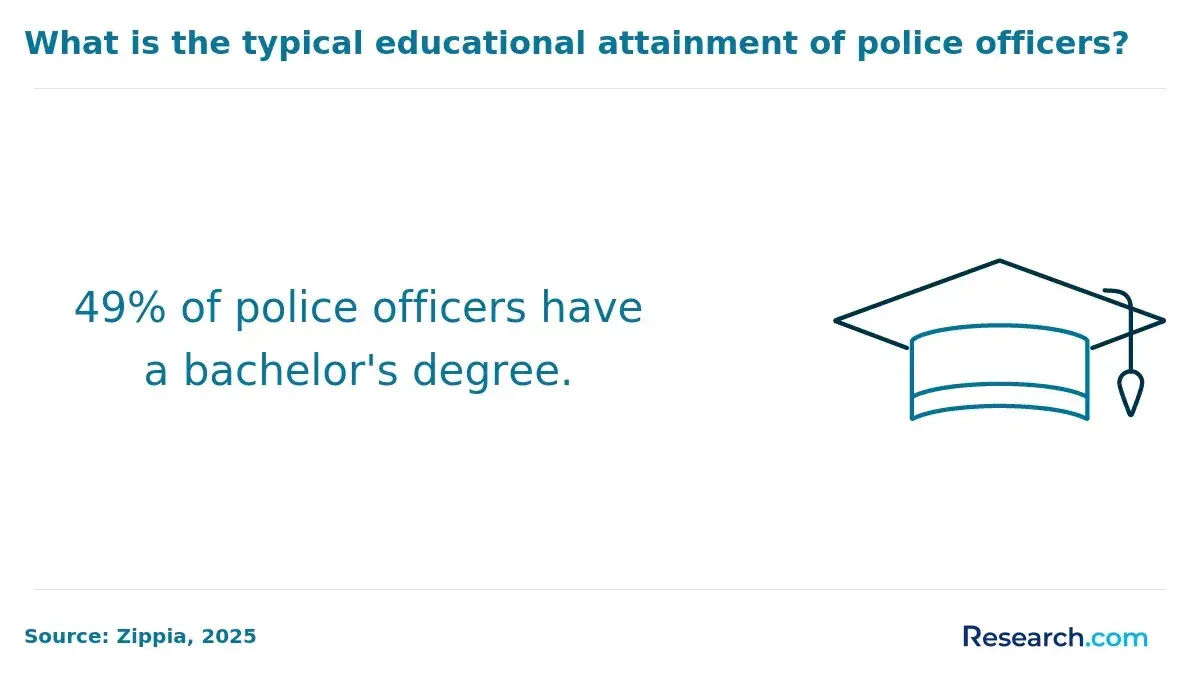
- Growing Preference for College Degrees: While a high school diploma or GED remains the minimum, many Alaska police departments now prioritize applicants with some college coursework or an associate’s or bachelor’s degree, valuing enhanced critical thinking and communication skills.
- Specialized Majors: Degrees in criminal justice, psychology, sociology, and cybersecurity are highly regarded, addressing rising needs in mental health response, cybercrime, and community relations.
- Continuing Education and Advanced Training: Ongoing professional development, including the 17-week Alaska Law Enforcement Training Academy and recurring certification programs, is now standard to keep officers prepared for evolving threats and technologies.
- Lateral Entry and Recertification: Alaska facilitates experienced officers’ transition through abbreviated training, encouraging a skilled and diverse workforce.
- Technological Integration: Focus on training in body cameras, digital evidence, and cyber tools demands higher technical literacy, often favoring candidates with IT or cybersecurity backgrounds.
- Community Policing and Cultural Competency: Education in cultural awareness and crisis intervention is increasingly prioritized to build trust with Alaska’s diverse populations.
Remaining informed about these trends is critical for aspiring and current officers to meet recruitment criteria and advance professionally. Commitment to education and adaptability is essential within Alaska’s evolving law enforcement landscape, ensuring readiness to address complex community needs effectively.
What Do Police Officers in Alaska Say About Their Career
- Completing my training at the Alaska Peace Officers Academy gave me the thorough preparation I needed to confidently step into the field. Starting my career working within a local school setting allowed me to connect with the youth on a personal level, fostering a safe and supportive environment. The sense of responsibility and the opportunity to positively influence young lives is incredibly fulfilling. Alaska's unique landscape and communities present challenges that constantly push me to grow as a professional and a person. This career truly feels like a calling where I can make a lasting impact. Hera
- Graduating from the Northern Lights Law Enforcement Training Center marked the beginning of an exciting journey. I began my police career in a nearby school, where I quickly realized the importance of empathy and communication when working with students. Living and working in Alaska offers unique professional development opportunities, especially in dealing with diverse cultural backgrounds and extreme environmental conditions. Each day brings new experiences that strengthen my skills and deepen my commitment to serving the community. The work is demanding but incredibly rewarding. Jody
- My time at the Yukon Safety Institute prepared me for the distinctive challenges faced by officers in Alaska. Starting as a school resource officer, I witnessed firsthand how vital our presence is to the safety and well-being of young people. The chance to contribute meaningfully to the safety of the community fuels my passion every day. Alaska’s vast and varied terrain requires a versatile approach, offering unique adventures combined with professional growth. I am proud to be part of a force that values resilience, respect, and community engagement. Lamar
Related Articles for Nearby States
- 2027 How to Become a Police Officer: Education Requirements in Washington
- 2027 How to Become a Police Officer: Education Requirements in Oregon
- 2027 How to Become a Police Officer: Education Requirements in California
- 2027 How to Become a Police Officer: Education Requirements in Hawaii
- 2027 How to Become a Police Officer: Education Requirements in Idaho
- 2027 How to Become a Police Officer: Education Requirements in Montana
- 2027 How to Become a Police Officer: Education Requirements in Nevada
- 2027 How to Become a Police Officer: Education Requirements in Utah
- 2027 How to Become a Police Officer: Education Requirements in Arizona
- 2027 How to Become a Police Officer: Education Requirements in Wyoming
References:
- FAQ – Alaska State Troopers Recruitment https://alaskastatetrooper.com/faq/
- Alaska Law Enforcement Training https://uas.alaska.edu/career_ed/alaska-law-enforcement-training.html
- Police Officer | City of Unalaska - International Port of Dutch Harbor https://www.ci.unalaska.ak.us/hr/page/police-officer-4
- Law Enforcement (LE) | University of Alaska Fairbanks Catalog https://catalog.uaf.edu/courses/le/
- Law Enforcement Training Academy | Alaska Police Standards Council Certification https://www.ctc.uaf.edu/programs/law-enforcement/
- Qualifications and Training | Kenai, Alaska https://www.kenai.city/police/page/qualifications-and-training
- Join The Team | Careers with Fairbanks Police Department https://alaskapolice.us/careers/
- Police Officer Recruitment Requirements | Palmer AK https://www.palmerak.org/police/page/police-officer-recruitment-requirements
- Join the Anchorage Police Department https://www.joinapd.org/
Other Things You Need to Know About How to Become a Police Officer in Alaska
In 2027, the minimum education requirement to become a police officer in Alaska is a high school diploma or GED. While some departments might prefer candidates with college credits or a degree, it's not mandatory for initial eligibility.
In 2027, some Alaska police departments offer tuition reimbursement programs and scholarships for academy training. They may cover partial or full expenses depending on departmental policies. It's essential to check with individual departments to understand specific financial support opportunities for educational advancement.
In 2027, the Alaska POST (Peace Officer Standards and Training) Commission sets the minimum education and training standards for police officers. This includes guidelines for certification and recertification, ensuring that officers meet the state's educational and performance criteria.


