
2027 How to Become a Police Officer: Education Requirements in Colorado

Co-Founder and Chief Data Scientist
Becoming a police officer in Colorado offers a rewarding career dedicated to community service and public safety. With over 15,000 law enforcement officers statewide, Colorado provides numerous opportunities for growth and impact. The state's commitment to comprehensive training and education ensures officers are well-prepared to handle diverse challenges. Pursuing this path not only guarantees job stability but also offers meaningful work that shapes safer communities.
This article explores the specific education requirements needed to become a police officer in Colorado. Developed by career planning experts, it aims to guide aspiring officers toward achieving their goals efficiently and confidently.
Key Things to Know About Becoming a Police Officer in Colorado
- A high school diploma or GED is the minimum educational requirement to enter Colorado police academies, ensuring accessibility for many candidates.
- Many departments prefer or require some college coursework or an associate’s degree, enhancing skills and career advancement opportunities.
- Completion of the Peace Officer Standards and Training (POST) program is mandatory, providing essential law enforcement education and hands-on training.
- What is the minimum education requirement to become a police officer in Colorado?
- Which majors are most recommended for aspiring police officers in Colorado?
- What subjects are taught in Colorado police academy?
- Can military service replace education requirements for police officers in Colorado?
- How much does it cost to get a police officer education in Colorado?
- Are scholarships available for aspiring police officers in Colorado?
- What certifications benefit a police officer's career development in Colorado?
- What roles can you get as a police officer in Colorado?
- What is the average salary of police officers in Colorado?
- What education trends are affecting law enforcement careers in Colorado?
- Can a law enforcement career open doors to legal professions in Colorado?
What is the minimum education requirement to become a police officer in Colorado?
Education plays a vital role in shaping capable and ethical law enforcement officers who serve and protect their communities. While educational requirements for joining police forces can vary from state to state, Colorado has established clear and accessible standards that reflect the minimum education required for a police officer in Colorado. The Colorado police officer high school diploma requirements are designed to ensure that all peace officer candidates have attained essential academic knowledge, while also allowing flexibility to accommodate diverse educational backgrounds.
- High School Diploma: Applicants must hold a high school diploma from an accredited institution, which demonstrates foundational academic skills necessary for effective policing.
- GED (General Educational Development): Individuals who have not completed traditional high school can qualify by obtaining a GED certificate, showing equivalent competency.
- Other Equivalency Certificate: Colorado POST Board accepts other state-recognized equivalency certificates that compare to a high school diploma or GED, ensuring inclusivity in meeting the minimum education requirement.
These requirements underline Colorado’s commitment to maintaining high professional standards while promoting workforce diversity. For those eager to pursue a career in law enforcement, these accessible benchmarks open doors to rewarding opportunities. With approximately 9,980 officers employed statewide and competitive salaries, this pathway supports a fulfilling career for individuals meeting these educational qualifications. For more insight on roles with notable compensation in this field, explore law enforcement jobs best pay, which highlights the rewarding prospects available within criminal justice careers.
Which majors are most recommended for aspiring police officers in Colorado?
Choosing the right college major is a powerful step toward building a rewarding career in law enforcement in Colorado. A well-selected major not only strengthens your qualifications but also enhances your chances of excelling in competitive roles and advancing into leadership positions. Embracing a major aligned with law enforcement goals can set you apart and open doors to your dream police career.
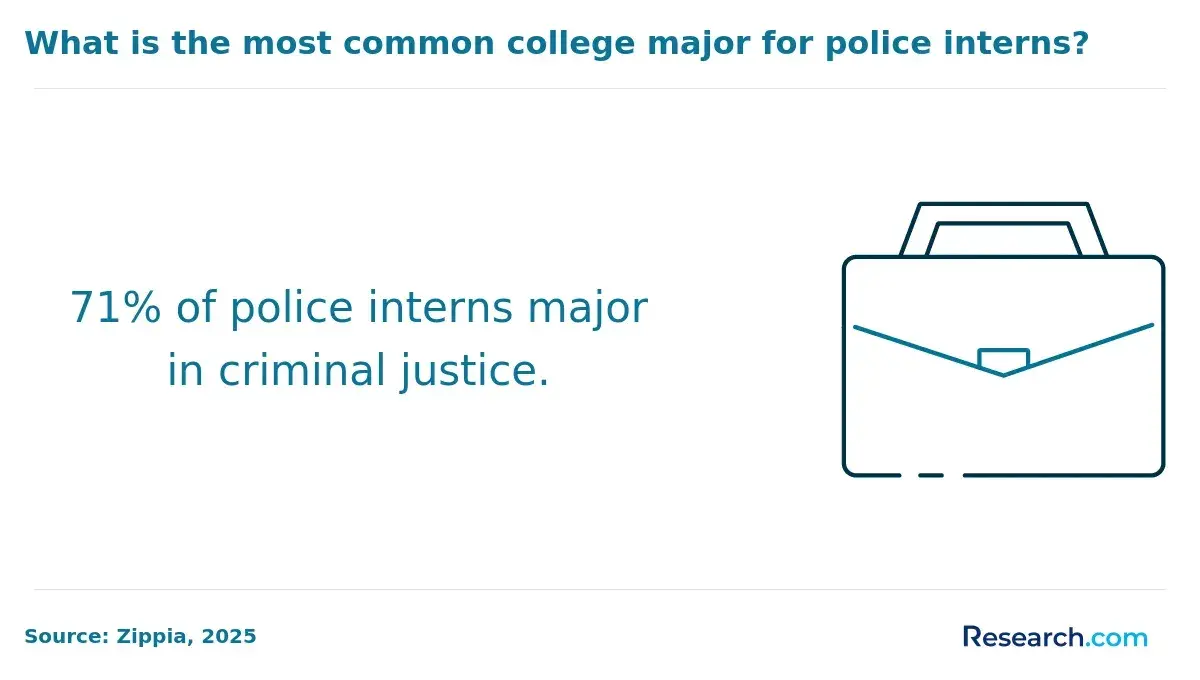
- Criminal Justice: This major offers a direct and comprehensive foundation in law enforcement principles, covering policing, criminal law, corrections, and investigative methods. Programs available through criminal justice degree programs Colorado often include practical experiences that prepare candidates to hit the ground running and are highly regarded by many Colorado police agencies.
- Criminology: Focused on the causes and prevention of crime, criminology equips students with the ability to analyze criminal behavior and develop research-based strategies. Departments value this major for its emphasis on effective policy-making and crime prevention grounded in evidence.
- Psychology: Understanding human behavior and mental health is vital for officers who frequently engage with individuals facing crises. A psychology degree sharpens skills in negotiation, crisis intervention, and community support, key assets for a successful police career in Colorado.
- Sociology: Sociology explores social structures and group dynamics, giving officers insight into the community environments they serve. This knowledge helps in addressing systemic issues and fostering positive community relationships.
- Political Science: This major grounds students in government, public policy, and legal frameworks, preparing them for roles in law enforcement leadership and advocacy. Understanding the legislative process enhances an officer’s ability to influence and navigate complex legal systems.
- Law: While not required, legal studies provide a deep grasp of constitutional rights, statutes, and due process. This preparation benefits officers pursuing careers in investigations or roles requiring advanced legal expertise within departments.
- Public Administration: Major skills gained here include organizational management and budgeting, essential for command-level positions. Those with this background contribute effectively to police department leadership and policy implementation.
Exploring options like criminal justice degree programs can further complement your educational path, aligning with Colorado’s growing emphasis on specialized knowledge. Selecting among the best majors for police officers in Colorado enriches your career prospects and equips you for meaningful service and leadership.
What subjects are taught in Colorado police academy?
Police academy training in Colorado provides recruits with vital skills, knowledge, and judgment essential for successful law enforcement careers. The comprehensive program combines theoretical understanding with practical experience, empowering future officers to serve their communities with confidence and integrity.
- Criminal Law and Procedure: Recruits gain a deep understanding of constitutional rights, state laws, and proper procedures for arrests and investigations. This knowledge ensures they act lawfully and protect citizens’ rights, reducing legal risks.
- Firearms Training: Emphasis on safety, accuracy, and responsible use of force prepares recruits to handle weapons with confidence and restraint. Hands-on practice sharpens their skills and strengthens decision-making in critical moments.
- Defensive Tactics and Arrest Control: Training in physical control techniques and de-escalation teaches recruits to manage confrontations safely and legally. These skills promote officer and public safety while minimizing harm.
- Emergency Vehicle Operations: Recruits learn to operate patrol vehicles skillfully under high-pressure scenarios, enhancing their ability to respond quickly and safely to emergencies.
- Ethics and Professional Conduct: Courses foster integrity and accountability, encouraging officers to uphold the highest ethical standards and build community trust.
- Community Policing and Communication: Effective communication and relationship-building skills are developed to strengthen connections with diverse communities and resolve conflicts peacefully.
- Investigative Procedures and Report Writing: Recruits master evidence collection, interviewing, and precise documentation, critical for thorough investigations and successful prosecutions.
Can military service replace education requirements for police officers in Colorado?
In Colorado, military service cannot replace the education requirements to become a police officer. The state’s Peace Officer Standards and Training (POST) Board mandates that all candidates have at least a high school diploma, GED, or equivalent certificate. Unlike some states that recognize military experience as a partial substitute for college or educational prerequisites, Colorado requires every applicant, regardless of their background, to complete a POST-approved Basic Academy and pass the certification exam. Although military service is respected and can enhance an applicant’s skills, it is not considered a formal substitute for these foundational educational requirements.
That said, many Colorado police departments value the skills veterans bring, especially in leadership, firearms proficiency, emergency response, and crisis management. These qualities often align closely with the rigorous training provided in police academies and can make veterans well-prepared for their roles in law enforcement. Departments sometimes offer additional support or preference points to candidates with military backgrounds during hiring, but all recruits must still complete a minimum of 556 hours of academy training and the POST certification exam to serve as peace officers.
When I spoke with a Colorado police officer who graduated from a local academy and had prior military service, he shared that although his military experience didn’t exempt him from any educational requirements, it deeply influenced his success in the academy. “Military training taught me discipline and handling pressure, which made the demanding schedule and physical challenges of the academy manageable,” he explained. He noted, “I had to meet the same standards as everyone else, but my background gave me confidence during training and fieldwork.” This perspective highlights how military skills complement, but do not replace, Colorado’s strict educational path for law enforcement careers.
How much does it cost to get a police officer education in Colorado?
The journey to becoming a police officer in Colorado involves varying education and training costs depending on the path you choose, whether through a community college program, a university degree, or direct police academy enrollment. Each option requires a financial commitment that reflects tuition, fees, and essential equipment necessary for success. Understanding the cost of becoming a police officer in Colorado helps you prepare for this rewarding career with confidence and clarity.
- Community College Tuition: Typically ranges from $4,000 to $6,000 per year for in-state students enrolling in law enforcement or criminal justice programs, providing foundational knowledge before academy training.
- University Tuition: Pursuing a bachelor's degree in criminal justice at a public Colorado university usually costs between $8,000 and $13,000 annually for in-state students, totaling $32,000 to $52,000 over four years.
- Police Academy Tuition and Fees: Full academy programs like the Technical College of the Rockies approach $20,657, covering tuition, books, uniforms, and supplies, while shorter courses may cost around $3,500.
- Uniform and Equipment: Required gear, including uniforms and duty belts, typically add $500 to $1,500 in expenses, though some academies bundle these costs into their fees.
- Books and Supplies: Expect to spend $300 to $700 on materials if they are not already included in your training program.
- Ammunition and Firearms: Certain academies require students to provide their own handgun and ammunition, adding several hundred dollars if not covered by fees.
- Certification and Testing Fees: The Colorado P.O.S.T. exam usually costs between $150 and $250 if not included within the academy tuition.
- Background Check and Application Fees: Fees for background investigations typically range from $40 to $60, with possible additional application costs.
- Living and Transportation Costs: Independent students at some academies estimate indirect expenses such as housing and transport around $7,913 during the training period.
Choosing the right educational route combines financial planning with career aspirations, and with dedication, the investment in your police academy tuition in Colorado can be a stepping stone to a meaningful profession. For those interested in the broader impact and rewards of law enforcement roles, careers related to criminology salary reflect the value and opportunities available in this vital field.
Are scholarships available for aspiring police officers in Colorado?
Scholarships and financial aid programs play a vital role in helping aspiring police officers in Colorado manage the costs of education and training. These opportunities come from a variety of sources, offering financial support that can cover tuition, fees, and other related expenses. By tapping into these scholarships, future officers can focus more on their studies and training without being overwhelmed by financial strain.
- State-Funded Law Enforcement Training Grants: Managed by Colorado POST and state agencies, these grants support individuals attending approved police academies. Recipients often commit to working in Colorado law enforcement for several years, with funds covering academy tuition and essential training costs.
- Law Enforcement Workforce Recruitment and Tuition Grants: Provided by the Office of Adult and Juvenile Justice Assistance, these grants assist local agencies in training new officers, especially in rural and underserved areas. The funding helps pay tuition and other training expenses, benefiting agencies focused on recruitment and retention.
- Law Enforcement Association Scholarships: Offered by groups like the Colorado State Patrol Family Foundation or local unions, these scholarships support members, their spouses, and dependents. Many require a minimum GPA and community service and can be used for college or trade school tuition.
- Police Foundation and Memorial Scholarships: Available to dependents of active, retired, or fallen officers, these scholarships reward academic achievement and community involvement, helping cover a range of educational costs.
- Community College and University-Based Scholarships: Numerous Colorado institutions provide merit- or need-based aid for students pursuing criminal justice or law enforcement degrees. These scholarships often help pay tuition, fees, and sometimes living expenses.
- Public Service and Criminal Justice Scholarships: Sponsored by state agencies and private donors, these awards support Colorado residents studying in related fields who demonstrate a commitment to public safety and community service.
- Local and Regional Police Organization Awards: Associations such as the Pikes Peak Region Peace Officers’ Memorial offer scholarships to children of local law enforcement, typically renewable and based on academic performance and community involvement.
When I spoke with a Colorado police officer who graduated from a local academy, she shared how scholarships transformed her path. “Without that financial aid, balancing work and school would have been nearly impossible,” she said. She reflected on the stress of tuition fees before discovering a scholarship through a state foundation that eased her concerns. “It wasn’t just money; it was the confidence that someone believed in my commitment to serving this community.” Her experience highlights how these scholarships don’t just fund education—they inspire future officers to stay dedicated even in challenging times.
What certifications benefit a police officer's career development in Colorado?
Earning advanced law enforcement certifications in Colorado can significantly elevate a police officer’s expertise, enhance job performance, and unlock new career advancement opportunities. Building on the Colorado POST certification requirements, officers who pursue specialized training demonstrate their commitment to professional growth and increase their value within their agencies.
- Colorado Peace Officer Standards and Training (POST) Certification: This foundational credential confirms completion of state-mandated law enforcement training such as arrest control, firearms, and driving skills. Obtaining POST certification is essential for employment and serves as a gateway to all other specialized certifications.
- Firearms and Tactical Training Certification: Focused on defensive tactics, marksmanship, and use-of-force protocols, this certification is vital for officers working on SWAT or tactical response teams. Mastery in these areas enhances officer safety and department readiness during critical incidents.
- Emergency Medical Response (EMT/AEMT Certification): Officers trained as EMTs or Advanced EMTs can provide immediate lifesaving care at emergencies, a skill highly valued in rural or resource-limited settings. This certification strengthens an officer’s ability to support the community under pressure.
- Criminal Investigations Certification: Covering evidence collection, interviewing, and case preparation, this training prepares officers for detective roles that often include increased pay and leadership potential.
- Cybercrime and Digital Evidence Certification: With rising cyber threats, officers skilled in computer forensics and digital investigations are in demand. This knowledge supports advancement into specialized technology units tackling modern crimes.
- Crisis Intervention Training (CIT): This program equips officers to manage mental health crises effectively, helping to reduce conflict and build community trust—an area prioritized in Colorado policing today.
- Leadership and Supervisory Training: Essential for officers aiming for promotion, this training develops skills in management, ethical decision-making, and command, preparing law enforcement professionals for greater responsibility.
Officers interested in combining law enforcement expertise with scientific understanding might also consider exploring affordable forensic science degrees to further expand their investigative capabilities and career pathways.
What roles can you get as a police officer in Colorado?
Law enforcement careers in Colorado offer a variety of rewarding roles beyond traditional patrol duties, allowing officers to develop specialized skills aligned with their passions. These opportunities empower officers to make meaningful impacts in their communities while advancing their careers in exciting directions.
- Patrol Officer: Handles general law enforcement duties like patrolling neighborhoods and responding to calls, requiring completion of the Colorado Law Enforcement Training Academy and POST certification to protect and serve effectively.
- Detective/Investigator: Focuses on solving major crimes through evidence gathering and interviews, needing advanced investigative training to support justice and prosecution efforts.
- K-9 Unit Officer: Works with trained police dogs to detect drugs and locate suspects, undergoing specialized canine handling training to enhance crime prevention.
- SWAT Team Member: Responds to high-risk incidents with advanced tactical skills and crisis response training, providing critical support during dangerous situations.
- Community Outreach Officer: Builds trust with the public through education and engagement, trained in communication and conflict resolution to strengthen community relations.
- Traffic Enforcement Officer: Enforces traffic laws and investigates accidents, requiring extra training in accident reconstruction to improve roadway safety.
- Training Instructor: Educates recruits and officers on essential skills, combining field experience with instructor certification to maintain high professional standards.
What is the average salary of police officers in Colorado?
Police officer pay range Colorado varies significantly based on factors such as location, years of service, education, and rank. Urban departments and officers with specialized certifications often enjoy higher salaries, reflecting the value placed on experience and advanced training. These variations create diverse opportunities for those pursuing law enforcement careers across the state.
- Entry-Level Police Officers: Newly hired officers typically earn between $61,756 statewide average and $83,699–$85,789 in key municipalities, with starting salaries higher in urban areas compared to rural ones.
- Mid-Career Police Officers (3–5 years of experience): Officers with several years on the force usually see salaries from $94,399 to $106,468, as experience, training, and sometimes college coursework influence their earnings positively.
- Senior Police Officers (5+ years or specialized roles): Senior and lateral officers often reach $106,413 to $116,760 or more, with some in cities like Castle Rock and Fort Collins attaining the top pay tiers due to rank and advanced certifications.
The average police officer salary in Colorado, such as the statewide figure of $61,756 reported by ZipRecruiter, includes a wide pay range due to geographic differences and career stages. Many officers enhance their prospects by pursuing further education and specialized training, like a forensic science master’s degree online, which can contribute to higher pay and advancement within law enforcement careers.
What education trends are affecting law enforcement careers in Colorado?
Evolving education expectations are significantly shaping modern law enforcement careers in Colorado, reflecting a shift toward a more knowledgeable and skilled police workforce. Today’s officers are expected to combine physical readiness with strong academic backgrounds and specialized expertise to meet the complex challenges of community safety and justice.
- Preference for College Education: Many agencies now require or prefer candidates with an associate degree or at least 60 college credit hours, enhancing overall competitiveness in hiring processes.
- Impact of Specialized Majors: Degrees in criminal justice, psychology, sociology, and cybersecurity provide essential skills for understanding human behavior, digital crime, and community relations.
- Continuing Education and Advanced Training: Officers are encouraged to engage in ongoing courses such as crisis intervention and de-escalation tactics to stay current with evolving best practices.
- POST-Approved Training: Completion of a Colorado POST basic law enforcement academy with 600–1,000+ hours of training remains a fundamental certification requirement.
- Technology and Cybersecurity Integration: Increasing focus on digital crime demands familiarity with IT and cybersecurity concepts, pushing officers toward targeted coursework and certifications.
- Community-Oriented Policing Emphasis: Training in cultural competency and problem-solving strengthens public trust and addresses diverse community needs.
- Field Experience Opportunities: Internships and practical experience enhance readiness and provide valuable real-world exposure for candidates.
Staying informed about these evolving education trends is essential for both aspiring and active police officers in Colorado. Pursuing relevant qualifications and advanced training supports career advancement and ensures officers are prepared to serve effectively in a dynamic, community-focused law enforcement environment.
Can a law enforcement career open doors to legal professions in Colorado?
Law enforcement professionals develop investigative expertise and a comprehensive understanding of legal protocols that are highly valued in legal support roles. Leveraging these transferable skills can facilitate a smooth transition into professions such as paralegal positions. Focused continuing education and targeted certifications further align police experience with the specific demands of legal fields. For further guidance on alternative career pathways, learn from our guide on how to become a paralegal in Colorado.
What Do Police Officers in Colorado Say About Their Career
Completing my training at the Colorado Peace Officer Standards and Training (POST) Academy was an intense and rewarding experience that truly prepared me for the realities of policing in this diverse state. Starting my career in a local school gave me a chance to connect with young people and help create a safer environment where they can thrive. The unique challenges of working in Colorado, from its urban environments to rural mountain communities, have broadened my perspective and strengthened my problem-solving skills. Knowing that my work directly impacts the well-being and future of these students keeps me motivated every day. Jeck
Attending the Denver Police Academy allowed me to build a strong foundation in law enforcement, but what’s been most fulfilling is the chance to grow professionally while serving in a school setting. It’s a setting that demands patience, understanding, and a genuine passion for mentorship. Colorado’s wonderful mix of cultures and backgrounds has helped me develop as a more adaptable and empathetic officer. This career has opened doors for advancement and continual learning, something I deeply appreciate as someone committed to making a positive difference in my community. Tanisha
Graduating from the Front Range Community College Law Enforcement Program was a proud moment for me, and embarking on a career in a local school within Colorado has been nothing short of transformative. The sense of personal growth I’ve experienced while helping shape a safer and more supportive environment for students is incredible. Colorado’s vast natural landscape and community spirit create unique opportunities and occasional challenges that keep me engaged and energized. I find great satisfaction in knowing my work supports both individual lives and the broader community’s future. Omar
Related Articles for Nearby States
- 2027 How to Become a Police Officer: Education Requirements in Wyoming
- 2027 How to Become a Police Officer: Education Requirements in Nebraska
- 2027 How to Become a Police Officer: Education Requirements in Kansas
- 2027 How to Become a Police Officer: Education Requirements in New Mexico
- 2027 How to Become a Police Officer: Education Requirements in Utah
- 2027 How to Become a Police Officer: Education Requirements in Oklahoma
- 2027 How to Become a Police Officer: Education Requirements in Arizona
- 2027 How to Become a Police Officer: Education Requirements in Texas
- 2027 How to Become a Police Officer: Education Requirements in South Dakota
- 2027 How to Become a Police Officer: Education Requirements in Nevada
References:
- 8 Best Criminal Justice Schools in Colorado for 2025 https://legalcareerpath.com/criminal-justice-schools-colorado/
- Colorado Law Enforcement Training Academy - Police Officer Training https://coloradomtn.edu/programs/colorado-law-enforcement-training-academy/
- Major in Criminal Justice (Bachelor’s) | CU Denver Online Programs https://online.ucdenver.edu/programs/undergraduate/online-major-criminal-justice-bachelors
- Criminal Justice | Colorado Mesa University https://www.coloradomesa.edu/social-behavioral-sciences/degrees/criminal-justice.html
- Do I have to pay to attend the academy as a recruit? https://www.gjcity.org/FAQ.aspx
- Basic Academies | Colorado POST https://post.colorado.gov/academies/basic-academies
- Police Training Academy | City of Colorado Springs https://coloradosprings.gov/police-department/page/police-training-academy
- Frequently Asked Questions - City of Fort Collins https://www.fcgov.com/policejobs/faq
- Join CRPD | Castle Rock, CO - Official Website https://www.crgov.com/2573/Becoming-a-Police-Officer
Other Things You Should Know About Becoming a Police Officer in Colorado
In 2027, aspiring police officers in Colorado need a high school diploma or GED. While a college degree is not mandatory, it can be beneficial. Applicants must also complete police academy training and meet the Colorado Peace Officer Standards and Training (POST) certification requirements.
Aspiring police officers in Colorado can explore several financial aid options, including scholarships, grants, and student loans. Some departments offer tuition reimbursement programs for officers pursuing related degrees. Additionally, applicants may seek assistance from Peace Officer Standards and Training (POST) grants for academy training.
In Colorado, POST establishes minimum training and certification standards for police officers. It oversees basic training programs, certifies officers, and ensures ongoing compliance with training requirements, ensuring all officers are adequately prepared and qualified for duty.


