2027 How to Become a Police Officer: Education Requirements in Hawaii

Co-Founder and Chief Data Scientist
Hawaii’s law enforcement sector offers a stable career with a 5.2% employment growth projected by 2030, surpassing the national average. In 2023, the median salary for police officers in Hawaii reached $68,000, reflecting competitive compensation for the state's cost of living. The unique cultural context and public safety needs in Hawaii make police officers essential community figures.
This article examines the education requirements necessary to enter this profession in Hawaii. Prepared by experts in career planning, it guides aspiring officers through academic qualifications, training pathways, and credentialing processes to optimize their career readiness in law enforcement.
Key Things to Know About Becoming a Police Officer in Hawaii
- A high school diploma or GED is the minimum education required to enter police academy training in Hawaii, reflecting state standards.
- Completion of a state-certified police academy program is mandatory; these programs typically last about 20 to 24 weeks and include both classroom and physical training.
- While not required, Hawaii employers favor candidates with college credits or degrees in criminal justice, with around 30% of officers holding such qualifications to improve career prospects.
- What is the minimum education requirement to become a police officer in Hawaii?
- Which majors are most recommended for aspiring police officers in Hawaii?
- What subjects are taught in Hawaii police academy?
- Can military service replace education requirements for police officers in Hawaii?
- How much does it cost to get a police officer education in Hawaii?
- Are scholarships available for aspiring police officers in Hawaii?
- How can legal expertise enhance a police officer’s career in Hawaii?
- What certifications benefit a police officer's career development in Hawaii?
- What roles can you get as a police officer in Hawaii?
- What is the average salary of police officers in Hawaii?
- What education trends are affecting law enforcement careers in Hawaii?
What is the minimum education requirement to become a police officer in Hawaii?
The minimum education requirement for Hawaii police officers ensures candidates demonstrate essential knowledge and skills necessary for the role. Below are the key components of the minimum educational qualifications specifically for Hawaii law enforcement candidates:
- High School Diploma: Graduation from an accredited high school is the primary standard for candidates, establishing foundational literacy and comprehension skills.
- GED or HiSET Equivalency: Applicants who have completed a General Educational Development certificate or the High School Equivalency Test may substitute these for a high school diploma, reflecting equivalent competencies.
- Substantial Equivalency: Certain jurisdictions recognize a combination of education and relevant work experience as substantially equivalent to high school graduation, providing flexibility in candidate eligibility.
These requirements apply uniformly for police officer and Deputy Sheriff positions across Hawaii, reflecting the state's standardized approach to entry-level law enforcement hiring. Meeting these educational thresholds aligns applicants with competencies in English and the ability to interpret complex written materials.
Prospective applicants should note that these minimum qualifications form just one aspect of eligibility, alongside other criteria such as age and legal status, all essential for entry into the police academy and the start of professional training. For candidates interested in pathways related to law enforcement, exploring online schools for forensic science can offer supplementary knowledge complementary to foundational education requirements.
Which majors are most recommended for aspiring police officers in Hawaii?
Choosing the right college major can significantly strengthen an aspiring police officer’s qualifications in Hawaii, enhancing foundational knowledge and skill sets crucial for law enforcement. Additionally, it opens pathways for advancement within departments, where certain majors are highly regarded for specialized roles and leadership opportunities.
Most Relevant Majors for Aspiring Police Officers in Hawaii
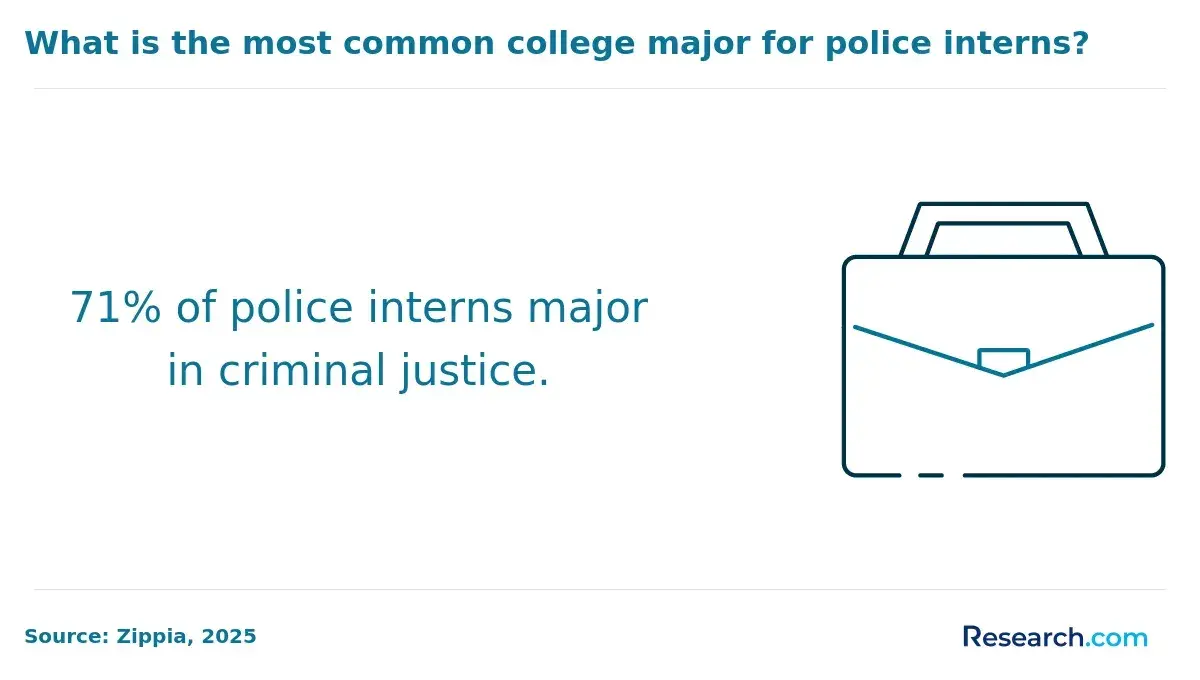
- Criminal Justice: This is the most directly applicable major, covering legal systems, law enforcement practices, and criminal behavior with practical training like internships and crime scene investigation. Departments such as the Honolulu Police Department often prefer candidates with this degree, sometimes waiving experience requirements, making it a top choice for the best criminal justice majors in Hawaii.
- Criminology: Focused on the sociological and psychological causes of crime, criminology equips students with analytical skills valuable for investigative roles. It is particularly relevant in Hawaii’s diverse communities, aiding officers in understanding crime trends and contributing to both fieldwork and research.
- Psychology: This major develops skills in human behavior, conflict resolution, and crisis intervention, essential for police officers managing mental health challenges within Hawaii’s multicultural environment. Psychological insight enhances officers’ ability to interact effectively with diverse populations.
- Sociology: Sociology provides an understanding of group dynamics and social structures, helping officers engage more sensitively with Hawaii’s culturally varied communities. This knowledge supports building trust and addresses community-specific needs.
- Political Science: Offering knowledge of government operations and policy analysis, this major benefits officers interested in administrative roles or policy development. It prepares candidates to navigate interagency cooperation and leadership within Hawaii’s law enforcement sector.
- Law (Pre-Law): Pre-law courses improve legal reasoning and statute interpretation, aiding officers involved in complex investigations or judicial proceedings. While not mandatory, this background is advantageous for those pursuing specialized legal liaison roles.
- Public Administration: This major focuses on managing public agencies and resources, useful for officers aiming for supervisory or policy-making positions. Courses in leadership and budgeting prepare candidates for managing teams or entire departments.
Hawaii’s growing demand for qualified officers with specialized education aligns with the ongoing need for public safety professionals. Aspiring candidates may also explore opportunities tied to high paying jobs in law enforcement by selecting majors that offer practical skills and administrative knowledge. Hawaii police officer education programs often emphasize these majors to develop a well-rounded and competent law enforcement workforce.
What subjects are taught in Hawaii police academy?
Police academy training in Hawaii is structured to develop recruits' critical skills, knowledge, and sound judgment for effective law enforcement. The curriculum ensures a comprehensive understanding of both technical and ethical aspects, preparing officers to meet the complexities of modern policing with competence and community awareness.
- Criminal Law and Legal Procedures: Recruits learn state, federal, and local laws alongside police protocols, enabling them to execute lawful arrests, searches, and due process. Mastery of legal frameworks minimizes errors that could compromise cases or citizen rights.
- Firearms Training: Training focuses on the safe handling, maintenance, and precise use of service weapons, culminating in proficiency exams. This ensures officers can respond appropriately with force when legally necessary, prioritizing safety and accountability.
- Defensive Tactics: Physical self-defense and suspect restraint are taught to protect officers and reduce harm during confrontations. Effective tactics help de-escalate potentially violent situations while safeguarding all parties.
- Emergency Vehicle Operations: High-speed driving, pursuit policies, and vehicle control under stress prepare recruits to respond rapidly without compromising public safety. This training reduces risks during urgent responses.
- Ethics and Professional Conduct: Emphasizing integrity and respect for civil rights, ethics instruction guides officers through complex moral decisions. Upholding professional standards is vital for maintaining public trust.
- Report Writing and Communication: Clear documentation and verbal skills are developed for accurate incident records and effective public and interagency interaction, supporting investigations and legal processes.
- Community Policing and Cultural Awareness: Understanding Hawaii’s diverse communities fosters positive relationships and collaborative crime prevention strategies, enhancing social cohesion.
- Domestic Violence and Crisis Intervention: Specialized training enables recognition and sensitive handling of domestic abuse and mental health crises, critical areas where officers often act as first responders.
Can military service replace education requirements for police officers in Hawaii?
In Hawaii, military service is not accepted as a direct substitute for the education requirements to become a police officer. The state’s baseline standard remains a high school diploma or equivalent, with no waivers granted for prior service. Unlike states such as Texas or Florida, Hawaii does not reduce or replace education or entry-level training requirements based on military police experience. Instead, prior military service is considered primarily through lateral certification reviews, where the Law Enforcement Standards Board (LESB) evaluates whether a candidate’s military law enforcement training meets or exceeds the state’s basic police academy standards, typically requiring more than 664 training hours. Even when partially recognized, candidates often must complete supplemental state-specific training before full certification, and departments like the Honolulu Police Department still require military veterans to apply as new recruits.
Hawaii’s approach emphasizes readiness and consistency with its policing standards rather than granting direct credit for military credentials. Agencies value specialized training and practical experience from military law enforcement, but this must be thoroughly documented and reviewed for equivalency. A Hawaii police officer who transitioned from the military noted that despite extensive service, he had to start fresh in the state academy. While the adjustment was challenging, he found it essential for learning Hawaii’s specific laws and community policing methods. His experience reflects the broader reality: military service can strengthen an applicant’s profile, but it does not replace the foundational education and training required to serve in Hawaii law enforcement.
How much does it cost to get a police officer education in Hawaii?
The cost to obtain a police officer education in Hawaii varies widely depending on whether a candidate pursues a degree at a university, attends a community college, or pays tuition directly for the police academy. Each path comes with distinct expenses, which contribute to the overall Hawaii police officer training expenses.
- Community College Tuition: Annual tuition for in-state students at Hawaii community colleges ranges from $3,200 to $4,500, depending on credits and program specifics.
- University Tuition: A bachelor’s degree at the University of Hawaii at Manoa costs approximately $11,300 per year for residents, with non-resident tuition exceeding $34,000 annually; these amounts exclude room and board.
- Police Academy Fees: The police academy cost in Hawaii can range from $3,000 to $6,500 for those paying out-of-pocket, though some departments cover part or all of these fees for recruits.
- Uniforms and Equipment: Recruits typically spend between $500 and $1,000 on necessary uniforms, footwear, duty belts, and other essential gear if not provided by their department.
- Testing and Application Fees: Pre-employment assessments such as written tests and physical agility exams generally cost between $50 and $200.
- Textbooks and Materials: Students pursuing degrees should budget $800 to $1,200 yearly for textbooks and learning materials; police academy recruits may sometimes receive materials through their department.
- Medical and Background Screening: Exams, background checks, and related screenings cost from $100 to $500 unless covered by the employer.
Considering these factors, overall Hawaii police officer training expenses can vary significantly with the chosen education and training route. For those interested in a specialized career path, exploring related fields such as a career as a forensic psychologist may offer additional insights into law enforcement professions.
Are scholarships available for aspiring police officers in Hawaii?
Scholarships and financial aid significantly reduce the financial burden of education and training costs for aspiring police officers in Hawaii, where in-state tuition at public four-year schools averages over $11,000 annually. Various scholarship programs support diverse candidate needs, enabling better access to education and certification required for law enforcement careers.
- State-Funded and Community-Based Scholarships: Offered by local foundations or government-linked groups like the Honolulu Police Community Foundation, these scholarships typically cover tuition and fees for students enrolled in associate or bachelor’s degree programs relevant to criminal justice.
- Law Enforcement Association and Coalition Scholarships: Groups such as the Law Enforcement and Security Coalition of Hawaii provide awards like the Bob Flatting Scholarship to students showing academic merit and commitment to public service, funding tuition, books, and sometimes equipment.
- University-Based Law Enforcement Scholarships: Institutions like Wayland Baptist University’s Hawaii campus offer per-credit-hour discounts exclusively to current law enforcement personnel and their families, making continued education more affordable.
- Criminal Justice and Public Service Scholarships: Merit- or need-based scholarships aimed at criminal justice or police administration students cover a range of costs from tuition to housing, helping ensure focus on studies.
- Diversity and Community-Specific Scholarships: Targeted at underrepresented groups within Hawaii’s law enforcement, such as those of Hawaiian ancestry, these aim to foster workforce diversity by providing financial assistance.
- Private and National Law Enforcement Scholarships: Nationally available awards, including those with preference for Hawaiian residents or ancestry, assist with tuition and related education expenses for police-related programs.
When I spoke with a Hawaii police officer who graduated from a local academy, she reflected on how scholarships were instrumental in her journey. She described the process of applying as "challenging but empowering," noting how receiving awards from community-based foundations alleviated considerable financial stress. Her ability to focus on rigorous training without overwhelming debt underscored the value of these funds. She emphasized that such support not only opened doors but also fostered a strong sense of community responsibility. “Without these scholarships, balancing family commitments and education would have been close to impossible,” she shared, highlighting how accessible financial aid is for many aspiring officers in Hawaii.
How can legal expertise enhance a police officer’s career in Hawaii?
Supplementary legal training equips officers with critical skills that complement investigative and operational duties. Gaining a foundational understanding of legal principles can improve evidence handling, procedural accuracy, and interagency collaboration. This dual expertise fosters a more nuanced approach to community safety and supports effective coordination with judicial systems. For officers interested in expanding their legal acumen, learning how to become a paralegal in Hawaii can offer valuable insights into the legal framework that underpins law enforcement practices.
What certifications benefit a police officer's career development in Hawaii?
Earning specialized certifications plays a crucial role in enhancing a law enforcement officer certification in Hawaii, boosting skills, and improving job performance. These targeted credentials help officers meet Hawaii police officer training standards while unlocking opportunities for promotions and specialized assignments within their departments.
- Firearms Training Certification: This certification covers safe handling, maintenance, and tactical use of firearms, including live-fire exercises and scenario-based practice. Proficiency in firearms is mandatory for officer and public safety and is often required for roles like firearms instructors or SWAT team members.
- Emergency Medical Response (EMR) Certification: Officers learn essential emergency care techniques such as CPR, bleeding control, and trauma response. Given Hawaii’s geographic dispersion, EMR certification enables officers to provide critical first aid before paramedic arrival, making them highly valuable first responders.
- Criminal Investigation Certification: Focused on evidence collection, interviewing, and case documentation, this certification prepares officers for complex investigations. Those certified are prime candidates for detective work or investigative units, which can accelerate career advancement.
- Cybercrime and Digital Evidence Training: With cybercrime rates rising in Hawaii, officers trained in digital forensics and cyber investigations fill a growing need. These skills open doors to specialized technology crime units and multi-agency task forces.
- Crisis Intervention and De-escalation Training: This training equips officers to safely manage mental health crises and high-stress situations using non-force tactics. Officers certified in these techniques often join crisis intervention teams, valued for reducing violent encounters.
- Leadership and Supervisory Training: Designed for career progression, this certification covers ethics, personnel management, and departmental policies. Completion signals readiness for supervisory roles such as sergeant and is essential for promotion eligibility.
For those interested in further education, the cheapest forensic science master’s programs provide accessible pathways to supplement practical certifications with advanced academic qualifications.
What roles can you get as a police officer in Hawaii?
Law enforcement careers in Hawaii extend beyond basic patrol duties, offering officers the chance to specialize in areas that match their skills and interests. This specialization enhances public safety by allowing focused expertise in critical functions across the islands.
- Patrol Officer: Responsible for general law enforcement and public order, requiring comprehensive training in state laws and defensive tactics.
- Detective: Investigates serious crimes with advanced training in forensic techniques and case preparation.
- K-9 Unit Officer: Works with trained dogs for narcotics detection and search operations, requiring specialized handler and canine training.
- SWAT Team Member: Handles high-risk incidents through rigorous tactical and crisis negotiation training.
- Community Outreach Officer: Builds community trust and organizes programs, trained in communication and conflict resolution.
- Traffic Enforcement Officer: Monitors road safety and investigates collisions with training in traffic laws and accident analysis.
- Training Instructor: Educates recruits and officers, ensuring professional standards through extensive law enforcement experience.
What is the average salary of police officers in Hawaii?
The average salary of police officers in Hawaii varies significantly depending on factors such as location, years of service, education, and rank. Urban areas like Honolulu may offer differing pay scales compared to rural parts of the state, while experience and advanced qualifications typically lead to higher earnings. These variations reflect the diversity in the police officer pay range in Hawaii.
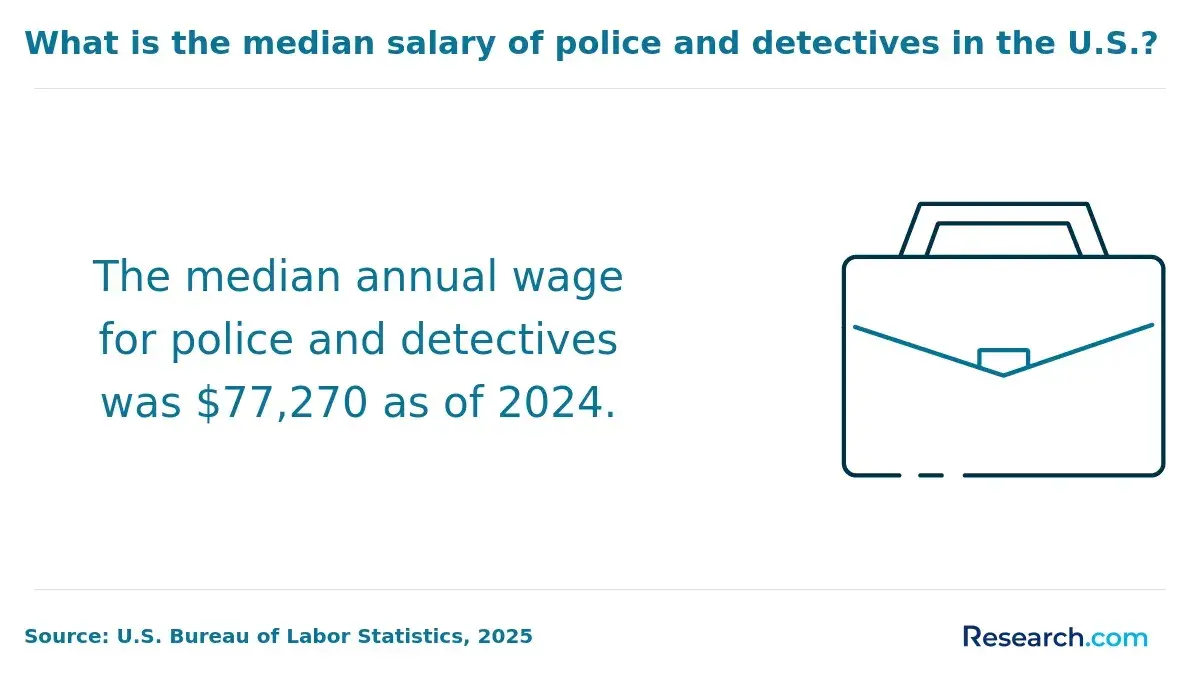
- Entry-Level Officers: Newly hired officers or those with less than one year of experience generally earn between $61,970 and $64,523 annually. This range aligns closely with entry salaries in metropolitan areas like Honolulu and state averages.
- Mid-Career Officers: Those with two to four years of experience can expect salaries from $65,553 to $78,540 per year. Raises during this stage often come from incremental increases, specialized roles, and educational incentives.
- Senior Officers: Officers with five or more years of service or those promoted to supervisory roles typically earn between $79,563 and $99,580 annually. Leadership positions and higher education are important factors contributing to this salary level.
In addition to experience and rank, some departments offer education incentives that increase compensation for officers who pursue relevant degrees or advanced training. For those interested in specialized roles, salaries can surpass $100,000 with overtime and benefits included. It’s beneficial for candidates to explore pathways such as enrolling in top forensic science schools, which can enhance both qualifications and earning potential within Hawaii’s law enforcement.
What education trends are affecting law enforcement careers in Hawaii?
Modern policing careers in Hawaii are increasingly shaped by evolving education expectations that reflect the complexity of contemporary law enforcement challenges. Agencies now demand more than foundational training, seeking candidates with enhanced academic qualifications and specialized knowledge to effectively serve diverse communities.
- Growing Preference for College Degrees: While a high school diploma remains the baseline for entry, there is an increasing trend favoring candidates with college coursework or degrees, especially in urban centers like Honolulu, to improve critical thinking and professionalism.
- Specialized Majors and Academic Backgrounds: Degrees in criminal justice, psychology, sociology, and cybersecurity are highly valued for their relevance to modern policing issues such as mental health and digital crime investigation.
- Enhanced Training and Certification Standards: Statewide minimum certifications by the Hawaii Law Enforcement Standards Board ensure officers maintain competencies in ethics, cultural awareness, and contemporary policing techniques.
- Continuing Education and Professional Development: Officers are encouraged to engage in ongoing training, including legal updates and tactical instruction, to retain certification and adapt to evolving public safety needs.
Staying informed about these education trends is essential for aspiring and current officers in Hawaii, as they impact career advancement and effectiveness in meeting societal expectations. Continuous adaptation to academic and professional standards promotes a well-rounded, capable police workforce aligned with community priorities.
What Do Police Officers in Hawaii Say About Their Career
Completing my training at the Honolulu Police Academy equipped me with both the skills and confidence to serve my community effectively. I’ve found that working as a police officer in Hawaii offers a unique blend of professional development and cultural immersion, allowing me to connect deeply with the diverse population here. The ability to contribute to public safety amid Hawaii's rich environment is truly fulfilling. This career is steady and rewarding, with ample opportunities for advancement and specialization within the department. I feel proud to wear the badge every day and represent the values of aloha through my work. Kean
Starting my law enforcement career as a police officer at a local school has been an incredibly gratifying experience. Every day, I get to support and protect young people while fostering a safe and positive learning environment. The challenges of working in an educational setting have helped me grow both professionally and personally, as my role extends beyond typical patrol duties to being a mentor and advocate. Being part of Hawaii’s unique community has deepened my passion for helping students thrive in a safe atmosphere. It’s a special feeling knowing I play a part in shaping their futures. Amanda
Reflecting on my time in the Maui Law Enforcement Training Center, I appreciate how this journey has strengthened not just my skills, but also my ability to impact the community positively. Embracing the multicultural fabric of Hawaii, I have learned to navigate and respect local customs while addressing unique challenges such as environmental protection and community outreach. The work as a police officer here demands adaptability and cultural sensitivity, which has made the job extremely enriching. I am continuously inspired by the chance to improve public well-being and uphold safety with respect and integrity. Isaiah
Related Articles for Nearby States
- 2027 How to Become a Police Officer: Education Requirements in Alaska
- 2027 How to Become a Police Officer: Education Requirements in California
- 2027 How to Become a Police Officer: Education Requirements in Oregon
- 2027 How to Become a Police Officer: Education Requirements in Washington
- 2027 How to Become a Police Officer: Education Requirements in Nevada
- 2027 How to Become a Police Officer: Education Requirements in Arizona
- 2027 How to Become a Police Officer: Education Requirements in Idaho
- 2027 How to Become a Police Officer: Education Requirements in Utah
- 2027 How to Become a Police Officer: Education Requirements in Montana
- 2027 How to Become a Police Officer: Education Requirements in Wyoming
References:
- Reserve Officer Program - Honolulu Police Department https://www.honolulupd.org/policy/policy-reserve-officer-program/
- Minimum Qualifications - JOIN HPD https://www.joinhonolulupd.org/minimum-qualifications.html
- Police Officers | Hawaiʻi Police Department https://www.hawaiipolice.gov/join-the-team/police-officers/
- UH Hilo launches online pathway for law enforcement officers to earn bachelor's degree in administration of justice - UH Hilo Stories https://hilo.hawaii.edu/chancellor/stories/2025/08/11/law-enforcement-officers-administration-of-justice/
- UH launches officer-specific degree program https://alohastatedaily.com/2025/08/12/uh-launches-officer-specific-degree-program/
- Hawaii | Kent State Online https://www.kent.edu/kso/hawaii
- Free HPD exam prep course could be first step for a good paying job | University of Hawaiʻi System News https://www.hawaii.edu/news/2021/10/07/free-hpd-exam-prep-course/
- The HPD's Training Academy, Ke Kula Maka`i https://www.youtube.com/watch
- Police Officer Career Guide - Training, Job Description & Salary https://careerschoolnow.org/careers/police-officer
- Department of Law Enforcement https://law.hawaii.gov/
Other Things You Should Know About Becoming a Police Officer in Hawaii
Hawaii police departments often offer financial support for college or academy training, recognizing the importance of well-educated and properly trained officers. Some agencies provide tuition reimbursement or cover academy fees to attract qualified candidates and promote career development within the force. However, this support can vary based on the department’s budget and policies, meaning not all officers may receive full funding upfront. In some cases, recruits might need to complete academy training before being hired, limiting direct payment from the departments but encouraging investment in education through other incentive programs.
In Hawaii, POST sets and enforces standards for police officer training and certification. It ensures that all officers meet consistent requirements across the state and oversees the curriculum and evaluations administered by police academies. POST is essential for maintaining professional law enforcement standards.
In 2027, aspiring police officers in Hawaii must have a high school diploma or GED as a minimum educational requirement. Pursuing higher education, such as an associate or bachelor's degree in criminal justice or related fields, is recommended and can enhance employment opportunities and career advancement within the police force.