2027 How to Become a Police Officer: Education Requirements in Louisiana

Co-Founder and Chief Data Scientist
Becoming a police officer in Louisiana requires meeting specific education standards designed to prepare candidates for the demands of law enforcement. Louisiana reported over 12,000 active law enforcement officers in recent years, reflecting strong career opportunities within the state. The role offers competitive benefits and a chance to serve diverse communities, making it a rewarding profession.
This article, developed by career planning experts, provides a clear overview of the education requirements necessary to pursue a law enforcement career in Louisiana. It aims to guide prospective officers in navigating academic credentials and training prerequisites effectively.
Key Things to Know About Becoming a Police Officer in Louisiana
- A minimum of a high school diploma or GED is required to apply for police academies in Louisiana, ensuring basic educational competence.
- Completion of the Louisiana Peace Officer Standards and Training (POST) certification program, which includes 360 hours of basic training, is mandatory for all entry-level officers.
- Many departments prefer or require some college coursework or an associate degree in criminal justice to enhance career prospects and comply with evolving workforce standards.
- What is the minimum education requirement to become a police officer in Louisiana?
- Which majors are most recommended for aspiring police officers in Louisiana?
- What subjects are taught in Louisiana police academy?
- Can military service replace education requirements for police officers in Louisiana?
- How much does it cost to get a police officer education in Louisiana?
- Are scholarships available for aspiring police officers in Louisiana?
- What certifications benefit a police officer's career development in Louisiana?
- What roles can you get as a police officer in Louisiana?
- What is the average salary of police officers in Louisiana?
- What education trends are affecting law enforcement careers in Louisiana?
- Can police experience be leveraged to pursue legal career opportunities in Louisiana?
What is the minimum education requirement to become a police officer in Louisiana?
Education plays a critical role in law enforcement by ensuring officers possess the essential skills needed for effective service and sound judgment. In the United States, requirements vary by state, reflecting differing local standards and workforce demands. In Louisiana, specific minimum criteria must be met before an individual can pursue a career as a police officer. The minimum education requirements for police officer in Louisiana focus on foundational academic achievement and verification through proper documentation.
- High School Diploma Requirement: Candidates must hold a high school diploma from a recognized state board of education, which is the primary credential for entry-level positions in law enforcement.
- High School Equivalency Certificate (GED): Applicants without a traditional diploma can qualify with a state-approved GED, which ensures equivalency in secondary education standards.
- Documentation Standards: Official proof such as a diploma, GED, transcript, or affidavit from the issuing institution must be submitted. Certificates of completion that do not verify graduation are not accepted.
The Louisiana police officer high school diploma requirement ensures that all candidates meet a baseline educational level deemed necessary for literacy and critical thinking skills appropriate for policing duties. These standards are strictly upheld across state and municipal law enforcement agencies to maintain professional credentialing. For individuals interested in related educational pathways, exploring an affordable forensic psychology degree can provide complementary knowledge beneficial to law enforcement careers.
Which majors are most recommended for aspiring police officers in Louisiana?
Choosing the appropriate college major significantly strengthens the qualifications of aspiring police officers in Louisiana, enhancing their readiness for the demands of law enforcement and increasing their chances for career advancement. The right educational background provides a foundation of analytical skills, ethical understanding, and community awareness essential for effective policing.
- Criminal Justice: This major offers comprehensive knowledge of crime prevention, law enforcement procedures, and the judicial system. It is highly valued by Louisiana agencies for its practical focus and often includes internships and Police Officer Standards Training that prepare candidates for real-world challenges.
- Criminology: Concentrating on the causes and effects of crime, criminology blends sociology, psychology, and legal studies. Graduates are equipped to analyze criminal behavior and develop effective community policing strategies, contributing to crime reduction initiatives.
- Psychology: Understanding human behavior and mental health is increasingly critical in policing. Officers trained in psychology excel in crisis intervention, conflict resolution, and effective communication, skills that are essential when responding to complex social situations.
- Sociology: This discipline provides insight into social structures and group dynamics, helping officers address community issues and build public trust. Louisiana programs often emphasize juvenile delinquency and offender-society relationships to enhance community engagement efforts.
- Political Science: Knowledge of government, public policy, and constitutional law prepares officers for leadership and policy development roles. Those with this background contribute to departmental reforms and ensure legal compliance within law enforcement agencies.
- Law: Pre-law or legal studies offer a deep understanding of criminal law and courtroom procedures. This major is advantageous for officers who aspire to investigative, administrative, or legal careers within law enforcement, safeguarding both individual rights and departmental integrity.
- Public Administration: Focused on organizational management and public policy, this major equips candidates for supervisory roles. Graduates are prepared to handle budgeting and leadership responsibilities necessary for effective law enforcement administration in Louisiana.
Prospective candidates seeking the best majors for police officers in Louisiana should also consider exploring affordable forensic science programs to further enhance their technical expertise and investigative skills.
What subjects are taught in Louisiana police academy?
Police academy training in Louisiana is structured to thoroughly prepare recruits with the essential skills, knowledge, and judgment necessary for effective law enforcement. This training combines extensive classroom instruction and practical exercises, enabling future officers to confidently address the complex challenges they will face in the field.
- Criminal Law: Recruits develop a thorough understanding of Louisiana’s criminal statutes, legal procedures, and constitutional protections. This foundation ensures they apply laws correctly and uphold legal standards in diverse situations.
- Firearms Training: Intensive instruction in firearm safety, marksmanship, and critical decision-making equips officers to handle weapons responsibly. Mastery in this area is key to maintaining safety for both officers and the public during armed encounters.
- Defensive Tactics: Training covers physical control, self-defense, and non-lethal force techniques. These skills enable officers to manage confrontations effectively while minimizing harm to all parties involved.
- Emergency Vehicle Operations: Recruits learn advanced driving skills, pursuit tactics, and safety protocols. Proficiency here ensures officers respond safely and efficiently during urgent and high-risk vehicle situations.
- Ethics and Professionalism: Emphasis on integrity, accountability, and ethical conduct fosters public trust. This instruction cultivates the moral judgment required for responsible policing.
- Community Policing: Strategies for building community trust and collaborative problem-solving are taught. Officers develop skills to engage positively with diverse populations and enhance local partnerships.
- Report Writing: Clear and accurate documentation techniques are emphasized to support investigations and legal processes. Effective report writing strengthens transparency and case-building efforts.
- Physical Fitness: Rigorous conditioning and fitness assessments prepare recruits for the physical demands of law enforcement work. Maintaining physical readiness is essential for operational performance and officer safety.
- Specialized Training: Additional modules address topics such as active shooter response, cultural diversity, and technology use. These areas prepare officers for emerging challenges in modern policing.
Can military service replace education requirements for police officers in Louisiana?
In Louisiana, military service can partially replace education requirements for certain law enforcement positions, most notably within the Louisiana State Police. Candidates may qualify by providing proof of three years of continuous active military duty instead of completing 60 semester hours of college credit or serving two years as a POST-certified peace officer. This policy recognizes the value of the discipline, leadership, physical conditioning, and practical experience gained through military service, especially for veterans who have engaged in structured, high-stakes environments. However, for municipal police departments, including agencies in Baton Rouge and Lake Charles, military service does not substitute for the minimum educational requirement of a high school diploma or equivalent. While these departments may value military backgrounds and offer incentives for college credit, the formal education criteria remain in force.
Military training related to law enforcement or security—such as experience as military police or in specialized security roles—is particularly valued across Louisiana's law enforcement agencies. Veterans with such backgrounds may also qualify for POST certification after completing the state's basic training and passing the required exam. Candidates should carefully review individual agency guidelines, as military service eligibility and substitution policies vary and do not universally exempt applicants from academy attendance or other preparatory requirements. This nuanced approach allows Louisiana law enforcement to leverage the unique skills veterans bring while maintaining rigorous standards essential for police work.
When I spoke with a Louisiana police officer who graduated from a local law enforcement academy after serving in the military, he shared how his experience shaped his path. He recalled the challenge of translating military discipline into the academic setting of the academy, noting, “Military service gave me a solid foundation in leadership and focus, but the coursework and state-specific training were crucial to fully preparing me.” He emphasized that while his military record helped meet certain prerequisites, he still had to embrace the educational demands of becoming a police officer in Louisiana. “It wasn't just checking a box; it required commitment and adapting to a different environment,” he reflected, underscoring the balanced respect Louisiana law enforcement holds for military service alongside formal education and training.
How much does it cost to get a police officer education in Louisiana?
Education and training costs to become a police officer in Louisiana vary widely depending on whether a candidate pursues a degree at a university, attends a community college, or enrolls in a police academy. These choices influence the total investment required, especially when considering supplemental expenses such as uniforms and testing. Understanding police academy tuition costs in Louisiana is essential for planning a career in law enforcement.
- Community College Tuition: Typically ranges from $2,000 to $4,500 per year in tuition and fees for in-state students pursuing an associate degree relevant to law enforcement.
- University Tuition: Louisiana public universities charge between $8,000 and $11,000 per year for in-state students seeking a bachelor's degree, generally resulting in increased salary potential upon graduation.
- Police Academy Fees: Full-time academies usually require sponsorship by a department, which covers the $1,000 tuition fee; lateral or refresher courses cost between $250 and $400.
- Uniforms and Equipment: Cadets must provide personal gear including a duty belt, firearm with accessories, and approximately 1,000 rounds of ammunition, with costs estimated between $500 and $1,000.
- Testing and Application Fees: Some departments administer pre-employment exams and evaluations that may incur additional expenses ranging from $50 to $300.
- Books and Supplies: College students should anticipate $500 to $1,200 annually for required textbooks and materials, while academy-only participants generally face lower costs.
Additional expenses such as residential living costs may apply in certain academies requiring on-site attendance during the week. Candidates aiming for a comprehensive understanding of law enforcement roles may also explore career-related paths like what does a forensic psychologist do, which involves different educational and training commitments. Considering Louisiana police officer training expenses holistically is crucial for budgeting effectively throughout the certification process.
Are scholarships available for aspiring police officers in Louisiana?
Scholarships and financial aid significantly ease the financial burden faced by individuals pursuing education and training for law enforcement careers in Louisiana. These resources help cover costs such as tuition, fees, books, and sometimes living expenses, making it more attainable for aspiring police officers to meet necessary academic requirements. Various programs at the state, local, and institutional levels offer targeted support for students interested in policing and criminal justice fields.
- Louisiana Sheriffs’ Scholarship Program: This statewide initiative awards sixty-four scholarships annually to graduating high school seniors who are Louisiana residents enrolling full-time at state colleges. The funds can be used flexibly for tuition, books, or living expenses, aiding recipients in managing their educational costs without undue restrictions.
- Local Sheriff’s Office Scholarships: Numerous parishes such as Lafourche and Jefferson provide $1,000 scholarships to local residents attending regional institutions, helping offset expenses related to criminal justice studies and law enforcement training with minimal limitations on fund use.
- Louisiana Fraternal Order of Police (FOP) Scholarships: The Louisiana FOP grants multiple $500 scholarships yearly to members or their dependents enrolled in two- or four-year colleges or technical schools. This fosters continued professional development among those with direct ties to law enforcement communities.
- Colleges and Universities Criminal Justice/Public Service Scholarships: Many Louisiana higher education institutions offer merit- or need-based scholarships for students majoring in criminal justice or public safety, supporting tuition and fees to encourage dedicated careers in law enforcement.
- Community College Financial Aid Programs: Technical and community colleges provide need-based grants, work-study roles, and scholarships targeting law enforcement training, making vocational pathways more accessible for lower-income students seeking certification or degrees.
A Louisiana police officer I spoke with, who graduated from a local academy, reflected on her experience navigating scholarships early in her career. She recalled, “Applying for scholarships felt overwhelming at first because I wasn’t sure where to start or if I qualified.” However, she emphasized the critical role of the Louisiana Sheriffs’ Scholarship and local awards that “relieved a lot of the financial pressure, allowing me to focus on my studies and training.” She noted how those combined resources made her goal achievable despite initial doubts, stating, “Without that support, balancing work, school, and the academy would have been far more difficult.” Her journey highlights how these scholarships serve as essential stepping stones for many aspiring officers in Louisiana.

What certifications benefit a police officer's career development in Louisiana?
Specialized certifications significantly enhance a police officer’s skills and job performance, offering valuable opportunities for advancement within law enforcement in Louisiana. Officers who pursue certifications aligned with Louisiana POST certification requirements demonstrate a commitment to professional growth and are better positioned for promotion and specialized roles.
- Firearms Training and Certification: This certification covers initial and ongoing training in safe weapons handling, marksmanship, and use-of-force protocols. Mastery of these skills is essential for officers and public safety, and advanced proficiency can lead to tactical or firearms instructor assignments.
- Emergency Medical Response (First Aid/CPR): Officers receive foundational training in CPR and first aid, enabling them to provide critical medical assistance during emergencies. Such certification improves on-scene effectiveness and is a valued component of advanced law enforcement training in Louisiana.
- Criminal Investigations: Training in investigative techniques includes evidence collection, interviewing, and case management. Officers with this certification can pursue detective roles and contribute to higher case clearance rates, strengthening career prospects.
- Cybercrime Investigation: As digital offenses increase, certification in cybercrime enables officers to handle electronic evidence and respond to cyber threats, meeting evolving agency needs statewide.
- Crisis Intervention and De-escalation: This training equips officers to manage encounters with individuals experiencing mental health crises safely, reducing liability and fostering better community relations.
- Leadership and Supervisory Training: Instruction focused on team management, ethical decision-making, and organizational leadership prepares officers for promotion to supervisory ranks and administrative roles.
For those interested in further expanding their expertise beyond these credentials, Louisiana offers pathways that connect to forensic psychology degrees and careers, broadening professional opportunities within the criminal justice field.
What roles can you get as a police officer in Louisiana?
Law enforcement careers in Louisiana offer diverse roles beyond basic patrol duties, enabling officers to specialize according to their skills and interests. These specialized positions enhance departmental capabilities and address community needs through targeted expertise.
- Patrol Officer: Responsible for monitoring assigned areas, responding to calls, enforcing laws, and maintaining order, requiring basic POST certification and ongoing training.
- Detective (Criminal Investigator): Investigates serious crimes such as homicides and robberies, gathering evidence and preparing cases, typically requiring additional investigative training.
- K-9 Unit Officer: Works with trained police dogs to detect drugs, explosives, and locate missing persons, demanding specialized K-9 handling training.
- SWAT Team Member: Handles high-risk incidents with advanced tactical and firearms training to resolve critical situations safely.
- Community Outreach Officer: Builds public trust through communication and event organization, utilizing skills in public relations and crime prevention education.
- Traffic Enforcement Officer: Enforces traffic laws and investigates accidents with specialized traffic safety training to reduce roadway hazards.
- Training Instructor: Provides education on law enforcement skills and standards, requiring significant experience and instructor certification.
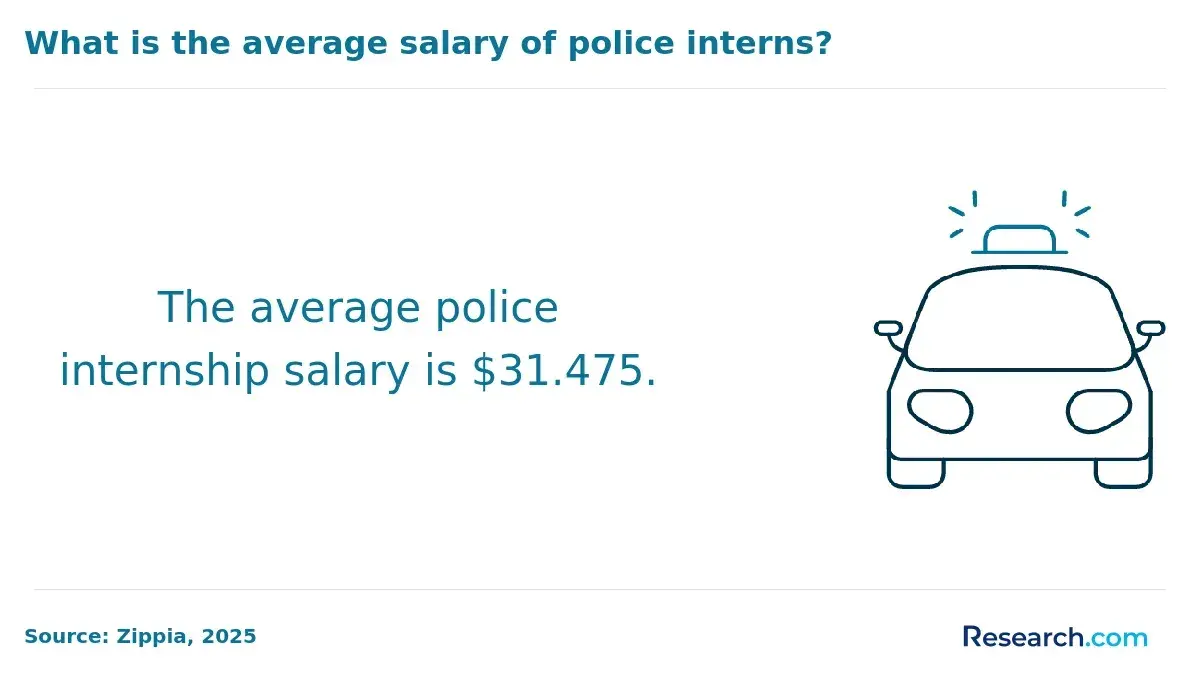
What is the average salary of police officers in Louisiana?
Police officer pay scale in Louisiana depends on multiple factors, including geographic location, years of service, educational attainment, and rank within the department. Metropolitan areas such as New Orleans and Baton Rouge tend to offer higher salaries, while rural locations may have lower compensation. Additionally, officers with advanced education and specialized training often receive supplemental pay, enhancing overall earnings.
- Entry-Level Police Officers: New recruits in larger cities usually start at around $40,906 annually, with modest merit pay increases after six months and one year. Entry-level salaries across the state generally range between $40,000 and $50,000 per year.
- Mid-Career Police Officers: Officers with 5 to 10 years of experience can expect to earn between $50,000 and $65,000, depending on agency and location. For instance, New Orleans reports an average pay of $59,685 for mid-career officers, reflecting its higher cost of living and demand.
- Senior Police Officers: Those who have advanced in rank or tenure can earn from $65,000 up to $90,000 or more annually. Louisiana State Police salaries range from $56,911 starting pay up to $115,690 for top-ranking troopers, illustrating significant growth potential with promotions and experience.
Education plays a pivotal role in salary supplements, with some agencies offering additional pay for college credits and degrees. Interested candidates may explore opportunities for advancement through further training, including options provided by best forensic science bachelor’s programs online, which contribute to both career development and higher pay in the field.
What education trends are affecting law enforcement careers in Louisiana?
Evolving education expectations are significantly reshaping law enforcement careers in Louisiana, reflecting the increasing complexity of modern policing and the growing emphasis on community engagement. Departments statewide are prioritizing formal education and continuous professional development to enhance both recruitment and operational efficacy.
- Preference for College Education: While a high school diploma or GED suffices for entry-level roles, candidates with at least 60 college semester hours or a degree are favored, with agencies like the Louisiana State Police requiring this for trooper applicants and offering financial incentives for higher education.
- Impact of Specialized Majors: Degrees in criminal justice, psychology, and cybersecurity provide critical knowledge for addressing issues like mental health and cybercrime, improving eligibility for specialized units and promotions.
- Continuing Education and Advanced Training: Mandates by the Louisiana POST Council require certified basic training within the first year, with opportunities for ongoing advanced instruction to maintain officer readiness and adapt to evolving threats.
Staying informed about these educational advancements is essential for Louisiana’s law enforcement personnel. Officers who pursue higher education and specialized training positions themselves for greater career advancement and more effective service in a dynamic professional landscape.
Can police experience be leveraged to pursue legal career opportunities in Louisiana?
Officers often develop sharp investigative, analytical, and communication skills that are highly valued in legal professions. Transitioning to roles such as paralegals can capitalize on these proficiencies, providing an alternative career path in the criminal justice sector. For those considering this shift, understanding the specific educational and certification requirements is essential. Detailed guidance on the necessary steps to make this transition can be found in our guide on how to become a paralegal in Louisiana.
Related Articles for Nearby States
- 2027 How to Become a Police Officer: Education Requirements in Mississippi
- 2027 How to Become a Police Officer: Education Requirements in Arkansas
- 2027 How to Become a Police Officer: Education Requirements in Texas
- 2027 How to Become a Police Officer: Education Requirements in Alabama
- 2027 How to Become a Police Officer: Education Requirements in Tennessee
- 2027 How to Become a Police Officer: Education Requirements in Missouri
- 2027 How to Become a Police Officer: Education Requirements in Oklahoma
- 2027 How to Become a Police Officer: Education Requirements in Florida
- 2027 How to Become a Police Officer: Education Requirements in Kentucky
- 2027 How to Become a Police Officer: Education Requirements in Georgia
References:
- Scholarship | Louisiana Sheriffs' Association https://lsa.org/scholarship/
- LOUISIANA SHERIFFS’ SCHOLARSHIP PROGRAM | Jefferson Parish Sheriff, LA - Official Website https://www.jpso.com/396/LOUISIANA-SHERIFFS-SCHOLARSHIP-PROGRAM
- Criminal Justice Scholarships | ULM University of Louisiana at Monroe https://www.ulm.edu/criminaljustice/scholarships.html
- Louisiana Scholarships - Scholarships.com https://www.scholarships.com/financial-aid/college-scholarships/scholarship-directory/residence-state/louisiana
- Louisiana Sheriffs’ Scholarship Program | Lafayette Parish Sheriff's Office https://lafayettesheriff.com/about-us/louisiana-sheriffs-scholarship-program/
- Community Involvement | Scott J. Chafin Law - Giving Back https://scottchafinlaw.com/community/
- Scholarships & Grants | LOSFA | STEP, RCP, TOPS, Chafee, & More https://mylosfa.la.gov/students-parents/scholarships-grants/
- Salary and Benefits - Louisiana State Police https://lsp.org/recruitment/salary-and-benefits/
- Salary and Benefits - JoinNOPD https://joinnopd.org/career-paths-and-benefits/
- Become a Police Officer - Join Alexandria Louisiana Police Department (APD) https://joinapdla.org/join-apd/
Other Things You Need to Know About Becoming a Police Officer in Louisiana
Becoming a police officer in Louisiana in 2027 requires a high school diploma or GED. While a college degree is not mandatory, having higher education may improve job prospects and advancement opportunities within police departments.
Louisiana police departments generally do not fully pay for college education but often cover the costs of academy training as part of the hiring process. Academy training is typically funded by the department or through state-supported programs because it is mandatory for all new officers and ensures standardized preparation. However, college tuition is usually the responsibility of the individual, as higher education is considered an additional qualification rather than a basic requirement. Some departments may offer reimbursement or incentives for officers pursuing relevant degrees, but this varies widely and is not guaranteed. The focus remains on funding the essential academy training to maintain effective law enforcement standards across the state.
Online degrees are increasingly recognized as a viable option for aspiring police officers in Louisiana, particularly for those seeking to meet educational requirements through affordable and flexible learning. While traditional in-person programs remain common, several police academies and departments now accept accredited online degrees, especially for obtaining associate or bachelor's degrees in criminal justice or related fields. However, candidates should ensure their online programs are properly accredited and aligned with Louisiana’s specific certification standards, as practical training and in-person components are still essential for police academy preparation. Overall, online education can be a convenient path, but verification with the local law enforcement agency or training academy is recommended to confirm acceptance.
The Peace Officer Standards and Training (POST) Council in Louisiana plays a crucial role in setting and maintaining the professional standards for law enforcement officers across the state. POST oversees the certification process, ensuring candidates meet rigorous educational and training requirements before becoming commissioned officers. It also administers mandatory training programs, continuing education, and recertification to uphold high levels of competence and ethical conduct within law enforcement. For anyone pursuing a career as a police officer in Louisiana, understanding POST's standards is essential, as compliance with its guidelines is a key step toward state certification and successful employment in the field.