
2027 How to Become a Police Officer: Education Requirements in Michigan

Co-Founder and Chief Data Scientist
Michigan offers promising opportunities for careers in law enforcement, with over 18,000 local and state officers serving the community. The demand for police officers is expected to grow, driven by increasing public safety needs and technological advancements in crime prevention. Pursuing this path in Michigan ensures exposure to modern policing methods and career stability. Understanding the educational criteria is crucial, as agencies increasingly prioritize formal training and specialized certificates.
This article, prepared by experts in career planning, explores the evolving education requirements to become a police officer in Michigan. It aims to clarify steps for aspiring candidates navigating this dynamic profession.
Key Things to Know About Becoming a Police Officer in Michigan
- Michigan requires candidates to have at least a high school diploma or GED, but a growing number of agencies prefer some college education or an associate degree to meet rising job complexity.
- Completion of a police academy certified by the Michigan Commission on Law Enforcement Standards (MCOLES) is mandatory, with evolving curriculum emphasizing technology and community engagement.
- Future trends suggest increased emphasis on continuing education and advanced degrees to address the growing need for specialized skills in areas like cybercrime and mental health crisis response.
- What is the minimum education requirement to become a police officer in Michigan?
- Which majors are most recommended for aspiring police officers in Michigan?
- What subjects are taught in Michigan police academy?
- Can military service replace education requirements for police officers in Michigan?
- How much does it cost to get a police officer education in Michigan?
- Are scholarships available for aspiring police officers in Michigan?
- What certifications benefit a police officer's career development in Michigan?
- What roles can you get as a police officer in Michigan?
- What is the average salary of police officers in Michigan?
- What education trends are affecting law enforcement careers in Michigan?
- Can police officers leverage their experience for alternative legal careers in Michigan?
What is the minimum education requirement to become a police officer in Michigan?
Education is foundational in law enforcement, equipping officers with critical skills for public safety and effective community engagement. Requirements vary widely across states, reflecting local priorities and realities. In Michigan, specific educational benchmarks shape who can enter the police force, setting a baseline that supports uniform standards statewide.
Exploring the minimum education requirement for police officer in Michigan offers insight into the practical qualifications expected at this career's entry point.
- High School Diploma or GED: The primary mandatory credential is a high school diploma or GED, ensuring candidates have completed basic secondary education necessary for law enforcement training.
- Reading and Writing Competency: Applicants must pass a pre-enrollment test demonstrating proficiency in reading and writing, confirming they possess essential communication skills required in the field.
- Age and Citizenship Criteria: Candidates need to be at least 18 years old and either U.S. citizens or legal residents, which complements the educational requirements and ensures eligibility.
While Michigan police officer high school diploma requirement remains consistent, ongoing discussions consider how evolving societal challenges might influence future prerequisites. Emphasis on communication and critical thinking skills could lead to adaptations in testing or supplementary education mandates.
For individuals curious about career prospects related to law enforcement education standards, exploring how a forensic science degree online compares may be insightful as the field continues to evolve in complexity and responsibility.
Which majors are most recommended for aspiring police officers in Michigan?
Choosing the right college major can significantly strengthen a candidate’s qualifications and open the door to advancement opportunities within Michigan’s law enforcement agencies. Selecting a program that hones critical thinking, ethical reasoning, and community understanding makes future officers more competitive, especially as educational standards rise. Aspiring police officers benefit from focusing on majors that align closely with the evolving demands of policing and public safety in Michigan.
Most Recommended Majors for Aspiring Police Officers in Michigan
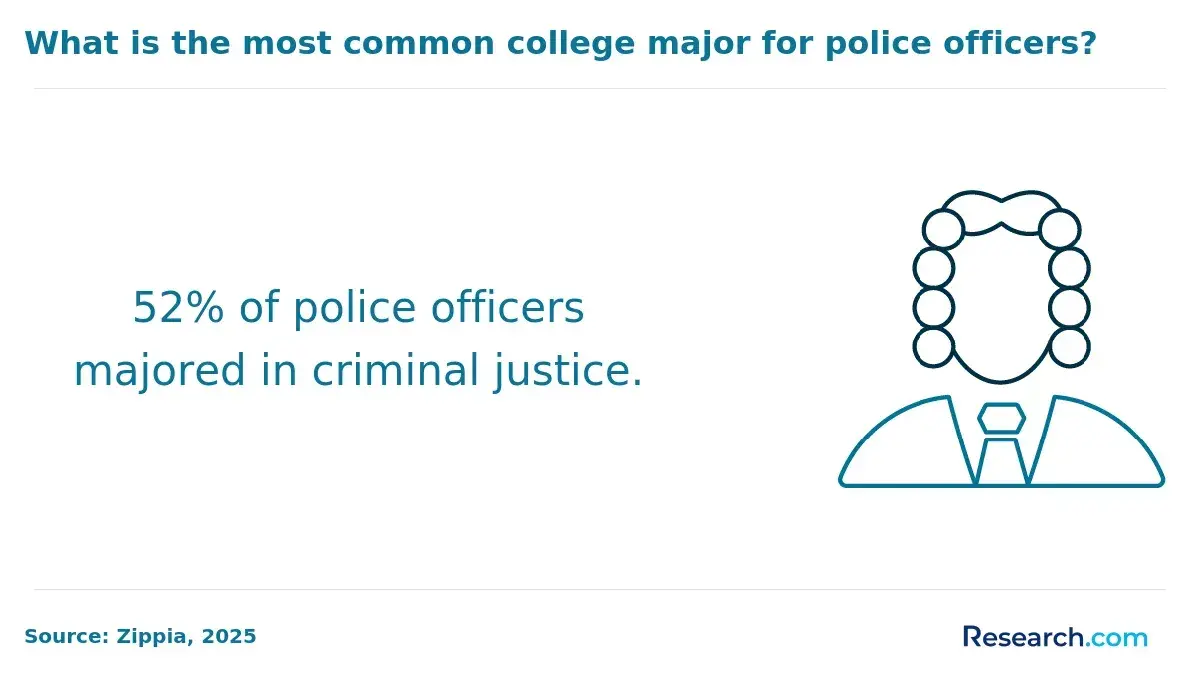
- Criminal Justice: This major provides direct exposure to law enforcement procedures, criminal law, and ethics, which are fundamental to Michigan police work. Many programs integrate police academy training, making graduates ready to enter the force with practical skills.
- Criminology: Offering insight into the causes and prevention of crime, criminology combines sociological and psychological analysis that supports investigative duties and broad crime understanding.
- Psychology: A focus on human behavior and mental health equips officers to handle crisis intervention and enhance community relations, increasingly vital in modern Michigan policing.
- Sociology: This major deepens knowledge of social structures and community dynamics, preparing officers for community policing and effective interaction with diverse populations.
- Political Science: Exploring government, public policy, and law, political science readies officers for leadership roles and understanding the legal frameworks shaping law enforcement.
- Law (Pre-Law or Legal Studies): Providing a foundation in constitutional and criminal law, this major is useful for specialized enforcement roles and future legal career advancement.
- Public Administration: This field focuses on organizational management and ethics, crucial for officers aiming for command or administrative positions within police departments.
Michigan officers with a strong academic background, such as a criminal justice degree program in Michigan, are often positioned for higher-level roles and salary potential explored in studies on top criminal justice career salaries. Prospective students should consider how their choice of major aligns with both current law enforcement needs and future professional growth.
What subjects are taught in Michigan police academy?
Police academy training in Michigan equips recruits with essential skills, legal knowledge, and ethical judgment necessary for effective law enforcement. This comprehensive education integrates practical and theoretical learning to prepare officers for the complex challenges they will face in the field.
- Criminal Law and Procedure: This subject grounds recruits in Michigan's statutes and legal frameworks, enabling them to conduct lawful arrests and investigations while respecting constitutional rights. It builds a foundation for officers to navigate legal complexities with accuracy and fairness.
- Firearms Training: Recruits develop proficiency in firearm safety and use of force, including patrol rifles and live-fire exercises. This training is vital for responding effectively to threats while prioritizing public and officer safety.
- Defensive Tactics and Physical Skills: Instruction in tactical techniques and subject control teaches safe restraint methods and de-escalation strategies. These skills help reduce potential injuries and maintain order in volatile situations.
- Emergency Vehicle Operations: Training covers pursuit driving and accident avoidance to ensure officers can respond swiftly and safely in critical incidents. Mastery of these skills reduces risks during high-pressure driving scenarios.
- Ethics and Interpersonal Relations: Focus on policing ethics, cultural competence, and civil rights fosters professionalism and public trust. Ethical decision-making promotes fair treatment and enhances community relationships.
- Patrol Procedures and Community Policing: Recruits learn to conduct patrols, handle behavioral crises, and engage with the community. This prepares officers to build trust and address issues proactively.
- First Aid and Tactical Emergency Care: Medical response training equips officers with life-saving skills to support victims during emergencies. These capabilities improve outcomes in violent or accident scenarios.
- Traffic Enforcement and Crash Investigation: Covering vehicle codes and accident reconstruction, this subject enables officers to manage road safety and conduct thorough investigations. Accurate enforcement and reporting uphold public safety on Michigan’s roads.
Can military service replace education requirements for police officers in Michigan?
In Michigan, military service can partially substitute for education requirements when applying to become a police officer, but this is limited specifically to those who served as military police officers. The state recognizes the intensive law enforcement training and experience gained in military police roles as comparable to traditional college coursework in criminal justice.
Applicants who have completed a formal military police training academy and served at least 2,080 hours in an official capacity with arrest powers and firearm authority may request a waiver to bypass some educational prerequisites when enrolling in a state law enforcement basic training academy.
However, this accommodation is not universal for all forms of military service or education requirements. It applies narrowly to verified military police experience, and candidates must still meet the Michigan Commission on Law Enforcement Standards (MCOLES) requirements, including physical and written assessments.
Civilian police agencies may consider some military coursework for credit toward education, especially when combined with a minimum military service commitment, but a high school diploma or GED remains the baseline for eligibility.
Looking ahead, this selective acceptance of military experience reflects a trend toward valuing specialized operational backgrounds while maintaining rigorous professional standards for all officers. The growing acknowledgment of military police training in Michigan could encourage more veterans to consider law enforcement careers, especially as academies develop accelerated programs tailored to their skills.
While the state stops short of fully replacing education with military service, the flexibility offered signals progress in integrating veterans’ unique qualifications. One Michigan police officer I spoke with, who graduated from a local academy after serving as a military police officer, recalled the transition was both challenging and rewarding. “The military experience definitely helped with the practical aspects and mindset, but I still had to push through those academies, prove myself on the physical tests and written work,” he said.
He noted that while the military background softened some hurdles, it wasn’t a shortcut—rather, it was a powerful foundation that required commitment to build on within Michigan’s law enforcement training framework.
How much does it cost to get a police officer education in Michigan?
The cost of becoming a police officer in Michigan varies significantly depending on the educational route chosen. Candidates may select from earning a two- or four-year degree, enrolling in a community college program, or directly attending a police academy, each with its own distinct tuition and fees. These expenses reflect a range of factors including institution type, residency status, and required materials.
- Community College Tuition: Tuition for criminal justice or law enforcement programs at Michigan community colleges typically ranges from $3,000 to $5,000 per year for in-district students, with higher fees for out-of-district attendees.
- University Tuition: Pursuing a bachelor’s degree in criminal justice at a public university usually costs between $13,000 and $16,000 annually for in-state students, though private institutions may charge more; a four-year degree is not mandatory for police academy admission.
- Police Academy Fees: Standalone police academy tuition varies, with some academies charging around $5,400, plus additional costs for supplies (about $1,540) and uniforms and boots (around $700), while others like Lake Michigan College set a flat fee near $8,700.
- Uniforms and Equipment: Required items for training typically range between $500 and $900, depending on quality and the specific academy’s requirements.
- Housing and Food: For those needing campus housing during academy sessions, costs can be approximately $2,400 for the duration, exclusive of food and personal expenses.
- Medical and Physical Testing: Candidates must budget for medical exams and fitness tests, usually totaling between $100 and $300 depending on location and provider.
- Entry and Licensing Exams: Fees include $72 for the MCOLES reading/writing test, $55 for the physical fitness test, and $84 for the licensing exam, all essential for certification in Michigan.
- Continuing Professional Education (CPE): Licensed officers must complete recurring education, such as a three-day course costing about $400, ensuring compliance with state training mandates.
- Specialized Licensing Programs: The Recognition of Prior Training and Experience (RPTE) program costs $450 for five days or $1,050 for ten days, plus licensing fees, facilitating experienced officers’ transition into Michigan law enforcement.
As the landscape of police academy tuition in Michigan evolves, integrating technology and alternative training methods could influence these costs. Additionally, aspiring officers might explore interdisciplinary fields, including forensic psychology degree, that complement law enforcement careers and expand professional opportunities.
Are scholarships available for aspiring police officers in Michigan?
Scholarships and financial aid play an important role in easing the financial challenges of education and training costs for those entering law enforcement in Michigan. These resources help reduce tuition, academy fees, and related expenses, making it more feasible for dedicated individuals to pursue a career as police officers. Various scholarships target different needs, ensuring broader access to quality training and education in the field.
- State-Funded Public Safety Academy Assistance Grants: Offered through the Michigan Commission on Law Enforcement Standards, these grants cover police academy tuition and sometimes salaries for recruits sponsored by law enforcement agencies, minimizing out-of-pocket costs.
- Criminal Justice or Public Service Scholarships: Awards like the Michigan Sheriffs’ Association Criminal Justice Scholarship provide funds to high school seniors planning to major in criminal justice, based on merit and community involvement.
- Law Enforcement Association Awards: Scholarships from groups such as the Michigan Fraternal Order of Police support children of members, offering financial assistance to maintain family legacies in law enforcement careers.
- Community College and University-Based Aid: Many local colleges and universities provide scholarships and financial aid to students interested in public safety, often based on academic achievement or financial need.
Reflecting on the availability of scholarships, a Michigan police officer shared how her journey was shaped significantly by financial aid. Graduating from a local police academy, she recalled the uncertainty and pressure of funding her education. “The scholarship I received was a game-changer,” she said, emphasizing how it allowed her to focus on training instead of balancing part-time jobs.
She mentioned that applying required some paperwork and community involvement verification, but the support opened doors that might’ve otherwise remained closed. “It wasn’t just money; it was the encouragement that someone believed in my potential to serve.” This perspective highlights how scholarships do more than reduce costs—they foster confidence and commitment for new officers entering Michigan’s law enforcement community.
What certifications benefit a police officer's career development in Michigan?
Earning specialized certifications enables Michigan police officers to refine their skills, boost job performance, and broaden their career paths within law enforcement. These credentials demonstrate an officer’s commitment to continuing education for Michigan law enforcement officers and help departments adapt to evolving public safety challenges.
- Firearms Training Certification: This certification ensures mastery in safe firearm handling, maintenance, and scenario-based judgment. It enhances officer safety and public protection, with advanced training opening doors to elite units like SWAT or tactical teams.
- Emergency Medical Response (EMR): EMR equips officers with CPR, AED use, and trauma care, enabling life-saving interventions before paramedic arrival. This skillset is increasingly vital for officers responding to critical incidents.
- Criminal Investigation Certification: Offering expertise in evidence collection and interviewing, this certification preps officers for detective assignments. It strengthens analytical abilities crucial for solving complex crimes.
- Cybercrime Investigation: With cyber offenses rising, this certification enables officers to manage digital evidence and combat technology-related crimes. Such skills are essential for modern law enforcement agencies facing dynamic threats.
- Crisis Intervention Training (CIT): CIT imparts strategies for safely de-escalating encounters with individuals in mental health crisis, improving community relations and lowering harm risks. Officers with CIT may advance into specialized community policing roles.
- Leadership and Supervisory Training: Targeting ethical leadership and team management, this training prepares officers for supervisory ranks. Departments prize these certifications for enhancing organizational effectiveness and career advancement.
Officers pursuing these credentials meet the Michigan police officer certification requirements and position themselves for success amid increasing demands on public safety professionals. For those interested in related educational paths, exploring the best online forensic science programs can complement law enforcement training and open additional career opportunities.
What roles can you get as a police officer in Michigan?
Law enforcement careers in Michigan extend well beyond traditional patrol duties, offering officers numerous specialized roles that align with their skills and interests. These diverse positions allow officers to engage deeply in areas critical to modern public safety challenges.
- Patrol Officer: Responsible for maintaining order and responding to calls, requiring MCOLES certification and community engagement skills.
- Detective/Investigator: Focuses on serious crime investigations, needing advanced training and experience to gather evidence and support prosecutions.
- K-9 Unit Officer: Works with trained dogs to detect drugs or locate individuals, involving specialized canine handling courses.
- SWAT Team Member: Handles high-risk situations with advanced tactical training and physical fitness requirements.
- Community Outreach Officer: Builds public trust through safety programs and strong communication abilities.
- Traffic Enforcement Officer: Specializes in enforcing traffic laws and accident investigation with targeted training.
- Training Instructor: Educates recruits and officers in key skills, requiring instructor certification and expertise.
What is the average salary of police officers in Michigan?
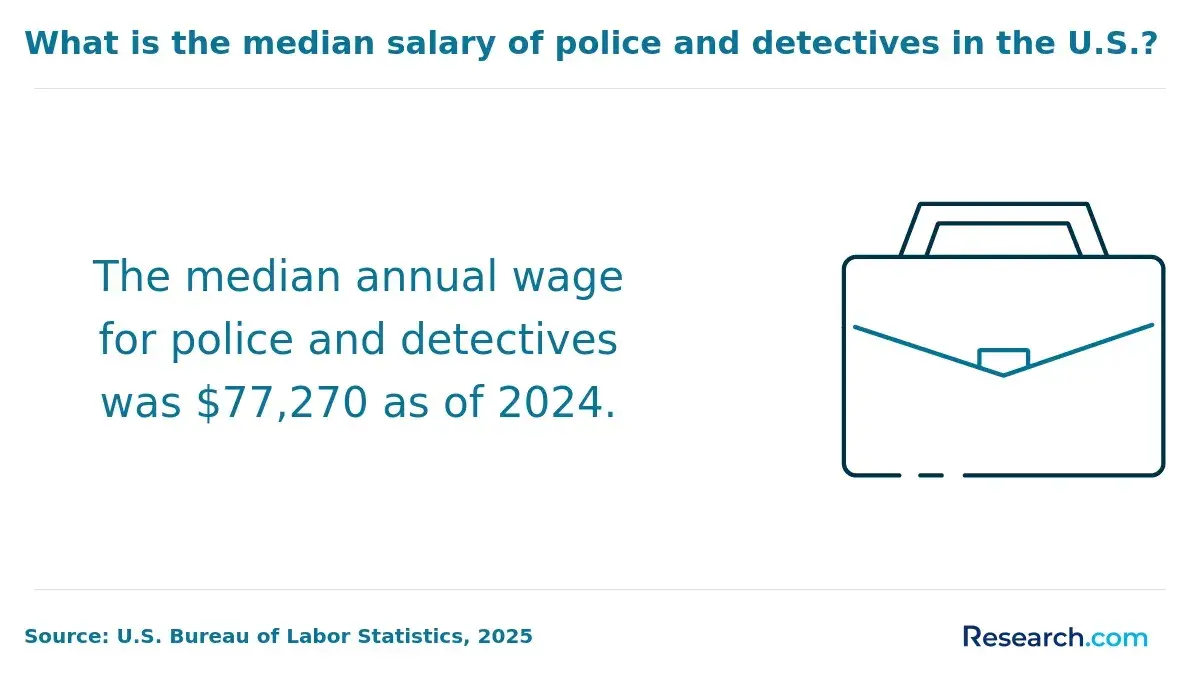
Police officer salary in Michigan varies widely depending on factors such as geographic location, years of service, level of education, and rank within a department. Urban and affluent suburban areas tend to offer higher pay, while advanced education or specialized training can further boost earnings across a career. These aspects make the average police officer salary in Michigan a dynamic figure rather than a fixed value.
- Entry-Level Police Officers: Salaries usually start between $29,250 and $33,111 annually statewide, but can reach over $63,596 in select departments like West Bloomfield Township, influenced by community size and department policies.
- Mid-Career Police Officers: Officers with experience or lateral hires often earn between $43,590 and $79,043, with an average pay around $67,474 per year, showing how accumulated expertise and location can impact income.
- Senior Police Officers: Veterans and those with specialized assignments can earn up to $92,803 or more, particularly in larger cities or through rank promotion. Top earners frequently exceed $84,500, reflecting both experience and additional duties.
Looking ahead, officers with higher education credentials, such as an forensic science degree, or advanced certifications may find increasing opportunities for salary growth as departments value specialized skills more. This trend points toward a future where education plays an even greater role in shaping the police officer pay range in Michigan, along with traditional factors like years of experience and departmental rank.
Understanding these salary dynamics is essential for those considering law enforcement careers in the state and helps clarify how investment in education and training can pay off over time.
What education trends are affecting law enforcement careers in Michigan?
Evolving education expectations are significantly reshaping the pathways to law enforcement careers in Michigan, aligning with national trends that prioritize professionalism and specialized expertise. Modern policing increasingly demands officers equipped with advanced knowledge to navigate complex social, technological, and legal challenges.
- Growing Preference for College Degrees: Most Michigan police departments require at least an associate degree before academy admission, aiming to enhance critical thinking and communication skills among recruits.
- Specialized Majors Increasingly Valued: Degrees in criminal justice, psychology, and cybersecurity are favored, reflecting the expanding scope of law enforcement roles from community interaction to digital crime prevention.
- Continuing Education and Advanced Training: Ongoing professional development, including certifications in investigative methods and mental health crisis response, is emphasized to maintain adaptability.
- Ethics and Diversity Integration: Courses on cultural sensitivity, ethics, and anti-bias training are now standard, supporting stronger community trust.
Remaining informed about these trends is crucial for Michigan’s aspiring and current officers, as education requirements directly influence hiring competitiveness and career growth. Adapting to evolving educational standards ensures officers are better prepared for future challenges, enhancing overall law enforcement effectiveness.
Can police officers leverage their experience for alternative legal careers in Michigan?
Some Michigan police officers transition into specialized legal or civilian public service roles as part of their career evolution. Their operational expertise and thorough understanding of law enforcement procedures provide a strong foundation for roles that require detailed knowledge of legal frameworks. This pathway allows seasoned officers to apply their investigative skills and critical decision-making in settings where legal support or administrative oversight is essential. For individuals exploring such transitions, understanding how their background can complement further specialized training is key. Discover more from our article on how to become a paralegal in Michigan to expand your career options.
What Do Police Officers in Michigan Say About Their Career
Completing my training at the Great Lakes Police Academy really set the foundation for my law enforcement career here in Michigan. The hands-on experience, coupled with the dedicated instructors, gave me the confidence to serve my community effectively. Starting as a school resource officer opened my eyes to the unique challenges students face and the critical role we play in their safety and well-being. I’ve grown so much personally, knowing that every day I’m making a tangible difference in young people’s lives. It’s a rewarding job that constantly pushes me to improve and adapt. Tyrone
My time at the Michigan Public Safety Institute truly prepared me for the complexities of policing in our diverse urban and rural communities. Beginning my career as an officer in a local school environment humbled me; it showed me the importance of patience, active listening, and building trust with younger generations. The opportunity to engage directly with students and staff instilled a deep passion for preventative work and community partnership. Michigan’s unique challenges, from harsh winters to vast geographic areas, keep me sharp and motivated every day. Professionally, the potential for advancement encourages me to continue developing my skills and leadership capabilities. Leila
Graduating from the Detroit Regional Police Academy was a proud milestone, and starting my policing journey in a school setting gave me a perspective I hadn’t anticipated. The role requires both firmness and empathy, striking a balance that helps create a safer learning atmosphere. Michigan’s rich cultural heritage and natural environment add layers of complexity and opportunity to law enforcement work here, making every day unique and challenging. This career pushed me to grow professionally and personally, enhancing my problem-solving skills and adaptability. Most importantly, I feel honored to contribute positively to shaping the community’s future through support and service. Diego
Related Articles for Nearby States
- 2027 How to Become a Police Officer: Education Requirements in Ohio
- 2027 How to Become a Police Officer: Education Requirements in Indiana
- 2027 How to Become a Police Officer: Education Requirements in Wisconsin
- 2027 How to Become a Police Officer: Education Requirements in Illinois
- 2027 How to Become a Police Officer: Education Requirements in Minnesota
- 2027 How to Become a Police Officer: Education Requirements in Pennsylvania
- 2027 How to Become a Police Officer: Education Requirements in Kentucky
- 2027 How to Become a Police Officer: Education Requirements in West Virginia
- 2027 How to Become a Police Officer: Education Requirements in Iowa
- 2027 How to Become a Police Officer: Education Requirements in Missouri
References:
- Sergeant Pay https://www.michigan.gov/mspjobs/become-a-trooper/competitive-pay-at-ranks
- Police officer salary in Michigan ‐ CareerExplorer https://www.careerexplorer.com/careers/police-officer/salary/michigan/
- police officer Salary in michigan — Average Salary https://www.talent.com/salary
- ‘Continuing the trend … toward officer wellness’: Mich. PD launches emotional intelligence training https://www.police1.com/police-training/continuing-the-trend-toward-officer-wellness-mich-pd-launches-emotional-intelligence-training
- Tough job, fewer applicants: Michigan struggles to hire police, survey finds - Bridge Michigan https://bridgemi.com/michigan-government/tough-job-fewer-applicants-michigan-struggles-hire-police-survey-finds/
- Michigan School Safety Standards - CENTEGIX https://www.centegix.com/state-school-safety-standards/michigan/
- Police Academy Advanced Courses | Oakland County, MI | Oakland Community College https://www.oaklandcc.edu/emergency-services-training/police/police-academy-courses/
- Police Academy Certificate | Grand Rapids Community College https://www.grcc.edu/programs/police-academy-certificate
- Police Academy - Macomb Community College https://www.macomb.edu/programs-courses/programs/police-academy.html
Other Things You Should Know About Becoming a Police Officer in Michigan
Candidates must pass the Michigan Commission on Law Enforcement Standards' physical fitness test, which includes a one-mile run, sit-ups, and push-ups. These assessments ensure that applicants can meet the physical demands of police work effectively.
In Michigan, to qualify as a police officer in 2027, applicants must be at least 18 years old. While there isn't a specified maximum age limit, each department may have its preferences or additional requirements for older applicants, following state and federal guidelines.


