2027 How to Become a Police Officer: Education Requirements in Minnesota

Co-Founder and Chief Data Scientist
Becoming a police officer in Minnesota requires meeting specific education standards designed to ensure qualified candidates enter the force. Minnesota reports that the employment of police officers is projected to grow 5% through 2030, reflecting steady demand. This growth, combined with competitive salaries and strong community ties, makes pursuing a law enforcement career in the state rewarding.
Understanding the education requirements is essential for anyone considering this path. This article, crafted by career planning experts, outlines the necessary academic criteria and training programs. It provides practical, step-by-step guidance to help prospective officers navigate the qualification process successfully.
Key Things to Know About Becoming a Police Officer in Minnesota
- A high school diploma or GED is the minimum educational requirement to apply for police academies in Minnesota.
- Many departments prefer or require some college coursework, typically 30 to 60 credit hours, to enhance candidates' competitiveness and skills.
- Completion of a certified police academy program is mandatory, followed by ongoing training to maintain licensure and stay updated on law enforcement practices.
- What is the minimum education requirement to become a police officer in Minnesota?
- Which majors are most recommended for aspiring police officers in Minnesota?
- What subjects are taught in Minnesota police academy?
- Can military service replace education requirements for police officers in Minnesota?
- How much does it cost to get a police officer education in Minnesota?
- Are scholarships available for aspiring police officers in Minnesota?
- Is transitioning to a paralegal role a viable option for career advancement in Minnesota?
- What certifications benefit a police officer's career development in Minnesota?
- What roles can you get as a police officer in Minnesota?
- What is the average salary of police officers in Minnesota?
- What education trends are affecting law enforcement careers in Minnesota?
What is the minimum education requirement to become a police officer in Minnesota?
Education is a key foundation for law enforcement professionals, ensuring they have the knowledge and skills to serve their communities effectively. Requirements for police officers often differ across states, reflecting local priorities and standards for public safety. In Minnesota, candidates must meet specific educational benchmarks to pursue a career in policing. These requirements emphasize both basic academic achievement and targeted law enforcement preparation to maintain high professional standards.
- High School Diploma or GED: Every applicant must have at least a high school diploma or General Education Development certificate to be eligible for police officer positions in Minnesota.
- Completion of Professional Peace Officer Education (PPOE): Candidates are required to complete the PPOE program at a regionally accredited college or university, which fulfills the minimum education required for a police officer in Minnesota through structured coursework.
- POST Board Licensing Examination: After educational prerequisites, candidates must pass the Minnesota Peace Officer Standards and Training (POST) Board exam to demonstrate their readiness for state licensure as peace officers.
This framework reflects the Minnesota police officer associate degree requirement in practice, focusing on formalized education before entering the force. Candidates interested in understanding the broader context of career opportunities and compensation in this field may find value in resources like what can you do with a forensic science degree to inform their long-term planning.
Which majors are most recommended for aspiring police officers in Minnesota?
Choosing the right college major strengthens your qualifications and helps you stand out in Minnesota’s competitive law enforcement hiring process. It also lays the foundation for career growth and specialized roles. Focusing on fields that align with police work enhances your readiness for training and practical challenges.
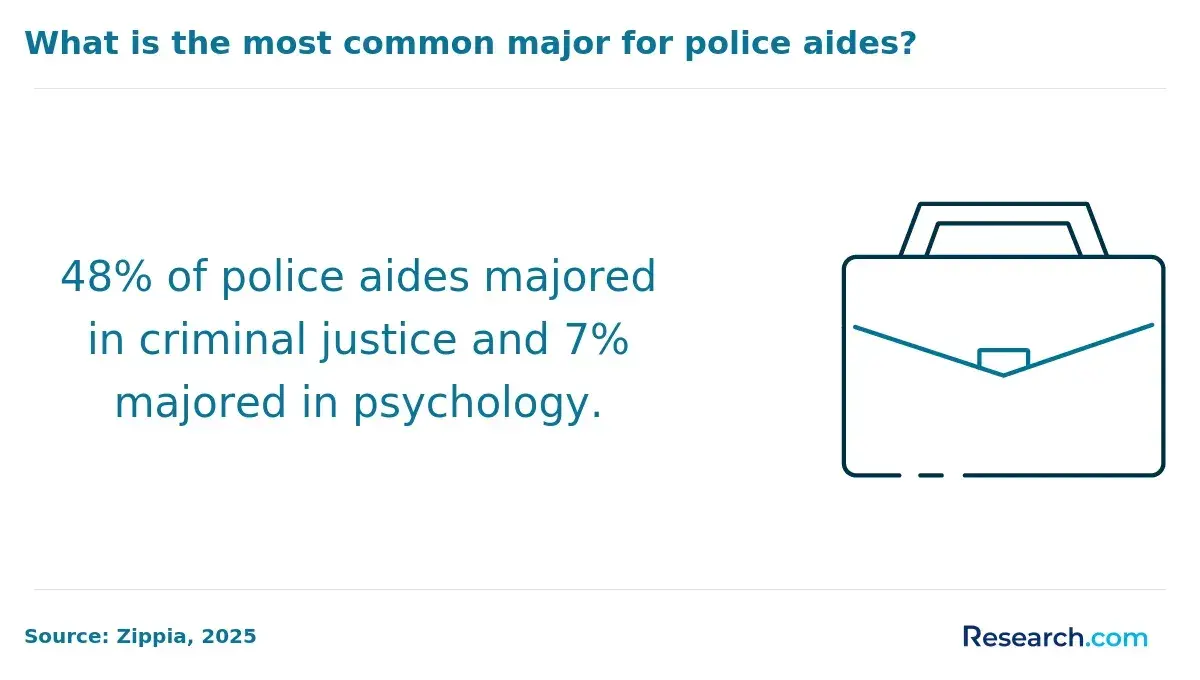
- Criminal Justice: Many consider this the best law enforcement degree program in Minnesota. This major covers key areas such as criminal law, policing techniques, and procedures crucial for Peace Officer Standards and Training (POST) certification. It directly prepares candidates for the practical and legal aspects of police work.
- Criminology: Emphasizing the causes and prevention of crime, criminology sharpens analytical skills and investigative thinking. Minnesota departments appreciate this major as it develops expertise useful for policy-making and complex investigations. For more insight, see how to become a criminologist.
- Psychology: Officers often interact with individuals facing mental health crises, making psychology valuable. This major teaches communication, crisis intervention, and empathy, which are important for community policing and de-escalation techniques.
- Sociology: Understanding social structures and community dynamics helps officers address diverse populations. Knowledge about social issues, equity, and inclusion supports community trust and public safety initiatives.
- Political Science: This major gives insight into government systems and public policy, benefiting those interested in administrative or liaison roles within law enforcement. It also equips candidates with an understanding of the legislative environment impacting public safety.
- Law (Pre-Law/Legal Studies): While not a replacement for a law degree, this major enhances knowledge of constitutional rights and legal ethics. It prepares candidates for investigative roles where legal expertise is essential.
- Public Administration: Focused on management and organizational skills, this major is useful for advancement into supervisory and administrative positions. It responds to the growing demand for leadership and data-driven decision-making in police work.
What subjects are taught in Minnesota police academy?
Police academy training in Minnesota equips recruits with the essential skills, knowledge, and judgment required for effective law enforcement. The program combines academic study with practical training to prepare officers for the diverse challenges they will face on the job.
- Criminal Law and Minnesota Statutes: This subject ensures recruits understand state laws, constitutional rights, and criminal procedures. Mastery of these areas is critical for conducting lawful arrests, investigations, and interactions with the public.
- Firearms Training and Officer Survival Tactics: Recruits develop firearm safety, accuracy, and decision-making skills necessary for high-pressure situations. Proficiency in these areas helps protect both the officer and the community.
- Defensive Tactics and Use of Force Management: Focused on self-defense and control techniques, this training teaches officers how to manage confrontations safely while minimizing harm. It reflects Minnesota’s commitment to fair and evidence-based policing.
- Emergency Vehicle Operations: Officers practice safe and controlled driving under various conditions, which is vital for responding to emergencies quickly without risking public safety.
- Ethics and Professional Conduct: Courses emphasize integrity, impartiality, and accountability, laying the foundation for public trust and responsible policing.
- Community Policing and Cultural Competency: Recruits learn how to engage diverse communities effectively, address inequities, and build positive relationships critical for community safety.
- Mental Health and Crisis Intervention: Training equips officers to recognize and respond appropriately to mental health crises, reducing escalation and promoting support.
- Physical Fitness: Rigorous physical standards ensure officers are prepared for the job’s demands, maintaining readiness for challenging situations.
- Report Writing and Technical Communication: Effective written communication skills are taught to ensure accurate documentation, essential for investigations and legal proceedings.
Can military service replace education requirements for police officers in Minnesota?
In Minnesota, military service can partially substitute for traditional education requirements when applying to become a police officer, but the criteria are quite specific. The Minnesota Peace Officer Standards and Training (POST) Board typically requires candidates to hold at least an associate’s degree from a regionally accredited institution and complete POST-certified professional peace officer education. However, veterans with a minimum of four years in a military law enforcement occupational specialty—such as Military Police (31B), Criminal Investigation (31D), or an equivalent role—may be eligible to bypass the usual college degree requirement. Candidates must present thorough documentation of their military service in these law enforcement fields and pass the same licensing exam as all other applicants. Military experience outside these specialties generally does not meet Minnesota’s education standards, and an honorable discharge is required for eligibility in this reciprocity pathway.
The military backgrounds most valued by Minnesota police departments are those involving direct tactical, investigative, or leadership roles closely aligned with civilian policing duties. For veterans with at least two years of relevant military law enforcement experience combined with a regionally accredited degree, eligibility also exists but still requires completion of all testing. Prospective officers should carefully review POST Board guidelines and gather all necessary paperwork before applying, ensuring their military service aligns with the state’s rules. This approach balances respect for military training with the state’s commitment to academic and professional standards in law enforcement.
A Minnesota police officer who completed his training at a well-regarded local academy shared that while his military policing experience didn’t fully replace the educational requirements, it did streamline parts of the process. “The POST Board recognized my years as military police, which spared me from some coursework, but I still had to finish the academy and pass the licensing exam like everyone else,” he said. He described the experience as both challenging and rewarding, noting how his military background provided valuable skills but didn’t exempt him from the rigorous state standards. “It was a balance—your military time counts, but Minnesota expects you to meet their professional education requirements too,” he reflected, emphasizing the importance of preparation and clear documentation for veterans pursuing this path.
How much does it cost to get a police officer education in Minnesota?
The police officer education cost in Minnesota varies based on whether a candidate enrolls in a community college program, a university degree, or a dedicated police academy. Each educational path comes with distinct tuition fees and additional expenses that should be carefully planned by prospective students aiming to enter law enforcement.
- Community College Tuition: Law enforcement associate degrees typically cost between $210 and $284 per credit, totaling roughly $12,600 to $17,000 for a 60-credit program.
- University Tuition: Transferring to a four-year college can push costs higher, with Minnesota State universities charging $8,000 to $12,000 annually, resulting in $32,000 to $48,000 for a bachelor’s degree.
- Police Skills/Academy Fees: Specialized police academy or skills programs run about $3,400 to $4,500 per session, covering required course fees for licensure preparation.
- Uniforms and Equipment: Students should budget $300 to $600 for mandatory uniforms and basic policing equipment.
- Course and Lab Fees: Additional fees for firearms training or defensive tactics typically add $500 to $650 to the total cost.
- Books and Study Materials: Educational resources usually cost from $0 up to $250, depending on the program requirements.
- Testing and Licensure Costs: The Minnesota POST Board exam and application fees are approximately $100 to $150.
- Miscellaneous Expenses: Budget an extra $100 to $300 for parking, transportation, and other incidental costs during the program.
Planning education expenses accurately is essential when considering Minnesota law enforcement degree tuition fees. For more insights about the financial prospects in this field, you may explore law enforcement jobs best pay to understand potential earnings after completing your training.
Are scholarships available for aspiring police officers in Minnesota?
Scholarships and financial aid can significantly reduce the cost of education and training for those pursuing law enforcement careers in Minnesota. These funding opportunities help ease the financial strain, making police training more accessible and encouraging more individuals to join the force. Understanding the types of scholarships available will help you strategically plan your educational pathway.
- State-Funded “Last Dollar” Scholarships: These cover remaining tuition and fees after other financial aid has been applied, mainly benefiting current peace officers, their children, and dependents of officers disabled in the line of duty. They are designed to address workforce shortages by supporting candidates already connected to law enforcement communities.
- Criminal Justice and Public Service Scholarships: Offered by organizations such as the Golden Valley Crime Prevention Fund, these scholarships typically require proof of community service or leadership. They help cover tuition costs for students studying criminal justice or related fields and are open to Minnesota residents committed to public safety careers.
- Law Enforcement Association Awards: Groups like the Minnesota Association of Women Police provide scholarships targeting specific demographics, such as women completing approved law enforcement degrees. These awards focus on financial need, academic achievement, and dedication to a law enforcement career, promoting diversity in the police force.
- Community College and University-Based Financial Aid: Many colleges in Minnesota, especially public institutions, offer scholarships tailored to law enforcement or criminal justice majors. These range from general academic scholarships to specialized awards supporting students in public safety programs, easing tuition costs for two- and four-year degree seekers.
- Local Community and Foundation Grants: Various local governments and foundations provide scholarships prioritizing applicants from underrepresented backgrounds or those with strong ties to the community. These grants emphasize fostering local recruitment and building police departments reflective of the populations they serve.
A police officer from Minnesota shared her experience navigating scholarships during her education at a local academy. She recalled the uncertainty of affording tuition while balancing part-time work and family responsibilities. “Finding the MAWP Memorial Scholarship was a turning point,” she said, explaining how it eased her financial worries and allowed her to focus on her studies. She also utilized a community foundation grant that valued her commitment to serving neighborhoods similar to her own. “Without those scholarships, I might have had to delay or even put aside my goal of joining the force,” she reflected. Her journey underscores how targeted financial aid programs not only alleviate economic challenges but also create motivation and community support for aspiring officers in Minnesota.
Is transitioning to a paralegal role a viable option for career advancement in Minnesota?
Experienced law enforcement professionals can leverage their investigative expertise and familiarity with legal procedures to excel in alternative legal support roles. Transitioning to a paralegal career offers the opportunity to apply analytical skills, attention to detail, and a strong understanding of judicial processes in a different yet related field. This pathway provides a distinct career progression that broadens professional prospects and diversifies skill sets. For guidance on entering this field, see our guide on how to become a paralegal in Minnesota.
What certifications benefit a police officer's career development in Minnesota?
Earning specialized certifications enhances a police officer’s skills and improves job performance, while also opening up advancement opportunities within Minnesota law enforcement. Officers who pursue these credentials demonstrate expertise in critical areas, aligning with the Minnesota POST Board certification requirements that set statewide proficiency standards. Fulfilling these expectations positions officers to take on more complex duties and leadership roles through advanced law enforcement training in Minnesota.
- Firearms Training Certification: This certification covers advanced firearm safety, marksmanship, use-of-force laws, and tactical scenarios. It ensures officers meet Minnesota POST Board standards, contributing directly to public safety and officer preparedness in high-risk situations.
- Emergency Medical Response Certification: Focused on CPR, basic first aid, and trauma care, this credential enables officers to provide critical help during medical emergencies. Departments prioritize this training to enhance community safety and increase response effectiveness.
- Criminal Investigations Certification: Officers learn evidence collection, interviewing, and investigative procedures. This certification prepares them for detective roles or specialized units, increasing case clearance rates and investigative quality.
- Cybercrime Investigation Certification: Dedicated to handling digital evidence and addressing internet-based crimes, this certification is vital for tackling growing cyber threats in Minnesota’s communities.
- Crisis Intervention Training (CIT): This course teaches de-escalation methods and mental health awareness, helping officers manage crisis situations with vulnerable populations while reducing use-of-force incidents.
- Leadership or Supervisory Training Certification: Covering personnel management and ethical decision-making, it prepares officers for promotions to supervisory roles, fostering effective leadership within departments.
Officers holding these specialized certifications are well-positioned for higher responsibilities and roles often associated with jobs available with a criminal justice degree. This strategic approach to education and certification ensures career growth that aligns with the evolving needs of Minnesota law enforcement agencies.
What roles can you get as a police officer in Minnesota?
Law enforcement careers in Minnesota extend beyond standard patrol duties, offering officers a variety of specialized roles that match their skills and interests. As officers gain experience and training, they can transition into positions that enhance public safety in targeted ways.
- Patrol Officer: Enforces laws and responds to emergencies by patrolling assigned areas. Requires comprehensive academy training and field experience to maintain public order.
- Detective/Investigator: Conducts in-depth investigations, gathers evidence, and prepares cases for prosecution. This role needs several years of patrol experience and specialized investigative training.
- K-9 Unit Officer: Works with police dogs to search for drugs or suspects, requiring special training with canine partners to improve detection and tracking efforts.
- SWAT Team Member: Handles high-risk incidents like armed standoffs, demanding advanced tactical training and physical fitness to manage critical emergencies.
- Community Outreach Officer: Builds relationships with the public to foster trust and crime prevention, using communication and cultural competency training.
- Traffic Enforcement Officer: Enforces traffic laws, investigates crashes, and promotes road safety through additional training in accident investigation.
- Training Instructor: Develops programs for recruits and officers, requiring instructor certification and expertise to maintain high departmental standards.
What is the average salary of police officers in Minnesota?
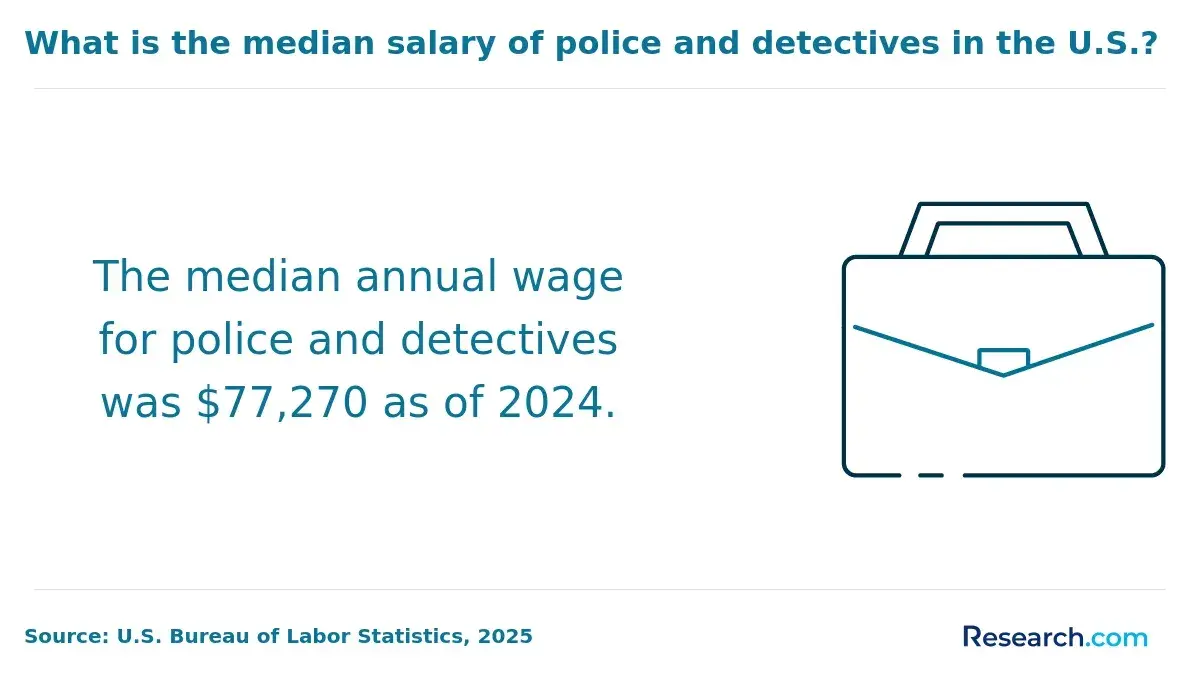
Police officer salaries in Minnesota vary significantly based on location, years of service, education level, and rank. Officers in metropolitan areas and those with advanced education or specialized roles typically earn higher wages. Understanding the average police officer salary in Minnesota can help plan your career path and set realistic expectations.
- Entry-Level Police Officers: Starting salaries generally range from $67,703 to $75,900 per year. Salaries tend to be higher in larger cities and for officers who hold a bachelor’s degree or relevant experience.
- Mid-Career Police Officers: Officers with several years of experience often earn between $86,986 and $93,643 annually, with some mid-sized areas like Maple Grove offering averages around $97,311. Overtime and special assignments can increase total compensation.
- Senior Police Officers: Experienced officers or those holding advanced ranks or specialized roles can make from $103,880 to $120,804 or more yearly, especially in urban departments. Education and additional training help boost earning potential.
Higher education is a common factor in salary variation, which is why many officers pursue degrees beyond high school. Whether aiming for a traditional law enforcement career or specialized areas such as forensic analysis, exploring related fields like a forensic psychology degree jobs can broaden your opportunities and potentially increase your salary within Minnesota law enforcement salary range.
What education trends are affecting law enforcement careers in Minnesota?
Evolving education expectations are reshaping law enforcement careers in Minnesota, driving a move toward higher academic standards and specialized skills. These developments reflect state mandates and the profession’s growing complexity, requiring candidates to prepare more thoroughly than ever before.
- Minimum Two-Year Degree Requirement: Minnesota mandates a two-year college degree for entry-level officers, a standard upheld for over three decades that has significantly elevated the baseline education of its police workforce.
- Preference for Bachelor’s Degrees: While not mandatory, many agencies favor candidates with four-year degrees, especially for specialized or leadership roles, aligning with nationwide hiring trends.
- Specialized Majors Matter: Degrees in criminal justice, psychology, and cybersecurity are increasingly valued for addressing evolving challenges like mental health crises and technology-related crimes.
- Continuing Education Mandates: Licensed officers are required to complete 48 hours of continuing education every three years, focusing on crisis intervention, bias crime awareness, and officer wellness.
- Integrated Physical and Psychological Readiness: Training includes both fitness and psychological screening to ensure officers meet the physical and emotional demands of modern policing.
Staying informed about these education trends is crucial for anyone pursuing or maintaining a law enforcement career in Minnesota. The combination of ongoing learning, specialized knowledge, and rigorous readiness ensures officers remain effective and responsive to community needs in an increasingly complex environment.
What Do Police Officers in Minnesota Say About Their Career
- Completing the program at the Hennepin Technical College Police Academy really set a strong foundation for my career. The hands-on training prepared me well for the complexities of serving a diverse community like Minnesota’s, and afterwards, starting my career as a school resource officer gave me a unique chance to connect with young people and make a positive impact early in their lives. There’s a real sense of fulfillment knowing that your work contributes to creating safer educational environments and supporting students’ well-being. Minnesota’s commitment to community policing and resources makes this career path both rewarding and stable. Tyler
- Reflecting on my journey through the University of Minnesota’s Law Enforcement program, I recognize how much personal growth has come from this career. Working as a police officer in a local school setting challenged me to approach situations with empathy and creativity, especially in a state where the cold winters and rural areas create unique challenges. The academic program was rigorous and helped me develop strong professional skills that continue to open doors for advancement. I take pride in contributing to a safer, more supportive atmosphere for students and staff, and that balance of challenge and opportunity keeps me motivated every day. Dex
- Training at the Saint Paul College Criminal Justice program was an eye-opener, offering a deep dive into Minnesota’s culture and law enforcement needs. Starting my work in a local school gave me a chance to witness firsthand the importance of community engagement and proactive safety measures. The experience taught me that this profession is not only about enforcement but also about mentorship and leadership in diverse neighborhoods. The professional development opportunities available here are vast, encouraging officers to continually refine their skills and pursue new specialties. Joey
Related Articles for Nearby States
- 2027 How to Become a Police Officer: Education Requirements in Wisconsin
- 2027 How to Become a Police Officer: Education Requirements in Iowa
- 2027 How to Become a Police Officer: Education Requirements in North Dakota
- 2027 How to Become a Police Officer: Education Requirements in South Dakota
- 2027 How to Become a Police Officer: Education Requirements in Nebraska
- 2027 How to Become a Police Officer: Education Requirements in Illinois
- 2027 How to Become a Police Officer: Education Requirements in Missouri
- 2027 How to Become a Police Officer: Education Requirements in Michigan
- 2027 How to Become a Police Officer: Education Requirements in Kansas
- 2027 How to Become a Police Officer: Education Requirements in Indiana
References:
- General Information / POST https://mn.gov/post/applicants/generalinformation/
- Law Enforcement | Hennepin Technical College https://hennepintech.edu/academic-programs/emergency-public-service/law-enforcement.html
- Peace Officer https://www.mnwest.edu/academics/all-programs/peace-officer.php
- Police Training & Education Career Transition https://www.alextech.edu/programs/police-career-transition
- PATROL—Peace officer Accredited TRaining OnLine - League of Minnesota Cities https://www.lmc.org/resources/patrol/
- Minnesota Peace Officer Certificate | Criminal Justice | Bemidji State University https://www.bemidjistate.edu/academics/criminal-justice/courses-and-programs/minnesota-peace-officer-certificate/
- Minneapolis Police Academy https://www.minneapolismn.gov/government/jobs/police-jobs/minneapolis-police-academy/
- Peace Officer Education - Minnesota North College https://minnesotanorth.edu/programs/peace-officer-education/
- How Does the Police Academy Work? A Minnesotan's Guide | Rasmussen University https://www.rasmussen.edu/degrees/justice-studies/blog/how-does-the-police-academy-work/
Other Things You Should Know About Becoming a Police Officer in Minnesota
In 2027, Minnesota recognizes online degrees for certain educational requirements to become a police officer, as long as they come from accredited institutions. Candidates should verify that the online program aligns with Minnesota Peace Officer Standards and Training (POST) Board guidelines.
In Minnesota, aspiring police officers must enroll in and complete a Professional Peace Officer Education (PPOE) program offered by a POST Board-approved institution. After completing this, candidates must pass the POST Board exam to qualify for employment in a Minnesota police department.
In 2027, some Minnesota police departments offer tuition reimbursement programs for officers pursuing further education. Additionally, certain departments provide scholarships or partner with educational institutions to help cover training expenses, though this varies by department.