2027 How to Become a Police Officer: Education Requirements in New Hampshire

Co-Founder and Chief Data Scientist
The path to becoming a police officer in New Hampshire offers both challenge and reward. With a low unemployment rate of 2.1%, the state presents stable career prospects in law enforcement. Police officers serve vital roles protecting communities in diverse settings, from small towns to bustling cities. Exploring the education requirements reveals the foundation needed for success, blending training with academic credentials.
This article, crafted by career planning specialists, unpacks those exact educational steps. It will guide prospective officers through the necessary qualifications and certifications, helping solve the common questions surrounding entry into New Hampshire’s police forces.
Key Things to Know About Becoming a Police Officer in New Hampshire
- A high school diploma or GED is the basic requirement to enter police academy training in New Hampshire.
- Completing the New Hampshire Police Standards and Training Council (POST) academy is essential; it offers about 360 hours of rigorous instruction covering law, firearms, and emergency response.
- Many agencies prefer or require some college coursework or an associate degree, boosting candidates’ chances in a competitive workforce that’s steadily growing by 5% annually.
- What is the minimum education requirement to become a police officer in New Hampshire?
- Which majors are most recommended for aspiring police officers in New Hampshire?
- What subjects are taught in New Hampshire police academy?
- Can military service replace education requirements for police officers in New Hampshire?
- How much does it cost to get a police officer education in New Hampshire?
- Are scholarships available for aspiring police officers in New Hampshire?
- What certifications benefit a police officer's career development in New Hampshire?
- Can Police Experience Enhance Career Opportunities in Related Fields?
- What roles can you get as a police officer in New Hampshire?
- What is the average salary of police officers in New Hampshire?
- What education trends are affecting law enforcement careers in New Hampshire?
What is the minimum education requirement to become a police officer in New Hampshire?
Education serves as the cornerstone of effective law enforcement, shaping the critical thinking, ethical judgment, and communication skills that officers rely on every day. While the minimum education requirement for police officer in New Hampshire aligns with fundamental academic standards, these prerequisites can vary widely from state to state, reflecting differing philosophies and local needs within policing. Here are the essential qualifications:
- High School Diploma: Every candidate must have a high school diploma from an accredited institution, ensuring foundational knowledge and readiness for the challenges within law enforcement.
- General Educational Development (GED): Applicants without a traditional diploma can qualify if they possess a GED certificate, recognized as a valid equivalent by New Hampshire police departments and the state’s Police Standards and Training Council.
This educational threshold opens doors for many aspiring officers, emphasizing inclusivity without sacrificing professionalism. Beyond education, agencies also require U.S. citizenship, age minimums, and successful completion of physical and background screenings. For those curious about the broader scope of law enforcement roles or related fields, exploring a forensic psychologist job description may offer fascinating insights into the diverse world of criminal justice careers.
Which majors are most recommended for aspiring police officers in New Hampshire?
Choosing the right college major can be a game-changer for anyone pursuing a career in law enforcement in New Hampshire. Not only does it build a strong foundation of knowledge, but it also opens doors to better salary prospects and advancement opportunities. Exploring the best majors for police officers in New Hampshire is an exciting step toward standing out in this dynamic field.
- Criminal Justice: This major offers a thorough understanding of the legal system and law enforcement methods. Degree programs often include concentrations in areas like police administration and crime analysis, equipping students with skills highly valued in many police departments.
- Criminology: Focused on the causes and patterns of crime, criminology helps students grasp the social factors behind criminal behavior. This insight supports smarter, more effective policing strategies within local communities.
- Psychology: Studying psychology builds crucial skills in negotiation and mental health awareness, vital for officers managing crisis situations. Those intrigued by this field might also explore specialized pathways like forensic psychology degree programs to deepen their understanding.
- Sociology: Understanding societal structures and cultural dynamics prepares officers to work effectively with diverse populations, addressing social issues that impact public safety.
- Political Science: This major sheds light on government operations and public policy, which is especially useful for officers interested in leadership or policy development roles.
- Law: While not mandatory, studying law at the undergraduate level enriches knowledge of constitutional rights and legal procedures, a considerable asset for upholding justice.
- Public Administration: Training in management, budgeting, and ethics prepares candidates for supervisory roles and helps navigate the complexities of police department operations.
What subjects are taught in New Hampshire police academy?
The New Hampshire Police Academy offers an immersive training experience that sharpens recruits' essential skills, knowledge, and judgment for policing with integrity and effectiveness. This rigorous, focused program prepares future officers to face the multifaceted challenges of law enforcement with confidence and professionalism.
- Criminal Law: This foundational subject covers state and federal laws, including statutes and procedures essential for lawful investigations and arrests. Understanding these legal frameworks ensures officers respect constitutional rights while enforcing the law.
- Firearms Training: Recruits engage in intensive instruction on safe firearm use, from handguns to rifles, prioritizing accuracy and legal standards. Mastery here is crucial not only for personal safety but also for responsible, ethical decision-making during high-stakes encounters.
- Defensive Tactics: Focused on unarmed self-defense and control techniques, this training teaches how to minimize harm and de-escalate conflicts effectively. It empowers officers to protect themselves and others while applying appropriate force.
- Emergency Vehicle Operations: Handling police vehicles safely in emergencies is vital for rapid, secure responses. This subject hones skills that reduce risks during high-pressure driving situations.
- Ethics and Professional Conduct: Officers learn to uphold integrity, impartiality, and professionalism, essential qualities for building public trust and navigating complex moral dilemmas on the job.
- Community Policing: This approach trains recruits to foster strong community relationships through collaboration and problem-solving. It supports long-term safety by addressing root causes of crime and enhancing cooperation.
Can military service replace education requirements for police officers in New Hampshire?
In New Hampshire, the statewide standard for becoming a police officer requires only a high school diploma or GED, with no formal mandate for college coursework. Because higher education is not a baseline prerequisite, military service does not officially replace education requirements at the state level. However, the value of military experience is recognized more explicitly at the local level in some departments. For instance, certain agencies, such as the Concord Police Department, offer clear pathways where four years of active-duty military service with an honorable discharge can stand in place of 60 college credits or equivalent professional police experience. Departments tend to prioritize military backgrounds that demonstrate leadership, military police roles, or honorable discharge status, reflecting skills and discipline relevant to law enforcement duties.
These localized policies mean that applicants with military experience should carefully investigate specific agency requirements, as acceptance of service as a substitute for formal education varies across New Hampshire. The emphasis on active-duty service, especially with leadership experience, often provides a meaningful edge during the hiring process. This flexible approach appreciates the real-world training and commitment veterans bring, potentially accelerating their transition into policing roles without mandating traditional collegiate degrees.
Asked about his own journey, a police officer from New Hampshire shared candid reflections on how his military background influenced his entry into law enforcement. Having graduated from a local police academy, he recalled the initial uncertainty about whether his four years in the military would be seen as equivalent to college credits. “It wasn’t just a checkbox,” he explained, “but when the department reviewed my service records—especially the leadership positions I held—it clearly added weight to my application.” He described the process as a mix of proving his readiness through training and demonstrating how his military discipline directly applied to police work. “Looking back, my experience didn’t just help meet requirements; it shaped how I approached the academy and on-the-job challenges,” he reflected positively, underscoring the value of military service beyond formal education substitutions.
How much does it cost to get a police officer education in New Hampshire?
Education and training costs to become a police officer in New Hampshire vary widely based on the path chosen—whether pursuing a college degree, attending a community college program, or paying tuition for the police academy directly. Each option carries distinct expenses, from tuition fees to specialized gear and testing. Knowing these typical costs can help you prepare financially for your journey into law enforcement.
- Community College Tuition: Community colleges typically charge $200 to $250 per credit hour, with associate degree programs costing between $12,000 and $16,000 for in-state students pursuing criminal justice or law enforcement tracks.
- University Tuition: Four-year universities, like Southern New Hampshire University, charge about $342 per credit hour, making a full bachelor’s degree approximately $41,000, which may increase for out-of-state or private institutions.
- Police Academy Fees: The New Hampshire Police Standards and Training Council Academy costs between $3,000 and $5,000 for non-sponsored candidates, covering basic training but not always additional expenses like uniforms or equipment.
- Uniforms and Equipment: Recruits might need to spend $500 to $1,500 on uniforms, footwear, and essential law enforcement gear if not provided by sponsoring agencies.
- Textbooks and Study Materials: Budget around $200 to $600 annually for books and supplemental materials related to criminal justice courses or police training.
- Application and Testing Fees: Fees typically range from $25 to $75, with extra costs up to $300 for fitness assessments, background checks, and psychological evaluations.
- Medical and Background Screening: Medical exams cost $100 to $400, and background checks add $25 to $50, both of which are mandatory before hiring or admission.
- Specialized Training Camps or Cadet Programs: Pre-academy or cadet programs like the New Hampshire Police Cadet Training Academy vary yearly in eligibility and fees for their brief residential experiences.
For those interested in advancing further within criminal justice, exploring options like a forensic science degree master’s online can open additional pathways beyond traditional policing roles.
Are scholarships available for aspiring police officers in New Hampshire?
Scholarships and financial aid in New Hampshire open doors for aspiring police officers by easing the burden of tuition and training costs. These opportunities provide vital support tailored to those committed to law enforcement, criminal justice, or public service careers, fostering the growth of a skilled and dedicated workforce.
- State and Local Law Enforcement Association Scholarships: Offered by groups like the New Hampshire Police Association, these awards assist students pursuing law enforcement degrees. They usually cover $500–$1,500 in tuition or related expenses, helping future officers focus on their studies without financial strain.
- Sheriffs’ Association Scholarships: Available to family and employees connected to sheriff’s offices, these grants distribute up to $5,000 annually in smaller amounts. The aid typically goes directly to tuition payments, relieving part of the financial pressure on law enforcement families.
- Community-Based or Police Charity Scholarships: Local organizations such as Dover Police Charities support high school seniors entering criminal justice programs. These scholarships reward leadership and community service, encouraging youth to pursue policing as a meaningful career.
- Criminal Justice and Public Service Scholarships: Many colleges in New Hampshire award scholarships to students majoring in related fields based on academics and financial need, covering tuition, fees, and sometimes books. This support prepares students for the academic and ethical challenges of police work.
- National Law Enforcement Organization Scholarships: Groups like the Fraternal Order of Police offer tuition reimbursement and scholarships for members continuing their education after joining the force. These programs promote lifelong learning and career advancement.
- General Financial Aid and Need-Based Grants: State and federal grants, including Pell Grants, are accessible to aspiring officers through FAFSA applications, helping reduce out-of-pocket education expenses at accredited New Hampshire institutions.
When I spoke with a police officer from New Hampshire who graduated from a local academy, she reflected on how these scholarships shaped her path. "The financial support made all the difference," she said, recalling the relief of receiving a law enforcement association scholarship early on. She described the challenge of balancing part-time work with intensive training, emphasizing that without such aid, continuing her studies might have been impossible. Her experience also highlighted the encouragement these awards provide, not just financially but by affirming her commitment to public service. "It felt like the community believed in my potential, and that’s powerful," she shared, underlining the scholarships’ role in building confidence and opportunity for future officers.
What certifications benefit a police officer's career development in New Hampshire?
Specialized certifications play a crucial role in shaping a police officer’s career by deepening skills, enhancing job performance, and unlocking new roles within law enforcement agencies. For officers pursuing a police officer certification in New Hampshire, these credentials act as stepping stones toward greater responsibilities and opportunities in the field. Here are some key certifications that officers often seek out for career development:
- State Law Enforcement Certification: This foundational certification, earned through the New Hampshire Police Standards and Training Council, confirms core knowledge in policing, ethics, and legal standards. Essential for all officers, it builds a strong professional base required to serve effectively across the state.
- Firearms Training Certification: Focused on safety, accuracy, and lawful use of force, this certification is vital for officer readiness in critical situations. Mastery here often leads to roles on specialized units or supervisory positions.
- Emergency Medical Response Certification: Equipping officers with life-saving first aid and emergency care skills, this certification enhances their ability to respond effectively during crises, especially in patrol or community roles.
- Criminal Investigations Certification: This credential deepens expertise in investigative methods, evidence handling, and case management, often qualifying officers for detective assignments and aiding in solving complex crimes.
- Cybercrime and Digital Evidence Certification: With cyber threats on the rise, this certification trains officers in handling digital evidence and combating internet-related offenses, a skill set increasingly prized in modern law enforcement.
- Crisis Intervention and De-escalation Training: This program focuses on managing mental health crises safely and effectively, fostering trust and reducing harm through skilled communication and intervention techniques.
- Leadership and Supervisory Training: Designed for officers aiming at promotion, this training covers organizational management and strategic decision-making, preparing them for managerial responsibilities.
Police officers who explore these law enforcement certificate programs New Hampshire offers stand to gain not only practical expertise but also improved career prospects. Enhancing qualifications can make a significant difference in achieving roles with better pay and greater influence, aligning with aspirations such as those found in high salary criminal justice jobs.
Can Police Experience Enhance Career Opportunities in Related Fields?
A career in law enforcement develops transferable skills such as effective communication, critical decision-making, and situational analysis that are highly valued in various public service sectors. These competencies pave the way for opportunities in roles including emergency management, community outreach, and legal support services. For example, a foundation in policing can facilitate a transition into legal support fields; explore our guide on how to become a paralegal in New Hampshire to assess how your expertise may apply.
What roles can you get as a police officer in New Hampshire?
Law enforcement careers in New Hampshire open doors to a variety of exciting roles beyond traditional patrol duties, allowing officers to explore specializations that match their unique talents and interests. With experience, officers can branch into areas that sharpen their skills and deepen their impact on community safety.
- Patrol Officer: Enforces laws, responds to calls, and patrols neighborhoods, receiving foundational training at the NH Police Standards and Training Council academy.
- Detective: Investigates crimes, gathers evidence, and prepares cases, requiring additional investigative training after patrol experience.
- K-9 Unit Officer: Works with trained police dogs to track suspects and locate contraband, completing specialized training to enhance search effectiveness.
- SWAT Team Member: Handles high-risk operations like hostage rescues, undergoing rigorous tactical and physical training to manage critical incidents.
- Community Outreach Officer: Builds positive public relationships through communication and safety programs, fostering trust between police and residents.
- Traffic Enforcement Officer: Focuses on road safety and accident investigations, trained specifically in traffic laws and accident reconstruction.
- Training Instructor: Educates recruits and veteran officers, maintaining high professional standards through advanced instructor certifications.
What is the average salary of police officers in New Hampshire?
The average police officer salary in New Hampshire can vary widely, shaped by factors like location, years of service, education, and rank. Officers working in more expensive cities or with specialized skills can expect higher pay, reflecting their experience and responsibilities within their departments.
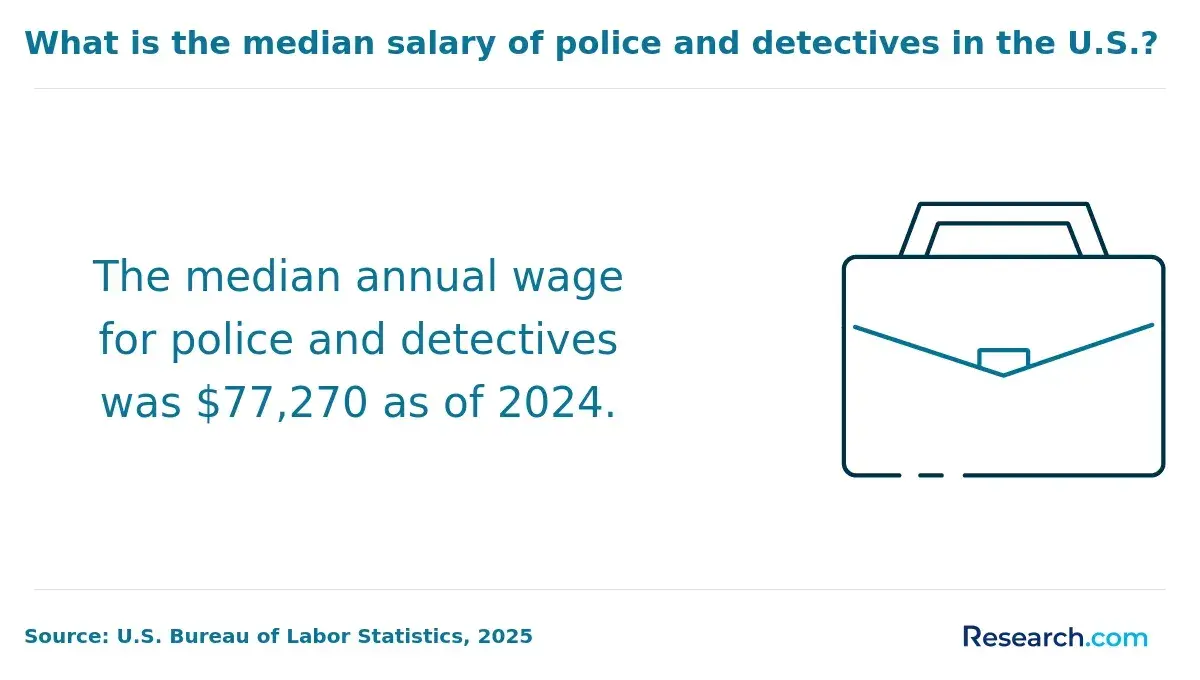
- Entry-Level Police Officers: New officers typically earn between $57,000 and $65,000 annually, with starting salaries around $61,000 to $63,000 in places like Nashua and Londonderry. Pay at this stage often depends on collective bargaining agreements and may include incentives for education or prior experience.
- Mid-Career Police Officers (5–10 years): Those with several years under their belts usually see salaries ranging from $75,000 to $85,000. In cities such as Portsmouth and Londonderry, mid-level officers commonly earn between $75,000 and $82,000 annually.
- Senior Police Officers (10+ years or supervisory roles): Veteran officers or those in supervisory positions can make $85,000 to over $90,000 annually before overtime. Captains in cities like Portsmouth can exceed $120,000, highlighting the reward for advanced rank and experience.
Many departments also offer shift differentials, education incentives, and longevity pay, which boost compensation further. For example, pursuing specialized training in criminology career paths can enhance salary potential. This makes New Hampshire’s police officer pay scale both competitive and rewarding, especially for those committed to advancing through education and service.
What education trends are affecting law enforcement careers in New Hampshire?
The landscape of law enforcement education in New Hampshire is transforming, reflecting broader shifts nationwide toward higher academic and professional standards. Modern policing careers now demand more than a high school diploma, embracing specialized knowledge and ongoing learning to address complex community needs.
- Growing Preference for College Degrees: While a high school diploma or GED remains the minimum, many New Hampshire departments increasingly favor candidates holding associate’s or bachelor’s degrees, especially for specialized roles.
- Impact of Specialized Majors: Degrees in criminal justice, psychology, sociology, and cybersecurity are in demand, as they equip officers with skills vital for modern challenges like mental health crises and cybercrime.
- Continuing Education and Advanced Training: Officers are encouraged to pursue workshops, online courses, and advanced certifications, supported by the New Hampshire Police Standards and Training Council.
- Expansion of Leadership and Specialized Programs: Beyond the basic academy training, programs now focus on crisis intervention and tech-driven investigations to meet evolving public safety needs.
Staying informed on these education trends is crucial for both aspiring and current officers in New Hampshire. By investing in higher education and continuous professional development, law enforcement personnel can better serve their communities and advance in a dynamically changing field.
What Do Police Officers in New Hampshire Say About Their Career
- The rigorous training I completed at the New Hampshire Police Academy truly prepared me for the realities of law enforcement here. The curriculum’s focus on community interaction and state-specific challenges gave me confidence as I stepped into my role. Working closely with local residents has been deeply rewarding, especially in helping maintain the unique balance between rural and urban safety needs. I’m proud to serve a state that values both tradition and progress, which fuels my dedication every day. Terry
- Starting my career as a police officer in a local school opened my eyes to how impactful our work is in shaping young lives. I feel honored to protect students and foster a safe learning environment, which truly matters in community building. The job requires a unique blend of patience, vigilance, and compassion, especially in navigating the challenges faced by youth today. It’s inspiring to be part of a team committed to making a positive difference within New Hampshire’s academic institutions. Rosa
- My journey in law enforcement here has been marked by tremendous professional growth. New Hampshire’s diverse environment—from its forests to its small towns—offers a variety of challenges that have sharpened my skills and judgment. There’s a strong emphasis on ongoing education and leadership development through state-sponsored programs, which has helped me advance steadily. Serving in this community has deepened my appreciation for collaboration and resilience in protecting our citizens. Amy
Related Articles for Nearby States
- 2027 How to Become a Police Officer: Education Requirements in Vermont
- 2027 How to Become a Police Officer: Education Requirements in Massachusetts
- 2027 How to Become a Police Officer: Education Requirements in Maine
- 2027 How to Become a Police Officer: Education Requirements in New York
- 2027 How to Become a Police Officer: Education Requirements in Connecticut
- 2027 How to Become a Police Officer: Education Requirements in Rhode Island
- 2027 How to Become a Police Officer: Education Requirements in New Jersey
- 2027 How to Become a Police Officer: Education Requirements in Pennsylvania
- 2027 How to Become a Police Officer: Education Requirements in Delaware
- 2027 How to Become a Police Officer: Education Requirements in Maryland
References:
- Frequently Asked Questions | New Hampshire Police Standards and Training Council https://www.pstc.nh.gov/faq/index.htm
- New Hampshire Police Standards and Training Council – NHTI Extranet https://lynx.nhti.edu/student-services/student-handbook/new-hampshire-police-standards-and-training-council/
- Training Unit | Londonderry Police Department, NH https://www.londonderrynhpd.gov/168/Training-Unit
- Citizen's Police Academy | Laconia, NH https://www.laconianh.gov/293/Citizens-Police-Academy
- Citizens Police Academy | Litchfield, NH https://www.litchfieldnh.gov/298/Citizens-Police-Academy
- Policing & Law Enforcement Certificate | On Campus at SNHU https://campus.snhu.edu/programs/certificates/justice-studies-policing-and-law-enforcement
- Inside the state agency certifying every N.H. police officer | New Hampshire Public Radio https://www.nhpr.org/nh-news/2021-11-15/police-standards-and-training-council-nh
- Reform and the Expanding Role of State POST Organizations https://www.benchmarkanalytics.com/blog/reform-and-the-expanding-role-of-state-post-organizations/
- State Law Enforcement Training Requirements — The Institute for Criminal Justice Training Reform https://www.trainingreform.org/state-police-training-requirements
- Peace Officers Standards and Training | Research Starters | EBSCO Research https://www.ebsco.com/research-starters/law/peace-officers-standards-and-training
Other Things You Need to Know About Becoming a Police Officer in New Hampshire
In New Hampshire, you can apply for a police officer position before finishing your degree, as many departments accept candidates who are actively pursuing higher education. However, most law enforcement agencies require applicants to have at least some college credits or an associate degree as a minimum educational standard. Completing your degree while working or attending the police academy can improve your eligibility and career advancement opportunities. It is important to verify specific requirements with the department, as some may prefer candidates who have completed their degree or have relevant experience.
In 2027, some New Hampshire police departments offer financial support or reimbursements for academy training. This depends on department policies and budget constraints. Prospective candidates should inquire with specific departments about available financial assistance or scholarship opportunities.