
2027 How to Become a Police Officer: Education Requirements in New York

Co-Founder and Chief Data Scientist
Becoming a police officer in New York offers a rewarding career with profound community impact. In 2023, over 54,000 sworn officers served across the state, contributing to public safety and justice. The stable job outlook and competitive benefits make law enforcement a worthwhile pursuit. Success begins with understanding the education requirements that lay the foundation for a strong career in policing.
This article, crafted by experts in career planning, highlights the necessary academic qualifications and training. It will guide aspiring officers step-by-step, helping to overcome common challenges and set a clear path toward serving New York’s communities with dedication and skill.
Key Things to Know About Becoming a Police Officer in New York
- A minimum of a high school diploma or GED is required to apply, with many agencies preferring candidates who have completed some college coursework.
- Obtaining an Associate’s or Bachelor’s degree in criminal justice or related fields enhances job prospects and promotes career advancement within New York’s police workforce.
- Successful completion of the New York State Division of Criminal Justice Services’ Basic Course for Police Officers is mandatory before full certification and service.
- What is the minimum education requirement to become a police officer in New York?
- Which majors are most recommended for aspiring police officers in New York?
- What subjects are taught in New York police academy?
- Can military service replace education requirements for police officers in New York?
- How much does it cost to get a police officer education in New York?
- Are scholarships available for aspiring police officers in New York?
- What certifications benefit a police officer's career development in New York?
- What roles can you get as a police officer in New York?
- What is the average salary of police officers in New York?
- What education trends are affecting law enforcement careers in New York?
- How Can Police Experience Support a Transition into Legal Careers?
What is the minimum education requirement to become a police officer in New York?
Education equips future officers with the essential skills to serve their communities with integrity, critical thinking, and effective communication. While the minimum education requirement for NYPD police officer candidates has evolved to ensure accessibility, standards vary across New York law enforcement agencies, reflecting diverse paths to serve. Meeting the college credits required to become a police officer in New York opens doors to rewarding careers built on knowledge and practical experience. The state balances foundational education with flexible options that honor different backgrounds.
- High School Diploma or GED: Candidates must hold a high school diploma or an approved equivalency diploma, laying the groundwork for all applicants statewide.
- College Credit Requirement (NYPD): NYPD applicants need at least 24 college semester credits from an accredited institution, with a minimum 2.0 GPA. This updated requirement, reduced from 60 credits, reflects a commitment to expanding opportunity.
- Military Service Alternative: Veterans with a four-year high school diploma and two years of honorable active military service can satisfy the education requirement without college credits, acknowledging their valuable experience.
- New York State Police Requirement: Candidates must complete 30 college credits or alternatively have military Initial Entry Training with honorable discharge or graduation from a certified police program, demonstrating varied routes to qualification.
Opportunities extend beyond formal schooling, and those interested in further study may explore related programs such as the best online forensic science bachelor’s degrees 2024 for broader knowledge applicable to law enforcement careers.
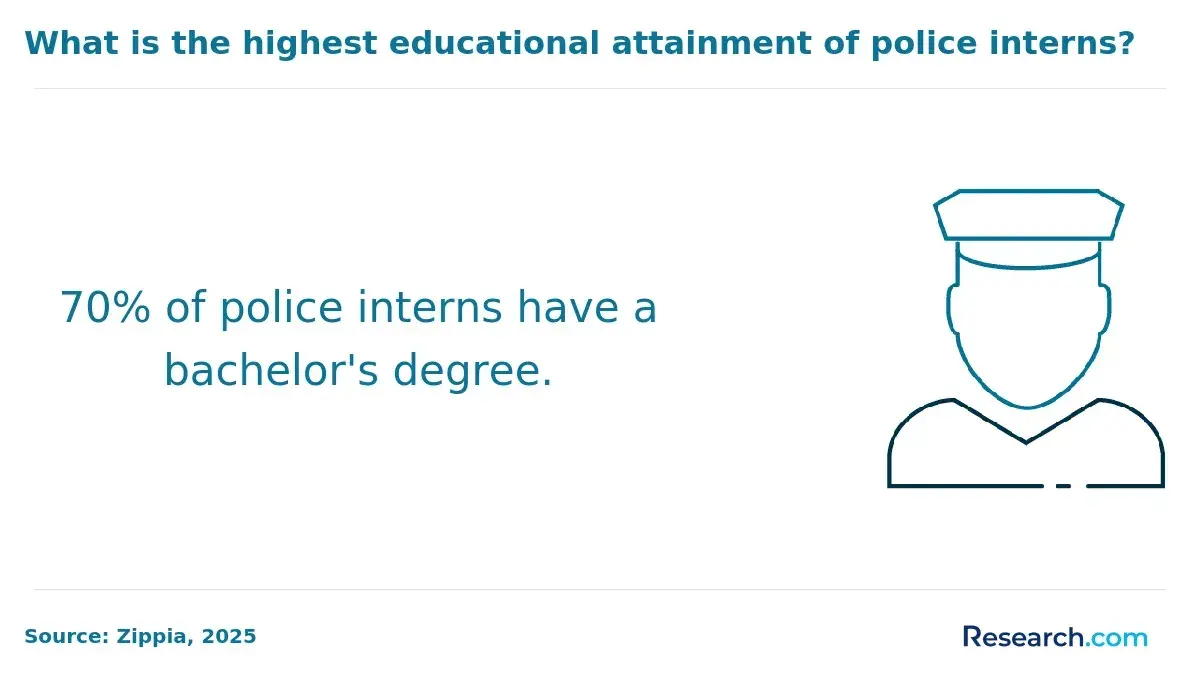
Which majors are most recommended for aspiring police officers in New York?
Choosing the right college major can significantly strengthen your qualifications and open pathways to exciting advancement opportunities within law enforcement. Aspiring officers who select relevant fields gain critical knowledge and skills that make them standout candidates for New York’s competitive departments. Focusing on the best criminal justice majors in New York can set a solid foundation toward a rewarding policing career.
- Criminal Justice: This major offers direct insight into law enforcement, corrections, and investigative methods. Programs provide practical training that prepares students for the realities of police work, making graduates highly valued for their readiness and understanding of public safety. For those aiming to further their education, exploring top-rated online master’s in forensic science is an excellent way to start.
- Criminology: Students study the root causes of crime and patterns of criminal behavior. This major sharpens analytical and research skills, vital for community-focused policing and policy development roles, helping officers proactively address crime in urban settings.
- Psychology: Understanding human behavior and mental health equips officers to respond compassionately and effectively to crisis situations. Departments appreciate candidates who use these skills to de-escalate conflict and support vulnerable individuals.
- Sociology: This major emphasizes social dynamics and cultural diversity, which are crucial in New York’s multifaceted communities. Officers with this knowledge foster trust, address social inequalities, and promote ethical policing practices.
- Political Science: Graduates gain awareness of government functions and public policy, positioning them well for leadership and investigative roles. This background aids in interagency cooperation and understanding law enforcement’s societal impact.
- Law (Pre-Law Studies): A foundation in legal principles strengthens an officer’s ability to navigate constitutional and criminal laws. This major supports compliance with legal standards and prepares officers for specialized investigative or supervisory careers.
- Public Administration: Focused on management and policy analysis, this major readies officers for administrative and command roles. Departments prize these skills for strategic planning and organizational leadership.
What subjects are taught in New York police academy?
Police academy training in New York is designed to equip recruits with a strong foundation of skills, knowledge, and judgment essential for effective law enforcement. This training shapes officers who are confident, capable, and ready to serve their communities with professionalism and integrity.
- Criminal Law and Procedure: Recruits gain a thorough understanding of New York State laws, constitutional rights, and legal processes, ensuring their actions respect civil liberties while maintaining public safety.
- Firearms Training: Emphasis on safe handling and proficiency under pressure prepares officers to respond responsibly in high-stress situations requiring the use of force.
- Defensive Tactics and Physical Training: Physical conditioning and tactical skills empower recruits to protect themselves and others, promoting confidence and resilience in confrontations.
- Emergency Vehicle Operations: Training in safe driving and pursuit protocols enhances officers’ ability to respond swiftly and securely to emergencies, minimizing risks on the road.
- Ethics and Professional Standards: Courses in integrity and ethical decision-making prepare officers to uphold trust and accountability, which are vital for strong community relationships.
- Community Policing and Communication Skills: Learning effective communication and crisis intervention helps recruits build partnerships and understanding within diverse neighborhoods.
- Investigations and Evidence Handling: Skills in crime scene management and legal procedures ensure accurate investigations and support justice.
- Emergency Preparedness and Mass Casualty Response: Training for large-scale incidents enhances readiness for critical situations, safeguarding both officers and the public.
Can military service replace education requirements for police officers in New York?
In New York, military service is widely accepted as a substitute for traditional college education requirements when applying to become a police officer, particularly with major agencies such as the New York City Police Department (NYPD) and the New York State Police, which typically require 60 college credits but allow candidates with at least two years of honorable, full-time U.S. military service to meet this standard without college coursework. This policy reflects the recognition that discipline, leadership, and practical law enforcement skills gained in the military prepare candidates for policing, with backgrounds in military police, security, or leadership roles especially valued.
While not every local or specialized agency applies the same substitution, for the state’s largest employers, it is fully accepted, making military experience a legitimate pathway that enhances competitiveness and encourages veterans to transition into law enforcement careers. This approach both diversifies the police force and leverages the unique strengths veterans bring, fostering a workforce built on service, commitment, and practical expertise.
When I spoke with a police officer from New York who had transitioned from military service, he shared how his experience eased the education hurdle. “I graduated from a local police academy and was initially worried about meeting the college credit requirements,” he recalled. “But my two years in the military, especially my leadership training and time spent in a military police unit, counted toward those requirements. It wasn’t just about ticking a box—it gave me the confidence that what I learned was real and practical. The process wasn’t without its challenges, like translating military papers into civilian terms and navigating the application, but knowing that my service was valued made all the difference. It felt like a bridge between two careers built on honor and responsibility.” This perspective highlights how military service can be both a credential and a foundation for success in New York law enforcement.
How much does it cost to get a police officer education in New York?
Costs for obtaining a police officer education in New York vary significantly depending on whether you choose a community college program, a university degree, or enroll directly in a police academy. Each pathway offers distinct benefits and tuition ranges, allowing aspiring officers to tailor their training to fit their goals and budgets. Understanding the police academy tuition costs in New York and related fees helps plan your investment wisely in this rewarding career.
- Community College Tuition: Tuition for police training certificate programs at community colleges generally ranges from $5,900 to $6,500 for two semesters, covering essential coursework and basic training.
- University Degree Tuition: Pursuing an associate or bachelor’s degree in criminal justice at a public university costs about $7,070 per year for in-state students, while private university programs can exceed $30,000 annually.
- Police Academy Fees: Many police academies charge fees similar to community college programs, with tuition often integrated into overall costs depending on the academy's affiliation and length of training.
- Uniforms and Equipment: Required gear for police trainees typically costs between $300 and $900, including uniforms, protective equipment, and other necessary supplies.
- Textbooks and Supplies: Expect to spend around $300 to $500 on textbooks and training materials essential for your coursework and practical exercises.
- Physical Abilities Testing: Most programs include physical fitness testing as part of admissions, sometimes charging up to $100 for this important assessment.
- Police Officer Exam Fee: The exam fee is usually $40, although it is periodically waived to encourage recruitment, easing the initial entry cost.
- Additional Certification Costs: Some courses require certifications such as first aid or CPR, which can cost between $50 and $150 if taken separately.
The overall cost of police training programs in New York encourages students to weigh their options carefully, recognizing that investing in education equips you not just with skills but with confidence to excel. Exploring career paths beyond training can be inspiring, especially when considering topics like criminal justice degree job options that align with your ambitions and strengths.
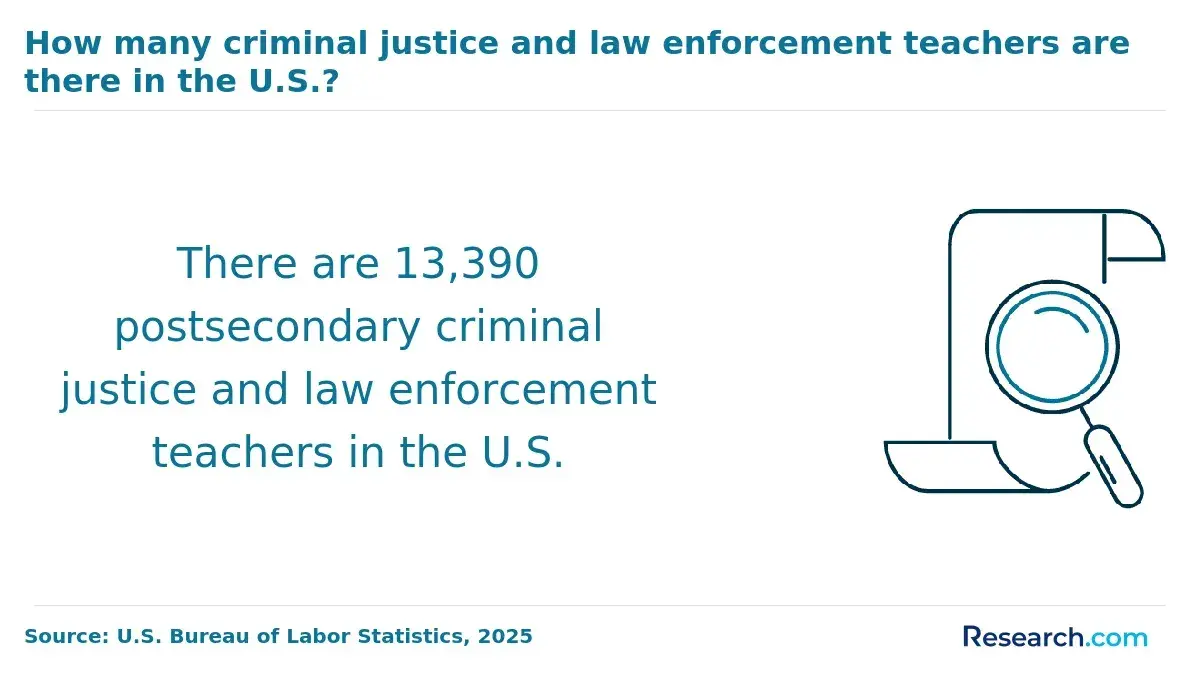
Are scholarships available for aspiring police officers in New York?
Scholarships and financial aid can significantly ease the financial burden of education and training for those pursuing a career in law enforcement in New York. By accessing these resources, aspiring police officers can focus more on their studies and professional development rather than worrying about mounting tuition and related expenses.
- State-Funded and Law Enforcement Agency Scholarships: Offered through partnerships between schools and police departments, these scholarships often cover tuition for current or future law enforcement personnel, helping to advance their education in criminal justice or related fields.
- Criminal Justice and Public Service Scholarships: Targeting students majoring in criminal justice or police science, these awards support academically strong students with financial need, typically covering tuition costs and encouraging entry into law enforcement careers.
- Law Enforcement Association and Benefit Fund Awards: These scholarships, provided by associations supporting law enforcement families, offer funds for tuition, room, board, and textbooks to help dependents of officers pursue their education.
- Community College and University-Based Aid: Many institutions provide scholarships, grants, and work-study options based on merit or financial need, giving students multiple avenues to fund their education in criminal justice programs.
One police officer from New York, who graduated from a local academy, shared her experience about scholarships. She explained that navigating financial aid was initially overwhelming, but finding a scholarship through a law enforcement association made a real difference. "It wasn’t just about the money—it felt like someone believed in my potential," she reflected. The support allowed her to focus on training and studies without the constant stress of bills. She also mentioned how combining institutional aid with a community college grant helped cover living costs, creating a stable foundation during her education. "These opportunities opened doors that might have otherwise remained closed," she said, encouraging future officers to explore every available resource and apply early.
What certifications benefit a police officer's career development in New York?
Earning specialized certifications plays a vital role in expanding a police officer’s technical skills, enhancing job performance, and unlocking pathways for advancement in New York law enforcement. Through targeted training programs, officers gain expertise that prepares them for specialized duties and leadership positions, aligning with the demands of modern policing and the Basic Course for Police Officers certificate in New York.
- Firearms Training Certification: This certification covers advanced firearm safety, marksmanship, and use-of-force protocols. It qualifies officers for tactical units and high-risk assignments, reflecting essential skills valued in law enforcement certification programs in New York.
- Emergency Medical Response Certification: Officers learn first aid, CPR, and emergency medical techniques, enabling them to provide lifesaving assistance during critical incidents. This training enhances their role in community safety and emergency response teams.
- Criminal Investigations Certification: Focused on investigative techniques, evidence handling, and case management, this certification opens doors to detective roles and complex casework. It builds specialized knowledge crucial for advancing in criminal justice careers.
- Cybercrime and Digital Evidence Certification: With cyber threats on the rise, this certification equips officers to investigate digital crimes and analyze electronic evidence, making them valuable assets to high-tech crime units.
- Crisis Intervention Certification: Training in mental health crisis response and de-escalation techniques makes officers better equipped to handle sensitive situations, reflecting growing community policing priorities.
- Leadership and Supervisory Training Certification: This program provides crucial skills in management, ethics, and team leadership, preparing officers for promotions to supervisory ranks where strong guidance and decision-making are essential.
Pursuing these certifications can significantly boost opportunities and readiness for high-paying criminal justice positions in New York and beyond.
What roles can you get as a police officer in New York?
Law enforcement careers in New York offer exciting opportunities to grow beyond traditional patrol duties, allowing officers to specialize based on their unique skills and passions. These diverse roles empower officers to make meaningful impacts within the community while advancing their professional expertise.
- Patrol Officer: Essential to public safety, patrol officers enforce laws, respond to emergencies, and engage with the community. Their training at the NYPD Police Academy equips them with crucial knowledge in law, fitness, and tactical skills.
- Detective: Detectives investigate serious crimes by gathering evidence and interviewing witnesses. They receive specialized training after gaining patrol experience to expertly solve complex cases.
- K-9 Unit Officer: Partnering with trained police dogs, these officers excel in search and detection operations. Both handlers and canines complete rigorous training in obedience and scent detection.
- SWAT Team Member: Handling high-risk incidents, SWAT officers undergo intense physical and tactical training beyond standard requirements. Their work is vital for managing hostage situations and armed threats.
- Community Outreach Officer: Focused on building trust, these officers mediate disputes and run prevention programs. Training emphasizes communication and cultural awareness to strengthen police-community relations.
- Traffic Enforcement Officer: Traffic officers enforce road safety laws and investigate collisions, receiving training on traffic statutes and emergency responses to reduce accidents.
- Training Instructor: Experienced officers teach recruits and veterans in law, tactics, and ethics, maintaining high standards through certified instructional techniques.
What is the average salary of police officers in New York?
The salary of police officers in New York varies widely depending on factors such as geographic location, years of service, education, and rank. Officers who work in large metropolitan areas like New York City typically earn more due to the higher cost of living, while those with advanced education and specialized roles often receive additional pay. Knowing the average police officer salary in New York can help you plan your career and understand the financial progress possible as you grow in the field.
- Entry-Level Police Officers: Starting salaries usually range from $53,100 to $64,000 annually. New recruits in New York City begin near the lower end, while other locations like Stony Brook University offer starting pay closer to $64,796.
- Mid-Career Police Officers: With several years of experience, officers typically earn between $67,992 and $82,554 yearly. Salaries rise with responsibility, and mid-career officers in New York City often see earnings above $80,000.
- Senior Police Officers and Top Earners: Veterans with over ten years of service or those in supervisory positions can make $81,500 to more than $100,000 per year. Specialized roles and federal assignments may push salaries even higher.
For individuals interested in advancing their knowledge, exploring high salary criminology jobs can be a great way to increase earning potential. Education and training provide valuable opportunities for salary growth and rank promotion within law enforcement.
What education trends are affecting law enforcement careers in New York?
The landscape of law enforcement careers in New York is rapidly evolving as agencies adapt education requirements to meet the demands of modern policing. These changes reflect a commitment to enhancing both the intellectual and practical skills of officers, preparing them for complex, diverse community challenges.
- Growing Preference for College Degrees: Agencies like the New York State Police continue to uphold college credit requirements, emphasizing the importance of advanced critical thinking and analytical abilities.
- Impact of Specialized Majors: Degrees in criminal justice, psychology, sociology, and cybersecurity are increasingly valued for their relevance to contemporary issues such as behavioral health, cybercrime, and community engagement.
- Rise of Continuing Education and Training: Officers are encouraged to pursue certifications, workshops, and advanced courses to keep pace with legal developments, technological advances, and best practices.
Staying informed about these education trends empowers aspiring and current officers to align their skills with evolving standards. Embracing lifelong learning not only enhances career opportunities but also strengthens the ability to serve with integrity and effectiveness in today’s dynamic policing environment.
How Can Police Experience Support a Transition into Legal Careers?
Police experience often cultivates skills highly transferable to legal fields, including analytical investigation, rigorous documentation, and an in-depth understanding of legal processes. These competencies can serve as a foundation for roles that require meticulous evidence evaluation and legal research. Officers seeking to leverage their background for career diversification can explore targeted programs and certifications that bridge law enforcement with legal professions, such as getting opportunities in learning how to become a paralegal in New York, thereby expanding their professional horizons without additional foundational training.
What Do Police Officers in New York Say About Their Career
- Completing my training at the John Jay College of Criminal Justice was an intense but rewarding experience. It gave me the foundational skills and confidence I needed to start my career as a police officer in a local school here in New York. Working with students every day has been deeply fulfilling—I truly believe in the power of positive law enforcement presence to create a safer, more supportive environment for young people. Being part of their growth and helping solve challenges in such a dynamic urban setting keeps me motivated. The diversity of the city also teaches me something new every day, both professionally and personally. Marv
- Reflecting on my journey through the New York Police Academy, I appreciate how the program focused not just on law enforcement techniques but also on community engagement. Starting out in a local school allowed me to develop strong relationships and understand the unique challenges faced by youth here. The city's fast-paced culture and its mix of backgrounds require officers who are adaptable and sensitive to different perspectives. This role has shaped my personal growth immensely, making me a better communicator and problem solver. Every day presents an opportunity to make a meaningful impact. Jolene
- Choosing to become a police officer through the SUNY Polytechnic Institute’s program opened up a wide range of career advancement opportunities I hadn’t expected. Beginning my career in a New York school environment was challenging but rewarding, as it blended academics and public safety in a way that honed my skills and professional discipline. The scale and complexity of New York’s community resources provide a unique backdrop for continuous learning and professional development. I take pride in contributing to a safer space where students can thrive and in my ability to grow within the department year after year. Robert
Related Articles for Nearby States
- 2027 How to Become a Police Officer: Education Requirements in New Jersey
- 2027 How to Become a Police Officer: Education Requirements in Pennsylvania
- 2027 How to Become a Police Officer: Education Requirements in Connecticut
- 2027 How to Become a Police Officer: Education Requirements in Massachusetts
- 2027 How to Become a Police Officer: Education Requirements in Vermont
- 2027 How to Become a Police Officer: Education Requirements in Rhode Island
- 2027 How to Become a Police Officer: Education Requirements in Delaware
- 2027 How to Become a Police Officer: Education Requirements in Maryland
- 2027 How to Become a Police Officer: Education Requirements in New Hampshire
- 2027 How to Become a Police Officer: Education Requirements in Ohio
References:
- New York Police Officer Career Paths (Education & Salary) https://www.allcriminaljusticeschools.com/law-enforcement/police-officer-new-york/
- Majors | John Jay College of Criminal Justice https://www.jjay.cuny.edu/academics/undergraduate-programs/majors
- The Best Degrees for a Career in Law Enforcement https://westliberty.edu/graduate-programs/best-degrees-police-officers-career-advancement/
- 10 Best Criminal Justice Schools in New York for 2025 https://legalcareerpath.com/criminal-justice-schools-new-york/
- Qualifications | Join the State Police https://joinstatepolice.ny.gov/qualifications
- 12 Best Law Enforcement Degrees | National University https://www.nu.edu/blog/best-degrees-for-law-enforcement/
- Policing and Educational Outcomes | NYU Steinhardt https://steinhardt.nyu.edu/research-alliance/research/policing-and-educational-outcomes
- Police agencies lower education standards as staffing shortages persist • Stateline https://stateline.org/2025/09/03/police-agencies-lower-education-standards-as-staffing-shortages-persist/
- Senator Gallivan Leads Senate in Recognizing School Resource Officers | NYSenate.gov https://www.nysenate.gov/newsroom/press-releases/2025/patrick-m-gallivan/senator-gallivan-leads-senate-recognizing-school
Other Things You Should Know About Being an Police Officer in New York
In 2027, candidates must have a high school diploma or equivalent to apply for police officer positions in New York. Some departments may require 60 college credits or a two-year degree. Prospective officers should check specific department requirements as they can vary.
Online degrees are gradually becoming more accepted for police officer education in New York, especially from accredited institutions that meet state standards. While traditional in-person degrees remain preferred, many law enforcement agencies now recognize credible online programs for meeting minimum educational requirements. However, candidates should ensure their online degree is regionally accredited and aligns with the specific requirements of the New York Police Department or other local agencies. It is also important to complement online education with practical training, such as police academies, to meet all hiring criteria.


