
2027 How to Become a Police Officer: Education Requirements in Washington

Co-Founder and Chief Data Scientist
Washington State offers a promising career path for aspiring police officers, with the Bureau of Labor Statistics reporting a median wage higher than the national average for law enforcement professionals. However, the education requirements vary, making it essential to understand the specific pathways to qualification.
While some agencies accept candidates with a high school diploma, others prioritize applicants with college degrees or specialized training. Pursuing a career in law enforcement here requires careful consideration of these differing standards and potential alternatives.
This article, prepared by experts in career planning, will clarify the education requirements needed to become a police officer in Washington and help readers navigate this complex process.
Key Things to Know About Becoming a Police Officer in Washington
- A high school diploma or GED is the minimum requirement to apply for a police officer position in Washington, but many departments prefer candidates with some college coursework or an associate degree.
- State-mandated Basic Law Enforcement Academy training is required after hiring, typically lasting about 720 hours, covering legal procedures, firearms, and physical training.
- Pursuing a bachelor’s degree in criminal justice or related fields can enhance job prospects and promotion opportunities, reflecting a trend as 30% of Washington officers hold higher education credentials.
- What is the minimum education requirement to become a police officer in Washington?
- Which majors are most recommended for aspiring police officers in Washington?
- What subjects are taught in Washington police academy?
- Can military service replace education requirements for police officers in Washington?
- How much does it cost to get a police officer education in Washington?
- Are scholarships available for aspiring police officers in Washington?
- What certifications benefit a police officer's career development in Washington?
- What roles can you get as a police officer in Washington?
- What is the average salary of police officers in Washington?
- What education trends are affecting law enforcement careers in Washington?
- How Can Legal Expertise Expand a Police Officer's Career Opportunities in Washington?
What is the minimum education requirement to become a police officer in Washington?
Education plays a vital role in law enforcement, equipping officers with the necessary skills such as critical thinking and ethical judgment essential for community service. However, requirements for becoming a police officer differ across states, shaped by regional priorities and workforce needs. Washington, for instance, establishes specific baseline criteria while allowing accessibility in recruitment. The minimum education requirement for a police officer in Washington includes:
- High School Diploma or GED for Washington Police Officer: Candidates must possess a high school diploma or a General Educational Development certificate to be eligible for entry-level positions. This standard applies uniformly across municipal departments and the Washington State Patrol.
- No College Coursework Required: There is no mandatory college-level coursework or degree needed to apply, emphasizing practical entry rather than advanced academic qualifications.
- Statewide Enforcement of Standards: The Washington State Criminal Justice Training Commission requires all new officers to be employed by a recognized law enforcement agency prior to training, maintaining a high school diploma or GED as the verified foundational education.
Washington’s model highlights a balance between maintaining professional standards and offering an accessible path into law enforcement careers. Those interested in exploring potential trajectories after meeting basic educational prerequisites might consider reviewing criminal justice career paths for further growth opportunities within the field.
Which majors are most recommended for aspiring police officers in Washington?
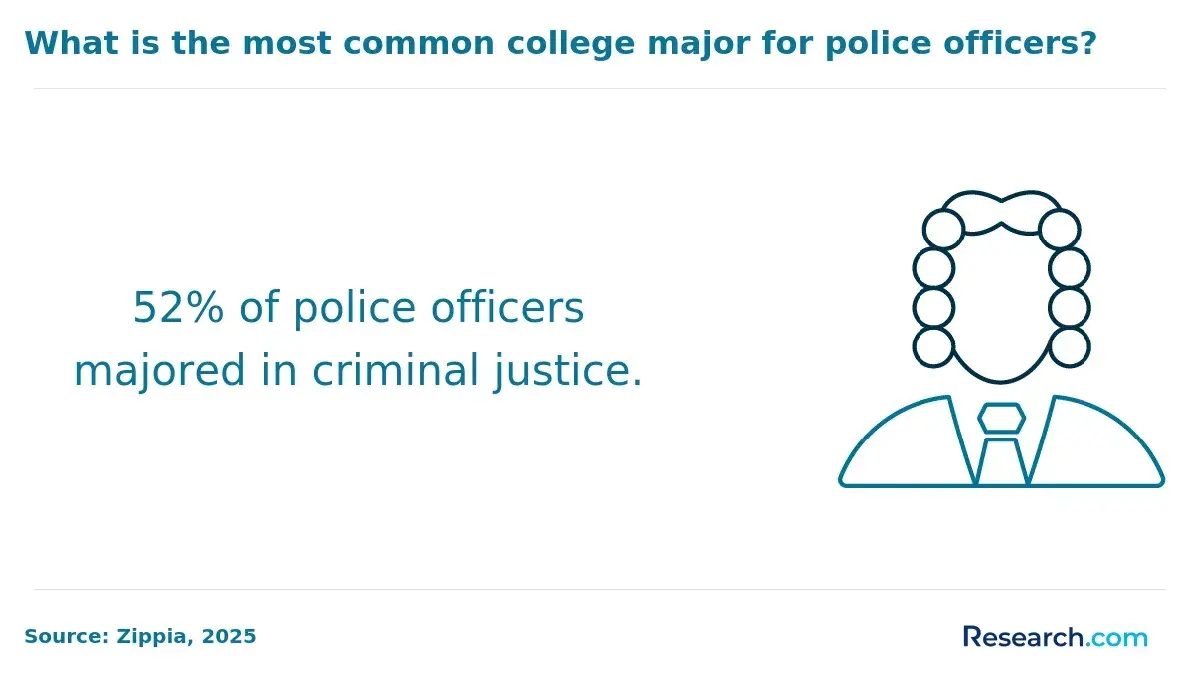
Choosing the right college major can significantly strengthen a candidate’s qualifications for law enforcement and often provides a clear path to advancement within agencies in Washington. A well-chosen field of study can offer valuable knowledge, skills, and perspectives that set applicants apart in competitive hiring processes and prepare them for specialized roles.
- Criminal Justice: This major offers direct exposure to law enforcement principles, criminal law, and investigative methods. Washington State University and the University of Washington–Tacoma provide strong criminal justice degree programs in Washington that prepare students with practical skills highly valued by police departments.
- Criminology: Focused on understanding the causes and patterns of crime, criminology develops analytical abilities that help officers interpret crime trends and contribute to effective policing strategies across Washington communities.
- Psychology: Understanding human behavior and mental health is increasingly important for police work, especially in crises. Psychology majors are often considered for specialized roles in crisis negotiation or community outreach. For those interested in behavioral health intersections with policing, exploring how to become a forensic psychologist can provide valuable insights.
- Sociology: Studying social structures and community dynamics equips officers to engage effectively with diverse populations, enhancing cultural competency and improving community relations in various Washington areas.
- Political Science: This major provides a strong foundation in government systems, public policy, and civil rights, making graduates well-suited for administrative or policy development roles within law enforcement agencies.
- Law/Pre-Law: Offering deep knowledge of criminal and constitutional law, this background is prized for investigative roles and leadership positions that require legal expertise and procedural understanding.
- Public Administration: Focusing on government operations and leadership, this major prepares officers for advancement into command and administrative roles by developing skills in management, ethics, and decision-making.
What subjects are taught in Washington police academy?
Police academy training in Washington is structured to develop recruits’ essential competencies while cultivating the sound judgment necessary for law enforcement duties. The curriculum not only imparts technical skills but also emphasizes legal knowledge and ethical responsibilities, equipping future officers to navigate complex and varied situations with professionalism.
- Criminal Law and Procedures: This subject grounds recruits in state and federal legal frameworks, ensuring their actions respect constitutional rights and legal standards. A solid legal foundation prevents errors that could compromise justice or public confidence.
- Patrol Tactics and Officer Safety: Training in patrol techniques and high-risk scenarios prepares officers to protect themselves and the community under pressure. These skills are vital for managing emergencies and reducing harm during encounters.
- Firearms Training: Cadets develop proficiency in firearm handling and decision-making regarding the use of force. This training balances the necessity of officer and public safety with responsible, measured responses.
- Defensive Tactics: Instruction in physical control and conflict de-escalation helps officers manage confrontations non-lethally, prioritizing safety and minimizing injury.
- Emergency Vehicle Operations: Safe driving and pursuit protocols address the high risks involved in traffic-related police activities to reduce accidents and injuries.
- Ethics and Professional Standards: Emphasizing integrity and accountability fosters trust and ethical behavior, which are critical amidst growing public scrutiny.
- Community Policing and Communication: Recruits learn strategies to build positive relations and communicate effectively, supporting conflict resolution without force and enhancing cooperation.
- Criminal Investigations: Training in evidence handling and report writing is essential for accurate case development and legal processes, reinforcing procedural justice.
Can military service replace education requirements for police officers in Washington?
In Washington, military service cannot replace the minimum education requirements to become an entry-level police officer. The state mandates a high school diploma or GED as a baseline credential for all candidates, regardless of military background. While some states recognize prior military service as a substitute for college credits or similar educational benchmarks, Washington maintains a firm standard that military experience alone does not waive the need for formal education credentials. This approach ensures consistency in hiring practices statewide, as enforced by the Washington State Criminal Justice Training Commission.
However, military service is still valued as a significant asset during the hiring and background investigation process, especially if the candidate has received an honorable discharge. Departments appreciate the discipline, leadership, and real-world skills veterans bring, which may enhance how candidates present themselves during recruitment but cannot replace the mandated educational requirement.
Though military training and law enforcement experience can sometimes substitute for advanced college coursework in specialized or higher-level roles, this flexibility does not extend to the basic requirement of a diploma or GED for new recruits. Police agencies in Washington encourage veterans to emphasize their military skills, but require proof of education to move forward. This policy reflects a balanced perspective: honoring military service while upholding education standards that support effective policing.
A police officer from Washington, who graduated from a local academy after transitioning from the military, shared that “while my service taught me invaluable skills, the academy emphasized fundamentals I hadn’t fully learned before.” He recalled the challenge of meeting educational prerequisites even with years of military experience but found that “the discipline and commitment from my service definitely helped me navigate the training and application process.” His journey illustrates how military experience complements, but does not replace, education requirements in Washington law enforcement careers.
How much does it cost to get a police officer education in Washington?
The cost of police academy in Washington and the related police officer training tuition in Washington vary significantly based on the educational path chosen. Whether pursuing a community college program, a four-year university degree, or attending a police academy through direct agency hire, candidates encounter different expense structures and potential out-of-pocket costs.
- Community College Tuition: Tuition for criminal justice or law enforcement programs typically ranges from $4,000 to $7,600 annually for in-state students, with some programs like Skagit Valley College’s Parks Law Enforcement Academy costing about $7,600 for two quarters.
- Four-Year University Tuition: Public universities in Washington charge between $10,000 and $12,000 per year in tuition and mandatory fees for in-state students, totaling $40,000 to $48,000 over four years for a bachelor's degree in a related field.
- Police Academy Training Fees: The Basic Law Enforcement Academy (BLEA) is essential for all city and county officers; however, the state now covers 100% of tuition costs for most agencies, meaning recruits hired by these agencies typically face no academy tuition fees, though some tribal or university police agencies may incur charges of around $7,477.
- Uniform and Equipment Costs: While hiring agencies generally provide uniforms and essential equipment for BLEA attendees, self-sponsored students or community college attendees should anticipate spending $500 to $1,000 on basic attire and supplies.
- Books and Course Materials: Textbooks and materials for criminal justice courses usually cost between $500 and $1,000 annually; some academy programs might also include additional lab or course fees.
- Testing and Application Fees: Entrance exams, background checks, and physical testing vary by provider but generally total $100 to $300, adding to the upfront expenses.
- Program Fees: Certain specialized academies may impose extra fees, such as the $2,500 program fee at Skagit Valley College, which is separate from tuition.
- Living Expenses: Costs for housing, food, and transportation can greatly influence total expenses, especially for those relocating or attending residential academies.
Choosing a pathway involves weighing direct agency hire benefits against the broader educational experience and expense of college degrees. For those interested in advancing their understanding further or seeking different career opportunities, exploring related areas such as criminology internships may also provide valuable context and experience.
Are scholarships available for aspiring police officers in Washington?
Scholarships and financial aid significantly reduce the financial obstacles associated with pursuing the education and training needed to become a police officer in Washington. These funding opportunities help aspiring officers focus on their studies and training without the heavy burden of tuition and related expenses. Various programs exist to support candidates, promoting a well-prepared and diverse law enforcement workforce.
- State-Funded Scholarships: These are offered to Washington residents enrolled in accredited institutions within the state and often cover tuition and books, making higher education accessible for future law enforcement professionals.
- Criminal Justice or Public Service Scholarships: Provided by private organizations, these scholarships support students majoring in criminal justice or related fields with educational costs, rewarding those passionate about public service and law enforcement careers.
- Law Enforcement Association Awards: Associations like the Washington Council of Police and Sheriffs grant scholarships to children of active members and aspiring officers, recognizing academic achievement and community dedication with monetary awards often starting around $1,000.
- Community College or University-Based Aid: Many local colleges offer scholarships and grants specifically for criminal justice students, which may be merit- or need-based, helping to offset tuition, books, and training fees linked to police academies.
- Credit Union and Foundation Scholarships: Some law enforcement-affiliated credit unions provide financial awards requiring membership and application essays, assisting members with education costs in college or trade school settings.
A police officer from Washington, who completed her training at a local academy, shared that applying for scholarships was a crucial step in her journey. "Without financial aid covering much of my tuition, I would have struggled to balance work and school," she reflected. She described the application process as competitive but rewarding, emphasizing how receiving aid not only alleviated financial stress but also motivated her to maintain high academic standards. Her experience underlines that scholarships are more than just funding—they represent recognition of commitment and potential in future officers. "I encourage anyone serious about joining the force to explore every scholarship available and prepare their applications carefully," she advised, highlighting how these resources can make a tangible difference in one’s path to becoming a police officer in Washington.
What certifications benefit a police officer's career development in Washington?
Earning specialized certifications can refine a police officer’s skills, improve job performance, and create pathways for advancement within law enforcement in Washington. These credentials demonstrate a commitment to professional development and often align with departmental priorities, enhancing an officer’s prospects for promotion or specialized assignments. Considering career level certification for Washington police officers helps candidates strategically invest in areas that matter most to their growth and agency needs.
- Firearms Training Certification: This certification provides advanced techniques in safe and tactical firearms use, going beyond initial academy training. Officers with this credential become eligible for specialized roles, such as SWAT teams or firearms instructors, expanding their career options.
- Emergency Medical Response Certification: Focused on first aid, CPR, and trauma care, this certification equips officers to provide critical assistance during emergencies. It highlights an officer’s readiness to protect community health and can improve unit effectiveness at incident scenes.
- Criminal Investigations Certification: Covering evidence collection and interviewing skills, this training prepares officers for detective duties and investigative units. It enhances analytical capabilities and is often a prerequisite for advancement within investigative branches.
- Cybercrime Investigation Certification: With growing technology-driven crime, expertise in digital evidence and cyber offenses is increasingly vital. Officers trained in this area help agencies address modern challenges, ensuring investigative techniques keep pace with evolving threats.
- Crisis Intervention Training (CIT): Designed to de-escalate situations involving mental health or substance abuse crises, this certification improves community relations and reduces use-of-force incidents. It is frequently required for those assigned to crisis response teams.
- Leadership and Supervisory Training: For officers aiming to rise to sergeant or higher ranks, these programs develop skills in personnel management and ethical decision-making. Police leadership training programs in Washington emphasize readiness for command roles, supporting effective departmental governance.
Officers interested in advancing further may also explore educational opportunities such as a top-rated online master’s in forensic science, which can complement certifications and broaden career prospects in specialized investigative fields.
What roles can you get as a police officer in Washington?
Law enforcement careers in Washington extend beyond standard patrol duties, allowing officers to specialize according to their skills and interests. These opportunities enable officers to address varied community needs while advancing their careers through targeted training.
- Patrol Officer: Responsible for monitoring areas, responding to calls, and enforcing laws, patrol officers complete foundational training at the state academy, forming the base of most law enforcement careers.
- Detective: Investigates complex crimes requiring additional training in evidence and interviewing, often after years of patrol experience, playing a key role in justice delivery.
- K-9 Unit Officer: Works with trained dogs for searches and suspect apprehension, needing specialized canine handling training to enhance operational capability.
- SWAT Team Member: Handles high-risk incidents with advanced tactical training and fitness, offering critical support in dangerous emergencies.
- Community Outreach Officer: Builds public trust through communication and problem-solving, focusing on crime prevention and improving department relations.
- Traffic Enforcement Officer: Enforces road safety laws and investigates collisions, requiring specialized training to reduce accidents and fatalities.
- Training Instructor: Provides education on law and tactics for recruits and officers, maintaining high departmental standards through certified expertise.
What is the average salary of police officers in Washington?
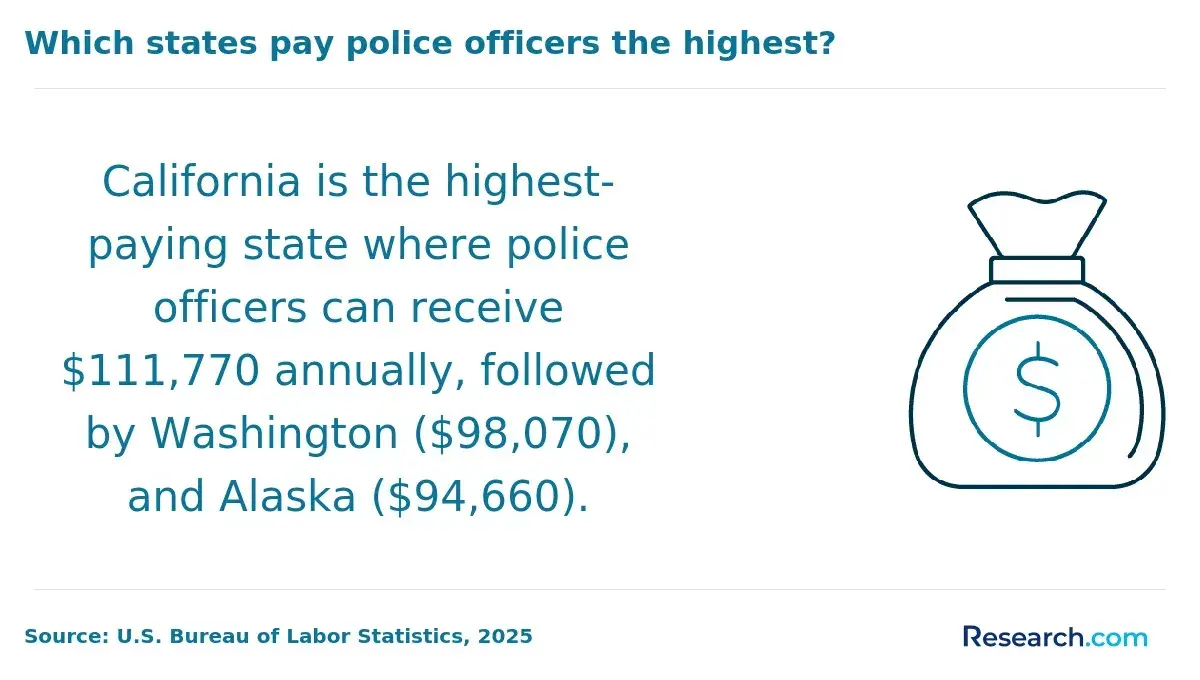
The average police officer salary in Washington state varies due to factors such as geographic location, years of service, educational background, and rank or specialization. Officers working in urban areas like Seattle or Bellevue typically earn more than those in rural settings, reflecting cost-of-living differences and demand. Additionally, advanced degrees and specialized roles can significantly influence the police officer pay scale Washington offers to law enforcement professionals.
- Entry-Level Police Officers: Newly hired officers usually earn between $52,000 and $70,000 annually, although some agencies like Richland report rates that translate to $97,000 to $110,000 per year due to higher hourly wages. Education can also boost starting pay, with premiums for associate’s or bachelor’s degrees.
- Mid-Career Police Officers: With 5 to 10 years of experience, salaries generally rise to between $90,000 and $110,000, with median wages around $99,510 statewide. Transfers and lateral hires may reach up to $124,517 when factoring in education and specialty bonuses.
- Senior Police Officers: Experienced officers in supervisory or specialized roles often earn $110,000 to $125,000 or more, with top earners approaching $130,000 annually, including overtime. Additional longevity pay and degree-based incentives contribute to these higher figures.
It is important to consider that pursuing higher education can enhance earning potential; several agencies provide financial incentives for officers with degrees. Aspiring police officers might explore the best forensic science bachelor’s programs online as one strategic pathway to improve qualifications and increase salary prospects within Washington’s law enforcement market.
What education trends are affecting law enforcement careers in Washington?
Evolving education expectations are significantly reshaping the landscape of modern policing careers in Washington. While a high school diploma or GED remains the minimum requirement, many law enforcement agencies now prioritize candidates with higher education and specialized skills to meet the demands of 21st-century policing challenges.
- Growing Preference for College Degrees: Departments increasingly seek applicants with some college credits or degrees, recognizing that formal education enhances critical thinking and professionalism.
- Impact of Specialized Majors: Degrees in criminal justice, psychology, sociology, and cybersecurity are valued for preparing officers to handle complex issues such as mental health crises, community relations, and digital crime.
- Rise of Continuing Education and Advanced Training: Officers are encouraged or required to engage in ongoing courses on de-escalation, crisis intervention, and leadership to stay current with evolving best practices and legal standards.
Staying informed about these education trends is essential for both aspiring and current officers to adapt to a more sophisticated policing environment. Higher education and continual skill development improve career advancement opportunities and support more effective community service across Washington.
How Can Legal Expertise Expand a Police Officer's Career Opportunities in Washington?
Integrating legal expertise into law enforcement provides officers with a strategic advantage when addressing complex regulatory and procedural challenges. Officers who enhance their understanding of legal systems can support more thorough internal investigations and refine departmental policy development. In addition, supplementing field experience with specialized legal training prepares officers for administrative leadership and collaborative roles with the justice system. Exploring targeted educational opportunities, such as how to become a paralegal in Washington, further diversifies skill sets and boosts career progression while aligning with modern best practices in law enforcement.
What Do Police Officers in Washington Say About Their Career
- Completing my training at the Washington State Criminal Justice Training Commission truly set the foundation for a fulfilling career. The program was rigorous and well-rounded, preparing me for the realities of law enforcement in diverse communities. Starting my journey in a local school allowed me to directly impact the lives of young people, guiding them toward safer and brighter futures. The sense of purpose I feel every day, knowing I contribute positively to my community, keeps me motivated and passionate about my work. Pat
- My experience with the Seattle Police Department Academy opened doors for professional growth I never imagined. The academy not only provided solid practical skills but also emphasized leadership and ethics, which helped me advance steadily in my career. Working within a local academic institution has been a rewarding challenge, helping address the specific safety needs of students while respecting the unique culture of Washington. This role pushes me to improve continuously and serves as a stepping stone to future opportunities in law enforcement. Rome
- Graduating from the Bellevue Police Academy was a turning point that expanded my perspective on community service. Starting out as a school officer, I found deep satisfaction in building trust with students and staff, especially in a state known for its rich natural environment and vibrant communities. The balance between professional development and personal growth is remarkable here. Washington’s commitment to supporting educators and officers alike makes this career both stable and deeply meaningful. Lyle
Related Articles for Nearby States
- 2027 How to Become a Police Officer: Education Requirements in Oregon
- 2027 How to Become a Police Officer: Education Requirements in Idaho
- 2027 How to Become a Police Officer: Education Requirements in Montana
- 2027 How to Become a Police Officer: Education Requirements in California
- 2027 How to Become a Police Officer: Education Requirements in Nevada
- 2027 How to Become a Police Officer: Education Requirements in Utah
- 2027 How to Become a Police Officer: Education Requirements in Wyoming
- 2027 How to Become a Police Officer: Education Requirements in Arizona
- 2027 How to Become a Police Officer: Education Requirements in Colorado
- 2027 How to Become a Police Officer: Education Requirements in New Mexico
References:
- Certification Information | Washington State Criminal Justice Training Commission https://cjtc.wa.gov/certification/certification-information
- P.O.S.T. Certification | Federal Law Enforcement Training Centers https://www.fletc.gov/post-certification
- Law Enforcement Certification and Discipline https://www.ncsl.org/labor-and-employment/law-enforcement-certification-and-discipline
- State Law Enforcement Training Requirements — The Institute for Criminal Justice Training Reform https://www.trainingreform.org/state-police-training-requirements
- Officer Positions | Gig Harbor, WA https://www.gigharborwa.gov/817/Officer-Positions
- CALIFORNIA - COMMISSION ON PEACE OFFICER STANDARDS AND TRAINING (POST) - A STAFF REFERENCE REPORT | Office of Justice Programs https://www.ojp.gov/ncjrs/virtual-library/abstracts/california-commission-peace-officer-standards-and-training-post
- joinmpd.dc.gov | Careers at DC Metropolitan Police Department https://joinmpd.dc.gov/
- New Seattle Police Recruiting Website - Police | seattle.gov https://www.seattle.gov/police/police-jobs
- Other Opportunities https://www.publicsafetytesting.com/other-job-opportunities
- Washington Law Enforcement Job Openings | Go Law Enforcement https://golawenforcement.com/job-openings/washington/
Other Things You Should Know About Becoming a Police Officer in Washington
In Washington, 2027, candidates must be at least 21 years old to apply for a police officer position. While some departments may allow application at 20 ½ years old, actual appointment requires reaching the age of 21. This ensures that applicants meet the necessary maturity level for the demands of the role.
In 2027, many police departments in Washington offer tuition assistance programs or reimbursement for academy training, but it varies by department. Potential applicants should contact the specific department they are interested in for precise information on financial support available.
In 2027, aspiring police officers in Washington must have a high school diploma or GED. While not required, holding an associate or bachelor's degree in criminal justice or a related field can enhance job prospects and career advancement opportunities.


