
2027 How to Become an Electrician in Vermont

Co-Founder and Chief Data Scientist
Many people interested in hands-on careers aren’t sure where or how to start, especially in a small state like Vermont where the job market can feel limited or unclear. This uncertainty often keeps them from pursuing stable, well-paying paths like becoming an electrician.
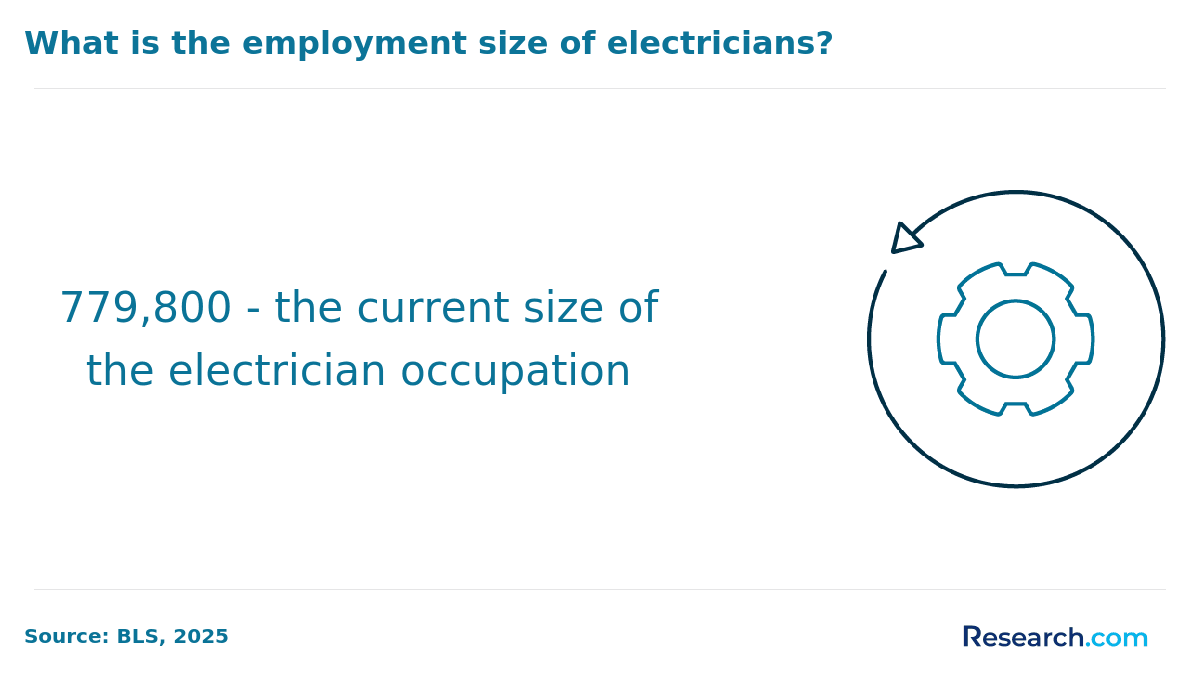
As of 2023, Vermont employs around 1,200 electricians, with demand sustained by construction projects and the state’s push toward renewable energy. With a median annual wage of $60,000—slightly above the national average—electricians in Vermont enjoy both job stability and income potential. This article explains the steps to training, licensure, and career growth in this vital trade.
Key Things to Know About Becoming an Electrician in Vermont
- Electricians in Vermont must complete a state-approved apprenticeship, combining 8,000 hours of on-the-job training with 576 hours of classroom instruction.
- The average annual salary for electricians in Vermont is around $60,000, slightly above the national median.
- Vermont’s job outlook for electricians is positive, with steady demand driven by infrastructure projects and renewable energy growth.
- Licensing requires passing a state exam, ensuring electricians meet safety and code standards before practicing independently.
- What education is required to become an electrician in Vermont?
- How do you get into an electrician apprenticeship program in Vermont?
- How much do electricians make in Vermont?
- What certifications do electricians need in Vermont?
- How long does an electrician apprenticeship take in Vermont?
- How much does electrician training cost in Vermont?
- What license do you need to be an electrician in Vermont?
- How are emerging technologies reshaping electrician careers in Vermont?
- How can diversifying your technical skill set boost your electrician career in Vermont?
- How can gaining business acumen boost your electrician career in Vermont?
- How often do you need to renew your electrician license in Vermont?
- How can professional networking and mentorship boost career growth?
- What are the essential skills needed to be a successful electrician in Vermont?
- What is the job outlook for electricians over the next 10 years in Vermont?
- What Legal and Regulatory Challenges Do Vermont Electricians Face?
What education is required to become an electrician in Vermont?
Aspiring electricians start by enrolling in technical programs that cover essential topics such as electrical mathematics, blueprint reading, residential and commercial wiring, electrical systems design, safety protocols, and the National Electrical Code (NEC). These courses build a solid foundation needed for a successful career in the electrical trade.
Apprenticeships are a vital step in Vermont’s electrician pathway. These programs typically last four to five years and require at least 8,000 hours of supervised practical work alongside approximately 720 hours of classroom instruction. Apprenticeships not only hone technical skills but also fulfill critical state licensing requirements, preparing candidates for real-world challenges.
Several accredited institutions offer specialized electrician training in Vermont. Among the top programs are Vermont Technical College in Randolph Center, the New England Institute of Technology’s Vermont campus, and the Community College of Vermont. These schools provide comprehensive curricula aligned with industry standards and often assist students in securing valuable apprenticeship placements.
How do you get into an electrician apprenticeship program in Vermont?
You can begin by applying through well-established organizations such as the Vermont Electricians Joint Apprenticeship and Training Committee (JATC) or local chapters of the International Brotherhood of Electrical Workers (IBEW). These programs require applicants to have a high school diploma or GED, pass aptitude tests focused on math and reading comprehension, and often hold a valid driver’s license. Vermont electrician apprenticeship program requirements also include passing a drug screening and demonstrating physical fitness, which reflects the physically demanding nature of the trade.
What sets Vermont apart is its emphasis on a solid understanding of state electrical codes and green energy technologies. This focus aligns with Vermont’s commitment to sustainability in construction and infrastructure, making it essential for apprentices to stay informed about evolving codes and environmentally friendly practices. This unique requirement ensures that Vermont electricians are well-prepared to work in a market that values innovation and environmental responsibility.
To stay ahead, explore the list of the top high demand trades that includes electrical work, reinforcing the value of vocational training in today’s job market.
How much do electricians make in Vermont?
On average, electricians earn between $60,000 and $65,000 annually, which translates to monthly wages ranging from $5,000 to $5,400 before taxes. These figures vary depending on experience, certifications, and geographic location within Vermont.
Entry-level electricians typically start at hourly rates between $18 and $22, which means annual earnings of approximately $37,000 to $45,000. As electricians advance through their careers, completing apprenticeships and acquiring specialized certifications, their salaries increase significantly. Mid-career professionals in this field can expect to earn between $55,000 and $70,000, while seasoned electricians with expertise in specialized areas often make upwards of $75,000 per year.
The highest-paying cities for electricians in Vermont include Burlington, South Burlington, and Barre. Burlington electricians, for instance, often earn 10% to 15% more than the state average due to the city’s robust construction market and industrial activities. South Burlington’s expanding commercial and residential developments also offer excellent earning opportunities.
For those interested in advancing academically, pursuing anchors part-time Ph.D. in economics can open doors to leadership and specialized roles, complementing practical careers such as those in skilled trades.
What certifications do electricians need in Vermont?
The primary certification is the Journeyman Electrician License, which requires completing an approved apprenticeship, accumulating roughly 8,000 hours of on-the-job training, and passing a state exam. This license serves as the foundation for a successful career, ensuring that electricians possess the essential skills and knowledge to work safely and competently across the state.
For those seeking to elevate their careers, the Master Electrician License is crucial. Candidates typically need several years of experience as a journeyman and must pass a more rigorous exam covering advanced electrical theory and safety standards.
Several institutions support electricians pursuing these certifications. Vermont Technical College offers comprehensive electrical technology programs that combine classroom learning aligned with National Electrical Code standards and hands-on labs. Additionally, apprenticeship programs coordinated by the Vermont Department of Labor and local unions like the International Brotherhood of Electrical Workers (IBEW) Local 300 provide structured, paid training pathways that blend practical experience with formal education.
Electricians who earn credentials such as the North American Board of Certified Energy Practitioners (NABCEP) can take advantage of the state’s growing renewable energy sector. Pursuing these certifications alongside state licenses can significantly boost earning potential and job opportunities. For those exploring career options, exploring types of trades careers can also provide valuable insight into the broader field and growth opportunities available.
How long does an electrician apprenticeship take in Vermont?
The typical electrician apprenticeship lasts about 4 to 5 years, which includes around 8,000 hours of on-the-job training paired with 576 hours of classroom instruction. However, this timeframe can vary based on several factors such as the apprentice’s work schedule, learning pace, and the sponsoring organization. For instance, apprentices working overtime or attending accelerated classroom sessions may finish sooner, while those with part-time schedules or needing extra practice might take longer.
Some of the fastest apprenticeship programs in Vermont are offered through union partnerships, like the IBEW Local 300, which provide a structured curriculum and steady work placements. These programs are known for their efficiency, often allowing motivated apprentices to progress slightly faster than the usual 4-5 years. Additionally, technical colleges in Vermont sometimes offer accelerated classroom modules that can shorten the overall time to certification.
With the industry evolving toward green energy and sustainable construction, certifications in solar photovoltaic systems or fire alarm installation can open new doors. For those exploring educational options, it’s useful to research what is the best electrician trade school that fits their goals and supports accelerated learning paths.
How much does electrician training cost in Vermont?
Certificate or diploma programs at technical schools generally range from $5,000 to $10,000 for six months to a year, focusing on essential skills for entry-level work. Those pursuing an associate degree at community or technical colleges can expect tuition fees between $10,000 and $20,000 for two years, offering a deeper dive into electrical theory and safety.
Apprenticeships provide a hands-on approach, combining on-the-job training with classroom instruction, often costing between $1,000 and $3,000 annually for related courses. However, toolkits and safety equipment are additional expenses, typically costing $500 to $1,500. Apprenticeships last about four to five years, but wages earned during training help offset costs, making this an affordable and practical route. Factors like the program’s length, public or private institution status, and equipment needs influence the total cost to become an electrician in Vermont.
Vermont’s smaller population and steady demand for electricians support competitive pricing, though specialized programs may require travel or relocation, adding to expenses. Financial aid options are available through federal programs like FAFSA, state grants including those from the Vermont Student Assistance Corporation (VSAC), and scholarships for technical education. Some unions and employers offer tuition reimbursement or tool allowances, easing financial burdens for apprentices and students.
For those exploring educational opportunities, consider exploring what is the best online vocational trade school to complement your training.
What license do you need to be an electrician in Vermont?
To become a licensed electrician in Vermont, you must obtain either a Journeyman Electrician or a Master Electrician license, each serving different roles within the profession. These licenses confirm your qualifications and allow you to work legally and confidently across the state.
The licensure process is governed by the Vermont Department of Public Safety, Division of Fire Safety, which handles examinations, issues licenses, and manages renewals. The Vermont Electrical Licensing Board also plays a crucial role by setting standards and ensuring compliance with electrical codes.
To qualify for a Journeyman Electrician license, you need to:
- Complete at least 8,000 hours of documented on-the-job electrical experience, generally through an apprenticeship.
- Finish 576 hours of classroom instruction covering electrical theory, safety, and code requirements.
- Pass the Vermont Journeyman Electrician exam, which tests your knowledge of the National Electrical Code (NEC) and Vermont-specific regulations.
For the Master Electrician license, additional requirements include:
- Holding an active Journeyman Electrician license in good standing.
- Completing 12,000 hours of electrical work experience, including at least 1,000 hours in supervisory or project management roles.
- Passing the Vermont Master Electrician exam, which covers advanced electrical systems, codes, and business practices.
Vermont’s licensing process stands out for its strong emphasis on both practical experience and classroom education, ensuring electricians are thoroughly prepared. The state’s high training hour requirements demonstrate its commitment to safety and quality workmanship.
Renewal occurs every two years and requires continuing education courses to keep electricians updated on code changes and safety standards. To navigate this process successfully, aspiring electricians should enroll early in state-approved apprenticeship programs, focus on mastering the latest NEC codes, keep detailed records of experience and education, and connect with local electrician communities for support and mentorship.
How are emerging technologies reshaping electrician careers in Vermont?
Electricians in Vermont are increasingly integrating advanced technologies into their work, moving beyond traditional wiring and maintenance roles. Modern projects now often involve smart home automation, digital control systems, and renewable energy configurations that demand a broader technical skill set. Staying current with these innovations is essential, and professionals benefit from specialized training programs and targeted certifications. For example, acquiring expertise in system integration and digital monitoring can enhance service offerings while ensuring compliance with new industry protocols. Additionally, exploring how to become an HVAC technician in Vermont can open pathways to cross-disciplinary opportunities in climate control and energy efficiency.
How can diversifying your technical skill set boost your electrician career in Vermont?
Expanding your expertise beyond core electrical work can enhance adaptability and open alternative career pathways. Diversification through specialized training—whether in advanced digital systems, renewable energy technology, or complementary trades—helps professionals address a broader range of technical challenges and respond to evolving market demands. For example, acquiring insights into related fields, such as by learning how to become a mechanic in Vermont, enriches problem-solving capabilities and builds resilience against industry fluctuations. Continued professional development through cross-training, industry seminars, and targeted certification programs supports long-term career growth in Vermont’s competitive market.
How can gaining business acumen boost your electrician career in Vermont?
Electricians can enhance their technical expertise by integrating business skills that support project management, contract negotiation, and entrepreneurial ventures. By developing competencies in budgeting, marketing, and strategic planning, professionals can transition into supervisory roles or launch their own enterprises. Pursuing targeted business education—such as programs from top business schools in Vermont—provides tailored insights into financial management and competitive analysis, complementing hands-on electrical training. This dual approach not only refines operational efficiency but also opens pathways to leadership and long-term career growth within Vermont’s evolving market.
How often do you need to renew your electrician license in Vermont?
The standard renewal cycle is every three years. During this period, electricians must complete at least 24 hours of continuing education to be eligible for renewal. Of these, a minimum of 8 hours must be dedicated specifically to updates on the National Electrical Code (NEC), which is crucial for maintaining safety and technical proficiency.
To successfully renew your license, you need to:
- Submit a renewal application to the Vermont Division of Fire Safety before your license expires.
- Complete 24 hours of state-approved continuing education courses within the three-year cycle.
- Include at least 8 hours focused on NEC updates as part of your continuing education.
- Pay the renewal fee applicable to your license type.
- Provide documentation proving completion of the required education hours.
- Resolve any outstanding fines or disciplinary issues before submitting your renewal.
What sets Vermont apart is its strong emphasis on continuing education tied directly to safety and code compliance, reflecting the state’s commitment to reducing electrical hazards. The Division of Fire Safety actively audits education records to ensure electricians meet the highlighting the importance of staying current and compliant.
How can professional networking and mentorship boost career growth?
Vermont electricians benefit significantly from targeted networking and mentorship initiatives that align with evolving industry standards. Joining local trade associations, union programs, and professional groups allows individuals to exchange best practices, gain insights on emerging technologies, and identify advancement opportunities. Participation in industry seminars and technical workshops not only reinforces core competencies but also opens pathways to leadership roles. For those interested in exploring cross-disciplinary training and alternative technical careers, consider how to become an ultrasound technician in Vermont as an example of expanding your professional horizons.
What are the essential skills needed to be a successful electrician in Vermont?
The state’s construction sector is growing, and electricians who combine technical expertise with strong interpersonal abilities are in high demand. Here are the essential skills every aspiring Vermont electrician should focus on:
- Technical Proficiency: Mastering electrical systems, wiring, and circuitry is the foundation of your career. Stay updated on innovations like smart home technologies and renewable energy systems, which are becoming increasingly important in Vermont’s green energy initiatives.
- Problem-Solving Skills: On-the-job challenges arise frequently. Being able to quickly diagnose issues and implement safe, effective solutions will set you apart as a reliable professional.
- Physical Dexterity and Stamina: The job demands precise hand-eye coordination and physical endurance, especially when working in tight spaces or at heights. Maintaining good physical fitness supports your safety and efficiency.
- Communication Skills: Clear dialogue with clients, contractors, and colleagues ensures smooth project execution. Being able to explain technical details in simple terms enhances teamwork and client trust.
- Attention to Detail: Precision is vital to meet Vermont’s electrical codes and avoid costly mistakes. A meticulous approach safeguards quality and long-term system reliability.
- Adaptability and Willingness to Learn: The electrical field is always evolving. Embrace continuous education through resources like the Vermont Electrical Examining Board and local trade schools to stay ahead and prepare for licensing exams.
What is the job outlook for electricians over the next 10 years in Vermont?
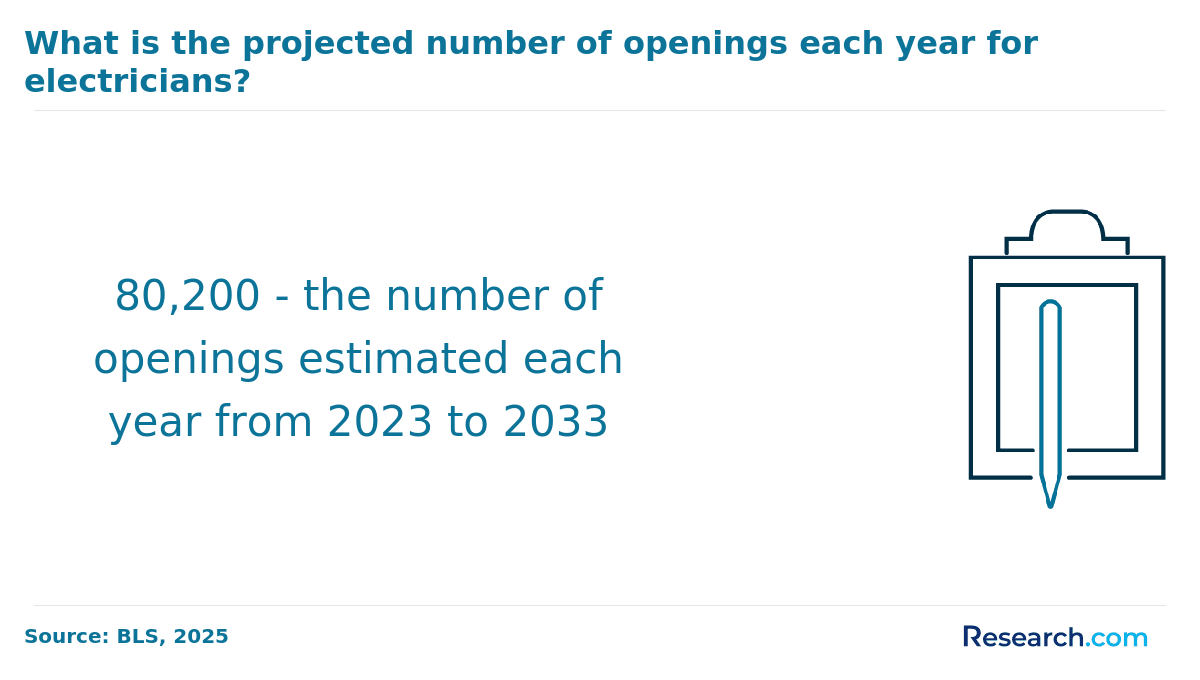
According to the U.S. Bureau of Labor Statistics (BLS) data from 2023, electrician employment nationwide is projected to increase by 8% through 2033, which is faster than the average for all occupations. Vermont’s growth rate is expected to closely match this trend, fueled by ongoing infrastructure projects and the expanding use of energy-efficient technologies.
Key cities such as Burlington, South Burlington, and Essex serve as major employment hubs for electricians in Vermont. These urban centers have vibrant construction markets, including residential, commercial, and public infrastructure developments that require skilled electrical professionals. Industry reports from 2023 indicate that more than 60% of electrician jobs in Vermont are in the construction sector. Additionally, the manufacturing and utilities industries play significant roles, especially with the rise of renewable energy projects such as solar and wind installations.
The growing emphasis on green energy and smart home technologies creates exciting new opportunities for electricians in Vermont. Those trained in solar panel installation, energy management systems, and electric vehicle charging infrastructure will find themselves in high demand. Acquiring specialized certifications in these areas can significantly boost employability and earning potential.
What Legal and Regulatory Challenges Do Vermont Electricians Face?
Vermont electricians must navigate a complex legal framework that demands strict adherence to constantly updated electrical codes, permitting requirements, and insurance standards. Staying informed about local and state regulatory changes is essential to mitigate liabilities and ensure safe work practices. Engaging with professional associations and industry forums can provide targeted insights on risk management, dispute resolution, and compliance best practices. For professionals interested in broadening their regulatory expertise, learning how to become a radiology technician in Vermont offers an opportunity to gain cross-disciplinary insights into related safety and compliance standards.
What Electricians in Vermont Say About Their Careers
Completing my apprenticeship through the Vermont Technical College program was a game changer. The hands-on training combined with classroom learning prepared me for the unique electrical challenges we face in rural areas here. I'm proud how my work directly supports local homes and businesses, especially during Vermont’s harsh winters. Jasper
Working as an electrician here means engaging with a tight-knit community that values sustainability and innovation. The opportunity to work on renewable energy projects has been inspiring and has pushed me to constantly learn and improve. Peter
I appreciate the stability and respect this profession offers, along with the chance to develop specialized skills that are in high demand. Being an electrician here means being part of an evolving industry with a strong future. Elijah
Related Articles for Nearby States
- 2027 How to Become an Electrician in New Hampshire
- 2027 How to Become an Electrician in Massachusetts
- 2027 How to Become an Electrician in New York
- 2027 How to Become an Electrician in Connecticut
- 2027 How to Become an Electrician in Rhode Island
- 2027 How to Become an Electrician in Maine
- 2027 How to Become an Electrician in New Jersey
- 2027 How to Become an Electrician in Pennsylvania
- 2027 How to Become an Electrician in Delaware
- 2027 How to Become an Electricician in Maryland
References:
- Field Complete. (2025, April 5). What is electrician school cost? A complete breakdown of tuition and fees.
- CareerExplorer. (n.d.). The job market for electricians in the United States.
- Prairie Electric. (2024, December). Electrician job outlook in 2025 and beyond.
- Faraday Careers. (n.d.). Electrician job outlook for 2022.
- Bureau of Labor Statistics. (2025, April 18). Electricians. U.S. Department of Labor.
- Bureau of Labor Statistics. (n.d.). Occupational employment and wage statistics: Electricians. U.S. Department of Labor.
Other Things You Need to Know About Becoming an Electrician in Vermont
To become a licensed electrician in Vermont quickly, complete a technical training program and secure an apprenticeship. Apply for a journeyman license after completing required hours. Check Vermont’s specific licensing requirements for any changes in 2027.
Becoming a licensed electrician in Vermont typically takes around 4 to 5 years. This includes completing an approved apprenticeship program, which combines full-time, paid work experience with classroom instruction, followed by meeting state licensing requirements.
In Vermont, aspiring electricians can enter the profession through paid apprenticeships that combine on-the-job training with classroom instruction over four years. These programs, often sponsored by unions, contractors, or trade associations, allow apprentices to earn wages while gaining practical experience. As of 2023, about 75% of Vermont electricians started their careers via these apprenticeships, highlighting the state's strong focus on hands-on learning.


