
2027 How to Become an HVAC Tech in Vermont

Co-Founder and Chief Data Scientist
HVAC technicians in Vermont earn an annual mean wage of $56,440, according to the Bureau of Labor Statistics. With long winters and humid summers, the state relies on HVAC professionals to keep indoor environments safe and comfortable throughout the year. Vermont’s push for energy efficiency and sustainable technology adds to the demand for technicians trained in modern, eco-friendly systems. Working in this field means using hands-on skills to solve real-world problems while building a stable and rewarding career. This guide explains the steps you need to take to become an HVAC technician in Vermont.
Key Points About Becoming an HVAC Tech in Vermont
- Demand for HVAC technicians in Vermont remains steady at 7.2% due to the state’s long heating season and increasing focus on energy-efficient systems in both residential and commercial properties.
- HVAC technicians in Vermont earn an annual mean wage of $56,440, according to the Bureau of Labor Statistics as of May 2023. This reflects strong earning potential for skilled workers in the field.
- ermont supports workforce development through technical education programs that emphasize green technologies and sustainable HVAC practices.
- What are the educational requirements to become an HVAC Tech in Vermont?
- Which schools in Vermont offer HVAC programs?
- What skills do you need to become an HVAC Tech in Vermont?
- What are the requirements for HVAC licensure in Vermont?
- What is the licensing process for HVAC technicians in Vermont?
- How long does it take to become an HVAC tech in Vermont?
- How can additional certifications enhance my HVAC career in Vermont?
- Can expanding your mechanical expertise enhance your HVAC career in Vermont?
- How can business skills boost your HVAC career in Vermont?
- What professional networks and advanced certifications can further enhance my HVAC career in Vermont?
- Can diversifying your technical skills broaden your career prospects in Vermont?
- Will an HVAC license from Vermont allow you to work in other states?
- How much do Vermont HVAC technicians earn?
- Is there a demand for HVAC technicians in Vermont?
- Is Vermont a good place to work as an HVAC tech?
What are the educational requirements to become an HVAC Tech in Vermont?
Starting a career as an HVAC technician in Vermont requires a mix of classroom instruction and hands-on training. Education provides the technical foundation needed to install, maintain, and repair modern heating and cooling systems. Vermont’s requirements help ensure new technicians are prepared to meet industry standards and work safely and effectively in the field.
To guide your journey, here are the essential requirements for HVAC training programs in Vermont:
- High school diploma or GED required: This foundational credential provides necessary skills in math, science, and communication to understand HVAC systems and technical tasks effectively.
- Enrollment in a vocational or community college HVAC program: These programs offer hands-on training with heating, ventilation, air conditioning, and refrigeration systems, combined with safety protocols and industry standards.
- Completion of a multi-year apprenticeship under licensed technicians: Typically lasting three to five years, this on-the-job training enhances practical skills, problem-solving, and customer service expertise by working alongside experienced professionals.
Vermont’s emphasis on blending formal education with extensive apprenticeships ensures HVAC technicians are well-prepared to meet the state’s unique needs. This combination fosters confidence and competence, setting you on a successful career path in a growing industry. For those exploring career options, HVAC work is among the best jobs for high school graduates, offering stability and growth potential through skilled training and dedication.
Which schools in Vermont offer HVAC programs?
Vermont offers strong opportunities for those starting an HVAC career, with several training programs that combine technical instruction and hands-on experience. These schools equip students with the skills needed to succeed in a field where demand continues to grow.
Among the best Vermont HVAC schools are:
- Vermont Technical College: Offers a comprehensive program covering heating systems, refrigeration, air conditioning, and electrical controls. The curriculum emphasizes energy efficiency and sustainability, with hands-on training that prepares students for fieldwork. In-state tuition makes it a cost-effective option for Vermont residents.
- Community College of Vermont (CCV): This college offers flexible course schedules ideal for working students. The program focuses on HVAC system installation, maintenance, and diagnostics, helping students gain practical experience for entry-level employment.
- Barre Technical Center: Delivers vocational training that is aligned with industry standards. Students build core skills and often prepare for certifications recognized by employers across the state.
These programs provide a direct path into a reliable and well-paying trade. For those exploring related fields, researching electrician salary data can offer helpful comparisons across skilled professions that require similar technical expertise.
What skills do you need to become an HVAC Tech in Vermont?
Success as an HVAC technician in Vermont hinges on a blend of technical know-how and familiarity with local climate challenges. Mastering these competencies enables you to deliver reliable service and build a thriving career.
- Electrical expertise: Safely diagnose and repair wiring and electrical components in heating and cooling systems.
- Refrigeration proficiency: Handle refrigerants and maintain cooling units to ensure efficient performance during warmer months.
- Diagnostic abilities: Use advanced tools to pinpoint mechanical or electronic issues, enabling fast, accurate repairs.
- Installation skills: Follow manufacturer specifications and local codes when setting up HVAC systems to guarantee safe, compliant operation.
- Regulatory knowledge: Apply Vermont’s safety codes and environmental standards, supporting both compliance and sustainable practices.
Developing these skills not only improves service quality but also paves the way for promotions and specialty roles. In the next section, we’ll explore how education level affects HVAC technician earnings. Take a look at the wage gap by education level in the chart below.
What are the requirements for HVAC licensure in Vermont?
HVAC technicians in Vermont must fulfill a few key requirements to obtain licensure, ensuring they are thoroughly prepared to serve their communities with expertise and professionalism. These requirements are designed to build confidence in both the technician and the customer by emphasizing practical skills, knowledge, and integrity.
To become a licensed HVAC technician in Vermont, candidates should be aware of these essential steps:
- Documented practical experience: Candidates must accumulate hands-on experience working under the supervision of a licensed contractor, gaining valuable real-world training that develops essential skills.
- Passing the state licensing examination: Applicants are required to successfully complete a comprehensive exam that evaluates technical knowledge and knowledge of Vermont-specific codes and regulations.
- Completing a criminal background check: Vermont mandates this step as part of the application process to uphold public safety and maintain high professional standards within the HVAC industry.
Understanding how to become a licensed HVAC technician in Vermont involves recognizing the importance of these rigorous requirements, which set the stage for a rewarding and stable career. For those exploring further education options, considering online certificate programs that pay well can be an excellent way to enhance skills and increase career opportunities in this field.
What is the licensing process for HVAC technicians in Vermont?
Licensed HVAC technicians in Vermont meet high standards that reflect the state’s commitment to safety, professionalism, and quality service. The licensing process equips technicians to work confidently and responsibly across residential and commercial settings.
- Application Submission: Apply through the Vermont Department of Public Safety, Division of Fire Safety. This step confirms your intent to meet state requirements and work in compliance with industry standards.
- Licensing Examination: Pass a comprehensive exam covering heating, ventilation, air conditioning, refrigeration systems, and Vermont-specific codes. The test ensures you understand both technical systems and state safety regulations.
- Proof of Insurance and Fees: Provide the required insurance documentation and pay associated fees to complete your application and operate legally.
- Continuing Education: Fulfill ongoing education requirements to keep your license active and stay up to date with industry changes and technologies.
This journey not only validates technical proficiency but also reflects a promise to deliver dependable HVAC services with integrity and care across Vermont.
One Vermont HVAC technician described the exam as challenging but fair, noting that it thoroughly tested both on-the-job knowledge and formal training. She emphasized how Vermont’s strong focus on safety and adherence to regulations stood out during the process. While gathering insurance and paperwork was initially overwhelming, the sense of accomplishment once everything was submitted made the effort worthwhile. Continuing education, she explained, goes beyond being a simple requirement; it’s a vital part of growing professionally and maintaining passion for the trade.
How long does it take to become an HVAC tech in Vermont?
Starting a career as an HVAC technician in Vermont offers a blend of technical training and hands-on experience. Knowing the typical time frame to become an HVAC technician in Vermont helps set realistic expectations and plan your path effectively.
- Education (6 months to 2 years): Complete a formal certificate or associate degree program covering HVAC and refrigeration systems. Program lengths vary, providing foundational knowledge and skills essential for the trade.
- Internship/Apprenticeship (approximately 1 year): Accumulate roughly 2,000 hours of supervised, practical experience to build confidence and competence on the job.
- Licensing Exam Preparation and Completion: Prepare for and pass the Vermont licensing exam, which tests HVAC system knowledge and state-specific codes to ensure safe, effective service.
Overall, training to become an HVAC technician in Vermont typically takes 2 to 4 years, combining classroom instruction with hands-on learning. For those needing flexibility, researching the best online HVAC trade school programs offers an accessible way to begin while balancing other responsibilities.
The chart below illustrates how educational attainment impacts HVAC technician employment, highlighting the value of formal training in this growing field.
How can additional certifications enhance my HVAC career in Vermont?
Expanding your skill set through additional certifications can increase your marketability and open up advanced career opportunities in Vermont's evolving HVAC industry. Obtaining specialized credentials in areas such as energy-efficient systems, digital controls, and system troubleshooting can set you apart from competitors and better prepare you for the rapidly changing demands in both residential and commercial sectors. Moreover, cross-training in related trades—for instance, learning how to get electrician license in Vermont—enables a more comprehensive understanding of building systems integration, thereby enhancing your technical versatility and career longevity.
Can expanding your mechanical expertise enhance your HVAC career in Vermont?
Acquiring additional mechanical skills can distinguish you in Vermont’s competitive HVAC market by broadening your technical scope and problem-solving abilities. This dual expertise enables more effective diagnostics and maintenance, often leading to diverse job opportunities and accelerated career growth. For detailed insights on complementary skills, check out how to become a mechanic in Vermont.
How can business skills boost your HVAC career in Vermont?
Strengthening business acumen can enable HVAC professionals to advance into leadership and entrepreneurial roles. Developing skills in financial management, project coordination, and strategic marketing can enhance project outcomes and overall operational efficiency. Local educational options, such as programs offered by the best business schools in Vermont, provide targeted pathways to acquire this expertise. Integrating technical proficiency with business insights can lead to more informed decision-making and improved profitability in a competitive market.
What professional networks and advanced certifications can further enhance my HVAC career in Vermont?
Engaging with industry organizations and pursuing advanced certifications are key strategies for expanding technical expertise and career prospects. Recognized associations provide access to mentorship programs, specialized training workshops, and the latest industry insights, all of which help technicians stay current with evolving technology and regulatory standards. Participation in these professional networks often leads to collaborative opportunities and practical learning experiences that extend beyond initial licensure requirements. Additionally, earning advanced credentials from reputable organizations can validate specialized skills in areas such as energy-efficient systems and digital controls, further distinguishing you in a competitive market. For professionals exploring alternative technical disciplines, review Vermont education requirements for radiologic technologist to understand distinct training models and career expectations.
Can diversifying your technical skills broaden your career prospects in Vermont?
Expanding your technical expertise beyond HVAC systems by leveraging problem-solving capabilities and technical training can open doors to alternative career paths. Evaluating cross-training opportunities and obtaining supplemental certifications may help you transition into emerging technical fields or allied industries. For example, assessing pathways in medical imaging can diversify your skill set and secure broader employment prospects—learn more about how to become an ultrasound technician in Vermont.
Will an HVAC license from Vermont allow you to work in other states?
Holding an HVAC license in Vermont demonstrates your technical competence and adherence to state standards. However, Vermont does not currently offer license reciprocity for HVAC technicians, meaning your license alone won’t automatically qualify you to work in other states.
If you're looking to expand your career beyond Vermont, you'll likely need to meet the licensing requirements of the state where you plan to work. This often includes:
- Submitting a new license application
- Providing proof of your education, work experience, and certifications earned in Vermont
- Passing any required state-specific exams
- Completing additional training or continuing education, if required
Although this process may involve extra steps, it’s an opportunity to strengthen your credentials and show employers that you're adaptable, committed, and ready to meet a range of industry standards. Meeting requirements in multiple states can also open doors to broader job opportunities and career advancement in a competitive field.
How much do Vermont HVAC technicians earn?
Pursuing a career as an HVAC technician in Vermont offers both meaningful work and competitive compensation. As of May 2023, the Bureau of Labor Statistics (BLS) reports that HVAC technicians in Vermont earn an annual mean wage of $56,440, with an average hourly wage of $27.14.
Recent data from ZipRecruiter indicates that the average hourly pay for HVAC technicians in Vermont is approximately $30.05, translating to an annual salary of about $62,501. Indeed reports a similar average hourly wage of $29.83, with entry-level positions starting around $18.53 per hour and experienced technicians earning up to $48.04 per hour.
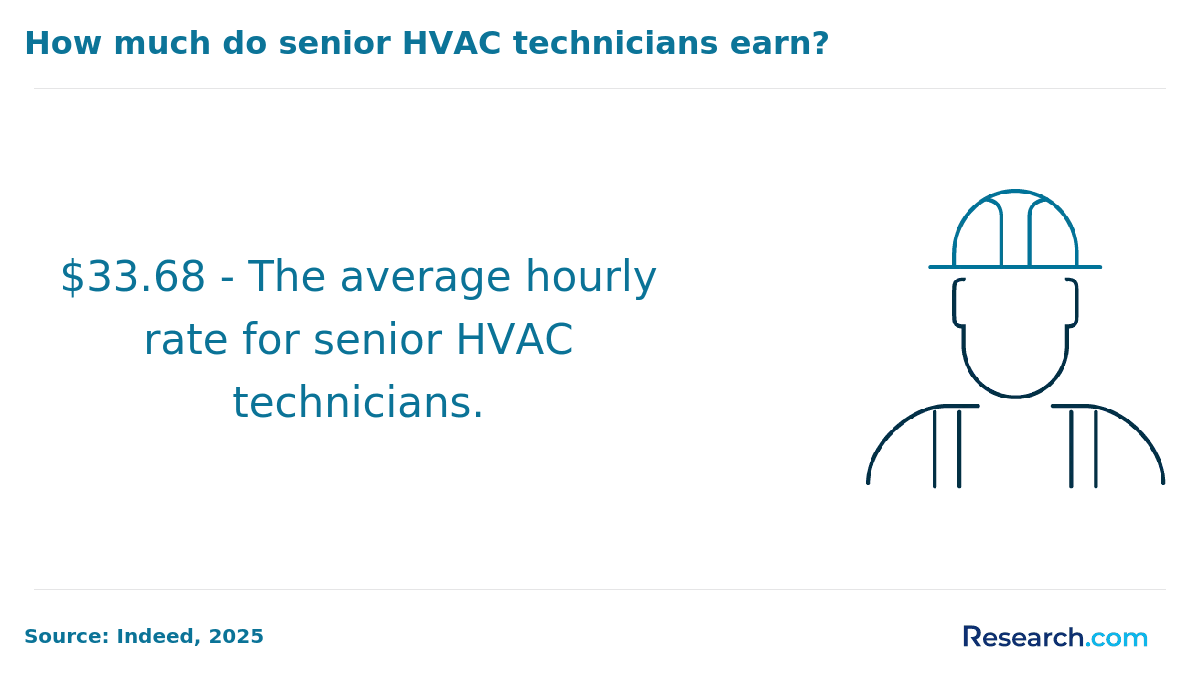
Salaries can vary based on factors such as experience, certifications, and specialization. Technicians focusing on areas like refrigeration, commercial HVAC systems, or eco-friendly energy solutions often command higher wages. For instance, senior HVAC technicians in Vermont can earn an average of $40.17 per hour.
Geographic location within the state also influences earnings. In Burlington, HVAC technicians average $34.73 per hour, while in Rutland, the average is $26.59 per hour.
As Vermont continues to prioritize energy efficiency and sustainable practices, HVAC professionals skilled in green technologies are increasingly valued. This career path not only offers financial benefits but also the opportunity to contribute to environmentally responsible initiatives within the community.
Is there a demand for HVAC technicians in Vermont?
The HVAC industry in Vermont is experiencing steady growth, with employment for heating, air conditioning, and refrigeration mechanics and installers projected to increase by 7% from 2022 to 2032. This growth is driven by factors such as the state's emphasis on energy efficiency, the need to replace aging HVAC systems, and the expansion of environmentally friendly technologies.
Nationwide, the employment of HVAC technicians is expected to grow by 9% from 2023 to 2033, which is much faster than the average for all occupations. This national trend reflects the increasing demand for skilled technicians to install, maintain, and repair sophisticated climate-control systems in both residential and commercial settings.
In Vermont, job opportunities are particularly strong for technicians specializing in sustainable and renewable energy HVAC systems, such as geothermal and solar-powered heating. The state's commitment to green building practices and environmental sustainability further enhances the demand for professionals with expertise in these areas.
For individuals interested in entering the HVAC field, Vermont offers a supportive environment with a growing demand across various specialties. Pursuing easy certifications to get online can expedite entry into this rewarding profession and help meet the state's evolving HVAC needs.
Is Vermont a good place to work as an HVAC tech?
Vermont stands out as an inviting destination for those pursuing a career as an HVAC technician. Its unique climate and community set the stage for rewarding work and professional growth in this field.
Reasons to consider Vermont for your HVAC career include:
- Steady Demand: The state’s seasonal weather creates a continual need for heating and cooling services, ensuring consistent employment opportunities.
- Welcoming Community: With less competition than in larger states, Vermont offers a supportive environment for HVAC professionals to thrive and connect.
- Focus on Innovation: Vermont emphasizes energy efficiency, allowing HVAC techs to engage with advanced, eco-friendly technologies and expand their expertise.
- Accessible Training: Numerous technical schools and apprenticeship programs provide practical education and pathways to certification, making entry into the field achievable.
- State Support: Local resources and specialized training initiatives are designed to assist HVAC workers in enhancing their skills and career prospects.
Choosing Vermont means entering a stable and encouraging market where your skills are valued and your career can flourish amid a community that prioritizes sustainability and innovation.
What HVAC Technicians in Vermont Say About Their Careers
- Working as an HVAC technician in Vermont has given me incredible job stability, especially with the growing demand for energy-efficient heating solutions during our long winters. The average salary here is competitive, which makes it rewarding to see both my skills and paycheck grow steadily. I feel proud to contribute to comfortable homes across the state. Winston
- The unique challenges of Vermont’s climate push me to constantly innovate and adapt my skills, making every job an exciting problem-solving adventure. From historic homes to modern green buildings, the diversity keeps my workday interesting and fulfilling. It’s a career that truly keeps me engaged and growing. Ismael
- Vermont offers excellent professional development programs for HVAC technicians, including certifications and workshops through local trade schools and unions. These opportunities have helped me stay ahead in the industry and advance in my career with confidence. It feels great to be part of a community that values continuing education. Julio
Related Articles for Nearby States
- 2027 How to Become an HVAC Tech in New Hampshire
- 2027 How to Become an HVAC Tech in Massachusetts
- 2027 How to Become an HVAC Tech in New York
- 2027 How to Become an HVAC Tech in Connecticut
- 2027 How to Become an HVAC Tech in Rhode Island
- 2027 How to Become an HVAC Tech in Maine
- 2027 How to Become an HVAC Tech in New Jersey
- 2027 How to Become an HVAC Tech in Pennsylvania
- 2027 How to Become an HVAC Tech in Delaware
- 2027 How to Become an HVAC Tech in Maryland
References:
- American Home Shield (AHS). (n.d.). Most in-demand home service trades across the US. ahs.com
- Center for Workforce & Professional Education at Vermont State University. (n.d.). Online HVAC/R technician (voucher included). vermontstate.edu
- Division of Fire Safety. (n.d.). Trade licensing and certifications. firesafety.vermont.gov
- HVAC Certification. (n.d.). Vermont HVAC license requirements, how to get a HVAC license in VT. hvaccertification.org
- HVAC School. (n.d.). HVAC school in Vermont | Training for HVAC jobs in VT. hvacschool.org
- ServiceWorks. (n.d.). Vermont HVAC license: Requirements, process & tips. service.works
- Vermont Agency of Education. (n.d.). Heating, ventilation and AC. vermont.gov
- Vermont Adult Career & Technical Education. (n.d.). HVAC/R. vtadultcte.org
- Vermont Tech CEWD. (n.d.). Certified HVAC/R technician training. cewd.vtc.edu
Other Things You Should Know About Becoming an HVAC Tech in Vermont
In 2027, aspiring HVAC technicians in Vermont need a high school diploma or GED, completion of a technical training program, and an apprenticeship under a licensed technician. Additionally, passing the EPA Section 608 Certification is required for handling refrigerants.
In 2026, becoming an HVAC technician in Vermont may cost between $1,500 and $15,000. This range includes expenses for tuition at trade schools or community colleges, books, tools, and exam fees. Financial aid and scholarships may help offset these costs.


