
2027 How to Become an HVAC Tech in Iowa

Co-Founder and Chief Data Scientist
A career as an HVAC technician in Iowa offers a rewarding and stable path with excellent growth potential. Iowa's varied climate ensures a consistent need for heating, ventilation, and air conditioning services, translating to steady job opportunities.
The state boasts reputable trade schools and apprenticeship programs, crucial for acquiring the necessary practical skills and certifications. Plus, the median wage for HVAC technicians in Iowa is competitive. This article will guide you through the licensing requirements and training options, helping you efficiently pursue an HVAC career in Iowa.
Key Points About Becoming an HVAC Tech in Iowa
- Iowa’s HVAC job outlook is strong, with steady demand driven by residential and commercial construction growth across the state.
- The average HVAC technician salary in Iowa is approximately $50,000 annually, reflecting competitive wages for entry-level and experienced workers.
- Iowa offers robust apprenticeship programs and certification opportunities, making it an accessible and practical location to launch an HVAC career.
- What are the educational requirements to become an HVAC Tech in Iowa?
- Which schools in Iowa offer HVAC programs?
- What skills do you need to become an HVAC Tech in Iowa?
- What are the requirements for HVAC licensure in Iowa?
- What is the licensing process for HVAC technicians in Iowa?
- How long does it take to become an HVAC tech in Iowa?
- Will an HVAC license from Iowa allow you to work in other states?
- Should HVAC Technicians Consider Diversifying Their Skill Set with Electrical Training?
- Can HVAC Technicians Transition to Other Mechanical Careers in Iowa?
- How much do Iowa HVAC technicians earn?
- Can cross-industry certifications enhance your HVAC career?
- Is there a demand for HVAC technicians in Iowa?
- Is Iowa a good place to work as an HVAC tech?
- How can business education enhance career prospects for HVAC technicians in Iowa?
- How are emerging technologies influencing HVAC careers in Iowa?
What are the educational requirements to become an HVAC Tech in Iowa?
Becoming an HVAC technician in Iowa involves meeting specific educational and practical experience requirements. Understanding the path can help you identify the best approach to enter this field and succeed. The following outlines the essential components of HVAC training programs in Iowa.
- High school diploma or GED: This is the minimum academic credential required to begin HVAC training and is necessary before pursuing further specialized education.
- Enrollment in a technical HVAC training program: While Iowa does not require a formal college degree, completing a certificate or associate degree program at a technical or trade school provides foundational knowledge and hands-on skills.
- Completion of a multi-year apprenticeship: Practical experience is gained through a 3 to 5-year apprenticeship under licensed professionals, which is critical for developing installation, maintenance, and repair expertise.
- Compliance with federal EPA certification requirements: Handling refrigerants mandates obtaining EPA certification, a federal requirement that applies nationwide.
Iowa’s approach emphasizes combining technical education with practical apprenticeship experience rather than mandating a state-specific HVAC license. For those weighing options between on-the-job training and formal certifications, exploring the difference between HVAC apprenticeship and certification can provide valuable insights. This can guide you in choosing the right path based on your career goals and learning preferences.
By following these educational requirements for HVAC technicians Iowa, aspiring professionals can build a solid foundation and meet industry standards effectively.
Which schools in Iowa offer HVAC programs?
For those seeking to enter the HVAC field in Iowa, several well-regarded schools offer specialized programs designed to build practical skills and industry knowledge. These programs combine classroom learning with hands-on training, preparing students for careers in heating, ventilation, air conditioning, and refrigeration. Exploring the best HVAC schools in Iowa can help you find a program that fits your goals and budget.
Here are some notable Iowa HVAC training programs to consider:
- Des Moines Area Community College (DMACC): Offers an HVAC Technology program emphasizing electrical systems, refrigeration, and energy management. The curriculum prepares students for EPA certification. Tuition is approximately $180 per credit hour for in-state students.
- Iowa Central Community College: Focuses on residential and commercial HVAC systems, including controls and gas heating, with internship opportunities. Tuition costs about $170 per credit hour for Iowa residents.
- Kirkwood Community College: Provides a certification-focused program covering system design, diagnostics, indoor air quality, and certifications like NATE and EPA. In-state tuition averages $190 per credit hour.
These programs align with industry standards and equip students with the skills necessary for successful HVAC careers. For those researching credentials and pathways, understanding what qualifications are needed to become an HVAC technician is essential to making informed decisions about training and certification.
What skills do you need to become an HVAC Tech in Iowa?
To thrive as an HVAC technician in Iowa, mastering a diverse set of technical abilities is essential. These skills help professionals address the challenges posed by the state's climate and regulatory requirements effectively.
Key skills necessary for HVAC technicians in Iowa include:
- Electrical Expertise: Ability to work with electrical components and wiring, which are fundamental to HVAC systems’ operation.
- Refrigeration Knowledge: Understanding refrigeration processes and handling refrigerants safely in compliance with EPA Section 608 standards.
- Blueprint and Diagram Interpretation: Competence in reading technical documents such as blueprints, manuals, and wiring diagrams tailored to HVAC equipment.
- Smart HVAC Controls: Familiarity with programmable thermostats and modern control systems due to increasing adoption of smart technology in local homes and businesses.
- Troubleshooting and Repair: Skills to diagnose and fix heating, ventilation, and cooling systems while considering Iowa’s specific weather conditions.
- Compliance with Regulations: Awareness of state building codes and energy efficiency requirements to ensure all work meets legal standards.
What are the requirements for HVAC licensure in Iowa?
HVAC technicians in Iowa need to fulfill a few specific requirements to obtain licensure, ensuring they have the necessary skills and knowledge for the profession. These requirements focus on practical experience, state-specific knowledge, and safety compliance.
- Documented work experience: Candidates must have at least two years (4,000 hours) of hands-on HVAC installation, repair, or maintenance experience to demonstrate practical skills essential for the trade.
- Passing the Iowa HVAC licensing exam: Applicants must pass a comprehensive state exam that tests knowledge of Iowa-specific HVAC codes, safety practices, and mechanical principles, reflecting local regulations.
- Criminal background check: This mandatory screening ensures public safety and professional integrity, and it is recommended to start this process early due to processing times.
For those wondering how to get HVAC license Iowa, focusing on gaining real-world experience and preparing thoroughly for the state exam is critical. Unlike some states that prioritize formal education, Iowa emphasizes practical HVAC licensure requirements in Iowa to ensure technicians are well-prepared for local job demands.
Compared to other regions, Iowa’s approach highlights the importance of understanding local mechanical codes and safety standards. Candidates often benefit from using study guides and practice tests tailored to Iowa’s regulations. For individuals exploring career options, understanding these steps can guide their path effectively.
To explore more about career prospects and compensation in skilled trades, including HVAC, visit trades job salary for detailed insights and data.
What is the licensing process for HVAC technicians in Iowa?
Becoming a licensed HVAC technician in Iowa involves a structured process overseen by the Iowa Plumbing and Mechanical Systems Board. This ensures technicians meet state standards for safety, skills, and professionalism before practicing independently.
- Gain Supervised Experience: Candidates must complete a mandatory number of work hours under the guidance of a licensed HVAC professional to develop practical skills.
- Submit Application: After meeting experience requirements, applicants file a detailed license application with the Iowa Division of Labor, including all necessary documentation and fees.
- Pass the Licensing Exam: An exam covering HVAC systems knowledge, safety practices, and state-specific codes must be successfully completed to demonstrate competency.
- Provide Insurance Proof: Before the license is issued, applicants must show proof of liability insurance and workers’ compensation coverage to comply with state regulations.
Once licensed, technicians must renew their credentials every two years, which involves continuing education to stay updated on technological advances and regulatory changes in Iowa’s HVAC industry.
When I spoke with an HVAC tech from Iowa about her licensing journey, she shared how navigating the process felt both challenging and rewarding. “The hands-on hours were tough to balance with family commitments, but working alongside experienced mentors really built my confidence,” she explained. Preparing for the state exam required focused study, especially mastering local codes that can differ from general HVAC knowledge. She noted, “Passing the test was a relief, but submitting the insurance paperwork was surprisingly detailed—an important reminder to stay organized.” Her experience highlights how persistence and preparation are key, and how the licensing process, while demanding, ultimately equips technicians to succeed in Iowa’s dynamic HVAC field.
How long does it take to become an HVAC tech in Iowa?
Becoming an HVAC technician in Iowa involves a clear sequence of education, experience, and licensure requirements. Understanding how long to become HVAC technician in Iowa helps candidates plan their career path effectively.
- HVAC training program (6 months to 2 years): Complete a formal program covering refrigeration, heating, ventilation, and electrical systems to build foundational skills.
- Apprenticeship/internship (12 to 24 months, 2,000 hours): Gain hands-on experience working under licensed professionals to develop real-world skills and meet state standards.
- Licensing exam preparation (a few months): Study for and pass the state HVAC exam, which tests knowledge of HVAC systems, safety codes, and regulations.
The time required for HVAC certification in Iowa typically totals about 2 to 4 years from starting education to becoming fully licensed. For those exploring educational options, consulting a ranking of the best online trade schools can provide valuable guidance on quality programs and flexible learning formats.
Will an HVAC license from Iowa allow you to work in other states?
An HVAC license obtained in Iowa does not typically allow you to work in other states without fulfilling additional requirements. Iowa is not part of a multi-state licensing compact for HVAC professionals, so working outside Iowa requires extra effort. To practice HVAC in a different state, you generally need to:
- Investigate the licensing regulations specific to the state where you want to work, as these rules can differ significantly.
- Pass any state-mandated exams or certifications, which often cover technical knowledge and safety protocols.
- Provide documentation of your relevant work experience and education to meet that state's standards.
- Submit an application for a new license or certification, which may include paying fees and undergoing background checks.
Because licensing requirements vary widely, Iowa HVAC technicians should be prepared to engage in additional training or testing to comply with other states’ standards if they plan to relocate or seek employment beyond Iowa.
Should HVAC Technicians Consider Diversifying Their Skill Set with Electrical Training?
Expanding technical proficiency beyond HVAC operations can be a strategic advantage in today’s competitive market. Pursuing additional electrical certifications enhances service versatility, enabling technicians to address a broader range of installation and troubleshooting challenges. This dual expertise can open opportunities in both residential and commercial projects, potentially leading to improved earnings and career stability. For further guidance on expanding your technical credentials, explore our guide on how to get electrician license in Iowa.
Can HVAC Technicians Transition to Other Mechanical Careers in Iowa?
Expanding expertise into complementary mechanical sectors can enhance long-term career prospects. HVAC technicians in Iowa have opportunities to leverage their technical skills by exploring allied fields where mechanical proficiency is in demand. This includes areas such as industrial equipment maintenance, automotive systems, and other technical trades, which offer alternative or supplementary career paths. For professionals interested in broadening their scope, learning how to become a mechanic in Iowa can provide valuable insights into adjacent trade skills that improve marketability without compromising their HVAC expertise.
How much do Iowa HVAC technicians earn?
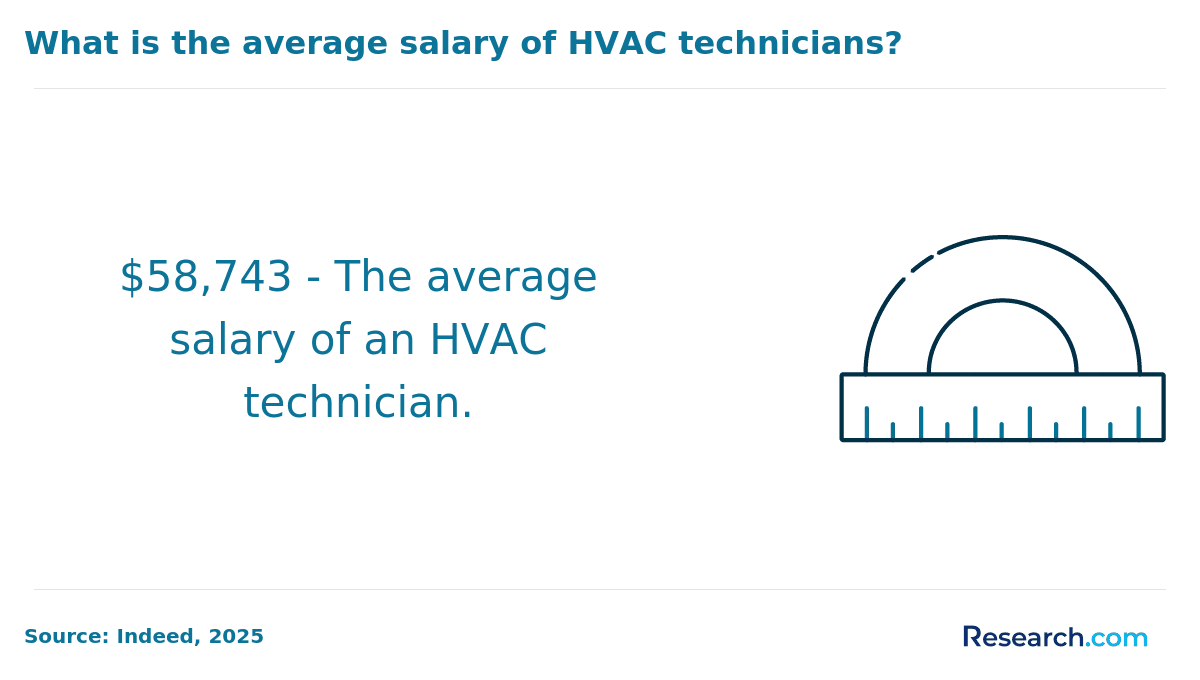
In Iowa, HVAC technicians typically earn between $45,000 and $60,000 annually, with starting salaries around $40,000 to $45,000 for those new to the field. Experienced professionals with advanced skills and certifications can expect to earn above $60,000. Specializing in areas such as refrigeration, commercial HVAC systems, or energy-efficient technology often results in higher wages due to strong demand in these sectors.
Enhancing your qualifications through certifications like EPA Section 608 or participating in apprenticeship programs can significantly boost your earning potential. Staying current with Iowa’s HVAC codes and energy standards also helps maintain a competitive edge in the job market.
To increase your salary prospects as an HVAC technician in Iowa, consider these key approaches:
- Acquire hands-on experience via internships or apprenticeships to build practical skills.
- Pursue certifications such as EPA Section 608 and NATE to validate your expertise.
- Focus on specialized fields including commercial HVAC systems and environmentally friendly technologies.
- Keep informed on local regulations and advancements in HVAC technology relevant to Iowa.
Can cross-industry certifications enhance your HVAC career?
Expanding technical credentials beyond core HVAC training can offer professionals competitive advantages and increased career resilience. Pursuing certifications in complementary technical fields demonstrates versatility and a proactive commitment to evolving industry standards. For example, understanding specialized certification criteria in another discipline can provide perspective on rigorous training processes and alternative career pathways. To see how certification standards are structured in a different technical field, consider reviewing Iowa education requirements for radiologic technologist. This approach encourages a broader skill set that may facilitate career mobility and create opportunities for diversification while reinforcing the foundation of HVAC expertise.
Is there a demand for HVAC technicians in Iowa?
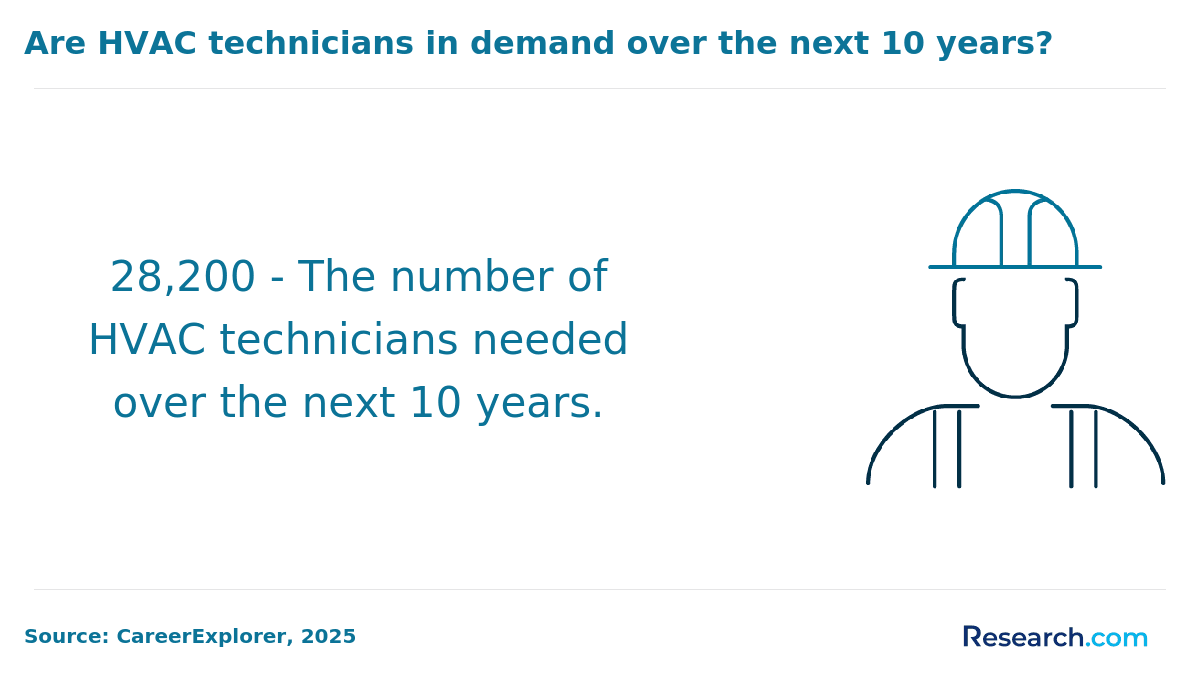
There is a steady demand for HVAC technicians in Iowa, driven by ongoing construction, maintenance, and upgrades in residential and commercial properties. According to recent labor statistics, HVAC job growth in Iowa is projected at about 5% over the next decade, aligning with the national average. This growth indicates a stable market for entry-level and experienced technicians alike, reflecting the broader Iowa HVAC industry employment outlook.
Demand varies among HVAC specialties; technicians skilled in installing and servicing energy-efficient and environmentally friendly systems typically have more job opportunities. Those with expertise in commercial HVAC systems are in higher demand in Iowa’s urban centers, while residential HVAC specialists find more opportunities in suburban and rural areas. Prospective HVAC techs should consider certifications that focus on these growing niches to improve their employability. Exploring easy licenses and certifications to get online can be a practical step to enhance skills and job prospects.
Overall, Iowa offers a practical pathway to employment for HVAC technicians, especially for those who pursue relevant training and stay updated with industry advancements. Engaging with local trade unions or apprenticeship programs can also improve hands-on experience and career opportunities, making it an important consideration for anyone following the HVAC technician job demand Iowa trend.
Is Iowa a good place to work as an HVAC tech?
Iowa offers several advantages for those pursuing a career as an HVAC technician, making it a practical choice for work in this field. The state combines affordability with stable demand, creating a favorable environment for skilled professionals.
- Cost of Living: Iowa’s lower-than-average housing and utility costs allow HVAC technicians to enjoy a decent quality of life without the financial strain common in larger metropolitan areas.
- Steady Employment: The state’s climate, featuring hot summers and cold winters, ensures ongoing demand for heating and cooling system services, contributing to consistent job availability.
- Focus on Energy Efficiency: Iowa is increasingly emphasizing environmentally friendly building practices, presenting opportunities for technicians who specialize in energy-saving and green HVAC technologies.
- Licensing and Training: Becoming an HVAC tech in Iowa requires state licensing, which involves completing approved training or apprenticeships and passing certification exams.
To effectively prepare for a career in Iowa’s HVAC industry, consider these steps:
- Identify and enroll in accredited HVAC programs at community colleges or trade schools that align with Iowa’s licensing requirements.
- Gain practical experience through apprenticeships with local HVAC businesses to enhance skills and employability.
- Regularly check for updates on state licensing regulations via the Iowa Department of Public Health or other official sources.
- Explore specialization in energy-efficient HVAC systems to capitalize on emerging market trends within the state.
What HVAC Technicians in Iowa Say About Their Careers
- Working as an HVAC technician in Iowa has given me incredible job stability, especially with the state's growing demand for energy-efficient heating and cooling systems. The average salaries here are competitive, making it a rewarding career path. I feel secure and valued every day in this profession. Mark
- Iowa's unique climate presents both challenges and opportunities that keep my work exciting and varied throughout the year. From harsh winters to humid summers, I constantly learn new skills to adapt, which has boosted my confidence and expertise. It’s a fulfilling career that pushes me to grow. Aisha
- The professional development programs available here in Iowa, including certifications and apprenticeships, have been instrumental in advancing my career. The support from local technical colleges and industry groups makes continuous learning accessible and practical. This commitment to growth keeps me motivated and ready for new challenges. Daniel
How can business education enhance career prospects for HVAC technicians in Iowa?
For HVAC professionals aiming to transition into leadership or entrepreneurial roles, supplementing technical expertise with business education is a strategic advantage. Acquiring skills in management, financial planning, and marketing helps in effectively running operations or advancing into supervisory positions within established companies. This broader skill set can improve decision-making processes, foster operational efficiency, and ultimately increase earning potential. For those evaluating options to expand their business acumen, exploring the best business schools in Iowa can offer insights into programs that align with these career objectives.
How are emerging technologies influencing HVAC careers in Iowa?
Advancements in smart systems, IoT integration, and energy management technologies are reshaping job functions and career trajectories in the HVAC field. Technicians who adapt to these innovations can leverage enhanced system diagnostics, automated troubleshooting, and sustainable installation practices to boost their professional profiles. Moreover, expanding technical competencies by exploring alternative specializations—such as reviewing how to become an ultrasound technician in Iowa—can provide complementary skill sets and diversify career opportunities in a competitive technical market.
Key Findings
- Candidates for licensure must have at least two years (4,000 hours) of hands-on HVAC installation, repair, or maintenance experience to demonstrate practical skills essential for the trade.
- The HVAC training program takes 6 months to 2 years. Aspiring HVAC technicians complete a formal program covering refrigeration, heating, ventilation, and electrical systems to build foundational skills.
- Apprenticeship/internship where aspiring HVAC technicians ain hands-on experience working under licensed professionals to develop real-world skills and meet state standards takes 12 to 24 months, or 2,000 hours.
- HVAC technicians typically earn between $45,000 and $60,000 annually, with starting salaries around $40,000 to $45,000 for those new to the field. Experienced professionals with advanced skills and certifications can expect to earn above $60,000.
Related Articles for Nearby States
- 2027 How to Become an HVAC Tech in Minnesota
- 2027 How to Become an HVAC Tech in Wisconsin
- 2027 How to Become an HVAC Tech in Illinois
- 2027 How to Become an HVAC Tech in Nebraska
- 2027 How to Become an HVAC Tech in South Dakota
- 2027 How to Become an HVAC Tech in Missouri
- 2027 How to Become an HVAC Tech in Kansas
- 2027 How to Become an HVAC Tech in Indiana
- 2027 How to Become an HVAC Tech in North Dakota
- 2027 How to Become an HVAC Tech in Michigan
References:
- Aerotek. (n.d.). Put these 8 essential HVAC technician skills to work. Retrieved from https://www.aerotek.com/en/insights/harnessing-8-essential-hvac-technician-skills
- Boden Group. (n.d.). 5 essential skills every HVAC engineer needs to master. Retrieved from
- Charter College. (n.d.). 10 HVAC technician skills for your resume.
- HVAC Certification. (n.d.). Iowa HVAC license requirements, how to get a HVAC license in Iowa.
- Iowa Central Community College. (n.d.). Heating and Air Conditioning (HVAC) Technology Program.
- Iowa Department of Inspections, Appeals, & Licensing. (n.d.). Service Technician HVAC Specialty License.
- J&A Heating, Cooling, Plumbing, & Electrical. (n.d.). 9 qualities of a good HVAC technician.
- J-Tech. (n.d.). Top 5 skills for HVAC technicians in 2025.
- Universal Technical Institute. (n.d.). What does an HVAC technician do? Learn how to become one.
- Western Iowa Tech Community College. (n.d.). HVAC apprenticeship training.
Other Things You Should Know About Becoming an HVAC Tech in Iowa
To become an HVAC Tech in Iowa in 2027, you need to complete a state-approved training program and gain an apprenticeship. Obtain EPA Section 608 certification for refrigerant handling. Finally, pass the Iowa HVAC Licensing Exam to achieve journeyman status.
The cost to complete an HVAC program in Iowa in 2026 ranges from $2,000 to $15,000, depending on the institution and program length. Community colleges tend to be more affordable, while private vocational schools may have higher tuition fees. Consider possible scholarships or financial aid options.


