
2027 How to Become an HVAC Tech in Washington

Co-Founder and Chief Data Scientist
As Washington’s need for skilled HVAC technicians continues to grow, projected at 11% between 2022 and 2032, so do the opportunities for meaningful careers in this essential trade. With increased demand for energy-efficient climate control systems in homes and businesses, now is an ideal time to explore how to start your journey toward becoming an HVAC professional in the state.
In this article, we will cover the steps to become an HVAC technician in Washington. We will also share tips and expert advice to help you build a clear and confident career path in the HVAC field.
Key Points About Becoming an HVAC Tech in Washington
- In 2022, there were 8,940 HVAC technicians employed in Washington.
- By 2032, employment is projected to rise to 9,920 HVAC technicians.
- The average annual salary for HVAC technicians in Washington is $66,577.
- Which schools in Washington offer HVAC programs?
- What skills do you need to become an HVAC Tech in Washington?
- What are the requirements for HVAC licensure in Washington?
- What is the licensing process for HVAC technicians in Washington?
- How long does it take to become an HVAC tech in Washington?
- Can expanding your technical skills enhance your HVAC career prospects?
- Can cross-training in related mechanical fields boost your HVAC career?
- Can cultivating business skills enhance your HVAC career in Washington?
- How can HVAC technicians advance their careers through additional certifications and training?
- Are emerging HVAC technologies reshaping career opportunities in Washington?
- Will an HVAC license from Washington allow you to work in other states?
- How much do Washington HVAC technicians earn?
- Is there a demand for HVAC technicians in Washington?
- Is Washington a good place to work as an HVAC tech?
- What HVAC Technicians in Washington Say About Their Careers
What are the educational requirements to become an HVAC Tech in Washington?
To become an HVAC technician in Washington, certain educational and practical steps form the foundation of the process. Understanding these requirements helps clarify how to navigate the pathway effectively while considering the balance between formal education and hands-on experience.
Here are the primary educational requirements for HVAC technician Washington:
- Minimum of a high school diploma or GED: This serves as the essential baseline credential before pursuing further HVAC training.
- Completion of a vocational HVAC training program: Most candidates enroll in accredited trade schools or community colleges offering certificates or associate degrees focused on refrigeration, electrical systems, and heating mechanics, emphasizing practical skills.
- Participation in a state-recognized apprenticeship: This is crucial for gaining paid, on-the-job experience under licensed professionals, often combined with classroom instruction, and typically required for licensing or certification.
- Washington’s requirements generally mirror national norms: Unlike some states, Washington does not impose significantly stricter academic prerequisites, which raises the question of whether practical experience might sometimes outweigh formal education in this field.
It is also worth noting that while formal programs provide structured learning, the HVAC industry often values real-world application, making apprenticeships indispensable. For those curious about career outcomes, the average salary of a trade school graduate can offer insight into potential earnings. Considering how to become a certified HVAC tech in Washington involves weighing these educational steps against personal career goals and the evolving demands of the profession.
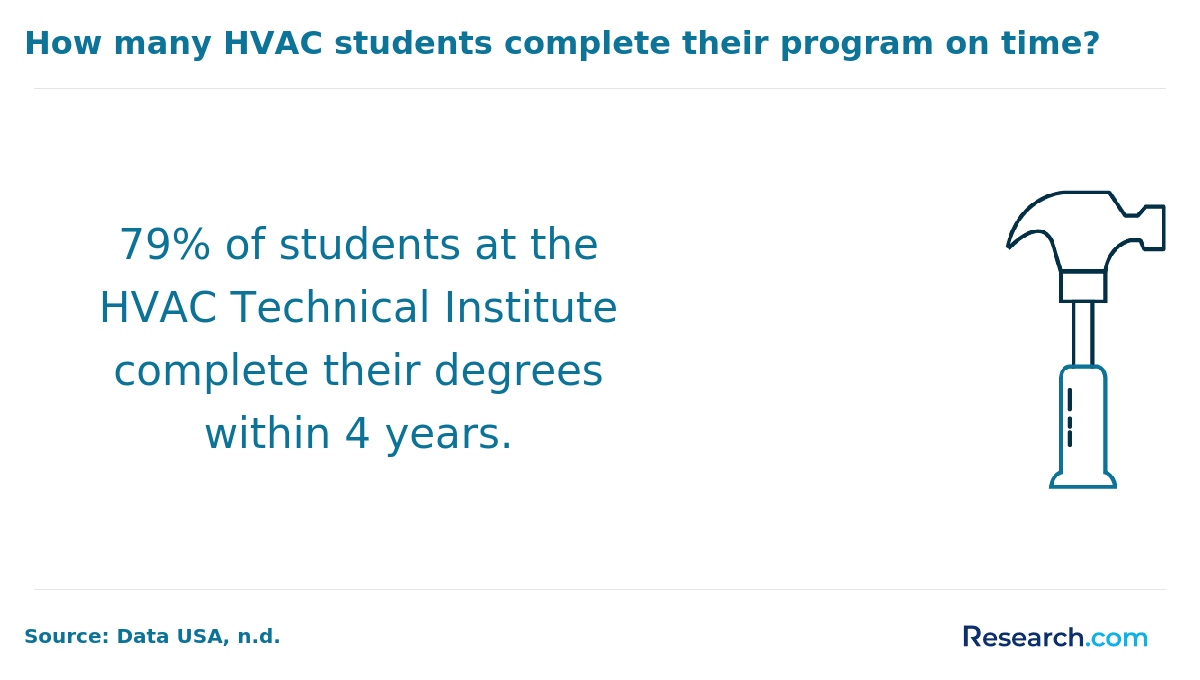
Which schools in Washington offer HVAC programs?
Washington offers various pathways for those interested in HVAC careers, but selecting the right program requires thoughtful evaluation. Several institutions provide distinct approaches to HVAC training, reflecting diverse student needs and industry demands. Below is an overview of some of the best HVAC schools in Washington to consider when researching Washington HVAC training programs.
- Centralia College: This program offers a comprehensive curriculum covering system installation, maintenance, and repair for both residential and commercial settings. Tuition for in-state students is approximately $4,500 annually, making it a relatively affordable option. However, students should consider whether additional certifications or specializations might be necessary to remain competitive.
- Renton Technical College: Known for its hands-on training aligned with industry standards, this program emphasizes refrigeration, electrical systems, and energy-efficient technologies. Tuition is about $5,000 per year for in-state learners. While the curriculum addresses the growing demand for green technology expertise, prospective students might question the return on investment without strong job placement support.
- Bates Technical College: Offering shorter, certificate-focused HVAC training, Bates concentrates on core skills like airflow diagnostics and safety protocols. This option suits those seeking quick entry into the workforce, though the limited scope may require further education for career advancement.
When choosing a program, consider not only tuition but also how well the curriculum aligns with evolving HVAC trends in Washington’s climate-conscious market and industry connections. For those exploring qualifications and career paths, understanding what qualifications are needed to become an HVAC technician can provide valuable guidance.
What skills do you need to become an HVAC Tech in Washington?
Becoming an HVAC technician in Washington requires a blend of specialized knowledge and practical abilities, shaped by the region’s unique climate and regulatory landscape. It is worth considering how these demands influence the skill set needed beyond basic technical know-how.
- Electrical System Expertise: Mastery of complex electrical components is essential, as HVAC units rely heavily on intricate wiring and control systems that must be correctly installed and maintained.
- Refrigerant Handling and Regulation Compliance: Technicians must understand refrigeration processes and safely manage refrigerants, following strict EPA guidelines particular to Washington State.
- Blueprint and Manual Interpretation: The ability to accurately read technical documents ensures proper installation and effective troubleshooting, minimizing costly errors.
- Knowledge of Local Codes and Efficiency Standards: Familiarity with Washington’s building codes and energy regulations is crucial, as these impact system design choices and operational practices.
- Diagnostic Tool Proficiency: Skilled use of diagnostic instruments and software enables technicians to detect and resolve system issues efficiently.
Beyond technical skills, successful HVAC professionals in Washington need strong problem-solving capabilities and fine manual dexterity to adapt to varied work environments. Considering the state's diverse climates, ongoing education and flexibility become vital to stay current with technological advances and evolving legal requirements.
This chart from US BLS shows the top-paying industries for HVAC technicians.
What are the requirements for HVAC licensure in Washington?
HVAC technicians in Washington need to fulfill several specific requirements to obtain licensure, reflecting the state’s focus on both practical skills and regulatory knowledge. These criteria ensure that candidates meet professional standards while raising questions about accessibility for those entering the field through nontraditional routes.
- Four years of documented HVAC experience or equivalent combination of education and experience: Applicants must demonstrate substantial, verifiable hands-on work or an educational background that complements their experience.
- Passing the business and law exam plus a trade-specific exam: These exams test knowledge of regulatory compliance, contract law, workplace safety, and practical HVAC skills, emphasizing a balance of technical and legal understanding.
- Completion of a fingerprint-based background check: This thorough screening process is more stringent than in many other states, reflecting Washington’s prioritization of public safety and industry integrity.
Understanding how to become a licensed HVAC technician in Washington involves recognizing these rigorous demands, which can impact workforce diversity and entry pathways. While the emphasis on experience and examinations ensures competent professionals, it may also present barriers for those without traditional credentials. Exploring alternative routes or supportive programs could help widen access to this skilled trade.
For those considering this career, it’s worthwhile to examine options among quick to learn trade jobs that pay well, which may offer more accessible entry points or complementary skills. Balancing practical experience with formal requirements remains central to navigating HVAC licensing requirements in Washington.
What is the licensing process for HVAC technicians in Washington?
Washington’s HVAC technician licensing system is intended to uphold professional standards and public safety, but it also raises questions about accessibility and adaptation to industry changes. The process involves several key components that aspiring technicians must navigate carefully.
- Certificate Requirement: Candidates must obtain a Refrigeration Mechanic Certificate issued by the Washington State Department of Labor & Industries (L&I), confirming foundational knowledge and compliance with regulations.
- Work Experience: A minimum of 2,000 hours of supervised, hands-on work under a licensed technician or contractor is mandatory, ensuring practical skill development but potentially creating barriers for some entrants.
- Licensing Examination: Applicants must pass an exam assessing their understanding of refrigeration, heating, ventilation, and safety standards, though the exam’s alignment with rapidly evolving HVAC technologies and environmental regulations can be questioned.
These requirements strive to balance safety with professional competency, yet the focus on refrigeration-related work excludes certain HVAC tasks, complicating the scope of licensure. The necessity of supervised work experience might limit opportunities for diverse candidates or those without easy access to mentorship. It is worth considering whether these rules remain fully relevant in light of emerging green technologies and changing industry practices.
When discussing the licensing process with an HVAC technician from Washington, she reflected on the challenges she faced early in her career. “Finding a licensed mentor willing to supervise my hours was tougher than I expected,” she explained, describing the frustration of waiting months for placement. She also noted how the test didn’t cover some of the newer, environmentally friendly systems she encountered on the job. Despite these hurdles, she found the journey rewarding, saying, “Once I was licensed, it opened many doors, but it also made me realize how important it is for the regulations to evolve alongside the industry.” This personal insight underscores the ongoing tension between established standards and the need for adaptability within Washington’s HVAC licensing framework.
How long does it take to become an HVAC tech in Washington?
Understanding how long to become an HVAC technician in Washington involves examining education, experience, and licensing steps. The Washington HVAC tech training duration varies depending on the chosen pathway and individual circumstances.
- Formal education: Typically takes 6 months to 2 years at a technical school or community college, covering HVAC theory, safety protocols, and practical training.
- Apprenticeship or internship: Usually lasts 2 to 5 years, providing hands-on experience essential for skill development and meeting state requirements.
- Work experience for licensure: Washington requires at least 3,000 hours of practical work before qualifying for a contractor’s license, equating to about 1.5 to 2.5 years full-time.
While the traditional approach spans 3 to 7 years, some argue that accelerated programs combined with intensive apprenticeships could shorten this timeline. Others stress that extensive field experience is vital for competency and safety. Prospective students might explore options by researching what are the best online HVAC trade schools are to find programs that fit their goals and timelines.
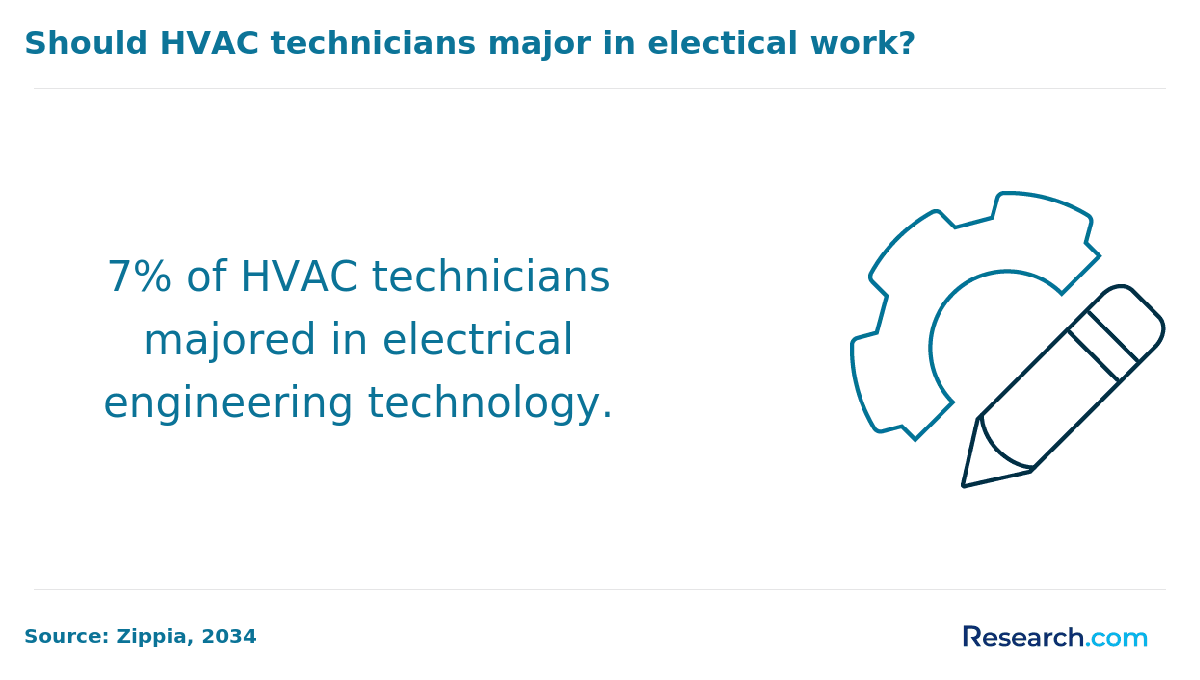
Can expanding your technical skills enhance your HVAC career prospects?
Diversifying technical expertise can provide HVAC professionals with a competitive edge in an evolving market. By pursuing additional certifications and specialized training, technicians position themselves for roles that integrate advanced system diagnostics and smart building technologies. Exploring complementary fields, such as electrical systems, can open pathways to more comprehensive project management and system integration roles—an option for those seeking to futureproof their careers. For instance, reviewing best practices from our guide on how to get electrician license in Washington may offer valuable insights to enhance your service portfolio and operational flexibility.
Can cross-training in related mechanical fields boost your HVAC career?
Expanding your expertise to adjacent mechanical disciplines can offer a competitive edge in a dynamic market. Diversifying skills through targeted certifications and practical training not only enhances problem-solving capabilities but also prepares you for multifaceted technical challenges. Supplementing your HVAC knowledge with courses in related fields—such as how to become a mechanic in Washington—enables you to adapt to evolving industry standards and integrate innovative technologies into your workflow.
Can cultivating business skills enhance your HVAC career in Washington?
Integrating business acumen into your technical expertise can open doors to leadership roles and entrepreneurial opportunities in Washington’s competitive HVAC market. By developing skills in financial management, project oversight, and customer relations, HVAC professionals can transition into management positions or successfully launch their own services. For those interested in formal business education that complements industry-specific training, consider exploring programs offered by the best business schools in Washington.
How can HVAC technicians advance their careers through additional certifications and training?
Advancing an HVAC career requires more than foundational skills—it involves ongoing professional development and targeted certifications. Pursuing specialized training in smart HVAC systems, energy management, and building automation can position technicians to meet evolving industry standards. Exploring cross-disciplinary programs also offers insights into structured technical education that reinforces transferable skills. For example, reviewing Washington education requirements for radiologic technologist may provide valuable perspectives on comprehensive curricula and certification benefits. Strategic investment in continuous learning and advanced credentials is essential for securing promotions and enhancing long‐term career prospects in Washington’s dynamic market.
Are emerging HVAC technologies reshaping career opportunities in Washington?
Rapid advancements in smart HVAC systems, IoT integration, and enhanced energy management are significantly impacting the career landscape in Washington. These technological innovations are not only redefining service delivery and system maintenance but also creating new skill requirements for industry professionals. By embracing specialized training and certifications that focus on these emerging systems, HVAC technicians can improve their problem-solving capabilities and secure a competitive edge in evolving market conditions. Moreover, diversifying technical prowess through exploration of interdisciplinary fields can further bolster career resilience. For instance, professionals interested in broadening their scope may find valuable insights by examining how to become an ultrasound technician in Washington.
Will an HVAC license from Washington allow you to work in other states?
Possessing an HVAC license from Washington state does not automatically grant the right to practice in other states, as Washington lacks formal reciprocity agreements for HVAC certification. This situation raises important considerations about how transferable professional licenses truly are within a workforce that increasingly moves across state lines. Although some states may informally acknowledge prior experience or certifications, the majority require applicants to fulfill their own licensing standards, typically involving passing state-specific examinations and completing local continuing education.
For HVAC technicians contemplating a move, essential actions include:
- Investigating the licensing requirements in the destination state
- Successfully passing any mandated licensing exams unique to that state
- Providing documented evidence of work experience and educational background as required
- Undertaking additional state-specific training if applicable
This decentralized licensing framework challenges the expectation of a uniform national standard, emphasizing the need for HVAC professionals to navigate diverse regulatory environments carefully.
How much do Washington HVAC technicians earn?
In Washington State, HVAC technicians earn an average annual salary of $66,577. While entry-level positions may start lower, those with advanced experience, certifications, or specialized skills often earn more. This strong salary reflects growing demand for environmentally sustainable HVAC solutions and the state's expanding green technology sector.
Specialization notably impacts income potential. For instance, technicians who work on commercial HVAC systems or refrigeration units may receive higher pay compared to those focused on residential systems. Moreover, expertise in installing and servicing innovative HVAC technologies could open doors to better financial prospects.
Several elements contribute to salary differences:
- Accumulated practical experience and commitment to ongoing training
- The specific HVAC sector served, whether residential, commercial, or industrial
- Local market demand and the cost of living in various Washington regions
Therefore, while average salary figures provide a helpful reference, individuals exploring an HVAC career should critically evaluate how their unique skills, career path, and continuous education might shape their long-term earnings.
Is there a demand for HVAC technicians in Washington?
The demand for HVAC technicians in Washington is on the rise, with employment expected to grow from 8,940 in 2022 to 9,920 by 2032. This growth translates to about 990 projected annual job openings, reflecting steady opportunities across the industry. As technology evolves and energy efficiency becomes a priority, skilled professionals will continue to be in high demand across both residential and commercial sectors.
Regional differences within Washington are also significant, as urban centers like Seattle tend to have more opportunities due to ongoing construction and infrastructure projects, while rural areas might see slower growth. Prospective technicians should assess whether their chosen HVAC niche aligns with future industry trends and technological changes. For those considering formal training, exploring options such as online vocational schools can provide flexible pathways into the field. This is especially relevant given the Washington HVAC industry growth outlook and the evolving skill sets required to remain competitive in this dynamic sector.
This chart from US BLS displays the HVAC technician wage gap by degree level.
Is Washington a good place to work as an HVAC tech?
Washington State offers a complex environment for HVAC professionals exploring career options. Its varied climate and growing urban areas create demand, yet challenges like living costs and licensing requirements complicate the picture.
Considering Washington as a place to work as an HVAC technician requires balancing multiple factors:
- Climate Diversity: The state’s coastal and inland weather patterns generate consistent needs for both heating and cooling services, potentially broadening job prospects.
- Urban Growth: Expanding populations in cities such as Seattle and Spokane drive construction and maintenance work, which can increase HVAC employment opportunities.
- Cost of Living: High expenses, especially in metropolitan areas, can reduce the relative value of HVAC salaries in Washington. While the average HVAC technician earns $66,577 annually, the state's livable wage for a single adult with no children is $54,828, and the annual minimum wage stands at $34,652.80. This highlights the importance of skilled positions like HVAC, which offer earnings well above basic living thresholds.
- Licensing and Certification: State-mandated credentials, including EPA certification for refrigerant handling, set professional standards but also create entry barriers for newcomers.
- Training Availability: Access to apprenticeships and technical education within Washington supports skill development, though competition in urban markets could affect job accessibility.
These elements suggest that while Washington holds potential for HVAC careers, individuals should carefully evaluate how environmental, economic, and regulatory conditions align with their goals and circumstances.
What HVAC Technicians in Washington Say About Their Careers
- Working as an HVAC technician in Washington has given me incredible job stability. With the state's growing demand for energy-efficient heating and cooling solutions, I've consistently found work and competitive wages. It feels great to have a career that supports my family and offers peace of mind. – Margaret
- Washington’s diverse climate presents unique challenges that keep my job exciting every day. From humid summers to chilly winters, I’ve developed skills that I wouldn’t have gained elsewhere. Plus, the state's focus on sustainable technologies means I’m always learning something new. – Precy
- The professional development opportunities here are outstanding. I’ve taken advantage of local training programs and certifications that have helped me advance quickly in my career. Being part of a community that values continuous learning really motivates me to improve. – Emily
Related Articles for Nearby States
- 2027 How to Become an HVAC Tech in Oregon
- 2027 How to Become an HVAC Tech in Idaho
- 2027 How to Become an HVAC Tech in Montana
- 2027 How to Become an HVAC Tech in California
- 2027 How to Become an HVAC Tech in Nevada
- 2027 How to Become an HVAC Tech in Utah
- 2027 How to Become an HVAC Tech in Wyoming
- 2027 How to Become an HVAC Tech in Arizona
- 2027 How to Become an HVAC Tech in Colorado
- 2027 How to Become an HVAC Tech in New Mexico
References:
- O*NET OnLine (n.d.). Washington Employment Trends 49-9021.00 - Heating, Air Conditioning, and Refrigeration Mechanics and Installers. Retrieved from https://www.onetonline.org/link/localtrends/49-9021.00?st=WA
- US BLS (2024). Heating, Air Conditioning, and Refrigeration Mechanics and Installers. Retrieved from https://www.bls.gov/ooh/installation-maintenance-and-repair/heating-air-conditioning-and-refrigeration-mechanics-and-installers.htm
- World Population Review (2025). Living Wage by State 2025. Retrieved from https://worldpopulationreview.com/state-rankings/livable-wage-by-state
- Zippia (2025). Hvac Technician demographics and statistics in the US. Retrieved from https://www.zippia.com/hvac-technician-jobs/demographics/
- ZipRecruiter (2025). What Is the Average Hvac Technician Salary by State. Retrieved from https://www.ziprecruiter.com/Salaries/What-Is-the-Average-HVAC-Technician-Salary-by-State
Other Things You Should Know About Being an HVAC Tech in Washington
To work as an HVAC tech in Washington in 2027, you must obtain an EPA Section 608 certification to handle refrigerants. Additionally, a trainee certificate is necessary to gain practical experience under a licensed contractor. Completing an apprenticeship or vocational program can further enhance your qualifications.
In 2026, to become an HVAC technician in Washington, you must be at least 18 years old. This age requirement ensures that candidates are legally eligible to enter apprenticeship programs and work independently with the necessary licenses.


