
2027 How to Become a Mechanic in Washington: Requirements & Certification

Co-Founder and Chief Data Scientist
Many people think becoming a mechanic in Washington is as simple as learning how to fix cars and applying for jobs. However, most quickly discover that it takes more than basic skills to break into the field, especially in a state that prioritizes emissions testing, electronic diagnostics, and technical certifications. Even hands-on learners can struggle if they miss key steps.
As of 2025, Washington employs more than 13,700 mechanics, and the state’s auto repair shops expect more than just enthusiasm. They seek certified, job-ready technicians who understand modern vehicles and are familiar with working within state regulations. If you’re serious about becoming a mechanic, this guide will show you exactly what to do, step by step. Written by career planning experts, this guide explains how to choose the right training, meet Washington’s requirements, and develop the skills today’s employers are looking for.
Key Things to Know About Becoming a Mechanic in Washington
- Washington’s mechanic job market is projected to grow by 7% from 2022 to 2032, faster than the national average, indicating strong demand for skilled technicians.
- The median annual salary for automotive service technicians in Washington is approximately $57,790.
- Most accredited mechanic training programs in Washington take between 6 months and 2 years to complete, providing flexible options for certificate or associate degree attainment.
- What are the steps to become a mechanic in Washington?
- What training and education options are available in Washington?
- Do you need certifications to work as a mechanic in Washington?
- How long does it take to become a mechanic in Washington?
- How much does it cost to become a mechanic in Washington?
- What job opportunities are available for mechanics in Washington?
- How much do mechanics make in Washington?
- What role does continuous education play in career advancement for mechanics in Washington?
- What tools and skills do mechanics need to succeed?
- What are the career growth opportunities for mechanics in Washington?
- What are the pros and cons of becoming a mechanic in Washington?
- Can expanding into related technical fields boost a mechanic’s career in Washington?
- What workplace safety practices and compliance standards are essential for mechanics in Washington?
What are the steps to become a mechanic in Washington?
Becoming a mechanic in Washington involves navigating a landscape shaped more by practical skills and certifications than formal licensing. While no state license is mandated, the pathway relies heavily on education, experience, and recognized credentials.
Complete Relevant Education and Training
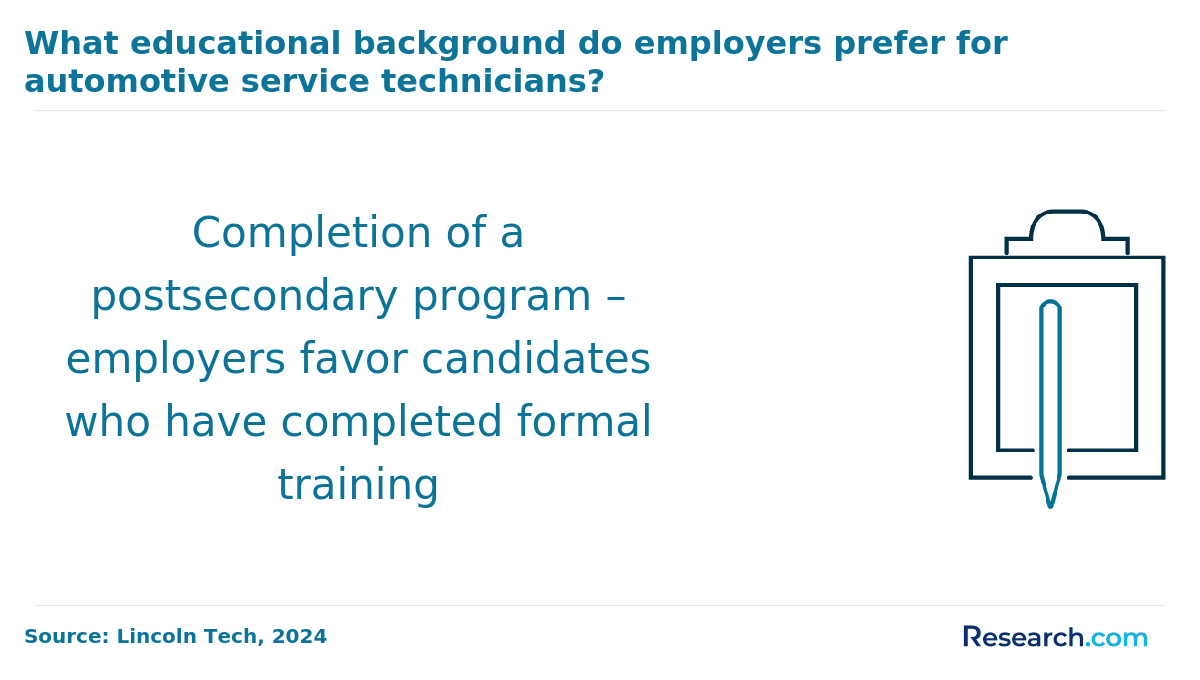
Although a high school diploma or GED is the minimum educational baseline, many employers favor candidates who have completed formal automotive technology programs. These programs, often offered through technical colleges and vocational schools, provide structured curricula that cover essential skills in under two years. Utilizing resources like Dreambound can help prospective mechanics find and compare such programs statewide, though it is worth scrutinizing the quality and industry connections of each institution before committing.
Obtain ASE Certification
Certification from the National Institute for Automotive Service Excellence (ASE) is widely recognized as a marker of competence. While not legally required, ASE certification can enhance employability by signaling proficiency in specific automotive repair areas. Candidates should consider that some employers may weigh hands-on experience equally or more than certification, so balancing both credentials and practical skills is advisable.
Gain Practical Experience Through Apprenticeships
Hands-on experience remains critical. Apprenticeships or work-study programs offered in Washington provide real-world exposure and networking opportunities that classroom learning alone cannot replicate. Given the evolving technology in vehicles, ongoing learning alongside experienced professionals can be more impactful than initial qualifications.
Meet Legal Driving Requirements
Although no mechanic license is required, a valid driver’s license is essential for operational duties such as vehicle testing or parts delivery. This requirement underscores the practical nature of the role but also points to a legal boundary that aspiring mechanics must observe.
The chart below lists the most common skills for automotive mechanics, as published by Zippia in 2025.
What training and education options are available in Washington?
Washington offers a variety of pathways for those interested in automotive careers, each with distinct advantages depending on the student’s goals and time commitments. Considering the diverse needs of learners, the options range from comprehensive degree programs to accelerated diplomas and industry-aligned apprenticeships.
Key training and education options include:
- Community colleges like Lake Washington Institute of Technology offer an Auto Repair Technician program, leading to an Associate of Applied Science degree, which features hands-on training and a notable partnership with Audi of America, enhancing industry exposure.
- Renton Technical College emphasizes diagnostic skills on modern vehicles. It integrates the I-BEST program, providing academic reinforcement to students while preparing them for certifications, such as the Washington State Emission Certification.
- Shoreline Community College offers the Mopar College Automotive Program, which combines classroom instruction with paid training at Chrysler dealerships, enabling students to gain practical experience and establish professional connections.
- Trade schools, such as UEI College in Tacoma, deliver accelerated programs that combine online coursework and in-person labs, designed for quicker workforce entry without sacrificing essential hands-on skills.
- State-supported initiatives like I-BEST improve accessibility for non-traditional students, providing additional support in foundational subjects to complement technical training.
While these programs vary in structure and intensity, they collectively reflect the evolving landscape of Washington automotive technology training programs, accommodating a range of learners. Prospective students should carefully consider how each option aligns with their career aspirations, learning style, and the specific certifications required in the state. For those researching the best pathways, reviewing resources on the best trade careers in high demand can provide valuable insights into the broader vocational training context.
Do you need certifications to work as a mechanic in Washington?
Washington state mechanic certification requirements are not strictly enforced through a formal licensing system for general auto mechanics. Instead, the state emphasizes practical qualifications such as a high school diploma and a valid driver's license, which are essential given the driving tasks mechanics often perform. For specialized fields like emissions repair, Washington does require proof of specific training, such as ASE L1 certification or equivalent factory training, underscoring the state's targeted regulatory approach rather than broad licensing mandates.
ASE certification for automotive technicians in Washington plays a pivotal role despite being voluntary. This credential is widely recognized by employers and customers alike, serving as a benchmark of professional competence. Achieving ASE certification involves passing specialized exams and demonstrating relevant work experience, which varies depending on the test. These certifications cover diverse areas such as engine repair, brakes, and electrical systems, enabling technicians to showcase specific expertise that enhances their job prospects and credibility.
While ASE certification is not legally required, it effectively serves as a de facto standard in the industry. Employers often expect or prefer ASE-certified mechanics, which influences hiring decisions and wage potential. Additionally, aspiring mechanics may benefit from exploring formal education options and apprenticeships to meet experience requirements and build a competitive profile.
For those interested in broader vocational training, platforms like Dreambound provide resources to compare programs tailored to Washington’s automotive sector. Moreover, individuals seeking related career paths may also review requirements to become an HVAC technician, which similarly blend education and certification standards. Ultimately, the combination of practical experience, targeted certifications, and continuous learning shapes a successful mechanic career in Washington.
How long does it take to become a mechanic in Washington?
While formal education and apprenticeships typically take one to two years each, gaining practical experience and obtaining certifications can extend the process to around five years. Technical schools and community colleges offer structured programs lasting about two years, providing essential skills in areas such as engine repair and diagnostics. Apprenticeships, often lasting one to two years, serve as an alternative or complement, offering paid, practical training under seasoned professionals. However, some individuals may find that balancing work and education concurrently can shorten this timeline, though it demands significant time management and dedication.
Certification through ASE is not legally required in Washington but is widely regarded as a mark of proficiency. The time to secure these credentials varies and depends on one’s ability to pass exams and accumulate relevant work experience. Strategic planning in certification can expedite employment opportunities by focusing on high-demand specialties first.
One Washington mechanic reflected on their journey, noting the emotional challenge of managing evening classes after long workdays, yet found fulfillment in gradually mastering complex diagnostic tools that once seemed intimidating. This experience highlights that, although the process is demanding, the practical skills gained foster confidence and career readiness.
How much does it cost to become a mechanic in Washington?
Becoming an automotive mechanic in Washington typically involves a significant financial investment, with associate degree programs costing between $10,000 and $25,000. These costs vary depending on the institution and whether the student qualifies for in-state tuition or financial aid.
The Washington state automotive mechanic training costs include several components beyond tuition that prospective students should consider:
- Tuition for automotive technician programs ranges broadly due to differences between public community colleges and private trade schools.
- Additional fees, such as those in specialized programs like Shoreline Community College’s Honda PACT, can add $63 or more per quarter.
- Tools and equipment are a necessary expense, often requiring an upfront investment from $1,000 to $3,000 for a basic set of hand tools.
- Books and supplies may cost several hundred dollars annually, depending on the curriculum and materials required.
- Certification tests, such as ASE, are optional but recommended, with fees of around $47 per test plus a $34 registration fee, which can enhance job prospects.
- Living expenses vary widely and are influenced by location and personal circumstances, making it difficult to generalize, but it is essential to budget accordingly.
Financial aid options, including federal grants, state need-based assistance, scholarships, and workforce education programs, are available to reduce these costs. Employer-sponsored apprenticeships can also provide practical experience while offsetting the costs of education.
When considering automotive technician school tuition Washington institutions offer, it is prudent to compare total costs and available support carefully. For those interested in related engineering fields, exploring mechanical engineering career options may provide additional perspectives on educational investment and career pathways.
The chart below compares the employment growth rate of auto motive mechanics with other occupations, as reported by the BLS in 2025.
What job opportunities are available for mechanics in Washington?
Automotive Technicians/Mechanics
Mechanic jobs in Washington State are currently hiring, and they are especially abundant for automotive technicians who possess both traditional mechanical skills and the ability to work with computerized diagnostics. Urban centers such as Seattle and Tacoma offer numerous job openings, but competition can be intense due to the high concentration of qualified candidates. One mechanic recalled that navigating the job market involved balancing skill development with networking, as many employers prioritized candidates who demonstrated adaptability to evolving vehicle technologies.
Diesel Mechanics
Diesel mechanics remain in high demand due to Washington’s logistics and transportation sectors. Positions often require experience with heavy trucks and agricultural machinery, with wages typically ranging between $25 and $40 per hour. However, these roles can be geographically concentrated in industrial or rural areas, which may pose relocation challenges for some job seekers. For those considering this path, the ability to secure certifications and maintain versatility across equipment types is crucial for sustained employment.
Maintenance and Fleet Mechanics
Maintenance mechanics working in manufacturing plants and public institutions face steady demand, particularly within government and transit agencies. These roles often offer stable employment with benefits, but may involve routine tasks that require a commitment to safety and adherence to procedural compliance. The public sector can be an appealing option for those seeking long-term careers with clear advancement routes and union protections.
Specialized Mechanic Roles
Specialized mechanics servicing motorcycles, marine engines, and green technologies such as electric and hybrid vehicles are increasingly sought after. This growth is influenced by regional environmental priorities and emerging transportation technologies. Aspiring mechanics may benefit from pursuing targeted certifications and staying abreast of industry trends, as these specialties often require continuous learning and adaptation.
For those exploring automotive technician career opportunities Washington offers, investing in accredited training programs significantly improves job prospects. Many local employers collaborate with educational institutions, as seen in the rankings of the best automotive mechanic trade school, providing pathways from education to employment. The mechanic’s experience highlights that persistence and staying current with certifications were key factors in successfully entering the workforce despite initial uncertainties.
How much do mechanics make in Washington?
The average auto mechanic pay in Washington hovers around $29.67 per hour, with annual salaries typically near $61,720, though entry-level positions start closer to $47,000. These figures suggest a competitive market, but regional and skill-based differences have a significant impact on earnings.
Experience and specialization matter greatly. Automotive mechanics with advanced skills or certifications can command hourly rates of up to $55, especially in higher-cost areas such as Seattle. Entry-level roles, such as Automotive Mechanic I, show a salary range of $40,552 to $68,102 annually, indicating room for growth but also variability depending on the employer and location.
Geographic location within the state plays a critical role. Seattle and Tacoma offer some of the highest wages, with Tacoma’s journeyman mechanics earning between $28 and $32 per hour. In contrast, smaller markets like Ellensburg and Everett provide opportunities in specialized niches, often at slightly lower pay but with less competition and lower cost of living.
Maximizing income often involves pursuing certifications and exploring diverse sectors beyond traditional auto repair, including maritime, aviation, and agricultural equipment mechanics. Washington’s apprenticeship programs also provide pathways to better pay while gaining experience. For those interested in understanding the broader educational context that supports this career, reviewing engineering degree requirements can offer valuable insights into the technical foundation relevant to mechanics today.
What role does continuous education play in career advancement for mechanics in Washington?
Ongoing professional development equips mechanics to adapt to rapidly evolving automotive technologies and regulatory standards. Advanced certifications and targeted courses not only enhance technical expertise but also open pathways to specialized roles and leadership positions. Mechanics can benefit from structured training programs that focus on contemporary diagnostic tools, emerging vehicle systems, and business management skills essential for overseeing operations or starting a repair shop. Additionally, expanding into complementary fields—such as exploring how to become an electrician in Washington—can diversify skill sets and further solidify career longevity in a competitive market.
What tools and skills do mechanics need to succeed?
Success as an automotive mechanic in Washington depends on a combination of technical skills, practical experience, and adaptability to evolving automotive technologies. While hands-on expertise remains fundamental, the increasing complexity of vehicle systems necessitates that mechanics continually update their knowledge.
Mechanics must be proficient in diagnosing and repairing both traditional and modern vehicles, including hybrids and electric cars. This requires familiarity with computerized diagnostic tools and software, as well as a solid understanding of mechanical and electrical systems. Equally important is the ability to communicate effectively with customers and colleagues, ensuring accurate service and fostering trust.
- Use of computerized diagnostic equipment to identify vehicle issues efficiently
- Understanding of internal combustion engines, hybrid systems, and electric vehicle components
- Skilled in brake, transmission, and suspension repair and maintenance
- Ability to interpret technical manuals and service bulletins
- Strong problem-solving skills to troubleshoot complex mechanical and electrical failures
- Manual dexterity and physical stamina for hands-on repair work
- Effective communication skills to explain repairs and maintenance needs to clients
- Commitment to ongoing education to keep pace with automotive technology advancements
While technical competence is critical, mechanics should also consider certifications and licensing that may enhance employment prospects in Washington. The automotive service industry’s shift towards sustainability and autonomy suggests that adaptability and lifelong learning will be essential traits for long-term career viability.
What are the career growth opportunities for mechanics in Washington?
Regional demand, industry trends, and the specialization of skills influence career growth opportunities for mechanics in Washington. While the state offers diverse prospects, a critical evaluation of market conditions is necessary to understand potential trajectories.
Regional Demand and Employment Patterns
Washington’s diverse economy sustains a steady demand for automotive mechanics, particularly in metropolitan areas like Seattle and Tacoma, where vehicle ownership and commercial transportation are high. However, rural regions may offer fewer opportunities, reflecting broader economic disparities. Prospective mechanics should consider geographic flexibility to access the most promising job markets.
Impact of Technological Advancements
The automotive industry’s shift toward electric and hybrid vehicles creates both challenges and opportunities for mechanics. Those investing in training for advanced diagnostic tools and electric vehicle systems may find enhanced career prospects. Conversely, traditional mechanical skills alone may limit upward mobility as repair needs evolve.
Importance of Certification and Specialized Skills
Certification through recognized bodies such as ASE (Automotive Service Excellence) often correlates with higher wages and job security. Specializing in areas like diesel engines or heavy machinery can further differentiate candidates. However, obtaining and maintaining certifications requires time and financial investment, which may not be feasible for all.
Industry Growth and Economic Factors
While Washington’s economy supports automotive services, fluctuations in fuel prices, public transportation usage, and vehicle sales can affect mechanic demand. Economic downturns might reduce discretionary maintenance spending, impacting job stability. Long-term growth depends on adapting to these external influences.
The chart below lists the industries with the highest number of jobs for automotive mechanics, as reported by the BLS in 2025.
What are the pros and cons of becoming a mechanic in Washington?
Choosing a career as an automotive mechanic in Washington involves weighing several practical factors. The state's economic climate and industry trends influence both opportunities and challenges in this field.
Pros
Washington benefits from a strong economy and a high demand for skilled tradespeople, including mechanics. The presence of a large and diverse vehicle population ensures steady work, as maintenance and repairs are ongoing needs. Additionally, Washington’s commitment to green technologies, such as electric vehicles, offers mechanics a chance to specialize in emerging automotive sectors, potentially increasing future job security and income.
The state also offers access to quality technical training through community colleges and trade schools, which helps aspiring mechanics gain practical skills and certifications. Furthermore, Washington’s relatively higher average wages for skilled trades can provide a better standard of living compared to many other states.
Cons
Despite these advantages, the cost of living in Washington is notably high, particularly in urban areas like Seattle, which may offset the benefits of higher wages. Entry-level mechanics might face lower starting salaries, making it challenging to manage expenses initially. Moreover, the automotive industry is evolving rapidly with the integration of automation and digital diagnostics, requiring continuous education and adaptation that may not be accessible or appealing to everyone.
Competition can also be stiff, especially in metropolitan markets where many mechanics vie for limited positions. In rural areas, while demand exists, wages and career advancement opportunities may be more limited. Additionally, physical demands and workplace safety concerns inherent to mechanic work remain persistent challenges.
Ultimately, pursuing a career as a mechanic in Washington requires careful consideration of both financial and professional development factors, along with a readiness to adapt to industry shifts.
Can expanding into related technical fields boost a mechanic’s career in Washington?
Diversifying skill sets can be a strategic move for staying competitive in an evolving technical landscape, where expanding beyond traditional automotive repair may open additional revenue streams. Mechanics can leverage their diagnostic expertise to cross-train in areas such as HVAC systems, which increasingly incorporate analogous on-board diagnostic technologies and energy efficiency standards. This additional certification not only adds versatility but also enables professionals to tap into a broader market, making them more resilient in fluctuating economic climates. For insights on how to pursue these complementary qualifications, explore our guide on how to get HVAC license in Washington.
What workplace safety practices and compliance standards are essential for mechanics in Washington?
Mechanics in Washington are expected to adhere to rigorous safety protocols and regulated workplace practices that minimize on-the-job risks and ensure compliance with both state and federal regulations. Adopting comprehensive safety measures—such as proper use of personal protective equipment, strict adherence to OSHA and local guidelines, and regular training on hazardous material handling—can significantly reduce risks associated with automotive repair tasks. Employers value continuous safety training and routine audits as these practices not only promote a secure working environment but also support consistent operational excellence. For professionals looking to diversify their technical expertise and enhance overall safety acumen, consider exploring how to become a radiology technician in Washington.
What do mechanics say about their careers in Washington?
Participating in the Washington State Vocational Program gave me hands-on experience that textbooks simply can't provide. Working directly on engines and diagnostics helped me build confidence and skills that employers value, making the transition into the workforce much smoother. - Mendel
The nonprofit program I joined in Seattle offered not only training but also mentorship, which was crucial in understanding the real-world challenges of automotive repair. Practicing the trade daily reinforced my passion and showed me the satisfaction of solving complex mechanical problems. - Edwin
The state-sponsored apprenticeship program allowed me to learn alongside experienced mechanics while earning a wage. This practical approach to education made me appreciate the craftsmanship involved and prepared me well for a long-term career in automotive mechanics. - Phil
Related Articles for Nearby States
- 2027 How to Become a Mechanic in Oregon: Requirements & Certification
- 2027 How to Become a Mechanic in Idaho: Requirements & Certification
- 2027 How to Become a Mechanic in Montana: Requirements & Certification
- 2027 How to Become a Mechanic in California: Requirements & Certification
- 2027 How to Become a Mechanic in Nevada: Requirements & Certification
- 2027 How to Become a Mechanic in Utah: Requirements & Certification
- 2027 How to Become a Mechanic in Wyoming: Requirements & Certification
- 2027 How to Become a Mechanic in Arizona: Requirements & Certification
- 2027 How to Become a Mechanic in Colorado: Requirements & Certification
- 2027 How to Become a Mechanic in New Mexico: Requirements & Certification
References:
- Bureau of Labor Statistics (BLS). (2025a). 49-3023 Automotive Service Technicians and Mechanics. Occupational Employment and Wage Statistics (OEWS) Profiles. BLS.
- Bureau of Labor Statistics (BLS). (2025b). Area: Washington. Occupational Employment and Wage Statistics Query System. BLS.
- Bureau of Labor Statistics (BLS). (2025c). Automotive Service Technicians and Mechanics. Occupational Outlook Handbook. BLS.
- National Institute for Automotive Service Excellence (ASE). (2024). Take a closer look at ASE Certified professionals and their specialties. Statistics. ASE.
- Northwest Auto Care Alliance (NWACA). (n.d.). iTAC Program Information. NWACA.
- PartsTech. (2025). The State of General Auto Repair Shops in the U.S. PartsTech.
- Pete's Autoworks. (n.d.). Auto Mechanic in Washington. Pete's Autoworks.
- Washington Office of the Attorney General. (n.d.). Auto Repair. Cars. Washington Office of the Attorney General.
- Washington State Dept. of Labor & Industries. (n.d.). Become an Apprentice. Apprenticeship. Washington State Dept. of Labor & Industries.
- Washington State Dept. of Labor & Industries. (n.d.). Get an Elevator Mechanic License. Mechanics & Helpers. Washington State Dept. of Labor & Industries.
- Zippia. (2025). Automotive Mechanic demographics and statistics in the US. Zippia.
- Get an Elevator Mechanic License https://lni.wa.gov/licensing-permits/elevators/mechanics-helpers/get-an-elevator-mechanic-license
Other Things You Should Know About Becoming a Mechanic in Washington
In Washington, the cost of obtaining a mechanic certification varies depending on the training program and certification tests. Typically, tuition for an accredited automotive technology program can range from $3,000 to $15,000, excluding costs for certification exams which generally cost between $60 to $100 per test.
To become a certified mechanic in Washington in 2027, complete a post-secondary automotive technology program, gain practical experience, and pass the ASE certification exams. Additionally, some employers may require a valid driver's license and additional background checks.
Previous experience can indeed shorten the training time required to become a certified mechanic in Washington. Those with relevant experience may find themselves eligible for accelerated training programs or may meet certain certification prerequisites more quickly, reducing the overall time to certification.
In Washington, apprenticeships and entry-level positions often allow mechanics-in-training to earn a salary while gaining practical experience. Employers may offer paid on-the-job training as part of programs designed to help you gain the necessary skills and certifications.


