
2027 How to Become an Occupational Therapist in Missouri

Co-Founder and Chief Data Scientist
The demand for occupational therapists in Missouri is growing rapidly, with employment projected to increase by 20% over the next decade. This creates valuable opportunities in healthcare, schools, and rehabilitation centers across the state.
A career in occupational therapy offers the chance to make a meaningful difference by helping individuals regain independence and improve quality of life. Missouri also offers competitive salaries and a supportive professional community, making it an attractive choice for aspiring therapists.
This article, prepared by experts in career planning, will guide readers through the steps to become an occupational therapist in Missouri. It provides clear, practical advice and essential information to help navigate the education, certification, and licensing process effectively.
Key Things to Know About Becoming an Occupational Therapist in Missouri
- Earn a Master’s or Doctorate in Occupational Therapy from an ACOTE-accredited program; Missouri hosts several top programs fostering strong local workforce development.
- Pass the NBCOT certification exam to become a registered Occupational Therapist; Missouri requires this credential for licensure and practice.
- Apply for state licensure through the Missouri Board of Occupational Therapy, which oversees 6,000+ active therapists, ensuring a regulated and valued profession statewide.
- What are the education requirements to become an occupational therapist in Missouri? Education Requirements
- How do you get a state license to practice occupational therapy in Missouri? How do you get a state license to practice occupational therapy in Missouri?
- How often do you need to renew an OT license in Missouri? License Renewal
- What continuing education is required for OT license renewal in Missouri? Continuing Education
- How much does it cost to become an occupational therapist in Missouri? Cost
- What financial aid options are available for OT students in Missouri? Financial Aid
- Can out-of-state occupational therapists work in Missouri? Can out-of-state occupational therapists work in Missouri?
- What skills do you need to be a successful occupational therapist in Missouri? Skills
- What specializations are available for occupational therapists in Missouri? Specializations
- What professional networks and development resources are available in Missouri? professional
- What is the average salary of an occupational therapist in Missouri? Salary
What are the education requirements to become an occupational therapist in Missouri?
Formal education is the cornerstone for anyone aiming to become an occupational therapist, enabling them to deliver vital support that addresses patients' physical, emotional, and developmental needs. A thorough educational path ensures therapists are well-prepared to face the varied challenges of this rewarding profession. Below are the essential educational steps required to enter this field in Missouri.
- Undergraduate Education: Begin with earning a bachelor's degree from an accredited institution, which lays the groundwork for advanced studies. Though not sufficient alone for licensure, this degree is critical for meeting the basic occupational therapy degree requirements in Missouri. Notably, some programs, such as the University of Missouri's Occupational Therapy Doctorate (OTD), offer early-entry options for students with at least 90 undergraduate credits.
- Graduate Education: Successfully completing a master's or doctoral degree in occupational therapy from one of the accredited occupational therapy programs in Missouri is mandatory. These programs, accredited by the Accreditation Council for Occupational Therapy Education (ACOTE), provide the specialized knowledge and skills essential for professional practice.
- Supervised Fieldwork: Integral to graduate education is at least six months of supervised fieldwork. This hands-on experience under a licensed therapist refines practical abilities and bridges academic learning with real-world application.
- Prerequisite Coursework: Prior to graduate studies, students must complete foundational courses such as biology, human anatomy, and physiology. These prerequisites ensure a solid scientific base necessary for occupational therapy practice.
Exploring related professions can broaden your perspective; for example, understanding the medical billing and coding career outlook can be valuable when considering allied health careers.
How do you get a state license to practice occupational therapy in Missouri?
Obtaining a state license is a crucial milestone for any occupational therapist in Missouri. It not only confirms your professional credibility but also ensures you meet all legal requirements to practice safely and effectively within the state. Understanding Missouri occupational therapy licensure requirements will empower you to navigate the process with confidence and clarity. Below are the essential steps to secure your license and begin your career.
- Graduate from an Accredited Program: Earn your degree from an ACOTE-accredited occupational therapy program, such as those offered by the University of Missouri or Washington University. These programs provide the academic foundation and practical skills you need to succeed.
- Complete Required Fieldwork: Fulfill at least six months of supervised clinical experience, typically completed during your program. This hands-on training is vital for developing the expertise needed for independent practice.
- Pass the NBCOT Certification Exam: Successfully pass the National Board for Certification in Occupational Therapy exam, which evaluates your knowledge and readiness for entry-level practice. Passing this exam is mandatory before you can apply for licensure in Missouri.
- Apply for a Temporary License (Optional): While awaiting your exam results, you may apply for a limited permit that allows supervised practice. This option helps maintain momentum in your career but requires graduation from an accredited program and carries a nominal fee.
- Submit a State License Application: Complete the Missouri Board of Occupational Therapy’s application form and pay the required fee. Include all necessary documents such as transcripts and certification proof, then allow three to four weeks for processing.
- Undergo a Criminal Background Check: Pass state and federal background screenings to ensure the safety and trustworthiness critical to patient care.
- Pass the Missouri Jurisprudence Exam: Demonstrate your understanding of Missouri’s specific occupational therapy laws and regulations through an open-book test prior to receiving your full license.
To explore more about certification pathways and the difference between cbcs and cpc certification, which can complement your skills, consider reviewing additional resources in your professional development journey. Following these steps diligently will guide you through how to apply for an occupational therapy license in Missouri, setting a solid foundation for your successful career.
How often do you need to renew an OT license in Missouri?
Renewing your occupational therapy license is more than a bureaucratic step—it’s a vital part of maintaining your professional integrity and commitment to excellent patient care. This process ensures that you remain accountable to both the public and your profession, while staying abreast of shifting regulations, ethical considerations, and advances in clinical practice. In Missouri, this ongoing renewal system supports occupational therapists in delivering safe, effective, and up-to-date services to their clients.
In Missouri, occupational therapists must renew their licenses every two years, with the deadline falling by June 30 of odd-numbered years. The renewal period is designed to give practitioners enough time to complete 24 continuing competency credits, which help maintain and demonstrate professional growth. Missouri’s Board of Occupational Therapy opens the renewal window several months in advance, enabling OTs to carefully gather the required documentation.
Failure to apply or complete continuing education on time may result in late fees or, in severe cases, suspension of the license, which directly affects the ability to practice. This steady renewal cycle ensures that Missouri’s occupational therapists consistently meet eligibility standards while staying current with evolving state regulations and clinical guidelines.
When I spoke with a Missouri occupational therapist who graduated from a local school, he reflected on his renewal experience with a sense of pride mixed with practical challenge. “Balancing work, family, and gathering my continuing education credits was definitely a juggling act,” he said. He appreciated that the renewal timeline was clear and allowed for planning, but admitted that “it felt intense as the June 30 deadline approached.” Despite these pressures, he viewed the process as a reaffirmation of his dedication: “Each renewal reminded me why staying current matters—not just for the license, but for the real impact on my patients’ lives.” This insight highlights how renewal is both a professional responsibility and a personal commitment for Missouri’s OTs.
What continuing education is required for OT license renewal in Missouri?
Continuing education is vital for occupational therapists (OTs) in Missouri to maintain their professional competence, meet state standards, and stay current with evolving therapeutic techniques and industry regulations. Engaging in ongoing learning ensures OTs can provide safe, effective care while adapting to new evidence-based practices that enhance client outcomes. The Missouri OT continuing education requirements safeguard the quality and integrity of occupational therapy services across the state.
- Biennial Requirement: 24 Continuing Competency Credits (CCCs) All licensed OTs and occupational therapy assistants (OTAs) in Missouri must complete 24 CCCs every two years. This cycle runs from July 1 of odd-numbered years to June 30 of the next odd-numbered year, with one CCC equaling one clock hour of approved education.
- Flexible Course Formats and Topics: CCCs can be earned through various formats including live seminars, workshops, and online courses. Missouri does not limit online or distance-based hours but requires a post-activity assessment to validate completion. Acceptable topics cover clinical skills, ethics, research updates, client care, and professional development.
- Reporting and Documentation: Licensees must maintain documentation of completed CCCs and submit proof if requested during license renewal. Staying organized and keeping detailed records will streamline the renewal process and prevent any compliance issues.
- Specifics for Occupational Therapy Assistants (OTAs): OTAs share the same 24 CCC requirement every two years as OTs, ensuring they stay equally current with professional standards and therapeutic advancements in Missouri.
- Additional Professional Growth Recommendations: While not mandatory, exploring related courses such as what is a medical billing and coding course can expand your understanding of healthcare administration, potentially enhancing your career opportunities.
How much does it cost to become an occupational therapist in Missouri?
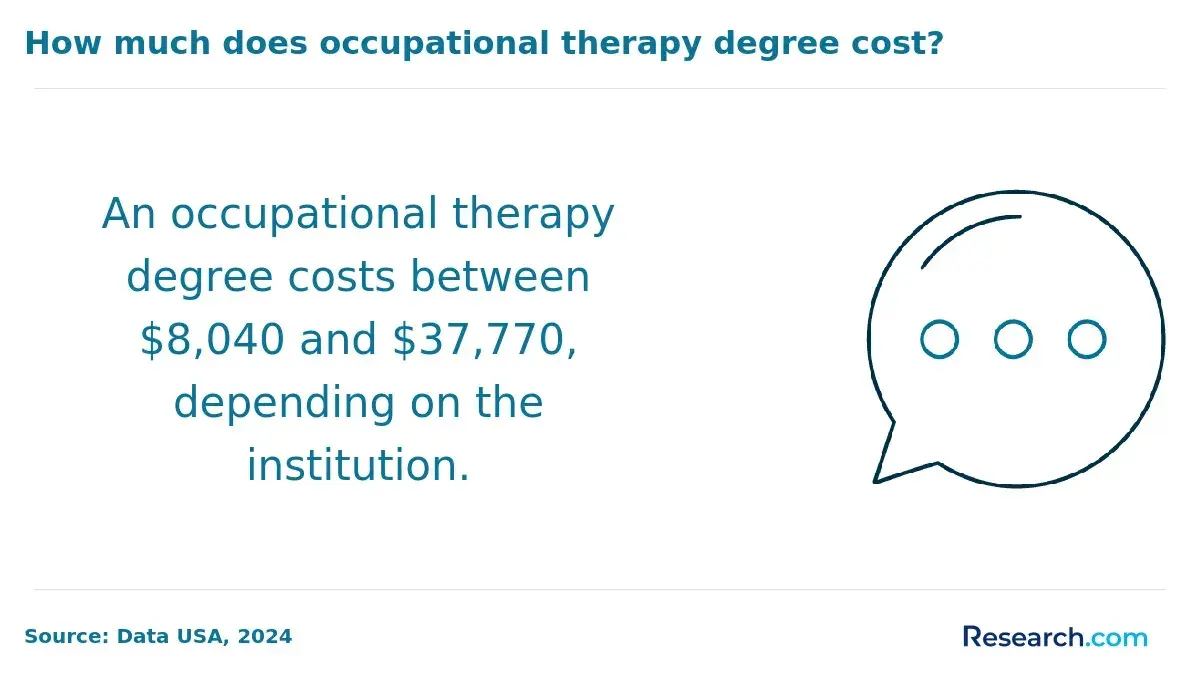
The total cost to become an occupational therapist in Missouri varies depending on your choice of degree, institution, and necessary certifications. Being familiar with these expenses allows you to plan your finances wisely and avoid surprises along the way.
- Tuition and Fees for Accredited OT Programs: Programs’ costs vary significantly. For example, an entry-level Doctor of Occupational Therapy at the University of Missouri can amount to around $73,759, while master’s programs at Cox College and Missouri State University range from about $50,700 to over $80,000 for out-of-state students.
- NBCOT Exam Fee: Passing the National Board for Certification in Occupational Therapy exam is essential and costs a one-time fee of $515, which you’ll pay when you register.
- State Licensure Application Fee: After certification, you’ll apply for your Missouri license, which currently requires a $60 fee. Keep in mind renewal and verification fees may apply later.
- Background Checks and Safety Registry: Background screenings and safety registry registrations usually cost between $16 and $100, depending on your program and state requirements.
- Books and Supplies: Expect to spend roughly $2,000 to $3,800 on textbooks, clinical attire, and equipment throughout your education.
- Professional Memberships: Joining associations like AOTA or MOTA can boost your career; student fees typically range from $75 to $100 annually.
- Additional Fees: Some schools charge a confirmation or enrollment fee, such as Missouri State’s $500, which is credited toward your tuition.
What financial aid options are available for OT students in Missouri?
Financing an occupational therapy education in Missouri can be challenging, but various financial aid opportunities are designed to help ease this burden for students. These resources not only make the journey more affordable but also allow you to focus on your studies and professional growth.
Here are some key financial aid options available to occupational therapy students in Missouri:
- Federal Loans and Grants: Graduate students in occupational therapy programs can access Direct Unsubsidized Loans offering up to $20,500 annually and Grad PLUS Loans, both available to those enrolled at least half-time. While federal grants like the Pell Grant are rare for graduate students, exploring eligibility based on financial need is worthwhile.
- University-Based Scholarships: Many Missouri universities provide scholarships specifically for OT students, often based on financial need or academic merit. For example, scholarships like the Kristin Holland Endowed Scholarship at the University of Missouri or significant awards such as the Saint Luke’s College Dean’s Scholarship at Rockhurst University offer substantial support to ease educational costs.
- Professional and Association-Sponsored Awards: Scholarships from organizations such as the American Occupational Therapy Foundation (AOTF) are available to Missouri students, often requiring membership in professional associations like the Missouri Occupational Therapy Association. These awards recognize commitment and help reduce financial strain.
- Assistantships and Work-Study Programs: Graduate assistantships, such as teaching positions offered at some universities, provide both financial assistance and valuable experience. Additionally, the Federal Work Study program offers part-time employment opportunities based on financial need, helping students balance income and education.
- State and Institutional Aid: Missouri State University and other institutions offer tailored financial aid resources to support high-cost programs like occupational therapy. Programs such as the Fast Track Workforce Incentive Grant can also benefit non-traditional students pursuing careers in healthcare fields.
Can out-of-state occupational therapists work in Missouri?
Out-of-state occupational therapists can practice in Missouri, but they must first obtain a Missouri state license. This means completing an application through the Missouri Board of Occupational Therapy, submitting proof of successfully passing the NBCOT exam, and passing a Missouri-specific jurisprudence exam.
Additionally, applicants need to undergo fingerprint background checks and provide official verification of all prior licenses and certifications, showing their professional history and good standing. Missouri does not allow automatic practice based on out-of-state licensure alone, so following these steps is essential to meet both national and state standards.
Missouri is also part of the Occupational Therapy Licensure Compact, which offers a faster way for therapists licensed in a Compact member state to practice without a separate Missouri license. However, this option requires therapists to hold a valid home state license in good standing.
For those pursuing traditional licensure, Missouri requires direct verification from other states about license status and disciplinary records, making sure every practitioner is qualified and accountable.
An occupational therapist from Missouri who graduated locally shared how navigating these requirements was challenging but rewarding. She mentioned, “Applying from out of state meant gathering documents from several places and preparing for Missouri’s jurisprudence exam, which was tougher than I initially expected. But the process reassured me that my credentials were solid and gave me confidence to serve my new community effectively.” Her experience reflects the importance of perseverance and attention to detail when transitioning into Missouri’s workforce.
What professional networks and development resources are available in Missouri?
Missouri offers a range of professional organizations and development programs that foster continuous learning, collaboration, and career advancement for occupational therapists. Local chapters of national associations, state-specific forums, and specialized workshops provide opportunities to engage with peers, access advanced clinical research, and stay informed about regulatory updates. Practitioners are encouraged to participate in mentorship initiatives and targeted seminars that address evolving therapeutic techniques and interdisciplinary collaboration. For those interested in expanding the scope of their caregiving skills, please refer to how to become a caregiver in Missouri for additional certification requirements and practical advice.
What skills do you need to be a successful occupational therapist in Missouri?
To thrive as an occupational therapist in Missouri, mastering a set of essential skills is fundamental. These skills empower therapists to help clients regain independence, improve their quality of life, and collaborate effectively within diverse healthcare teams. Missouri’s dynamic healthcare landscape demands professionals who are adaptable, compassionate, and highly skilled.
Below are key abilities that contribute significantly to success in this impactful profession:
- Clinical Reasoning: The ability to evaluate client capabilities and design personalized interventions is crucial. Sound clinical judgment ensures therapy is evidence-based and tailored to individual needs, driving better outcomes.
- Communication Skills: Clear, empathetic communication fosters trust with clients and facilitates teamwork with interdisciplinary healthcare professionals, enhancing coordinated care.
- Organizational and Time Management Skills: Managing multiple cases efficiently while meeting licensure and documentation requirements enables timely and effective therapy delivery.
- Compassion and Social Perceptiveness: Understanding clients’ emotional and social challenges allows therapists to provide meaningful support that motivates client progress.
- Adaptability and Lifelong Learning: Commitment to continuous education and flexibility enables therapists to stay current with evolving best practices and serve varied populations.
What specializations are available for occupational therapists in Missouri?
Specializing allows occupational therapists to deepen their expertise in serving specific populations or addressing particular conditions, which can significantly enhance both their career opportunities and the quality of care they provide in Missouri.
By focusing on targeted practice areas, OTs can have greater impact and fulfill unique client needs more effectively. Below are some key occupational therapy specializations in Missouri that offer diverse pathways for professional growth and meaningful contribution.
- Pediatrics: Pediatric occupational therapy Missouri opportunities involve working with children and adolescents to foster development and independence, often addressing challenges like autism and sensory processing disorders. These specialists typically practice in schools, outpatient clinics, or early intervention programs, playing a vital role in children’s daily functioning and growth.
- Geriatrics: This specialization emphasizes supporting older adults in retaining mobility and independence despite age-related changes or chronic conditions. Geriatric occupational therapists often work in nursing homes, assisted living settings, and home health agencies, responding to the growing needs of Missouri’s aging population.
- Mental Health: Therapists in this area assist clients in managing psychiatric conditions by improving coping skills and daily routines, aiding recovery and social engagement. They find roles in inpatient psychiatric units, community mental health centers, and outpatient behavioral health programs across Missouri.
- Hand Therapy: Focused on rehabilitating hand and upper extremity function after injury or surgery, hand therapists design tailored treatment plans to restore strength and dexterity. Employment settings include hospital outpatient departments, private practices, and orthopedic clinics.
- Physical Rehabilitation: These occupational therapists help individuals recover post-injury or surgery by enhancing their ability to perform daily tasks, often collaborating within multidisciplinary teams at acute care hospitals, rehabilitation centers, and outpatient clinics.
For those weighing their educational paths, understanding the bachelors degree vs medical billing and coding certificate similarities and differences can clarify options for advancing your credentials in health-related fields.
What is the average salary of an occupational therapist in Missouri?
Occupational therapist salaries in Missouri vary widely based on factors like experience level, work setting, and geographic location. Knowing how these elements influence your earning potential can help you navigate your career more effectively. Here are the key factors that shape the average occupational therapist salary in Missouri.
- Years of Experience: Starting salaries for entry-level OTs in Missouri are lower, with hourly wages around $33.83 in areas like St. Louis. As you gain experience and take on advanced roles, your pay can increase significantly, with top therapists earning over $115,800 annually.
- Type of Employer and Work Setting: Your work environment matters. Hospitals and home health settings often offer higher salaries compared to schools or government agencies, reflecting the demand and complexity of the services provided in these places.
- Geographic Location Within Missouri: Salaries differ across the state. While St. Louis offers average hourly rates near $37.17, statewide averages can be higher or lower depending on local demand and cost of living. Rural areas may offer unique incentives like housing allowances to attract qualified therapists.
- Education and Advanced Credentials: Additional certifications and specialized training can boost your pay by qualifying you for niche roles. Investing in further education often pays off in a more competitive salary and job opportunities.
- Job Market Dynamics: Missouri's OT job market is currently less active, which may limit wage growth and job availability. Being willing to relocate or target high-need areas might open doors to better compensation.
For those exploring options beyond occupational therapy, you might also find useful information on what do I need to start working as certified medical coder and biller, highlighting alternative career paths.
What Do Occupational Therapists in Missouri Say About Their Career?
- Serena: "My experience at the Heartland School of Occupational Therapy prepared me well for the challenges and rewards of working in Missouri’s educational systems. The state’s blend of urban and rural communities presents unique opportunities to innovate and tailor therapies to individual needs. I appreciate how the career offers continuous professional advancement alongside the chance to contribute directly to the well-being of young people. It’s incredibly encouraging to be part of a profession where I can see tangible progress and know my work helps shape better futures. The support and stability here inspire me to keep growing professionally every day."
- Javier: "Reflecting on my journey, graduating from the Gateway Occupational Therapy Academy was just the beginning of a fulfilling career in educational settings. Working in a local school exposed me to a variety of cultural and socio-economic backgrounds unique to Missouri, which deepened my understanding of adaptive strategies. I’ve grown not only as a therapist but as a community advocate, supporting families and educators alike. The balance between professional development and personal satisfaction here is unmatched, making every day meaningful. This career path has truly expanded my perspective on community impact. "
- Lakisha: "Completing my occupational therapy degree at the Missouri College of Health Sciences gave me a strong foundation tailored to our state's unique community needs. Starting my career in a local school has been incredibly rewarding, allowing me to see firsthand how targeted support improves children's daily lives. Missouri’s diverse population and resources provide a rich environment for professional growth, and I constantly find opportunities to expand my skills while making a meaningful difference. I’m passionate about helping students overcome challenges and thrive in their academic and personal environments. This career has given me both stability and a true sense of purpose."
Related Articles for Nearby States
- 2027 How to Become an Occupational Therapist in Kansas
- 2027 How to Become an Occupational Therapist in Iowa
- 2027 How to Become an Occupational Therapist in Nebraska
- 2027 How to Become an Occupational Therapist in Arkansas
- 2027 How to Become an Occupational Therapist in Oklahoma
- 2027 How to Become an Occupational Therapist in Illinois
- 2027 How to Become an Occupational Therapist in Kentucky
- 2027 How to Become an Occupational Therapist in Tennessee
- 2027 How to Become an Occupational Therapist in Indiana
- 2027 How to Become an Occupational Therapist in South Dakota
References:
- Scholarships and Financial Aid - Occupational Therapy Programs - School of Health Care Professions - Missouri State https://www.missouristate.edu/SHCP/OT/Scholarships.htm
- Degree Category: Occupational Therapy - Graduate School https://gradschool.missouri.edu/degreecategory/occupational-therapy/
- Occupational Therapist II | Office of Administration https://oa.mo.gov/personnel/classification-specifications/4424
- Occupational Therapy & Physical Therapy Guidelines | Missouri Department of Elementary and Secondary Education https://dese.mo.gov/special-education/compliance/occupational-therapy-physical-therapy
- Occupational Therapy | University of Missouri Academic Catalog https://catalog.missouri.edu/collegeofhealthsciences/occupationaltherapy/
- Pre-Occupational Therapy Program | Northwest Missouri State University https://www.nwmissouri.edu/academics/undergraduate/majors/pre-occupational-therapy.htm
- Occupational Therapists | Mizzou Online https://online.missouri.edu/career-explorer/career/occupational-therapist
- OT compact: What occupational therapists need to know https://comphealth.com/resources/ot-compact
- OTA cost and aid https://healthsciences.missouri.edu/occupational-therapy/bachelors/cost-and-aid/
- Missouri CEU Requirements | CEUfast https://ceufast.com/staterequirements/missouri
Other Things You Should Know About How to Become an Occupational Therapist
To become an occupational therapist in Missouri in 2027, you must obtain a master's degree in occupational therapy from an accredited program. Additionally, you need to complete supervised fieldwork and pass the National Board for Certification in Occupational Therapy (NBCOT) exam to become licensed.
Missouri requires occupational therapists to complete 24 hours of continuing education every two years to maintain their license. These hours must include approved courses that are relevant to current practice in occupational therapy, verified by the state licensing board.


