
2027 How to Become an Occupational Therapist in Montana

Co-Founder and Chief Data Scientist
Montana’s demand for occupational therapists is surging, with employment expected to grow by over 20% through 2030—well above the national average. This growth stems from an aging population and expanding healthcare services in rural areas, making Montana a fertile landscape for compassionate professionals who transform lives through therapeutic interventions. The rewarding nature of this career, combined with competitive salaries and meaningful community impact, makes pursuing occupational therapy here a strategic and fulfilling choice for healthcare aspirants.
This article, crafted by career planning experts, will guide readers through the precise steps required to become an occupational therapist in Montana. It delivers clear, actionable insights to help navigate licensing, education, and career pathways, ensuring prospective therapists gain a comprehensive understanding of the profession within this unique regional context.
Key Things to Know About Becoming an Occupational Therapist in Montana
- Dive into a master’s program accredited by ACOTE—Montana hosts a handful of programs with 100% job placement rates, fueling the state’s demand for 430+ OTs by 2028.
- Conquer the NBCOT exam; Montana mandates this national credential to ensure you’re battle-ready for the field’s evolving physical and cognitive challenges.
- Secure your Montana state license by submitting proof of education, exam success, and a clean background check—this legal gatekeeper protects the community and your career.
- What are the education requirements to become an occupational therapist in Montana?
- How do you get a state license to practice occupational therapy in Montana?
- How often do you need to renew an OT license in Montana?
- What continuing education is required for OT license renewal in Montana?
- How much does it cost to become an occupational therapist in Montana?
- What financial aid options are available for OT students in Montana?
- Can out-of-state occupational therapists work in Montana?
- What skills do you need to be a successful occupational therapist in Montana?
- What specializations are available for occupational therapists in Montana?
- What is the average salary of an occupational therapist in Montana?
- What are the career advancement opportunities for occupational therapists in Montana?
What are the education requirements to become an occupational therapist in Montana?
Becoming an occupational therapist in Montana requires more than compassion and dedication; it demands a solid educational foundation to skillfully support individuals facing physical, emotional, and developmental hurdles.
Formal education cultivates the critical thinking, clinical skills, and ethical sensitivities necessary to craft personalized interventions and foster true independence. Here’s an outline of the educational journey aspiring therapists typically follow in Montana.
- Bachelor’s Degree (Prerequisite): Before diving into occupational therapy, students usually secure a bachelor’s degree, often in fields like health sciences or psychology to build a relevant knowledge base. This foundational step prepares candidates for the competitive application process to graduate programs, where a strong GPA and healthcare-related experience can make a difference.
- ACOTE Accredited Occupational Therapy Programs: Aspiring therapists must complete a master’s or doctoral program accredited by ACOTE, ensuring rigorous standards in anatomy, psychology, and therapeutic methods. Montana relies on graduates from these recognized programs, regardless of location, to uphold consistent professional quality across the state.
- Supervised Fieldwork: Practical, hands-on experience is vital. Candidates engage in about 24 weeks of supervised clinical fieldwork, applying theory in real settings under expert guidance. This immersive training bridges classroom knowledge and actual patient care.
- National Certification Exam: Passing the NBCOT exam with at least a 450 score is mandatory, validating competency on a national level before applying for Montana licensure.
- State Licensure Application: Finally, candidates submit evidence of education, fieldwork, and certification to the Montana Board, paying a licensing fee. Successful applicants earn the legal right to practice locally.
For those wondering about the duration of healthcare education, similar to occupational therapy paths, you might find guidance on how long is medical billing and coding online school helpful when planning your timeline.
How do you get a state license to practice occupational therapy in Montana?
Securing a state license to practice occupational therapy in Montana is more than a formality—it cements your professional credibility and grants you legal authority to serve the community. This step ensures that every practitioner meets stringent educational and ethical standards, which protects the health and safety of Montanans. Navigating the Montana occupational therapist licensing requirements involves several carefully defined stages.
Here are the key milestones to earn your occupational therapy license in Montana:
- Complete an Accredited Occupational Therapy Program: To begin, you must graduate from a program accredited by the Accreditation Council for Occupational Therapy Education (ACOTE). Montana does not currently host ACOTE-accredited schools, so degrees from recognized out-of-state or international programs fill this requirement, offering essential foundational knowledge and skills.
- Fulfill Supervised Fieldwork Requirements: Practical experience is vital—Montana requires at least six months of supervised fieldwork for occupational therapists and two months for assistants. This hands-on training sharpens clinical abilities and prepares you for real-world challenges.
- Pass the National Certification Examination (NBCOT): Achieving national certification is necessary before applying for a license. Passing the NBCOT exam, whether as an Occupational Therapist Registered (OTR) or Certified Occupational Therapy Assistant (COTA), with a minimum score of 450 validates your capacity to deliver competent care.
- Submit a State License Application: The Montana Board of Occupational Therapy Practice application process demands your national certification proof, educational credentials, fieldwork verification, prior licensure history, and photo ID. An application fee of $190 applies, marking a formal step toward state licensure.
- Undergo a Criminal Background Check: To safeguard vulnerable populations and maintain public trust, candidates consent to a comprehensive background check before licensure approval.
Throughout this process, it helps to understand how professional credentials intersect with other professional responsibilities of a medical biller and coder, reflecting a broader commitment to healthcare excellence.

How often do you need to renew an OT license in Montana?
Renewing an occupational therapy license in Montana is more than a bureaucratic formality—it is a vital ritual that sustains the profession’s integrity, accountability, and connection to ever-changing standards.
The process acts as a checkpoint, ensuring therapists not only keep pace with the latest clinical insights and regulatory shifts but also remain trustworthy stewards of public well-being. This cyclical renewal reinforces the delicate balance between personal expertise and the collective responsibility owed to Montana’s communities.
In Montana, occupational therapists must renew their licenses on an annual basis, with the window opening each year from April 17 to June 15. Missing this deadline can trigger late fees and possible disciplinary consequences, underscoring the importance of timely renewal.
This disciplined schedule dovetails with ongoing professional development, requiring ten hours of continuing education to ensure therapists are equipped to navigate new challenges and evolving standards. By adhering to this cadence, practitioners maintain their eligibility to work and stay aligned with both state expectations and the broader occupational therapy profession.
Reflecting on this process, an occupational therapist from Montana, who graduated from a local school, shared that “while the deadline feels strict, it’s a good reminder to pause and review what I’ve learned over the past year.”
He described juggling renewal paperwork alongside client care as “a bit stressful, especially if continuing education credits were completed last-minute,” but emphasized how the process ultimately fosters a sense of accomplishment and renewed commitment. “It’s not just about avoiding penalties—it feels like an annual renewal of my professional promise to serve with up-to-date knowledge.”
What continuing education is required for OT license renewal in Montana?
Continuing education is the lifeblood that keeps occupational therapists vibrant and effective in Montana’s evolving healthcare landscape. As treatments advance and regulations shift, staying sharp through ongoing learning ensures professionals not only meet state standards but also bring fresh, evidence-based approaches to their clients.
This dynamic commitment to knowledge embodies the essence of Montana occupational therapy CEU requirements, blending tradition with innovation.
- Annual CE Hour Requirement: Every licensed occupational therapist and occupational therapy assistant (OTA) in Montana must complete 10 hours of continuing education annually after their initial licensure year. This steady pulse of learning fuels professional growth and aligns with Montana’s specific timelines for renewal.
- Eligible Course Content and Formats: Continuing education can take many shapes—from live workshops and seminars to immersive self-study and online courses without any quota limits. The key is relevance: all content must strengthen occupational therapy skills, with recognized credit given to courses endorsed by respected bodies such as the Montana Occupational Therapy Association or the American Occupational Therapy Association.
- Documentation and Auditing: Practitioners must keep meticulous proof of their CE endeavors, including certificates and attendance records, ready to present if selected for audit. The state reviews compliance carefully to safeguard quality care, and missing documentation can lead to license suspension.
- OTA-Specific Requirements: Occupational therapy assistants follow the same 10-hour annual rule, without added hoops or distinct mandates. Their continuing education must mirror the focus on relevance and professional relevance within their scope of practice.
- Alternative Compliance Paths: Holding current NBCOT certification can serve as a streamlined path to meet Montana occupational therapy CEU requirements, reflecting the national credential’s robust standards. This option offers a creative way to fulfill state mandates through nationally recognized credentialing excellence.
For those curious about related credentials in healthcare fields, exploring what is a medical billing and coding certification might offer interesting insights into the broader documentation and regulatory landscape surrounding healthcare professions.
How much does it cost to become an occupational therapist in Montana?
The journey to becoming an occupational therapist in Montana carries a spectrum of costs shaped by education paths, exams, and licensing. Each step demands investment, but knowing where your dollars land unlocks clearer financial foresight.
- Tuition for Accredited OT Programs: In Montana, tuition bends between options. The University of Montana’s post-professional Doctor of Occupational Therapy program clocks under $18,000, while entry-level doctoral programs nationally tip toward $60,000–$90,000, a heavy lift that doesn’t count living or materials.
- NBCOT Exam Fees: The gateway to certification costs $515 for the initial NBCOT exam, a mandatory ticket paid straight to the board, with retakes demanding extra fees if the first try falls short.
- Montana State Licensure Application Fee: Registering to practice in Montana requires a $190 application fee, a one-time cost securing your legal standing, though recurring renewal fees loom ahead.
- Background Checks and Fingerprinting: A necessary security step, background screening and fingerprinting typically cost between $50 and $100, safeguarding the profession’s trust.
- Books, Supplies, and Technology: Equipping yourself with textbooks, lab essentials, and tech gadgets runs from $800 to $1,500 annually, a price tag for your academic arsenal.
- Professional Memberships and Insurance: Optional yet valuable, memberships like AOTA student dues hover around $75–$100 yearly, with liability insurance adding another $35–$50 to your tally.
- Fieldwork and Practicum Costs: While embedded in tuition, real-world placements might summon extra travel, housing, or uniform expenses—hidden figures in your practical training.
- Other Miscellaneous Fees: Graduation, transcripts, and bureaucratic hurdles bring scattered costs generally ranged $50–$200 across your educational saga.
What financial aid options are available for OT students in Montana?
Financial aid serves as a vital bridge over the often overwhelming costs of OT education in Montana, transforming dreams into achievable realities. It not only lightens the financial load but also opens doors for a diverse spectrum of students striving to impact lives through occupational therapy. Here’s a look at key financial aid avenues worth exploring:
- Federal Grants: Need-based grants such as the Pell Grant and FSEOG support eligible students by covering parts of tuition and living expenses without the burden of repayment. While mainly targeting undergraduates, some entry-level OT master's students in Montana can qualify, easing early educational costs.
- State Grants and Tuition Waivers: Montana’s University System offers grants and waivers based on financial need, residency, academic merit, or program of study. These targeted awards help residents tackle graduate tuition fees and make college more affordable locally.
- Federal Student Loans: Available through FAFSA, these loans include subsidized options with paused interest during enrollment and Graduate PLUS loans for doctoral candidates. They provide essential funding fallback, though repayment is required post-graduation.
- University Scholarships: Many Montana institutions extend scholarships specifically for OT students, rewarding academic performance, leadership, or financial need. These scholarships often require direct applications and timely submissions to secure.
- Professional Association Scholarships: The American Occupational Therapy Foundation offers a broad range of competitive awards that require a single application to access over 50 scholarships, supporting full-time OT students nationwide, including those in Montana.
- Work-Study and Graduate Assistantships: Part-time federal work-study jobs and assistantships in teaching or research roles provide both income and professional experience. These merit-based positions often come with tuition benefits alongside stipends.
- Other Funding Sources: Specialized grants from health agencies and OT professional organizations can help students focusing on niche areas like pediatrics or mental health. These less-known pockets of aid enhance opportunities beyond traditional funding routes.
Can out-of-state occupational therapists work in Montana?
Out-of-state occupational therapists eager to practice in Montana face a clear path paved with state licensure requirements; Montana does not grant automatic reciprocity for licenses held elsewhere. Instead, these professionals must navigate the application labyrinth laid out by the Montana Board of Occupational Therapy Practice, submitting proof of education, supervised fieldwork, exam credentials, and paying the $190 fee.
However, Montana participates in the Occupational Therapy Licensure Compact, offering a shortcut for therapists residing in compact states—allowing them to practice without obtaining a separate Montana license, provided their home license is valid and current.
Verification of credentials from prior states and evidence of supervised experience ensure Montana maintains high professional standards. One Montana occupational therapist I spoke with, who graduated locally, recalled her conversations with out-of-state colleagues intrigued by the compact’s promise yet often overwhelmed by the detailed paperwork and wait times for standard licensure.
She reflected, “It’s rewarding to see the compact easing some barriers, but many still find the process taxing. Knowing Montana’s exacting steps helped many plan better and feel more confident about their move.”
What skills do you need to be a successful occupational therapist in Montana?
In the vast and varied landscape of Montana, occupational therapists serve as vital architects of independence and quality of life, weaving together empathy, expertise, and adaptability to meet the unique needs of their communities. Their role transcends simple rehabilitation, becoming a dynamic partnership that empowers clients while fortifying healthcare teams across urban centers and remote rural areas.
Mastering a distinct set of skills is crucial to navigating these challenges and delivering transformative care. Here are the essential skills every Montana occupational therapist must embody:
- Clinical Reasoning and Problem Solving: The cornerstone of effective therapy, enabling OTs to craft evidence-based, personalized treatment plans even amid limited rural resources and complex client needs.
- Communication and Interpersonal Skills: Bridging understanding between clients, families, and multidisciplinary teams to align goals, encourage engagement, and ensure continuity of care.
- Adaptability and Resourcefulness: An ability to innovate and tailor interventions amid Montana’s geographic diversity, cultural differences, and fluctuating healthcare access.
- Commitment to Lifelong Learning: Staying ahead of evolving practices and licensing requirements by dedicating to ongoing education, which Montana mandates annually.
- Cultural Competence and Sensitivity: Respecting Montana's varied cultural tapestry—including Indigenous communities—by delivering culturally attuned, respectful therapy that honors individual worldviews.
What specializations are available for occupational therapists in Montana?
Specializing as an occupational therapist transforms a general skill set into a finely tuned expertise aimed at specific populations or conditions. This focus opens doors to unique career paths and deepens the impact therapists have across Montana's diverse communities.
Embracing these specialty areas allows clinicians to innovate and tailor interventions with sharper precision. Below are some vibrant Montana occupational therapist specialty areas that shape both practice and patient experience.
- Pediatrics: Pediatric occupational therapists become champions of childhood development, helping kids sharpen fine motor skills, handwriting, and self-care routines. They create playful yet purposeful interventions often within schools, hospitals, or hubs like St. Peter's Health Pediatric Rehabilitation, turning early challenges into lifelong successes.
- Geriatrics: This specialization dances with the grace of aging, empowering seniors to maintain independence and navigate the hurdles of time. Geriatric therapists work in nursing homes, assisted living, and community centers, equipping elders with adaptive strategies and tools that keep life’s rhythm steady.
- Mental Health: Mental health occupational therapy crafts bridges to resilience, focusing on stress management and life skills for those confronting psychological struggles. These specialists operate in clinics, hospitals, or private practices, fostering emotional well-being and everyday functionality.
- Hand Therapy: Featuring intricate work with hands and upper limbs, hand therapists use splinting and specialized exercises to revive strength and dexterity. Their offices often reside within hospitals or hand therapy clinics, where precision meets patient-focused healing.
- Rehabilitation: Rehabilitation OT is the compass guiding patients through recovery from strokes or injuries towards regained independence. This specialty thrives in hospitals, outpatient clinics, and rehabilitation centers, delivering renewed hope via tailored activity training.
For those curious about expanding their healthcare skill set beyond therapy, exploring billing and coding classes can complement a broad knowledge base and enhance career versatility in Montana’s medical field.
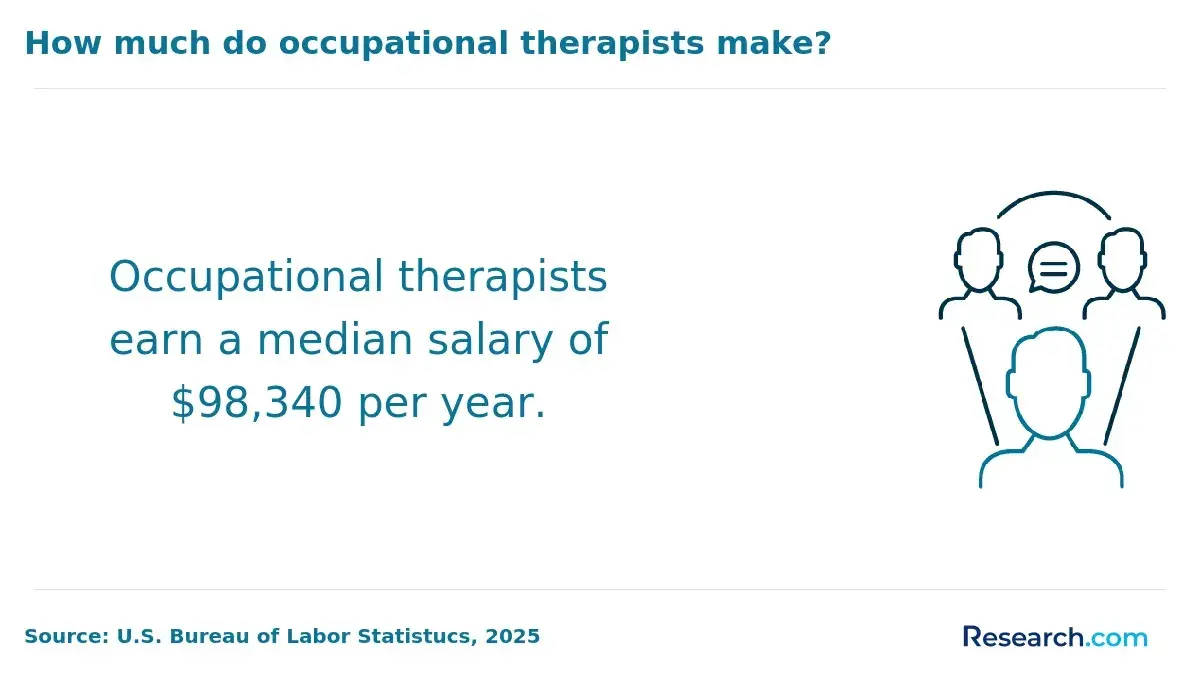
What is the average salary of an occupational therapist in Montana?
The average salary for occupational therapists Montana is influenced by several dynamic factors like experience, workplace environment, and even the cityscape they serve. These variables create a complex tapestry of pay scales, making it essential to grasp what shapes earning potential across the state. Here are the key elements that play a pivotal role in occupational therapist salary in Montana.
- Years of Experience — Starting salaries typically hover near the lower end, around $61,030, but as therapists gain expertise and move beyond entry-level roles, their earnings can climb significantly, reaching upwards of $100,220. Experience translates directly to higher compensation as skills deepen and responsibilities grow.
- Type of Employer — Hospitals and specialized healthcare facilities often offer a more lucrative paycheck compared to educational institutions or community-based organizations. Travel or contract positions amplify this effect, sometimes delivering weekly pay between $2,075 and $2,286, reflecting a robust market for flexible OT professionals.
- Geographic Location Within Montana — Urban hubs like Billings and areas such as Plentywood shine with competitive wages, with some OTs earning close to $76.53 per hour. Rural positions might pay less upfront but often balance this with incentives like loan forgiveness or relocation packages, giving a unique flavor to regional salary structures.
- Setting and Specialization — Acute care, skilled nursing, and travel assignments generally come with premium pay. Specialties such as pediatric therapy or hand therapy also open doors to specialized roles that command higher salaries, especially if certifications back the expertise.
- Education and Credentials — Advanced degrees and certifications enable OTs to negotiate better compensation, with senior roles earning averages between $86,963 and $94,329 annually. Continuous education remains a gateway to unlocking top-tier salary brackets and leadership opportunities.
Exploring fields like the best medical billing and coding schools can complement your career path and broaden your understanding of healthcare administration, further enhancing your professional versatility.
What Do Occupational Therapists in Montana Say About Their Career?
- Alexis: "Completing my occupational therapy program at Rocky Mountain College gave me a solid foundation and deep connection to Montana’s unique community needs. Starting my career in a local school allowed me to put theory into practice immediately, addressing the diverse challenges faced by students here. The supportive environment and collaborative spirit have made every day rewarding, especially knowing I’m helping young people thrive in their educational journeys. Montana’s blend of wilderness and close-knit communities inspires my work by reminding me of the holistic approach needed in therapy. "
- Nikka: "Beginning my career as an occupational therapist in a Montana academic setting was both challenging and fulfilling. Having trained at Carroll College, I appreciated the balance between rigorous academics and real-world application. The state’s strong emphasis on professional development helped me continuously expand my skills and advance within the school system. Montana’s rich cultural heritage and natural resources offer unique therapeutic opportunities, making each case distinct and meaningful. "
- Julian: "The personal growth I’ve experienced through working as an occupational therapist in Montana’s schools is incredible. After graduating from the University of Providence, I felt prepared to face the unique aspects of Montana’s rural communities, where the impact of my work carries significant weight. Contributing to children’s well-being in areas with limited resources creates a deep sense of purpose. The lifestyle here, close to nature and family-centered values, fosters a gratifying professional and personal life balance."
What are the career advancement opportunities for occupational therapists in Montana?
Occupational therapists in Montana can expand their scope beyond clinical practice by pursuing leadership roles, specialized certifications, and involvement in interdisciplinary initiatives. Examples include advanced training in emerging therapeutic modalities and active participation in professional associations that shape healthcare policy. Additionally, practitioners may consider niche qualifications and mentorship programs that support long-term career growth, such as exploring how to become a caregiver in Montana for complementary insights. Strategic engagement in these areas fosters not only professional recognition but also the opportunity to influence broader healthcare practices within the state.
Related Articles for Nearby States
- 2027 How to Become an Occupational Therapist in Idaho
- 2027 How to Become an Occupational Therapist in Wyoming
- 2027 How to Become an Occupational Therapist in North Dakota
- 2027 How to Become an Occupational Therapist in South Dakota
- 2027 How to Become an Occupational Therapist in Washington
- 2027 How to Become an Occupational Therapist in Oregon
- 2027 How to Become an Occupational Therapist in Utah
- 2027 How to Become an Occupational Therapist in Nebraska
- 2027 How to Become an Occupational Therapist in Minnesota
- 2027 How to Become an Occupational Therapist in Colorado
References:
- Montana Professional Student Exchange Programs https://applymontana.mus.edu/paying-for-school/professional-student-exchange-programs/index.html
- Tuition and Costs | University of Montana https://www.umt.edu/speech-language-hearing-occupational-sciences/otd/tuition-and-costs.php
- OT compact: What occupational therapists need to know https://comphealth.com/resources/ot-compact
- Tuition & Fees & Course Sequence ppOTD - University of Montana - Rehab Essentials https://umt.rehabessentials.com/tuition-fees-course-sequence-ppotd/
- AOTF > Scholarships https://www.aotf.org/scholarships
- Occupational Therapy Doctorate Program (OTD) - RMC https://rocky.edu/academics/academic-programs/occupational-therapy/
- Continuing Education https://boards.bsd.dli.mt.gov/physical-therapy-examiners/continuing-education
- OT/OTA Licensure Applications & Fees by State https://triagestaff.com/ot-ota-licensure-applications-fees-by-state/
- Skills Every Occupational Therapist Should Have https://www.husson.edu/online/blog/2025/02/skills-occupational-therapists-should-have
- Montana Occupational Therapy https://www.occupationaltherapylicense.org/montana-occupational-therapy/
Other Things You Need to Know About Becoming an Occupational Therapist in Montana
To become a licensed occupational therapist in Montana in 2027, complete a master's or doctoral program accredited by ACOTE, pass the NBCOT OTR exam, and apply for licensure through Montana's Board of Occupational Therapy Practice, ensuring all documentation and fees are submitted.
Admission to occupational therapy (OT) programs in Montana typically requires a strong foundation in science and healthcare-related subjects. Prospective students should have completed prerequisite courses such as anatomy, physiology, biology, psychology, and statistics, which are essential for understanding human development and clinical practices.
Additionally, many programs expect applicants to have experience in healthcare or community service settings, demonstrating commitment to the field. Meeting these academic and experiential prerequisites is crucial for gaining acceptance into Montana OT schools and preparing for the graduate-level curriculum ahead.


