
2027 How to Become an Occupational Therapist in New Mexico

Co-Founder and Chief Data Scientist
Occupational therapy is a growing profession in New Mexico, with employment projected to increase by 20% over the next decade. The state’s aging population and emphasis on rehabilitation services create a strong demand for qualified occupational therapists. Median annual wages for these professionals in New Mexico exceed national averages, offering competitive compensation alongside fulfilling work opportunities. Pursuing a career in this field in New Mexico provides both economic stability and the chance to impact community health positively.
This article, developed by career planning experts, outlines the necessary educational requirements, licensure process, and practical steps to become an occupational therapist in New Mexico. It aims to equip readers with comprehensive and accurate guidance to navigate this career path effectively.
Key Things to Know About Becoming an Occupational Therapist in New Mexico
- Complete a master's or doctoral degree in occupational therapy from an ACOTE-accredited program; New Mexico has limited in-state options, requiring potential students to consider regional programs.
- Pass the National Board for Certification in Occupational Therapy (NBCOT) exam to become a licensed occupational therapist, a mandatory step before state licensure in New Mexico.
- Apply for New Mexico state licensure through the Regulation and Licensing Department; the state requires ongoing continuing education to maintain certification and meet workforce standards.
What are the education requirements to become an occupational therapist in New Mexico?
Formal education is fundamental for preparing occupational therapists to effectively address the physical, emotional, and developmental challenges faced by their patients. Comprehensive training equips practitioners with essential knowledge and clinical skills, while also ensuring compliance with professional standards that protect patient safety.
The following outlines the core education requirements necessary to become a licensed occupational therapist in New Mexico.
- Bachelor’s Degree Preparation: Although not the final credential, earning a bachelor’s degree in a related field such as psychology, biology, or health sciences is a typical first step. Students usually complete prerequisite courses including human anatomy, physiology, statistics, and medical terminology to build a strong foundation for advanced study, which aligns with occupational therapy degree requirements New Mexico.
- Completion of Accredited Occupational Therapy Programs: Candidates must graduate from accredited occupational therapy programs in New Mexico, approved by the Accreditation Council for Occupational Therapy Education (ACOTE). Currently, master’s degree programs at institutions like Western New Mexico University and the University of New Mexico fulfill this requirement, though the occupational therapy doctorate is increasingly recognized nationally.
- Supervised Fieldwork: Practical experience is achieved through at least six months of supervised fieldwork within the accredited program. This hands-on clinical training under licensed therapists fosters professional skills and clinical judgment necessary for effective practice.
- National Certification Examination: Graduates must pass the National Board for Certification in Occupational Therapy (NBCOT) exam to become certified, which is a prerequisite for licensure in New Mexico.
- State Jurisprudence Examination: Finally, candidates must successfully complete a state-specific jurisprudence exam testing knowledge of New Mexico occupational therapy laws and regulations.
Those interested in related healthcare fields may find valuable information on how long does it take to learn medical billing and coding through specialized educational programs.
How do you get a state license to practice occupational therapy in New Mexico?
Obtaining a state license to practice occupational therapy in New Mexico is essential to ensure professional credibility and compliance with legal standards. Licensure safeguards public health by confirming that practitioners meet stringent educational, ethical, and competency requirements. Meeting New Mexico Occupational Therapy License Requirements involves a structured process governed by the state’s Board of Examiners for Occupational Therapy.
The steps to secure licensure include:
- Complete an Accredited Occupational Therapy Program: Candidates must graduate from an ACOTE-accredited program with a bachelor’s or master’s degree in occupational therapy. New Mexico offers such accredited programs at recognized institutions ensuring candidates receive standardized education aligned with occupational therapy licensing in New Mexico.
- Fulfill Supervised Fieldwork Requirements: A minimum of 24 weeks of supervised fieldwork is mandatory. This hands-on training takes place under the guidance of licensed occupational therapists and is crucial for developing practical skills necessary for professional practice.
- Pass the NBCOT Examination: Applicants must successfully pass the National Board for Certification in Occupational Therapy (NBCOT) exam. This is a nationally recognized assessment that certifies entry-level competence in occupational therapy before state licensure is granted.
- Pass the New Mexico Jurisprudence Examination: This open-book exam tests knowledge of state laws and regulations specific to occupational therapy practice. A score of at least 80% is required to demonstrate understanding of New Mexico’s regulatory framework.
- Submit a State Licensure Application: Candidates must provide a completed application, verified transcripts, NBCOT certification, and pay the $110 application fee. Documentation of any previous licenses must also be provided if applicable.
- Undergo a Criminal Background Check: To protect clients and uphold standards, applicants must pass a thorough criminal background screening.
- Temporary or Provisional License: Graduates who have completed all requirements except the NBCOT exam may apply for a temporary license to practice under supervision, facilitating their transition into the profession.
For those interested in parallel paths in healthcare professions, understanding the types of medical billers and coders can offer additional career insights.
How often do you need to renew an OT license in New Mexico?
Maintaining an active occupational therapy license through regular renewal is vital for ensuring that practitioners uphold professional standards and remain accountable to regulatory bodies. This process guarantees that occupational therapists in New Mexico stay current with evolving best practices and comply with state-specific legal requirements, thereby safeguarding the quality of care provided to patients.
In New Mexico, occupational therapists must renew their licenses annually, with all licenses expiring on September 30 each year. The renewal period consistently runs from October 1 to September 30 of the following year, providing a uniform timeline regardless of when the license was initially granted. Practitioners are required to complete 15 continuing education contact hours before submitting their renewal application.
Failure to renew by the deadline may lead to license expiration, after which reinstatement demands additional continuing education hours for each year the license remains inactive. This structured renewal cycle helps ensure occupational therapists maintain legal eligibility to practice and supports their professional development in line with state regulations and industry advancements.
When I spoke with an occupational therapist who graduated from a local New Mexico program, he reflected on the personal impact of this renewal routine. He shared, “At first, managing the continuing education alongside a busy caseload felt overwhelming, especially with the fixed deadline each year. But over time, scheduling those 15 hours well in advance became a rhythm that balanced professional growth with patient care.”
He emphasized the importance of staying organized to avoid last-minute stress and noted how timely reminders from the board helped him stay on track. “Renewing my license annually isn’t just a formality—it’s a moment to reflect on my skills and ensure I deliver the best care possible,” he explained with a sense of pride and responsibility.
What continuing education is required for OT license renewal in New Mexico?
Continuing education plays a crucial role for occupational therapists in New Mexico to sustain their professional competence, comply with state regulatory standards, and remain informed of advancements in therapeutic techniques and clinical regulations. Engaging in regular learning ensures practitioners deliver effective, evidence-based care that aligns with the evolving needs of patients throughout the state.
- Annual Hour Requirement: Licensed occupational therapists and occupational therapy assistants in New Mexico must complete 15 continuing education contact hours annually. These hours must be earned within the license renewal period to ensure eligibility for license renewal.
- Course Topics and Formats: Continuing education activities may include courses, workshops, or seminars related to occupational therapy practice. Topics should focus on enhancing clinical skills, ethics, patient care, state regulations, or emerging trends relevant to the profession.
- Documentation and Reporting: Practitioners are required to submit proof of completed continuing education hours during the renewal application process. Maintaining thorough records is essential, as license audits may request verification of compliance.
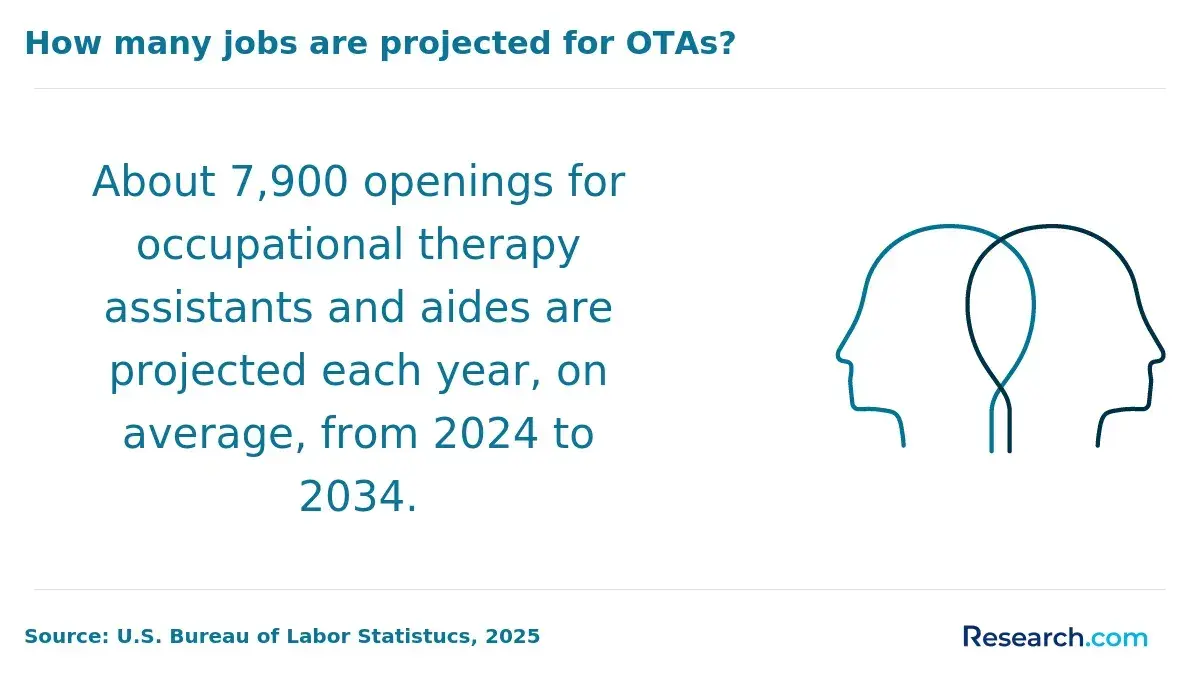
- Requirements for Occupational Therapy Assistants (OTAs): OTAs adhere to the same 15-hour annual continuing education requirement as occupational therapists, with no separate or additional conditions applied.
- Carryover Provision: Up to 15 continuing education contact hours earned within one renewal cycle may be carried over into the next period, offering flexibility for managing professional development.
- Special Considerations for Reinstatement: If a license has lapsed for over one year, applicants must provide 15 continuing education contact hours for each year of expiration before license reinstatement is considered.
For professionals exploring occupational therapy CEU requirements New Mexico experts emphasize, understanding these mandates is vital for uninterrupted practice. Additionally, those interested in complementary healthcare roles may find value in learning what is a medical billing and coding certification, which can enhance administrative competencies within clinical environments.
How much does it cost to become an occupational therapist in New Mexico?
The total cost of becoming an occupational therapist in New Mexico depends on several factors, including the choice of educational institution, exam fees, and licensing expenses. Accurately estimating these costs allows students to plan their finances and pursue certification with confidence.
- Tuition and Fees for an Accredited OT Program: Tuition varies by institution but often represents the largest expense. For example, in-state students at the University of New Mexico’s 2.5-year program pay approximately $15,445 in the first year and $14,238 in the second, excluding additional costs for books, supplies, and transportation.
- NBCOT Exam Costs: Following program completion, candidates must pass the National Board for Certification in Occupational Therapy exam. Exam fees typically range between $555 and $585 nationwide, constituting a required expense for certification.
- State Licensure Application Fees: In New Mexico, the full occupational therapy licensure application fee is $110 if submitted between September and May. Additionally, a provisional permit fee of $25 applies when required; both fees are non-refundable.
- Additional Expenses: These include background checks, health insurance, physical examinations, drug screenings, and professional memberships. Costs vary but are essential for clinical placements and maintaining professional standing.
What financial aid options are available for OT students in New Mexico?
Financial aid plays a crucial role for occupational therapy students in New Mexico by helping to reduce the substantial costs associated with tuition, fees, and living expenses. Access to various funding sources can alleviate financial barriers and enable students to focus on completing their education and clinical training essential for licensure.
Below are the primary financial aid options available for occupational therapy students in New Mexico.
- Federal Student Aid (FAFSA) offers grants, loans, and work-study opportunities to eligible students based on financial need, enrollment status, and citizenship. Completing the FAFSA opens access to Pell Grants and both subsidized and unsubsidized federal loans that assist with educational expenses in accredited OT programs.
- New Mexico Allied Health Loan-For-Service Program provides loans up to $12,000 annually for state residents attending New Mexico public institutions. Recipients must agree to serve in designated health professional shortage areas after graduation, with loan forgiveness awarded incrementally based on service completion.
- University-Based Scholarships and Grants are offered by several institutions in New Mexico, awarded on merit, need, or academic achievement. Examples include Dean’s Scholarships at select universities and a combination of scholarships, loans, and work-study options tailored to occupational therapy students enrolled in accredited programs.
- Professional and Association-Sponsored Scholarships come from organizations like the American Occupational Therapy Foundation and state-level OT associations. These scholarships support students who are members or residents of New Mexico, offering amounts ranging from several hundred to several thousand dollars.
- National and Specialty Scholarships include awards such as the AMBUCS Scholarship and the Truman Scholarship, targeting students demonstrating financial need and commitment to public service or improving quality of life for people with disabilities.
- Student Loans and Loan Forgiveness include private and institutional loan options, with some institutions setting borrowing limits specific to occupational therapy programs. Loan forgiveness programs incentivize graduates to practice in underserved areas, helping manage long-term debt.
- Tuition Payment Plans and Financial Planning Resources help students spread out educational expenses through installment payment schedules. Additional support is available through financial literacy programs designed to improve budgeting and debt management skills for OT students.
Can out-of-state occupational therapists work in New Mexico?
Out-of-state occupational therapists are authorized to practice in New Mexico only after obtaining a state license. The state provides an expedited licensure by endorsement process for applicants holding a valid, unrestricted occupational therapy license from another state, with good standing credentials. This process requires submitting an application and fees, and the New Mexico Board of Occupational Therapy is required to issue the license within thirty days.
However, if the applicant's original license did not require passing the national certification exam, they may be mandated to pass the National Board for Certification in Occupational Therapy (NBCOT) examination before licensure is granted. Notably, New Mexico is not yet a member of the Occupational Therapy Licensure Compact, so practicing under Compact privileges is not an option.
Applicants must also meet verification standards including accredited educational credentials, completion of supervised fieldwork, and evidence of professional conduct. Provisional permits are available for recent graduates meeting education and experience prerequisites while awaiting exam results. This thorough licensure system preserves the high standards of occupational therapy in New Mexico while ensuring public safety.
An occupational therapist from New Mexico, who graduated locally, shared that navigating endorsement felt rigorous but manageable, noting she “appreciated the clear timelines and support from the Board during the license transfer process.” She reflected on how, despite the absence of the Compact, the process ultimately reinforced her confidence in the state’s commitment to maintaining quality care and professional standards for all practitioners, whether local or from out of state.
How can additional caregiving certifications elevate your occupational therapy practice in New Mexico?
Occupational therapy professionals can broaden their service offerings by integrating complementary caregiving certifications, which foster a more comprehensive approach to patient support. Such credentials provide deeper insights into patient care, enabling practitioners to address not only therapeutic needs but also everyday living challenges with enhanced empathy and specialized techniques. Expanding your qualifications in this manner may lead to improved patient outcomes and a competitive advantage in varied clinical settings. For detailed guidance on this pathway, review how to become a caregiver in New Mexico.
What skills do you need to be a successful occupational therapist in New Mexico?
Occupational therapists in New Mexico require a comprehensive set of skills to effectively assist clients in regaining independence and enhancing their quality of life. These skills enable therapists to design and implement individualized treatment plans while collaborating closely with interdisciplinary healthcare teams.
Mastery of these competencies not only improves patient outcomes but also supports the efficient operation of therapy services across various clinical and community settings.
The following key skills are essential for success in this profession:
- Active Listening and Communication: The ability to attentively listen to patients and their families ensures that therapists fully understand their concerns and goals. Clear communication is vital when instructing patients and coordinating with caregivers and healthcare professionals to align treatment approaches.
- Critical Thinking and Problem-Solving: Occupational therapists utilize logical reasoning to evaluate patient needs and devise customized interventions. Creative problem-solving facilitates the development of adaptive equipment that promotes patient independence.
- Clinical Assessment and Evaluation: Conducting thorough evaluations allows therapists to tailor therapy activities effectively and monitor progress, ensuring treatment remains aligned with patient capabilities and goals.
- Service Orientation and Social Perceptiveness: Sensitivity to patients’ emotional and social cues helps therapists motivate clients and build trusting therapeutic relationships, which are vital for rehabilitation success.
- Time Management and Organization: Efficient scheduling and balancing of direct care with administrative duties enable therapists to provide consistent, high-quality service while maintaining compliance with regulatory requirements.
What specializations are available for occupational therapists in New Mexico?
Specialization allows occupational therapists in New Mexico to deepen their expertise by focusing on specific populations, conditions, or areas of practice, thereby enhancing both their career opportunities and their impact within the community.
By concentrating on targeted practice areas, OTs can address unique challenges and meet diverse client needs more effectively. Below is an overview of common occupational therapy specializations available in New Mexico.
- Pediatrics: Pediatric occupational therapists support infants, children, and adolescents experiencing developmental delays, physical disabilities, or behavioral issues. They assist clients in developing essential skills for play, learning, and daily living, working closely with schools, early intervention programs, and outpatient clinics. In New Mexico, they may obtain specialized licensure to serve students in Pre-K–12 educational settings, advancing academic and functional success.
- Geriatrics: This specialization focuses on older adults, helping them maintain independence and quality of life amid aging challenges. Geriatric OTs address mobility concerns, memory loss, and chronic disease management, often practicing in nursing homes, rehabilitation centers, and home health agencies. Given the state’s aging population, demand for geriatric occupational therapy is anticipated to grow.
- Mental Health: Mental health occupational therapists engage with individuals facing psychiatric conditions, substance use disorders, or emotional challenges. Through therapeutic activities, they promote coping strategies, enhance social participation, and facilitate community integration, typically working in psychiatric hospitals, community mental health centers, and residential care facilities.
- Hand Therapy: Specialists in hand therapy rehabilitate injuries and disorders affecting the hands and upper extremities, including fractures and repetitive strain injuries. These OTs collaborate with orthopedic surgeons and other specialists while working in outpatient clinics, hospitals, or dedicated hand therapy centers.
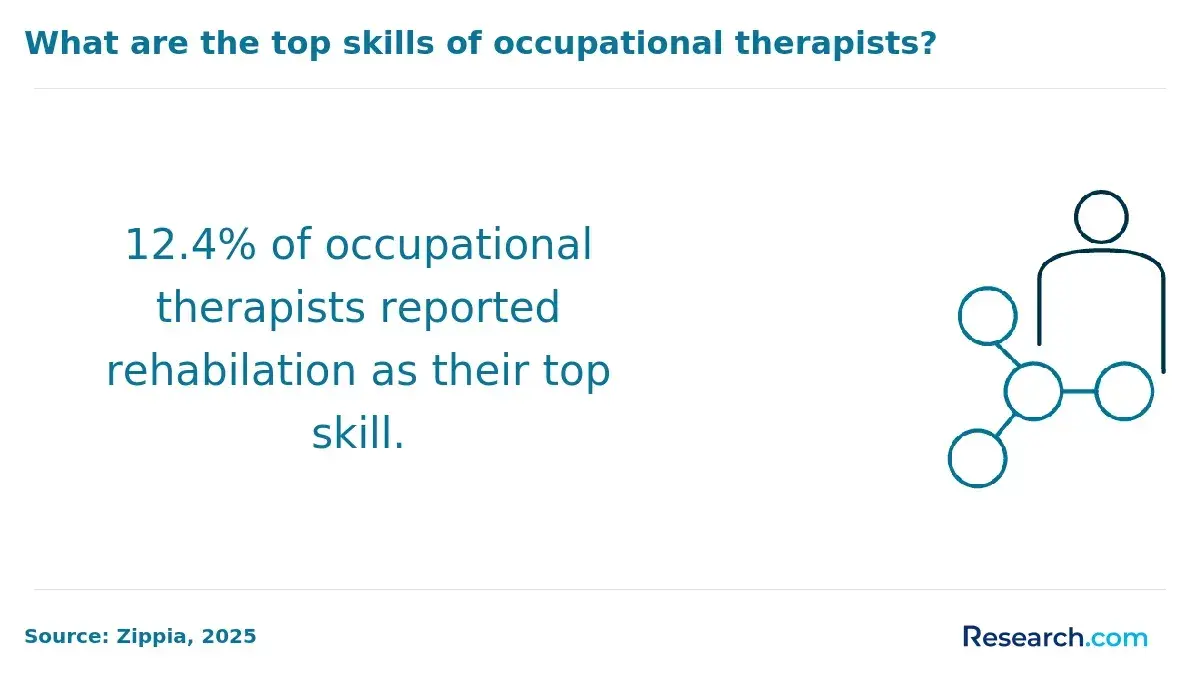
- Rehabilitation: Rehabilitation occupational therapists design individualized programs to restore function following strokes, brain injuries, or spinal cord injuries. They practice in inpatient rehabilitation units, acute care hospitals, and outpatient clinics, providing essential services to both urban and rural communities in New Mexico. Specialization in this area is vital for addressing the state’s access disparities in healthcare.
For those exploring New Mexico occupational therapy career paths, it is helpful to consider how different qualifications affect opportunities and income potential, such as a bachelors degree vs medical billing and coding certificate salary comparison.
What is the average salary of an occupational therapist in New Mexico?
Occupational therapist salary New Mexico is influenced by several critical factors, including experience level, work setting, and geographic location within the state. These elements together help shape the overall earnings potential for occupational therapists throughout New Mexico. Below are the key factors that affect OT pay in New Mexico:
- Years of Experience: Occupational therapists with more years in the field typically earn higher wages, reflecting their advanced skills and expertise. Entry-level OTs earn an average hourly wage around $43.97, while experienced therapists can earn salaries closer to or exceeding the state range of $84,347 to $103,200 annually.
- Type of Employer: OT salaries vary significantly based on the work environment. Those employed in hospitals and home health settings often receive higher pay due to the complexity of care and demand, whereas school-based and outpatient clinic roles might offer lower salaries but provide more predictable schedules.
- Geographic Location: Within the State Location plays a vital role in salary differences. Urban areas such as Albuquerque tend to offer higher wages, with average hourly rates of about $58.12, reflecting stronger demand and a higher cost of living compared to rural regions.
- Cost of Living and Salary Value: When adjusted for regional price parity, New Mexico’s compensation is competitive, allowing occupational therapists’ earnings to stretch further compared to many higher-cost states.
- Specializations and Advanced Credentials: Obtaining certifications or specializing in areas like hand therapy or pediatrics can elevate salary potential due to increased demand within specialized care areas.
- Current Market Trends and Statewide Demand: The average salary occupational therapist New Mexico reports fall between $89,110 and $99,722 yearly, with hourly rates from $48.27 to $58.42 depending on region and source. While about 10% below the national average in nominal terms, the lower cost of living balances this difference for many professionals.
For those interested in the time it takes to gain certifications relevant to allied health fields, understanding how many years to become a certified medical coder and biller can provide valuable context in planning a healthcare career path alongside occupational therapy.
What Do Occupational Therapists in New Mexico Say About Their Career?
- Eladio: "Completing my occupational therapy program at the University of New Mexico was a transformative experience that prepared me perfectly for a career serving local school communities. Starting work in a local school allowed me to see firsthand the impact of personalized interventions on children's daily lives. The cultural diversity in New Mexico offers unique challenges and rewards; I cherish the opportunity to incorporate family traditions and community values into therapy plans. It’s deeply fulfilling to watch students gain independence and confidence in such a supportive environment. This career has truly connected my passion for education with meaningful community service. "
- Skyler: "Diego My journey began at the New Mexico Academy of Health Sciences, where the blend of rigorous academics and clinical exposure sharpened my skills as an occupational therapist. Transitioning into a local school setting introduced me to an environment that requires adaptability and creativity, especially given the rich cultural mosaic and linguistic diversity of our region. Working here has strengthened my professional growth through ongoing development opportunities and mentorship from experienced colleagues. I value the balance between professional challenges and the rewarding nature of nurturing kids’ development in their own communities. "
- Brock: "After graduating from southwestern New Mexico College’s OT program, I embraced the chance to contribute to community health in an academic institution. The state's unique environment, including its rural areas and indigenous populations, has given me a distinctive perspective on holistic care and inclusive approaches. The career demands persistence and cultural sensitivity, but it also offers immense satisfaction when I see children thrive and families empowered. This path has been both a professional advancement and a personal journey filled with purpose and connection. "
Related Articles for Nearby States
- 2027 How to Become an Occupational Therapist in Arizona
- 2027 How to Become an Occupational Therapist in Colorado
- 2027 How to Become an Occupational Therapist in Texas
- 2027 How to Become an Occupational Therapist in Utah
- 2027 How to Become an Occupational Therapist in Oklahoma
- 2027 How to Become an Occupational Therapist in Nevada
- 2027 How to Become an Occupational Therapist in Kansas
- 2027 How to Become an Occupational Therapist in Wyoming
- 2027 How to Become an Occupational Therapist in Nebraska
- 2027 How to Become an Occupational Therapist in California
References:
- OT/OTA Licensure Applications & Fees by State https://triagestaff.com/ot-ota-licensure-applications-fees-by-state/
- OT/PT Licensure New Mexico | AMN Healthcare https://www.amnhealthcare.com/careers/allied/resources/state-boards/therapy/new-mexico/
- Albuquerque OTA Program | Occupational Therapy Assistant Degree https://www.brooklinecollege.edu/programs/healthcare/associate-degree-occupational-therapy-assistant/albuquerque/
- OT Continuing Education Requirement | NM Board of Occupational Therapy https://www.rld.nm.gov/boards-and-commissions/individual-boards-and-commissions/occupational-therapy/occupational-therapy-instructors-training-requirements-and-continuing-education/
- New Mexico OT CEU Requirements and Discounts! • OT Potential https://otpotential.com/ot-continuing-education-requirements/new-mexico
- New Mexico CEU Requirements for PT, OT, SLP & RN – Medbridge Help Center https://support.medbridge.com/hc/en-us/articles/18274918865043-New-Mexico-CEU-Requirements-for-PT-OT-SLP-RN
- Skills Every Occupational Therapist Should Have https://www.husson.edu/online/blog/2025/02/skills-occupational-therapists-should-have
- Occupational Therapy Licensure Guide - Trusted Health https://www.trustedhealth.com/allied-career-guide/occupational-therapy/licensure-guide
- New Mexico Occupational Therapy https://www.occupationaltherapylicense.org/new-mexico-occupational-therapy/
- Beginner's Guide to a Career in Occupational Therapy - Luna Vista https://lunavistahhc.com/beginners-guide-to-a-career-in-occupational-therapy/
Other Things You Need to Know About Becoming an Occupational Therapist in New Mexico
In 2027, to become an occupational therapist in New Mexico, you must earn a master's degree or higher in occupational therapy from an accredited program. Additionally, successful completion of fieldwork experiences is required before taking national and state licensure exams.
To become an occupational therapist in New Mexico in 2027, earn a master's degree in occupational therapy from an accredited program, pass the NBCOT examination, and apply for state licensure through the New Mexico Regulation and Licensing Department, adhering to any specific state requirements.


