
2027 How to Become a Caregiver: Certification Requirements in New Mexico

Co-Founder and Chief Data Scientist
The demand for certified caregivers in New Mexico is rising rapidly, with employment projected to grow by 21% over the next decade. This growth reflects the state’s aging population and the increasing need for quality home healthcare services. Pursuing a caregiver career in New Mexico offers stable employment with competitive wages and opportunities for advancement. Certification requirements ensure caregivers meet essential professional standards, safeguarding client wellbeing.
This article explains the specific certification steps required in New Mexico, including training and state regulations. Developed by experts in career planning, it provides clear guidance to help readers navigate certification effectively and build a successful caregiving career.
Key Things to Know About Becoming a Caregiver in New Mexico
- Completion of a state-approved training program with a minimum of 40 hours is mandatory for caregiver certification in New Mexico.
- Candidates must pass a criminal background check and provide proof of tuberculosis screening to ensure client safety.
- The caregiver workforce in New Mexico is expanding due to demographic shifts, increasing demand for certified professionals with verified competencies.
- What education is required to become a certified caregiver in New Mexico?
- How many training hours are required for caregiver certification in New Mexico?
- What topics are covered in caregiver training programs in New Mexico?
- Is there a state exam for caregiver certification in New Mexico?
- How do you apply for caregiver certification in New Mexico?
- How much does it cost to get caregiver certification in New Mexico?
- How often do you need to renew caregiver certification in New Mexico?
- What continuing education is required for caregivers in New Mexico?
- What is the salary for certified caregivers in New Mexico?
- What jobs can you get with caregiver certification in New Mexico?
- What Are the Career Advancement Opportunities for Caregivers in New Mexico?
What education is required to become a certified caregiver in New Mexico?
The education requirements for caregivers in New Mexico ensure that individuals possess the foundational knowledge necessary to provide quality care. These prerequisites establish a baseline of competence and prepare candidates for the practical demands of caregiving roles. Meeting these requirements involves a combination of formal education and specialized training, which align with state regulations for caregiver certification.
- High School Diploma or Equivalent: Applicants must have completed a high school education or obtained a GED to be eligible for certification purposes.
- Completion of a Caregiver Training Program New Mexico: Candidates are required to finish a state-approved caregiver training program that provides essential knowledge about patient care and safety.
- Basic Health and Safety Education: Coursework or training in health and safety topics is necessary to ensure caregivers understand protocols for maintaining a safe environment.
- Basic Communication Skills: Education should include fundamental communication abilities to interact effectively with patients and healthcare professionals.
- Additional Specialized Coursework: While not always mandatory, additional classes related to anatomy, physiology, or psychology can enhance a caregiver’s understanding and effectiveness.
Prospective caregivers seeking more information on associated educational pathways and program durations might find resources detailing how long is a medical billing and coding program beneficial, as these programs share comparable educational rigor and timeframes.
How many training hours are required for caregiver certification in New Mexico?
Training hours serve as a critical foundation in preparing caregivers to provide safe, effective, and compassionate care. These mandated hours ensure that caregivers acquire not only theoretical knowledge but also practical skills necessary to meet the complex needs of vulnerable populations. In New Mexico, the state establishes specific training hour requirements to maintain high standards of caregiving and protect both clients and professionals.
The required training hours in New Mexico are structured to cover a broad range of essential competencies. The key components are as follows:
- Initial Caregiver Training (40 hours): This requirement includes comprehensive instruction on topics such as personal care, infection control, client rights, emergency procedures, and communication techniques. Training can be completed through classroom sessions, online courses, or supervised practical experiences, ensuring foundational competence before caregivers work independently.
- Annual Ongoing Training (10 hours): To maintain certification, caregivers must complete continuing education annually. This training updates caregivers on policy changes, evolving best practices in care, safety protocols, and specialized topics like dementia or chronic illness management.
- Certified Nursing Assistant Training (75 hours): CNAs must complete 75 total hours, consisting of 59 hours of classroom or theoretical instruction and 16 hours of supervised clinical training. The clinical component is designed to provide hands-on experience under direct supervision, enhancing skills in real-world caregiving scenarios.
- Certification Examination: After completing the required hours, candidates must pass a state-approved exam that assesses both theoretical understanding and practical skills, confirming readiness for professional responsibilities.
What topics are covered in caregiver training programs in New Mexico?
Caregiver training in New Mexico is critical for delivering high-quality care while building caregiver confidence and competence. Comprehensive education equips caregivers to address the varied needs of vulnerable populations, ensuring safety, dignity, and personalized support. The New Mexico caregiver certification curriculum encompasses essential skills that prepare attendants for diverse caregiving responsibilities.
- Personal Care Skills: Focuses on assisting with activities of daily living such as bathing, dressing, eating, toileting, and mobility, promoting independence without compromising safety.
- Infection Control: Covers proper hygiene, handwashing, the use of personal protective equipment, and protocols to reduce the risk of infectious disease transmission.
- Patient Rights and Person-Centered Care: Emphasizes respect for privacy, autonomy, confidentiality, and informed consent, while tailoring care to individual preferences and needs.
- Communication Skills: Develops effective verbal and nonverbal communication techniques with clients, families, and healthcare professionals, including conflict resolution and managing cognitive or language barriers.
- Safety Procedures and Home Safety: Trains caregivers to identify and minimize hazards like falls or choking risks and prepare for emergencies within the home environment.
- Emergency Response (First Aid and CPR): Provides certification and practical skills to respond promptly to medical emergencies such as cardiac arrest and choking until professional help arrives.
- Nutrition and Meal Preparation: Covers dietary needs, safe food handling, and meal planning for clients with specific nutritional requirements such as diabetes or swallowing issues.
- Medication Management: Focuses on assisting with medication reminders, recognizing side effects, and maintaining proper documentation, ensuring caregivers understand safe practices.
- Housekeeping and Infection Prevention: Instructs on maintaining sanitary living conditions through effective cleaning, laundry, and infection prevention procedures.
- Electronic Visit Verification (EVV): Teaches the use of digital tools to document visits and tasks to comply with Medicaid regulations and enhance accountability.
- Alzheimer’s and Dementia Care: Offers specialized strategies for managing behavioral challenges and communication with cognitively impaired clients.
- Emotional Support and Compassionate Care: Highlights the importance of empathy, active listening, and emotional reassurance to support clients and families emotionally.
- Chores and Instrumental Activities of Daily Living (IADLs): Provides training on assisting with household tasks such as shopping, financial management, and appointment coordination to promote client independence.
The emphasis on these topics in New Mexico’s caregiver training programs underscores the state’s commitment to preparing caregivers who can meet the complex needs of their clients. For individuals exploring certification pathways, understanding the comprehensive nature of this training is crucial. Additionally, those interested in further certification comparisons may find valuable insights in the CPC vs CBCS certification key similarities, which explores certification nuances relevant to healthcare professionals.
Is there a state exam for caregiver certification in New Mexico?
Several states mandate formal exams for caregiver certification to ensure that individuals possess the necessary skills and knowledge to provide safe and competent care. These exams serve to standardize caregiver quality, protecting vulnerable populations by verifying caregiver competency prior to employment.
In New Mexico, a state exam is required specifically for Certified Nursing Assistants (CNAs). This exam, administered by Headmaster LLP, consists of two parts: a written knowledge test and a practical clinical skills demonstration. The knowledge exam covers essential topics such as communication, infection control, emergency procedures, patient privacy, and safe caregiving techniques. Candidates may choose a written or oral version, with fees of $40 and $45 respectively. The clinical skills test, which costs $100, evaluates hands-on competencies including vital signs measurement, personal care assistance, and safe transfer methods.
To be eligible for the CNA exam, candidates must complete a state-approved training program, typically 40 hours in length, and maintain ongoing training requirements. For other caregiver roles, such as personal care aides or home care aides not functioning as CNAs, New Mexico does not require a state-administered exam; certification depends on completion of training programs and employer standards. Community Health Workers may seek voluntary certification without a formal exam, based on training, experience, and background verification.
How do you apply for caregiver certification in New Mexico?
Following the precise steps to apply for caregiver certification in New Mexico is critical to ensure compliance with state regulations and to facilitate a timely approval. Caregivers must meet eligibility criteria and complete training and background requirements to maintain a professional workforce that protects vulnerable populations.
- Verify Eligibility Requirements: Applicants must be at least 18 years old and undergo a national background check; citizenship is not mandatory, but some programs have additional age or income criteria.
- Complete Required Training: Finish a mandatory 40-hour state training covering core caregiving topics within three months of hire; Community Health Worker certification requires additional Core Competency training.
- Gather Documentation: Collect identification, proof of training completion, First Aid/CPR certification, reference letters, and income documentation if applying through programs like New MexiCare.
- Submit Application: Apply through the New Mexico Department of Health’s Office of Community Health Workers or respective program, including all supporting documents and a $45 certification fee, with an extra $10 for specialty tracks.
- Undergo Background Check: Complete a national background check with a separate $59 fee as instructed after application review, a mandatory step before certification.
- Demonstrate Competency: Pass a competency exam developed by the certifying agency focused on practical caregiving skills such as ADLs.
- Register for Certification Exam (if applicable): Certain roles like Certified Nursing Aide require passing a state-approved exam after accredited training.
- Receive Certification and Badge: Upon meeting all requirements, obtain certification and identification card to carry during professional duties.
- Maintain Certification: Complete 10 hours of continuing education annually and renew certification per state guidelines.
A caregiver from New Mexico, who graduated from a local training school, shared her experience navigating the certification process. She emphasized that managing the documentation and payment steps required careful attention, stating, "Keeping track of all the forms and making sure my background check was done on time felt overwhelming at first." She appreciated the structured training, noting it gave her confidence in her skills, but the waiting period for exam registration introduced some uncertainty. Still, she remarked, "Despite the challenges, completing the certification felt like a meaningful milestone that prepared me well for my role." Her reflections highlight the importance of thorough preparation and patience throughout the application journey in New Mexico.
How much does it cost to get caregiver certification in New Mexico?
Accurately estimating the caregiver certification cost in New Mexico is vital for individuals planning their professional development and budgeting accordingly. Costs vary depending on training choices, certification levels, and specialty selections, all of which influence the overall financial investment required to enter this field.
- Certification Application Fee: A $45 fee applies for the Generalist Community Health Worker (CHW) certification application, whether through formal training or grandfathering pathways.
- Specialty Certification Fees: Adding specialty certifications authorized by the New Mexico Department of Health incurs an extra $10 fee per specialty, increasing total certification costs.
- Background Check: State requirements include a $59 background check fee, renewed every four years in compliance with Department of Public Safety standards.
- Training Program Tuition: Tuition ranges substantially, from approximately $179 for bundled online caregiver courses to up to $750 for comprehensive in-person programs; not all roles mandate formal training.
- Textbooks and Materials: Course materials may cost between $50 and $100 if not included in tuition, varying by provider and training format.
- Exam Fees (if applicable): Certified Nursing Assistant (CNA) candidates may face exam fees from $65 to $100 depending on the testing administrator; these fees do not apply to all caregiver certifications.
- Other Potential Expenses: Optional certifications such as CPR, TB testing, or fingerprint clearance may range from $20 to $80 each, depending on employment requirements.
Several factors affect New Mexico caregiver certification fees, including training provider type—with private vocational schools typically charging more than online options—and whether multiple specialties are pursued. Additionally, some employers may offer reimbursement or subsidies, which can alleviate certification expenses. Prospective caregivers can also explore alternatives like free medical billing and coding training in NYC as part of a broader career pathway.
How often do you need to renew caregiver certification in New Mexico?
Certification renewal is essential to ensure caregivers in New Mexico maintain their skills and comply with state regulations. This process protects vulnerable populations by confirming that caregivers remain knowledgeable and capable in their roles. Keeping certification current also supports ongoing professional responsibility and adherence to quality standards.
In New Mexico, caregiver certification for Community Health Workers must be renewed every two years. Applicants are required to submit a completed renewal application along with a $45 fee; if the certification has lapsed, the renewal fee increases to $75. Renewal applications must be postmarked at least two weeks before the certification expires to avoid interruptions. Additionally, background checks are mandated every four years, though not at every renewal, ensuring compliance with state policies while optimizing the renewal process.
What continuing education is required for caregivers in New Mexico?
Continuing education is vital for caregivers in New Mexico, ensuring they maintain up-to-date skills, deliver high-quality care, and comply with state regulations. This ongoing training protects vulnerable populations and reflects the professional standards expected of caregivers statewide.
- Annual Training Hours: Six hours of training per year are mandatory for primary and substitute caregivers, with documentation retained for three years.
- Infant/Toddler Training: Two hours of specialized training within six months of registration are required for those caring for infants.
- Competency Areas: Training must cover child development, health and safety, family collaboration, curriculum implementation, assessment, and professionalism.
- First Aid and CPR: Current certification, including pediatric components, is required; up to four hours can count toward annual hours.
- Community Health Worker Certification: Thirty CEUs are required for recertification, half from endorsed providers.
- Optional Training: Some caregiver roles are not legally mandated to complete continuing education, but are encouraged by employers for quality care and certification eligibility.
A caregiver from New Mexico, a graduate of a local caregiving school, shared that fulfilling these continuing education requirements initially felt daunting due to balancing work and training commitments. He reflected, “Maintaining certification meant scheduling training around shifts and ensuring documentation was flawless.” Over time, he appreciated the clarity these requirements provided, saying it reinforced his confidence and professionalism. “The specialized infant care course was especially valuable—it deepened my understanding and made me feel more prepared.” His experience underscores how structured continuing education not only supports compliance but also enriches practical caregiving skills in a meaningful way.
What is the salary for certified caregivers in New Mexico?
Certified caregiver salaries in New Mexico vary based on factors such as certification level, geographic location, employer type, and professional experience. Urban areas like Albuquerque tend to offer higher wages due to increased demand and cost of living, while rural locations generally provide lower pay. Employers also differ in their compensation, with home care agencies and assisted living facilities offering distinct salary ranges. Additionally, caregivers with advanced certifications or specialized skills typically earn more.
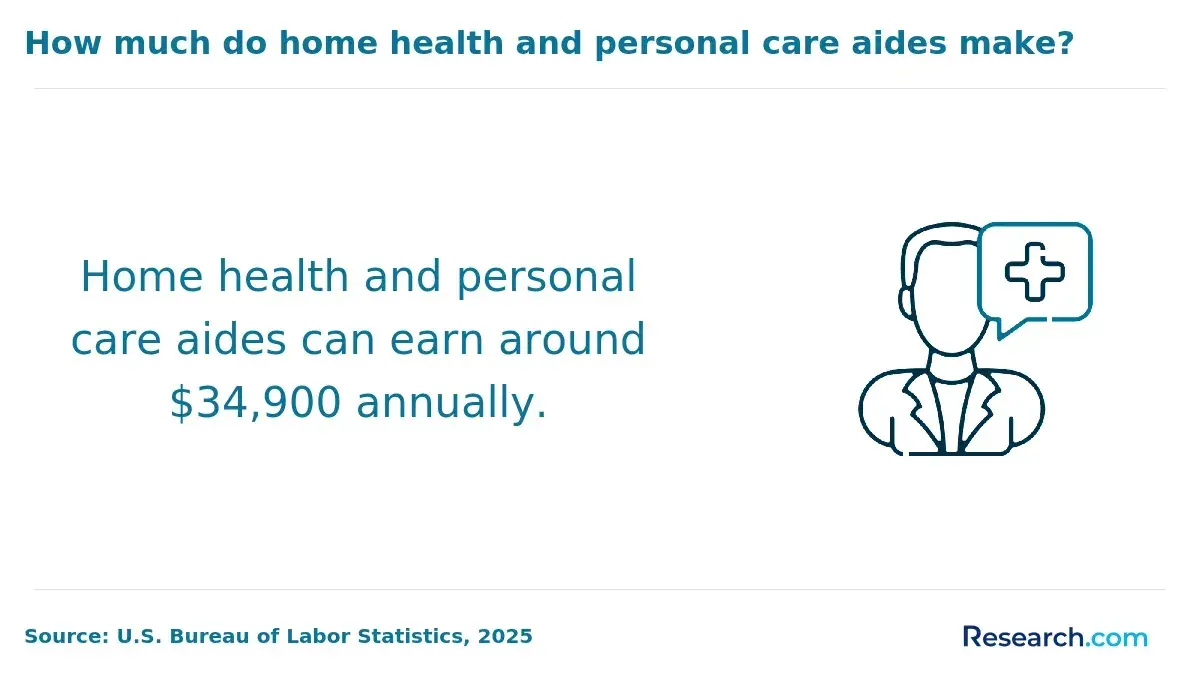
- Average Salary Range: Certified caregivers in New Mexico earn between $30,636 and $38,463 annually, with Albuquerque averaging $38,463 per year (about $18 per hour).
- Statewide Estimates: Broader data shows an average pay of around $30,636 per year across the state, with typical salaries ranging from $27,062 to $35,359 depending on experience and employer.
- Live-in Caregiver Pay: Live-in caregivers, often holding additional certifications, earn an average of $45,297 annually (roughly $21.78 per hour), with the top 25% earning above $52,300 and the top 10% reaching up to $72,680.
- Comparison to National Pay: Despite New Mexico’s modest figures, the state ranks last (50th) nationally for live-in caregiver salaries as of mid-2025.
- Employer Variation: Salaries differ among employers; for example, Cornerstone Caregiving offers about $38,480 yearly, while other agencies pay between $24,960 and $42,640 based on role and experience.
The certified caregiver salary in New Mexico reflects a range that rewards increased certification and experience, particularly in urban centers. For individuals seeking further specialization or complementary skills, options like online vocational training in medical billing and coding can enhance career prospects and earning potential.
What jobs can you get with caregiver certification in New Mexico?
Caregiver certification in New Mexico unlocks numerous caregiver employment opportunities New Mexico, offering access to diverse roles within healthcare and support services. Certified caregivers can work across various settings, contributing significantly to the well-being of older adults and individuals with disabilities.
- Home Health Aide: Home health aides provide personal care and assist with daily living activities such as bathing, dressing, and meal preparation in clients’ homes. They also monitor the client’s health status to ensure safety and comfort.
- Personal Care Attendant: These attendants help individuals remain independent by assisting with mobility, hygiene, light housekeeping, and companionship, primarily in home or community environments.
- Companion Caregiver: Often called "Papa Pals," companion caregivers offer social support, help with errands, and transportation, focusing on enhancing social engagement rather than clinical care.
- Residential Care Aide: Working in group homes or assisted living facilities, residential care aides assist residents with daily activities and collaborate with nursing staff for safety and medication reminders.
- Hospice Aide: Hospice aides deliver comfort-centered care to patients with terminal illnesses, addressing personal hygiene and emotional needs in homes or hospice centers.
- Certified Nursing Assistant (CNA): While requiring further certification, many caregivers use this role as a stepping stone; CNAs provide medical care under nurse supervision in hospitals or nursing homes.
- Care Partner: Care partners support residents in assisted living and memory care units, focusing on personalized support and improving quality of life through daily engagement.
For those interested in expanding their healthcare career, exploring options such as medical billing and coding online financial aid can provide additional pathways and skills complementing caregiver roles.
What Are the Career Advancement Opportunities for Caregivers in New Mexico?
Caregivers in New Mexico have several pathways to enhance their careers beyond entry-level certification. Advancing through specialized training and acquiring additional credentials can open doors to roles with greater responsibility and higher compensation. For instance, some caregivers may transition into administrative positions, supervisory roles, or even move into adjacent healthcare fields. Those seeking a more clinical progression can explore further professional certifications or specialized programs that refine their skillset. In particular, exploring opportunities such as learning how to become an occupational therapist in New Mexico offers a clear pathway for caregivers interested in clinical practice and patient-centered rehabilitation services. Strategic career planning and ongoing professional development are essential for maximizing growth in New Mexico’s evolving healthcare landscape.
What Do Caregivers in New Mexico Say About Their Career
- Completing the caregiver certification program at Central New Mexico Community College was a turning point for me. Starting my career in a local school allowed me to connect deeply with students who come from diverse backgrounds, and I love being part of their growth journey every day. The stability of this profession in New Mexico’s educational system gives me peace of mind, plus the chance to advance into leadership roles. This job has challenged me in the best way, enhancing my patience and understanding while making a real difference in my community. Jake
- My time at New Mexico State University’s caregiver program prepared me well to tackle the unique cultural and linguistic diversity in the schools where I work. The blend of traditional New Mexican heritage and modern educational challenges gives my job a special flavor. I feel proud knowing my role supports students' emotional and educational needs, especially those from indigenous and Hispanic communities. Becoming a certified caregiver here has opened many doors and helped me grow both professionally and personally. Melissa
- Training through the Western New Mexico University program was an enriching experience that expanded my skills and confidence. Beginning my caregiver career in a local academic institution made me realize how vital this profession is for student welfare, especially in rural parts of New Mexico. I've gained a strong sense of purpose helping children navigate their challenges while advancing my career through continuous learning and specialization. I feel honored to serve families in this beautiful and culturally rich state. Howard
Related Articles for Nearby States
- 2027 How to Become a Caregiver: Certification Requirements in Arizona
- 2027 How to Become a Caregiver: Certification Requirements in Colorado
- 2027 How to Become a Caregiver: Certification Requirements in Texas
- 2027 How to Become a Caregiver: Certification Requirements in Utah
- 2027 How to Become a Caregiver: Certification Requirements in Oklahoma
- 2027 How to Become a Caregiver: Certification Requirements in Nevada
- 2027 How to Become a Caregiver: Certification Requirements in Kansas
- 2027 How to Become a Caregiver: Certification Requirements in Wyoming
- 2027 How to Become a Caregiver: Certification Requirements in Nebraska
- 2027 How to Become a Caregiver: Certification Requirements in California
References:
- Certification https://www.nmhealth.org/about/phd/pchb/ochw/cert/
- How to Become a Caregiver in New Mexico | Dreambound https://dreambound.com/blog/how-to-become-a-caregiver-in-new-mexico
- Certified Nurse Aide Registry – New Mexico Health Care Authority https://www.hca.nm.gov/certified-nurse-aide-registry/
- New Mexico Caregiver Training Online & Free Certification https://caredemy.us/product/new-mexico-caregiver-training/
- New Mexico Caregiver Training | myCNAjobs.com https://www.mycnajobs.com/caregiver-training/new-mexico/
- New Mexico Caregiver Training & Certification for Home Care - CaregiverList.com https://www.caregiverlist.com/new-mexico/caregiver-training-certification
- Respite Care Training - New Mexico Caregivers Coalition - Giving a Voice to Family and Professional Caregivers https://www.nmdcc.org/what-we-do/caregiver-certification/
- New Mexico Training Requirements | CareAcademy https://careacademy.com/state-requirements/new-mexico/
- 404 Error - learn2care https://www.learn2care.us/ebook-pdf/New-Mexico-ebook.pdf
- Online Personal Care Aide Training from University of New Mexico - Albuquerque https://careertraining.unm.edu/training-programs/personal-care-aide-training/
Other Things You Should Know About Becoming a Medical Assistant in New Mexico
To transfer caregiver certification from another state to New Mexico in 2027, you must provide proof of your current certification, complete a background check, and meet New Mexico's specific training requirements. Check with the New Mexico Department of Health for any additional documentation needed.
Transferring caregiver certification to New Mexico involves meeting specific state requirements, which may vary significantly from those of other states. The worst aspect is navigating the potential discrepancies in training and certification standards, which might necessitate additional courses or assessments to qualify in New Mexico.
In New Mexico, you can become a certified caregiver without prior experience, as the state primarily requires completion of a state-approved training program rather than previous hands‑on work. These programs provide the essential skills and knowledge needed to care for elderly or disabled individuals, making them accessible to beginners. Upon finishing the training and passing any required evaluations, candidates may obtain certification to work as a caregiver. While experience can be beneficial, it is not a mandatory prerequisite, enabling those new to the field to start a career through proper education and certification.
To become a certified caregiver in New Mexico, start by researching state-specific requirements and identify approved training programs, like those offering personal care aide or home health aide certification. Upon completion of the required training, apply and pass the certification exam to obtain your official caregiver credentials.


