
2027 How to Become an Occupational Therapist in Rhode Island

Co-Founder and Chief Data Scientist
Rhode Island’s demand for occupational therapists surges as the state anticipates a 15% job growth by 2030, reflecting its aging population and expanding healthcare initiatives. This dynamic environment offers a fertile ground for professionals dedicated to enhancing daily living skills and fostering patient independence. The state’s competitive salaries and community-focused healthcare systems make pursuing this career not only rewarding but impactful within local communities.
Prepared by experts in career planning, this article unpacks the step-by-step process to become an occupational therapist in Rhode Island. It delivers clear, research-backed guidance to navigate licensure, education, and practical experience, ensuring readers access all vital information to launch their career successfully in this promising field.
Key Things to Know About Becoming an Occupational Therapist in Rhode Island
- Earn a master's or doctoral degree from an AOTA‑accredited program—Rhode Island offers proximity to top New England schools powering a workforce demand expecting 14% growth by 2030.
- Complete 24 weeks of supervised fieldwork; real-world practice here sharpens skills to meet Rhode Island’s diverse healthcare landscape from Providence clinics to rural rehab centers.
- Pass the NBCOT exam and secure Rhode Island state licensure; ongoing continuing education fuels compliance and career resilience amid evolving therapy techniques.
- What are the education requirements to become an occupational therapist in Rhode Island?
- How do you get a state license to practice occupational therapy in Rhode Island?
- How often do you need to renew an OT license in Rhode Island?
- What continuing education is required for OT license renewal in Rhode Island?
- How much does it cost to become an occupational therapist in Rhode Island?
- What financial aid options are available for OT students in Rhode Island?
- Can out-of-state occupational therapists work in Rhode Island?
- How can supplemental caregiver certification complement my occupational therapy career in Rhode Island?
- What skills do you need to be a successful occupational therapist in Rhode Island?
- What specializations are available for occupational therapists in Rhode Island?
- What is the average salary of an occupational therapist in Rhode Island?
What are the education requirements to become an occupational therapist in Rhode Island?
Building a skilled occupational therapist requires more than good intentions; it demands a structured educational journey that molds knowledge, empathy, and technique into one capable of shaping lives.
To truly serve the complex physical, emotional, and developmental needs of patients, therapists must emerge from carefully crafted, accredited occupational therapy programs in Rhode Island, where theory and hands-on experience merge seamlessly. Below is a clear map of Rhode Island occupational therapist education requirements shaping the road ahead.
- Earn a Bachelor’s Degree: Begin with a bachelor’s degree in psychology, biology, health sciences, or any related field. While the major is flexible, foundational courses in anatomy, physiology, and statistics prepare you for advanced studies and meet prerequisites for graduate OT programs.
- Complete an Accredited Master’s or Doctoral Program in Occupational Therapy: Rhode Island mandates graduation from a program accredited by the American Occupational Therapy Association’s ACOTE. Master’s programs typically span 2 to 2.5 years, while Doctor of Occupational Therapy (OTD) tracks take around 3 years, with options like the 36-month OTD program at Johnson & Wales University adding local flavor to this rigorous journey.
- Fulfill Supervised Fieldwork Requirements: Practical training is vital; candidates must complete at least 24 weeks of supervised fieldwork. This immersive experience in clinical environments hones skills and bridges classroom theory with hands-on patient care.
- Pass the National Board for Certification in Occupational Therapy (NBCOT) Examination: After academic and fieldwork milestones, passing this exam is essential for state licensure and professional practice, acting as a key gatekeeper ensuring clinical competence.
- Meet Continuing Education Requirements Post-Licensure: Staying current is non-negotiable; Rhode Island therapists must complete 20 hours of continuing education every two years, keeping pace with evolving best practices and regulations.
For those curious about related career paths, exploring how to get into medical coding may offer additional opportunities in healthcare education and administration.
How do you get a state license to practice occupational therapy in Rhode Island?
Securing a state license is a pivotal gateway to practicing occupational therapy in Rhode Island, affirming your professional credibility and aligning you with the state's legal standards. This credential is not just a formality; it’s a commitment to quality care and ethical practice.
Navigating Rhode Island occupational therapy licensure requirements involves a series of deliberate and essential steps to bring your career ambitions to life. Here’s how to embark on this journey:
- Graduate from an Accredited Program: Begin by earning your degree from a program accredited by the Accreditation Council for Occupational Therapy Education (ACOTE). Rhode Island offers programs like those at New England Institute of Technology, with bachelor's or master’s degrees for therapists and associate degrees for assistants, laying the academic foundation you need.
- Complete Supervised Fieldwork: Practical, hands-on experience is crucial. Occupational therapists must complete 24 weeks, while assistants require 12 weeks of supervised fieldwork. This immersive training sharpens your skills and prepares you for real-world challenges.
- Pass the NBCOT Exam: Mastery of your craft is tested through the NBCOT exam for Rhode Island occupational therapist license applicants. Whether it's the OTR exam for therapists or the COTA for assistants, passing this milestone is mandatory to demonstrate your readiness and competence.
- Submit a State Application: With education and certification in hand, apply to the Rhode Island Board of Occupational Therapy. Your application must include transcripts, proof of citizenship or lawful presence, and official NBCOT certification verification, formalizing your entry into the professional community.
- Fulfill Background Check Requirements: Ensuring a trustworthy profession, the state requires a thorough criminal background check. This step protects clients and upholds the integrity of occupational therapy standards.
- Temporary License Option: While preparing for the NBCOT exam, you can gain early experience by applying for a temporary license, allowing practice under supervision of a licensed therapist with at least a year’s Rhode Island licensure. This pathway keeps momentum while bridging to full licensure.
Also, if you’re curious about related certifications in the medical field, there is useful information about is there a difference between cpc and cbcs certification that might expand your professional insights.
How often do you need to renew an OT license in Rhode Island?
Maintaining an occupational therapy license in Rhode Island goes beyond bureaucracy; it is a vital checkpoint in sustaining professional excellence and public trust. License renewal acts as a ritual of renewal itself, ensuring therapists are not only current with evolving clinical methods but also anchored in the evolving legal landscape and ethical standards governing their profession.
Through this cyclical reaffirmation, Rhode Island cultivates a workforce that is both competent and conscientious, safeguarding the quality of care delivered across the state.
Rhode Island requires occupational therapists to renew their licenses every two years, specifically by March 31 of even-numbered years. This biennial schedule creates a steady pulse for ongoing professional development, mandating proof of 20 hours of continuing education within the preceding period. Renewal notices arrive about 60 days ahead, making sure therapists have time to fulfill requirements well before the deadline.
Importantly, there is no official grace period: late renewals trigger additional fees, and practicing with an expired license exposes therapists to legal penalties. This disciplined timetable not only preserves eligibility but ensures practitioners stay informed on shifting regulations and best practices, fostering a professional community that evolves alongside the field itself.
When I spoke with an occupational therapist who graduated from a Rhode Island university, he reflected on his renewal journey with a sense of both responsibility and accomplishment. “It’s like re-centering yourself,” he said, describing how the process compelled him to intentionally update his skills and knowledge rather than drifting in complacency.
Though the paperwork and hours could feel taxing amidst a busy caseload, receiving the renewal notice was a prompt to engage with fresh ideas and innovations in occupational therapy—and a reminder that his commitment to the profession goes beyond the clinical setting. “Renewing my license every two years isn’t just about paperwork; it’s about respecting the trust patients put in me and honoring the service we provide as therapists,” he observed thoughtfully.
What continuing education is required for OT license renewal in Rhode Island?
Continuing education fuels the professional vitality of occupational therapists, ensuring they remain adept in a shifting landscape of therapeutic innovations and regulatory demands. In Rhode Island, these ongoing learning adventures are not just encouraged—they are woven into the fabric of licensure renewal, propelling therapists to sharpen their expertise in alignment with evolving patient care standards and state mandates.
This commitment safeguards the quality and relevance of occupational therapy services, enhancing outcomes across diverse practice settings.
- Required Hours: Both occupational therapists and occupational therapy assistants in Rhode Island must complete 20 hours of continuing education every two years. This biennial rhythm aligns with the licensure renewal cycle, offering a structured yet flexible timeframe to deepen skills and knowledge.
- Course Topics and Formats: There’s creative freedom here—the state does not bind practitioners to a fixed curriculum or mode of learning. Instead, the focus rests on relevancy, inviting licensees to explore courses that resonate with their specialties and emerging trends in the profession.
- Documentation and Compliance: Keeping track of learning journeys is essential; practitioners must preserve proof of completed courses, including certificates and descriptions. This documentation stands as a testament to one’s dedication and readiness when the renewal moment arrives.
- Renewal Notifications and Process: Renewal reminders arrive 60 days ahead of license expiration, sent by the Rhode Island Department of Health. The process itself is streamlined through an online portal, simplifying the path to continued licensure for busy professionals.
- Exemption for New Licensees: Freshly minted therapists enjoy a grace period, free from continuing education mandates during their initial renewal cycle. This allowance acknowledges the rigorous training new licensees have just completed and eases their initial entry into full professional practice.
- OTA Requirements: Occupational therapy assistants share the same continuing education requirements and timelines as occupational therapists, preserving consistent quality standards across different levels of practice.
For those curious about healthcare administrative processes that intersect with therapy practice, understanding what is the importance of medical billing and coding can illuminate critical aspects of the occupational therapy profession.
How much does it cost to become an occupational therapist in Rhode Island?
The price tag for entering the world of occupational therapy in Rhode Island is a mosaic of tuition bills, exam fees, and licensing expenses. Knowing these numbers upfront helps map out a clearer financial path without surprises along the way.
What financial aid options are available for OT students in Rhode Island?
Financing an occupational therapy education in Rhode Island is often a crucial step, as programs can be costly and living expenses add up quickly. Accessing various financial aid resources helps students focus on mastering their clinical skills instead of stressing over tuition bills. Here are key financial aid avenues that help lighten the load for OT students:
- Federal Grants and Loans: By completing the FAFSA, OT and OTA students become eligible for federal grants like the Pell Grant and a range of loans, including subsidized, unsubsidized, and Graduate PLUS loans. These funds are essential for covering tuition and living costs at accredited programs across Rhode Island.
- State Grants and Waivers: Rhode Island offers tuition waivers for eligible residents, such as the unemployment waiver available through community colleges. Though fewer in number, state grants through the Office of the Postsecondary Commissioner may also supplement education expenses.
- Institutional Scholarships and Assistantships: Many local colleges award scholarships or graduate assistantships, which might include tuition reductions or stipends in exchange for part-time work, providing both financial support and professional experience.
- Professional Association Scholarships: National programs by associations like the AOTF and AOTA offer competitive scholarships to OT students nationwide, including Rhode Island residents. These awards often require strong academics and personal recommendations but can be substantial.
- Private and Local Scholarships: Community foundations, corporations, and the Rhode Island Occupational Therapy Association sometimes provide scholarships or resources, giving students additional options outside formal academic channels.
- Loan Repayment and Tax Incentives: After graduation, programs targeting health professionals in underserved areas and tax credit incentives help ease debt burdens, encouraging retention within Rhode Island’s healthcare system.
- Work-Study and Part-Time Employment: Federal Work-Study offers flexible on-campus jobs aligned with intense OT coursework, allowing students to earn while they learn without compromising clinical commitments.
Can out-of-state occupational therapists work in Rhode Island?
Out-of-state occupational therapists cannot simply step into Rhode Island and begin practicing without going through a formal process. The state requires all occupational therapists, regardless of where they earned their license, to obtain a Rhode Island state license before offering services.
This means that even if you’re licensed elsewhere, you must apply for licensure by endorsement, submitting proof of your current good-standing license and passing verification checks.
Rhode Island does not participate in the Occupational Therapy Licensure Compact, so there’s no shortcut allowing multi-state practice rights here. Each applicant’s credentials, education, and exam completion are carefully reviewed to maintain the state’s professional standards.
One occupational therapist from Rhode Island shared her journey after graduating locally. She explained that while the endorsement process was thorough and occasionally daunting, it set a clear path forward. “Knowing you must prove every step of your career gives you confidence,” she said, reflecting on the strict but fair process for out-of-state license holders. She found that the system, while demanding, ultimately supported a solid foundation for trustworthy, quality practice in Rhode Island.
How can supplemental caregiver certification complement my occupational therapy career in Rhode Island?
Integrating targeted caregiver certification can expand the scope of practice for occupational therapists by fostering a more holistic approach to patient care. This specialized training bolsters communication and empathetic engagement, enabling therapists to address nuanced client needs beyond conventional rehabilitation. Pursuing additional certification also sharpens practical competencies that support interdisciplinary teamwork and patient advocacy, ultimately reinforcing professional credibility in a competitive healthcare environment. For guidance on this complementary path, refer to how to become a caregiver in Rhode Island.
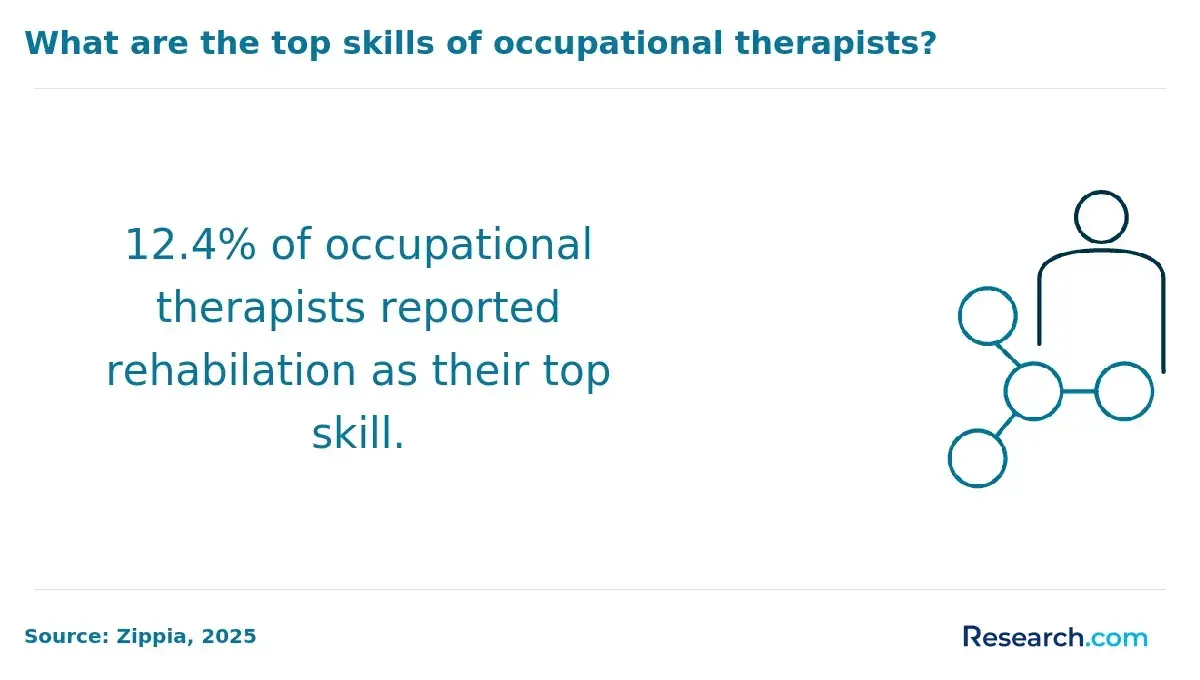
What skills do you need to be a successful occupational therapist in Rhode Island?
To flourish as an occupational therapist in Rhode Island, mastering a unique blend of skills is essential. These abilities empower therapists to restore clients’ independence, elevate their quality of life, and act as keystones within multidisciplinary healthcare teams.
The dynamic healthcare landscape in Rhode Island demands therapists who are not only technically proficient but also creatively adaptable and empathetic. Here are the critical skills that underpin success in this rewarding profession:
- Communication Skills: Clarity in conveying treatment plans and progress ensures clients and teams remain aligned, fostering trust and adherence to therapy goals.
- Problem-Solving and Adaptability: Navigating client barriers and tailoring interventions on the fly is vital for personalized, effective care in diverse Rhode Island settings.
- Empathy and Compassion: Understanding clients’ emotional journeys builds rapport and motivation, which drives positive therapy outcomes.
- Organizational and Time Management Skills: Balancing multiple caseloads and continuing education requirements demands precision and discipline for sustained professional excellence.
- Analytical and Critical Thinking Skills: Rigorous evaluation of client progress supports evidence-based adjustments, ensuring therapies remain impactful and responsive.
What specializations are available for occupational therapists in Rhode Island?
Specialization in occupational therapy allows practitioners to channel their skills into distinct populations, conditions, or practice realms, amplifying their effectiveness and career possibilities in Rhode Island.
By diving deep into focused areas, occupational therapists become vital architects of tailored interventions that resonate with client needs across diverse environments. Below are several enriching specializations that shape the landscape of Rhode Island occupational therapy specialties.
- Pediatrics: These occupational therapists become champions for infants through adolescents, crafting playful yet purposeful strategies to overcome developmental delays, sensory challenges, and complex neurodiverse conditions. They thrive in schools, pediatric hospitals, and specialized clinics where they spark growth and independence at an early age.
- Geriatrics: Focused on the evolving journey of older adults, these OTs navigate issues like arthritis, Alzheimer’s, and mobility hurdles, weaving solutions that preserve dignity and autonomy. Their expertise is sought in nursing homes, assisted living, and rehabilitation centers where life’s later chapters are lived fully.
- Mental Health: This path embraces the subtle art of healing minds affected by depression, anxiety, or more severe diagnoses. Mental health OTs build everyday routines and community bridges within psychiatric hospitals and mental health clinics, fostering resilience and integration.
- Hand Therapy: Specialists in the intricate mechanics of hands and upper limbs, these therapists mend broken function and soothe pain from injuries like fractures or carpal tunnel. Collaboration with surgeons and rehabilitation teams in hospitals and dedicated hand clinics makes their work a precise form of craftsmanship.
- Physical Rehabilitation: Focused on reclaiming movement and independence, this group tackles the aftermath of strokes, brain injuries, and surgeries with adaptive strategies. Their impact resonates in acute care hospitals, rehab centers, and outpatient clinics throughout Rhode Island.
Curious how this ties into broader healthcare education? Exploring what is the difference between medical billing and coding certificate and bachelors degree can provide useful context for understanding allied health professions in the region.
What is the average salary of an occupational therapist in Rhode Island?
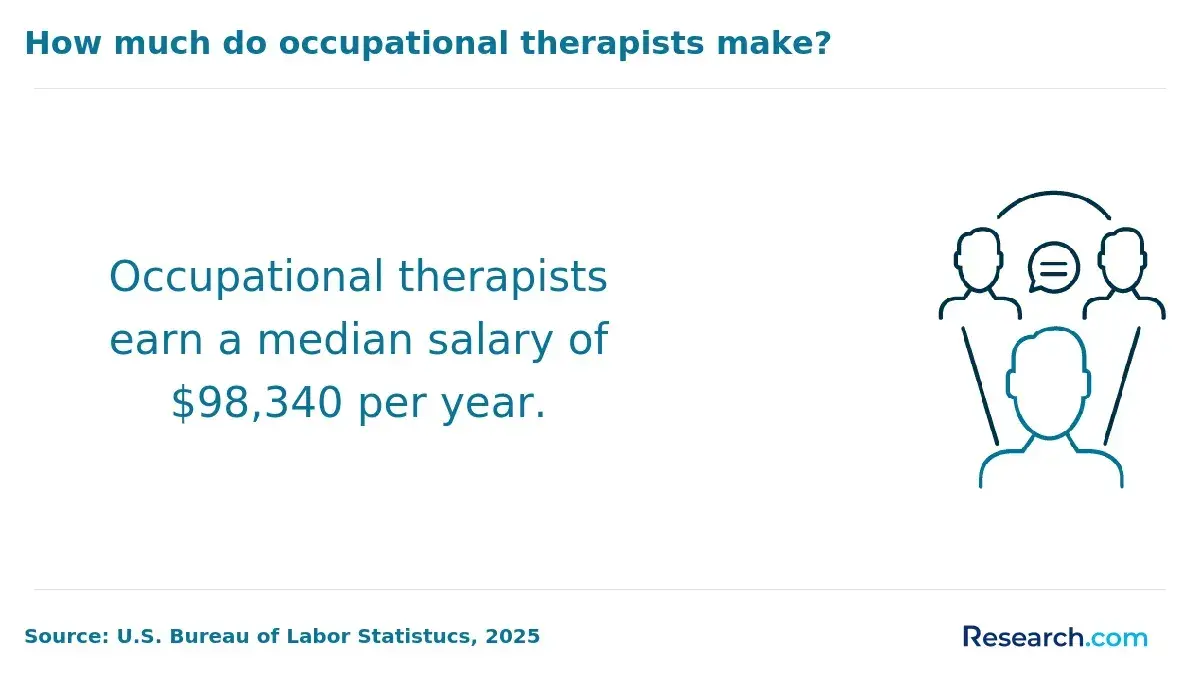
The occupational therapist salary in Rhode Island is shaped by a blend of experience, work environment, and geographic location. Each of these elements carries weight in determining how much an occupational therapist can expect to earn across the state’s diverse healthcare landscape.
Below are the primary factors influencing average salary for occupational therapists in RI.
- Years of Experience: Salary grows steadily with professional experience. Entry-level occupational therapists may begin near $62,700 annually, but seasoned practitioners can earn more than double that figure. This jump rewards refined skills and specialized expertise developed over time.
- Type of Employer: Different healthcare settings impact pay scale significantly. Hospitals and rehabilitation centers often offer higher salaries compared to private practices or schools, reflecting varying budgets and patient needs within these organizations.
- Geographic Location: Even within a small state, location matters. Urban hubs like Providence tend to offer higher wages than rural areas, due to greater healthcare demand and higher living costs. Additionally, some cities report hourly rates above the state average, demonstrating this regional variation.
- Market Position: Rhode Island salaries rank about 24% above the national average, providing financial motivation despite relatively fewer job openings. Being aware of these trends can inform better career decisions.
- Educational Pathways: Prospective therapists might explore accredited programs that align with financial needs and career goals, such as the medical billing and coding schools that accept financial aid, which can offer a stepping stone into healthcare professions.
What Do Occupational Therapists in Rhode Island Say About Their Career?
- Jerome: "Pursuing my occupational therapy degree at Providence College gave me a deep connection to Rhode Island’s close-knit community. Starting my career working in a local school has been incredibly rewarding because I get to see firsthand the positive impact I have on students’ daily lives. The job stability here and access to ongoing professional development opportunities have allowed me to grow both personally and professionally. I’m passionate about helping children overcome challenges, and Rhode Island’s supportive environment makes that passion contagious. "
- Sachi: "Graduating from the University of Rhode Island’s occupational therapy program opened doors to a range of unique opportunities tied to the state’s culture and history. One of the most fulfilling aspects has been addressing the specific needs of children in schools who come from diverse backgrounds and environments. I often reflect on how much I’ve grown as both a clinician and an advocate for my community. The diverse cultural resources here continually challenge me to expand my practice in meaningful ways. "
- Kristoff: "Completing my studies at Rhode Island College was just the beginning of an enriching occupational therapy journey. Starting my career in a local academic institution gave me insight into the distinct challenges and rewards of working within the state’s education system. The potential for career advancement and strong support networks here are impressive and have motivated me to pursue further certifications. It’s deeply satisfying to contribute to the well-being and development of young people in a state that truly values inclusive education."
Related Articles for Nearby States
- 2027 How to Become an Occupational Therapist in Massachusetts
- 2027 How to Become an Occupational Therapist in Connecticut
- 2027 How to Become an Occupational Therapist in New York
- 2027 How to Become an Occupational Therapist in New Jersey
- 2027 How to Become an Occupational Therapist in Vermont
- 2027 How to Become an Occupational Therapist in New Hampshire
- 2027 How to Become an Occupational Therapist in Pennsylvania
- 2027 How to Become an Occupational Therapist in Delaware
- 2027 How to Become an Occupational Therapist in Maine
- 2027 How to Become an Occupational Therapist in Maryland
References:
- Occupational Therapist | Caring Careers Rhode Island https://caringcareers.ri.gov/career-positions/occupational-therapist
- Occupational Therapy Rhode Island: Rhode Island Occupational Therapy CE Requirements | Westernschools Learning https://www.westernschools.com/occupational-therapy/rhode-island/requirements/
- Occupational Therapy Licensure Compact | AOTA https://www.aota.org/advocacy/issues/ot-licensure-compact
- Occupational Therapy Assistant Associate Degree (AS) | NEIT https://www.neit.edu/academics/associate-degrees/occupational-therapy-assistant-as
- OTA Frequently Asked Questions – CCRI https://www.ccri.edu/alliedrehabhealth/rehabhealth/octa/faq-ota.html
- OTD Admissions, Tuition & Financial Aid | Johnson & Wales University https://www.jwu.edu/academics/programs-by-campus/providence-programs/occupational-therapy/admissions.html
- Occupational Therapist Travel Jobs in Rhode Island | AMN Healthcare https://www.amnhealthcare.com/careers/allied/apply/travel-occupational-therapist-allied-jobs-in-rhode-island/
- 18 Occupational Therapist Skills Required for Success https://www.alliant.edu/blog/occupational-therapist-skills
- Therapy Comply - Rhode Island Occupational Therapy Scope of Practice https://therapycomply.com/Rhode-Island/Occupational-Therapy/Scope-of-Practice
- Occupational Therapy Treatment in Rhode Island | Brown University Health https://www.brownhealth.org/centers-services/outpatient-rehabilitation-services/occupational-therapy
Other Things You Need to Know About Becoming an Occupational Therapist in Rhode Island
Becoming a licensed occupational therapist in Rhode Island typically takes about six to seven years. This time includes completing a bachelor's degree, a master's program in occupational therapy, and passing the National Board for Certification in Occupational Therapy (NBCOT) exam.
Admission to occupational therapy (OT) programs in Rhode Island typically requires applicants to have completed specific prerequisite coursework in subjects such as biology, anatomy, physiology, psychology, and sociology. These courses provide foundational knowledge essential for understanding human development and health, which are critical in OT practice.
Additionally, many programs look for candidates with strong communication skills and relevant healthcare experience, often demonstrated through volunteer work or internships. Meeting these academic and experiential prerequisites helps ensure students are well-prepared for the rigorous graduate-level curriculum in occupational therapy.
In 2027, the job outlook for occupational therapists in Rhode Island is expected to remain positive, with continued demand for skilled professionals. Opportunities in healthcare settings, schools, and rehabilitation centers contribute to a stable employment landscape for OTs in the state.


