
2027 How to Become an Ultrasound Technician in Alaska

Co-Founder and Chief Data Scientist
Alaska has seen a 12% growth in diagnostic medical sonographers between 2019 and 2023, signaling a strong and expanding job market. With average salaries surpassing the national level, ultrasound technicians in the state enjoy both financial rewards and career stability.
This guide breaks down the key steps to entering the profession, from education and certification to employment opportunities, while highlighting local training options. Designed with career-focused insights, it provides practical direction for anyone aiming to build a successful ultrasound career in Alaska’s healthcare system.
Key Things to Know About Becoming an Ultrasound Technician in Alaska
- Complete an accredited diagnostic medical sonography program recognized by the Commission on Accreditation of Allied Health Education Programs (CAAHEP) to meet Alaska’s educational standards.
- Obtain the American Registry for Diagnostic Medical Sonography (ARDMS) certification to improve job prospects; Alaska’s median ultrasound technician salary is about $89,000, reflecting high demand.
- Gain clinical experience through internships or practicum placements in Alaska healthcare facilities to fulfill licensing and employment requirements.
- What education is required to become an ultrasound technician in Alaska?
- What specialties can ultrasound technicians choose from in Alaska?
- Which certification exams are required to become an ultrasound technician in Alaska?
- Is a license required to practice as an ultrasound technician in Alaska?
- What to expect during ultrasound technician clinical training in Alaska?
- How much does it cost to become an ultrasound technician in Alaska?
- What continuing education and professional networking opportunities are available for ultrasound technicians in Alaska?
- Can ultrasound technicians explore multidisciplinary healthcare roles in Alaska?
- What is the average salary for ultrasound technicians in Alaska?
- What is the job outlook and demand for ultrasound technicians in Alaska?
- What are the career advancement steps for ultrasound technicians in Alaska?
- What are the common challenges ultrasound technicians face in Alaska?
What education is required to become an ultrasound technician in Alaska?
To qualify as an ultrasound technician in Alaska, candidates must complete a combination of accredited education and clinical experience. Meeting these specific educational requirements ensures eligibility for certification and employment in this competitive field.
- Minimum Degree Requirement: Complete an accredited Diagnostic Medical Sonography (DMS) program, typically earning an associate of science or associate of applied science degree.
- Prerequisite Courses: Achieve a minimum grade of “C” in required courses such as Human Anatomy and Physiology, Medical Terminology, and Radiographic Physics before admission to sonography programs.
- Observation Hours: Complete at least 12 hours of observation in a sonography clinic to gain firsthand field exposure, a prerequisite for programs like the one at UAA.
- Total Credit Hours: Finish a minimum of 74 credits combining general education with specialized sonography coursework.
- Clinical Practicum Requirement: Successfully complete two clinical practicum courses totaling 18 credits, providing essential hands-on patient experience over typically two semesters.
- Certification Recommendation: While Alaska does not mandate certification, most employers require ARDMS certification, which is accessible after graduating from a CAAHEP-accredited program.
- Program Accreditation: Attend a program accredited by CAAHEP to ensure quality education and be eligible for national certification exams.
For those exploring what is the fastest way to become a radiology technician, focusing on accredited ultrasound technician programs in Alaska with these educational requirements for sonographers in Alaska is essential to a smooth career start.
What specialties can ultrasound technicians choose from in Alaska?
Ultrasound technicians in Alaska can specialize in several focused areas that shape their career paths and job prospects. These specialties influence the types of healthcare facilities they work in and the populations they serve, reflecting the state’s diverse medical needs.
Below is a list of common sonography specialties offered to those pursuing ultrasound technician specialties in Alaska.
- Abdominal Sonography: Concentrates on imaging organs like the liver and kidneys for general diagnostic purposes, forming a core skill set for many sonographers.
- Obstetrics and Gynecology (OB/GYN) Sonography: Involves imaging the female reproductive system and monitoring fetal health, crucial for prenatal and women’s health care across Alaska.
- Echocardiography (Cardiac Sonography): Focuses on heart imaging to assess cardiac function, an area with strong demand given Alaska’s cardiovascular health concerns, relevant to vascular and cardiac sonography jobs in Alaska.
- Vascular Technology: Specializes in evaluating blood vessels to detect blockages or clots, essential for vascular health management and stroke prevention.
- Breast Sonography: Uses ultrasound for breast tissue examination, aiding in early cancer detection alongside mammography.
- Neurosonology: Focuses on brain and nervous system imaging, primarily for infants, serving neonatal and pediatric care settings.
- Musculoskeletal Sonography: Targets imaging of muscles and joints, supporting diagnosis in sports medicine and orthopedics.
For those looking to explore varied paths within healthcare, these specialties offer diverse roles with strong employment outlooks. Researching radiology career options can help identify the best fit and certification requirements for each specialty. To better understand where these specialties are applied, the chart below highlights the industries that employ ultrasound technicians in the United States.
Which certification exams are required to become an ultrasound technician in Alaska?
Certification exams are essential for ultrasound technicians in Alaska to verify their expertise and maintain high standards of patient care. While Alaska does not legally require certification, most employers strongly prefer candidates who hold recognized credentials. Earning certification helps technicians stay competitive and meet evolving industry expectations.
American Registry for Diagnostic Medical Sonography (ARDMS) Exams
This is the most recognized credential for ultrasound technicians in Alaska, covering specialties like Abdomen, Obstetrics/Gynecology, and Vascular Technology. Candidates must pass the Sonography Principles and Instrumentation (SPI) exam plus a relevant specialty exam. Eligibility generally requires graduation from a CAAHEP-accredited program or 12 months of clinical experience. ARDMS exams are offered at testing centers in Anchorage and Fairbanks.
American Registry of Radiologic Technologists (ARRT) Sonography Certification
ARRT provides certification aimed at both general and specialty sonography. Applicants need to complete an approved educational program and comply with ARRT’s ethical rules. Although less common in Alaska than ARDMS, some employers accept ARRT credentials, especially where multiple imaging modalities are used. No additional state-specific requirements apply for ARRT certification in Alaska.
Cardiovascular Credentialing International (CCI) Exams
CCI offers credentials focused on cardiac and vascular sonography, such as Registered Cardiac Sonographer (RCS) and Registered Vascular Specialist (RVS). Eligibility includes completion of an accredited program or relevant clinical experience. Though not mandated by Alaska law, CCI certifications are valued by employers specializing in cardiovascular imaging.
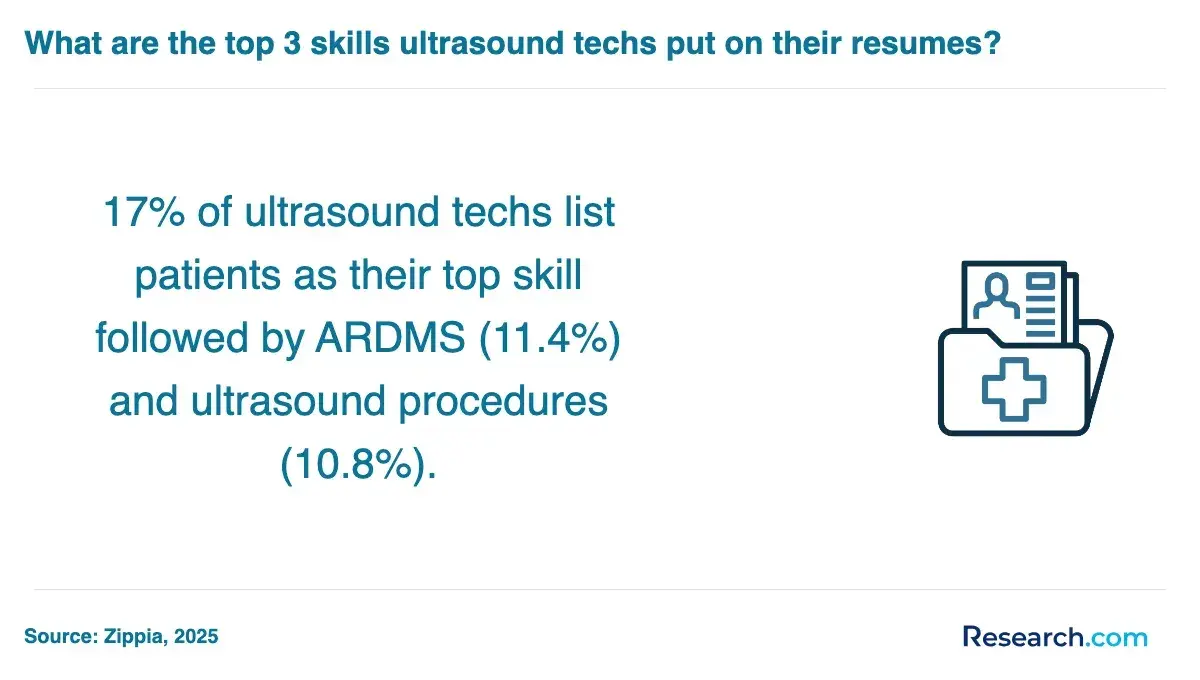
Successfully passing these exams enhances professional credibility, broadens employment prospects, and aligns technicians with Alaska’s advancing healthcare standards. Maintaining certification demonstrates commitment to quality and ethical medical imaging practices. To see which specific skills employers value most, the image below highlights the top skills ultrasound technicians include on their resumes.
Is a license required to practice as an ultrasound technician in Alaska?
In Alaska, a state license is not required to practice as an ultrasound technician, which simplifies entry for those pursuing this career in the state. This approach impacts how candidates prepare since the focus shifts to obtaining recognized national certifications rather than meeting specific state licensure mandates. Knowing this distinction helps applicants target the right credentials to meet employer expectations effectively.
Alaska does not impose a state-issued license or credential for diagnostic medical sonographers. Instead, the regulatory framework relies heavily on nationally recognized certifications such as those from ARDMS, ARRT, or CCI.
These certifications, while not legally mandated by Alaska, are often required or strongly preferred by employers. Key exams, like the SPI test and specialty exams tailored to areas like vascular technology or obstetrics, serve as essential benchmarks for certification and professional validation.
Following an accredited education program and achieving national certification enhances legal compliance, employability, and professional reputation within Alaska's healthcare system. Healthcare providers typically expect these credentials as proof of competence and readiness to perform independently.
An ultrasound technician from Alaska who graduated locally reflected on his experience navigating the field: “Not needing a state license removed a major hurdle, but passing the ARDMS exams and completing clinical hours was no small feat.” He described the challenge of balancing study with hands-on training at a regional hospital, emphasizing that national certification—not a state credential—was the key to earning employer trust and entering the profession.
What to expect during ultrasound technician clinical training in Alaska?
Clinical training in Alaska is essential for ultrasound technician students to develop practical skills and achieve readiness for certification and employment. This hands-on phase bridges theoretical knowledge with real-world experience in medical imaging environments under professional supervision.
- Hands-on Patient Care: Students perform ultrasound scans on actual patients with direct supervision, focusing on obtaining clear images and effective patient communication.
- Supervised Use of Imaging Equipment: Trainees learn to operate advanced sonography machines, adjust settings accurately, and troubleshoot under the guidance of experienced technologists.
- Specialty Rotations: Clinical placements include rotations in OB/GYN, vascular, abdominal, and cardiac sonography, exposing students to diverse diagnostic procedures and patient groups.
- Mentorship from Licensed Professionals: Each student is paired with certified sonographers who provide ongoing instruction, feedback, and professional role modeling throughout the clinical experience.
- Competency Evaluations: Regular assessments require students to demonstrate skill proficiency, adherence to safety standards, and ethical practice compliance.
- Required Clinical Hours: Programs like the University of Alaska Anchorage require completion of significant supervised clinical hours, typically around 960 hours for bachelor’s degrees, spread over practicums worth academic credits.
- State-Specific Program Requirements: Alaska mandates prerequisite coursework with minimum grades, observation hours in sonography clinics before program admission, and successful completion of all required clinical rotations and courses.
These structured clinical experiences ensure students build the technical competence and clinical judgment necessary to pass ARDMS certification exams and confidently transition into healthcare roles across Alaska’s hospitals and imaging centers.
How much does it cost to become an ultrasound technician in Alaska?
The cost of ultrasound technician programs in Alaska generally ranges from $13,000 to $25,000, including tuition and additional fees. Beyond tuition, students should budget for clinical training, certification exams, materials, and living expenses, which can significantly impact the total investment.
- Tuition and Fees: Associate’s or certificate programs average about $12,995, with costs reaching up to $25,000 depending on program length, school, and residency; bachelor’s degrees tend to be more expensive, especially for non-residents.
- Clinical Training Expenses: Lab fees, uniforms, liability insurance, and transportation for externships typically add between $500 and $2,000 to overall costs.
- Certification and Exam Fees: Obtaining ARDMS certification requires paying between $200 and $250 per specialty exam, a common prerequisite for employers in Alaska.
- Licensing or State Fees: Alaska does not currently impose state licensing fees for sonographers, but certification remains strongly recommended.
- Books and Materials: Textbooks, software, and supplies usually cost between $500 and $1,000 depending on program requirements.
- Living Expenses: Housing, food, utilities, and personal costs average from $10,000 to $15,000 annually, varying by location within Alaska.
Costs vary significantly by program type and location, so comparing options is important. Many students reduce expenses through scholarships, financial aid, employer tuition assistance, or by consulting resources like the ranking of the best online sonography programs to find flexible and cost-effective choices.
What continuing education and professional networking opportunities are available for ultrasound technicians in Alaska?
Ultrasound technicians in Alaska can bolster their expertise and career resilience through targeted continuing education and professional networking initiatives. Local workshops, seminars by industry associations, and online courses offer in-depth training on emerging imaging techniques and refined patient care practices. Active participation in these events not only enhances clinical proficiency but also fosters valuable peer connections and mentorship opportunities within the state’s healthcare community. Additionally, exploring resources such as how to become a radiology technician in Alaska can provide further guidance on advanced certification options and specialty training programs.
Can ultrasound technicians explore multidisciplinary healthcare roles in Alaska?
Ultrasound technicians in Alaska can leverage their diagnostic expertise to transition into interdisciplinary roles that benefit from overlapping clinical skills. The analytical abilities developed in sonography can support positions in patient assessment coordination and integrative care roles. For example, professionals interested in a broader scope of practice may explore advanced clinical pathways, including maternal health. Individuals seeking to diversify their skill set and transition into a complementary field can learn more about how to become a nurse midwife in Alaska. Emphasizing cross-training and continuing education not only boosts career versatility but also aligns with the evolving demands of Alaska’s healthcare environment.
What is the average salary for ultrasound technicians in Alaska?
The average annual salary for ultrasound technicians in Alaska is about $100,343, which is slightly higher than the national average. Hourly wages typically range from $46.76 to $50, offering competitive pay across the state.
- Experience Level: Entry-level technicians start around $37.50 per hour, while senior sonographers with extensive experience can earn over $60 per hour.
- Education and Certifications: Advanced credentials such as Registered Diagnostic Medical Sonographer (RDMS) significantly increase earning potential, especially with multiple certifications.
- Work Setting: Hospital-based sonographers usually receive higher pay, often reaching $60 per hour, compared to those in outpatient clinics or physician offices.
- Geographic Location: Urban areas like Anchorage pay around $87.84 per hour, while rural or remote locations may offer similar or slightly lower wages.
- Specialization: Skills in OB/GYN, cardiovascular, or abdominal sonography drive higher salaries due to specialized demand.
Salaries in Alaska reflect strong local demand for qualified ultrasound technicians, balancing competitive pay with the challenges of recruiting professionals to diverse communities across the state.
What is the job outlook and demand for ultrasound technicians in Alaska?
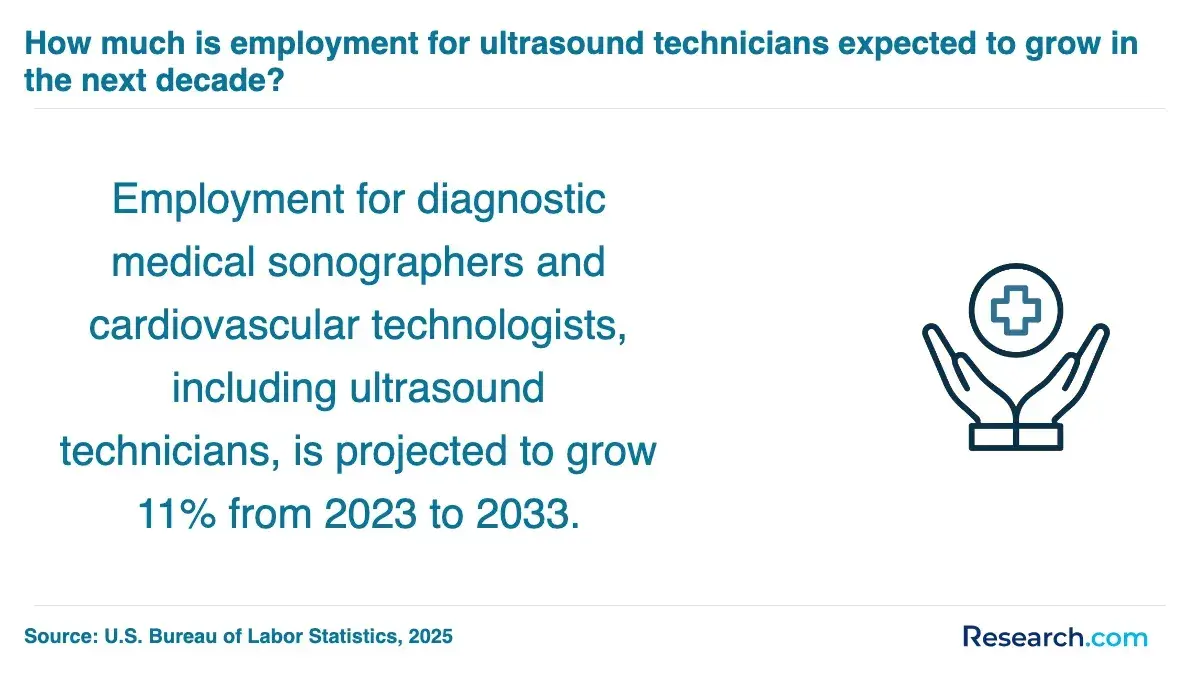
Employment for ultrasound technicians in Alaska is expected to grow strongly over the next decade, slightly outpacing the national average growth rate of 14.3%. This trend reflects rising healthcare needs and expanding medical services across the state, despite its smaller population.
- Population Growth and Aging: Alaska’s increasing and aging population drives up demand for ultrasound imaging, as more seniors need screenings for chronic conditions.
- Healthcare Expansion: New clinics and hospitals, especially in rural areas, create more sonography jobs to meet broader healthcare access goals.
- Technological Advancements: Advances in ultrasound tech offer new specialized roles, such as vascular and musculoskeletal imaging, increasing job opportunities.
- Preventive Care Trends: Growing emphasis on early diagnosis boosts use of ultrasound as a non-invasive screening tool, pushing demand higher.
- Regional Demand Variations: Urban centers like Anchorage have more positions, but rural regions face staffing shortages, often offering greater need and incentives.
When I spoke with an ultrasound technician from Alaska who graduated from a local program, she shared how her early career was shaped by traveling regularly between Anchorage and remote clinics. She described the challenge of adapting to different equipment and patient needs, but found it deeply fulfilling to serve underserved communities.
"There’s a real sense of being needed here," she said, reflecting on the steady workload and the variety of cases she encounters. Her experience underscores the state’s ongoing need for flexible, well-trained sonographers willing to work across both urban hospitals and rural facilities. This strong demand and steady growth highlight why pursuing a career as an ultrasound technician in Alaska can be a rewarding and secure choice for the coming decade.
What are the career advancement steps for ultrasound technicians in Alaska?
Ultrasound technicians in Alaska can significantly advance their careers by focusing on specialization, obtaining advanced certifications, or stepping into leadership roles. Each path opens doors to higher salaries and greater responsibilities in the state’s healthcare system. Exploring these options can help those interested in career advancement opportunities for ultrasound technicians in Alaska position themselves for success.
- Specialization: Focusing on areas like OB/GYN, vascular, or cardiac sonography meets the demand in Alaska’s medical facilities and can increase earning potential, with certain specialties paying up to $78,550 annually.
- Advanced Certifications: Credentials from the American Registry for Diagnostic Medical Sonography (ARDMS), Cardiovascular Credentialing International (CCI), or American Registry of Radiologic Technologists (ARRT) are preferred by employers for advanced and travel positions.
- Higher Education: Earning a bachelor’s or master’s degree in medical imaging or healthcare administration expands opportunities into clinical, research, or management roles, with some professionals earning salaries up to $98,474 per year. For those wondering what is the easiest medical degree program, this path requires commitment but yields long-term benefits.
- Leadership Roles: Experienced sonographers can move into positions like lead sonographer, supervisor, or department manager, overseeing teams and improving healthcare operations.
- Education and Training: Becoming program instructors or clinical trainers allows sonographers to mentor new professionals and contribute to ongoing education in Alaska’s healthcare institutions.
- Research or Technology Development: Ultrasound technicians may engage in medical imaging research or help develop new technologies, collaborating with academic and healthcare organizations.
Understanding how education impacts earnings is key, as higher degrees and specialized certifications often lead to noticeably higher wages among ultrasound technicians in Alaska.
What are the common challenges ultrasound technicians face in Alaska?
Recognizing the challenges for ultrasound technicians in Alaska helps professionals navigate the unique demands of working in this vast, often remote state. These challenges, ranging from physical strain to job market competition, require specific strategies to maintain a successful career. Awareness and preparation are key to managing the realities of working as a sonographer in remote Alaska.
- Physical Strain and Ergonomics: Repetitive scanning motions and long hours on their feet can cause musculoskeletal issues, especially in settings without ergonomic equipment.
- Emotional Stress: Sonographers frequently support patients facing difficult diagnoses, demanding emotional resilience and compassionate care.
- Workload and Staffing Shortages: Heavy caseloads and limited personnel, especially in rural clinics, often mean technicians cover multiple locations and extended hours.
- Certification and Continuing Education Requirements: Maintaining credentials while working full-time is challenging, particularly due to limited local training opportunities in Alaska.
- Technology Adaptation: Rapid changes in portable and digital ultrasound equipment require ongoing learning to ensure quality patient care.
- Job Market Competition: Urban centers offer more opportunities and higher salaries, but rural areas demand versatile skills amid fewer openings.
By understanding these challenges, aspiring technicians can develop effective coping strategies and identify resources such as the best rated school for ultrasound technician programs to build skills and advance their careers in Alaska’s unique healthcare landscape.
What do ultrasound technicians in Alaska say about their career?
- Completing my ultrasound technician program at Anchorage Community College was truly a transformative experience. The hands-on training combined with the support from knowledgeable instructors, prepared me well to start my career right here in a local school. Being part of an academic institution allows me to feel connected to the community, and I love knowing that my work directly contributes to the health and education of young people. Alaska's unique environment provides fascinating cases and challenges that keep me continuously learning and engaged. It’s rewarding to grow professionally while making a positive impact every day. Jose
- Starting my career as an ultrasound technician in a local school in Fairbanks felt like the perfect opportunity to apply my skills in a meaningful way. Graduating from Ketchikan Technical Institute gave me excellent technical training, but it was the experience of working in such a close-knit community that truly shaped my journey. Alaska’s diverse population and remote locations bring unique challenges that require flexibility and creativity, enhancing my professional growth. The job stability here is reassuring, and I’m proud to be a part of a healthcare team dedicated to student well-being. This career path continuously inspires me to strive for excellence. Ayesha
- My time studying ultrasound technology at Juneau State University laid a strong foundation for a career that extends beyond just technical skills. Working in a local school setting, I have witnessed firsthand the importance of compassionate care and how much it means to the students and families in our community. Alaska’s rich cultural heritage and natural environment offer unique learning experiences that make my work both challenging and fulfilling. Professionally, the chance to advance in this field is tremendous, especially in such a specialized region. I’m deeply grateful to contribute positively to the well-being of young people here. Mark
Related Articles for Nearby States
- 2027 How to Become an Ultrasound Technician in Washington
- 2027 How to Become an Ultrasound Technician in Oregon
- 2027 How to Become an Ultrasound Technician in California
- 2027 How to Become an Ultrasound Technician in Hawaii
- 2027 How to Become an Ultrasound Technician in Idaho
- 2027 How to Become an Ultrasound Technician in Montana
- 2027 How to Become an Ultrasound Technician in Nevada
- 2027 How to Become an Ultrasound Technician in Utah
- 2027 How to Become an Ultrasound Technician in Arizona
- 2027 How to Become an Ultrasound Technician in Wyoming
References:
- Charter College. (2025, August 5). Diagnostic Medical Sonography Associate Degree - Blended. chartercollege.edu.
- College Factual. (2022, June 14). Best Value Colleges for Diagnostic Medical Sonography/Sonographer and Ultrasound Technician (Income $0-$30k) in Alaska. collegefactual.com.
- UAF Community & Technical College. (2023, March 9). Radiologic Technology Associate Degree. ctc.uaf.edu.
- Ultrasound Schools Info. (n.d.). Ultrasound Technician Schools in Alaska. ultrasoundschoolsinfo.com.
- Ultrasound Technician Schools. (n.d.). Sonography Technician Schools in Alaska. ultrasoundtechnicianschools.com.
- University of Alaska Anchorage. (n.d.). Program cost | School of Allied Health. uaa.alaska.edu.
- Zippia. (2025, January 8). Ultrasound Technologist Demographics and Statistics [2025]: Number of ultrasound technologists in the US. zippia.com.
Other Things You Should Know About Becoming an Ultrasound Technician in Alaska
Becoming an ultrasound technician in Alaska typically takes 2 to 4 years. Most programs require completion of an associate degree or a bachelor's degree, followed by certification. Accredited programs provide both theoretical knowledge and practical skills necessary for a career in this field in 2027.
In 2027, to become an ultrasound technician in Alaska, candidates typically need to complete an accredited program, which usually results in an associate's degree. Certification from the American Registry for Diagnostic Medical Sonography (ARDMS) is highly recommended. Additionally, practical experience through clinical training is essential to excel in this field.


