
2027 How to Become an Ultrasound Technician in Colorado

Co-Founder and Chief Data Scientist
Many aspiring healthcare professionals in Colorado face uncertainty about how to begin a rewarding career as an ultrasound technician. With Colorado experiencing a 15% growth in diagnostic medical sonography jobs from 2020 to 2030, the demand for skilled technicians is rising rapidly. This career offers competitive salaries, job stability, and opportunities to impact patient care positively.
Understanding the path to certification, education requirements, and local job market nuances is essential. This article, prepared by seasoned career planning experts, provides clear guidance and actionable steps to help readers confidently navigate the journey toward becoming an ultrasound technician in Colorado.
Key Things to Know About Becoming an Ultrasound Technician in Colorado
- Complete an accredited diagnostic medical sonography program, typically lasting 1-2 years, to gain essential skills and hands-on experience.
- Obtain professional certification through the American Registry for Diagnostic Medical Sonography (ARDMS) to enhance job prospects and meet Colorado employer standards.
- Benefit from Colorado’s growing healthcare sector, where ultrasound technicians earn a median salary around $70,000 annually, reflecting strong demand and rewarding career opportunities.
- What education is required to become an ultrasound technician in Colorado?
- What specialties can ultrasound technicians choose from in Colorado?
- Which certification exams are required to become an ultrasound technician in Colorado?
- Is a license required to practice as an ultrasound technician in Colorado?
- What to expect during ultrasound technician clinical training in Colorado?
- How much does it cost to become an ultrasound technician in Colorado?
- What is the average salary for ultrasound technicians in Colorado?
- How can ultrasound technicians in Colorado stay current with evolving technologies and regulations?
- What essential soft skills are needed to excel as an ultrasound technician in Colorado?
- What is the job outlook and demand for ultrasound technicians in Colorado?
- What are the career advancement steps for ultrasound technicians in Colorado?
- What are the common challenges ultrasound technicians face in Colorado?
What education is required to become an ultrasound technician in Colorado?
Becoming an ultrasound technician in Colorado involves a clear and achievable educational path. Meeting these key requirements will set you up for success in this rewarding healthcare field.
- Minimum Degree Requirement: Earn an Associate of Science in Diagnostic Medical Sonography from an accredited program, which forms the foundation for your career.
- Program Accreditation: Enroll in a program accredited by the Commission on Accreditation of Allied Health Education Programs (CAAHEP) to ensure eligibility for certification and job opportunities.
- Program Duration: Complete 13 to 24 months of full-time study, depending on the institution, balancing classroom and practical learning.
- Classroom and Laboratory Hours: Expect to complete over 80 credit hours, including around 270 lab hours focused on developing strong sonography skills.
- Clinical Practicum Requirement: Successfully finish at least 960 clinical hours in real healthcare settings, gaining hands-on patient care experience.
- Coursework Content: Study topics like ultrasound physics and patient safety to prepare comprehensively for your profession.
- Academic Performance: Maintain a minimum 70% grade and pass all clinical competencies to graduate and advance confidently.
- Certification Eligibility: Graduating from an accredited program qualifies you to take national certification exams like ARDMS, widely respected by Colorado employers.
- Competitive Admission: Admission considers prior academic success, healthcare experience, and communication skills, encouraging motivated students to apply.
For those seeking guidance on the best path forward, exploring the best way to become a radiologist provides valuable insights applicable across medical imaging careers, complementing your journey in accredited ultrasound technician programs in Colorado.
What specialties can ultrasound technicians choose from in Colorado?
Ultrasound technicians in Colorado have a variety of exciting specialties to choose from, allowing them to focus on areas that match their professional interests and the needs of local healthcare. These opportunities create rewarding career paths with strong demand and competitive salaries. Below is a list highlighting key ultrasound technician specialties in Colorado.
- Abdominal Sonography: Concentrates on imaging vital abdominal organs like the liver and kidneys, supported by accredited programs such as the University of Colorado Hospital’s abdominal-extended sonography track.
- Obstetric and Gynecologic (OB/GYN) Sonography: Focuses on the female reproductive system and fetal development, with several recognized OB/GYN sonography programs Colorado offers to prepare specialists in this high-demand area.
- Vascular Sonography: Involves detailed assessment of blood flow and vascular conditions, with curriculum offerings from institutions like AdventHealth University and UCHealth.
- Superficial Structures and Small Parts Sonography: Covers imaging of the thyroid, breast, and musculoskeletal areas, included in comprehensive general sonography courses in Colorado.
- Pediatric and Fetal Echocardiography: Specializes in heart imaging for children and fetuses, featured in some advanced Colorado sonography programs.
- General Sonography: Offers broad multispecialty training encompassing abdominal, OB/GYN, vascular, and superficial structures, ideal for those aiming to take multiple ARDMS certification exams.
For those committed to becoming highly skilled ultrasound professionals, exploring the options available through Colorado’s educational framework, including pathways such as becoming an X ray technician, offers a promising start to a fulfilling healthcare career. Additionally, workforce data reveals that ultrasound technology is a female-dominated field, as shown in the chart below.
Which certification exams are required to become an ultrasound technician in Colorado?
Certification exams are essential milestones for ultrasound technicians in Colorado, verifying their expertise and aligning with industry standards. While the state does not require licensing, most employers expect candidates to hold accredited certifications to ensure patient safety and high-quality care. Successfully passing these exams opens doors to rewarding career opportunities across Colorado's healthcare facilities.
- Sonography Principles and Instrumentation (SPI) Exam: This foundational exam covers ultrasound physics, instrumentation, and safety protocols. Candidates must typically graduate from a CAAHEP-accredited program or equivalent coursework. ARDMS administers the SPI, which is mandatory before or alongside specialty exams.
- Registered Diagnostic Medical Sonographer (RDMS) Specialty Exams: To earn RDMS certification, passing the SPI plus one or more specialty exams—such as Abdomen, Obstetrics & Gynecology, Breast, Fetal Echocardiography, or Pediatric Sonography—is required. These tests focus on anatomy, pathology, and clinical applications specific to each field. Candidates need accredited education and documented clinical experience. Colorado’s accredited programs, like those at UCHealth and Red Rocks Community College, prepare students effectively for these exams.
- Registered Vascular Technologist (RVT) Exam: Designed for vascular imaging specialists, this ARDMS exam evaluates knowledge of blood vessel structure, blood flow, and related conditions. It requires completion of approved education and clinical experience. Many Colorado employers prefer or require RVT certification for vascular sonography roles.
- Cardiac Sonography Exams (RDCS and Adult Echocardiography): These focus on heart imaging and function, with emphasis on cardiac anatomy and pathology. The RDCS credential is granted by ARDMS and involves rigorous testing, while some programs offer adult echocardiography training and exams. Colorado professionals in cardiac sonography routinely pursue these certifications to meet employer expectations.
- ARRT and CCI Certification Options: The American Registry of Radiologic Technologists (ARRT) and Cardiovascular Credentialing International (CCI) provide alternative certifications recognized by select Colorado employers. These typically require graduation from accredited programs and relevant clinical experience, catering to those with radiologic or cardiovascular backgrounds.
Achieving these certifications not only affirms your skills but also elevates your professional standing, enhancing career prospects throughout Colorado. Employers value certified ultrasound technicians for their proven competence and commitment to maintaining the highest standards of patient care.
Is a license required to practice as an ultrasound technician in Colorado?
Colorado does not require a state license to work as an ultrasound technician, which places the focus on national certification rather than state-mandated credentials. This distinction is important because it shapes how aspiring sonographers prepare to enter the field, relying on recognized certification bodies instead of navigating state licensing bureaucracy. Understanding this setup helps candidates plan their education and certification efficiently.
The regulatory framework in Colorado centers on national certification programs such as those administered by ARDMS, ARRT, and CCI. There are no state-specific licensure laws, agencies, or provisional permits for sonographers, so candidates must pursue these national credentials to satisfy employer expectations. Completion of an accredited sonography program and passing exams like the Sonography Principles & Instrumentation (SPI) exam, along with at least one specialty test, are essential steps to qualify.
Meeting these certification requirements not only aligns with the professional standards valued by Colorado employers but also enhances legal practice and career growth. This pathway offers a clear, respected route toward establishing credibility and standing out in a competitive healthcare market.
As one ultrasound technician from Colorado shared with me after graduating from a local program, “Navigating the certification process felt daunting at first, especially knowing there’s no state license to rely on. But focusing on the ARDMS exams gave me clarity and motivation. Earning that national credential opened doors immediately, and I felt confident knowing my skills were recognized everywhere. It’s a challenging journey, but the support from my school and the well-defined national standards made all the difference.”
What to expect during ultrasound technician clinical training in Colorado?
Clinical training is essential for ultrasound technicians in Colorado, providing hands-on experience that bridges classroom knowledge and real-world medical practice. Through supervised clinical rotations, students gain the skills and confidence needed to excel in patient care and imaging technology.
- Hands-on Patient Care: You’ll complete a minimum of 500 hours working directly with patients, learning to manage interactions and follow safety protocols in healthcare environments.
- Supervised Use of Imaging Equipment: Operating ultrasound machines under expert guidance helps sharpen your technical abilities and your eye for recognizing normal and abnormal images.
- Specialty Rotations: Expect exposure to diverse fields including OB/GYN, vascular, abdominal, cardiac, pediatric, and musculoskeletal sonography to develop broad and valuable expertise.
- Mentorship from Licensed Professionals: Experienced sonographers and physicians provide ongoing feedback, helping you master imaging techniques and professional communication.
- Competency Evaluations: Formal assessments ensure you demonstrate proficiency in both technical skills and patient care before graduating.
- Program and State-Specific Requirements: Most programs in Colorado, like those requiring 500 clinical hours and a minimum 70% grade, emphasize both practical experience and academic achievement to meet industry standards.
These comprehensive clinical experiences not only prepare you for national certification exams but also help you build the professional skills necessary to thrive in today’s healthcare settings.
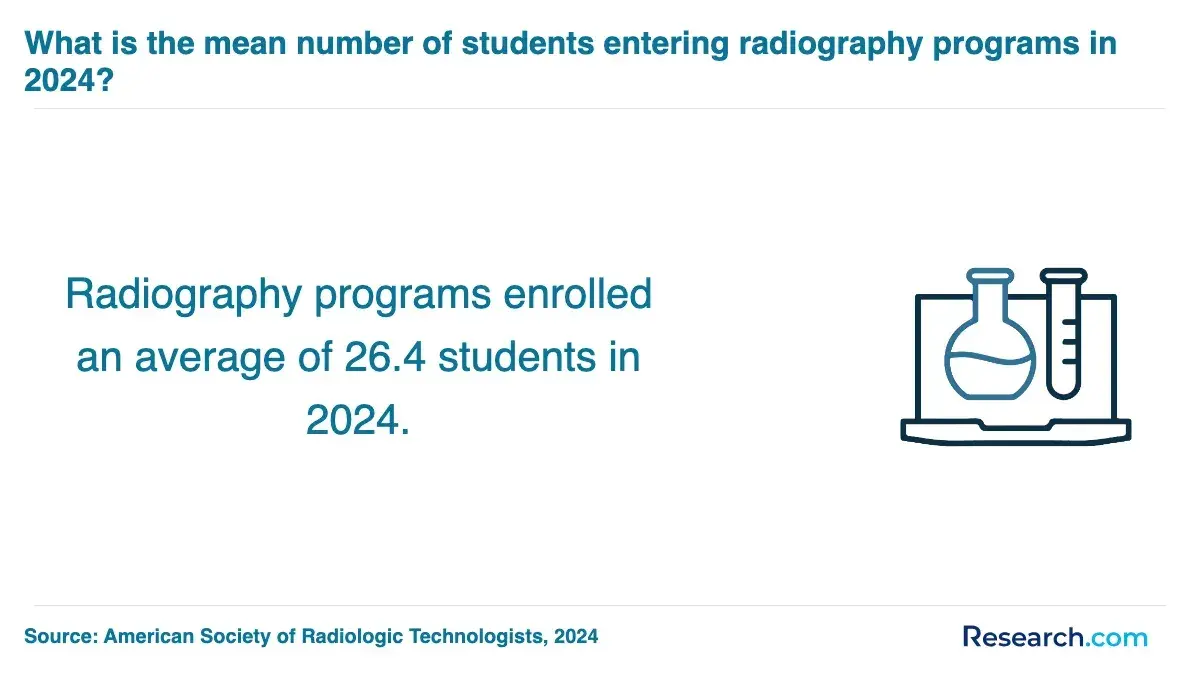
Completing clinical training leaves you ready to deliver quality patient care and excel as a valued ultrasound technician in Colorado’s dynamic medical community, following a pathway similar to the fast way to become a radiology tech, where hands-on practice is essential for quick career readiness. To better understand the educational landscape, the image below highlights the average enrollment of radiography programs.
How much does it cost to become an ultrasound technician in Colorado?
In Colorado, the cost of training to become an ultrasound technician can vary significantly depending on the type of program and institution. For example, Red Rocks Community College’s Diagnostic Medical Sonography Associate program estimates the total cost at approximately $22,130 for in-state students (which includes tuition of $15,200, fees, books, and uniforms). Meanwhile, a certificate-based program at the University of Colorado Hospital offers a more affordable option, with tuition estimated at around $5,000
Overall, ultrasound tech programs in Colorado typically range from $10,000 to $30,000, depending on program length, level (certificate vs. associate), and whether the institution is public or private. Here are some details to help you estimate the cost of the programs:
- Program Type & Institution: Red Rocks Community College offers a full Associate of Applied Science in Diagnostic Medical Sonography for around $22,130, while certificate programs at institutions like the University of Colorado Hospital can cost about $5,000.
- Typical Cost Range: Across Colorado, students can expect program costs to fall between $10,000 and $30,000, with variation based on whether it's a certificate or associate degree and the school’s public or private status.
- Additional Expenses: Beyond tuition, students should budget for textbooks, uniforms, student fees, and clinical-related costs, all of which can add several hundred to a few thousand dollars to the total.
What is the average salary for ultrasound technicians in Colorado?
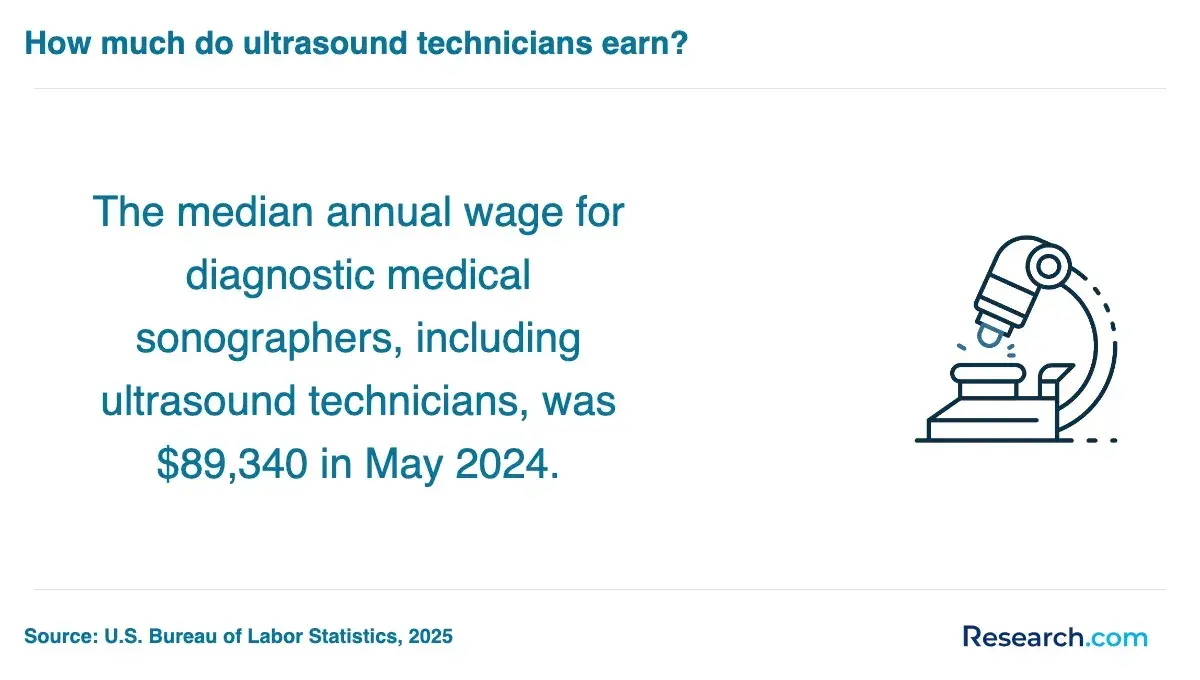
The average annual salary for ultrasound technicians in Colorado is approximately $103,336, which is notably higher than the national average of about $84,470. This competitive pay reflects the state’s vibrant healthcare sector and diverse job market.
- Experience Level: Entry-level ultrasound technicians typically earn less, while senior sonographers with advanced skills can command significantly higher wages.
- Education and Certifications: Holding credentials like ARDMS certification often leads to better pay and higher hourly rates.
- Work Setting: Hospitals and outpatient centers usually offer higher salaries compared to smaller clinics or physician offices.
- Geographic Location: Urban areas such as Denver, Aurora, and Colorado Springs tend to pay more than rural regions.
- Specialization: Focused expertise in OB/GYN, cardiovascular, or abdominal sonography can boost earning potential.
How can ultrasound technicians in Colorado stay current with evolving technologies and regulations?
Ultrasound technicians can maintain their professional edge by actively engaging in continuing education, seeking out specialized training, and participating in professional organizations that provide updates on technological and regulatory changes. Regular attendance at industry conferences and seminars helps professionals gain insights into emerging diagnostic techniques and evolving safety standards. Additionally, enrolling in advanced courses or short-term certification programs further refines technical skills and reinforces compliance with current protocols. For comprehensive guidance on expanding your skill set, explore how to become a radiology technician in Colorado.
What essential soft skills are needed to excel as an ultrasound technician in Colorado?
Ultrasound technicians in Colorado benefit from a blend of technical abilities and refined soft skills. Key competencies include clear communication to explain procedures and collaborate with multidisciplinary teams, as well as a strong sense of empathy to ensure patient comfort. Precision, adaptability in dynamic clinical settings, and effective time management are crucial for maintaining high standards in fast-paced environments. Professionals may also explore cross-training opportunities, such as learning how to become a nurse midwife in Colorado, to further expand their understanding of patient care and enhance overall career versatility.
What is the job outlook and demand for ultrasound technicians in Colorado?
Employment for ultrasound technicians in Colorado is expected to grow steadily through 2032, slightly outperforming the national average of 14.3%. This promising outlook reflects the expanding healthcare landscape and advancing medical technologies across the state.
- Population Growth and Aging: Colorado’s rising population and older demographics are increasing the need for diagnostic imaging to manage chronic and age-related health issues.
- Healthcare Expansion: The opening of new clinics, hospitals, and outpatient centers creates abundant opportunities for ultrasound technicians in both urban and suburban areas.
- Technological Advancements: Cutting-edge ultrasound tools and new specialties require skilled technicians, broadening the scope of career options.
- Preventive Care Trends: Growing emphasis on early detection and non-invasive diagnostics boosts the use of ultrasound services statewide.
- Regional Demand Variations: Urban centers offer high job concentration and salaries, while rural areas provide unique incentives to attract qualified sonographers.
When I spoke with an ultrasound technician from Colorado who graduated from a local program, she shared that starting her career here felt like stepping into a field full of opportunity but also responsibility. “The demand is real; colleagues and I often cover multiple specialties because clinics vary so much in size and focus. It’s challenging but rewarding,” she explained.
She also described how rural assignments pushed her to develop broader skills, while urban positions offered deeper specialization. “Knowing I’m in a growth field keeps me motivated, especially as technology keeps evolving and patient needs grow. Graduating from here gave me strong connections and insight into Colorado’s unique healthcare dynamics, making the transition smoother.” Her experience highlights the vibrant, evolving landscape that ultrasound technicians navigate in Colorado today.
What are the career advancement steps for ultrasound technicians in Colorado?
Ultrasound technicians in Colorado can advance their careers by focusing on specialization, obtaining additional certifications, or stepping into leadership roles. Each pathway offers unique opportunities to enhance skills and secure higher-paying positions. Embracing these steps supports ongoing professional growth and opens doors to diverse roles within healthcare.
- Specialization: Concentrating on ultrasound technician specialties and certifications in Colorado, like OB/GYN, vascular, cardiac, pediatric, or neuro sonography, increases demand and salary potential, with neuro sonography being especially sought after in the state.
- Advanced Certifications: Earning credentials from nationally recognized bodies such as ARDMS, CCI, or ARRT validates expert skills and often aligns with employer preferences, unlocking specialized or senior positions.
- Higher Education: Pursuing bachelor’s or master’s degrees in sonography or related fields broadens career options, preparing professionals for advanced practice or education roles; institutions like Red Rocks Community College offer tailored programs. For those seeking flexible options, exploring easiest medical degrees can provide a helpful starting point.
- Leadership Roles: Moving into supervisory or administrative positions involves managing teams and departments, requiring both extensive clinical experience and strong organizational abilities.
- Education and Training: Becoming an instructor or clinical trainer allows sonographers to share expertise and shape future professionals, often necessitating additional teaching credentials.
- Research or Technology Development: Participating in innovative projects helps improve ultrasound techniques and technologies, contributing to advancements in patient care and imaging science.
Active investment in career advancement for ultrasound technicians in Colorado not only raises earning potential but also amplifies their professional impact in healthcare, education, and innovation across the state. A closer look at the wage gap by educational attainment, illustrated in the chart below, highlights how higher degrees can significantly influence income potential.
What are the common challenges ultrasound technicians face in Colorado?
Facing the realities of the ultrasound technician profession in Colorado empowers aspiring sonographers to build resilience and excel. Knowing the common challenges helps to navigate the demanding yet rewarding path ahead with confidence.
- Physical Strain and Ergonomics: The physical demands for ultrasound technicians in Colorado include musculoskeletal issues caused by repetitive scanning motions and prolonged standing, which require mindful care to prevent injury.
- Emotional Stress: Ultrasound technicians encounter emotional challenges for sonographers in Colorado as they support patients dealing with sensitive medical conditions, calling for compassion and strength.
- Workload and Staffing Shortages: Extended shifts and limited staff often lead to high caseloads, demanding stamina and efficient time management.
- Certification and Continuing Education Requirements: Balancing ongoing credential updates with full-time work takes dedication to remain at the forefront of the field.
- Technology Adaptation: Staying current with evolving ultrasound equipment and digital imaging systems encourages a proactive learning attitude.
- Job Market Competition: Navigating regional differences in Colorado’s job market requires flexibility and a commitment to professional growth.
Awareness of these challenges prepares sonographers to seek support, embrace opportunities, and thrive. Pursuing the most affordable online associates degree in radiology can also provide a strong foundation to meet these demands successfully.
What do ultrasound technicians in Colorado say about their career?
- Completing my ultrasound technician program at Front Range Community College was a turning point in my life. The hands-on training and supportive faculty made the learning experience incredibly rewarding. After graduating, I found a fulfilling role working in a local school where I get to apply my skills daily and contribute to an educational environment. The stability of this career, combined with the chance to work with young people, has deepened my passion for healthcare and education in Colorado. Every day here feels like a new opportunity to grow professionally and personally. - Kylie
- Starting my career as an ultrasound technician in a local Colorado school was both exciting and challenging. The unique environment here, surrounded by breathtaking mountain views and a culture that values outdoor living, has shaped my approach to patient care. I appreciate how this state encourages healthcare professionals to engage with their communities, which has helped me to develop not only technical skills but also a strong sense of empathy and community impact. Being part of Colorado’s healthcare network offers ongoing professional development that keeps me motivated and growing. - Travis
- Reflecting on my journey, graduating from Pikes Peak Community College gave me the solid foundation I needed to succeed in this field. The career advancement opportunities in Colorado are impressive and have allowed me to continually challenge myself while helping others. I value the personal growth that comes with working in an academic institution, where my role supports not just medical diagnostics but also the well-being of students. Colorado’s vibrant healthcare sector and diverse population have truly enriched my professional life, making this career both fulfilling and stable. - Brianna
Related Articles for Nearby States
- 2027 How to Become an Ultrasound Technician in Wyoming
- 2027 How to Become an Ultrasound Technician in Nebraska
- 2027 How to Become an Ultrasound Technician in Kansas
- 2027 How to Become an Ultrasound Technician in New Mexico
- 2027 How to Become an Ultrasound Technician in Utah
- 2027 How to Become an Ultrasound Technician in Oklahoma
- 2027 How to Become an Ultrasound Technician in Arizona
- 2027 How To Become an Ultrasound Technician in Texas
- 2027 How to Become an Ultrasound Technician in South Dakota
- 2027 How to Become an Ultrasound Technician in Nevada
References:
- Advent Health University. (2020). Radiologic Technologist vs. Ultrasound Technologist: Roles and Responsibilities. AHU
- Carlsen, C. (2025). Is Ultrasound Technician & Diagnostic Medical Sonographer the Same? Dr. Sono
- Casa Loma College. (n.d.). Diagnostic Medical Sonography. CLC
- Concorde Career Colleges. (2025). Ultrasound Technician vs. Sonographer: What's the Difference? Concorde
- Healthcare Career College. (2025). Difference Between Sonography and Ultrasound Technician. HCC
- Medical Technology Management Institute. (n.d.). Guide to Sonography: Types and Careers. MTMI
- Red Rocks Community College. (n.d.). Diagnostic Medical Sonography. RRCC
- University of Colorado Health. (2025). Diagnostic Medical Sonography Program at UCHealth University of Colorado Hospital. UCHealth
- Ultrasound Technician Schools. (n.d.). The Difference Between Ultrasound and Sonography. UTS
- Zippia. (2025). Ultrasound technologist demographics and statistics in the US. Zippia
Other Things You Should Know About Becoming an Ultrasound Technician in Colorado
To work as an ultrasound technician in Colorado, you typically need a certification from the American Registry for Diagnostic Medical Sonography (ARDMS). Completion of an accredited program and passing the ARDMS exam are necessary to obtain this certification.
In 2027, aspiring ultrasound technicians in Colorado typically need to complete an accredited program, which includes an associate degree or a certificate in diagnostic medical sonography. Accreditation from the Commission on Accreditation of Allied Health Education Programs (CAAHEP) is important. Following the program, obtaining certification from the American Registry for Diagnostic Medical Sonography (ARDMS) is highly recommended.


