
2027 Is Psychology a Good Pre-Med Major? Guide to Getting Into Med School with a Psychology Degree

Co-Founder and Chief Data Scientist
If you're a psychology student with your sights set on medical school, you've likely asked yourself if your major is a liability. The answer is a definitive no. In fact, psychology majors in the social sciences have an acceptance rate of 43% for U.S. medical schools, according to recent data. This natural bridge from psychology to medicine gives you critical insight into human behavior while fulfilling competencies that admissions committees value.
This guide, developed by career planning experts with more than 10 years of experience, will show you exactly how to leverage that advantage. We'll provide a clear roadmap to answer the question "Is psychology a good pre-med major?" and help you turn your non-traditional path into your most compelling asset.
Key Things You Should Know About Psychology as a Pre-Med Major
- Your path is proven, with 2,065 social science majors matriculating into M.D. programs for the 2024-2025 academic year.
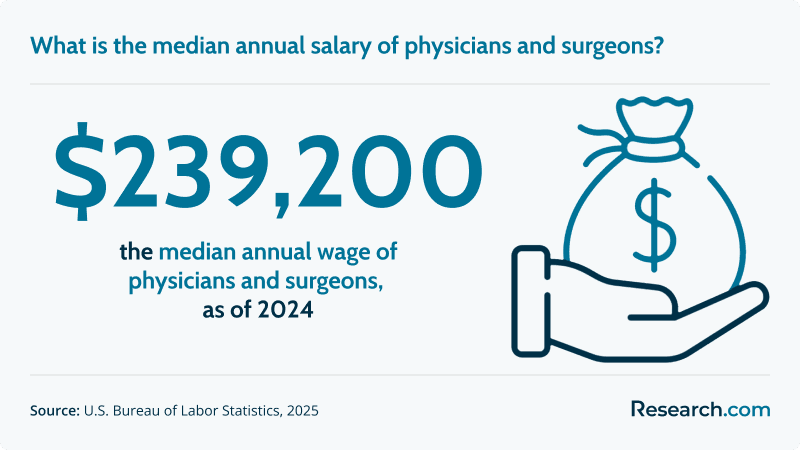
- The financial return on this path is significant, as physicians and surgeons earn an average annual wage of $239,200 or more.
- Your psychology coursework directly develops many of the AAMC Core Competencies that admissions committees formally evaluate in applicants.
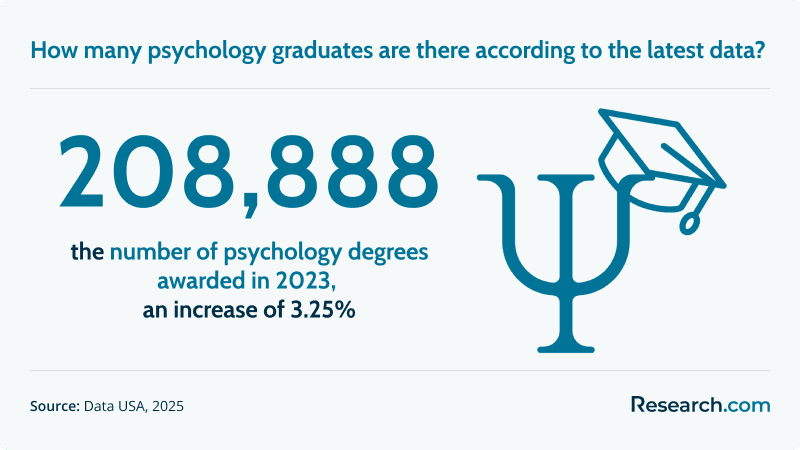
- Competition is notable, with 208,888 psychology degrees awarded in 2023, making it crucial to build a standout profile.
- A strong foundation in biology, chemistry, and physics is a non-negotiable requirement that must be integrated into your curriculum.
- How do medical school admissions committees view psychology majors? Overview
- What essential skills for physicians do you learn in psychology? Essential Skills
- Does a psychology major limit you to a career in psychiatry? Career Paths
- What core science courses must a psychology major complete for pre-med? Core Pre-Med Courses
- What GPA and MCAT scores should a psychology major aim for? GPA & MCAT
- What clinical experiences are crucial for a pre-med psychology student? Clinical Experiences
- How can you highlight your psychology background in your personal statement? How can you highlight your psychology background in your personal statement?
- Who should a pre-med psychology student get letters of recommendation from? Who should a pre-med psychology student get letters of recommendation from?
- How does psychology prepare you for the MCAT exam? MCAT Preparation
- How does a psychology degree prepare you for patient interaction and care? Patient Care & Interaction
- Are there any disadvantages to address as a pre-med psychology major? Are there any disadvantages to address as a pre-med psychology major?
- Is psychology a good major for getting into medical school? Is psychology a good major for getting into medical school?
- Should pre-med psychology students pursue additional certifications? Should pre-med psychology students pursue additional certifications?
How do medical school admissions committees view psychology majors?
Medical school admissions committees view psychology majors very favorably. In the past, there was a heavy emphasis on hard science majors, but today's holistic review process values the diverse perspectives and unique skills that students from different academic backgrounds bring to the table.
The proof is in the numbers. For the 2024–2025 academic year, a total of 2,065 matriculants to M.D.-granting medical schools came from social science majors like psychology. This demonstrates that a psychology degree is a recognized and respected pathway. For students asking, “can you become a lawyer with a psychology degree,” this highlights the versatility of the degree: it not only prepares you for medical careers but also equips you with analytical, research, and communication skills that law schools value.
Committees understand that the skills you develop are essential for a successful medical career, and they look for evidence of these competencies in your application.
More Than Grades: The AAMC Core Competencies
To understand why your major is an asset, it’s helpful to know about the official framework admissions committees use. The Association of American Medical Colleges (AAMC) Core Competencies are a set of skills and attributes that medical schools formally look for in applicants. These are grouped into categories like Interpersonal, Intrapersonal, and Thinking and Reasoning.
Your psychology coursework provides a powerful foundation in the Interpersonal and Intrapersonal domains. Skills like empathy, communication, cultural competence, and an understanding of human behavior are not just soft skills; they are formal criteria for admission. This means your major has been preparing you to meet these official standards from day one.
What essential skills for physicians do you learn in psychology?
A psychology degree equips you with a critical combination of analytical and interpersonal skills that are essential for the practice of modern medicine. Far from being a "soft science," your coursework provides a rigorous framework for understanding the human element of patient care. Just as students consider psychology as pre law to develop analytical and critical thinking skills for legal careers, psychology prepares future physicians with tools for patient assessment and problem-solving.
These skills are not just abstract concepts; they are tangible tools that you will use every day as a physician to improve patient outcomes.
A Foundation in Empathy and Communication
Your study of human behavior, motivation, and emotion provides the bedrock for exceptional bedside manner. This isn't just about being friendly; it's about building the therapeutic rapport necessary for accurate diagnosis and effective treatment.
An insider tip to remember is that these skills directly impact clinical outcomes. When patients feel heard and understood, they are more likely to trust their physician, disclose critical information about their symptoms, and adhere to treatment plans. Your psychology background gives you a significant head start in mastering this "art of medicine."
Expertise in Critical Analysis and Research
At its core, psychology is a research-driven science. Your training in experimental design, statistical analysis, and critical evaluation of data is the exact skill set required to practice evidence-based medicine. You learn to question assumptions, analyze complex variables, and draw logical conclusions—the same process a physician uses to work through a difficult diagnosis.
This analytical rigor is a highly transferable skill. The same systematic thinking is so valued that it forms the basis of many other data-intensive fields, which is why many students also explore the top online crime analysis degree programs.
Because the vast majority of psychology degrees are in general psychology, this robust analytical training is a core component of your education, preparing you for a career grounded in scientific fact.
Does a psychology major limit you to a career in psychiatry?
It's a common assumption: a psychology degree is the express lane to a career in psychiatry. While the connection is obvious, it's a fundamental misunderstanding to see it as the only path. A psychology background is not a narrow funnel into one specialty; it's a versatile toolkit that enhances a physician's effectiveness in any patient-facing field.
For students wondering “what is the benefit of a master degree,” the same principle applies: advanced study—whether a master’s in psychology or a related field—broadens your knowledge, deepens your expertise, and opens doors beyond the most obvious career paths. Thinking that your major limits you to psychiatry is like thinking a biology major can only become a botanist. The foundational knowledge is much broader. The principles of human behavior, cognition, and emotion are universal, applying to every area of medicine where you interact with patients.
The Cross-Specialty Advantage
The skills you gain are valuable across the entire medical landscape. Consider how they apply in a few different specialties:
- Pediatrics: A pediatrician with a psychology background can better understand developmental stages, communicate effectively with anxious parents, and build trust with a fearful child.
- Surgery: A surgeon uses psychological principles to explain complex procedures, manage patient expectations, and help calm pre-operative anxiety, which can improve recovery outcomes.
- Oncology: An oncologist must deliver difficult news with empathy, understand the emotional toll of a diagnosis on a patient and their family, and motivate them through long, challenging treatments.
The value of these skills is not limited to medicine; the demand for applied psychology jobs in business, marketing, and human resources proves their universal applicability. While some psychology graduates do pursue advanced degrees to become professional psychologists, the undergraduate skillset is designed for broad utility.
What core science courses must a psychology major complete for pre-med?
While your psychology major provides essential skills for patient care, the core science foundation is non-negotiable for medical school admission. You must demonstrate mastery in the same foundational sciences as any other pre-med student. Think of this not as a hurdle, but as building the second, equally important pillar of your medical education.
For students exploring advanced psychology paths, questions like “are PsyD programs worth it” highlight the importance of balancing specialized training with foundational knowledge. Similarly, completing core science courses ensures that your psychology background translates effectively into medical competence.
It's crucial to check the specific requirements for the top medical schools on your list, as some may have additional recommendations. However, the following courses represent the standard, universally required science curriculum for pre-med students.
- General Chemistry I & II with Lab: This two-semester sequence covers the fundamental principles of chemistry, from atomic structure to thermodynamics.
- Organic Chemistry I & II with Lab: This challenging sequence is crucial for understanding the molecular processes of life.
- Biology I & II with Lab: These courses provide the essential foundation in cellular biology, genetics, and physiology.
- Physics I & II with Lab: This sequence covers the core principles of mechanics, electricity, and magnetism that are foundational to medical imaging and biomechanics.
- Biochemistry: A one-semester course is typically required, as it bridges the concepts of biology and chemistry to explain life at the molecular level.
- English/Writing: Most schools require a year of English to ensure you have strong written communication skills.
Completing these courses is the most important step in proving your academic readiness for the rigors of medical school. The next step is understanding the performance benchmarks you need to hit.
What GPA and MCAT scores should a psychology major aim for?
Psychology majors are held to the same high academic standards as all other pre-med applicants. To be a competitive candidate, you should aim for an overall GPA of 3.7 or higher and a target Medical College Admission Test (MCAT) score of 511 or above.
It's a common misconception that admissions committees have a different or lower bar for non-science majors. The reality is that the academic rigor of medical school requires every student to have a proven capacity for success in the sciences. Understanding the benefits of double majoring can also help: combining psychology with a second major in a science-related field can strengthen your preparation and demonstrate versatility to admissions committees.
Your GPA and MCAT scores are the primary evidence of that capacity. The question of "Is psychology a good pre-med major?" becomes irrelevant if the academic metrics aren't met.
Understanding Your BCPM GPA
It's important to pay close attention to your BCPM GPA, which stands for Biology, Chemistry, Physics, and Math. Admissions committees will calculate this "science GPA" separately from your overall GPA. It serves as a direct measure of your performance in the core pre-med science courses.
Excelling in these specific classes is critical, as it sends a clear signal that you have the scientific foundation necessary to succeed in a medical school curriculum.
The MCAT: Your Opportunity to Shine
Think of the MCAT as the great equalizer. It is a standardized exam that allows you to demonstrate your scientific knowledge on a level playing field with applicants from every academic background. A high score is your single best tool for silencing any doubt about your scientific aptitude.
As the data shows, thousands of students from social science backgrounds successfully matriculate each year by proving their competence through these standardized metrics. This is your chance to shine and confirm your readiness for the challenges ahead.
What clinical experiences are crucial for a pre-med psychology student?
Beyond your grades and test scores, you must demonstrate a genuine, hands-on commitment to medicine through clinical experience. Admissions committees need to see that you have explored the field and understand the realities of patient care. The three non-negotiable experiences are physician shadowing, direct patient-facing volunteering, and clinical research.
These experiences are your chance to answer the question "Why medicine?" with concrete actions, not just words. For a psychology major, they are also a prime opportunity to apply your academic knowledge in a real-world setting.
How to Leverage Your Major in Clinical Settings
As a psychology student, you have a unique lens to bring to these experiences. This is your opportunity to stand out.
- Volunteering: When you volunteer in a hospital or clinic, use your understanding of human behavior to build rapport with patients. Observe how they cope with illness and interact with the healthcare system. Your ability to connect with empathy is a skill you can actively demonstrate.
- Shadowing: While shadowing a physician, pay close attention to the doctor-patient dynamic. Analyze their communication style, how they deliver information, and how they build trust. Your background allows you to understand these interactions on a deeper level.
- Research: If you engage in clinical research, you can apply the research methods and statistical analysis skills from your psychology coursework. This demonstrates your scientific mindset in a medical context.
With 208,888 psychology degrees awarded in 2023 alone, using these experiences to showcase your unique perspective is a powerful way to differentiate yourself from a large and talented peer group.
How can you highlight your psychology background in your personal statement?
You should build your entire personal statement narrative around the unique insights your psychology background gives you into patient care. Instead of seeing your major as something to explain, frame it as the very lens through which you view medicine.
The key is to "show, don't tell" by using a specific story from your clinical experiences to illustrate your perspective.
Don't just say you learned about empathy; describe a moment with a patient where your understanding of human behavior allowed you to connect with them in a meaningful way. This transforms your major from an academic subject into a compelling story about the kind of physician you will become.
A Practical Formula for Your Story
A powerful yet simple way to structure your narrative is the C.A.R. method: Context, Action, Result. This framework helps you turn an experience into a memorable story that highlights your unique skills.
- Context: Briefly set the scene. Where were you volunteering or shadowing? What was the situation with the patient?
- Action: Describe what you did. This is where you connect your action to your psychology background. For example, "Drawing on my understanding of non-verbal cues from my social psychology class, I noticed the patient was avoiding eye contact, and I made a conscious effort to..."
- Result: Explain the outcome. How did your action impact the patient? What did you learn from the experience that solidified your desire to become a doctor?
Thinking about the career opportunities for a degree in communication disorders can provide powerful ideas for clinical stories centered on the importance of human connection. By using this method, you provide concrete evidence of your skills and create a narrative that is both personal and persuasive.
Who should a pre-med psychology student get letters of recommendation from?
Aim to get a balanced portfolio of letters from four key individuals: two science professors, one psychology professor, and one clinical supervisor. This combination provides a comprehensive and strategic endorsement of your abilities from multiple perspectives.
Each letter has a specific job to do. It's not just about getting a positive review; it's about having each writer attest to a different, crucial aspect of your candidacy.
- Secure two letters from science professors. These letters are non-negotiable and serve one primary purpose: to confirm your academic competence in the core sciences. They tell the admissions committee that you have the intellectual horsepower to handle the rigors of a medical school curriculum.
- Obtain one letter from a psychology professor. This letter is your opportunity to highlight your unique strengths. Ask a professor who can speak to your critical thinking, analytical skills, and insights into human behavior. This letter validates the unique perspective you bring as a non-traditional applicant.
- Request one letter from a clinical supervisor. This is arguably the most important letter for demonstrating your personal qualities. A letter from a doctor you shadowed or a volunteer coordinator you worked with provides direct evidence of your empathy, maturity, and professionalism in a real-world healthcare setting.
This strategic approach ensures your letters of recommendation work together to present a complete and compelling picture of who you are as a future physician.
How does psychology prepare you for the MCAT exam?
Your psychology major gives you a significant head start for an entire section of the MCAT. While many pre-med students focus exclusively on the hard sciences, a full quarter of the exam is dedicated to your specific area of expertise, giving you a distinct competitive advantage.
Students must recognize that the MCAT has evolved. It no longer tests just biology and chemistry. The "Psychological, Social, and Biological Foundations of Behavior" is one of the four main sections of the exam. It is specifically designed to test your knowledge of concepts from psychology, sociology, and biology that relate to behavior and health.
Topics like learning, memory, emotion, motivation, and social perception are all covered in depth. While other students are learning this material for the first time, you will be reviewing concepts you have studied for years.
This allows you to dedicate more of your valuable study time to mastering the other sections of the exam. This built-in advantage is a powerful asset that can directly contribute to a higher, more competitive MCAT score.
How does a psychology degree prepare you for patient interaction and care?
A psychology degree provides the theoretical framework for the "art of medicine," preparing you to excel at patient interaction and care. While science teaches you what to treat, psychology teaches you how to treat the person.
This is a crucial distinction and a core reason why is psychology a good pre-med major. It equips you with the tools to build rapport, communicate with empathy, and understand the patient as a whole person, not just a collection of symptoms.
This foundation is what separates a good physician from a great one. It is the ability to form a strong therapeutic alliance, which is a key determinant of clinical outcomes.
Psychology in Action: From the ER to the Clinic
These skills are not abstract; they are applied in every patient interaction, every single day.
- In the Emergency Room: Your ability to quickly assess a person's emotional state and de-escalate anxiety can be critical when dealing with patients and families in crisis.
- Delivering a Diagnosis: Your training in communication and empathy allows you to deliver difficult news in a way that is both honest and compassionate, helping patients process complex information.
- Ensuring Treatment Adherence: Understanding the psychological barriers to behavior change can help you motivate a patient to follow a difficult treatment plan, such as making significant lifestyle changes to manage a chronic illness.
Mastering these patient-centered skills is not only fulfilling but also leads to long-term career success. It is this deep understanding of human dynamics that often distinguishes leaders in the medical field, which is why many physicians explore advanced training to understand what can you do with a doctoral degree in behavioral health leadership.
Ultimately, these skills are central to providing the highest quality of care, which is the foundation of a rewarding and high-earning medical career.
Are there any disadvantages to address as a pre-med psychology major?
The primary disadvantage of being a pre-med psychology major is not a flaw in the major itself, but a logistical challenge. The main hurdle is the careful planning required to fit all the mandatory science prerequisites into a curriculum that is not inherently designed around them.
Unlike a student in a more traditional track, such as those exploring what can you do with a health science bachelor's degree, you will have fewer overlapping courses. This means you must be more proactive and organized.
You will need to work closely with a pre-med advisor from your first year to map out a four-year plan that accommodates your psychology major requirements alongside the full sequence of biology, chemistry, and physics.
Another minor challenge can be managing external doubt from peers or advisors who hold an outdated view of pre-med paths. However, this is easily countered by your strong academic performance and a well-crafted application. The challenges are logistical and manageable, not fundamental barriers to your success.
Is psychology a good major for getting into medical school?
Psychology is an excellent major for getting into medical school. When planned correctly, it provides a strategic advantage that can make your application stand out in a competitive field. It is a respected and proven pathway that prepares you for the realities of modern patient care.
Your background in psychology equips you with essential clinical skills in empathy and communication that admissions committees actively seek. It gives you a unique narrative for your personal statement, allowing you to tell a compelling story about your understanding of the human side of medicine.
As long as you master the core science prerequisites and demonstrate your commitment through clinical experience, your major will be a powerful asset.
Ultimately, the answer to the question "Is psychology a good pre-med major?" is a confident yes. You have the opportunity to build a profile that is not only academically strong but also deeply rooted in the principles of patient-centered care, setting you up for success in medical school and beyond.
Should pre-med psychology students pursue additional certifications?
Integrating targeted certifications can further distinguish your profile by validating your expertise in applied behavioral science. Earning credentials in specialized areas demonstrates a proactive commitment to understanding complex patient behaviors and strengthens your competitive edge. For example, enrolling in cheap board certified behavior analyst programs online can provide concrete, practice-based experience that complements your academic training while enhancing interdisciplinary readiness for clinical environments.
Here’s What Graduates Have to Say about Their Psychology Bachelor's Program
- Rohan: "It was important for me to know that this incredibly difficult path would be worthwhile, both personally and financially. Understanding how my psychology skills directly translate to better patient care and improved clinical outcomes connected my degree to a real sense of purpose. Seeing the data on physician salaries then solidified my decision, confirming that the immense effort would lead to a stable and rewarding career."
- Aisha: "The science prerequisites were my biggest source of anxiety, and I was terrified my GPA in those classes wouldn't be competitive. What really helped was seeing a clear, structured plan for how to fit everything in without being overwhelmed. It reframed the challenge from an impossible mountain into a series of manageable steps. I learned to see my science GPA not as a weakness to hide, but as proof I could handle the rigor."
- Isabelle: "My biggest logistical challenge was scheduling all the on-campus lab sciences, which have really rigid timetables. I was able to take some of my upper-level psychology courses online, which freed up my schedule immensely. That flexibility was essential for fitting in my organic chemistry and physics labs without having to delay my graduation. It made the whole pre-med puzzle actually fit together."
Key Findings
- The path from a psychology major to medical school is not just possible, it's proven; the acceptance of 2,065 social science majors into M.D. programs last year confirms that admissions committees value this background.
- The significant financial investment required for medical school is justified by a powerful return, with physicians earning an average annual wage of $239,200 or more.
- Your psychology coursework provides a direct competitive advantage by developing skills that align with the 15 official AAMC Core Competencies used to evaluate applicants.
- With 208,888 psychology degrees awarded in 2023, it is critical to differentiate your application through high-quality clinical experiences and a compelling personal narrative.
- The skills learned in psychology are not a narrow funnel into psychiatry but a versatile toolkit that enhances a physician's effectiveness across all specialties, from surgery to pediatrics.
- Your major provides a built-in advantage for the MCAT, as your expertise directly prepares you for the "Psychological, Social, and Biological Foundations of Behavior" section of the exam.
References:
- American Psychological Association. (n.d.). Career pathways in psychology. Retrieved September 26, 2025, from apa.org
- Association of American Medical Colleges. (n.d.). Facts: Enrollment, graduates, and M.D.-Ph.D. data. Retrieved September 26, 2025, from aamc.org
- Data USA. (n.d.). Psychology. Retrieved September 26, 2025, from datausa.io
- Inspira Advantage. (n.d.). What are the best pre-med majors? Retrieved September 26, 2025, from inspiraadvantage.com
- U.S. Bureau of Labor Statistics. (2024, September 4). Field of degree: Psychology. Occupational Outlook Handbook. Retrieved September 26, 2025, from bls.gov
- U.S. Bureau of Labor Statistics. (2025, August 28). Physicians and surgeons. Occupational Outlook Handbook. Retrieved September 26, 2025, from bls.gov
- Zarate, D. (2025, September). The rise of master’s degrees in health service psychology. Monitor on Psychology. American Psychological Association. Retrieved September 26, 2025, from apa.org
Other Things You Should Know About Psychology Bachelor's Programs
Pre-med students majoring in psychology typically need to complete 2-3 psychology courses, alongside the standard pre-med curriculum. These may include introductory psychology and a course in abnormal or developmental psychology to fulfill medical school prerequisites and demonstrate well-rounded knowledge.
Choosing between a B.A. and a B.S. in Psychology for pre-med resources depends on your focus. A B.S. usually emphasizes scientific coursework, which can better meet medical school prerequisites, while a B.A. may allow more electives for a broader educational experience. Medical schools mainly look for a strong academic record and required science courses.
A psychology major can offer unique advantages for medical school applicants in 2027. Strong skills in understanding human behavior, communication, and empathy are valuable assets in patient care. These skills can differentiate applicants, especially when supported by strong MCAT scores and a solid understanding of prerequisite sciences.


