2027 Steps to Become a Registered Dietitian in Connecticut

Co-Founder and Chief Data Scientist
With Connecticut projected to see a 14% growth in dietitian employment by 2030, demand for qualified experts is rising steadily. This growth reflects increasing public focus on health and wellness, making a dietitian career both stable and rewarding within the state.
Understanding the educational requirements, supervised practice, and licensure process is essential for success. This article will help readers navigate the path efficiently, ensuring informed decisions toward achieving registered dietitian credentials in Connecticut.
Key Things to Know About Becoming a Registered Dietitian in Connecticut
- Complete a minimum of a bachelor's degree in dietetics or a related field accredited by the Accreditation Council for Education in Nutrition and Dietetics (ACEND), ensuring Connecticut-specific coursework requirements are met.
- Fulfill a supervised practice program of at least 1,200 hours, often through a dietetic internship, which is essential for eligibility to take the national registration exam.
- Pass the Commission on Dietetic Registration (CDR) exam and apply for state licensure through the Connecticut Department of Public Health to legally practice as a registered dietitian.
- What degree is required to become a registered dietitian in Connecticut?
- How many supervised practice hours are needed to become a registered dietitian in Connecticut?
- What are the eligibility requirements for the dietetic registration exam in Connecticut?
- How can you get a license after passing the dietetic registration exam in Connecticut?
- What types of dietitian specializations can you pursue in Connecticut?
- What is the average salary of a registered dietitian in Connecticut?
- What do you need to keep your dietitian registration active in Connecticut?
- How Can Registered Dietitians Foster Effective Collaboration with Allied Healthcare Professionals in Connecticut?
- How long does it take to become a registered dietitian in Connecticut?
- Can international students qualify to become registered dietitians in Connecticut?
- What career paths can registered dietitians pursue in Connecticut?
- What are the emerging trends in dietetics practice in Connecticut?
What degree is required to become a registered dietitian in Connecticut?
Achieving the right educational foundation is essential for those aiming to become registered dietitians in Connecticut. The pathway involves a clear progression through specific degree milestones designed to equip candidates with both theoretical knowledge and practical skills.
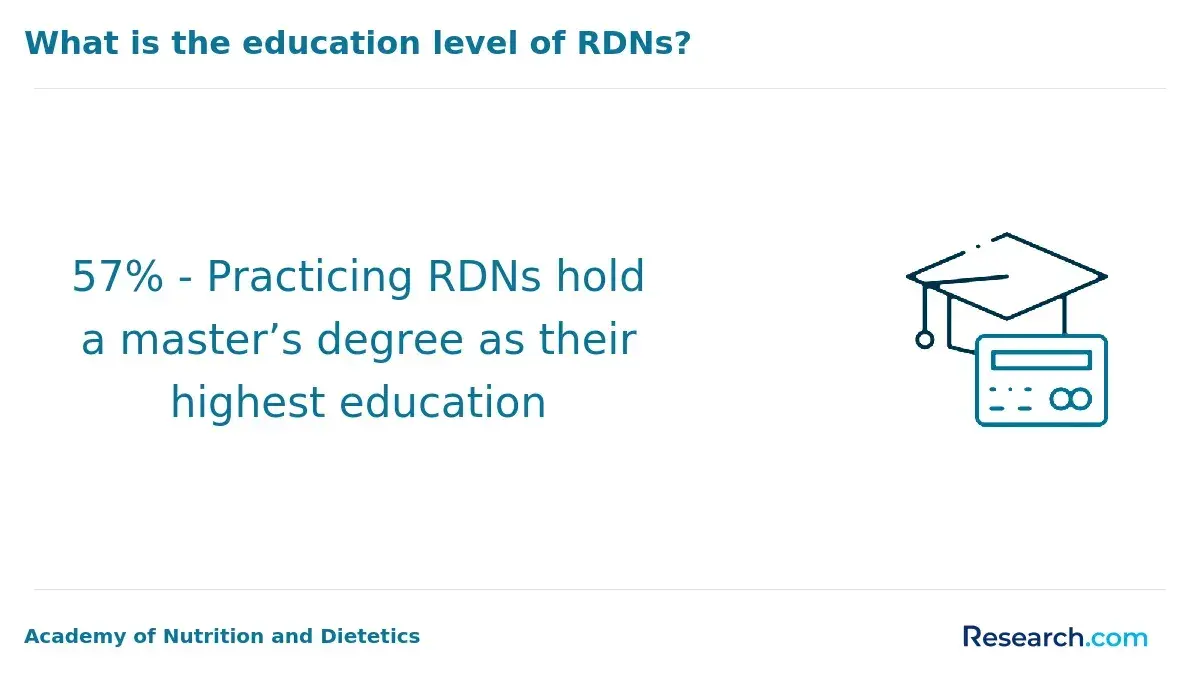
- Bachelor’s Degree: A bachelor’s degree is the initial requirement, recommended to be in a related field such as nutrition, dietetics, or a health science. This provides the essential groundwork before advancing to graduate studies.
- Master’s Degree: Obtaining a master’s degree is increasingly necessary to meet the state’s professional standards. This advanced degree deepens expertise and prepares candidates for clinical and community nutrition roles.
- ACEND Accredited Programs: Completing an ACEND accredited dietetics program in Connecticut ensures that the curriculum meets national standards, which is vital for eligibility to become a registered dietitian.
For those balancing career and education, exploring options like the ranking of the best online nutrition certifications can provide flexible pathways to meet degree requirements while gaining relevant credentials. Meeting these educational prerequisites, including the master’s degree required to become a dietitian in Connecticut, reflects the profession’s commitment to comprehensive, evidence-based practice.
How many supervised practice hours are needed to become a registered dietitian in Connecticut?
To become a registered dietitian in Connecticut, candidates must complete supervised practice hours that align with national standards rather than state-specific deviations. Typically, this means fulfilling between 1,000 and 1,200 hours through an ACEND-accredited program, ensuring a comprehensive and standardized training experience.
All supervised practice hours must be completed within ACEND-accredited programs to maintain quality and consistency with national standards. Connecticut’s programs, including those at the University of Connecticut, provide accredited pathways. Dietetic internships, such as Nuvance Health’s, usually involve a minimum of 1,000 hours over 8–12 months with diverse rotations in clinical nutrition, food service management, and community nutrition.
While some programs list 1,000 hours as the minimum, national standards from the CDR and ACEND typically require at least 1,200 hours to be eligible for the registration exam. Connecticut does not impose additional supervised practice hour requirements beyond these national standards.
Since January 1, 2024, candidates must also hold a master’s degree to sit for the CDR exam, reflecting evolving national criteria. Finally, while professional development is mandated nationally, Connecticut does not currently require continuing education for state certification renewal.
What are the eligibility requirements for the dietetic registration exam in Connecticut?
Becoming a registered dietitian in Connecticut involves meeting specific eligibility requirements for the dietetic registration exam, aligned with national standards yet tailored to state regulations. These criteria ensure candidates possess the necessary education and credentials to practice competently.
Below is a detailed overview of the key steps and requirements to sit for the exam in Connecticut.
- Minimum Educational Qualification: Applicants must hold at least a graduate degree (master’s or higher) from a regionally accredited institution recognized by the U.S. Department of Education, regardless of the specific field of study.
- Completion of Required Nutrition Coursework: Candidates are required to complete an ACEND-accredited program such as a Didactic Program in Dietetics (DPD), Coordinated Program (CP), or Graduate Program (GP) to fulfill essential nutrition coursework.
- Eligibility Submission by Program Director: The program director of the ACEND-accredited program must verify and submit the candidate’s eligibility directly to the CDR.
- Registration and Payment for the National Exam: Once eligibility is confirmed, candidates register online and pay the exam fee to take the CDR’s Registration Examination for Dietitians, administered at Pearson VUE centers in Connecticut locations like New Haven and Norwalk.
- Passing the National Registration Exam: Successful completion of the CDR exam is mandatory to become certified and practice as a dietitian in Connecticut.
- State-Specific Licensure Requirements: After passing the exam, candidates must obtain state certification by submitting CDR verification and paying a state application fee. Connecticut also offers alternative licensure pathways involving a state exam and advanced degrees, though most follow the CDR process.
Connecticut recognizes several ACEND-accredited dietetics programs, including those at the University of Connecticut and the University of New Haven. For those exploring nutrition career options, understanding these eligibility requirements is a vital step toward a successful professional path. More detailed guidance can be found by exploring nutrition career options.
How can you get a license after passing the dietetic registration exam in Connecticut?
To secure your dietitian certification in Connecticut after passing the registration exam, a clear, deliberate process awaits, ensuring your credentials meet state standards while protecting public health. Each step demands attention to detail and timely action.
- Verify RD Status: Confirm you hold an active Registered Dietitian credential from the Commission on Dietetic Registration, as this foundational step is non-negotiable for certification eligibility.
- Complete Online Application: Submit your application exclusively through the Connecticut eLicense system; paper forms are no longer accepted, streamlining the process but requiring digital readiness.
- Pay Application Fee: Pay the non-refundable fee of $190 online at submission, understanding this cost supports the state’s regulatory oversight.
- Request CDR Verification: Coordinate for the Commission on Dietetic Registration to send your credential verification directly to the Connecticut Department of Public Health, ensuring authenticity and compliance.
- Submit Other Licenses Verification: If previously licensed in other states, request official license verifications sent directly from those jurisdictions, a necessary step to confirm your professional history.
- Await Review: Prepare for a variable review period as the Department of Public Health examines your documents; incomplete submissions can cause delays, so thoroughness matters.
- Receive Certification: Once approved, obtain your official certification, granting legal authority to practice dietetics independently in Connecticut.
Reflecting on the experience shared by a local Connecticut registered dietitian who graduated from a nearby university, she emphasized the nuanced realities of this pathway. “Navigating license reciprocity was quite the challenge,” she recalled, noting that while Connecticut’s certification isn’t technically called licensure, the legal authority it grants is equivalent.
Because she had previous licensure in another state, securing verification from that board required patience, but it ultimately reinforced her professional standing. She appreciated that the online system simplified the application, though she advised peers to carefully track all required verifications to avoid delays.
“The process felt rigorous but fair,” she said, “and having my local education background gave me confidence in meeting Connecticut’s high standards.” Her journey illustrates that while bureaucratic steps may seem daunting, they serve to uphold a profession grounded in trust and expertise.
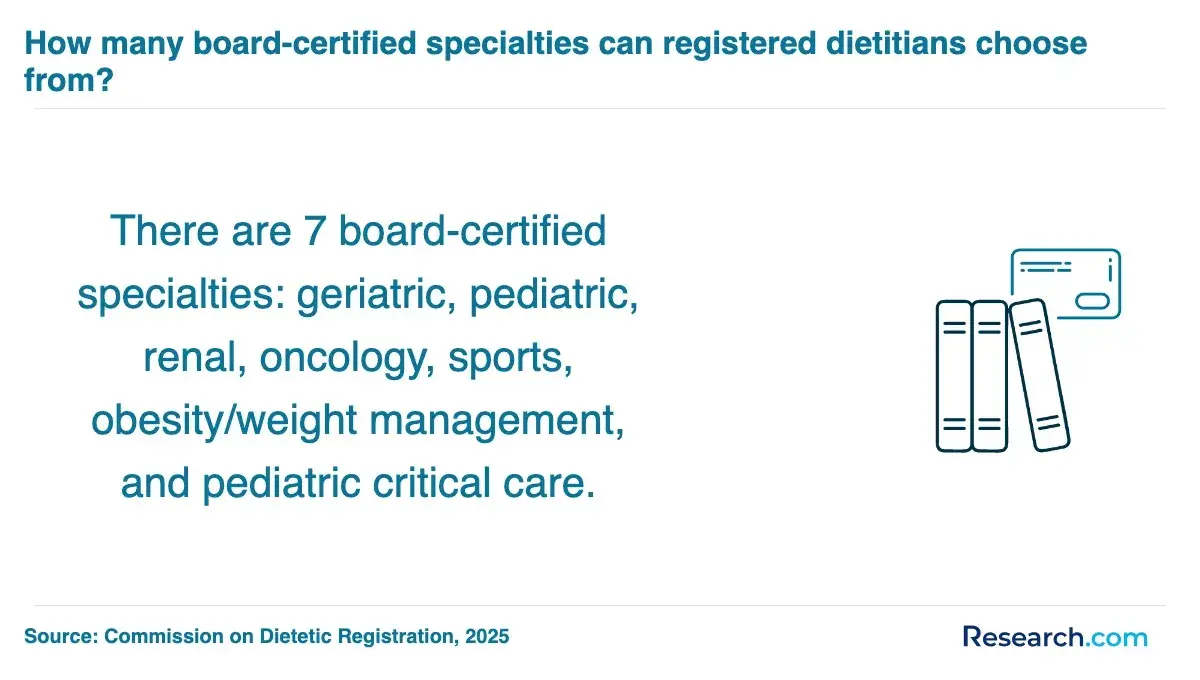
What types of dietitian specializations can you pursue in Connecticut?
Dietitians in Connecticut have a variety of specializations to choose from, each offering unique opportunities to enhance professional skills and impact patient care. These focused fields allow dietitians to develop expert knowledge tailored to specific populations or settings, which can lead to greater career fulfillment and advancement.
Below is a concise overview of the main specializations available to registered dietitians in Connecticut.
- Clinical Nutrition: This specialization involves providing nutrition therapy in hospitals and healthcare environments, addressing chronic diseases like diabetes and heart conditions.
- Pediatric Nutrition: Focused on the nutritional needs of infants, children, and adolescents, this field often requires certification and deals with conditions such as food allergies and eating disorders.
- Gerontological Nutrition: Dietitians in this area specialize in the dietary care of older adults, managing age-related health changes and chronic illnesses.
- Renal Nutrition: Specialists develop nutrition plans for patients with kidney disease, often working in dialysis centers and clinics.
- Oncology Nutrition: This field supports cancer patients by creating tailored nutrition strategies to mitigate treatment side effects and improve quality of life.
- Sports Dietetics: Dietitians here optimize performance and recovery for athletes and active individuals, often requiring board certification.
- Eating Disorders and Behavioral Health: Professionals provide counseling and therapeutic nutrition interventions alongside mental health teams.
- Community and Public Health Nutrition: These dietitians design and manage nutrition programs aimed at improving population health in various public sectors.
- Food Service Management: This role involves overseeing food operations in institutions, ensuring safety and compliance with nutritional standards.
- Nutrition Support: Specialists administer advanced nutrition therapies like enteral and parenteral feeding, primarily in hospital settings.
- Fellow of the Academy of Nutrition and Dietetics: A prestigious recognition for leadership and advanced practice within the profession.
What is the average salary of a registered dietitian in Connecticut?
The average salary for a registered dietitian in Connecticut is approximately $69,247 per year, which translates to about $33 per hour as of 2025. This figure is slightly below the national average, where registered dietitians typically earn around $74,000 annually.
However, the difference reflects regional cost of living and local demand variations rather than a lack of opportunity within the state.
- Location: Salaries tend to be higher in affluent areas such as Greenwich, where averages exceed $85,000 annually, compared to statewide figures near $69,000.
- Experience Level: Entry-level dietitians usually start around $59,000, while experienced professionals with advanced credentials can earn upwards of $90,000.
- Work Setting: Clinical roles in hospitals and specialized clinics often offer higher compensation than public health or school-based positions.
- Demand and Workforce Trends: Urban and suburban centers with larger healthcare networks show steady or growing demand, supporting wage increases over time.
- Regional Trends Within Connecticut: Fairfield County, especially Greenwich, leads in salary levels, while areas like New Haven report competitive hourly rates that may indicate specialized roles.
Salary growth for dietitians in Connecticut aligns with national trends, driven by increasing recognition of nutrition’s impact on health. Those pursuing specialization or leadership roles can expect more significant advancement opportunities.
What do you need to keep your dietitian registration active in Connecticut?
Keeping your dietitian registration active in Connecticut is essential for maintaining professional credibility and ensuring compliance with state regulations. This ongoing commitment safeguards your ability to practice legally while reinforcing trust with clients and employers.
Staying current involves a clear set of responsibilities that balance state requirements and national certification standards.
- Annual Renewal of State Certification: Renew your certification online every year before expiration; notifications are sent 60 days in advance.
- Renewal Fee: A $105 fee must be paid during the online renewal process to keep your certification active.
- Continuing Education Requirements: Connecticut does not require state-level continuing education, but you must maintain CDR registration.
- CDR Continuing Education: Complete 75 CPEUs every five years, including at least one in ethics or health equity, to maintain national registration.
- Professional Development Portfolio: Submit a PDP every five years documenting your learning plan, activities, and self-assessment.
- Contact Information: Keep your details updated in MyCDR to receive timely renewal reminders and important updates.
- Verification of Licensure: You may need to verify any out-of-state licenses if your status changes.
When discussing what it takes to keep registration active, a registered dietitian from Connecticut, who graduated from a local university, shared their experience. They reflected on the challenge of navigating license reciprocity since Connecticut requires maintaining both state and CDR registrations separately.
“It’s a bit of extra work, but having to renew annually with the state and ensure my CDR portfolio is up to date keeps me engaged with the profession,” they remarked. They appreciated how this dual system ultimately strengthens their practice and professional development, despite the occasional administrative hurdles. The process motivated them to stay proactive and connected to both state and national standards.
How Can Registered Dietitians Foster Effective Collaboration with Allied Healthcare Professionals in Connecticut?
Registered dietitians can significantly enhance patient outcomes by developing strong interprofessional relationships with a variety of healthcare providers. Leveraging coordinated care models, dietitians work alongside physicians, nurses, and other allied professionals to design comprehensive care plans tailored to individual patient needs. Establishing clear communication channels and shared accountability practices ensures that evidence-based nutritional care is effectively integrated within broader clinical strategies. For those interested in understanding allied roles and complementing their practice, exploring resources on how to become a medical assistant in Connecticut provides valuable insights on functions that support and amplify team-based care.
How long does it take to become a registered dietitian in Connecticut?
Determining how long to become a registered dietitian in Connecticut involves understanding the full timeline from academic preparation to credentialing. This journey typically spans six to seven years, reflecting the depth of training necessary in this specialized field. The registered dietitian education requirements Connecticut have evolved to include both bachelor’s and master’s degrees, ensuring comprehensive knowledge and skills.
Most aspiring dietitians begin with a four-year bachelor’s degree followed by a two-year master’s program, which is now a mandatory credential step. After academic coursework, candidates undergo supervised practice lasting several months, a crucial phase before eligibility for the national credentialing exam. Variations in program structure or part-time study can influence the exact duration.
For those seeking flexibility, exploring a list of the best online masters in dietetics degree programs may offer viable options to tailor the timeline. Balancing life commitments or internship placements can extend completion, but motivated students often find ways to streamline their path. This timeline reflects a commitment to both education and practical experience essential for success in the field.
Can international students qualify to become registered dietitians in Connecticut?
International students can pursue the registered dietitian credential in Connecticut by meeting specific educational and certification requirements tailored to their unique backgrounds. While the process involves additional steps, it remains accessible with careful planning and commitment.
- Foreign Degree Equivalency Evaluation: Students must have their foreign degree evaluated to confirm it matches the standards of a U.S. regionally accredited institution, ensuring eligibility for dietetics programs and credentialing.
- Enrollment in ACEND-Accredited Program: After degree equivalency, international students need to complete coursework and supervised practice in an ACEND-accredited dietetics program, such as those offered by the University of Connecticut or University of Saint Joseph.
- Master’s Degree Requirement: Since January 1, 2024, a master’s degree is mandatory for all candidates to qualify for the registration exam, reflecting the profession’s increasing standards.
- Commission on Dietetic Registration (CDR) Exam: Passing the national credentialing exam administered by the CDR is required, demonstrating professional competency on par with U.S.-trained dietitians.
- Connecticut State Certification: Following CDR certification, graduates must apply to the Connecticut Department of Public Health with proof of registration and pay the certification fee, currently $190.
For those balancing work and study, exploring options like the best masters in dietetics programs can offer valuable flexibility and advanced training.
What career paths can registered dietitians pursue in Connecticut?
Exploring career opportunities for registered dietitians in Connecticut reveals a range of roles across healthcare, community, and corporate environments, each with distinct demands and rewards. Understanding these options can help you align your skills and aspirations with the right professional path.
- Clinical Dietitian: Provides medical nutrition therapy in hospitals and healthcare settings, with steady demand and average salaries near $85,190.
- Community Nutritionist: Works in public health or nonprofits to develop nutrition programs, offering job growth projected at 11.2% and salaries between $67,400 and $85,190.
- Corporate Wellness Dietitian: Designs employee nutrition initiatives in private companies, with growing opportunities and competitive pay similar to clinical roles.
- Food Service Manager: Oversees large-scale food operations in institutions, ensuring compliance and stability with salaries around the state average.
- Private Practice Dietitian: Provides personalized counseling independently or in clinics, with experienced professionals earning upwards of $104,460.
- Research Dietitian: Engages in nutrition research in academia or government, requiring advanced training and offering higher compensation.
- Pediatric Dietitian: Specializes in child nutrition in hospitals and clinics, with demand and pay aligned with statewide averages.
- Long-Term Care Dietitian: Manages nutrition for aging populations in nursing homes, with stable roles and salaries ranging from $67,400 to $85,190.
- Government Nutritionist: Develops public health nutrition policies in state agencies, providing stable employment and competitive public sector pay.
- Remote/Telehealth Dietitian: Offers flexible nutrition counseling through digital platforms, with expanding roles and pay comparable to traditional settings.
For those considering advancement, pursuing an online master's in nutrition can deepen expertise and open further registered dietitian jobs in Connecticut.
What are the emerging trends in dietetics practice in Connecticut?
Dietetics professionals in Connecticut are increasingly incorporating advanced digital tools and evidence-based approaches to enhance client outcomes while staying aligned with evolving healthcare trends. Novel practices include the integration of telehealth services, personalized nutrition tracking through digital apps, and data analytics to refine dietary interventions. These developments not only facilitate improved patient engagement but also open avenues for interdisciplinary collaboration and innovative career pathways. For practitioners aiming to adapt to these shifts, exploring resources on how to become a nutritionist in Connecticut may provide valuable insights into bridging traditional and emerging practices.
What do registered dietitians in Connecticut say about their careers?
- Completing my dietetics program at the University of Connecticut truly laid a strong foundation for my career. Starting work in a local school allowed me to directly impact the nutrition habits of children in my community, which has been incredibly rewarding. The stability of jobs in Connecticut’s educational system gave me peace of mind while I grew professionally. I love being part of a team that nurtures young minds and promotes healthy lifestyles every day. The experience has deepened my passion for lifelong wellness and education. Dawn
- After graduating from Quinnipiac University, I found the transition into a registered dietitian role at a local academic institution both challenging and inspiring. Connecticut’s diverse population provides unique opportunities to tailor nutrition programs that respect cultural preferences and dietary needs. This role pushed me to develop professionally while making a tangible difference in students’ lives. The community-centered approach here encourages collaboration and ongoing learning, which keeps me motivated and engaged. Liam
- Finishing my dietetics degree at Yale was just the beginning of an incredible journey. Working as a registered dietitian in Connecticut has given me a chance to grow not only in my career but also personally, as I contribute to the well-being of children in underserved areas. The state’s commitment to public health and nutrition education creates a supportive environment for innovation and advocacy. I feel proud to be part of a network that prioritizes both professional advancement and meaningful community impact. Fatima
Related Articles for Nearby States
- 2027 Steps to Become a Registered Dietitian in New York
- 2027 Steps to Become a Registered Dietitian in Rhode Island
- 2027 Steps to Become a Registered Dietitian in Massachusetts
- 2027 Steps to Become a Registered Dietitian in New Jersey
- 2027 Steps to Become a Registered Dietitian in Pennsylvania
- 2027 Steps to Become a Registered Dietitian in Vermont
- 2027 Steps to Become a Registered Dietitian in New Hampshire
- 2027 Steps to Become a Registered Dietitian in Delaware
- 2027 Steps to Become a Registered Dietitian in Maryland
- 2027 Steps to Become a Registered Dietitian in Maine
References:
- Becomeanutritionist. (n.d.). How to become a registered dietitian in Connecticut - CT. Become a Nutritionist. becomeanutritionist.org.
- CareerExplorer. (n.d.). Registered dietitian salary. careerexplorer.com.
- CGA. (n.d.). Chapter 384b - Dietitian-Nutritionists. cga.ct.gov.
- CT State. (n.d.). Nutrition and Dietetics Program. gatewayct.edu.
- Department of Nutritional Sciences. (2025, February 27). Didactic Program in Dietetics (DPD) track. nusc.uconn.edu.
- Natural Healers. (2025, June 10). Registered Dietitian Certification & License Requirements | Natural Healers. naturalhealers.com.
- NutritionED.org Contributor. (2025, July 2). How to Become a Registered Dietitian in Connecticut - CT | Exam, License, and Education Requirements in. nutritioned.org.
- Salary.com. (2025). Dietitian Salary in Connecticut. salary.com.
- Zippia. (2025, January 8). Registered Dietitian Demographics and Statistics [2025]: Number of registered dietitians in the US. zippia.com.
Other Things You Should Know About Becoming a Registered Dietitian in Connecticut
To become a registered dietitian in Connecticut by 2026, earn a bachelor's degree in dietetics from an accredited program, complete a supervised dietetic internship, pass the Commission on Dietetic Registration (CDR) exam, and obtain the Connecticut state certification.
To become a registered dietitian in Connecticut by 2026, you must earn a bachelor's degree in dietetics or a related field, complete an ACEND-accredited dietetic internship, pass the Commission on Dietetic Registration (CDR) credentialing exam, and obtain state licensure to practice.
Scholarships and financial aid are available to dietetics students in Connecticut through various state and institutional programs. The Connecticut Academy of Nutrition and Dietetics offers scholarships specifically for students pursuing dietetics degrees, while universities such as the University of Connecticut provide additional merit- and need-based aid.
Additionally, federal financial aid programs like FAFSA can help cover tuition and expenses for eligible students. Prospective dietitians should explore both state-specific scholarships and broader financial aid options to ease the cost of their education in this growing healthcare field.