2027 Steps to Become a Registered Dietitian in Kansas

Co-Founder and Chief Data Scientist
Many aspiring nutrition professionals face confusion navigating the path to becoming a registered dietitian in Kansas. With the state's obesity rate at 35%, the demand for qualified dietitians is urgent and growing. Pursuing this career promises stability, a median Kansas salary above $60,000, and meaningful impact on public health.
This article, crafted by career planning experts, unpacks each step—from education and supervised practice to licensure requirements—guiding readers through the complexities. It offers clear, actionable insights to empower future dietitians to confidently embark on this rewarding journey in the Sunflower State.
Key Things to Know About Becoming a Registered Dietitian in Kansas
- Complete a Didactic Program in Dietetics accredited by the Accreditation Council for Education in Nutrition and Dietetics (ACEND) to ensure Kansas licensing eligibility.
- Undertake a supervised dietetic internship of at least 1,200 hours, essential for hands-on experience and registration exam eligibility.
- Pass the national Registration Examination for Dietitians. Kansas also requires obtaining a state license, which ensures compliance with local practice laws.
- What degree is required to become a registered dietitian in Kansas?
- How many supervised practice hours are needed to become a registered dietitian in Kansas?
- What are the eligibility requirements for the dietetic registration exam in Kansas?
- How can you get a license after passing the dietetic registration exam in Kansas?
- What types of dietitian specializations can you pursue in Kansas?
- What is the average salary of a registered dietitian in Kansas?
- What do you need to keep your dietitian registration active in Kansas?
- What is the job outlook for registered dietitians in Kansas?
- How can supplemental healthcare certifications uniquely boost your dietetic career in Kansas?
- How long does it take to become a registered dietitian in Kansas?
- Can international students qualify to become registered dietitians in Kansas?
- What career paths can registered dietitians pursue in Kansas?
What degree is required to become a registered dietitian in Kansas?
The path to becoming a registered dietitian in Kansas involves specific academic achievements that align with professional standards. Here are the essential degree requirements to explore on this journey:
- Master’s Degree Requirement for Kansas Registered Dietitian: Aspiring dietitians must obtain a master’s degree from an accredited institution, ensuring comprehensive knowledge and skills in the field.
- ACEND-accredited Dietetics Programs in Kansas: Enrollment in programs accredited by ACEND is mandatory, providing the necessary coursework and practical experience.
- Graduate Coursework GPA: Maintaining a competitive academic record is crucial, with many programs expecting a solid GPA to demonstrate mastery of the curriculum.
- Field Experience and Internship: Practical experience, often through supervised internships, is key to hands-on learning and preparing for certification exams.
- Certification Preparation: Completion of these degree requirements positions candidates to succeed on national registration exams and enter the profession confidently.
For those eager to advance their credentials with flexible learning options, exploring the best rated online nutrition certifications can complement traditional pathways and broaden expertise.
How many supervised practice hours are needed to become a registered dietitian in Kansas?
To become a registered dietitian in Kansas, candidates must complete a minimum of 900 hours of supervised practice. These hours adhere to both national and state standards, ensuring thorough preparation for professional work. The following points highlight essential details about these supervised practice requirements and program features in Kansas.
- ACEND Accreditation: All supervised practice hours must come from programs accredited by ACEND, guaranteeing nationally recognized quality and consistency.
- Program Variations: While the minimum is set at 900 hours, prominent Kansas programs like the University of Kansas and Kansas State University require between 975 and 1,075 hours to deepen practical experience.
- Practice Areas Covered: Rotations typically span clinical nutrition, community nutrition, food and nutrition management, plus an individualized area of interest, offering diverse hands-on learning.
- No Prior Learning Credit: Kansas programs generally do not grant exemptions for previous education or work experience, insisting on full completion of supervised practice within the program.
- Scheduling and Flexibility: Interns balance coursework with supervised practice, with flexible rotation schedules that often allow customization during the later stages of training.
- State-Specific Requirements: Kansas aligns with national supervised practice hour standards without additional state-specific mandates, maintaining consistency with CDR and ACEND guidelines.
Those 900+ hours should translate into real résumé bullets—not busywork. The chart shows what hiring managers expect: patient care, medical nutrition therapy, home health, and nutrition services. Kansas rotations build these exact competencies so your supervised practice maps cleanly to marketable skills.
What are the eligibility requirements for the dietetic registration exam in Kansas?
To embark on the path of becoming a registered dietitian in Kansas, understanding the eligibility requirements for the dietetic registration exam is essential. These criteria ensure candidates possess the necessary academic foundation and meet both national and state-specific standards. The journey involves specific educational achievements, official verifications, and successful completion of the national exam.
- Minimum Graduate Degree Requirement: Candidates must hold at least a master’s degree or higher from a U.S. Department of Education-accredited institution or an equivalent foreign degree.
- Completion of ACEND-Accredited Coursework: Required nutrition and dietetics coursework must be completed through an ACEND-accredited program such as a Didactic Program in Dietetics (DPD), Coordinated Program (CP), or Graduate Program (GP).
- Verification Statement Submission: The program director must submit official verification of eligibility to the Commission on Dietetic Registration (CDR) after coursework and supervised practice completion, confirming all requirements are met.
- National Registration Exam: Candidates must register for and pass the CDR’s computer-based national exam, administered at Pearson VUE centers across Kansas, with a minimum passing score of 25 out of 50.
- State-Specific Licensure Pathways: After passing the exam, applicants must pursue licensure through the Kansas Department of Health and Environment, fulfilling additional state criteria including fee payment and documentation submission.
- Foreign Degree Evaluation: If the qualifying degree is from outside the U.S., it must be evaluated for equivalence according to ACEND and CDR guidelines before exam eligibility.
While supervised practice is a prerequisite, details are covered elsewhere; this requirement is part of the eligibility framework. Aspiring dietitians in Kansas will find that these steps align closely with national standards but also reflect specific state rules. For those exploring this career, resources like the nutrition career guides offer valuable insights into opportunities and pathways available in the field.
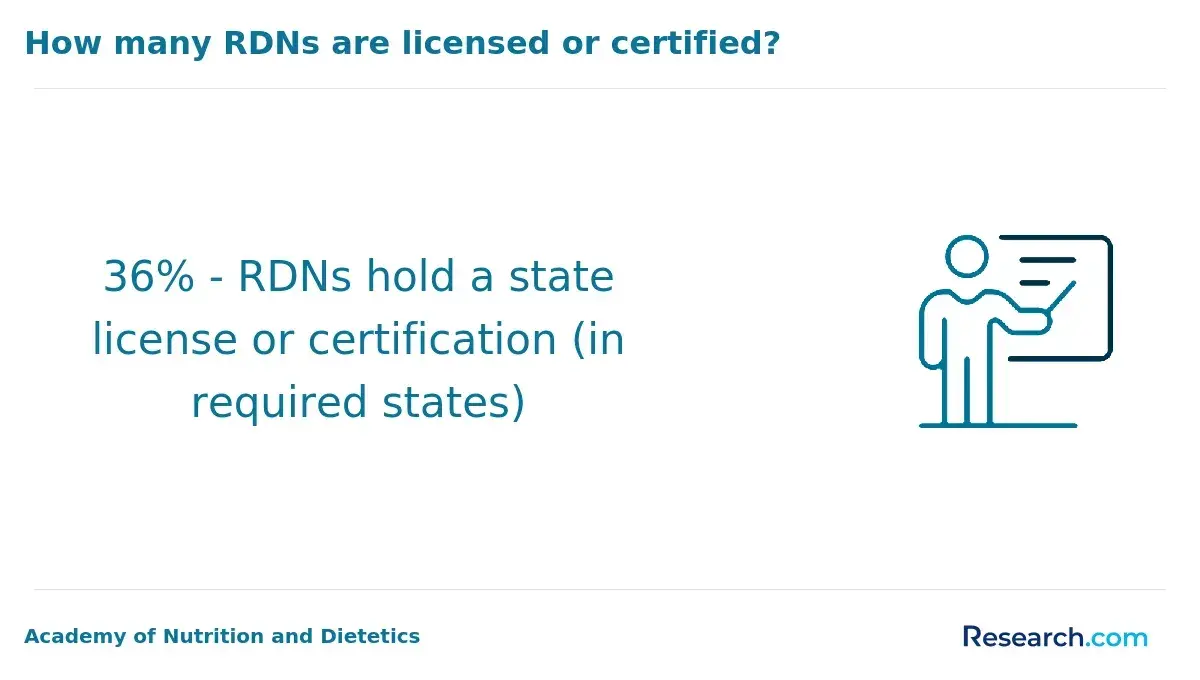
How can you get a license after passing the dietetic registration exam in Kansas?
Ready to transform your dietetic registration exam success into a Kansas license? Here’s the adventure that follows, step by step:
- Gather Your Proof: Collect official transcripts, degree verification, and supervised practice confirmations to show you meet all educational and experiential standards.
- Submit Your Application: Send your complete paperwork and fees to the Kansas Department of Health and Environment to start your licensing journey.
- Consider a Temporary License: If you’re waiting on results or documents, apply for a temporary license to practice while your full license is processed.
- Earn Your Credentials: Once approved, proudly carry the LD or LDN credential and join the ranks of Kansas dietitians.
- Stay Current: Renew your license regularly by completing continuing education and paying renewal fees, keeping your skills sharp and your status active.
What types of dietitian specializations can you pursue in Kansas?
Exploring dietitian specializations in Kansas reveals a vibrant landscape full of opportunities to tailor your career to unique interests and patient needs. Whether you thrive in clinical environments or prefer community outreach, the state supports diverse paths for nutrition professionals eager to make an impact.
Here are some notable dietitian specializations you can pursue in Kansas:
- Clinical Dietitian: Focuses on medical nutrition therapy in hospitals and clinics, crafting personalized nutrition plans for patients with various health conditions.
- Pediatric Dietitian: Specializes in the nutritional needs of infants and children, often working with chronic illnesses or developmental concerns in pediatric settings.
- Renal Nutrition Dietitian: Manages diets for kidney disease patients, including those on dialysis, ensuring proper nutrient balance to support kidney health.
- Sports Dietitian: Provides nutrition advice to athletes to enhance performance and recovery, collaborating with schools and professional teams.
- Nutrition Support Dietitian: Delivers specialized enteral and parenteral nutrition for patients unable to eat normally, mainly in hospital critical care units.
- Diabetes Education Dietitian: Educates individuals on managing diabetes through diet and lifestyle changes, working in outpatient and community health settings.
- Weight Management Dietitian: Helps clients achieve healthy weight goals via personalized plans and behavioral support in private or public health environments.
- Community/Public Health Dietitian: Develops nutrition programs targeting health disparities, often employed by state agencies or non-profits.
- Foodservice Management Dietitian: Oversees nutrition standards and menu planning in institutions like schools and hospitals, ensuring regulatory compliance.
- Integrative and Functional Nutrition Dietitian: Combines conventional and complementary nutrition therapies, supported by graduate certificate programs available in Kansas.
What is the average salary of a registered dietitian in Kansas?
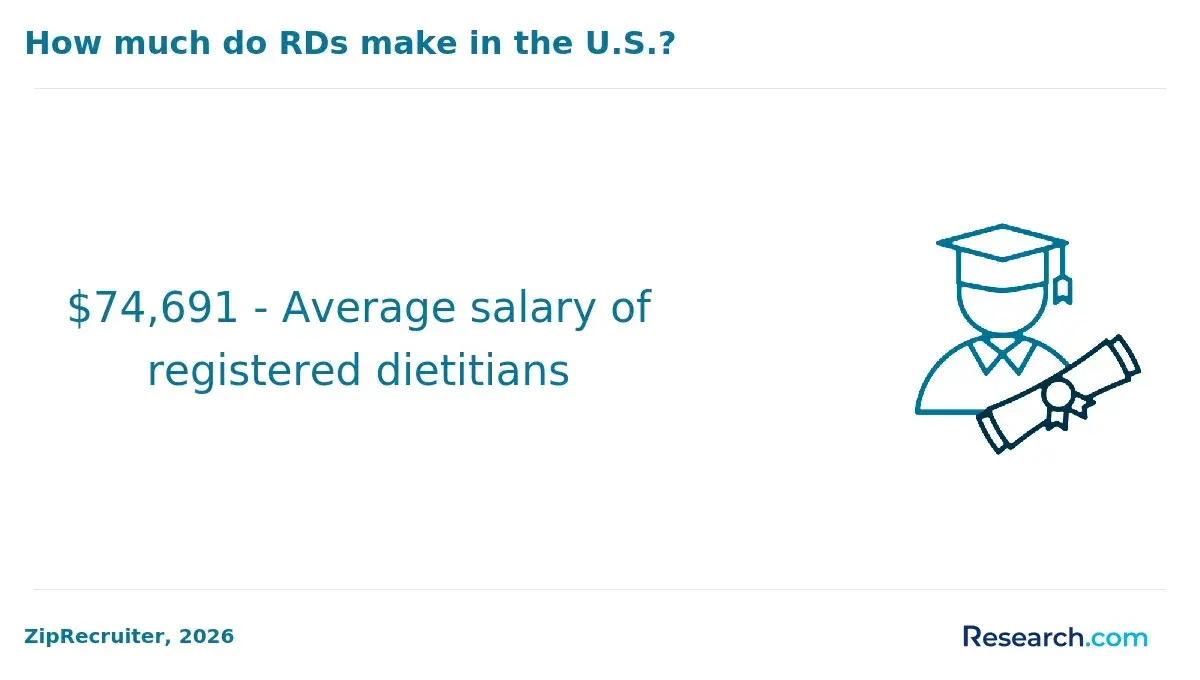
The average salary of a registered dietitian in Kansas is about $68,710 per year, with an hourly wage near $38.08 as of 2025. This is notably lower—by roughly 39%—than the national average hourly wage of $53.09, revealing interesting regional differences within the profession.
- Location: Salaries tend to be higher in metro areas like Wichita, where dietitians earn around $67,890 annually, compared to lower wages in rural regions.
- Experience: Early-career dietitians typically start at about $60,340, while seasoned professionals can make up to $86,590, reflecting growth with expertise and certifications.
- Work Setting: Employment in hospitals and large healthcare systems usually offers better pay than roles in schools or community organizations.
- Demand: Urban centers with major hospitals drive higher wages to attract qualified dietitians, making location a key factor.
- Regional Trends: Wichita and the Kansas City metro area show competitive salaries near or slightly above the state average, highlighting pockets of opportunity.
- Salary Growth: Wage increases are steady but moderate, with promising prospects in specialized nutrition fields and urban healthcare settings.
What do you need to keep your dietitian registration active in Kansas?
Keeping your dietitian registration active in Kansas is more than a formality—it safeguards your ability to practice legally and stay sharp in your profession. The state’s requirements encourage ongoing learning and accountability, ensuring that nutrition care remains cutting-edge and trustworthy.
- Biennial Renewal: Licenses must be renewed every two years to maintain validity and legal standing.
- Continuing Professional Education (CPE): Complete 15 hours of approved education every two years on topics beyond routine job duties.
- Documentation and Audit: Maintain specific proofs of attendance for all CPE activities, as random audits are conducted.
- Renewal Fees: A $135 non-refundable fee applies for each renewal cycle, processed online via KDADS.
- Reinstatement: If lapsed, apply anytime by meeting outstanding requirements and paying fees.
- Temporary Licenses: Available for six months, renewable once if full licensure is pending.
What is the job outlook for registered dietitians in Kansas?
Labor market projections indicate that demand for registered dietitians in Kansas is expected to grow as health initiatives and preventive care programs expand. Increased focus on nutritional counseling, public health intervention, and emerging telehealth opportunities are driving a shift in roles and service delivery. In a dynamic economic landscape, professionals are encouraged to explore complementary career strategies, such as how to become a nutritionist in Kansas, to enhance their market value and adaptability.
How can supplemental healthcare certifications uniquely boost your dietetic career in Kansas?
Expanding your expertise beyond core dietetics can enhance clinical versatility and open doors to interdisciplinary roles. Integrating targeted healthcare certifications helps professionals adapt to innovative care models and meet evolving industry requirements. For instance, supplementing your credential with a certification from learning how to become a medical assistant in Kansas can provide a competitive edge in fast-paced healthcare environments, enabling you to better support patient care initiatives.
How long does it take to become a registered dietitian in Kansas?
The journey to becoming a registered dietitian in Kansas is both challenging and rewarding, often taking a dedicated few years to complete. From starting college to earning the dietetic registration credential, this timeline reflects the commitment needed to enter the profession. While education and supervised practice requirements play a role, the overall duration is what many prospective students wonder about most.
Typically, the path spans around six to seven years, blending undergraduate study with graduate-level supervised practice and exam preparation. Factors like program type and enrollment pace can influence this timeline, making the experience unique for each individual. Those exploring how many years to become a dietitian in Kansas will find that accelerated or coordinated programs might offer a faster route, but most follow the traditional timeline.
For students considering options, it’s worth exploring flexible pathways such as the best online nutrition programs that can complement in-person study or offer alternative routes. The evolving requirements, including the recent master’s degree mandate, add layers to the timeline but ultimately ensure a well-prepared professional ready to make an impact.
One more wrinkle in the clock: your starting major. The chart shows most RDs come from Dietetics or Food & Nutrition—programs built for ACEND requirements and usually the fastest lane. Majors like Nutrition Science or Food Science often add prerequisite catch-up, stretching the timeline.
Can international students qualify to become registered dietitians in Kansas?
International students have a clear pathway to become registered dietitians in Kansas by meeting specific academic and professional standards recognized nationally. This journey involves credential evaluation, specialized education, and passing key examinations to ensure readiness for practice.
- Degree Equivalency Evaluation: Foreign academic credentials must be evaluated to confirm they match at least a U.S. bachelor’s degree, or a master’s degree, in a relevant field, before applying to any accredited Kansas program.
- Completion of an ACEND-Accredited Program: Students must enroll in and finish coursework and supervised practice within an ACEND-accredited program, such as a Dietetic Internship or Coordinated Program offered in Kansas.
- English Language Proficiency: Proof of English skills, often through TOEFL or IELTS scores, is required because all training is conducted in English, with specific score thresholds varying by program.
- Student Visa and Work Authorization: Obtaining the appropriate visa (commonly F-1 or J-1) is essential, and work authorization may be necessary for supervised practice experiences integral to dietetic training.
- Pass the CDR Registration Examination: After completing education and supervised practice, passing the Commission on Dietetic Registration national exam is mandatory to demonstrate competence as a dietitian.
- Apply for Kansas State Licensure: With the CDR credential earned, international graduates can apply for state licensure to legally practice dietetics in Kansas, where the credential is fully recognized.
International students can qualify in Kansas, but it’s paperwork- and planning-heavy. Get your credentials evaluated, budget visa timelines, and be ready for ACEND coursework plus supervised practice. Since 2024, you’ll also need a masters in functional nutrition (or related field) to sit the RDN exam. Nail English proficiency, pass the CDR exam, then apply for Kansas licensure. Doable? Yes. Effortless? Not remotely—start early and stay organized.
What career paths can registered dietitians pursue in Kansas?
Exploring career paths for registered dietitians in Kansas reveals a vibrant landscape full of opportunities across healthcare, community, and business sectors. From clinical settings to private consulting, the state offers diverse roles with promising growth and competitive salaries.
- Clinical Dietitian: Work in hospitals providing medical nutrition therapy for chronic illness and surgery recovery with an average salary around $68,710, driven by rising demand in Kansas’s healthcare facilities.
- Community and Public Health Dietitian: Design nutrition education programs in local health departments, earning salaries near the state average and benefiting from steady public health initiatives.
- Food Service Management: Manage nutrition services in schools and hospitals with pay ranging from $60,340 to $86,590, overseeing menus and compliance with nutrition standards.
- Sports and Wellness Nutritionist: Advise athletes and wellness programs, a growing field as interest in sports nutrition expands in fitness centers and corporate settings.
- Private Practice and Consulting: Offer personalized nutrition counseling independently or to food companies, often exceeding average salaries through specialized expertise and client networks, reflecting strong Kansas registered dietitian jobs in hospitals and private practice.
- Research and Academia: Engage in nutrition science research or teaching roles at universities with stable prospects and competitive pay, ideal for advanced degree holders.
- Industry and Product Development: Collaborate with food manufacturers on product innovation and labeling, combining nutrition knowledge with business skills in varied salary ranges.
- Media and Communications: Create nutrition content and provide expert advice in media or marketing for food and health companies, with earnings dependent on employer and role.
For those interested in advancing their expertise, pursuing the best masters in dietetics programs can open further doors in these exciting career opportunities for registered dietitians in Kansas.
What do registered dietitians in Kansas say about their career?
- Pursuing my dietetics degree at Wichita State University gave me the perfect foundation to understand the unique nutritional needs of our Kansas communities. Starting my career in a local school allowed me to directly influence children's health and wellness during their formative years. The stability and growth opportunities in this region are remarkable, and I feel proud contributing to healthier futures through education and personalized care. The blend of urban and rural experiences here has deepened my appreciation for diverse dietary challenges and solutions. Jojo
- Completing my studies at the University of Kansas was a transformative experience that prepared me to thrive in an academic environment. Working as a registered dietitian in a local school has been incredibly rewarding, especially seeing the positive impact on students' eating habits and overall well-being. Kansas offers unique challenges with its agricultural landscape, which has inspired me to advocate for farm-to-school programs and sustainable nutrition practices. This career continues to push me toward professional growth and meaningful community engagement. Adam
- My education at Kansas State University laid the groundwork for a fulfilling career where I could give back to the community that shaped me. Starting as a registered dietitian in a local school, I encountered firsthand the importance of culturally relevant nutrition education in Kansas’s diverse population. This role has been a journey of personal growth, allowing me to develop leadership skills and influence public health initiatives tailored to our state’s resources. The passion I have for helping students thrive motivates me every day. Malone
Related Articles for Nearby States
- 2027 Steps to Become a Registered Dietitian in Nebraska
- 2027 Steps to Become a Registered Dietitian in Oklahoma
- 2027 Steps to Become a Registered Dietitian in Missouri
- 2027 Steps to Become a Registered Dietitian in Colorado
- 2027 Steps to Become a Registered Dietitian in Iowa
- 2027 Steps to Become a Registered Dietitian in Arkansas
- 2027 Steps to Become a Registered Dietitian in Texas
- 2027 Steps to Become a Registered Dietitian in South Dakota
- 2027 Steps to Become a Registered Dietitian in Wyoming
- 2027 Steps to Become a Registered Dietitian in Minnesota
References:
- Become a Nutritionist. How to Become a Registered Dietitian in Kansas.
- Commission on Dietetic Registration. (2026, January 26). Registered Dietitian (RD) and Registered Dietitian Nutritionist (RDN) by Region. Retrieved January 2026, from https://www.cdrnet.org/registry-statistics?id=6926&actionxm=All
- Evans, M. C. (2025, August 18). U.S. adults rate their diet as healthy, worry about food safety. Gallup. https://news.gallup.com/poll/693497/adults-rate-diet-healthy-worry-food-safety.aspx
- Kansas Academy of Nutrition and Dietetics. Licensure.
- Kansas State University. Bachelor of Dietetics Program.
- Kansas State University — College of Health and Human Sciences. Dietetics.
- National Center for Health Workforce Analysis. (2025, December). State of the U.S. Health Care Workforce, 2025. https://bhw.hrsa.gov/sites/default/files/bureau-health-workforce/data-research/State-of-US-Health-Care-Workforce-2025.pdf
- Northwest Missouri State University. Dietetic Internship — School of Health Science and Wellness.
- NutritionED.org. How to Become Registered Dietitian in Kansas — License, Degree Requirements.
- Sodexo Dietetic Internship. Program Information.
- University of Kansas (Academic Catalog). Dietetic Internship Graduate Certificate.
- University of Kansas Medical Center. Costs and Financial Aid.
- University of Oklahoma Health Sciences Center (OUHSC). Dietetic Internship.
Other Things You Should Know About Registered Dietitians in Kansas
To become a registered dietitian in Kansas in 2027, complete a bachelor's degree accredited by ACEND, finish a supervised practice program, pass the CDR exam, and obtain a Kansas state license. Staying updated on continuing education requirements is also crucial to maintaining credentials.
Scholarships and financial aid are available for dietetics students in Kansas to help offset the costs of education and training. Many universities with accredited dietetics programs offer specific scholarships based on academic merit, financial need, or professional interests in nutrition and dietetics.
Additionally, students can explore funding through the Academy of Nutrition and Dietetics Foundation, which provides scholarships to those pursuing registered dietitian credentials. Federal financial aid, including grants and loans, is also accessible for eligible students enrolled in accredited programs, making it more affordable to complete the necessary coursework and supervised practice hours required for licensure in Kansas.