
2027 Steps to Become a Registered Dietitian in Michigan

Co-Founder and Chief Data Scientist
Michigan faces a growing demand for registered dietitians, with adult obesity rates exceeding 35%, highlighting the need for expert nutrition guidance. Employment in this field is projected to grow 10% by 2030, offering strong job prospects and opportunities to impact public health positively.
This article, prepared by career planning specialists, outlines education, certification, and licensure requirements, providing practical guidance to build a successful career in nutrition.
Key Things to Know About Becoming a Registered Dietitian in Michigan
- A bachelor’s and typically a master’s in nutrition or dietetics from an ACEND-accredited program are required to become a registered dietitian in Michigan.
- Completion of at least 1,000 supervised practice hours and required coursework is needed to qualify for the national dietetic registration exam.
- Passing the exam allows for Michigan licensure and practice in clinical, community, corporate, or specialized dietitian roles.
- What degree is required to become a registered dietitian in Michigan?
- How many supervised practice hours are needed to become a registered dietitian in Michigan?
- What are the eligibility requirements for the dietetic registration exam in Michigan?
- How can you get a license after passing the dietetic registration exam in Michigan?
- What types of dietitian specializations can you pursue in Michigan?
- What is the average salary of a registered dietitian in Michigan?
- What do you need to keep your dietitian registration active in Michigan?
- What are the financial considerations for becoming a registered dietitian in Michigan?
- How long does it take to become a registered dietitian in Michigan?
- Can international students qualify to become registered dietitians in Michigan?
- What career paths can registered dietitians pursue in Michigan?
- What professional development opportunities exist for registered dietitians in Michigan?
What degree is required to become a registered dietitian in Michigan?
Becoming a registered dietitian in Michigan requires specific academic preparation to ensure expertise in nutrition science and practical skills. Below are the key degree requirements:
- Bachelor’s Degree in Nutrition or Related Field: Candidates must earn a four-year degree in nutrition, dietetics, or a closely related field. This foundational education provides the essential scientific knowledge and practical skills for professional practice.
- Master’s Degree Requirement: Michigan increasingly expects a master’s degree for entry-level registered dietitians. This advanced education develops deeper knowledge and enhances competencies in clinical practice, research, and nutrition counseling.
- Completion of ACEND-Accredited Dietetics Programs: Enrollment in programs accredited by the Accreditation Council for Education in Nutrition and Dietetics (ACEND) ensures that coursework and supervised practice meet national standards, preparing candidates for professional registration.
- Supervised Practice Experience: Accredited programs include practical training in clinical, community, and foodservice settings. Hands-on experience is critical for developing the competencies necessary to succeed as a registered dietitian.
For those exploring flexible education options, many are turning to best rated online nutrition certifications to supplement their degrees and stay competitive in this dynamic field.
This chart from the Commission on Dietetic Registration details the percentage distribution of registered dietitian nutritionists by employment.
How many supervised practice hours are needed to become a registered dietitian in Michigan?
Becoming a registered dietitian in Michigan requires completing a defined number of supervised practice hours through an ACEND-accredited program. Below are the key points regarding supervised practice hours in Michigan:
- ACEND-Accredited Program Standards: All supervised practice hours must be completed within an ACEND-approved program to ensure national training consistency and competency outcomes.
- Degree and Coursework Prerequisites: Candidates must first earn a bachelor’s, master’s, or doctoral degree along with ACEND-accredited didactic coursework before beginning supervised practice.
- Michigan Law Compliance: State legislation (House Bill 4608, signed into law April 30, 2024) establishes a licensure framework for dietitian nutritionists and regulates the practice of medical nutrition therapy, with an 18-month implementation period following board establishment and rule adoption before applications for licenses become available.
- Structured Supervision: Hours must be overseen by a licensed dietitian nutritionist, with alternate qualified supervisors allowed when necessary.
- Program Duration and Settings: Supervised practice generally lasts 8–12 months and includes experience in hospitals, community agencies, and foodservice organizations, such as VA Ann Arbor facilities.
- No Additional State-Specific Hours: Michigan does not require more than the national minimum of 1,000 supervised practice hours.
- Professional Readiness: Completion of these hours ensures dietitians gain the practical skills needed for safe and effective practice.
What are the eligibility requirements for the dietetic registration exam in Michigan?
To sit for the dietetic registration exam in Michigan, candidates must meet specific educational and program requirements. These standards ensure applicants are prepared to enter the profession with the necessary knowledge and skills.
Below are the key requirements:
- Minimum Educational Qualification: Candidates must hold at least a graduate degree, such as a master’s, from a U.S. Department of Education-accredited institution or possess a validated equivalent foreign credential.
- Required Nutrition Coursework: Completion of an ACEND-accredited program is mandatory. Options include Didactic Programs in Dietetics (DPD), Coordinated Programs (CP), or Graduate Programs (GP) offered in Michigan. These programs cover essential nutrition and dietetics topics.
- Verification by Program Directors: After completing coursework and supervised practice, program directors submit an official verification statement to the Commission on Dietetic Registration (CDR), confirming the candidate’s eligibility to take the exam.
- Registration and Passing the National Exam: Candidates must register and pay for the CDR national exam. The computer-based exam includes approximately 145 multiple-choice questions, and a scaled score of at least 25 is required to pass.
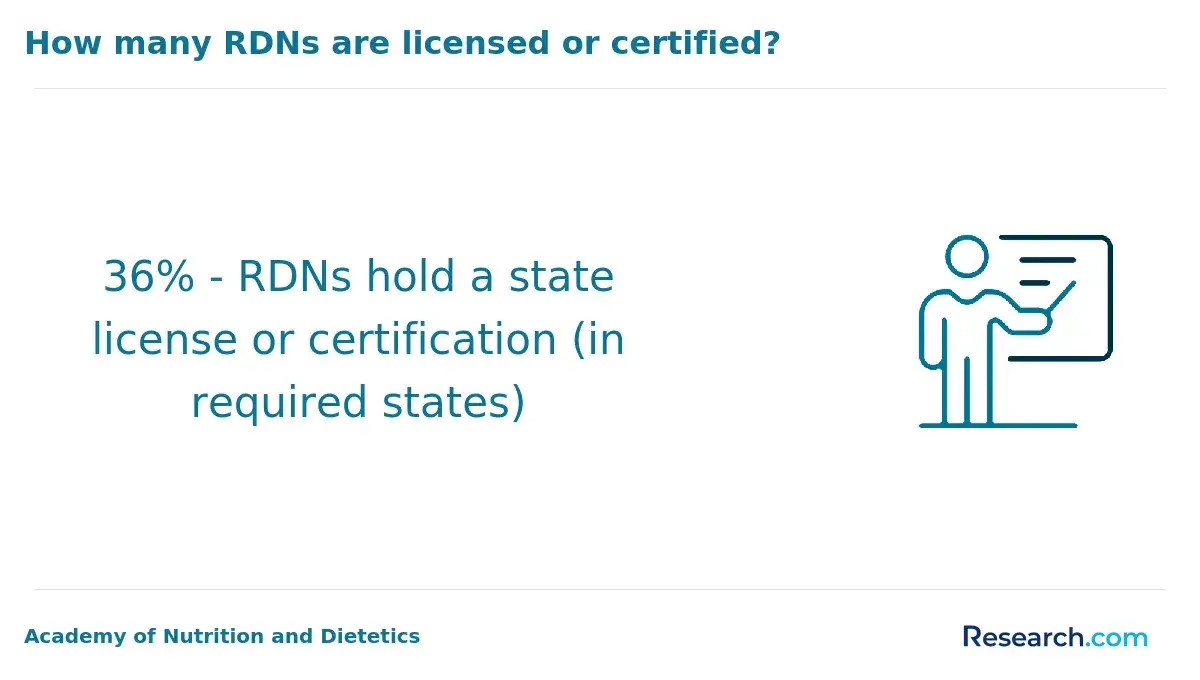
- State-Specific Licensure Requirements: Michigan requires accredited degrees and completion of ACEND-accredited coursework for licensure. Additional state board applications and continuing education may be required beyond passing the national exam.
While supervised practice is essential for eligibility, it is addressed separately from initial coursework requirements. Given ongoing legislative changes, those pursuing dietetics careers should regularly consult updated resources to navigate the distinctions between state licensure and national exam eligibility. For a broader understanding of nutrition career pathways and detailed nutrition job requirements, prospective candidates can explore nutrition job requirements.
How can you get a license after passing the dietetic registration exam in Michigan?
After passing the dietetic registration exam, candidates must complete defined steps to obtain licensure in Michigan. The process ensures compliance with state regulations and maintains professional standards.
Below are the key steps:
- Confirm Eligibility: Verify that your education and supervised practice meet Michigan’s accredited program requirements to ensure a smooth application process.
- Gather Documentation: Collect official transcripts, supervised practice verification, and exam results. Foreign-trained applicants should prepare credential evaluations.
- Submit Application: Apply through the Michigan Department of Licensing and Regulatory Affairs (LARA) online portal and include the current application fee.
- Complete Background Check: Undergo a state-mandated criminal background screening and sign attestations confirming ethical compliance.
- Await Approval: LARA reviews your application and credentials before issuing the license, with digital tracking supporting timely processing.
- Maintain Credentials: Keep continuing education current, including the CDR’s 75-hour requirement and Michigan-specific updates, to retain licensure.
What types of dietitian specializations can you pursue in Michigan?
Dietetics in Michigan offers a range of specialization opportunities that address healthcare, community wellness, and patient-specific needs. These roles allow dietitians to apply their expertise in focused settings, supporting diverse populations and emerging health trends.
Below are the key dietitian specializations available in Michigan:
- Clinical Dietetics: Focuses on medical nutrition therapy and care planning for patients with chronic diseases in hospitals and healthcare facilities.
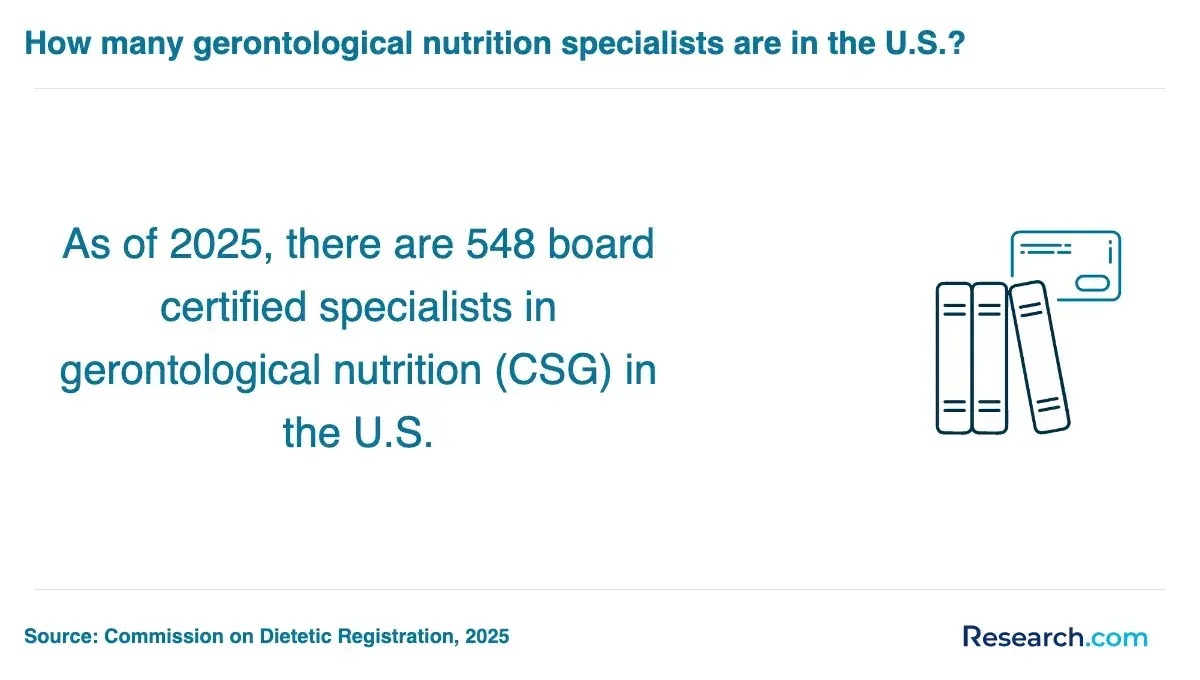
- Gerontological Nutrition: Addresses nutritional challenges related to aging, including osteoporosis and cardiovascular health.
- Pediatric Nutrition: Specializes in feeding and growth needs of infants, children, and adolescents, including those with allergies or chronic conditions.
- Oncology Nutrition: Supports cancer patients by managing treatment side effects and aiding recovery through nutrition.
- Sports Dietetics: Works with athletes to optimize performance, recovery, and overall wellness through customized nutrition strategies.
- Renal Nutrition: Provides dietary management for kidney disease patients, collaborating with nephrology teams as needed.
- Obesity and Weight Management: Designs interventions for weight loss and maintenance to reduce obesity-related health risks.
- Pediatric Critical Care Nutrition: Delivers nutrition support for critically ill children with complex metabolic needs.
- Nutrition Support: Manages enteral and parenteral nutrition for patients unable to eat normally due to illness or surgery.
- Diabetes Education: Offers guidance on meal planning and lifestyle adjustments for effective diabetes management.
- Eating Disorders Nutrition: Supports mental health recovery for patients with anorexia, bulimia, or binge-eating disorder.
- Lactation Consulting: Assists new mothers with breastfeeding challenges and maternal nutrition through certified expertise.
What is the average salary of a registered dietitian in Michigan?
Registered dietitians in Michigan earn salaries that vary by experience, location, and work setting. Below are key factors influencing compensation:
- Average Annual Salary: Dietitians in Michigan earn about $75,740 per year, or $36.41 per hour.
- Comparison to National Median: This is slightly below the national median of $69,350 for dietitians and nutritionists.
- Location Variations: Urban centers, such as Detroit, offer higher salaries between $59,777 and $63,000, while rural areas generally pay less.
- Experience Level: Entry-level professionals earn around $61,450, while seasoned dietitians can reach $108,190 or more.
- Work Setting Influence: Hospitals and specialized clinical roles generally provide higher compensation than schools or community-based positions.
- Demand and Market Trends: Michigan’s moderate job market may limit rapid wage growth, but specialized skills, leadership roles, and healthcare expansion can enhance earning potential.
What do you need to keep your dietitian registration active in Michigan?
Maintaining an active dietitian registration in Michigan ensures legal compliance and demonstrates professional credibility. Staying current allows dietitians to provide evidence-based nutrition care while meeting evolving state and national standards.
Below are the key requirements:
- License Renewal Frequency: Michigan law requires periodic renewal of your state license to confirm ongoing competency and eligibility to practice.
- CDR Renewal: Dietitians must renew their Commission on Dietetic Registration (CDR) credentials every five years to maintain national registration.
- Continuing Professional Education (CPE): Completion of 75 approved CPE hours every five years is mandatory. This ensures learning is relevant and practical.
- Specialty Certification: Earning specialty credentials can satisfy portions of CPE requirements and enhance professional recognition.
- State Fees: Renewal fees apply each cycle. Fee amounts are set by Michigan licensing authorities and may change over time.
- Professional Standards and Documentation: Compliance with ethical guidelines and accurate records of CPE and certifications is essential for audits and successful renewal.
What are the financial considerations for becoming a registered dietitian in Michigan?
Pursuing a dietetics career in Michigan entails a range of financial responsibilities, including varying tuition fees, application costs, and potential expenses during supervised practice. Candidates should evaluate scholarship opportunities, grants, and employer tuition assistance to manage these costs effectively. Additionally, exploring alternative career pathways, such as how to become a nutritionist in Michigan, may offer different financial models that align with individual budgets and career objectives. Conducting a detailed cost-benefit analysis is essential to ensure long-term financial viability and professional success.
How long does it take to become a registered dietitian in Michigan?
The pathway to becoming a registered dietitian in Michigan typically spans six to seven years, though evolving educational standards and state licensure requirements may influence this timeline. Candidates are required to complete both undergraduate and graduate-level coursework, followed by supervised practice and successful completion of the national registration exam. While the overall duration remains substantial, emerging trends in program structures, such as accelerated or coordinated degree tracks, offer potential avenues to streamline the process.
Aspiring dietitians must navigate a multi-step process that includes a graduate degree and completion of a dietetic internship, generally lasting six to ten months. Factors such as part-time enrollment, competitive internship placement, or exam scheduling can extend the timeline. The 2024 credentialing requirements established by the Commission on Dietetic Registration standardize degree requirements across states, with a master's degree now serving as the minimum educational threshold for new applicants seeking registration eligibility, fostering consistency while maintaining the rigor necessary for competent professional practice.
Increasing availability of flexible learning options, including nutrition degree online programs, may also impact how students approach their studies in the future.
Can international students qualify to become registered dietitians in Michigan?
International students can pursue the registered dietitian credential in Michigan by meeting academic, professional, and immigration requirements. These steps ensure foreign credentials align with U.S. standards and that students maintain legal status throughout their training.
Below are the key requirements:
- Validation of Foreign Degrees: Academic credentials earned abroad must be evaluated by a recognized agency to confirm equivalency to a U.S. bachelor’s or master’s degree before applying to dietetics programs in Michigan.
- Completion of ACEND-Accredited Programs: Students must complete didactic coursework and supervised practice through ACEND-accredited programs, such as Coordinated Programs or Didactic Programs with a Dietetic Internship, often offered at Michigan universities.
- Master’s Degree Requirement: Since January 2024, candidates must hold a master’s degree to sit for the Commission on Dietetic Registration (CDR) exam; this degree may be earned domestically or validated if completed abroad.
- Student Visa and On-Campus Presence: A valid student visa is required to attend in-person classes and supervised practice, ensuring compliance with U.S. immigration regulations.
- English Language Proficiency: Applicants whose prior education was not in English must demonstrate proficiency through standardized tests such as TOEFL or IELTS.
- CDR Registration Examination Eligibility: After completing required academic and supervised practice components, international students may take the CDR exam to become registered dietitians.
As Michigan’s dietetics field evolves, future regulatory changes may introduce licensure requirements, enhancing professional standards and job prospects for international graduates. For those exploring advanced education options, programs like the anchors part-time Ph.D. in economics demonstrate the growing availability of flexible pathways to higher credentials, which could similarly influence dietetics education models.
What career paths can registered dietitians pursue in Michigan?
Registered dietitians in Michigan can pursue a variety of career paths across clinical, community, corporate, and educational settings. Each role offers unique responsibilities, growth potential, and competitive salaries.
Below are the key career options:
- Clinical Dietitian: Provide medical nutrition therapy in hospitals for complex health conditions. Average salaries are $75,740, with strong demand across the state.
- Community Nutritionist: Design preventive health programs for public agencies and nonprofits. Salaries start around $61,450, focusing on maternal and elder nutrition.
- Food Service Management: Oversee nutrition compliance and meal planning in institutions such as schools and hospitals. Offers stable job prospects and salaries aligned with state medians.
- Private Practice/Consulting: Offer personalized counseling or corporate wellness services. Experienced consultants can earn above median salaries with flexible work arrangements.
- Research and Academia: Advance nutrition science and education at universities or research centers. Positions often require advanced degrees and provide competitive, grant-supported salaries.
- Corporate Wellness and Industry: Advise on product development and employee health programs. Roles offer growth potential and salaries above the state median in larger organizations.
- Physician Office-Based Dietitian: Support patients in medical practices with complex nutrition needs. Salaries average $62,802 with positive job outlooks.
- School and University Nutrition: Manage student nutrition and education programs. Compensation is comparable to public sector roles, supporting wellness initiatives.
For those exploring what can you do with a nutritional science degree, Michigan offers a wealth of career opportunities for registered dietitians in Michigan across multiple sectors.
What professional development opportunities exist for registered dietitians in Michigan?
Registered dietitians can leverage targeted networking and specialized training programs to enhance clinical expertise and leadership skills. Industry organizations and state-level associations offer conferences, workshops, and mentorship programs that facilitate access to emerging nutrition trends and interdisciplinary collaborations. Engaging with continuing education platforms and professional forums supports career advancement and may open pathways into complementary health roles, such as through learning how to become a medical assistant in Michigan.
Related Articles for Nearby States
- 2027 Steps to Become a Registered Dietitian in Ohio
- 2027 Steps to Become a Registered Dietitian in Indiana
- 2027 Steps to Become a Registered Dietitian in Wisconsin
- 2027 Steps to Become a Registered Dietitian in Illinois
- 2027 Steps to Become a Registered Dietitian in Minnesota
- 2027 Steps to Become a Registered Dietitian in Pennsylvania
- 2027 Steps to Become a Registered Dietitian in Kentucky
- 2027 Steps to Become a Registered Dietitian in West Virginia
- 2027 Steps to Become a Registered Dietitian in Iowa
- 2027 Steps to Become a Registered Dietitian in Missouri
References:
- Become a registered dietitian nutritionist (RDN). (n.d.). Retrieved from University of Michigan
- Commission on Dietetic Registration. (2026, January 26). Nutrition Dietetics Technician, Registered (NDTR) and Dietetic Technician Registered by Region. Retrieved January 2026, from https://www.cdrnet.org/registry-statistics?id=6925&actionxm=All
- Dietetics | Major. (n.d.). Retrieved from Central Michigan University
- Dietetics programs - Health Sciences. (n.d.). Retrieved from Eastern Michigan University
- Dietitian salary in Michigan (August 01, 2025). (2025). Retrieved from Salary.com
- Evans, M. C. (2025, August 18). U.S. adults rate their diet as healthy, worry about food safety. Gallup. https://news.gallup.com/poll/693497/adults-rate-diet-healthy-worry-food-safety.aspx
- How to become a RD/RDN | MI Academy of Nutrition & Dietetics. (n.d.). Retrieved from Eat Right Michigan
- How to become a registered dietitian in Michigan - MI | Exam, license, and education requirements in Michigan. (n.d.). Retrieved from NutritionED.org
- Kikuchi, E., Pula, I., Tyson, A., & Yam, E. (2025, May 7). Americans on healthy food and eating. Pew Research Center. https://www.pewresearch.org/science/2025/05/07/americans-on-healthy-food-and-eating/
- Nutrition and dietetics program | Family and Consumer Sciences | Western Michigan University. (n.d.). Retrieved from Western Michigan University
- UM Salary.info - University of Michigan Salary Information. (n.d.). Retrieved from UM Salary
- Registered dietitian salary in Michigan ‐ CareerExplorer. (n.d.). Retrieved from CareerExplorer
Other Things You Should Know About Becoming a Registered Dietitian in Michigan
To become a registered dietitian in Michigan by 2026, earn a bachelor's degree in dietetics, complete an ACEND-accredited supervised practice program, and pass the Commission on Dietetic Registration's exam. Additionally, a master's degree will be required as per the new mandates effective in 2024.
In Michigan, a student with a non-dietetics major can qualify by completing required coursework outlined by ACEND-accredited programs. This includes fundamental subjects like nutrition science, biology, and chemistry. A counselor can assist in tailoring a study plan to meet these prerequisites.
Yes, scholarships and financial aid are available for dietetics students in Michigan. Prospective students can explore options like the Academy of Nutrition and Dietetics Foundation scholarships, state grants, and financial aid through individual educational institutions to help cover tuition and related educational expenses.


