
2027 How to Become a Medical Assistant in Michigan Online

Co-Founder and Chief Data Scientist
Michigan's healthcare sector is expanding rapidly, with employment for medical assistants projected to grow 19% through 2030, surpassing the national average. This growth signals strong demand for skilled professionals capable of adapting to emerging medical technologies and patient care models.
Pursuing a medical assistant career in Michigan offers not only job security but opportunities for advancement within diverse clinical settings. Online education programs are evolving to meet these demands by integrating flexible learning with practical training.
This article explores the steps to become a medical assistant in Michigan through online pathways, drawing on expert career planning insights to guide readers toward informed decisions about this promising field.
Key Things to Know About Becoming a Medical Assistant in Michigan
- Choose an accredited online program meeting Michigan’s state standards, with growing options offering flexible schedules and hybrid clinical components to suit working adults.
- Prepare for certification exams such as the CMA or RMA, as 60% of Michigan employers prefer credentialed medical assistants, enhancing job prospects amid rising healthcare demands.
- Leverage emerging telehealth training modules integrated into online courses, reflecting the state's expanding digital healthcare sector and future workforce needs.
- Can you become a medical assistant in Michigan through online programs?
- How long are online medical assistant programs in Michigan?
- Are online medical assistant programs in Michigan accredited?
- How do you get certified as a medical assistant in Michigan online?
- How long does it take to become a medical assistant in Michigan?
- How much does it cost to complete a medical assistant program in Michigan online?
- Can you get financial aid for online medical assistant training in Michigan?
- Can a Medical Assistant Transition to an Occupational Therapy Role in Michigan?
- What is the average salary for medical assistants in Michigan?
- Are online-trained medical assistants hired as often as campus-trained ones in Michigan?
- Do online medical assistant programs in Michigan lead to advanced healthcare careers?
Can you become a medical assistant in Michigan through online programs?
Online programs for aspiring medical assistants in Michigan offer significant flexibility, making it easier for students to balance education with other responsibilities. However, the essential hands-on training required for clinical competence presents unique challenges that these programs must address. Key aspects of becoming a certified medical assistant in Michigan online include:
- Online Coursework: Programs generally cover crucial subjects like medical terminology, anatomy, and patient care coordination through self-paced study, allowing students to progress at their own convenience.
- Hybrid Learning Models: Some institutions blend online theoretical classes with mandatory in-person clinical labs and externships, ensuring students gain practical experience alongside virtual lessons.
- Clinical Training: Despite online components, direct patient care skills require hands-on practice, which programs facilitate by partnering with local healthcare providers where students fulfill clinical hours.
- Certification Preparation: Many online courses prepare students to successfully pass national certification exams such as the Certified Clinical Medical Assistant (CCMA), enhancing their employment prospects.
Looking ahead, advancements in virtual reality and simulation technology could further bridge the gap between online learning and hands-on clinical experience, potentially transforming how one can become a medical assistant in Michigan online. Meanwhile, those considering this path might ponder related healthcare careers like medical coding; for insight into its difficulty and requirements, see is it hard to become a medical coder.
How long are online medical assistant programs in Michigan?
The duration of online medical assistant programs in Michigan varies depending on the credential pursued, whether a certificate, diploma, or associate degree. This timeline flexibility allows students to align their training with personal schedules and career ambitions, which is especially important given the evolving demands of healthcare education. Exploring how long is medical assistant training in Michigan online reveals opportunities for accelerated learning as well as more comprehensive pathways.
- Certificate Programs: These are the shortest and quickest routes, often spanning from 6 weeks to 12 months. Designed for students eager to enter the workforce rapidly, some accelerated certificates can be completed in as little as 6 to 12 weeks, while others offer a more self-paced approach with up to a year for completion.
- Diploma Programs: Offering a balance between speed and depth, diploma programs typically take 9 to 15 months. These programs prepare students through a mix of online coursework and essential hands-on externships, making them ideal for those seeking thorough preparation without the longer commitment of an associate degree.
- Associate Degree Programs: These comprehensive programs usually require 16 to 24 months of study, covering general education alongside specialized medical assisting training. An associate degree opens doors for wider career options and potential advancement within healthcare settings.
Online options increasingly incorporate asynchronous learning and offer rolling admissions, which means future students can expect more adaptable schedules. Regardless of the chosen path, clinical externships remain a critical component, ensuring practical experience is gained in real healthcare environments. Prospective students should also consider the core required skills for a medical biller and coder that complement medical assisting roles and enhance employability in healthcare administration and related fields.
Are online medical assistant programs in Michigan accredited?
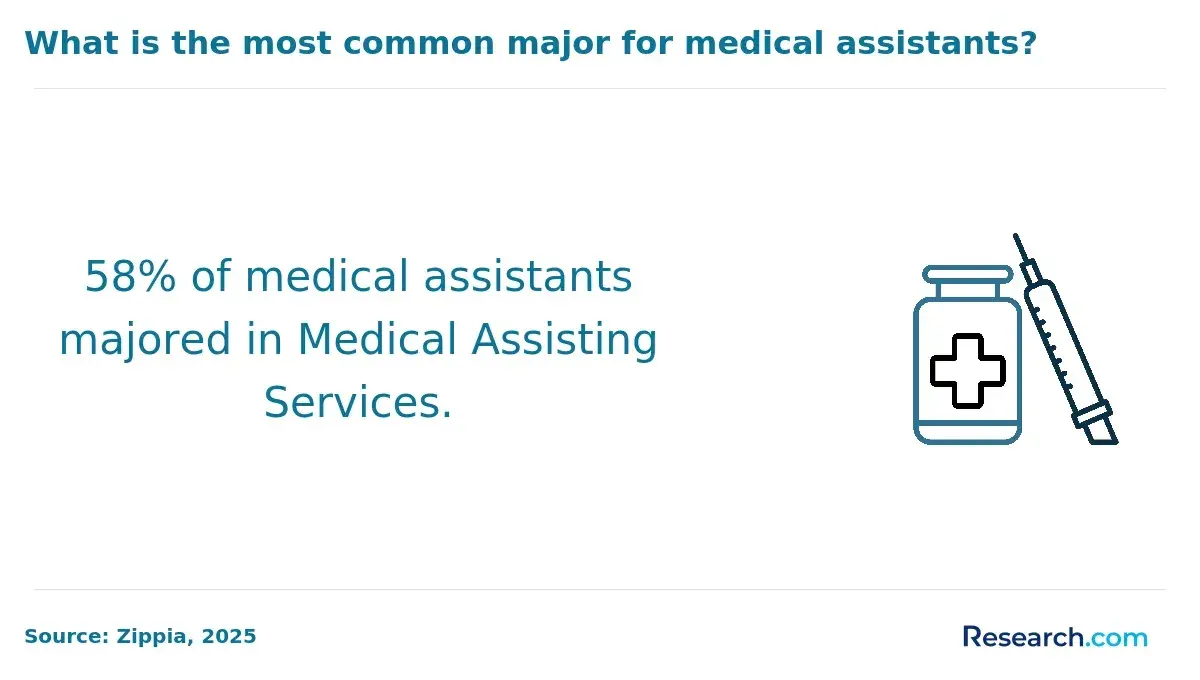
Accreditation serves as a critical benchmark for online medical assistant programs in Michigan, ensuring that these educational offerings meet high standards of quality and relevance. Choosing an accredited program gives students confidence that their training aligns with industry expectations and prepares them adequately for professional certification and employment. Without accreditation, graduates may face challenges in obtaining recognized credentials and gaining employment in competitive healthcare environments.
The Commission on Accreditation of Allied Health Education Programs (CAAHEP) is the primary accrediting body overseeing most Michigan medical assistant program accreditation, including many online options. CAAHEP evaluates programs based on curriculum rigor, faculty qualifications, and clinical training opportunities, making sure the program delivers comprehensive education covering both theoretical knowledge and practical skills. When programs meet CAAHEP standards, students are better prepared to sit for certification exams like the Certified Medical Assistant (CMA) or Registered Medical Assistant (RMA), which are often preferred or required by employers.
Accreditation directly impacts students’ career pathways by validating the quality of their training to employers and certifying bodies. Graduates from accredited online medical assistant programs in Michigan typically enjoy improved employability and greater access to specialized roles in healthcare settings. Furthermore, these programs often incorporate current healthcare practices and emerging technologies, helping students stay ahead in a rapidly evolving field. For those interested in expanding their knowledge beyond basic healthcare tasks, it might be helpful to explore related areas such as an introduction to medical billing and coding, often integrated into broader medical assistant training to enhance job prospects.
How do you get certified as a medical assistant in Michigan online?
Certification confirms that a medical assistant has met national standards, increasing job opportunities and trust from employers and patients. Online education streamlines this process, offering flexible learning options combined with essential hands-on experience.
- Complete an Accredited Online or Hybrid Training Program: Enroll in a program accredited by ABHES or CAAHEP, often available through Michigan community colleges or private institutions. These programs cover medical office skills, anatomy, and pharmacology with a blend of virtual coursework and in-person labs.
- Fulfill In-Person Clinical Requirements: Even with online learning, real-world experience remains vital. Students must complete supervised clinical hours in healthcare settings to develop patient care and technical skills needed for certification.
- Prepare for and Take the Certification Exam: Candidates can choose between the CMA exam from AAMA or the RMA exam from AMT, both nationally recognized credentials. Exam eligibility involves completing education and clinical hours, with application and scheduling available online.
- Apply for Certification Online: Online platforms allow for streamlined exam registration and scheduling at test centers throughout Michigan, speeding up the certification timeline for candidates.
- Maintain Certification Through Continuing Education: Certified medical assistants keep their credentials active by completing ongoing education, often accessible via online courses that reflect evolving healthcare standards.
As technology advances, online education and virtual simulations may further reduce the need for in-person requirements while maintaining rigorous standards. This evolving model supports broader access to certification, helping meet Michigan’s growing healthcare workforce demands without compromising quality.
How long does it take to become a medical assistant in Michigan?
The timeline for becoming a medical assistant in Michigan is influenced by several key factors, including the length of the educational program, certification requirements, and clinical training components. Certificate or diploma programs typically last between 9 and 12 months, focusing on core clinical and administrative skills needed for entry-level roles. Associate degree programs extend this timeline to about two years, providing a more in-depth education with added coursework in sciences and healthcare terminology. Certification preparation, particularly for the Certified Medical Assistant (CMA) exam, is often integrated into these programs but can also require additional study after completing formal education. The availability and format of clinical training—whether completed onsite or via hybrid models—also play a significant role in shaping how quickly a student progresses toward workforce readiness.
Most students complete their medical assistant training within one to two years, with certificate paths generally being the fastest route. Accelerated or online programs can shorten this period for highly motivated learners, while part-time or day-release formats might extend it. Factors such as program rigor, personal commitments, and access to clinical placement opportunities also impact individual timelines. Efficient navigation of CMA exam requirements can further speed up employment prospects.
A Michigan medical assistant, who graduated from a local online program, shared insights that reflect these dynamics: “Balancing work and study was challenging, but the online flexibility helped me finish the certificate in just under a year.” He recalled feeling both anxious and excited about the certification exam but emphasized how essential it was in validating his skills. His experience highlights how modern online offerings are reshaping timelines while maintaining necessary training quality.
How much does it cost to complete a medical assistant program in Michigan online?
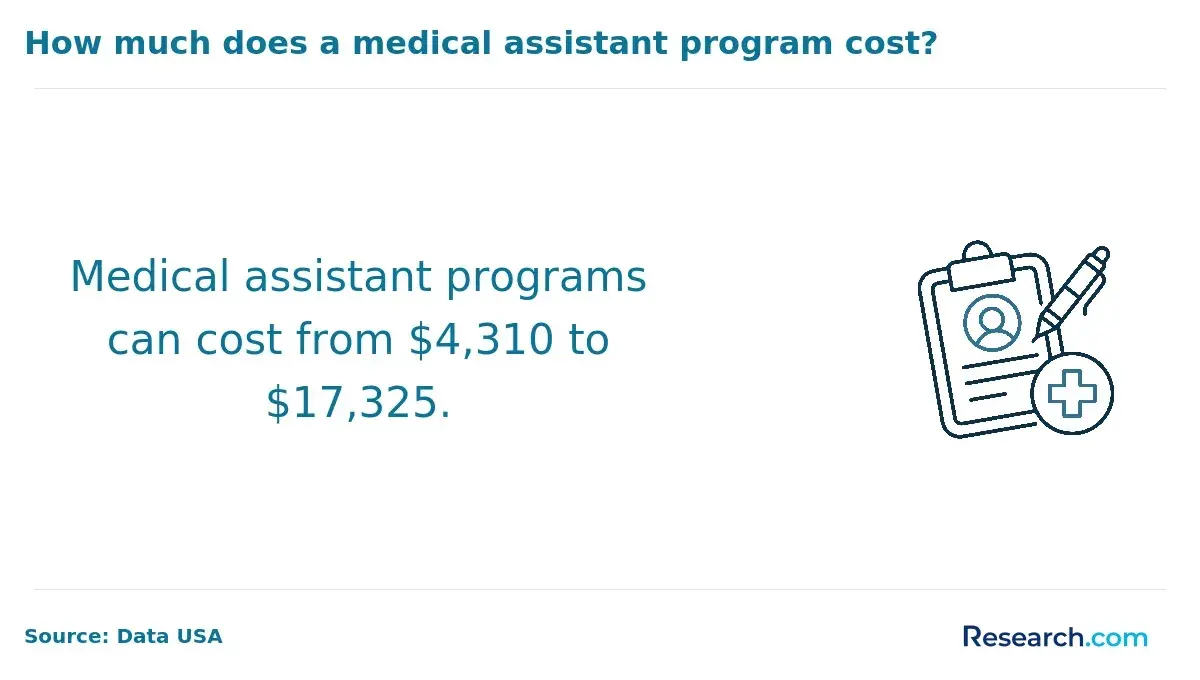
The cost to complete a medical assistant program online in Michigan varies widely due to differences in program type, school, and included services. Tuition may be listed as a flat fee, per credit hour, or monthly payments, while other fees and materials might be charged separately. Future trends suggest that more bundled pricing models might emerge, simplifying cost structures for students.
- Tuition: This is the largest expense, ranging from around $650 for basic certificate programs to nearly $4,900 for more comprehensive options. Some schools offer monthly payment plans or charge per credit, influencing the total cost depending on program length and components included.
- Registration and Application Fees: Typically between $29 and $450, these fees may be one-time charges added at enrollment and are sometimes excluded from the advertised tuition, making upfront budgeting essential.
- Textbooks and Supplies: Required materials like textbooks, study guides, uniforms, and basic clinical equipment often add hundreds of dollars. Bundled packages up to $399 can provide convenience but add to the overall expense.
- Technology Fees: As online learning platforms evolve, technology fees may become more standardized or integrated into tuition, covering digital tools and support.
- Lab and Clinical Fees: Programs with hands-on components may charge additional fees, typically around $99, to cover facility use and supplies for in-person training.
- Certification Exam Preparation and Fees: Taking the Certified Clinical Medical Assistant exam costs between $155 and $259, with some programs including prep materials or exam fees to better prepare and support students.
Having a clear grasp of these costs helps students realistically plan their educational journey and anticipate potential additional expenses. Transparency in program pricing and what is included or extra is likely to improve, aiding future students in making informed decisions without unexpected financial surprises.
Can you get financial aid for online medical assistant training in Michigan?
Financial aid can play a crucial role in making online medical assistant training more affordable and accessible to Michigan students. Various funding options help reduce up-front costs, allowing more people to pursue certification without excessive debt. As the landscape evolves, the availability and variety of aid programs may continue to expand to support a diverse student population.
- Federal Grants and Loans: These are typically available for accredited programs eligible for Title IV funding, but many short-term certificate courses might not qualify, limiting access to traditional federal aid.
- Institutional Scholarships: Numerous online programs offer scholarships based on merit or need, easing financial burdens for qualified students.
- Flexible Payment Plans: Payment options that break tuition into manageable installments help students tackle costs without heavy reliance on loans.
- Employer Tuition Assistance: Healthcare employers sometimes provide tuition reimbursement for employees advancing their skills, benefiting working students.
A medical assistant from Michigan, who completed her training through a local online program, shared how navigating financial aid was both challenging and rewarding. Though federal aid wasn’t fully accessible, she found institutional scholarships and a flexible payment plan invaluable to managing costs. She recalled, “Knowing that I could pay in smaller chunks kept me motivated to finish without the stress of looming debt.” Her story highlights how combining multiple financial aid options can create a viable path to certification even when some traditional funding routes are unavailable.
Can a Medical Assistant Transition to an Occupational Therapy Role in Michigan?
While medical assistant programs emphasize clinical and administrative competencies, many professionals explore further specialization to enhance their career trajectory. Transitioning into roles such as occupational therapy requires targeted bridging courses and clinical training that build on existing hands-on experience. Candidates considering this path must evaluate additional prerequisites, certification requirements, and tailored clinical experiences specific to advanced healthcare roles. For detailed guidance on pathway requirements and steps, please review how to become an occupational therapist in Michigan.
What is the average salary for medical assistants in Michigan?
Medical assistant salaries in Michigan vary widely based on factors such as location, level of experience, and the type of healthcare facility. While completing an online medical assistant program typically does not directly increase starting salaries, accredited training that prepares candidates for national certification exams remains crucial. Employers prioritize certification, relevant skills, and work experience over training format when determining wages.
- Entry-Level Pay: New medical assistants in Michigan generally earn between $14.86 and $16.00 per hour, equating to approximately $30,900 to $33,500 annually, reflecting typical rates for those starting in the profession.
- Median Salary: The average annual salary hovers around $36,058, with median hourly wages near $17.34, and metropolitan areas like Detroit and Ann Arbor often see salaries ranging between $33,000 and $37,000.
- Experienced Medical Assistant Wages: With experience and advanced certifications, salaries rise to between $39,700 and over $53,000 annually, especially within large hospital systems and specialty clinics.
- Differences Across Healthcare Settings: Hospitals tend to offer the highest wages and benefits, private practices fall in the mid-range, and outpatient clinics may pay less but offer regular hours. Urban areas generally show higher salaries compared to rural regions.
Understanding these salary trends helps aspiring medical assistants in Michigan strategically plan their education and certification pursuits, positioning themselves to maximize earning potential amid evolving healthcare workforce demands.
Are online-trained medical assistants hired as often as campus-trained ones in Michigan?
Employers in Michigan often weigh online and campus-based training for medical assistants differently, especially when considering hands-on clinical skills. While campus-trained students usually benefit from direct clinical experience, online programs are increasingly integrating virtual labs and internships to bridge this gap.
- Clinical Training Requirements: Strong clinical training remains a cornerstone for hiring decisions. Both online and campus programs must include practical labs and externships. Notably, some online programs provide rigorous hands-on labs and clinical internships designed to equip students with essential skills.
- Employer Preferences: Although some Michigan employers traditionally favor campus-trained graduates due to perceived superior clinical exposure, this is evolving. More healthcare providers now recognize the quality of online education, especially as blended learning models grow in popularity and effectiveness.
- Job Readiness: The ability to adapt quickly to workplace demands is critical. Well-structured online medical assistant programs can prepare graduates effectively, often emphasizing certification exam success rates, making them competitive candidates for immediate employment.
- Regional Workforce Needs: Michigan’s healthcare sector actively seeks skilled medical assistants who can fulfill local demands. Therefore, medical assistant job opportunities in Michigan for online graduates continue to expand, provided candidates demonstrate strong clinical skills and adaptability.
As Michigan employers hiring online medical assistant program graduates become more common, prospective students should consider quality training options that include clinical experience, certification preparation, and adaptability. For those exploring affordable routes, the cheapest medical billing and coding online courses can be a related pathway to entering the healthcare field.
Do online medical assistant programs in Michigan lead to advanced healthcare careers?
Medical assisting often serves as a strategic entry point into the healthcare sector, providing essential clinical and administrative experience. Online medical assistant programs in Michigan for career advancement offer flexibility that fits the diverse schedules of students, enabling them to gain foundational skills while balancing other commitments. This adaptable learning approach also supports career growth beyond initial employment, unlocking a variety of advanced roles.
- Nursing (LPN or RN): Many medical assistants transition to nursing careers, becoming Licensed Practical Nurses or Registered Nurses. Credits earned may apply toward nursing prerequisites, and hands-on experience strengthens applications for competitive programs.
- Healthcare Administration and Management: For those interested in non-clinical roles, experience as a medical assistant provides valuable insight into healthcare operations, aiding advancement into management positions such as office manager or billing supervisor.
- Specialized Medical Assisting: Additional certifications in areas like phlebotomy or EKG technology can lead to higher pay and job security. Specialized credentials differentiate candidates in a competitive job market.
- Advanced Certifications (e.g., Certified Clinical Medical Assistant, CMAA): Earning advanced certificates expands practice scope and eligibility for supervisory roles, responding to employer demand for certified medical assistants across Michigan.
- Allied Health Professions (e.g., Respiratory Therapy, Radiology Tech): Many institutions offer bridge programs enabling medical assistants to pursue careers in allied health fields, enhancing their professional options.
- Health Information Technology: Administrative and data management skills gained can translate to careers in health IT, where demand is growing rapidly due to increased use of electronic health records.
Programs such as top rated online medical coding training programs provide complementary skills that align with these pathways from Michigan medical assistant programs to healthcare careers, enhancing employability in this evolving industry.
What Do Medical Assistants in Michigan Say About Their Career
- Completing my medical assistant program online at Lakeshore Health Academy was a game changer. Balancing my family life in Michigan's Upper Peninsula with coursework was challenging, but the flexible schedule allowed me to finish at my own pace. Now, working in a local school clinic, I find joy in supporting students’ health and know I’m making a real difference in their daily lives. The program prepared me well for this role, and I feel confident about my career path ahead. Kyle
- Starting my career as a medical assistant in a Michigan school brought me face-to-face with the unique health challenges faced by our youth, especially with the seasonal fluxes and environmental factors here. The online training through Great Lakes Medical Training Institute gave me the skills I needed without having to relocate or leave my job. I appreciate how this career allows continuous professional growth and creates opportunities to engage deeply with the community, which has been incredibly fulfilling for me personally and professionally. Lalaine
- Pursuing medical assistant training through Metro Michigan College’s online program enabled me to enter the healthcare field swiftly while managing other commitments. The experience broadened my perspective on healthcare’s role in educational settings, particularly in urban Michigan areas where resources can be limited. This career has helped me grow both as a professional and as someone committed to supporting the wellness of young people. It’s rewarding to see how our efforts contribute to a healthier community. Ronnie
Related Articles for Nearby States
- 2027 How to Become a Medical Assistant in Ohio Online
- 2027 How to Become a Medical Assistant in Indiana Online
- 2027 How to Become a Medical Assistant in Wisconsin Online
- 2027 How to Become a Medical Assistant in Illinois Online
- 2027 How to Become a Medical Assistant in Minnesota Online
- 2027 How to Become a Medical Assistant in Pennsylvania Online
- 2027 How to Become a Medical Assistant in Kentucky Online
- 2027 How to Become a Medical Assistant in West Virginia Online
- 2027 How to Become a Medical Assistant in Iowa Online
- 2027 How to Become a Medical Assistant in Missouri Online
References:
- Salary Guide for Medical Assistants in Michigan https://www.allalliedhealthschools.com/medical-assisting/medical-assistant-salary/michigan/
- Medical Assistant Salary in Michigan | Medical Assisting Salary in MI https://www.medassistantedu.org/michigan/michigan-salary/
- Average Medical Assistant Salary in Michigan (Hourly and Annually) https://www.stepful.com/medical-assistant-salaries/michigan
- Michigan Online Medical Assistant Certificate Program | Self-Paced Course https://www.uscareerinstitute.edu/online-medical-assistant-school/michigan
- Michigan Online Medical Assistant Programs: Compare Schools in MI https://www.edumed.org/online-schools/medical-assistant-programs/michigan-mi/
- Online Medical Assisting Programs for Michigan Residents https://www.herzing.edu/healthcare/medical-assisting/michigan
- How To Get Your Medical Assistant Certificate Online | NurseJournal.org https://nursejournal.org/healthcare/medical-assistant/can-you-get-your-medical-assistant-certificate-online/
- MyMichigan Offering Medical Assistant Program in Partnership With Mid Michigan College | MyMichigan Health | MyMichigan Health https://www.mymichigan.org/about/news/2023/mymichigan-offering-medical-assistant/
- The Top Online Medical Assistant Programs for 2025 https://nurse.org/healthcare/medical-assistant-programs/
- Medical Assistant – Michigan Healthcare Academy https://mihealthcareacademy.com/courses/medical-assistant/
Other Things You Should Know About Becoming a Medical Assistant Online in Michigan
In 2027, most online medical assistant programs in Michigan do not have age restrictions for enrollment. Prospective students should focus on meeting educational prerequisites, such as a high school diploma or equivalent, rather than worrying about age limitations.
Online medical assistant programs in Michigan typically cover skills such as patient care, medical terminology, phlebotomy, and basic lab procedures. Most programs still require in-person clinical practice to ensure competency in real-world healthcare settings, vital for successful certification and employment.


