2027 Steps to Become a Registered Dietitian in Nevada

Co-Founder and Chief Data Scientist
Nevada’s healthcare and wellness sectors are experiencing steady growth, with registered dietitians and nutritionists playing a crucial role in supporting public health. In 2025, the state employed a significant number of these professionals, reflecting increasing demand for expertise in clinical care, community programs, and food service management. This trend highlights opportunities for aspiring dietitians to make a meaningful impact on the health and nutrition of Nevada’s diverse communities.
In this article, I will discuss the essential steps to becoming a registered dietitian in Nevada, covering educational requirements, supervised practice, licensure, and exam preparation. I will also guide aspiring dietitians on navigating this career path and understanding the professional and financial rewards of the field.
Key Things to Know About Becoming a Registered Dietitian in Nevada
- In Nevada, you must complete a Didactic Program in Dietetics accredited by the Accreditation Council for Education in Nutrition and Dietetics (ACEND), ensuring eligibility for the national registration exam.
- Finish a supervised Dietetic Internship with at least 1,200 hours, a requirement for Nevada licensure and registration.
- Dietitians in Nevada earn an average salary of $77,392, reflecting strong career potential in the healthcare and wellness sectors.
- What degree is required to become a registered dietitian in Nevada?
- How many supervised practice hours are needed to become a registered dietitian in Nevada?
- What are the eligibility requirements for the dietetic registration exam in Nevada?
- How can you get a license after passing the dietetic registration exam in Nevada?
- What types of dietitian specializations can you pursue in Nevada?
- What is the average salary of a registered dietitian in Nevada?
- Should I pursue dual credentials as both a registered dietitian and a nutritionist in Nevada?
- Can registered dietitians diversify into related healthcare roles in Nevada?
- What do you need to keep your dietitian registration active in Nevada?
- How long does it take to become a registered dietitian in Nevada?
- Can international students qualify to become registered dietitians in Nevada?
- What career paths can registered dietitians pursue in Nevada?
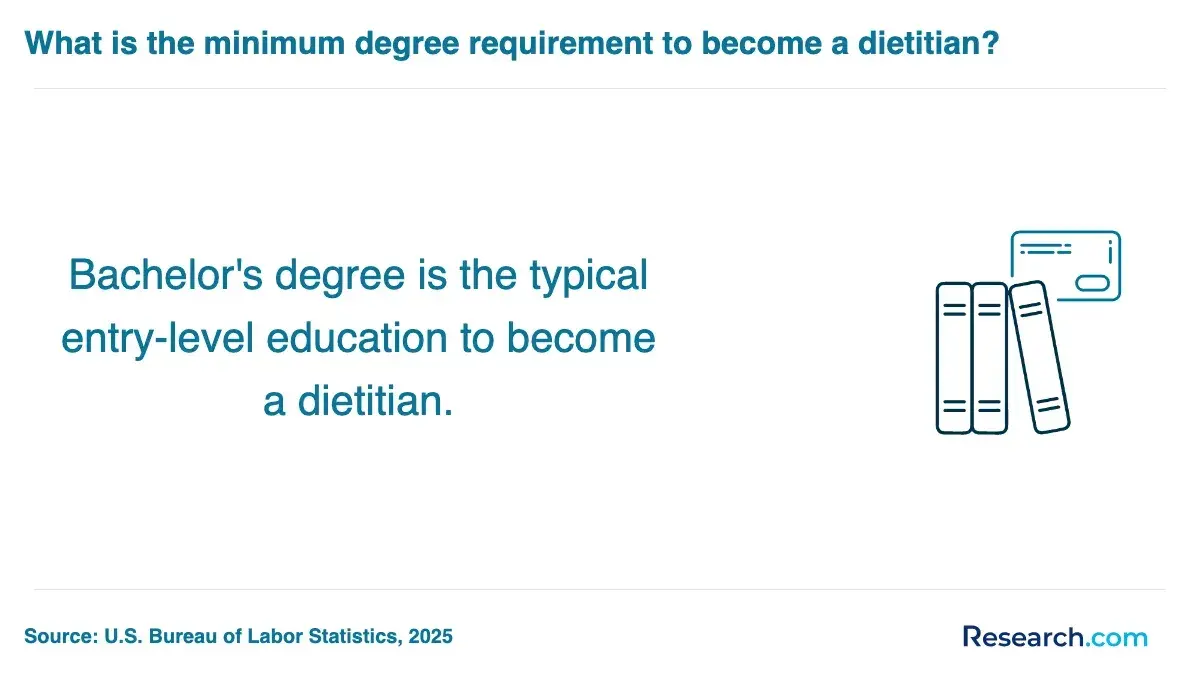
What degree is required to become a registered dietitian in Nevada?
To meet registered dietitian degree requirements in Nevada, candidates must pursue specific educational paths recognized by the state. These programs ensure graduates have the necessary knowledge and skills for professional practice.
- Bachelor’s Degree in Nutrition or Related Field: This foundational degree must come from an ACEND accredited nutrition programs Nevada and includes coursework in food science, biology, and dietetics principles.
- Didactic Program in Dietetics (DPD): Completion of an ACEND-accredited DPD is mandatory to qualify for supervised practice and the national registration exam.
- Supervised Practice Program: After academic coursework, candidates must complete an accredited dietetic internship or supervised practice totaling at least 1,200 hours.
- Master’s Degree (Optional but Increasingly Required): Many candidates pursue a master’s degree to meet evolving credentialing standards and enhance career prospects.
For guidance on selecting reputable programs, reviewing the ranking of the best online nutrition certifications can help identify quality options that satisfy Nevada’s academic criteria.
How many supervised practice hours are needed to become a registered dietitian in Nevada?
To become a registered dietitian in Nevada, candidates must complete between 1,000 and 1,040 supervised practice hours. These hours must be obtained through an ACEND-accredited program, meeting both national and state requirements.
Below are important details and considerations regarding these supervised practice hours.
- ACEND-Accredited Program: All supervised practice hours must come from an ACEND-accredited program to ensure quality training and eligibility for the registration exam.
- Program-Specific Hours: The University of Nevada, Las Vegas (UNLV) Dietetic Internship requires a minimum of 1,040 hours, slightly above the national ACEND minimum, with some specialty tracks adding 120 more hours.
- State Consistency: Nevada aligns with national standards and does not impose additional hour requirements beyond ACEND’s.
- Completion Timeline: Most programs expect completion within 26 weeks full-time, though part-time options may be arranged before admission.
- Licensure and Credentialing: Completing supervised practice hours, earning a graduate degree, and passing the national registration exam are jointly required for state licensure and RDN credentialing.
- Documentation: Interns must keep a detailed learning portfolio recording their hours and competencies, which is reviewed before a verification statement is issued for exam eligibility.
What are the eligibility requirements for the dietetic registration exam in Nevada?
To become a registered dietitian in Nevada, candidates must meet specific eligibility requirements for the dietetic registration exam. These requirements ensure that applicants have the appropriate education and credentials before pursuing licensure.
- Graduate Degree Requirement: Candidates must hold at least a graduate degree (master’s or higher) from a U.S. Department of Education-recognized accredited institution or its foreign equivalent; this rule took effect on January 1, 2024.
- ACEND-Accredited Coursework: Completion of required nutrition and dietetics courses through an ACEND-accredited program, such as a Didactic Program in Dietetics (DPD), Coordinated Program (CP), or Graduate Program (GP), is mandatory.
- Program Director Verification: After fulfilling academic and supervised practice requirements, the program director must submit verification of program completion to the Commission on Dietetic Registration (CDR) to establish exam eligibility.
- National Exam Registration: Candidates must register for and pass the Commission on Dietetic Registration National Registration Examination for Dietitians, which standardizes eligibility and content nationwide.
- Nevada Licensure Pathway: Passing the CDR exam and earning the Registered Dietitian Nutritionist (RDN) credential is essential for state licensure; Nevada does not require additional coursework, credentials, or a state-specific exam.
- Licensure Application Requirements: Applicants must submit a completed application to the Nevada Board of Dietitians, including proof of RDN status, personal identification, disciplinary disclosures, and compliance with state reporting laws.
For those exploring nutrition career options, understanding these eligibility requirements for dietitian exam in Nevada is a key step. Focusing on accredited education and meeting the outlined criteria ensures a smooth path toward becoming a licensed dietitian in the state.
The chart below from Zippia shows the registered dietitian gender pay gap.
How can you get a license after passing the dietetic registration exam in Nevada?
After passing the dietetic registration exam, it’s important to carefully follow Nevada’s licensure process to practice legally and professionally. Completing each required step accurately helps avoid delays or issues with your application.
The following key actions will guide you in securing your Nevada dietitian license efficiently and confidently.
- Submit Application: Complete the official Nevada Board of Dietitians application with accurate personal and professional details to establish eligibility.
- Provide RDN Proof: Supply valid documentation verifying your Registered Dietitian Nutritionist status in good standing with the Commission on Dietetic Registration.
- Pay Application Fee: Include the non-refundable fee with your application, checking the Board’s current amount to avoid delays.
- Fingerprint Submission: Undergo a required criminal background check by submitting fingerprints as part of the licensing process.
- Board Review: Wait for the Nevada Board of Dietitians to verify credentials and approve your application for licensure.
- License Renewal: Maintain your license by complying with renewal requirements, including fees and state-mandated continuing education.
When I spoke with a registered dietitian from Nevada who graduated locally, she reflected on the licensing journey as both straightforward and demanding. “The process felt rigorous but fair,” she shared, noting that the absence of additional state exams after passing the national registration simplified her path.
However, she emphasized that reciprocity with other states was limited, which meant that if she had moved, she might have had to navigate another state’s specific requirements. “Being licensed here gave me a solid foundation, especially knowing my education met Nevada’s master’s degree requirement,” she said. The experience highlighted the value of understanding state-specific nuances early on, reassuring future dietitians that thorough preparation and timely submission of all documents were key to a smooth approval.
What types of dietitian specializations can you pursue in Nevada?
Dietitians in Nevada have the opportunity to specialize in various fields that align with their professional interests and the needs of different populations. These specializations enable practitioners to work in diverse environments, from clinical settings to community programs and research institutions. Below are key dietitian specializations available in Nevada, each offering unique career pathways:
- Clinical Dietitian: Provides medical nutrition therapy in healthcare facilities, managing nutrition for patients with chronic illnesses.
- Community Dietitian: Develops nutrition programs focused on wellness, disease prevention, and food security in public health settings.
- Food Service Management Dietitian: Oversees large-scale meal planning and ensures food safety and regulatory compliance in institutions.
- Research Dietitian: Conducts nutrition and health studies to advance scientific knowledge and influence policy.
- Pediatric Dietitian: Specializes in nutrition for infants, children, and adolescents, addressing growth and dietary concerns.
- Sports Dietitian: Provides nutrition strategies to enhance athletic performance and recovery for active individuals.
- Geriatric Dietitian: Focuses on the nutritional needs of older adults, managing age-related health conditions.
- Private Practice/Consulting Dietitian: Offers personalized nutrition counseling and wellness coaching, often with flexible scheduling.
- Academic/Teaching Dietitian: Educates future dietitians, mentors students, and contributes to curriculum and research in dietetics.
What is the average salary of a registered dietitian in Nevada?
The average annual pay for a Dietitian in Nevada is $77,392, which translates to roughly $37.21 per hour, $1,488 per week, or $6,449 per month. Salaries in the state vary widely, with ZipRecruiter reporting ranges from $37,677 to $113,032, and most dietitians earn between $61,600 (25th percentile) and $90,100 (75th percentile).
- Location: Urban centers like Nevada offer top-earning dietitians a salary of $101,830 annually.
- Experience: Entry-level dietitians earn less, while those with advanced credentials or years of practice command higher wages.
- Demand and Shortages: Areas with healthcare professional shortages or high chronic disease rates offer increased salaries to attract qualified dietitians.
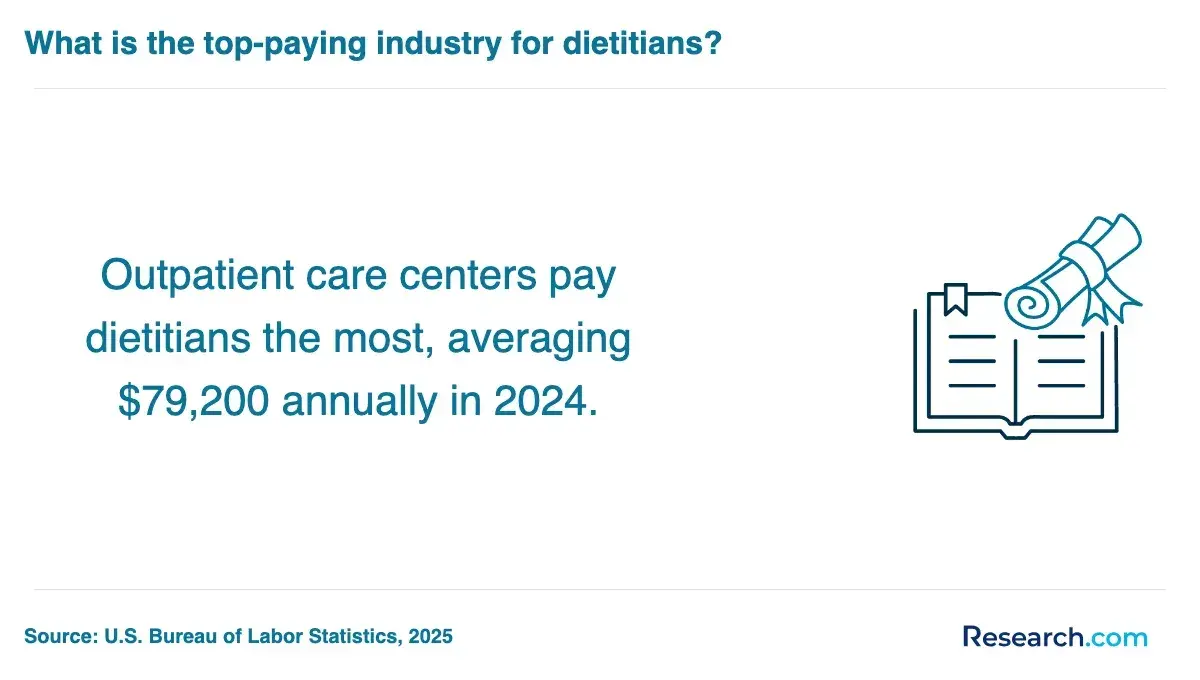
- Work Setting: Dietitians in hospitals or specialized clinics generally receive better compensation than those in schools or community programs, with outpatient care centers ranking among the top-paying industries for registered dietitians.
Should I pursue dual credentials as both a registered dietitian and a nutritionist in Nevada?
Exploring dual credentials can expand your professional scope and foster innovative approaches in patient care and community nutrition initiatives. By combining the comprehensive training of a registered dietitian with the broader wellness perspective of a nutritionist, you may access niche markets and interdisciplinary roles. This strategy should be considered if your career goals include diversifying service offerings and enhancing market competitiveness. For guidance on the additional pathway, refer to how to become a nutritionist in Nevada.
Can registered dietitians diversify into related healthcare roles in Nevada?
Registered dietitians looking to broaden their career horizons might consider integrating allied health roles that complement their expertise. Expanding into areas such as clinical support can enhance professional flexibility and open doors to interdisciplinary collaboration. In certain cases, gaining additional credentials can provide a competitive edge in dynamic healthcare environments, leading to opportunities that extend beyond traditional nutrition practice. For instance, exploring the pathway outlined in our guide on how to become a medical assistant in Nevada may serve as a strategic step towards a diversified career portfolio.
What do you need to keep your dietitian registration active in Nevada?
Maintaining active dietitian registration in Nevada is essential to legally provide nutrition services and uphold professional standards. Staying current with state and national requirements ensures ongoing competence and compliance with legal obligations.
- License Renewal: Annual renewal through Nevada’s Online Licensing System is mandatory to keep your license valid.
- Renewal Fees: Pay the $200 annual fee on time to avoid lapses in registration.
- Continuing Education: Complete at least 75 hours of approved education every five years to maintain Commission on Dietetic Registration (CDR) status.
- Background Compliance: Maintain a clear criminal record and report any legal changes promptly to the board.
- Business License: If operating privately, renew your state business license annually via SilverFlume Nevada.
I spoke with a registered dietitian from Nevada, a graduate of a local institution, about maintaining active registration. He shared that navigating the annual renewals and continuing education can be demanding but rewarding, especially since Nevada does not have automatic license reciprocity with many states. “It was challenging at first to ensure all my credits aligned with Nevada’s requirements,” he said, “but having graduated here helped me understand the system better and made compliance smoother.”
He emphasized the advantage of local schooling in grasping state-specific policies, which eased the process compared to peers transferring from out-of-state. Overall, he views maintaining registration as an ongoing commitment that reinforces his professional growth and dedication to ethical practice.
How long does it take to become a registered dietitian in Nevada?
Becoming a registered dietitian in Nevada typically takes about six to seven years from starting college to earning the credential. This timeline includes completing a bachelor’s degree, followed by a graduate degree, which has been required since 2024. After academics, candidates must complete a supervised practice program and pass the national registration exam.
The Nevada registered dietitian education and training timeline can vary depending on factors like participation in accelerated degree programs or full-time internships. Those who transfer credits or focus on completing internship hours full-time may shorten the process. Conversely, working while studying or needing prerequisite courses can extend the timeline.
For students seeking affordable education options, exploring a ranking of cheapest nutrition and dietetics online degree programs can be a strategic first step. Careful planning and choosing the right program can help manage both time and costs on the path to becoming a registered dietitian in Nevada.
Can international students qualify to become registered dietitians in Nevada?
International students can become registered dietitians in Nevada by fulfilling the same core educational and credentialing standards as U.S. students, with additional steps related to their international status. Meeting these requirements allows them to pursue licensure and professional opportunities in the state.
- Foreign Degree Evaluation: Credentials earned outside the U.S. must be evaluated for equivalency to meet Accreditation Council for Education in Nutrition and Dietetics (ACEND) standards, ensuring foreign coursework aligns with U.S. requirements.
- Admission to ACEND-Accredited Programs: International students must enroll in and complete coursework and supervised practice within ACEND-accredited U.S. programs to qualify for the Registered Dietitian Nutritionist (RDN) exam.
- Verification Statement Requirement: After finishing an ACEND-accredited Didactic Program in Dietetics (DPD), obtaining a DPD Verification Statement is necessary to enter supervised practice and be eligible for the RDN exam.
- Visa and Work Authorization: Appropriate visas, typically F-1, are required to study and engage in supervised practice, with work authorization like Optional Practical Training (OPT) often needed for internships or employment.
- English Language Proficiency: Proof of English skills, such as TOEFL or IELTS scores, is generally required to handle coursework and clinical communication effectively.
- Credentialing Exam Eligibility: Completion of U.S. educational and supervised practice requirements enables international graduates to take the national Registered Dietitian (RD) exam administered by the Commission on Dietetic Registration (CDR).
The route for international students involves careful planning, but Nevada’s demand for qualified dietitians offers strong career prospects. For those interested in flexible study options, exploring masters in nutrition and dietetics online can provide strategies in managing advanced education alongside professional commitments.
What career paths can registered dietitians pursue in Nevada?
Registered dietitians in Nevada have diverse career opportunities that offer growth and competitive salaries across various settings. Exploring these roles can help you find the best fit for your skills and interests.
- Clinical Dietitian: Providing nutritional care in hospitals and long-term care centers, these professionals earn around $73,930 on average, with experienced specialists reaching $95,800. Clinical dietitian jobs in Nevada remain among the most in-demand positions.
- Community Nutritionist: Working with public health agencies and non-profits, these dietitians focus on preventive programs, enjoying a strong job outlook and salaries near the state average.
- Food Service Management Dietitian: Overseeing nutrition and safety in schools and hospitals, this role offers steady demand and competitive pay comparable to other dietitian positions.
- Private Practice Dietitian: Offering personalized counseling and consulting, these dietitians benefit from flexible schedules and potential high earnings based on experience.
- Sports Nutritionist: Supporting athletes in various settings, this niche benefits from the growing wellness industry, with salaries similar to other dietitian roles.
- Corporate Wellness Dietitian: Designing employee health programs in businesses, these dietitians find expanding opportunities and competitive pay in urban centers.
- Research Dietitian: Conducting nutrition studies in academic or private sectors, this path offers higher income potential for those with advanced degrees.
- School Nutrition Specialist: Managing student meal programs in educational settings, these dietitians maintain stable demand and average state salaries.
- Long-Term Care Dietitian: Specializing in elderly nutrition, this growing field offers increasing job opportunities and pay reflecting experience.
For those considering advanced education to enhance these career opportunities for registered dietitians in Nevada, exploring cheap online masters degrees in nutrition can be a practical step forward.
What do registered dietitians in Nevada say about their careers?
- Completing my dietetics program at the University of Nevada, Reno gave me a solid foundation in nutritional science while connecting me deeply with the local community. Starting my career as a registered dietitian in a local school has been incredibly fulfilling because I get to see firsthand how proper nutrition influences student energy and focus. Nevada’s unique blend of urban and rural populations offers diverse challenges, which keeps my work engaging and impactful. I love knowing that my efforts contribute to healthier futures for young people in the state. The job stability here is an added bonus that lets me focus on what I’m passionate about. - Kim
- After graduating from Nevada State College, I began my career working in a local school where I could directly support children's health and wellness. The professional development opportunities in Nevada are impressive, allowing me to expand my expertise and eventually take on leadership roles within school nutrition programs. I’ve grown not only as a dietitian but also as a community advocate, tailoring programs to fit the cultural diversity and dietary preferences of Nevada’s population. It’s rewarding to see how our work positively shapes healthy habits among students from various backgrounds. - Lia
- Training at the College of Southern Nevada prepared me for the unique challenges of promoting nutrition in a state with such varied resources and environments. Working as a registered dietitian in a local school has helped me develop creative strategies to address food insecurity and promote wellness in both urban and rural settings. The role demands adaptability and cultural sensitivity, which has profoundly influenced my personal growth. I am proud to contribute to the well-being of Nevada’s youth and appreciate the ongoing opportunities for career advancement within the local educational system. - Maya
Related Articles for Nearby States
- 2027 Steps to Become a Registered Dietitian in California
- 2027 Steps to Become a Registered Dietitian in Oregon
- 2027 Steps to Become a Registered Dietitian in Idaho
- 2027 Steps to Become a Registered Dietitian in Arizona
- 2027 Steps to Become a Registered Dietitian in Utah
- 2027 Steps to Become a Registered Dietitian in Washington
- 2027 Steps to Become a Registered Dietitian in Montana
- 2027 Steps to Become a Registered Dietitian in Wyoming
- 2027 Steps to Become a Registered Dietitian in Colorado
- 2027 Steps to Become a Registered Dietitian in New Mexico
References:
- O*NET OnLine (n.d.). Nevada Employment Trends 29-1031.00 - Dietitians and Nutritionists. Retrieved from https://www.onetonline.org/link/localtrends/29-1031.00?st=NV
- US BLS (2025). Occupational Employment and Wages. Dietitians and Nutritionists. Retrieved from https://www.bls.gov/oes/2023/may/oes291031.htm
- Zippia (2025). Registered dietitian demographics and statistics in the US. Retrieved from https://www.zippia.com/registered-dietitian-jobs/demographics/
- ZipRecruiter (2025). Dietitian Salary in Nevada. Retrieved from https://www.ziprecruiter.com/Salaries/Dietitian-Salary--in-Nevada
Other Things You Should Know About Being a Registered Dietitian in Nevada
In 2027, dietetics students in Nevada can explore financial aid options such as federal student loans, grants, and scholarships specific to health and nutrition programs. They can also seek support from organizations like the Academy of Nutrition and Dietetics Foundation or state-specific grants and scholarships offered by local educational institutions.
To become an RD in Nevada in 2027, one must earn a Bachelor’s degree in a program accredited by the Accreditation Council for Education in Nutrition and Dietetics (ACEND), complete a supervised practice dietetic internship, pass the CDR dietitian exam, and obtain state licensure.