
2027 Steps to Become a Registered Dietitian in Oklahoma

Co-Founder and Chief Data Scientist
Many aspiring nutrition professionals struggle to understand the precise steps to become a registered dietitian (RD) in Oklahoma. With obesity rates exceeding 35% in the state, the demand for qualified dietitians continues to grow, offering a stable and impactful career path. Oklahoma’s healthcare sector increasingly values RDs for their role in improving public health, making the profession both meaningful and financially promising.
This article, crafted by career planning experts, outlines clear, actionable steps to achieve RD credentials in Oklahoma. It provides practical guidance on education, supervised practice, and licensure, helping readers navigate the process efficiently and confidently.
Key Things to Know About Becoming a Registered Dietitian in Oklahoma
- Complete a Commission on Dietetic Registration (CDR)-accredited bachelor’s or master’s degree in dietetics or a related field, as Oklahoma requires this for eligibility.
- Finish a supervised dietetic internship consisting of at least 1,200 hours, which is mandatory to sit for the national Registered Dietitian Nutritionist (RDN) exam.
- Pass the CDR exam and apply for licensure through the Oklahoma State Board of Examiners of Dietitians and Nutritionists to legally practice in the state.
- What degree is required to become a registered dietitian in Oklahoma?
- How many supervised practice hours are needed to become a registered dietitian in Oklahoma?
- What are the eligibility requirements for the dietetic registration exam in Oklahoma?
- How can you get a license after passing the dietetic registration exam in Oklahoma?
- What types of dietitian specializations can you pursue in Oklahoma?
- What is the average salary of a registered dietitian in Oklahoma?
- What do you need to keep your dietitian registration active in Oklahoma?
- What emerging trends are shaping registered dietitian roles in Oklahoma?
- What supplemental certifications can boost a registered dietitian's career in Oklahoma?
- How long does it take to become a registered dietitian in Oklahoma?
- Can international students qualify to become registered dietitians in Oklahoma?
- What career paths can registered dietitians pursue in Oklahoma?
What degree is required to become a registered dietitian in Oklahoma?
To become a registered dietitian in Oklahoma, you need to follow a clear educational pathway focused on accredited programs and current credentialing requirements. Below are the essential degrees and certifications to complete.
- Bachelor’s Degree in Dietetics or Nutrition: Earn a bachelor’s degree from a dietetics program in Oklahoma accredited by the Accreditation Council for Education in Nutrition and Dietetics (ACEND) or another accredited institution, typically in dietetics, nutrition, or a related field.
- Didactic Program in Dietetics (DPD) Verification Statement: Complete a DPD program that includes required coursework in dietetics and nutrition sciences, which provides a verification statement necessary to apply for a dietetic internship.
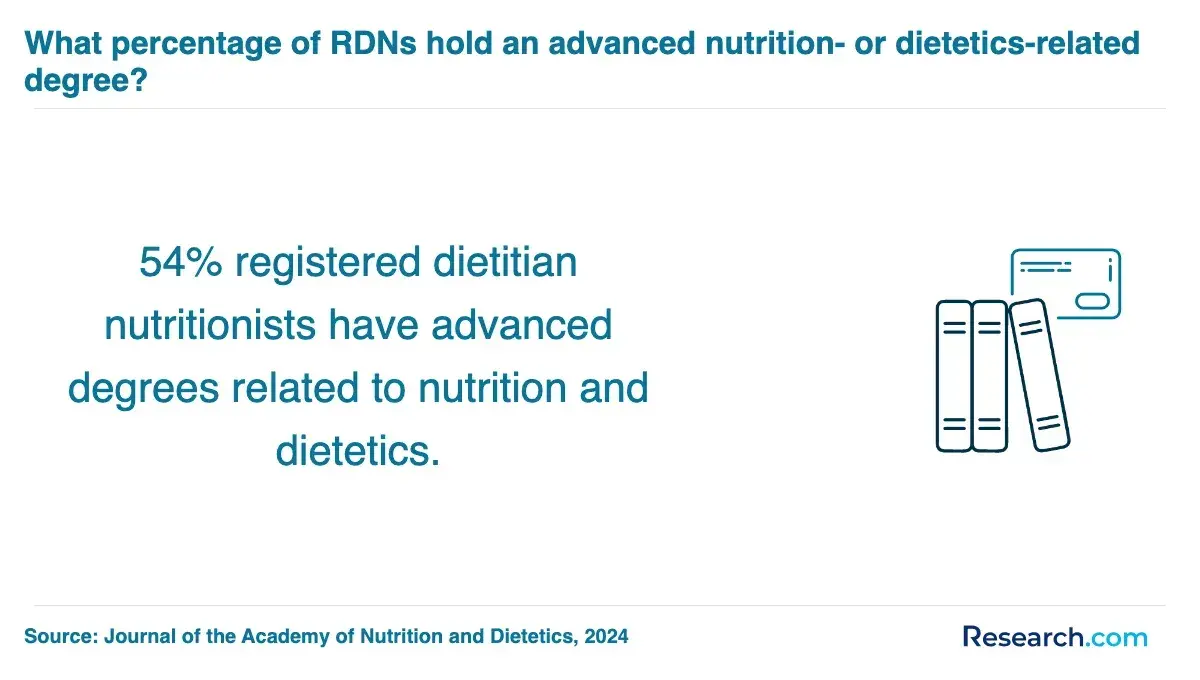
- Master’s Degree (Effective January 1, 2024): A master’s degree in nutrition, dietetics, public health, or a related field is now required to sit for the Registered Dietitian Nutritionist exam, reflecting the master’s degree requirement for registered dietitian in Oklahoma.
- Dietetic Internship or Supervised Practice: Complete at least 1,000 hours of supervised practice in an ACEND-accredited dietetic internship or coordinated program to gain hands-on experience.
- Pass the RDN Exam: Successfully pass the national Registered Dietitian Nutritionist exam administered by the Commission on Dietetic Registration to become credentialed.
For those wondering what are the best careers to pursue with a nutrition masters degree, completing these steps ensures eligibility for licensure and a strong professional foundation in Oklahoma.
How many supervised practice hours are needed to become a registered dietitian in Oklahoma?
To become a registered dietitian in Oklahoma, candidates must complete a minimum of 1,200 supervised practice hours through an ACEND-accredited program, consistent with national standards. This requirement is uniform across the state, with no additional supervised hours mandated by Oklahoma. Below are important considerations about these supervised practice hour requirements and related standards.
- National Hour Requirement: ACEND establishes a national baseline of 1,200 supervised practice hours required for all dietetics students, which Oklahoma programs adhere to without imposing extra state-specific hours.
- Program Variability: Program requirements can vary slightly; for example, some internships may temporarily adjust hours due to exceptional circumstances, but students must still meet ACEND’s minimum to qualify for registration.
- Practice Settings: Supervised practice experiences occur in diverse settings such as hospitals, community agencies, and foodservice organizations to ensure comprehensive hands-on training.
- Verification Process: Completion and verification of supervised practice hours are mandatory before eligibility to sit for the national registration exam, with program directors responsible for documentation.
- Graduate Degree Requirement: Since January 1, 2024, candidates must also hold a master’s degree in addition to completing supervised practice hours to be eligible for the registration exam.
What are the eligibility requirements for the dietetic registration exam in Oklahoma?
To sit for the dietetic registration exam in Oklahoma, candidates must fulfill specific eligibility requirements that combine educational credentials with administrative steps. Meeting these criteria ensures readiness for the Commission on Dietetic Registration (CDR) exam and aligns with state licensure regulations.
Below are the key requirements for eligibility:
- Minimum Educational Qualification: Applicants must hold a master’s degree from a U.S. Department of Education-recognized or foreign equivalent institution; candidates who completed their coursework and eligibility submission by December 31, 2023, may qualify with a bachelor’s degree.
- Required Nutrition Coursework: Completion of an ACEND accredited dietetics program Oklahoma, such as a Didactic Program in Dietetics (DPD), Coordinated Program (CP), or Graduate Program (GP), is mandatory, covering core nutrition, food systems, and dietetics topics.
- Submission of Eligibility by Program Directors: Program directors must submit proof of a candidate’s eligibility through the CDR’s Registration Eligibility Processing System (REPS) before exam registration is permitted.
- Registration and Passage of the National Exam: Applicants must register for and pass the CDR national dietetic registration exam to progress toward state licensure.
- State-Specific Licensure Pathways: Oklahoma requires candidates to apply for state licensure after passing the exam, recognizing various ACEND-accredited pathways; applicants should verify any additional requirements with the Oklahoma Medical Board.
Though supervised practice is a necessary component, it is typically integrated within accredited programs and not detailed here. For those aiming to navigate the eligibility landscape efficiently, understanding these steps and ensuring alignment with both national and state standards is essential. Prospective dietitians can find more detailed guidance on nutrition job requirements at nutrition job requirements.
How can you get a license after passing the dietetic registration exam in Oklahoma?
After passing the dietetic registration exam, here’s a clear path to secure your Licensed Dietitian status in Oklahoma:
- Submit Your Application: Complete the online application on the Oklahoma State Board’s site, providing your personal and educational details.
- Pay the Fee: Send the nonrefundable $120 application fee to initiate processing of your licensure request.
- Prove Exam Success: Include official documentation showing you passed the Commission on Dietetic Registration exam or hold current registration.
- Complete Background Check: Fill out the Extended Background Check Authorization Form online to verify your professional and criminal history.
- Mail Supporting Documents: Print, sign, and mail the required instructions and all supporting paperwork to the Board’s address.
- Wait for Review: Allow time for the Board to verify your materials; incomplete submissions can delay approval.
- Receive Your License: Upon approval, you’ll be authorized to practice independently as a Licensed Dietitian in Oklahoma.
- Renew Annually: Renew your license each year by October 31 with a $100 fee, usually via an online process.
- Maintain National Credentials: Keep your Commission on Dietetic Registration status current by renewing every five years and completing required continuing education.
When I spoke with a registered dietitian from Oklahoma who graduated locally, she reflected on her experience with the licensure process. "The lack of license reciprocity between states made it clear I had to navigate Oklahoma’s specific requirements carefully," she said. Despite the extra steps, she appreciated how the state’s thorough background checks and documentation demands ensured a smooth transition into professional practice.
"It was a bit nerve-wracking waiting for the Board’s review, but having everything organized made a big difference," she added. She found that renewing annually and maintaining her CDR registration helped her stay confident and compliant. Her journey highlights that while the path is detailed, staying proactive and prepared leads to success in becoming a Licensed Dietitian in Oklahoma.
What types of dietitian specializations can you pursue in Oklahoma?
Oklahoma offers a range of dietitian specializations that align with various healthcare and community needs. Choosing a focus area allows you to tailor your skills and better meet the demands of different populations or settings across the state. Here are some common specializations available to dietitians in Oklahoma:
- Clinical Dietitian: Provides medical nutrition therapy in hospitals and clinics, addressing chronic diseases like diabetes and heart conditions.
- Community Dietitian: Develops nutrition programs for public health agencies and schools, tackling issues such as food insecurity and childhood obesity.
- Foodservice Management Dietitian: Manages meal planning and food safety in institutions like hospitals and long-term care facilities.
- Pediatric Dietitian: Focuses on nutritional needs of infants and children, helping manage allergies, growth issues, and eating disorders.
- Geriatric Dietitian: Specializes in nutrition care for older adults in nursing homes or home health settings to address age-related concerns.
- Sports Dietitian: Advises athletes and active individuals on nutrition strategies to improve performance and recovery.
- Renal Dietitian: Provides dietary management for patients with chronic kidney disease or undergoing dialysis treatments.
- Research Dietitian: Engages in nutrition research affiliated with universities or healthcare systems, contributing to evidence-based practice.
- Private Practice/Consulting Dietitian: Offers personalized nutrition counseling and consulting, often focusing on weight management and wellness.
What is the average salary of a registered dietitian in Oklahoma?
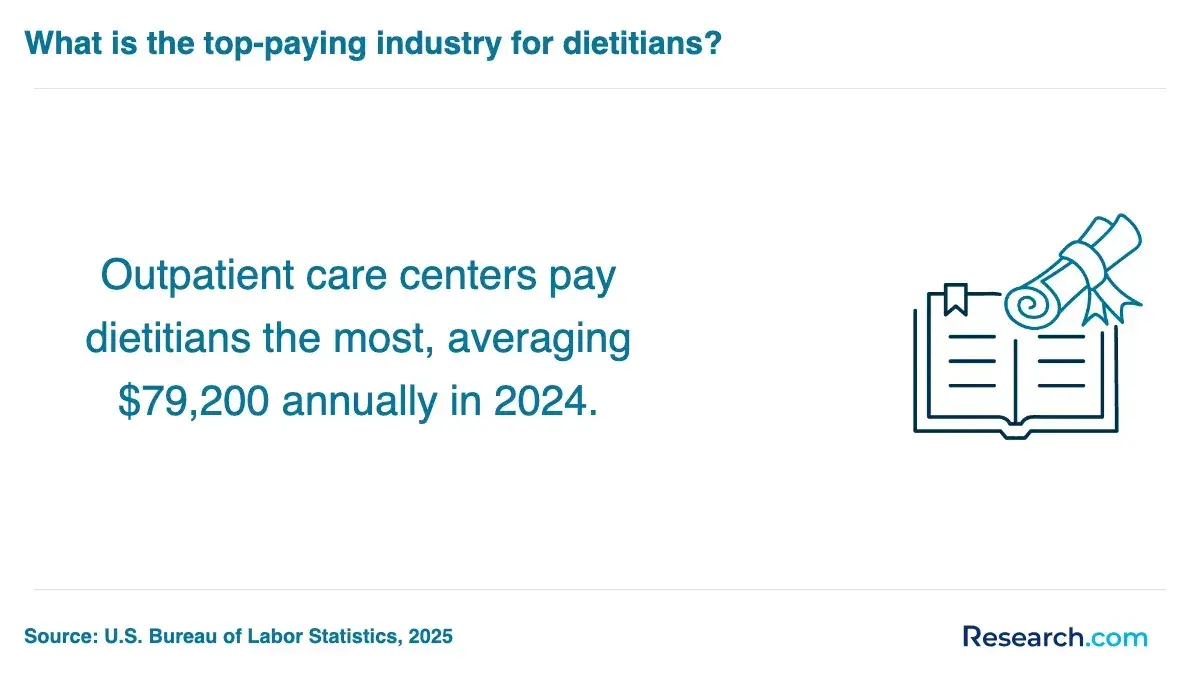
The average salary for a registered dietitian in Oklahoma is approximately $60,560 per year, with an hourly wage around $33.16. This is about 6% lower than the national average, where median salaries typically range from $64,000 to $67,000 annually. Oklahoma ranks 50th nationwide for registered dietitian pay, reflecting regional economic factors and demand.
- Location: Urban centers like Oklahoma City and Tulsa offer higher wages, median annual salaries of $60,770 and $61,370 respectively, while rural areas such as southeast Oklahoma report lower averages near $47,820.
- Experience: Entry-level dietitians start at about $30,180 annually, with top earners reaching $77,560, often requiring clinical experience and advanced credentials.
- Work Setting: Hospital and clinical roles typically earn between $46,300 and $58,700, while positions in schools, government, or private practice may vary based on funding and demand.
- Demand: Job opportunities are limited statewide but more active in metropolitan areas, leading to better salary prospects in cities.
- Salary Growth: Wages have remained steady with modest increases; advancement in supervisory or specialized roles can boost earnings.
What do you need to keep your dietitian registration active in Oklahoma?
Keeping your dietitian registration active in Oklahoma is essential to maintain the legal ability to practice and use protected titles like Registered Dietitian or Licensed Dietitian (LD). Staying current also reflects your commitment to professional development and patient safety.
- Annual State License Renewal: Renew your state license by October 31 each year by submitting a renewal form and paying a $100 fee, with reminders sent about 30 days before expiration.
- CDR Registration Maintenance: Maintain your national registration by paying the annual $80 fee by August 31, which will increase to $90 in 2027.
- Continuing Professional Education (CPE): Complete 75 hours of approved continuing education every five years to keep your CDR registration valid.
- Late Renewal Penalties: Renew within 90 days after expiration by paying fees plus penalties; CDR late fees can be $200 per year.
- Provisional License Renewal: Provisional licenses last one year and can be renewed twice with supervision.
- Documentation Compliance: Provide all requested proof of education and other documents during renewal.
When I spoke with a registered dietitian from Oklahoma who graduated from a local university, he emphasized the value of understanding license reciprocity. “Because Oklahoma doesn’t have automatic reciprocity with many states, I had to navigate extra steps when I moved here,” he said. “That initial process was challenging but made me appreciate the thoroughness required to maintain my license here.”
He also mentioned the advantage of renewing online and receiving clear reminders, which helped him avoid late fees. “Keeping everything updated takes effort, but it’s rewarding to know I’m meeting all standards to serve my community well.”
What emerging trends are shaping registered dietitian roles in Oklahoma?
Recent advancements in telehealth, digital nutrition platforms, and integrative health practices are expanding the scope of registered dietitian roles statewide. Professionals are increasingly leveraging technology and specialized certifications to address public health challenges and meet community-specific needs. These evolving trends not only create opportunities for enhanced patient care but also encourage innovative career pathways. For a broader perspective on alternative nutrition pathways, learn how to become a nutritionist in Oklahoma.
What supplemental certifications can boost a registered dietitian's career in Oklahoma?
Registered dietitians in Oklahoma can expand their expertise by obtaining targeted certifications that complement their core training and broaden their role in healthcare settings. Diversifying professional credentials with programs focused on clinical practices, healthcare informatics, or patient management can enhance both versatility and marketability. For instance, acquiring skills in allied health areas, such as learning how to become a medical assistant in Oklahoma, may provide additional opportunities in interdisciplinary roles. This strategic upskilling can lead to improved patient care outcomes and open doors to leadership positions in integrated health services.
How long does it take to become a registered dietitian in Oklahoma?
Becoming a registered dietitian in Oklahoma generally spans six to seven years, starting from undergraduate studies through to credentialing. This timeframe reflects recent changes requiring a master’s degree before sitting for the registration exam, making the process more standardized nationally. While education requirements in Oklahoma include both bachelor’s and master’s degrees, the timeline can vary depending on program structure and individual circumstances.
The typical route involves four years for a bachelor’s degree followed by one to two years for a master’s. Some students shorten this period by enrolling in coordinated or accelerated programs that combine coursework and supervised practice. For those wondering how long does it take to become a registered dietitian in Oklahoma, these options can make a significant difference in completing the pathway efficiently.
Practical planning also means considering cost and flexibility; exploring the cheapest online nutrition degree programs can help reduce financial burdens while meeting credential requirements. Internships and supervised practice add additional months but are crucial for eligibility to take the Commission on Dietetic Registration exam. Ultimately, a clear understanding of this timeline helps candidates prepare realistically for their career goals.
Can international students qualify to become registered dietitians in Oklahoma?
International students can pursue registration as dietitians in Oklahoma by fulfilling specific academic and credential requirements tailored to foreign-trained applicants. Meeting these ensures eligibility for supervised practice and the credentialing exam.
- Foreign Degree Evaluation: Obtain a Foreign Degree Evaluation from a recognized agency to confirm your nutrition and dietetics education meets U.S. standards.
- Admission to ACEND Programs: Gain acceptance into an ACEND-accredited Didactic Program in Dietetics or Coordinated Program in Oklahoma, where program directors will review your evaluation and may require additional coursework.
- English Language Proficiency: Submit official TOEFL or IELTS scores that meet program minimums to demonstrate effective academic and professional communication skills.
- Student Visa and Legal Status: Secure and maintain an appropriate student visa, typically an F-1, throughout your education and supervised practice period in Oklahoma.
- Supervised Practice Completion: Complete at least 1,200 hours of supervised practice within an ACEND-accredited coordinated program or dietetic internship in Oklahoma.
- Credentialing Exam Eligibility: After fulfilling academic and supervised practice requirements and having credentials validated, you become eligible to sit for the Commission on Dietetic Registration exam.
For those planning their path, verifying each step carefully can streamline your journey to becoming a registered dietitian in Oklahoma. Additionally, exploring anchors part-time Ph.D. in economics may offer valuable insights into balancing advanced studies alongside professional goals.
What career paths can registered dietitians pursue in Oklahoma?
Registered dietitians in Oklahoma have access to a variety of career opportunities across healthcare, community, and industry settings. Exploring these options can help you find a path that fits your skills and goals while taking advantage of a positive job outlook.
- Clinical Dietitian: Commonly found in hospitals and clinics, these professionals assess nutrition needs and manage care plans, with an average salary near $65,810 and steady demand for clinical dietitian jobs in Oklahoma.
- Community Nutritionist: Working in public health or schools, they focus on education and wellness programs, earning between $59,130 and $83,160 depending on experience.
- Food Service Management: These dietitians oversee meal planning and food safety in institutions like universities and long-term care, with salaries comparable to clinical roles.
- Private Practice/Consulting: Operating independently or consulting for clients, income varies but experienced dietitians can earn over $83,000.
- Corporate Wellness and Industry: Roles include developing nutrition programs and advising food companies, often offering competitive salaries above clinical averages.
- Research and Academia: With advanced degrees, dietitians may teach or conduct research, aligning their pay with other health educators in the state.
- Sports Nutrition: Focused on optimizing athletic performance, this niche is growing with compensation depending on employer and experience.
Advancing your career may involve pursuing an online master's in nutrition or obtaining state licensure to meet professional requirements and access diverse job opportunities.
What do registered dietitians in Oklahoma say about their career?
- Completing my dietetic program at the University of Oklahoma truly grounded my understanding of nutrition within the unique agricultural and cultural landscape of our state. Starting my career in a local school allowed me to directly impact children's health by creating meal plans that respect our community’s traditions while promoting wellness. The stability and growth opportunities in Oklahoma’s education system have encouraged me to pursue advanced certifications with confidence. Helping students develop healthy habits early on feels incredibly rewarding and motivates me every day. - Isaac
- Graduating from Oklahoma State University gave me a solid foundation in dietetics, and beginning my career at a local school was both challenging and inspiring. Navigating the diverse dietary needs influenced by Oklahoma’s cultural heritage pushed me to innovate and personalize nutrition education. Professionally, this environment has been fertile ground for advancing my skills and taking on leadership roles. I feel proud knowing my work supports the well-being of young people and fosters a healthier community. - Ayla
- The program at the University of Central Oklahoma prepared me well for a career that balances professional growth with meaningful community engagement. Working in a local school setting, I encountered unique challenges related to food access and cultural preferences that deepened my problem-solving abilities. This experience has strengthened my passion for nutrition equity and reinforced my commitment to lifelong learning and development. Being part of Oklahoma’s effort to improve public health through education continues to be a fulfilling journey. - Jennie
Related Articles for Nearby States
- 2027 Steps to Become a Registered Dietitian in Texas
- 2027 Steps to Become a Registered Dietitian in Kansas
- 2027 Steps to Become a Registered Dietitian in Arkansas
- 2027 Steps to Become a Registered Dietitian in Missouri
- 2027 Steps to Become a Registered Dietitian in Colorado
- 2027 Steps to Become a Registered Dietitian in New Mexico
- 2027 Steps to Become a Registered Dietitian in Nebraska
- 2027 Steps to Become a Registered Dietitian in Louisiana
- 2027 Steps to Become a Registered Dietitian in Iowa
- 2027 Steps to Become a Registered Dietitian in Mississippi
References:
- BecomeANutritionist.org. (n.d.). Becoming a Registered Dietitian in Oklahoma. BecomeANutritionist.org
- Commission on Dietetic Registration. (n.d.). State Licensure. CDR
- HealthCarePathway.com. (n.d.). Dietitian License Requirements in Oklahoma. HealthCarePathway.com
- NutritionED.org. (n.d.). Steps to Become a Registered Dietitian in Oklahoma. NutritionED.org
- O*Net Online. (2025). National Training: Dietitians and Nutritionist. O*Net Online
- Oklahoma State University. (2025). Registered Dietitian Nutritionist. OSU
- University of Central Oklahoma. (n.d.). Bachelor of Science in Nutrition, Dietetics and Food Management. OCU
- University of Oklahoma Health Sciences. (2025). Coordinated Program for Masters of Arts in Dietetics. OU Allied Health
- Zippia. (n.d.). Registered dietitian demographics and statistics in the US. Zippia
- Zippia Team. (2025). Registered dietitian education requirements. Zippia
Other Things You Should Know About Becoming a Registered Dietitian in Oklahoma
To apply for dietetic internships in Oklahoma in 2027, one must hold a bachelor's degree from an ACEND-accredited program, covering courses in nutrition, biochemistry, physiology, and food science. Post-2024, a master’s degree will also be required for aspiring Registered Dietitians.
To become a Registered Dietitian in Oklahoma in 2027, candidates must pass the Commission on Dietetic Registration's (CDR) Registered Dietitian Nutritionist (RDN) exam. This is a key requirement after completing an accredited dietetic internship program and is necessary for official registration.


