2027 Steps to Become a Registered Dietitian in Virginia

Co-Founder and Chief Data Scientist
Many aspiring nutrition professionals face uncertainty about how to become a registered dietitian in Virginia. With over 8,000 dietitians and nutritionists employed statewide, the demand for qualified experts continues to grow, reflecting a 15% increase over the past decade. Pursuing this career offers stability and a meaningful impact, especially as health awareness continues to rise.
This article, crafted by career planning specialists, clarifies the step-by-step process required to achieve registered dietitian status in Virginia. It provides practical insights on education, supervised practice, and licensure, helping readers confidently navigate the path toward a rewarding profession in nutrition and dietetics.
Key Things to Know About Becoming a Registered Dietitian in Virginia
- Complete a minimum of a bachelor’s degree in dietetics or a related field from an accredited program, as required by the Commission on Dietetic Registration.
- Fulfill a supervised dietetic internship of at least 1,200 hours, typically coordinated through Virginia-based healthcare or community institutions, to gain practical experience.
- Pass the national Registered Dietitian Nutritionist (RDN) exam and apply for licensure with the Virginia Board of Medicine, ensuring compliance with state regulations for practice.
- What degree is required to become a registered dietitian in Virginia?
- How many supervised practice hours are needed to become a registered dietitian in Virginia?
- What are the eligibility requirements for the dietetic registration exam in Virginia?
- How can you get a license after passing the dietetic registration exam in Virginia?
- What types of dietitian specializations can you pursue in Virginia?
- What is the average salary of a registered dietitian in Virginia?
- What do you need to keep your dietitian registration active in Virginia?
- What challenges do aspiring registered dietitians face in Virginia?
- What additional certifications can boost your career as a registered dietitian in Virginia?
- How long does it take to become a registered dietitian in Virginia?
- Can international students qualify to become registered dietitians in Virginia?
- What career paths can registered dietitians pursue in Virginia?
What degree is required to become a registered dietitian in Virginia?
Achieving the right academic foundation is essential for those aiming to become registered dietitians in Virginia. The journey involves obtaining degrees that build both theoretical knowledge and practical skills.
Key degree requirements include:
- Bachelor’s Degree: A bachelor’s degree from an accredited college or university is mandatory, often completed through an ACEND accredited dietetics program Virginia to ensure comprehensive training in nutrition and dietetics.
- Didactic Program in Dietetics (DPD): Completion of a DPD is necessary to acquire the foundational coursework required by most dietetic internship programs, aligning academic study with professional expectations.
- Dietetic Internship: A supervised practice program following the bachelor’s degree, which provides hands-on experience essential for registration eligibility.
- Graduate Degree: Increasingly, a graduate degree in dietetics Virginia or a related field is recommended or required, reflecting the profession’s evolving standards and the complexity of nutritional science.
For those planning their career path, understanding these degree requirements helps in selecting the right programs and gaining practical experience. It’s also wise to consider career outlooks in nutrition and health fields, especially when comparing options such as the highest paying medical jobs, to make informed decisions about education and professional development.
How many supervised practice hours are needed to become a registered dietitian in Virginia?
To become a registered dietitian in Virginia, candidates must complete between 1,000 and 1,200 hours of supervised practice. These hours align with national standards set by ACEND. Virginia does not impose additional state-specific hour requirements but follows ACEND-accredited program guidelines closely. Below is a summary of key factors related to supervised practice hours in Virginia.
- ACEND Accreditation: All supervised practice must be completed through ACEND-accredited dietetic internship programs, ensuring consistent quality and adherence to national education standards.
- Hour Requirements: Virginia programs typically require at least 1,000 hours of supervised practice, meeting the minimum standards set by both ACEND and the Commission on Dietetic Registration (CDR).
- Program Structure: Hours are allocated across clinical nutrition, foodservice management, and community/public health nutrition, reflecting a comprehensive training approach.
- Duration: Completion ranges from 8 to 24 months depending on whether the internship is full-time or part-time, allowing flexibility for different candidate circumstances.
- No Additional State Licensure: Virginia does not have a separate licensure process for dietitians; meeting ACEND and CDR requirements suffices to practice in the state.
- Recent Educational Requirement: Since January 2024, a master’s degree is required to sit for the registration exam, adding an academic prerequisite alongside supervised practice.
What are the eligibility requirements for the dietetic registration exam in Virginia?
Becoming a registered dietitian in Virginia involves meeting specific eligibility requirements that ensure candidates are well-prepared for the national dietetic registration exam. These requirements emphasize a strong educational foundation, completion of accredited coursework, and adherence to state-specific credentialing rules. Understanding these steps is vital for anyone considering the dietitian profession in this state.
- Minimum Educational Qualification: Candidates must hold at least a graduate degree (master's or higher) from a U.S. Department of Education-recognized accredited institution or an equivalent foreign degree, with required nutrition-related coursework completed.
- Completion of Accredited Coursework: Eligibility requires finishing an ACEND-accredited dietetics program such as a Didactic Program in Dietetics (DPD), Coordinated Program (CP), or Graduate Program (GP), which provide essential nutrition education.
- Verification Statement Submission: After meeting all academic and program requirements, the program director issues a Verification Statement confirming eligibility, which must be submitted to the Commission on Dietetic Registration (CDR).
- Exam Registration and Passing: Candidates register for the national RD exam via the CDR, pay the application fee, and must pass the computer-based multiple-choice exam to earn the credential. Exam sites are available throughout Virginia, including Alexandria and Richmond.
- State-Specific Credentialing: Virginia does not require a separate state license; only those who pass the national exam and hold the RD credential may legally use the dietitian or nutritionist title, making the exam the sole credentialing step in the state.
While supervised practice hours are necessary as part of eligibility, this overview focuses on educational and administrative requirements. For those pursuing this path, it is helpful to consider accredited programs within Virginia, such as those at Virginia State University or the University of Virginia Health System. If you are exploring a nutritionist career path, understanding these eligibility requirements for the dietitian exam in Virginia will provide clarity and direction on your journey.
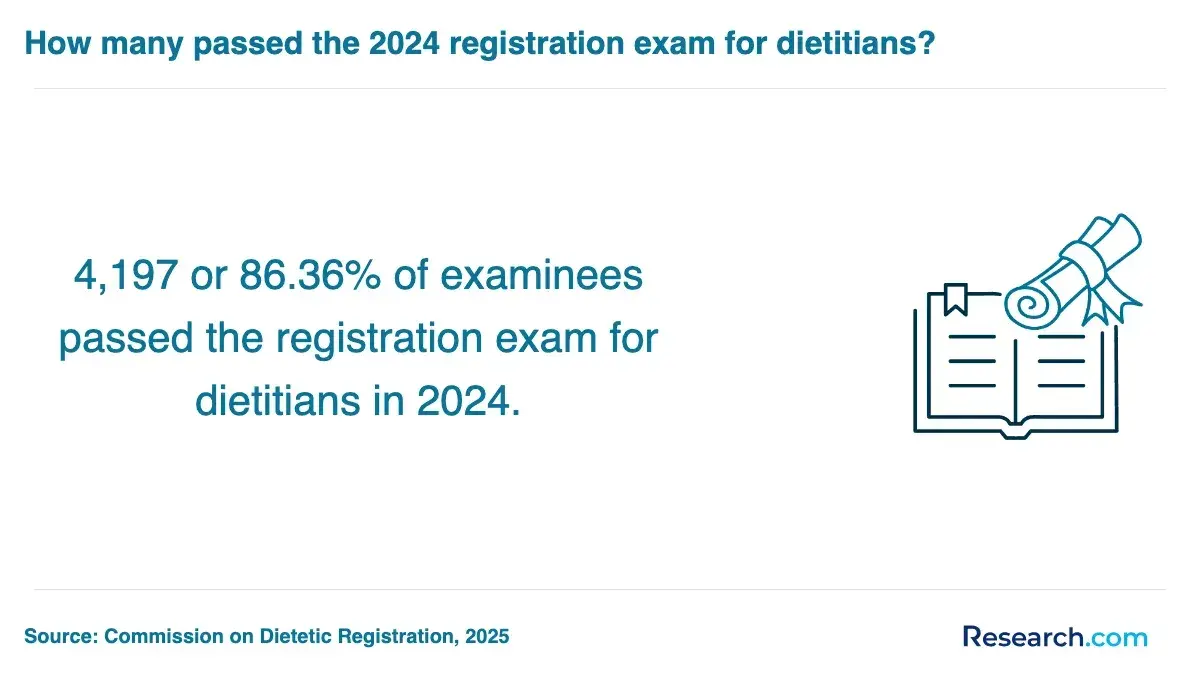 Dietitian registration exam passers in 2024" width="1200" height="680" loading="lazy">
How can you get a license after passing the dietetic registration exam in Virginia?
After passing the dietetic registration exam, the path to practicing in Virginia is straightforward but requires attention to national credentialing details.
- Confirm Exam Completion: Receive official notification from the Commission on Dietetic Registration (CDR) confirming you passed the exam and are registered.
- Obtain RDN Credential: The national Registered Dietitian Nutritionist (RDN) credential granted by the CDR is your legal authorization to practice in Virginia, as no state license is required.
- Maintain Credential: Renew your RDN status every five years by completing required continuing education credits to stay in good standing with the CDR.
- Follow Professional Standards: Uphold the ethical and professional guidelines set by national bodies to ensure quality and integrity in your practice.
- Keep Information Updated: Regularly update your contact and professional data with the CDR to receive timely renewal notices and credential verification.
- Consider Specialty Certifications: Explore additional certifications to enhance your expertise and career options in niche areas of dietetics.
When I spoke with a registered dietitian from Virginia who graduated from a local university, she reflected on the unique situation of practicing without a state license. “It was initially surprising to realize I didn’t need a separate Virginia license, unlike friends moving to other states,” she shared. The lack of a state licensure process simplified her transition into practice, allowing her to focus immediately on patient care and professional development.
However, she noted the importance of staying vigilant with CDR renewals, as that remains the core requirement. She appreciated how this national credential facilitates mobility, but she also advised colleagues to research licensure if they plan to work beyond Virginia’s borders. Her experience highlights a practical advantage of Virginia’s system while underscoring the ongoing responsibilities tied to maintaining the national credential.
What types of dietitian specializations can you pursue in Virginia?
Dietitians in Virginia have a variety of ways to focus their expertise, allowing them to address specific health needs and populations effectively. Each specialization reflects unique knowledge and skills tailored to different settings or medical conditions. Exploring these options can help dietitians find a path that aligns with their interests and professional goals.
Here are key dietitian specializations you can pursue in Virginia:
- Clinical Dietitian: Provides nutritional care in hospitals and clinics, developing personalized meal plans to support medical treatment.
- Pediatric Dietitian: Focuses on nutrition for children and adolescents, managing growth, allergies, and chronic illnesses.
- Sports Dietitian: Works with athletes to enhance performance and recovery through specialized nutrition.
- Oncology Dietitian: Supports cancer patients by managing nutrition-related side effects during treatment.
- Geriatric Dietitian: Addresses the complex nutritional needs of older adults, including chronic disease management.
- Renal Dietitian: Creates nutrition plans for individuals with kidney disease or undergoing dialysis.
- Obesity and Weight Management Dietitian: Helps clients achieve healthy weight goals while addressing metabolic and lifestyle factors.
- Community Dietitian: Designs public health nutrition programs aimed at disease prevention and education.
- Certified Nutrition Specialist (CNS): Offers advanced clinical nutrition expertise through certification, focusing on integrative and functional nutrition.
Maintaining the Registered Dietitian Nutritionist credential is essential to practice and advance in these areas, and exploring nutritionist certification programs Virginia can provide additional pathways to specialize further within this dynamic field.
What is the average salary of a registered dietitian in Virginia?
The average salary for a registered dietitian in Virginia is approximately $75,440 per year, with an hourly wage near $36.27, according to the latest data from May 2024. This figure is slightly below the national average, where registered dietitians earn about $51.13 per hour. Understanding these numbers provides a realistic benchmark for those considering a career in nutrition within the state.
- Location: Salaries tend to be higher in urban centers like Richmond, where the average is around $75,370, compared to slightly lower wages in areas such as Virginia Beach-Chesapeake-Norfolk at $72,100.
- Experience: Early-career dietitians usually start near $63,410 annually, while seasoned professionals can earn upwards of $98,430, highlighting the importance of career growth.
- Work Setting: Employment in hospitals and specialized clinics often commands better pay than roles in schools or community health settings.
- Demand: Regions with greater healthcare needs and nutrition awareness offer more competitive salaries, reflecting the value placed on dietitians in those markets.
Salary prospects in Virginia indicate positive growth, especially for those advancing into leadership or specialized roles. The ongoing emphasis on nutrition in health and wellness sectors suggests sustained demand and potential for increased earnings over time.
What do you need to keep your dietitian registration active in Virginia?
Keeping your dietitian registration active in Virginia is essential for maintaining professional credibility and legal standing. Staying current with continuing education and renewal requirements ensures you provide the best care grounded in up-to-date nutrition science. This ongoing commitment reflects dedication to your profession and those you serve.
- Continuing Professional Education (CPE): Complete 75 continuing professional education units (CPEUs) every five years to stay informed on nutrition advances and best practices.
- Renewal Frequency: Renew your Commission on Dietetic Registration (CDR) credential every five years by submitting required documentation and fees.
- Renewal Fees: Pay the renewal fee directly to the CDR; Virginia does not charge a separate state fee.
- Documentation and Recordkeeping: Retain all CPE records as the CDR may audit your activities during the renewal cycle.
- National Credential Maintenance: Since Virginia lacks state licensure, maintaining your national RD or RDN credential is mandatory for practice.
A registered dietitian from Virginia, who graduated locally, shared insights on maintaining active registration. He noted the absence of state licensure simplified his process, focusing solely on national credential upkeep without navigating additional state bureaucracy. However, he emphasized the importance of meticulous recordkeeping and timely renewals, saying, “It’s a relief to avoid state licensure hassles, but staying disciplined with CPE tracking is non-negotiable.”
He reflected on how this clarity allowed him to concentrate more on professional growth than administrative burdens, appreciating the streamlined renewal via the CDR’s online system. His experience highlights that while state reciprocity isn’t a factor here, maintaining national standards is vital for a seamless career in Virginia.
What challenges do aspiring registered dietitians face in Virginia?
Registered dietitians in Virginia often encounter hurdles such as securing competitive internship placements in areas with high demand and managing financial constraints during periods of unpaid supervised practice. Candidates must navigate complex eligibility standards for the national registration exam and adapt to evolving healthcare regulations while establishing effective professional networks. Proactively seeking mentorship and staying informed on industry trends are essential strategies to overcome these challenges. For additional career insights, explore how to become a nutritionist in Virginia.
What additional certifications can boost your career as a registered dietitian in Virginia?
Acquiring specialized certifications can broaden your expertise and enhance your professional profile in both clinical and community settings. Pursuing focused credentials—such as certifications in pediatric nutrition, diabetes education, or sports nutrition—signals advanced competence and can open doors to emerging opportunities in healthcare. Supplementing the core registered dietitian designation with targeted certifications also streamlines collaboration with allied health professionals, evidenced by resources on how to become a medical assistant in Virginia, thereby reinforcing your role within multidisciplinary care teams.
How long does it take to become a registered dietitian in Virginia?
The journey to becoming a registered dietitian in Virginia generally spans several years, balancing education, supervised practice, and exam preparation. While the timeline can vary, most candidates invest around five to six years from starting college to obtaining the dietetic registration credential. This timeframe reflects the commitment needed to meet the comprehensive requirements involved.
For those curious about how long to become a registered dietitian in Virginia, it’s helpful to recognize that the process often includes a four-year undergraduate degree followed by a supervised practice period lasting several months to two years. Some students may accelerate their progress through combined or graduate-level programs. Planning carefully can help manage this timeline effectively and avoid unnecessary delays.
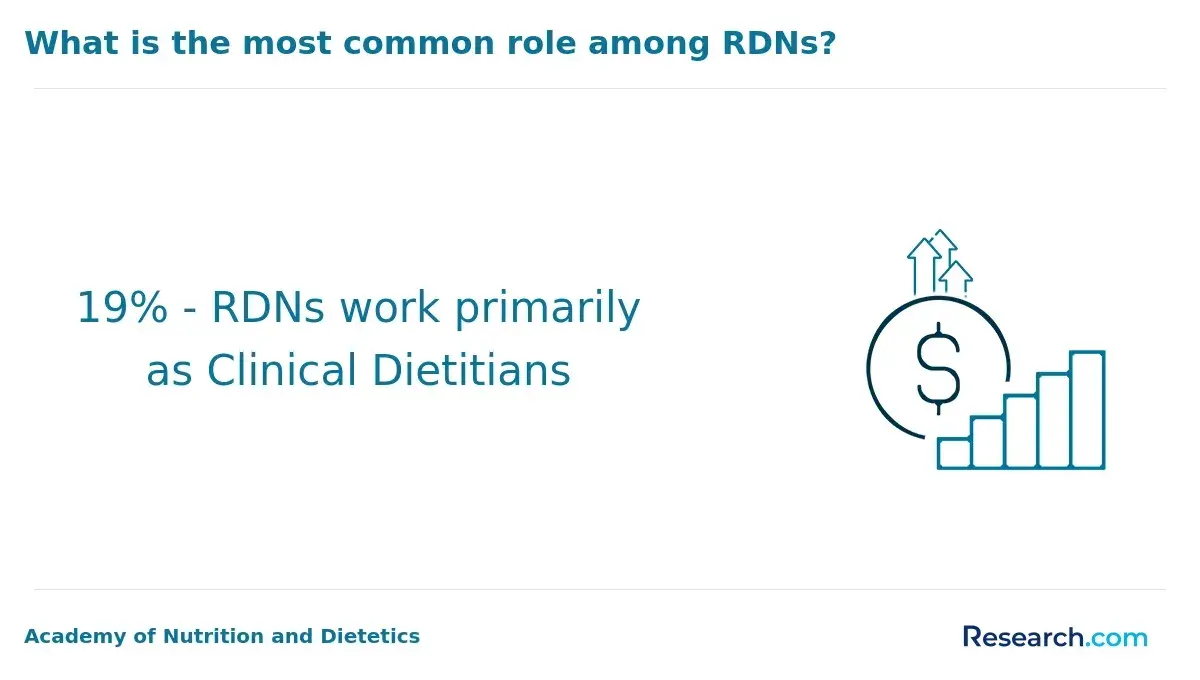
Factors such as internship availability and exam readiness play key roles in shaping the path ahead. Prospective students should explore options like the most popular online nutrition program to align their studies with personal schedules. Understanding registered dietitian education requirements Virginia-wide will also help in setting realistic expectations for this rewarding career path. To add perspective on the profession’s demographics, the image below shows the average age of dietitians.
Can international students qualify to become registered dietitians in Virginia?
International students have a viable path to becoming registered dietitians in Virginia by meeting specific credentialing and educational standards recognized nationally. This pathway requires careful preparation, particularly regarding foreign credentials and supervised practice in the U.S.
- Foreign Degree Evaluation: Applicants must have their overseas degree evaluated to confirm equivalency with a U.S. regionally accredited bachelor’s or graduate degree, following Commission on Dietetic Registration (CDR) standards.
- Transcript Review and Verification Statement: A verification statement from an ACEND-accredited Didactic Program in Dietetics or Foreign Dietitian Education program is required, often necessitating a detailed transcript evaluation and possible additional coursework.
- Completion of ACEND-Accredited Supervised Practice: International students must complete at least 1,000 hours of supervised practice through an ACEND-approved Dietetic Internship or equivalent program in the U.S. or an approved international program.
- English Language Proficiency: Demonstrating proficiency in English via standardized tests like TOEFL or IELTS is commonly required to succeed academically and professionally.
- Credentialing Exam Eligibility: After fulfilling educational and supervised practice requirements, passing the national Registered Dietitian Nutritionist exam administered by CDR is mandatory to earn the credential.
- No State Licensure Requirement: Virginia does not require separate state licensure for dietitians; maintaining the national RD credential suffices for legal practice.
For those seeking detailed guidance on navigating this process, resources such as anchors part-time Ph.D. in economics offer insights into credential evaluation and academic pathways relevant to international students in related fields.
What career paths can registered dietitians pursue in Virginia?
Registered dietitians in Virginia enjoy diverse career opportunities that match a variety of interests and professional goals. Exploring these paths reveals roles across clinical, community, and specialized settings, each with distinct outlooks and earning potential.
- Clinical Dietitian: Working in hospitals or clinics, these professionals conduct nutrition assessments and develop care plans, with clinical dietitian jobs in Virginia offering strong demand and average salaries near $75,440.
- Community/Public Health Dietitian: Employed by government or nonprofits, they focus on nutrition education and outreach, earning between $63,410 and $75,440 as demand remains steady in public health programs.
- Private Practice/Consultant: These dietitians provide personalized nutrition advice independently or to organizations, with experienced practitioners earning up to $98,430 based on specialization and clientele.
- Foodservice Management Dietitian: Overseeing menu planning and food safety in institutions like schools or hospitals, they earn salaries generally matching the state average with stable job prospects.
- Sports Dietitian: Specializing in athlete nutrition, this growing niche offers pay from $65,000 to $85,000, particularly in urban areas with fitness centers and professional teams.
- Nutrition Educator: Teaching and leading workshops at universities or community settings, these dietitians earn between $63,000 and $75,000 amid increasing focus on nutrition’s health role.
- Corporate Wellness Dietitian: Designing workplace wellness programs for businesses or insurers, this expanding sector typically offers salaries aligned with the state average and strong metropolitan prospects.
- Specialty Dietitian: With advanced certifications in fields like oncology or pediatrics, specialists often earn above $85,000 and benefit from enhanced job stability.
For those wondering what can you do with a nutritional science degree, these varied career opportunities for registered dietitians in Virginia demonstrate the profession’s breadth and promising future.
What do registered dietitians in Virginia say about their career?
- Completing my dietetics program at Virginia Tech gave me the solid foundation I needed to thrive as a registered dietitian in Virginia. Starting my career in a local school allowed me to directly influence children’s health and nutrition habits, which is incredibly rewarding. I appreciate the job stability in this field and the supportive community of educators and healthcare professionals. It’s been fulfilling to see students grow healthier and more informed about their food choices, knowing I played a role in that. The blend of science and compassion in this career keeps me passionate every day. - Kayla
- Graduating from James Madison University’s dietetics program prepared me well for the unique challenges of working in Virginia’s diverse school environments. The cultural richness here means tailoring nutrition programs to meet various community needs, which has been both a challenge and an exciting opportunity. My role in a local academic institution has allowed me to develop professionally while making a tangible difference in children’s lives. This career has been a journey of personal growth, and I’m proud to contribute positively to the well-being of young people in our state. - Latoya
- After completing my studies at the University of Richmond, I embarked on my career as a registered dietitian within a Virginia school system. The professional development opportunities available have been tremendous, allowing me to advance and refine my expertise continually. I find great satisfaction in addressing nutrition education in the context of Virginia’s agricultural heritage and local food systems, which adds a unique dimension to my work. Helping students understand where their food comes from and making healthy choices has deepened my connection to this career and community. - Kristen
Related Articles for Nearby States
- 2027 Steps to Become a Registered Dietitian in West Virginia
- 2027 Steps to Become a Registered Dietitian in Maryland
- 2027 Steps to Become a Registered Dietitian in North Carolina
- 2027 Steps to Become a Registered Dietitian in Tennessee
- 2027 Steps to Become a Registered Dietitian in Kentucky
- 2027 Steps to Become a Registered Dietitian in Pennsylvania
- 2027 Steps to Become a Registered Dietitian in South Carolina
- 2027 Steps to Become a Registered Dietitian in Ohio
- 2027 Steps to Become a Registered Dietitian in Delaware
- 2027 Steps to Become a Registered Dietitian in New Jersey
References:
- Campbell, M. (n.d.). Becoming a Registered Dietitian in Virginia. BecomeANutritionist.org
- Commission on Dietetic Registration. (n.d.). RD Examination - Eligibility Requirements. CDR
- James Madison University. (n.d.). Become a Registered Dietitian Nutritionist. JMU
- NutritionED.org. (n.d.). Steps to Become a Registered Dietitian in Virginia. NutritionED.org
- On Board Virginia. (2024). How to Become a Registered Dietitian in Virginia. OBV
- U.S. Bureau of Labor Statistics. (2025). Occupational Outlook Handbook: Dietitians and Nutritionists. U.S. BLS
- University of Virginia. (2025). Program Requirements. UVAHealth
- Virginia Department of Health. (2025). WIC Dietetic Internship. VDH
- Virginia Health Workforce Development Authority. (n.d.). Registered Dietitian. VHWDA
- Virginia Polytechnic Institute. (2025). Nutrition and Dietetics (NAD). VATech
- Virginia State University. (n.d.). The Didactic Program in Dietetics Overview. VSU
Other Things You Should Know About Becoming a Registered Dietitian in Virginia
In 2027, to apply for a dietetic internship in Virginia, you must have completed a bachelor's degree accredited by the Accreditation Council for Education in Nutrition and Dietetics (ACEND) and met specific coursework requirements. An approved Verification Statement from your educational institution is also needed.
In Virginia, you do not have to major specifically in dietetics or nutrition to qualify for the prerequisites needed to become a registered dietitian, as long as you complete the required coursework outlined by ACEND. Many students choose other science-related majors, such as biology or chemistry, and then take the necessary dietetics courses separately to meet eligibility criteria. However, majoring directly in dietetics or nutrition can streamline the process since these programs typically include all required classes and supervised practice components.
Ultimately, any major is acceptable if you ensure you complete all mandated prerequisites, but a focused dietetics or nutrition major often provides a more straightforward path to registration in Virginia.
To become a registered dietitian in Virginia in 2027, you must earn at least a Bachelor's degree in dietetics, nutrition, or a related field from an accredited program. Additionally, completion of supervised practice through an accredited dietetic internship is required before sitting for the Registered Dietitian Nutritionist (RDN) exam.