
2027 Steps to Become a Registered Dietitian in West Virginia

Co-Founder and Chief Data Scientist
West Virginia faces significant health challenges, with nearly 40% of adults classified as obese, highlighting the urgent need for qualified registered dietitians. This demand promises a robust job market for dietitians dedicated to improving public health across the state. Pursuing a career as a registered dietitian in West Virginia offers opportunities to impact community well-being while benefiting from a growing healthcare sector.
This article, prepared by experts in career planning, outlines essential steps to become a registered dietitian in West Virginia. It explores emerging trends and future possibilities, equipping readers with practical guidance to navigate this evolving profession successfully.
Key Things to Know About Becoming a Registered Dietitian in West Virginia
- Complete a Commission on Dietetic Registration (CDR)-accredited bachelor’s or master’s degree program, aligning with the 2024 mandate requiring a graduate degree for RDN eligibility.
- Fulfill a supervised practice internship of at least 1,200 hours, often integrated within academic programs, emphasizing hands-on experience in clinical and community nutrition settings.
- Pass the national CDR registration exam and pursue West Virginia licensure to practice legally, with growing demand in healthcare driving expanded job opportunities and salary growth in the state.
- What degree is required to become a registered dietitian in West Virginia?
- How many supervised practice hours are needed to become a registered dietitian in West Virginia?
- What are the eligibility requirements for the dietetic registration exam in West Virginia?
- How can you get a license after passing the dietetic registration exam in West Virginia?
- What types of dietitian specializations can you pursue in West Virginia?
- What is the average salary of a registered dietitian in West Virginia?
- What do you need to keep your dietitian registration active in West Virginia?
- How can registered dietitians expand their professional development and career networks in West Virginia?
- How long does it take to become a registered dietitian in West Virginia?
- Can international students qualify to become registered dietitians in West Virginia?
- What career paths can registered dietitians pursue in West Virginia?
- Can interdisciplinary certifications boost your registered dietitian career in West Virginia?
What degree is required to become a registered dietitian in West Virginia?
The path to becoming a registered dietitian in West Virginia is evolving, with a growing emphasis on specialized graduate education. Future trends suggest even greater integration of accredited programs to meet expanding professional standards.
- ACEND-accredited dietitian degree in West Virginia: Candidates typically pursue a degree from an Accreditation Council for Education in Nutrition and Dietetics (ACEND) accredited program, which ensures rigorous training aligned with national competencies and state requirements.
- Master’s degree requirement for registered dietitian West Virginia: A master’s degree is increasingly becoming the standard, reflecting the profession’s shift toward advanced knowledge and skills necessary to address complex nutritional needs in diverse populations.
- Post-baccalaureate certification programs: These programs provide an alternative route for individuals with non-nutrition backgrounds to fulfill the academic prerequisites through focused coursework and supervised practice.
- Supervised internship or practicum: Completion of hands-on experience in clinical or community settings remains essential, bridging academic learning with practical application under professional supervision.
Looking ahead, candidates may find an expanding array of hybrid and online options for meeting the master’s degree requirement for registered dietitian West Virginia, designed to accommodate working professionals. For those exploring related fields, understanding the best careers to pursue with a nutrition masters degree can offer valuable insights into versatile career pathways beyond traditional roles.
How many supervised practice hours are needed to become a registered dietitian in West Virginia?
To become a registered dietitian in West Virginia, candidates must complete a minimum of 1,200 hours of supervised practice. This requirement aligns with national standards set by ACEND and serves as a baseline for licensure and exam eligibility. The following points outline the supervised practice hour standards and highlight state-specific considerations.
- All supervised practice hours must be completed through an ACEND-accredited program, ensuring consistent training quality nationwide.
- Supervised practice typically occurs within dietetic internships or graduate programs, lasting between eight and 24 months depending on program design.
- West Virginia does not mandate additional supervised practice hours beyond the national minimum, maintaining alignment with ACEND standards.
- Leading in-state programs, such as the WVU Hospitals Master’s/Dietetic Internship Program, offer hours closely mirroring the national baseline, reflecting programmatic structuring rather than legislative variation.
- Proof of supervised practice completion is required for both the Commission on Dietetic Registration exam and state licensure application.
- Proposed legislative changes as of 2025 have not increased hour requirements, indicating continued adherence to nationally recognized accreditation standards.
Those 1,200 hours should produce job-ready skills, not just checkboxes. The chart below shows what RDNs actually list on their resumes—patients, patient care, home health, and more—exactly the competencies West Virginia programs emphasize across clinical, community, and foodservice rotations.
What are the eligibility requirements for the dietetic registration exam in West Virginia?
Eligibility requirements for the dietetic registration exam in West Virginia are designed to ensure candidates meet rigorous educational and professional standards. These requirements emphasize a strong academic foundation and proper verification before candidates can pursue national certification and state licensure.
Candidates interested in West Virginia dietetic registration exam qualifications should consider the following:
- Minimum Degree Requirement: Applicants must hold at least a graduate degree from a U.S. Department of Education (USDE)-recognized accredited institution, with completion of required nutrition coursework.
- Completion of ACEND-Accredited Coursework: Candidates must finish all nutrition and dietetics coursework through an ACEND-accredited program, including Didactic Programs in Dietetics (DPD), Coordinated Programs (CP), or Graduate Programs (GP).
- Verification by Program Directors: Program directors must submit official documentation verifying the candidate’s completion of all educational requirements to the Commission on Dietetic Registration (CDR), which is mandatory to qualify for exam registration.
- Registration and Passing of the National Exam: After eligibility confirmation, candidates must register for and successfully pass the national Registration Examination for Dietitians administered by CDR, a key step for national recognition as a registered dietitian.
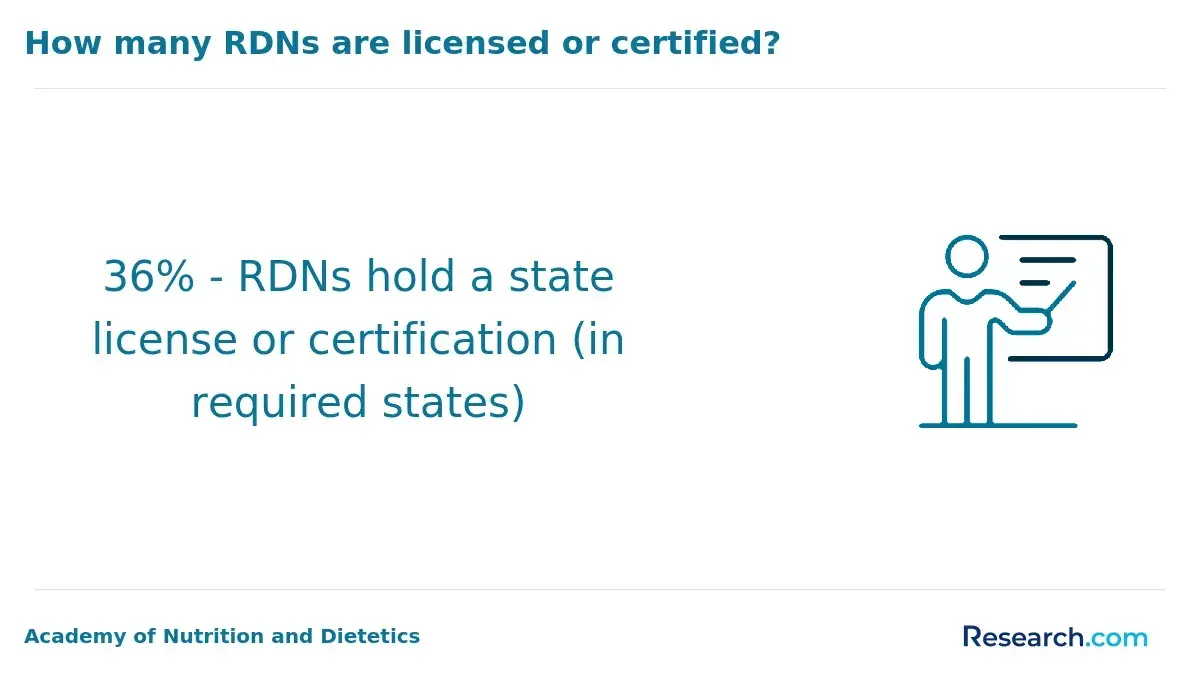
- State-Specific Licensure and Reciprocity: West Virginia requires candidates to apply for licensure through the West Virginia Board of Licensed Dietitians after passing the national exam. The state may waive exam requirements for those already registered with CDR or licensed in other states with equivalent credentials.
Though supervised practice hours are critical, they are integrated within ACEND-accredited programs and align with national standards. Looking ahead, these eligibility pathways may evolve as the profession incorporates more technology-driven assessments and expanded scopes of practice. For those exploring a nutrition career, understanding these requirements is essential for a smooth transition into professional dietetics in West Virginia.
How can you get a license after passing the dietetic registration exam in West Virginia?
Here’s a streamlined path to securing your dietitian license in West Virginia, emphasizing evolving practices and future directions in licensure processes.
- Eligibility Confirmation: Verify you hold a current registered dietitian credential by passing the Commission on Dietetic Registration exam, which allows seamless entry into state licensure without additional testing.
- Documentation Preparation: Collect notarized proof of your registration, anticipating future shifts toward digital credential verification systems to speed up approval.
- Application Completion: Choose between online or paper forms, with a trend toward fully digital platforms enhancing accessibility and reducing processing time.
- Fee Submission: Include the $75 non-refundable fee, noting that future models may incorporate flexible, tiered pricing based on applicant circumstances.
- Application Submission: Mail all materials to the West Virginia Board of Licensed Dietitians, while digital submissions may soon become the standard for convenience.
- Board Review Process: Await verification and approval, with increasing automation expected to streamline eligibility checks and ethical compliance.
- Ethics and Supervision Compliance: Affirm adherence to the Board’s ethical standards and complete required supervised practice hours, with virtual supervision options emerging in the profession.
- License by Endorsement: If licensed elsewhere, submit proof to apply for endorsement, a process likely to become more uniform across states through interstate compacts.
- Board Contact: Use provided phone or email channels for questions, anticipating enhanced online support and AI-assisted guidance in the near future.
When I spoke with a registered dietitian from West Virginia who graduated locally, she reflected on the licensing journey with notable insight. “Navigating reciprocity was tricky,” she said, recalling the careful verification needed when applying by endorsement after relocating.
She appreciated that West Virginia’s Board maintained rigorous standards yet recognized credentials from other states, which smoothed her transition. “It felt reassuring to have clear communication and support throughout,” she added, highlighting how these processes balanced maintaining professional integrity with practical accessibility. Her experience underscores how licensing remains a dynamic, evolving system—one that supports dietitians’ mobility while safeguarding public trust.
What types of dietitian specializations can you pursue in West Virginia?
Dietitian specializations in West Virginia are evolving to meet dynamic healthcare and community needs. Professionals in this field can develop expertise in diverse settings, enhancing their impact and career opportunities. Emerging trends suggest growing demand for specialized roles that integrate clinical care, public health, and research.
Some of the key dietitian specializations in West Virginia include:
- Clinical Dietitian: Focuses on medical nutrition therapy for patients in hospitals and clinics, addressing chronic and acute health conditions through tailored nutrition plans.
- Community Dietitian: Develops and implements public health nutrition programs to promote healthy eating habits within local populations and institutions.
- Foodservice Management Dietitian: Oversees large-scale meal planning and food safety in schools, hospitals, and long-term care facilities, ensuring compliance with nutrition standards.
- Pediatric Dietitian: Specializes in nutrition for infants, children, and adolescents, managing issues such as growth challenges and childhood obesity.
- Geriatric Dietitian: Provides nutritional care tailored to older adults, focusing on conditions like malnutrition and chronic disease management in assisted living or long-term care.
- Sports Dietitian: Offers nutrition counseling and performance plans for athletes and active individuals, often collaborating with educational or fitness organizations.
- Research Dietitian: Conducts studies on nutritional interventions and public health outcomes in academic, clinical, or government settings to advance dietetic science.
- Certified Nutrition Specialist (CNS): Although not licensed as nutritionists in West Virginia, professionals can pursue CNS certification for advanced clinical expertise through graduate-level education and supervised experience.
What is the average salary of a registered dietitian in West Virginia?
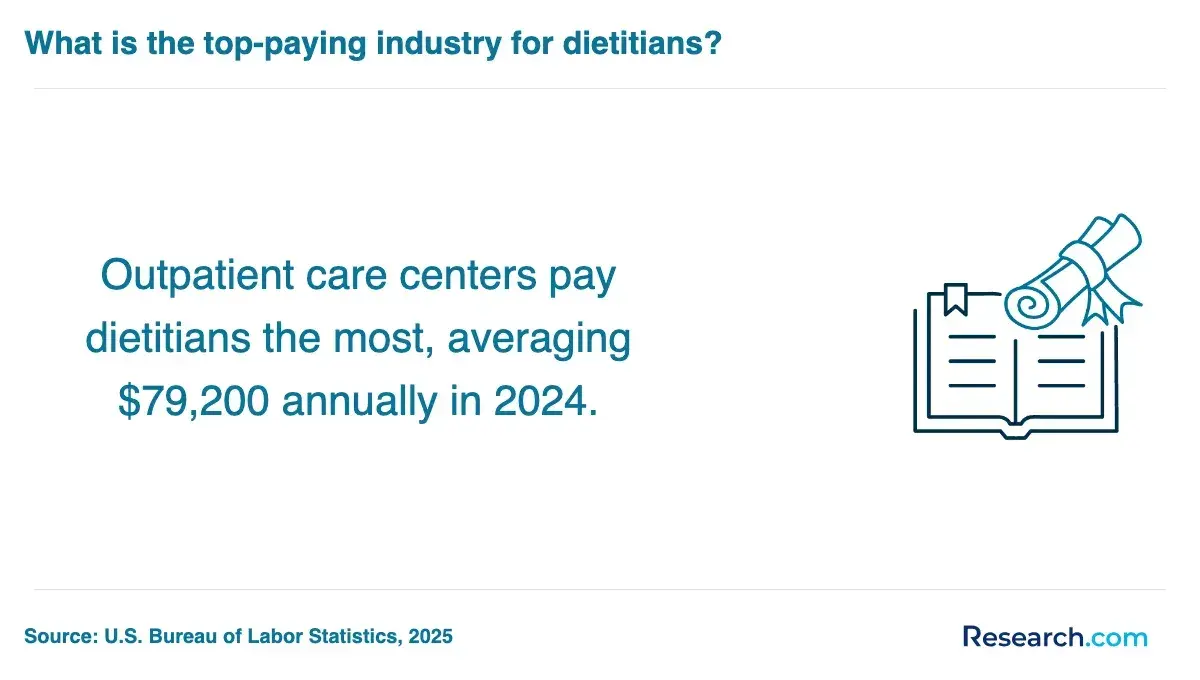
The average salary for a registered dietitian in West Virginia is approximately $62,712 per year, with a median hourly wage around $28.00 as of 2025. These figures fall below the national average, where registered dietitians typically earn over $70,000 annually. West Virginia ranks 50th in dietitian pay, reflecting a more modest compensation landscape compared to other states.
- Location within the State: Urban centers like Martinsburg and Charleston tend to offer higher salaries than rural areas, though overall pay remains limited.
- Experience Level: Entry-level dietitians earn closer to $42,000 annually, while seasoned professionals with certifications or supervisory roles may reach up to $87,820.
- Work Setting: Hospitals and specialized healthcare facilities generally provide better wages than schools or community programs.
- Demand and Job Market: Limited job openings and slower growth in West Virginia suppress wage increases and bargaining power.
- Regional Salary Trends: The Eastern Panhandle and regions near major medical centers offer the highest pay, but regional differences are less pronounced than in larger states.
Looking ahead, salary growth for dietitians in West Virginia is expected to be modest but steady, with potential gains linked to clinical management and specialized nutrition roles as healthcare needs evolve.
What do you need to keep your dietitian registration active in West Virginia?
Keeping your dietitian registration active in West Virginia is essential to ensure ongoing legal practice and adherence to professional standards. This active status supports your ability to provide safe, evidence-based nutritional care as the field evolves with new research and technology. Staying current with renewal and education requirements positions you for future opportunities and professional growth.
- Annual License Renewal: Submit a completed renewal application and fee each year to the West Virginia Board of Dietitians to maintain your license in good standing.
- Renewal Fee: Pay an annual fee of $50 or the amount established by legislative rule to accompany your renewal application.
- Continuing Education Requirements: Complete at least 20 hours of continuing professional education every two years, documenting acceptable activities such as webinars and seminars.
- CDR Registration Renewal: If holding CDR credentials, ensure timely renewal of your Commission on Dietetic Registration status as part of maintaining your professional credentials.
When I spoke with a registered dietitian from West Virginia who graduated locally, he reflected on the challenges of navigating license reciprocity. “Coming from a local program helped me understand the specific state requirements early on,” he said. He found that while West Virginia’s renewal process is straightforward, the lack of automatic reciprocity from some states meant extra paperwork when he considered practicing elsewhere.
“That was frustrating at times, but it also made me appreciate the clarity and support available here. Staying engaged with continuing education not only kept my license active but also connected me with the latest trends in nutrition, which made the renewal process feel like part of my professional growth, not just a bureaucratic hurdle.”
How can registered dietitians expand their professional development and career networks in West Virginia?
Registered dietitians in West Virginia can leverage state-sponsored workshops, professional conferences, and targeted online certificate programs to enhance their clinical and leadership competencies. Engaging with local and national dietetic associations provides valuable networking and mentorship opportunities that foster exposure to emerging practices and innovative research. Additionally, professionals may benefit from specialized training in areas such as telehealth and nutritional genomics, which can facilitate career advancement and differentiation in a competitive landscape. For an alternative pathway, consider exploring how to become a nutritionist in West Virginia.
How long does it take to become a registered dietitian in West Virginia?
The journey to become a registered dietitian in West Virginia generally spans six to seven years, from starting college to obtaining the dietetic registration credential. This timeline reflects the growing educational demands and structured training involved in the profession. While the core steps remain consistent, evolving requirements influence how quickly students progress.
Emerging trends suggest that the timeline could shift as more programs integrate supervised practice with academic coursework, potentially shortening the path. However, the registered dietitian education and training requirements West Virginia now include mandatory graduate-level study, which adds complexity and extends the duration compared to previous standards. Students who plan carefully can navigate these changes more efficiently.
Looking ahead, flexibility in program delivery—such as accelerated degrees or hybrid models—may offer options for faster completion. For those exploring affordable pathways, options like the cheapest online nutrition degree could influence timelines by allowing part-time study alongside work. Overall, aspiring dietitians should anticipate a multi-year commitment while staying adaptable to evolving educational formats.
Your start major also affects the clock. The chart below shows that most RDs come from Dietetics or Food and Nutrition—tracks that already satisfy ACEND prerequisites and keep you on pace. Choosing Nutrition Science, Food Science, or Business often adds prerequisite catch-up, stretching the overall timeline.
Can international students qualify to become registered dietitians in West Virginia?
International students can pursue the registered dietitian credential in West Virginia by fulfilling specific academic and professional criteria. These steps ensure that foreign education meets U.S. standards and that candidates maintain proper legal status during their training.
- Foreign Degree Evaluation: A detailed evaluation of foreign education credentials must be submitted to the ACEND-accredited program director, who decides if additional coursework is necessary.
- Enrollment in ACEND-Accredited Programs: All required coursework and supervised practice must be completed within U.S.-based ACEND-accredited programs; prior foreign learning may not be fully accepted.
- English Language Proficiency: Applicants may need to demonstrate proficiency in English through standardized tests such as TOEFL or IELTS, depending on institutional requirements.
- Visa and Immigration Status: Securing and maintaining an F-1 student visa or other appropriate status is essential throughout the educational and supervised practice phases.
- Master’s Degree Requirement: From January 1, 2024, a master’s degree is mandatory for RD exam eligibility; international students must obtain this degree from a U.S. accredited institution if their foreign degree is not deemed equivalent.
- Supervised Practice Completion: Completion of an ACEND-accredited dietetic internship with required supervised hours, such as the WVU Hospitals program demanding 1,199 hours, is mandatory.
- Passing the Credentialing Exam: After education and internship completion, students must pass the Commission on Dietetic Registration exam to earn the RD credential.
- State Licensure Application: Graduates must apply for licensure in West Virginia to legally use the title “dietitian” and practice professionally.
Emerging trends suggest international students may increasingly benefit from enhanced support systems and evolving visa policies that align with workforce needs. For those planning their career path, exploring jobs you can get with a online nutrition masters degree could provide additional interdisciplinary skills relevant to nutrition policy and management.
What career paths can registered dietitians pursue in West Virginia?
Registered dietitians in West Virginia can explore a variety of career opportunities that reflect both traditional roles and emerging trends in nutrition and health. These paths offer diverse settings, competitive salaries, and promising job growth.
- Clinical Dietitian: Predominantly found in hospitals and clinics, clinical dietitian jobs in West Virginia provide medical nutrition therapy with salaries averaging $69,050 annually, rising to $95,440 for experienced professionals.
- Community Nutritionist: Working in public health and non-profits, these dietitians focus on nutrition education and disease prevention, enjoying steady demand and salaries near the state average.
- Food Service Management Dietitian: Overseeing meal planning in institutions like schools and correctional facilities, these roles offer leadership opportunities with pay ranging from $50,650 to $69,050.
- Long-Term Care Nutritionist: Serving the elderly in nursing homes, demand is expected to grow alongside West Virginia’s aging population, with compensation aligned to typical dietitian salaries.
- Outpatient/Private Practice Dietitian: Offering flexible schedules and higher earning potential over $95,000, these professionals counsel clients on weight management and chronic disease.
- Corporate Wellness Dietitian: Developing workplace wellness programs, this expanding field offers competitive salaries and aligns with growing employer focus on preventive health.
- Research and Academic Dietitian: Positions in universities involve teaching or research, requiring advanced degrees and providing salaries consistent with state averages.
- Health Educator: Leading nutrition workshops within healthcare or schools, this role has positive job prospects and pays comparably to other dietitian positions.
For those considering these paths, pursuing a nutritional sciences degree can provide a strong foundation to enter the field and adapt to evolving career opportunities for registered dietitians in West Virginia.
Can interdisciplinary certifications boost your registered dietitian career in West Virginia?
Expanding your skill set through targeted interdisciplinary certifications can enhance your role in the dynamic healthcare landscape of West Virginia. Pursuing complementary qualifications, such as exploring how to become a medical assistant in West Virginia, may offer strategic advantages by diversifying expertise and fostering integrated patient care. This approach equips professionals with practical competencies that improve collaborative practices, support leadership development, and open alternative pathways for career advancement while aligning with emerging healthcare trends.
What do registered dietitians in West Virginia say about their career?
- Completing my dietetic program at West Virginia University provided not only a solid academic foundation but also deep connections to the local community. Starting my career as a registered dietitian in a nearby school allowed me to apply my knowledge directly to improve children's health and nutrition. The stability of these positions in West Virginia's school systems is a huge plus, giving me the confidence to grow professionally while making a tangible difference. I’m passionate about helping students develop lifelong healthy habits in a supportive environment that values nutrition education. It’s incredibly fulfilling to see the impact of my work on young lives. Leon
- Growing up in West Virginia, I chose to pursue my dietetic education at Marshall University, which prepared me well for the unique challenges in this region. Beginning my career as a registered dietitian in a local school opened my eyes to the critical role nutrition plays in academic success and community well-being. The opportunity to work closely with families and adapt programs to the cultural and economic realities here has been both challenging and rewarding. This experience has fostered tremendous personal growth, as I’ve learned to blend evidence-based practice with empathy and cultural awareness. I truly appreciate the chance to contribute meaningfully to my community’s health. Ally
- West Virginia’s rich natural resources and rural environments present unique nutrition challenges and opportunities that I never encountered in my undergraduate program at Fairmont State University. Starting my career as a registered dietitian in a local school setting sharpened my skills in community engagement and creative problem-solving. The professional development opportunities here are excellent, with strong support for advancing my expertise and leadership abilities. I find it rewarding to collaborate with educators and families to promote healthier lifestyles tailored to our state’s specific needs. This career path has been a fulfilling journey of continuous learning and positive impact. Inah
Related Articles for Nearby States
- 2027 Steps to Become a Registered Dietitian in Virginia
- 2027 Steps to Become a Registered Dietitian in Ohio
- 2027 Steps to Become a Registered Dietitian in Kentucky
- 2027 Steps to Become a Registered Dietitian in Pennsylvania
- 2027 Steps to Become a Registered Dietitian in Maryland
- 2027 Steps to Become a Registered Dietitian in North Carolina
- 2027 Steps to Become a Registered Dietitian in Tennessee
- 2027 Steps to Become a Registered Dietitian in Indiana
- 2027 Steps to Become a Registered Dietitian in South Carolina
- 2027 Steps to Become a Registered Dietitian in Georgia
References:
- Become a Nutritionist. How to Become a Registered Dietitian in West Virginia.
- CareerExplorer. Registered Dietitian Salary in West Virginia.
- Marshall University — Department of Nutrition and Dietetics. How to Become an RDN & State Licensure Information.
- NutritionED.org. How to Become a Registered Dietitian in West Virginia — Exam, License, and Education Requirements in West Virginia.
- Salary.com. Dietitian Salary in West Virginia (August 01, 2025).
- U.S. Bureau of Labor Statistics. Dietitians and Nutritionists.
- West Virginia Academy of Nutrition and Dietetics. Students.
- West Virginia University — Davis College Dietetics. Didactic Program in Dietetics.
- West Virginia University. Human Nutrition and Foods BS Major.
- WVU Medicine — Ruby Memorial Hospital. Registered Dietitian Nutritionist Requirements.
Other Things You Should Know About Registered Dietitians in West Virginia
In West Virginia, you do not necessarily have to major in dietetics or nutrition to qualify for dietetics prerequisites, as many programs accept students from various academic backgrounds, provided they complete the required coursework. However, majors closely related to health sciences, biology, or chemistry often align better with the prerequisite courses needed for registered dietitian eligibility.
Majoring in unrelated fields may require additional time and effort to fulfill these specific science and nutrition classes, which are essential for accreditation and licensure. Therefore, while any major can potentially lead to qualification, choosing a field with relevant prerequisites streamlines the path to becoming a registered dietitian in West Virginia.
In 2026, the costs to become a registered dietitian in West Virginia include tuition for a dietetics degree, fees for supervised practice programs, exam fees, and licensing charges. Additional expenses cover textbooks, study materials, and optional costs for professional conferences and continued education.


