
2027 Steps to Become a Registered Dietitian in Wyoming

Co-Founder and Chief Data Scientist
Wyoming faces an increasing demand for registered dietitians, fueled by a 12% rise in diet-related chronic diseases over the past decade. Yet, the state has just 18 dietitians per 100,000 residents, revealing a significant workforce gap. For those entering the field, opportunities are promising, with strong job security and average salaries that exceed the national median by 8%.
I have researched this topic in depth to provide clear, data-driven guidance. In this article, I will explain the educational requirements, supervised practice, licensure steps, salary outlook, and other essential details for becoming a registered dietitian in Wyoming.
Key Things to Know About Becoming a Registered Dietitian in Wyoming
- The average salary for a registered dietitian in Wyoming ranges from $62,139 to $73,053 per year.
- A supervised dietetic internship of at least 1,200 hours is essential for hands-on experience and is required for Wyoming licensure.
- Registered dietitians with nutritionist roles statewide are projected to grow by 10% through 2030.
- What degree is required to become a registered dietitian in Wyoming?
- How many supervised practice hours are needed to become a registered dietitian in Wyoming?
- What are the eligibility requirements for the dietetic registration exam in Wyoming?
- How can you get a license after passing the dietetic registration exam in Wyoming?
- What types of dietitian specializations can you pursue in Wyoming?
- What is the average salary of a registered dietitian in Wyoming?
- What do you need to keep your dietitian registration active in Wyoming?
- How long does it take to become a registered dietitian in Wyoming?
- Do transferable healthcare skills improve your prospects as a registered dietitian in Wyoming?
- Can international students qualify to become registered dietitians in Wyoming?
- What career paths can registered dietitians pursue in Wyoming?
- What are the financial costs and return on investment for becoming a registered dietitian in Wyoming?
What degree is required to become a registered dietitian in Wyoming?
Meeting the education requirements for a registered dietitian in Wyoming involves obtaining specific accredited degrees to ensure proper training and eligibility for licensure. The degrees focus on foundational knowledge aligned with national standards.
- ACEND-accredited dietetics degree in Wyoming: Candidates must complete a degree program accredited by the Accreditation Council for Education in Nutrition and Dietetics (ACEND), which provides the essential curriculum and supervised practice necessary for dietitian registration.
- Bachelor’s or higher degree in nutrition or dietetics: This degree must come from an accredited institution and include coursework covering food science, nutrition, medical nutrition therapy, and related topics consistent with professional standards.
- Completion of supervised practice: Alongside the degree, candidates are required to fulfill a supervised practice component, typically through internships or coordinated programs, to gain practical experience mandated by licensure boards.
Prospective dietitians should consider available programs carefully, including online options, to meet these education requirements. Resources like the best rated nutrition certification online can provide insight into reputable pathways to complete the required degrees and training efficiently.
How many supervised practice hours are needed to become a registered dietitian in Wyoming?
To become a registered dietitian in Wyoming, candidates must complete supervised practice hours under the supervision of a professional. The state mandates a minimum number of hours lower than national standards, but most accredited programs require more extensive experience. Below are key factors and distinctions regarding supervised practice hour requirements in Wyoming.
What are the eligibility requirements for the dietetic registration exam in Wyoming?
To sit for the dietetic registration exam in Wyoming, candidates must meet defined eligibility requirements set by national and state authorities. These criteria ensure that applicants have the appropriate academic background and credentials before attempting the CDR exam. The process also involves specific state licensure steps following exam success.
- Minimum Educational Qualifications: Candidates must hold at least a graduate degree from a USDE-accredited institution or an equivalent foreign degree; Wyoming updated its standards in 2024 to align with CDR national requirements, which no longer accept only a bachelor’s degree.
- Required Nutrition Coursework: Completion of an ACEND accredited dietetics program, such as a Didactic Program in Dietetics (DPD), Coordinated Program (CP), or Graduate Program (GP), is mandatory; these programs cover essential nutrition, food systems, and public health nutrition courses, reflecting the standards of ACEND accredited dietetics programs Wyoming candidates must follow.
- Submission of Eligibility: After finishing the educational and coursework prerequisites, the program director submits the candidate’s eligibility to the CDR, enabling exam registration; this step is crucial to verify compliance with national standards.
- Exam Registration and Passing: Eligible candidates register for the CDR Registration Examination for Dietitians, which costs $200; the exam is available at Wyoming’s Pearson VUE testing center located in Casper, with options to test in neighboring states if needed.
- State-Specific Licensure: Post-exam, candidates must apply for licensure through the Wyoming Dietetics Licensing Board, submitting proof of U.S. citizenship and having the CDR verify credentials; Wyoming does not require additional exams but enforces strict documentation.
While supervised practice hours are required for RD credentialing, this section emphasizes exam eligibility criteria. Those interested in becoming a nutritionist in Wyoming must prioritize these eligibility requirements for the dietitian exam in Wyoming to ensure a smooth path to professional registration. The chart below highlights the states with the highest employment of dietitians, offering a broader view of job opportunities nationwide.
How can you get a license after passing the dietetic registration exam in Wyoming?
To obtain licensure in Wyoming after passing the dietetic registration exam, follow these essential steps ensuring compliance with state regulations and professional standards.
- Application Packet: Download or request the official licensure application from the Wyoming Dietetics Licensing Board to start the process.
- Complete Application: Accurately fill out, print, sign, and date the form using blue ink to meet submission requirements.
- Application Fee: Submit a $200 fee via cashier’s check or money order payable to the State of Wyoming; personal checks are not accepted.
- Credential Verification: Arrange for the Commission on Dietetic Registration to send official verification of your Registered Dietitian credential directly to the Board.
- Proof of Citizenship: Provide documentation such as a birth certificate, social security card, or passport to confirm lawful U.S. presence.
- Legal Documentation: Include any necessary legal papers, like name change documents, to align identification with credential information.
- Submission: Mail the complete application, supporting documents, and fee to the Wyoming Dietetics Licensing Board at the specified address.
- Confirmation and Processing: Expect a confirmation email; processing typically takes two to five business days.
- Licensure Materials: Upon approval, receive official certification, including a wall certificate and pocket ID card confirming your licensure status.
A registered dietitian from Wyoming, who graduated from a local university, shared insights on navigating licensure post-registration exam. She noted that while Wyoming’s process is thorough, the absence of seamless reciprocity with other states posed some initial challenges, requiring her to submit additional documentation compared to other jurisdictions.
However, she appreciated that the state’s clear guidelines and timely communication streamlined her application. “It was reassuring to have a defined timeline and direct contact with the Board,” she reflected, emphasizing that local education helped her understand state-specific expectations better. Her experience highlights the balance between regulatory rigor and practical support, fostering confidence in newly licensed dietitians entering Wyoming’s professional landscape.
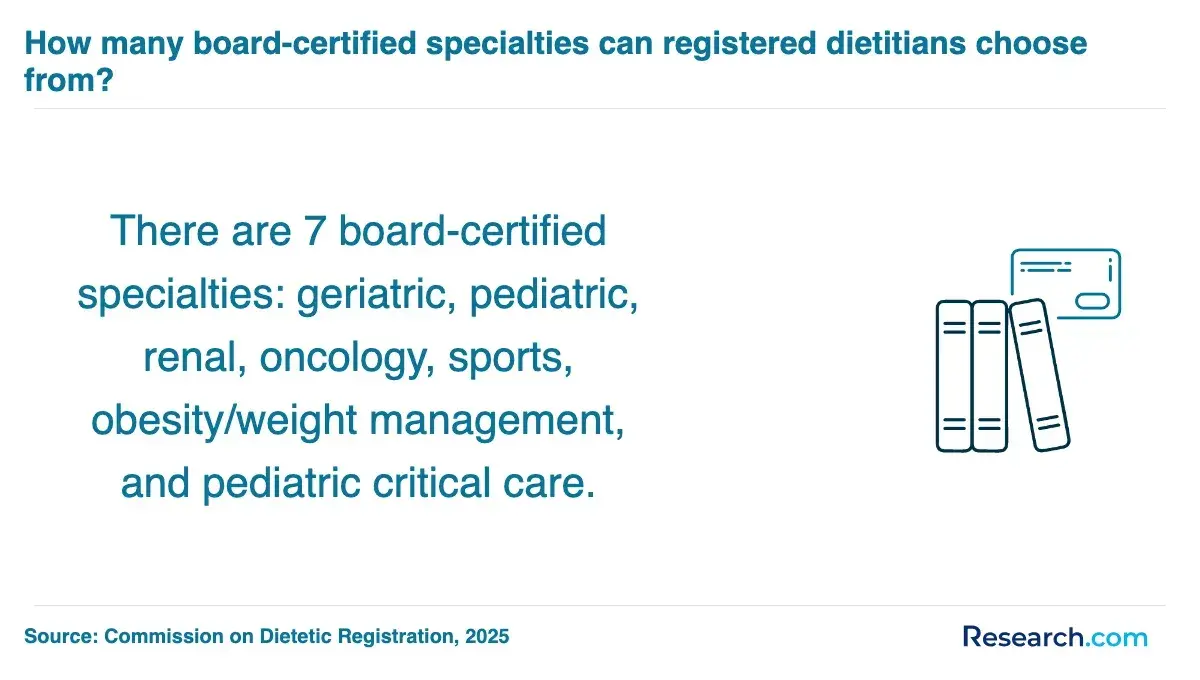
What types of dietitian specializations can you pursue in Wyoming?
Dietitians in Wyoming have the opportunity to specialize in various fields that align with the state’s healthcare demands and community needs. Each specialization requires adherence to state licensure laws and national credentialing standards, reflecting professional expertise and targeted practice areas. Below are the key dietitian specializations available in Wyoming:
- Clinical Dietitian: Focuses on medical nutrition therapy for patients in hospitals, clinics, and long-term care facilities, practicing under Wyoming’s licensure regulations.
- Community Dietitian: Works in public health sectors developing nutrition education and outreach programs for diverse populations.
- Food Service Management Dietitian: Manages large-scale food operations in institutions like schools and hospitals, overseeing budgets, staff, and compliance.
- Pediatric Dietitian: Provides nutrition counseling for infants, children, and adolescents, addressing growth and allergy concerns in healthcare or school settings.
- Geriatric Dietitian: Specializes in nutrition care for elderly populations, often employed in nursing homes or home health agencies to meet increasing demand.
- Sports Dietitian: Advises athletic organizations on nutrition strategies to enhance performance, recovery, and competition readiness.
- Research Dietitian: Conducts nutrition science studies and public health research, typically in academic or grant-funded environments.
- Dietitian Informatics Specialist: Utilizes data analysis and IT to improve nutrition care systems within healthcare or government entities.
- Private Practice/Consulting Dietitian: Offers personalized nutrition counseling and consulting services, often specializing in weight management or chronic disease prevention.
What is the average salary of a registered dietitian in Wyoming?
The average salary for a registered dietitian in Wyoming is approximately $61,220 per year, with recent data showing annual earnings ranging from $62,139 to $73,053. Hourly wages typically fall between $30.00 and $35.12, with a common rate near $34.52 per hour. Compared to the national average, Wyoming dietitians earn about 2% more, although the state ranks last in overall salary levels among the 50 states.
Below are the key factors influencing salary variations:
- Location within Wyoming: Urban areas like Cheyenne and Casper may offer slightly higher wages, but overall variation is limited due to the state's low population density.
- Experience Level: Entry-level dietitians start near $33,280 annually, while seasoned professionals can earn up to $127,470.
- Work Setting: Employment in hospitals or specialized healthcare facilities often corresponds with salaries at the higher end of the range.
- Demand and Job Market Activity: Wyoming’s smaller, less active job market restricts rapid salary growth and frequent employment changes.
- Regional Salary Trends: Most dietitians earn between $58,200 and $85,100 annually, with top earners reaching $96,122.
What do you need to keep your dietitian registration active in Wyoming?
Maintaining an active dietitian registration in Wyoming ensures legal authorization to practice and demonstrates ongoing professional competence. Compliance with renewal timelines, continuing education, and fee payments protects public safety and supports the integrity of the profession.
- License Renewal Frequency: Licenses must be renewed every two years, with applications postmarked by June 15 to avoid penalties.
- Continuing Education Requirements: Completion of approved continuing education is mandatory each renewal cycle and must be documented with the application.
- Renewal Fees: The standard fee is $200; late renewals between June 16-30 incur an additional $25 fee.
- Reinstatement After Lapse: Licenses lapsed over 90 days require renewal, fees, and proof of continuing education before resuming practice.
- Inactive Status Option: Practitioners not actively working can request inactive status to pause fee payments, but must reinstate and meet requirements to reactivate.
When I spoke with a registered dietitian from Wyoming who graduated locally, he emphasized the practical challenges of reciprocity. “Because Wyoming’s standards align with some states but not all, transferring my license wasn’t automatic,” he explained. “I had to navigate additional paperwork and ensure I met Wyoming’s continuing education rules, which sometimes felt complicated but ultimately ensured I stayed current.”
He appreciated the clarity of deadlines and the Board’s communication, noting, “It’s reassuring to have firm guidelines, even if the process is strict. It keeps the profession credible.” His experience highlights the balance between regulatory rigor and professional development in maintaining active registration.
How long does it take to become a registered dietitian in Wyoming?
The timeline to become a registered dietitian in Wyoming generally spans six to seven years, encompassing undergraduate and graduate education along with supervised practice. This duration reflects the Wyoming registered dietitian education and training timeline, which includes the recent addition of a master’s degree requirement as of 2024. The process typically begins with a four-year bachelor’s degree at an accredited institution.
Following undergraduate studies, students pursue a master’s degree, which can take one to two years depending on the program’s structure and scheduling. Concurrently or subsequently, candidates complete a supervised practice internship that involves 1,000 to 1,200 hours, usually lasting 8 to 12 months full-time. These sequential steps are critical before sitting for the national registration exam.
Several factors influence how long to become a registered dietitian in Wyoming, including part-time study, internship availability, and course retakes. Flexible options like online programs or an online nutrition science degree may accelerate this timeline for some students. However, personal commitments or delays in program placement can extend the overall duration.
Do transferable healthcare skills improve your prospects as a registered dietitian in Wyoming?
Candidates with practical experience in allied healthcare roles can leverage their acquired competencies to enhance their registered dietitian applications in Wyoming. Proven skills in clinical communication, patient care protocols, and interdisciplinary collaboration—often developed in positions such as how to become a medical assistant in Wyoming—can provide a competitive edge during supervised practice and credentialing processes. Highlighting these transferable abilities in your application may contribute to a smoother transition into dietetic practice while addressing the evolving demands of Wyoming’s healthcare landscape.
Can international students qualify to become registered dietitians in Wyoming?
International students can pursue licensure as registered dietitians in Wyoming by fulfilling specific federal and state requirements. The process involves credential evaluation, accredited education, supervised practice, and legal authorization to work in the U.S.
- Foreign Degree Equivalency: Applicants must have their international degrees evaluated to ensure equivalency with degrees from U.S. regionally accredited institutions, as mandated by the CDR.
- ACEND-Accredited Education: Completion of all required coursework through an ACEND-accredited program is necessary, regardless of prior international education.
- Supervised Practice Requirement: A minimum of 1,000 hours of supervised dietetic practice in an ACEND-accredited program must be completed to qualify for the CDR exam.
- English Language Proficiency: Evidence of English proficiency, typically via standardized testing, may be required to enroll in accredited programs and participate in supervised practice, depending on program policies.
- Visa and Work Authorization: Candidates must obtain visas permitting study and supervised practice in the U.S., followed by appropriate work authorization such as Optional Practical Training or sponsorship to practice professionally in Wyoming.
- Legal Presence Documentation: Proof of lawful presence in the U.S., such as valid visa or permanent resident documents, is required when applying for state licensure through the Wyoming Dietetics Licensing Board.
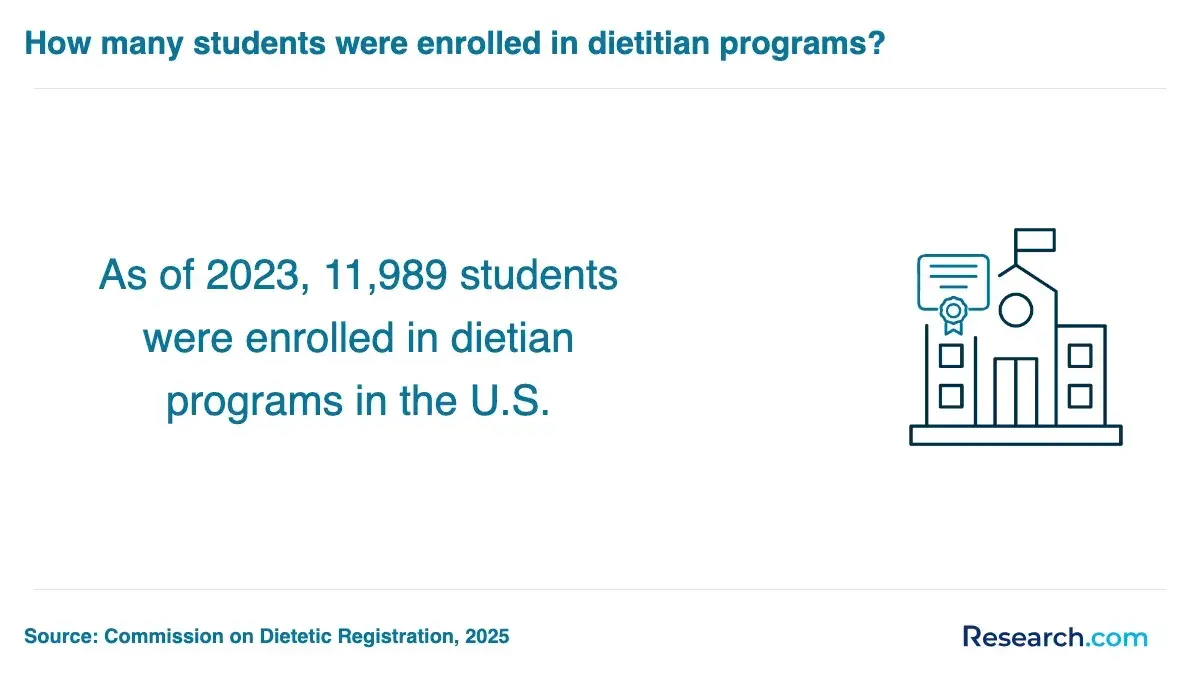
Wyoming’s registered dietitian workforce numbered about 190 professionals in 2024, with employment projected to grow 10% by 2033, offering expanding opportunities for qualified international candidates. Prospective applicants can also explore pathways to advance their credentials, including specialized degrees like the anchors part-time Ph.D. in economics, which may complement their career development in nutrition and dietetics.
What career paths can registered dietitians pursue in Wyoming?
Registered dietitians in Wyoming have varied career opportunities across healthcare, community, and private sectors. These roles offer steady demand and competitive salaries, reflecting the state’s needs and population trends.
- Clinical Dietitian: Working primarily in hospitals and medical centers, these professionals support patient nutrition with an average salary around $69,840, reflecting steady demand for clinical dietitian jobs in Wyoming.
- Long-Term Care Dietitian: Focused on elderly nutrition in nursing homes, salaries range from $43,790 to $102,880, driven by Wyoming’s aging population and strong job outlook.
- Community and Public Health Dietitian: Employed by government or non-profits, these dietitians promote preventive health, with salaries near the state average influenced by agency and location.
- Food Service and Nutrition Management: Overseeing meal operations in schools and hospitals, these roles offer stable employment with salaries consistent with statewide averages.
- Private Practice/Consulting Dietitian: Providing individualized counseling or wellness programs, earnings vary but often exceed state averages based on client base and specialization.
- Remote/Telehealth Dietitian: Serving rural and broader populations virtually, these positions offer flexible, competitive pay, sometimes surpassing in-person roles.
- Corporate Wellness Dietitian: Designing workplace nutrition programs, compensation typically meets or exceeds average state salaries amid growing employer investment.
- Research and Academia: Roles in teaching or research require advanced degrees and offer variable salaries, contributing to public health knowledge in Wyoming.
For those considering advanced education, exploring a list of most affordable online masters degrees in nutrition can be a strategic step toward specialized career paths.
What do registered dietitians in Wyoming say about their career?
- Completing my dietetic program at the University of Wyoming was an incredible foundation for my career. Starting as a registered dietitian in a local school allowed me to blend my passion for nutrition with education. I love the stability the job offers and the chance to make a real difference in children’s health in a community that genuinely values wellness. Wyoming’s unique rural environment means I get to tailor programs that respect local food traditions while promoting healthy choices. Every day feels rewarding as I watch students grow stronger and more aware of their nutrition. Tariq
- Working as a registered dietitian in Wyoming’s school system has been a journey of both personal growth and professional development. I graduated from Casper College’s program, and the education I received prepared me well for the challenges here. The opportunity to engage with families and educators in a close-knit community has deepened my understanding of how nutrition impacts learning and well-being. The cultural diversity across Wyoming’s regions presents unique opportunities to create inclusive nutrition programs that respect different backgrounds and lifestyles. It’s fulfilling to contribute positively to the community’s health landscape. Jane
- After finishing my studies at Laramie County Community College, I embarked on my career as a registered dietitian in a Wyoming school, and it has been an enriching experience. The role demands creativity to address nutritional challenges linked to Wyoming’s outdoor lifestyle and agricultural roots. I appreciate the professional growth opportunities available here and the chance to work alongside passionate educators and families. Knowing that my work supports students’ overall well-being and academic success motivates me every day. Wyoming’s unique setting truly shapes a rewarding and dynamic career path. Gio
What are the financial costs and return on investment for becoming a registered dietitian in Wyoming?
Financial considerations play a critical role in planning a career as a registered dietitian in Wyoming. Costs vary by institution and program type, with estimated tuition, fees, and associated expenses ranging widely. Public institutions may offer lower tuition costs compared to private programs. In addition to tuition, candidates should account for costs such as application fees, textbooks, and living expenses during supervised practice periods. Financial aid options—including scholarships, grants, and federal aid—can ease this investment. Considering Wyoming’s competitive salary outlook and job stability, the long-term return on investment is generally favorable. For further educational guidance, review how to become a nutritionist in Wyoming.
Related Articles for Nearby States
- 2027 Steps to Become a Registered Dietitian in Montana
- 2027 Steps to Become a Registered Dietitian in South Dakota
- 2027 Steps to Become a Registered Dietitian in Nebraska
- 2027 Steps to Become a Registered Dietitian in Colorado
- 2027 Steps to Become a Registered Dietitian in Idaho
- 2027 Steps to Become a Registered Dietitian in Utah
- 2027 Steps to Become a Registered Dietitian in North Dakota
- 2027 Steps to Become a Registered Dietitian in Kansas
- 2027 Steps to Become a Registered Dietitian in Iowa
- 2027 Steps to Become a Registered Dietitian in Nevada
References:
- Become a Nutritionist. (n.d.). How to become a registered dietitian in Wyoming - WY. https://becomeanutritionist.org/states/becoming-a-registered-dietitian-in-wyoming/
- Commission on Dietetic Registration. (n.d.). Licensure. https://www.cdrnet.org/licensure
- National Association of Nutrition Professionals. (n.d.). Wyoming. https://nanp.org/state-law/wyoming/
- NutritionED.org. (n.d.). How to become a registered dietitian Wyoming: License, certification. https://www.nutritioned.org/registered-dietitian-wyoming/
- University of Wyoming. (n.d.). Dietetics program @ UW. https://www.uwyo.edu/fcs/undergraduate-programs/human-nutrition-and-food/dietetics.html
- WAND | Wyoming Academy of Nutrition & Dietetics. (n.d.). Your food and nutrition source, it's about eating right. https://www.eatrightwyoming.org/
- WorkInSports. (n.d.). Registered dietitian jobs in Wyoming, NY. https://www.workinsports.com/t-registered-dietitian-s-new-york-c-wyoming-jobs.html
- Wyoming Dietetics Licensing Board. (n.d.). Frequently asked questions. https://dietetics.wyo.gov/dietitians/faq
Other Things You Should Know About Becoming a Registered Dietitian in Wyoming
To become a Registered Dietitian in Wyoming in 2027, you need a Bachelor's degree from an accredited program with coursework in nutrition and dietetics. Starting January 1, 2024, a Master’s degree will also be required to sit for the RD exam, fulfilling the master's degree requirement by the Commission on Dietetic Registration.
As of 2027, the cost for a dietetic internship in Wyoming can vary significantly depending on the program but generally ranges from $5,000 to $10,000. It is important for prospective students to check specific program details for accurate cost information.
In 2027, Wyoming requires dietitians to hold a Commission on Dietetic Registration (CDR) credential to practice. Applicants must complete an ACEND-accredited program, a supervised practice, and pass the CDR exam. Additionally, applying for state licensure through the Wyoming Dietetics Licensing Board is mandatory to legally work as a dietitian.


