
2027 Best BSN to MSN Programs in Ohio: Online & Campus

Co-Founder and Chief Data Scientist
Wondering how to advance from a BSN to an MSN in Ohio when over 40% of the state’s nursing workforce still holds only a bachelor’s degree? Unsure which programs offer the right blend of flexibility, accredited curricula, and leadership preparation to secure specialized roles?
Guided by experts in career and workforce planning, this article evaluates the top online and campus-based MSN programs in Ohio, providing clarity on program quality, clinical opportunities, and pathways that align with both professional goals and the state’s evolving healthcare demands.
Key Benefits of BSN to MSN Programs in Ohio
- Ohio's BSN to MSN programs offer flexible scheduling, allowing working nurses to balance shifts while advancing education, critical as 60% of Ohio's nursing workforce is aged 35 or older and seeks career growth.
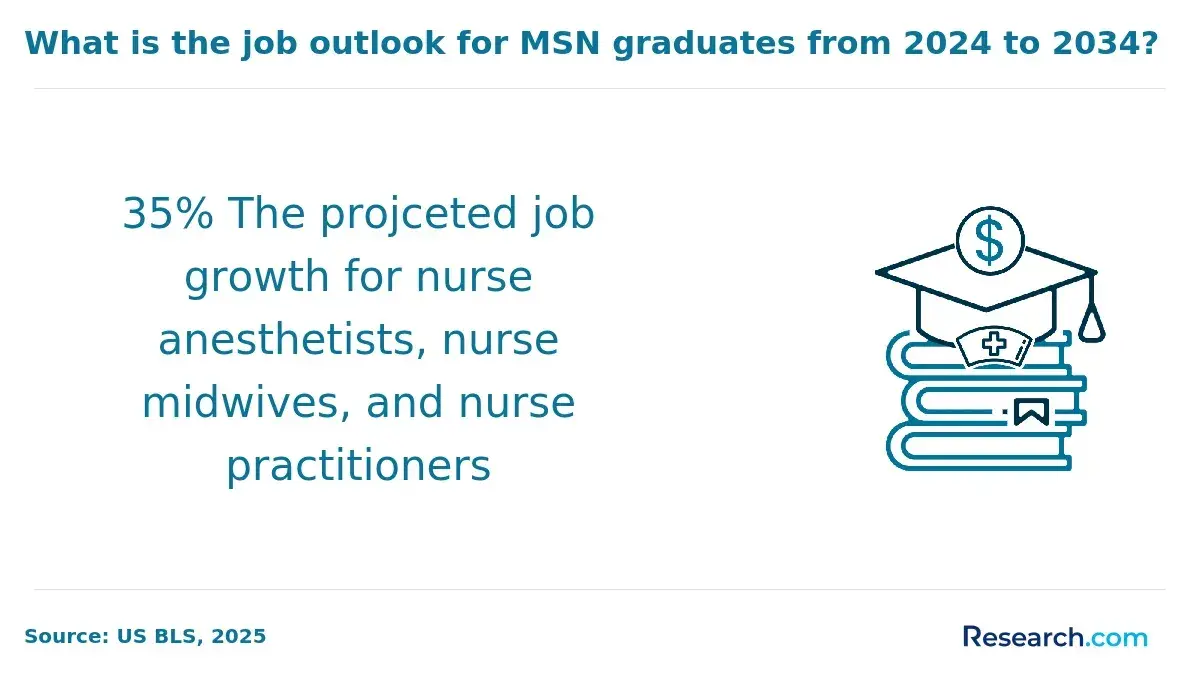
- On-campus programs provide immersive clinical experiences across diverse healthcare settings in Ohio, enhancing hands-on skills aligned with the state's rising demand for advanced practice nurses, projected to grow 15% by 2030.
- Online options utilize cutting-edge virtual simulations and collaborative platforms, preparing nurses for leadership roles amid evolving healthcare technology trends and addressing Ohio's nursing shortages through scalable education models.
- What is a BSN to MSN program in Ohio?
- How do campus-based programs compare to online BSN to MSN programs?
- What are the admission requirements for BSN to MSN programs in Ohio?
- What specializations are available in BSN to MSN programs in Ohio?
- What courses are included in a BSN to MSN program in Ohio?
- How long does it take to complete a BSN to MSN program in Ohio?
- How much do BSN to MSN programs cost in Ohio?
- What financial aid options are available to BSN to MSN students in Ohio?
- What jobs can BSN to MSN graduates pursue in Ohio?
- What is the average salary of BSN to MSN graduates in Ohio?
What is a BSN to MSN program in Ohio?
A BSN to MSN pathway in Ohio offers registered nurses a focused graduate education route that builds upon their existing Bachelor of Science in Nursing degree. These programs are crafted to deepen clinical expertise and advance leadership capabilities, enabling nurses to pursue specialized nursing roles or advanced practice positions. By emphasizing graduate-level content tailored to the nursing profession, these curricula avoid repeating foundational BSN topics and instead integrate theory with practical skills relevant to higher-level responsibilities.
Nurses enrolled in Ohio BSN to MSN bridge programs can expect to prepare for career advancements such as advanced practice roles, nursing leadership, and education or research within healthcare systems. Structured for flexibility and efficiency, BSN to MSN nursing programs in Ohio are increasingly available in hybrid or fully online formats that accommodate working professionals. This adaptability helps meet the demand for advanced nursing qualifications essential for diverse settings, including clinical specializations, administration, and academic roles.
Graduates are positioned to qualify for expanded licensure and certifications that reflect evolving healthcare needs. For those considering roles like Nurse Practitioner or exploring options that affect compensation, understanding metrics such as the DNP midwife salary highlights the potential financial and professional growth tied to these advanced degrees.
How do campus-based programs compare to online BSN to MSN programs?
Enrollment in online graduate nursing programs has surged nationwide, with flexible learning becoming a decisive factor for many working nurses. As Ohio's demand for advanced practice nurses grows, discerning the differences between campus versus online BSN to MSN Ohio programs is increasingly important for prospective students.
Exploring these distinctions helps registered nurses choose the path best aligned with their professional and personal needs.
- Learning Format and Structure: Campus-based programs follow a traditional in-person model offering face-to-face lectures, labs, and seminars, fostering direct interaction with faculty and peers. Online programs deliver coursework asynchronously or with limited live sessions, providing a more self-directed learning environment through virtual tools.
- Schedule Flexibility: Campus programs usually have fixed schedules with specific class and clinical hours requiring on-site attendance. Conversely, online formats offer flexible access to coursework, accommodating nurses balancing work and family by allowing them to study on their own time.
- Clinical and Practicum Experiences: On-campus students complete clinical hours at local facilities under direct supervision, often integrated with their coursework schedule. Online students arrange clinical placements near their residence, coordinated remotely, which adds convenience but demands proactive planning.
- Faculty Interaction and Peer Collaboration: Direct mentorship and immediate feedback are hallmarks of campus programs, while online students engage with instructors and peers primarily through discussion boards and video conferencing, building a virtual community despite geographical distances.
- Technology Requirements and Learning Tools: Campus learners use institutional resources like simulation labs and on-site libraries, whereas online students must rely on personal devices, reliable internet, and digital communication skills to navigate multimedia content and virtual meetings successfully.
- Cost Considerations: On-campus education may include commuting, housing, or relocation expenses, while online programs can reduce these costs but might involve technology fees or the need to invest in a home study setup.
- Ideal Student Profiles: Campus programs suit those who prefer structured environments with direct mentorship and immersive peer interaction. Online options appeal to self-motivated nurses requiring schedule flexibility to balance work, family, and academic commitments, especially those aiming at roles like becoming a adult gerontology nurse practitioner.
What are the admission requirements for BSN to MSN programs in Ohio?
Enrollment in BSN to MSN programs in Ohio has seen consistent growth, reflecting an expanding need for advanced practice nurses within the state's evolving healthcare system. This trend highlights the increasing opportunities for BSN-prepared nurses seeking leadership and specialized roles. Admission into these programs requires meeting several key criteria designed to ensure readiness for graduate-level nursing education.
Prospective students can expect the following admission requirements:
- Educational Prerequisites: A Bachelor of Science in Nursing (BSN) from an accredited institution is required, typically with a minimum cumulative GPA around 3.0 on a 4.0 scale to demonstrate academic competence.
- Licensure: An active registered nurse (RN) license in Ohio is essential, underscoring eligibility to practice and ensuring candidates meet state regulatory standards.
- Clinical Experience: Most programs prefer one to two years of nursing experience, which may vary by specialty, highlighting practical readiness for advanced study.
- Standardized Tests: While some programs still require GRE scores, many are waiving this requirement, particularly for strong undergraduate records, signaling a shift toward more flexible admissions criteria.
- Letters of Recommendation: Typically two to three letters are needed, offering insight into an applicant's professional skills and academic potential.
- Personal Statement or Essay: Candidates usually submit an essay outlining their career goals and motivation for pursuing advanced practice roles.
- Interviews and Assessments: Some programs include interviews or additional evaluations to assess communication skills and suitability for rigorous graduate education.
What specializations are available in BSN to MSN programs in Ohio?
Ohio's BSN to MSN programs present an exciting array of specializations that reflect the evolving landscape of healthcare and nursing education. These tracks prepare nurses not only for advanced practice but also leadership and innovative roles, blending rigorous academic content with practical experience.
Below are several key specializations shaping the future of nursing in the state:
- Nurse Practitioner (NP) Track: This specialization covers family, adult-gerontology, pediatric, and psychiatric-mental health care. Programs emphasize diagnostic reasoning, advanced clinical skills, and patient management, often including immersive clinical rotations and simulation labs to enrich practical learning.
- Clinical Nurse Specialist (CNS): Focused on improving patient outcomes, CNS tracks combine expert clinical practice with consultation and systems leadership. Students gain training in evidence-based practices, quality improvement, and healthcare informatics to influence care on multiple levels.
- Nurse Educator: Designed to prepare future educators, this specialization centers on curriculum development, innovative teaching techniques, and learner assessment. Emphasis is placed on using new educational technologies adapted for adult learners in both academic and clinical settings.
- Nurse Administrator/Leader: Students develop skills in healthcare management, policy implementation, and financial oversight. These tracks cultivate leadership abilities needed to oversee teams, manage resources effectively, and drive healthcare improvements.
- Emerging Specializations: Ohio programs are integrating areas like public health nursing, healthcare informatics, and population health management. These fields reflect a growing focus on community health, data analytics, and population-based strategies that respond to future healthcare challenges.
When I spoke with a nurse who graduated from an Ohio BSN to MSN program, she reflected on how navigating the balance between rigorous coursework and demanding clinical experiences tested her resilience. She found that the evolving technology in simulation labs was both challenging and exhilarating, pushing her to master complex patient scenarios before entering real-world settings.
Her journey was marked by moments of self-doubt but also profound growth, especially when working with interdisciplinary teams during rotations. This blend of challenge and support left her feeling confident in her chosen specialization, recognizing that such programs are designed not just to educate but to transform nurses into future leaders prepared for ongoing change.
What courses are included in a BSN to MSN program in Ohio?
Most BSN to MSN programs in Ohio require between 36 and 45 credit hours, typically completed in two to three years depending on enrollment status. This balance allows working nurses to deepen their expertise while maintaining professional duties.
Exploring the typical Ohio BSN to MSN program coursework reveals a blend of foundational and specialized courses designed to equip graduates for diverse advanced roles.
- Advanced Pathophysiology: This course explores disease mechanisms at cellular and systemic levels, sharpening clinical reasoning and diagnostic skills that are critical for complex patient care.
- Advanced Pharmacology: Focused on medication therapy, interactions, and safety, this course prepares nurses to manage pharmaceutical interventions effectively across varied populations.
- Health Assessment: Emphasizing comprehensive physical and psychosocial examinations, this coursework builds competencies to accurately evaluate and monitor patient conditions.
- Nursing Research: This course fosters the ability to critically evaluate and apply evidence-based practices, enhancing outcomes through informed clinical decisions and research literacy.
- Leadership and Management: Offering insights into healthcare policy, finance, and organizational behavior, this class cultivates skills necessary for administrative and executive responsibilities within healthcare systems.
- Specialization Electives: Options such as family nurse practitioner practice, nurse education, healthcare informatics, and healthcare administration allow students to tailor their studies, preparing them for roles in direct clinical care, teaching, or healthcare leadership.
By integrating these courses, BSN to MSN programs address evolving professional demands and prepare nurses for future innovations. Nurses aiming to advance quickly may find the best way to become a nurse practitioner fast aligns with focused curricula that combine core knowledge with specialization options within these programs.
How long does it take to complete a BSN to MSN program in Ohio?
Recent data shows that BSN to MSN programs in Ohio most often take around two years to complete, with variations depending on individual circumstances and program structure. As advanced nursing roles continue evolving, understanding the factors influencing completion time can help prospective students plan their educational journey strategically.
- Full-time enrollment: Students attending full-time typically complete their BSN to MSN in about 18 to 24 months. This accelerated path suits those able to commit fully to coursework and clinical requirements without major interruptions.
- Part-time enrollment: Many working nurses choose part-time study to balance professional and personal life, extending program duration to approximately three years. This option offers flexibility but may delay entry into advanced practice roles.
- Specialization impact: The chosen nursing concentration significantly influences program length. Advanced practice tracks such as nurse anesthesia or nurse practitioner often demand more extensive clinical hours and complex coursework, potentially lengthening completion time.
- Transfer credits: Prior graduate coursework or relevant certifications can shorten the duration if accepted by the program. Students with substantial transferable credits may accelerate progress toward the MSN degree.
- Course load flexibility: Some programs offer accelerated courses, evening classes, or summer sessions, enabling motivated students to finish faster. Conversely, balancing heavy work schedules or opting for lighter course loads can extend the timeline.
One graduate of a BSN to MSN program in Ohio recounted the challenges of juggling a full-time nursing position while pursuing the degree. Working night shifts in a busy hospital, he found the clinical rotation scheduling particularly taxing, often requiring late evening study sessions and weekend clinical hours.
Despite moments of fatigue and uncertainty, he emphasized how the program's flexible options allowed him to adapt when work demands intensified. Reflecting on the experience, he noted the personal growth that came from managing professional responsibilities alongside rigorous academic work, underscoring that the duration felt longer during challenging phases but was ultimately rewarding and well worth the commitment.
How much do BSN to MSN programs cost in Ohio?
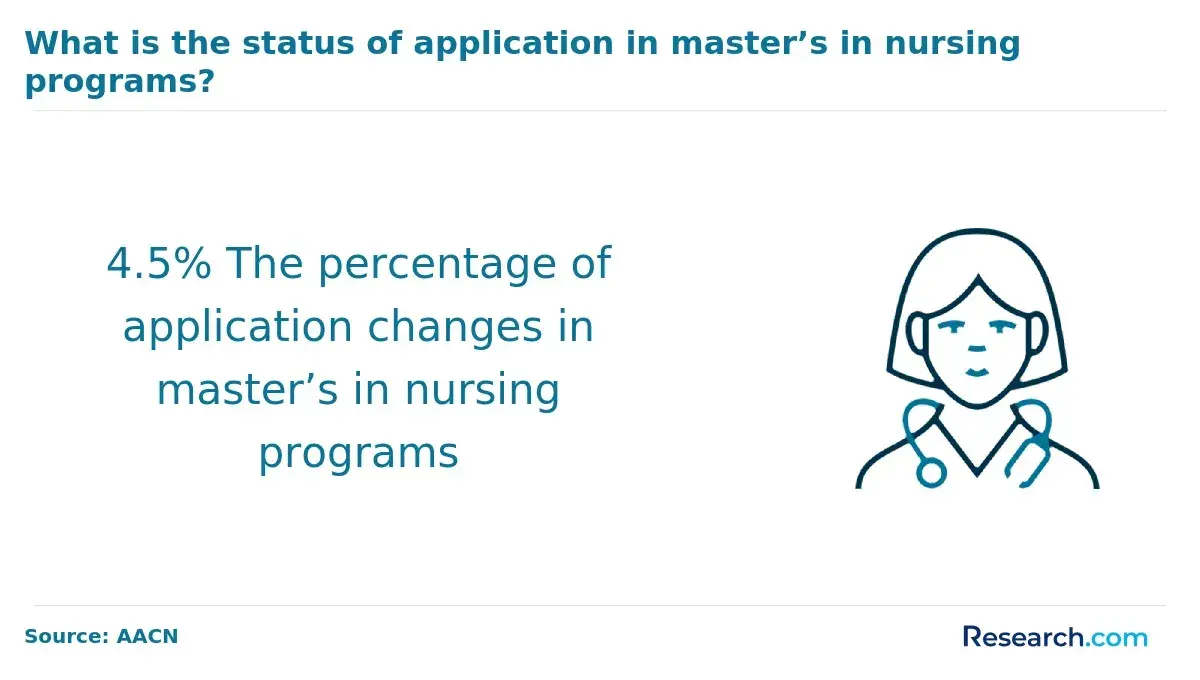
Graduate nursing education costs in Ohio typically range from $10,000 to $20,000 per year for residents, with out-of-state tuition often reaching up to twice that amount. These figures highlight the financial impact of residency status and program selection on prospective MSN students. Exploring program expenses in detail reveals factors that can influence total investment in a BSN to MSN degree.
- Tuition (In-state vs. Out-of-state): In-state students benefit from significantly lower tuition rates, often paying about half to two-thirds of what out-of-state students are charged. Out-of-state tuition can be 1.5 to 2 times higher, reflecting the state's prioritization of resident education. This gap may narrow over time as universities explore more uniform pricing models for online education.
- Additional Fees: Beyond tuition, students should prepare for mandatory fees such as technology access, clinical placement charges, and other institutional costs. These fees can vary widely, but may add several hundred to a few thousand dollars annually. Emerging program models may integrate some fees into bundled tuition plans for greater cost transparency.
- Books, Technology, and Clinical Supplies: Expenses for textbooks, nursing supplies, and software or hardware requirements often accumulate throughout the program. While online options might reduce some on-campus material needs, clinical supplies and specialized equipment usually remain necessary. Advances in digital resources could gradually reduce these costs.
- Financial Aid Opportunities: Federal loans, scholarships focused on graduate nursing, employer tuition reimbursement, and state grants help offset educational expenses. The availability and diversity of financial aid programs are expanding, potentially easing access and affordability, especially as healthcare demands grow.
- Cost Differences by Program Type: Online BSN to MSN programs may offer flexible payment structures and fewer commuting-related costs, but tuition rates can remain comparable to traditional formats due to high value content and clinical training demands. Future trends might include increased financial incentives for online learners as institutions compete to attract remote students.
What financial aid options are available to BSN to MSN students in Ohio?
Financial support options for BSN to MSN students in Ohio continue to evolve, reflecting the growing demand for advanced nursing professionals. Exploring diverse funding sources can significantly ease the journey toward higher education, positioning nurses for future leadership roles.
- Federal and State Grants: Federal grants like the Pell Grant offer limited eligibility for graduate nursing students, but Ohio residents may qualify for the Ohio College Opportunity Grant (OCOG), which supports those with financial need. Emerging policies may expand eligibility to better assist BSN to MSN candidates, especially for those evaluating whether is online MSN program easy to get into.
- Scholarships: Ohio nursing scholarships for graduate students often focus on specialty areas and underserved populations, with options available through universities and professional organizations. Increasing emphasis on diversity may create new scholarship streams aligned with evolving healthcare priorities.
- Employer Tuition Assistance: Many healthcare employers in Ohio provide tuition reimbursement programs that could grow in availability as workforce development becomes a strategic priority. These programs typically require maintaining employment and sometimes service commitments.
- Student Loans: Federal Direct Unsubsidized and Grad PLUS Loans remain primary options, with private loans used as supplements. Future trends might include more flexible repayment plans tailored for nursing professionals balancing education and work.
- Loan Forgiveness Programs: State and federal forgiveness initiatives target nurses working in high-need areas, potentially expanding to cover more specialties and locations. These incentives align with strategic efforts to address nursing shortages.
- Assistantships and Work-Study: Graduate assistantships at Ohio universities often provide stipends and tuition waivers in return for teaching or research support, which could grow as institutions emphasize practical training.
What jobs can BSN to MSN graduates pursue in Ohio?
BSN to MSN graduates in Ohio are well-positioned to enter diverse and evolving nursing careers that reflect the growing complexity of healthcare. These roles not only demand advanced clinical expertise but also offer opportunities to influence healthcare delivery on multiple levels.
Exploring Ohio advanced nursing roles for BSN to MSN graduates reveals a variety of promising career paths, including emerging specialties that build on traditional nursing foundations.
- Nurse Practitioner (NP): NPs serve in settings like clinics, hospitals, and community health centers, providing primary and specialty care. Their responsibilities range from diagnosing and treating illnesses to managing ongoing patient care independently or alongside physicians.
- Clinical Nurse Specialist (CNS): CNS focuses on improving patient outcomes through clinical consultation, staff education, and implementation of evidence-based practices. These specialists often work in hospitals, specialty clinics, or public health agencies to tackle complex healthcare challenges.
- Nurse Educator: These professionals teach in academic institutions or lead professional training within healthcare organizations. They develop curricula and deliver instruction that merges nursing theory with practical application, shaping the future nursing workforce.
- Nurse Administrator or Nurse Leader: Leadership roles involve managing nursing teams, overseeing budgets, and ensuring regulatory compliance. Nurses in these positions typically operate in hospital administration, long-term care, and healthcare companies, requiring strong organizational and leadership skills.
- Emerging Roles: With advancements in technology and patient care strategies, new positions such as healthcare informatics specialists and nurse health coaches are gaining ground. These roles emphasize data management, technology integration, and personalized patient support to improve health outcomes and healthcare systems.
For nurses looking for the best BSN to MSN programs in Ohio, gaining expertise for these advanced roles can open doors to impactful careers. Those interested in specializing further might consider options from a list of most affordable adult-gerontology nurse practitioner programs, which reflects the growing demand for advanced practice nurses in the region.
What is the average salary of BSN to MSN graduates in Ohio?
The average annual salary for MSN-prepared nurses in Ohio ranges between $85,000 and $110,000, reflecting the value of advanced nursing education in the state. This salary band indicates a promising financial boost for BSN nurses pursuing an MSN degree. Understanding how these salaries break down by role and other factors can help inform your career choices.
Here is a closer look at salary ranges and key considerations for MSN graduates in Ohio:
- Nurse Practitioners (NPs): Typically earn between $95,000 and $115,000 annually. This role commands a higher salary due to its clinical expertise and growing demand in both urban and rural healthcare settings.
- Clinical Nurse Specialists (CNSs): Salaries average $85,000 to $105,000 depending on specialty and work environment, reflecting the advanced knowledge and consultative responsibilities inherent in this position.
- Nurse Educators: Generally earn from $75,000 to $95,000 per year, influenced by academic institution type and teaching experience, with evolving opportunities as online education expands.
- Nurse Administrators and Leaders: Can expect $90,000 to $115,000 annually, depending on organizational size and managerial scope, a role increasingly critical in healthcare transformation efforts.
- Experience: More years of clinical practice and advanced certifications drive salaries toward the higher end, rewarding ongoing professional growth and expertise.
- Location: Metropolitan areas such as Columbus, Cleveland, and Cincinnati often offer higher compensation compared to rural regions, though telehealth trends may begin to level these disparities.
- Specialization: Fields like family nurse practitioner, psychiatric-mental health, or acute care nurse practitioner roles tend to earn more due to specific market demands and complexity of care.
- Salary Growth Potential: Salary progression is strong over time, especially for those gaining leadership roles or additional certifications, highlighting an MSN's value as a long-term career investment.
What Graduates of BSN to MSN Programs in Ohio Say About Their Degree
- Pursuing the online BSN to MSN program in Ohio allowed me to balance work and study while gaining specialized knowledge that directly applied to my role at Lincoln Elementary School in Columbus. The flexibility of the hybrid format made it possible to continue working full-time, and the curriculum's focus on community health deeply resonated with me. Now, as an MSN-prepared registered nurse educator, I feel empowered to support students' physical and mental well-being, contributing positively to their academic success and overall development. This program truly opened doors I hadn't imagined before. Brecken
- The on-campus BSN to MSN program in Ohio provided me with invaluable hands-on experience and direct access to faculty, which was crucial for my growth and confidence as a nurse. After graduation, I secured a position at Walnut Ridge Middle School in Cleveland, where I've advanced rapidly, taking on leadership roles in health education initiatives tailored to the diverse urban student population. The challenges of working in Ohio's public school system have sharpened my skills and heightened my passion for advocating youth health equity. This journey transformed not only my career but my entire outlook on nursing. Rynlee
- Choosing Ohio's hybrid BSN to MSN program was a defining moment in my professional and personal life. The coursework integrated Ohio's unique healthcare needs, especially in rural areas, and encouraged me to develop community-focused strategies. Now working at Springfield High School, I'm able to implement innovative wellness programs that support both students and staff. The program challenged me intellectually while fueling my commitment to making a tangible difference in my state's educational health landscape. It has set the foundation for further advancement in nursing leadership. Zayden
Related Articles for Nearby States
- 2027 Best BSN to MSN Programs in Indiana: Online & Campus
- 2027 Best BSN to MSN Programs in Kentucky: Online & Campus
- 2027 Best BSN to MSN Programs in West Virginia: Online & Campus
- 2027 Best BSN to MSN Programs in Pennsylvania: Online & Campus
- 2027 Best BSN to MSN Programs in Michigan: Online & Campus
- 2027 Best BSN to MSN Programs in Illinois: Online & Campus
- 2027 Best BSN to MSN Programs in Virginia: Online & Campus
- 2027 Best BSN to MSN Programs in Tennessee: Online & Campus
- 2027 Best BSN to MSN Programs in North Carolina: Online & Campus
- 2027 Best BSN to MSN Programs in Missouri: Online & Campus
References:
- Master of Science in Nursing (MSN) Program | Ursuline - Liberal Arts College in OH https://www.ursuline.edu/academics/programs/master-of-science-in-nursing-msn-program
- ONLINE MSN PROGRAMS https://onlinelearning.csuohio.edu/programs/online-msn-programs
- BSN Salary in Ohio | RN-BSN Salary in OH https://www.bsnedu.org/ohio-salary/
- Nursing Salary by State https://teach.com/online-ed/healthcare-degrees/online-msn-programs/nursing-salary-by-state/
- 2026 Best MSN and RN-to-MSN Programs in Ohio https://www.registerednursing.org/degree/msn/ohio/
- Master of Science in Nursing https://www.uakron.edu/nursing/academic-programs/graduate-programs/msn/index.dot
- Family Nurse Practitioner, BSN to DNP, MSN included - Otterbein University https://www.otterbein.edu/programs/fnp-bsn-to-dnp-msn-included/
- Tuition and Financial Aid https://health.csuohio.edu/nursing-school/tuition-and-financial-aid
- Master of Science in Nursing (MSN) Salary: Highest Paying MSN Jobs and States in 2025 https://nightingale.edu/blog/msn-salary.html
- MSN Nurse Salary Guide https://nurse.org/resources/msn-salary/
Other Things You Need to Know About BSN to MSN Programs in Ohio
The clinical practice requirements for BSN to MSN programs in Ohio typically include completing at least 500 clinical hours under the supervision of a licensed practitioner. These hours are essential for hands-on experience and are mandated by accreditation bodies to ensure practical skills development.
Yes, Ohio's BSN to MSN programs can be a worthwhile investment due to increased job opportunities and higher earning potential. Graduates often access specialized nursing roles and command competitive salaries, which helps recoup educational costs and yield long-term professional benefits.


