
2027 Best Colleges for Teaching Degree Programs in New Hampshire: Online & Campus

Co-Founder and Chief Data Scientist
Choosing the right college for teaching degrees in New Hampshire can feel overwhelming. Many prospective students face uncertainty about which programs best combine quality, flexibility, and career outcomes. With the U.S. teacher workforce expected to grow by nearly 7% by 2026, demand for well-prepared educators rises steadily.
This article, crafted by career planning experts, explores top schools offering both online and on-campus teaching programs. Readers will discover clear guidance to navigate options and launch successful teaching careers.
Key Benefits of the Best Colleges for Teaching Degree in New Hampshire for 2026
- Flexible learning options blend cutting-edge online platforms with engaging campus experiences, allowing students to tailor education to their lifestyle and career goals.
- New Hampshire colleges boast a 90%+ teacher licensure exam pass rate, reflecting rigorous preparation and strong statewide education partnerships.
- Small class sizes and personalized mentorship from veteran educators create a supportive environment that fosters both academic success and real-world teaching confidence.
- What teaching degrees are available at the best colleges in New Hampshire for 2026?
- What prerequisites are required for teacher education programs in New Hampshire in 2026?
- What accreditation and licensure requirements apply to teaching degree programs in New Hampshire in 2026?
- What courses do you take in a teaching degree program in New Hampshire in 2026?
- What support do New Hampshire colleges offer during student-teaching placements in 2026?
- How much does a teaching degree cost in New Hampshire in 2026?
- What financial aid options are available for teaching students in New Hampshire in 2026?
- What jobs can you get with a teaching degree in New Hampshire in 2026?
- What are the salaries of teaching degree graduates in New Hampshire in 2026?
- What are the key factors when choosing the best teaching degree colleges in New Hampshire for 2026?
What teaching degrees are available at the best colleges in New Hampshire for 2026?
Choosing the right path in teaching degree programs in New Hampshire 2026 is crucial for aligning your education with your career aspirations. Knowing what degrees are available allows future educators to focus on specialties that best fit their interests and the evolving needs of local schools. Whether you prefer on-campus experiences or online flexibility, the options cater to a variety of teaching ambitions.
- Bachelor of Science in Education (B.S. Ed. ): This degree centers on preparing students to become effective classroom teachers across elementary, middle, or high school levels. It emphasizes hands-on pedagogical skills, child development theories, and instruction in core subjects such as math, science, and English.
- Bachelor of Arts in Education (B.A. Ed. ): Combining a liberal arts foundation with teacher training, this program allows candidates to specialize in fields like early childhood, special education, or language arts. It balances educational theory with practical classroom application to develop well-rounded educators.
- Master of Education (M.Ed.): Serving both aspiring and experienced teachers, the M. Ed. offers opportunities to specialize in curriculum design, leadership, or special education. Many programs provide online courses, granting flexibility for working professionals to advance into roles like administrators or instructional coordinators.
- Alternative Certification Programs: These pathways are designed for those holding degrees outside education who wish to become certified teachers. Often available online, they focus on essential teaching skills and state licensure requirements to quickly expand the pool of qualified educators.
Exploring the best colleges for education degrees in New Hampshire can be an adventure that leads to both personal growth and a rewarding career. For those seeking flexible learning options, consider reviewing the rankings of the best online bachelors in education programs that include schools offering these varied teaching degrees.
What prerequisites are required for teacher education programs in New Hampshire in 2026?
For prospective teaching students exploring admission requirements for teaching degrees New Hampshire offers, knowing what top colleges expect can spark confidence and clear direction. These prerequisites serve as gateways, ensuring candidates are ready to thrive in rigorous academic settings and dynamic classrooms. Taking a closer look uncovers a blend of academic benchmarks and personal qualities that reveal a true passion for education.
- Minimum GPA Requirement: Most programs seek a cumulative GPA around 2. 75 to 3. 0 on a 4. 0 scale. This academic baseline helps confirm that applicants have the consistency and capability to handle the challenging coursework found in teacher education tracks at institutions like Plymouth State University and the University of New Hampshire.
- Basic Skills Proficiency: Demonstrating competency in reading, writing, and math is vital. Many colleges require standardized tests such as the Praxis Core Academic Skills for Educators to ensure future teachers possess the foundational skills critical for student success and state licensure.
- Official Transcripts: Providing transcripts from previous schools allows admissions teams to verify academic history and maintain transparency about applicant qualifications. This helps uphold the high standards necessary for quality education programs in New Hampshire.
- Letters of Recommendation: Insightful endorsements from instructors or supervisors highlight a candidate's teaching aptitude, reliability, and communication skills. These letters offer a glimpse into the applicant's character and readiness to connect with diverse learners.
- Relevant Experience: Volunteering or working in educational settings is increasingly emphasized, especially in programs with online options. Hands-on exposure to classrooms equips candidates with practical understanding and strengthens their performance in student teaching placements.
- Statement of Purpose: A personal essay articulating motivation for entering the teaching profession helps admission committees gauge genuine commitment. This narrative aligns candidates' values with the community-focused goals essential to New Hampshire's public schools facing workforce challenges.
If you're curious about how to advance beyond prerequisites and explore advanced learning, consider discovering what are the best online doctorate in higher education programs to shape your future in education leadership.
What accreditation and licensure requirements apply to teaching degree programs in New Hampshire in 2026?
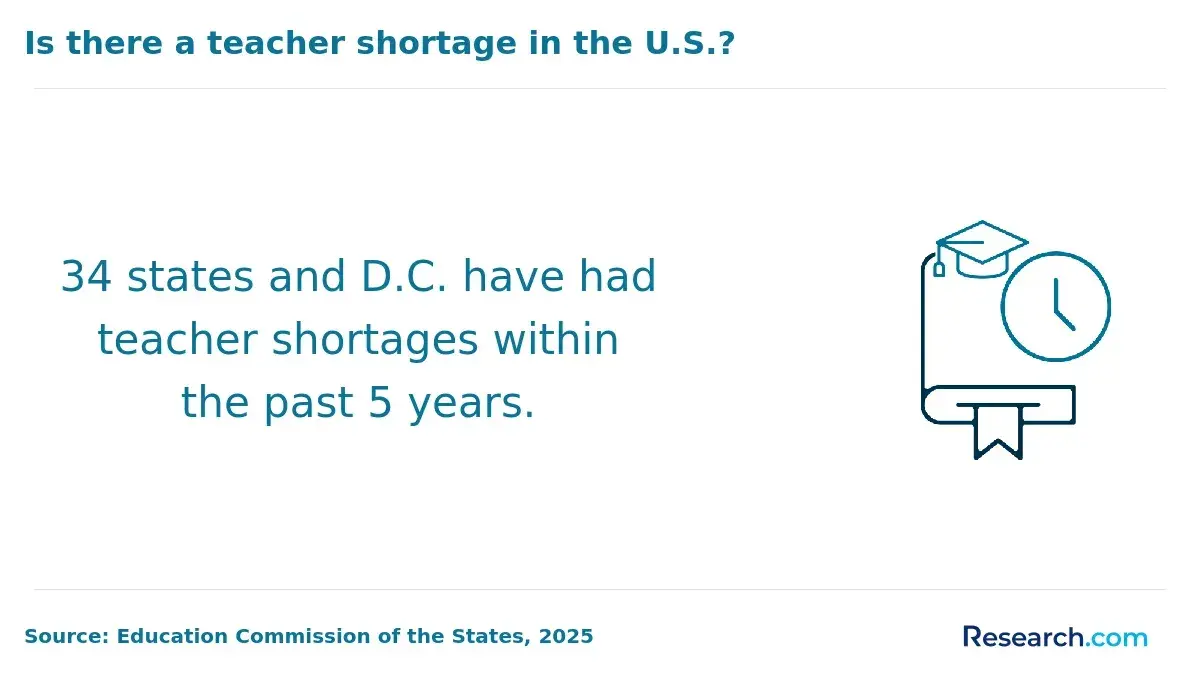
Accreditation and licensure form the backbone of quality and credibility when pursuing a teaching degree in New Hampshire. They ensure that programs meet high standards and that graduates are genuinely prepared to thrive in classrooms, making your journey as a future educator trustworthy and well-supported.
- Regional Accreditation (NECHE): Colleges offering teaching degrees usually hold accreditation from the New England Commission of Higher Education, a regional authority that validates the overall quality of the institution. This guarantees that the college meets rigorous academic standards, providing a solid foundation for your education.
- Program-Level Accreditation (CAEP): The Council for the Accreditation of Educator Preparation focuses specifically on teacher training programs, ensuring they meet demanding criteria in curriculum design, faculty expertise, and candidate readiness. Holding CAEP accreditation signals a program's commitment to producing effective educators ready for today's classrooms.
- State Licensure Requirements: Before becoming a licensed teacher in New Hampshire, candidates must complete an approved preparation program and pass the Praxis Core Academic Skills tests, measuring essential abilities in reading, writing, and math. Praxis Subject Assessments further evaluate knowledge in specific teaching fields, combined with background checks and demonstration of state teaching standards.
- Multiple Licensure Levels: New Hampshire begins new teachers with an Initial License, which advances to a Professional License after three years of experience, mentoring, and professional development. This system encourages growth and ongoing learning, reflecting the dynamic nature of the teaching profession.
What courses do you take in a teaching degree program in New Hampshire in 2026?
The teaching degree curriculum in New Hampshire blends deep knowledge with hands-on experience, inviting future educators to explore innovative methods and thoughtful strategies. By engaging with diverse courses, students develop the skills and insights necessary to inspire and support learners across all levels, readying themselves for dynamic classrooms in the modern world.
- Foundations of Education: Dive into the rich history and social landscape of education, uncovering how policies and philosophies shape what happens in classrooms today. This course encourages students to see education as a living system influenced by culture and values, setting a meaningful stage for their teaching journey.
- Educational Psychology: Explore how learners grow emotionally, cognitively, and socially, and discover practical ways to respond to this development. This course equips future teachers with techniques to tailor instruction that meets each student's unique path.
- Curriculum Design and Assessment: Learn to craft thoughtful curricula aligned with state standards while creating fair and effective assessments. Students gain tools to measure learning outcomes and adjust teaching to maximize student success.
- Classroom Management: Master proactive strategies to build respectful, engaging environments that encourage participation and minimize disruption. This course emphasizes the art of nurturing positive relationships and fostering self-discipline.
- Instructional Technology: Experiment with digital resources that enrich lessons and connect with diverse learning styles. Students learn to weave technology seamlessly into their teaching to enhance interaction and understanding.
- Special Education and Inclusion: Engage with practices that make classrooms welcoming for all learners, focusing on legal frameworks and individualized supports. This course highlights the vital role of inclusive education and adaptive methods.
- Methods of Teaching Content Areas: Tailor teaching techniques for subjects like math, science, and language arts, adapting to different educational levels. Students design lessons grounded in best practices and aligned with academic goals.
- Field Experience and Student Teaching: Step into real classrooms through guided placements, applying theory while building confidence and professional skills. These immersive experiences are crucial for earning New Hampshire licensure and thriving as an educator.
What support do New Hampshire colleges offer during student-teaching placements in 2026?
Gaining confidence and practical skills in real classroom settings hinges on the robust support systems colleges provide during student-teaching placements. New Hampshire's top teaching programs ensure aspiring educators don't just observe-they actively grow through targeted guidance and enriching experiences.
- Mentorship: Experienced teachers partner with student educators, offering hands-on advice for lesson planning and classroom management. This personalized support helps new teachers navigate diverse learning environments with confidence.
- Constructive Feedback: Regular, detailed critiques enable student teachers to refine techniques and adapt their approaches. Continuous feedback fosters self-awareness and professional growth crucial for classroom success.
- Professional Development Workshops: Interactive sessions tackle vital topics like inclusive education and assessment strategies, keeping students aligned with New Hampshire's educational standards and evolving needs.
- Observation Opportunities: Watching veteran and peer educators in action exposes candidates to varied teaching styles and classroom dynamics, enriching their instructional toolkit.
One graduate from a leading New Hampshire college shared how initial nerves vanished thanks to a mentor who modeled effective classroom responses and offered calm encouragement during challenging moments. The graduate recalled feeling overwhelmed managing a diverse classroom until participating in workshops that illuminated practical strategies for engagement and assessment. This layered support turned uncertainty into a rewarding, confidence-building journey, shaping a readiness that extended well beyond student teaching.
How much does a teaching degree cost in New Hampshire in 2026?
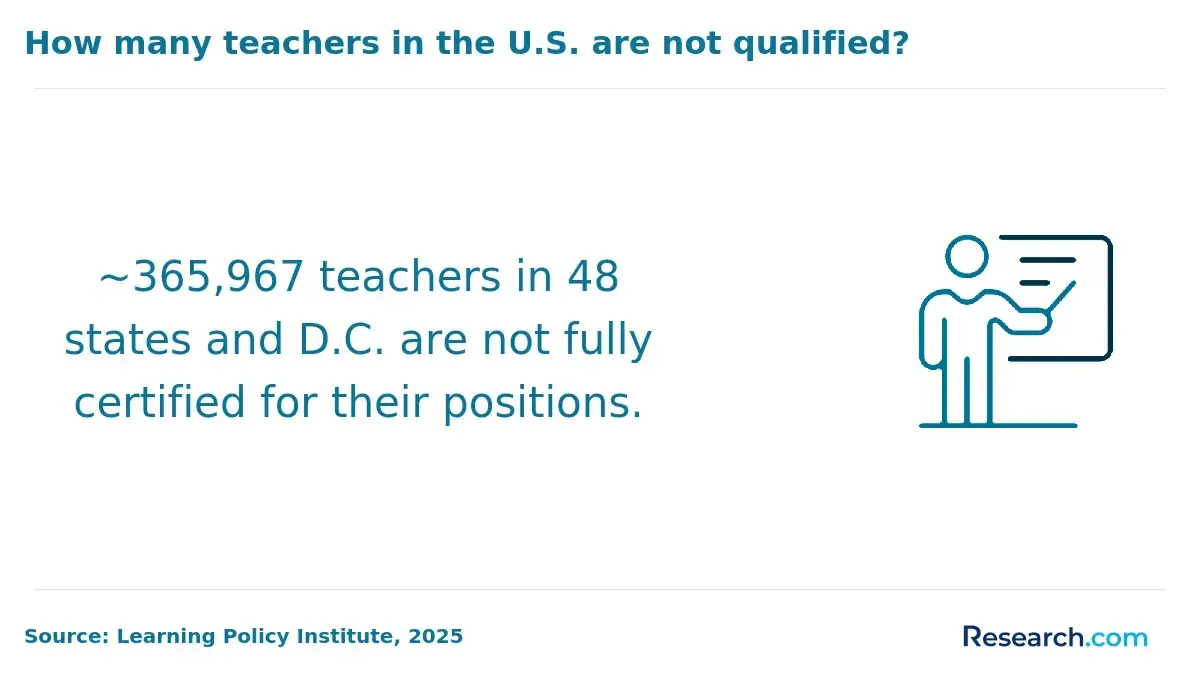
Planning the costs of a teaching degree program is a vital step for prospective students exploring their educational journey in New Hampshire. Tuition and associated fees can vary widely, especially between public and private colleges and between online and on-campus formats. Being aware of these differences helps students make informed choices to fit their budgets and career goals.
On-Campus Programs
- Tuition Range: Public universities typically charge in-state students between $7,000 and $15,000 annually for teaching degree programs, while private schools often range from $25,000 to $40,000 per year.
- Residency Impact: Out-of-state students at public institutions can expect significantly higher tuition rates, which is an important consideration for many applicants.
- Additional Fees: Mandatory fees for technology, labs, and student activities add to the overall cost, along with expenses for textbooks and supplies.
Online Programs
- Per Credit Tuition: Public universities offer online courses between $350 and $600 per credit hour for resident students, leading to total costs from approximately $15,000 to $30,000.
- Private Program Costs: Private online programs usually exceed $700 per credit hour, reflecting the greater flexibility and resources available.
- Additional Expenses: Online learners should budget for software licenses, course materials, and sometimes fieldwork or practicum fees.
Key factors influencing pricing include credit hour rates, fees, and extra costs tied to certification processes. Workforce projections indicate ongoing demand for educators in New Hampshire, increasing the appeal of investing in quality education from the best colleges for education degrees in New Hampshire. Students seeking affordable options may also explore cheap online degrees in education to align their goals with cost-effective programs.
What financial aid options are available for teaching students in New Hampshire in 2026?
Nearly 68% of teaching students in New Hampshire in 2026 receive grants or scholarships, with awards averaging between $3,000 and $5,500. Navigating financial aid options is a vital step to easing the cost of education and opening doors to rewarding careers in education. Exploring available aid can reveal opportunities tailored to both merit and need, shaping a realistic budget for prospective students pursuing financial aid for teaching degrees in New Hampshire 2026.
- Federal Pell Grants: These are need-based grants that don't require repayment, awarded by filling out the FAFSA. For 2026, students can receive up to $7,395, helping reduce financial burdens significantly.
- State Scholarships and Grants: Designed especially for residents aiming for a career in education, these scholarships reward both academic merit and financial need. Applications involve completing FAFSA along with some state-specific forms, encouraging dedication to local communities.
- Teacher Loan Forgiveness Programs: Students who commit to teaching in high-need schools or shortage subject areas for five consecutive years could have up to $17,500 forgiven on federal loans, easing future debt after graduation.
- Work-Study Opportunities: Federally funded work-study allows students to gain part-time employment linked to education fields. This hands-on experience also helps offset tuition and living costs while building professional skills.
For those interested in advancing their careers further, researching masters in education can also unlock additional scholarships and funding options to support long-term goals.
What jobs can you get with a teaching degree in New Hampshire in 2026?
For those pursuing a teaching degree in New Hampshire, exploring the diverse career opportunities available after graduation can spark inspiration and guide future decisions. With employment for kindergarten through high school teachers expected to grow by about 5% from 2024 to 2034, the region's educational landscape offers both stability and evolving roles that encourage specialization and professional growth.
- Elementary School Teacher: These educators build foundational skills in young learners, delivering engaging lesson plans across subjects while fostering a supportive classroom environment. Success in this role calls for patience, creativity, and strong communication, often within public or private K-12 school settings.
- Special Education Instructor: Focused on students with diverse learning needs, special education teachers adapt instructional strategies and collaborate with families and specialists to ensure inclusive support. This position demands empathy, adaptability, and detailed knowledge of individualized education plans (IEPs), commonly situated in specialized centers or mainstream classrooms.
- Middle and High School Teacher: Professionals in these roles guide adolescents through subject-specific curricula, assess academic progress, and encourage critical thinking. Classroom management and subject-matter expertise are vital, with work environments spanning traditional schools and alternative education programs.
- Educational Coordinator: Tasked with developing and organizing curriculum frameworks, these coordinators oversee instructional standards and provide teacher training opportunities. Leadership skills and comprehensive knowledge of educational policies are essential, usually in district offices or large school systems.
- Educational Consultant: Consultants advise schools or organizations on teaching methods, technology integration, and program effectiveness. This career blends research aptitude with communication skills and often involves contract-based work with multiple education entities.
One recent graduate from a top New Hampshire teaching program shared his career exploration journey candidly. After completing his degree, he navigated a competitive job market that values both traditional teaching skills and technological fluency. His initial challenge was balancing the search with ongoing professional development, attending workshops on digital learning tools that increasingly define modern classrooms.
Eventually securing a position as a special education teacher, he found that embracing continuous learning and cultivating relationships within the local education community were instrumental in overcoming early uncertainties. Reflecting on his experience, he emphasizes that a teaching degree here opens doors beyond standard classroom roles-it's a launchpad into a dynamic career full of unexpected growth and meaningful impact.
What are the salaries of teaching degree graduates in New Hampshire in 2026?
Salary expectations play a crucial role for those considering colleges for teaching degree programs in New Hampshire, guiding decisions about their future careers. In 2026, graduates can anticipate average earnings around $63,000 annually, with elementary teachers earning between $58,000 and $63,000 and special education teachers close to $70,000. These figures highlight the rewarding potential of a teaching career in the state.
- Experience: More years in the classroom typically translate to higher salaries. Entry-level teachers start lower but often see regular raises as they build expertise over time.
- Teaching Level: Salaries differ based on grade level; secondary teachers frequently earn more than their elementary counterparts due to specialized subject training.
- Location: Urban and densely populated areas in New Hampshire tend to offer better compensation compared to rural regions, reflecting varying cost-of-living and demand.
- Certifications and Education: Advanced degrees and additional certifications can significantly boost pay, as many districts reward further education with salary increases.
Prospective students exploring the benefits of teaching degree should consider these factors alongside salary data to effectively plan their educational path and career growth in this competitive field.
What are the key factors when choosing the best teaching degree colleges in New Hampshire for 2026?
Choosing the right teaching degree college in New Hampshire for 2026 can shape your future as an educator in exciting ways. Exploring key factors helps you find a program that matches your personal goals and learning style, ensuring a rewarding and successful experience.
- Program Reputation: A well-recognized program often means rigorous coursework and strong accreditation, boosting your resume and job prospects. Schools with respected credentials, like those accredited by CAEP, better prepare you for teaching careers.
- Degree Format: Online vs. On-Campus: Flexibility matters! Online programs suit busy professionals or those balancing family, while on-campus options offer direct interaction and hands-on learning that can enrich your education.
- Faculty Expertise: Learning from skilled educators who are active in research or local schools means you gain up-to-date teaching strategies and real-world insights. Their connections can also open doors for networking and mentorship.
- Student Support Services: Advising, tutoring, career counseling, and placement help keep you on track and ready for the classroom. Colleges that partner closely with local schools often offer valuable field experiences vital for your growth.
- Career Outcomes: Look beyond the classroom to graduation rates, licensure exam success, and employment stats. Programs with solid job placement support and alumni networks can greatly enhance your chances of landing a rewarding teaching position in New Hampshire.
What Graduates Say About Their Teaching Degree from the Best Colleges in New Hampshire
- Completing my online teaching degree from one of New Hampshire's top colleges truly opened doors for me. I was able to start teaching at Hanover Elementary School, where the community's close-knit atmosphere allowed me to connect deeply with my students and their families. The program's emphasis on utilizing local history and environment in lessons helped me create engaging, relevant content. I appreciate how the degree prepared me for the unique challenges faced by schools in more rural settings. This experience has strengthened my dedication to fostering a supportive and enriching learning environment. Janna
- Graduating with a teaching degree from one of New Hampshire's best colleges has been a pivotal point in my career. Shortly after earning my diploma, I advanced to a leadership role within the academic field, capitalizing on the comprehensive training and mentorship I received. The curriculum's focus on evidence-based teaching methods and professional development opportunities helped me feel confident stepping into administrative responsibilities. This degree not only boosted my career but deepened my commitment to educational excellence across diverse student populations. Chen
- My on-campus teaching degree experience in New Hampshire was transformative, both personally and professionally. Starting a job at Concord Middle School gave me the chance to impact my community positively by supporting young learners in various ways. The unique cultural and natural aspects of New Hampshire inspired me to incorporate environmental education in my teaching, fostering students' connection to their surroundings. Beyond academics, this program helped me grow as a leader and advocate for educational equity, fueling my passion for lifelong learning and community engagement. Analyn
Related Articles for Nearby States
- 2027 Best Colleges for Teaching Degree Programs in Vermont: Online & Campus
- 2027 Best Colleges for Teaching Degree Programs in Massachusetts: Online & Campus
- 2027 Best Colleges for Teaching Degree Programs in Maine: Online & Campus
- 2027 Best Colleges for Teaching Degree Programs in New York: Online & Campus
- 2027 Best Colleges for Teaching Degree Programs in Connecticut: Online & Campus
- 2027 Best Colleges for Teaching Degree Programs in Rhode Island: Online & Campus
- 2027 Best Colleges for Teaching Degree Programs in New Jersey: Online & Campus
- 2027 Best Colleges for Teaching Degree Programs in Pennsylvania: Online & Campus
- 2027 Best Colleges for Teaching Degree Programs in Delaware: Online & Campus
- 2027 Best Colleges for Teaching Degree Programs in Maryland: Online & Campus
References:
- Tuition Rates – NHTI https://www.nhti.edu/financial-aid/tuition-rates/
- Placement School List https://www.keene.edu/educator-preparation/placement-school-list
- Are Online Degrees Respected and Credible? | Goodwin University https://www.goodwin.edu/enews/are-online-degrees-respected-credible/
- Teacher Education - Full Time | Study https://www.uottawa.ca/study/undergraduate-studies/teacher-education-full-time-requirements
- At large online colleges, students struggle to earn degrees https://www.insidehighered.com/news/tech-innovation/teaching-learning/2025/01/08/large-online-colleges-students-struggle-earn
- The challenges of teaching during a pandemic https://www.nhbr.com/facing-the-challenges-of-teaching-during-a-pandemic/
- Search Jobs https://employer.schoolspring.com/find/new_hampshire_teaching_jobs_in_new_hampshire.cfm
- Employment Opportunities - Community College System of New Hampshire https://www.ccsnh.edu/human-resources/employment-opportunities/
- Education (Online) MA https://www.nottingham.ac.uk/pgstudy/course/taught/education-online-ma
- BA in Education for Licensure | On Campus at SNHU https://campus.snhu.edu/programs/undergraduate/ba-education-for-licensure
Other Things You Should Know About the Best Colleges for Teaching Degree Programs in New Hampshire
Both online and on-campus teaching degree programs in New Hampshire offer accredited, comprehensive curricula designed to ensure quality education. Institutions such as Plymouth State University and Southern New Hampshire University maintain rigorous academic standards online, matching the depth of on-campus programs in 2027.
In 2027, Plymouth State University and Southern New Hampshire University are among the top choices for teaching degree programs in New Hampshire. Both institutions provide comprehensive curricula, combining theoretical and practical learning opportunities, and offer students flexibility with both online and on-campus options.
When selecting a teaching degree program in New Hampshire for 2027, consider program accreditation, faculty expertise, class sizes, field experience opportunities, and the flexibility of online and on-campus options. Evaluating these elements will ensure you select a program that aligns with your career goals and learning preferences.


