
2027 What Can You Do With a Bachelor’s Degree in Web Design?

Co-Founder and Chief Data Scientist
A bachelor’s degree in web design is for students who want to build websites, digital interfaces, and online experiences that are both visually strong and technically reliable. The decision matters because web design is no longer limited to layout and color choices. Employers increasingly look for professionals who understand user experience, accessibility, responsive design, front-end code, content systems, analytics, security basics, and AI-supported workflows.
This guide explains what you can do with a web design bachelor’s degree, how much related careers pay, which specializations may fit your goals, how long the degree usually takes, what to look for in a program, and when an online format makes sense. It also covers certifications, portfolio strategy, financial aid options for graduate study, and current trends shaping web design careers.
Quick answer: Is a bachelor’s degree in web design a good path?
A bachelor’s degree in web design can be a strong choice if you want structured training in UX/UI design, front-end development, visual communication, and digital production. It may be especially useful if you are targeting roles that combine design and technology, such as web developer, web and digital interface designer, UX/UI designer, or digital product specialist. According to the US Bureau of Labor Statistics (BLS, 2024), web developers and digital designers in the US had a median annual wage of $92,750 in May 2023, and related industries are expected to provide an average of around 16,500 new jobs annually between 2023 and 2033.
Key Things You Should Know about Getting a Bachelor’s Degree in Web Design
- A bachelor’s degree in web design typically covers UX and UI principles, graphic design, responsive layouts, coding, accessibility, content management systems, and tools used to create functional websites and digital products.
- An online bachelor’s degree in web design can be a practical option for students who need scheduling flexibility while still building hands-on skills in design software, coding languages, digital media, and portfolio development.
- In May 2023, web developers and digital designers in the US had a median annual wage of $92,750 (US BLS, 2024).
- What jobs can I get with a bachelor’s degree in web design for 2027?
- Is a bachelor’s degree in web design worth it for career advancement?
- How much can I earn with a bachelor’s degree in web design?
- How does a bachelor’s degree in web design increase my earning potential?
- What specializations can I choose for a bachelor’s degree in web design program?
- What are the admission requirements for a bachelor’s degree in web design?
- How long does it take to complete a bachelor’s degree in web design?
- How can integrating cybersecurity protocols boost my web design career?
- How can emerging technologies, including AI, transform my web design career?
- How can I evaluate the quality and affordability of web design programs?
- How can I build a standout portfolio to showcase my web design expertise?
- How can integrating additional information technology skills enhance my web design career?
- How can interdisciplinary studies broaden my web design career?
- What interdisciplinary programs can complement my web design degree?
- What certifications can I pursue after completing a bachelor’s degree in web design?
- What are the advantages of an online bachelor’s degree in web design?
- What financial aid options are available for web design graduate students?
- What are my advanced education options beyond a bachelor’s degree in web design?
- What is the job outlook for web designers?
- Sources used in this guide
What jobs can I get with a bachelor’s degree in web design for 2027?
A web design bachelor’s degree can prepare you for roles that sit at the intersection of design, code, user experience, and digital systems. The exact job you qualify for depends on your portfolio, technical depth, internships, software skills, and whether your program emphasizes design, development, or information technology.
| Career path | What the role usually focuses on | Best fit for students who enjoy |
| Web and Digital Interface Designers | Designing website layouts, app screens, navigation flows, interface elements, and user-centered digital experiences. | Visual design, UX research, wireframes, prototypes, usability, and branding. |
| Web Developers | Building, testing, improving, and maintaining websites with languages such as HTML, CSS, and JavaScript. | Coding, troubleshooting, responsive design, performance, accessibility, and technical problem-solving. |
| Computer Programmers | Writing and testing code for applications, websites, systems, and digital platforms. | Logic, scripting, software behavior, debugging, and technical documentation. Students interested in security concepts may also compare this path with an affordable online cyber security degree. |
| Database Administrators | Organizing, maintaining, securing, and monitoring databases used by websites, applications, and organizations. | Data management, systems reliability, security practices, and structured information. |
| Database Architects | Planning and designing database systems that support storage, retrieval, performance, and business operations. | Systems design, data modeling, architecture, scalability, and long-term technical planning. |
The strongest candidates rarely rely on the degree alone. Employers often want evidence that you can solve real design and technical problems. That means your portfolio, project process, internship work, GitHub activity, case studies, and ability to explain design decisions can matter as much as the credential itself.
The chart below shows employment levels for web design-related occupations using 2024 data from the US BLS.
Is a bachelor’s degree in web design worth it for career advancement?
A bachelor’s degree in web design can be worth it when it helps you build a credible portfolio, gain technical fluency, access internships, and qualify for roles that prefer a four-year degree. It is most valuable for students who want a broad foundation across design, UX/UI, coding, digital media, and web technologies rather than learning one narrow skill independently.
The degree may be less efficient if you already have professional design experience, a strong portfolio, and a clear specialization that can be learned through shorter programs, certificates, or employer-based training. For career changers, the best choice depends on how much structure, advising, networking, and credential value they need.
| Choose a bachelor’s degree in web design if... | Consider another path if... |
| You want a structured program that combines design theory, technical skills, and portfolio development. | You already have a strong portfolio and only need a specific skill such as JavaScript, UX research, or accessibility testing. |
| You are seeking internships, faculty feedback, career services, and a recognized credential. | You need the lowest-cost route into a single entry-level skill and can self-direct your learning. |
| You want to qualify for a wider set of roles, including web development, digital interface design, and technical design positions. | You are more interested in software engineering, advanced computing, or game systems than design-centered web work. In that case, compare web design with an online game design degree or a computer science-focused path. |
| You plan to pursue leadership, product design, digital strategy, or graduate study later. | You need immediate job preparation and can prove your skills through professional projects, freelance work, or bootcamp-style training. |
For advancement, the degree works best when paired with specialized experience. A web designer who understands accessibility, performance, SEO, conversion strategy, design systems, and basic back-end concepts may be more competitive than someone who can only produce attractive mockups.
How much can I earn with a bachelor’s degree in web design?
Pay depends on the role, employer, location, technical depth, industry, portfolio quality, and years of experience. The degree can help you enter the field, but salary outcomes are not guaranteed. According to 2024 data from the US BLS, median annual wages in 2023 for several web design-related careers were:
| Occupation | Median annual wage in 2023 |
| Web Developers | $84,960 |
| Web and Digital Interface Designers | $98,540 |
| Computer Programmers | $99,700 |
| Database Administrators | $101,510 |
| Database Architects | $134,700 |
Higher earnings are often linked to skills that directly affect business outcomes, such as improving site performance, building accessible interfaces, supporting e-commerce systems, protecting user data, or translating user research into measurable design improvements. Some professionals also move into related technical fields through certifications or additional study, such as an online cyber security degree.
Freelancers may earn additional income through client projects, but freelance earnings can vary widely and depend on pricing, client acquisition, project scope, contract terms, and business management skills.
The chart below presents 2023 median annual wages for web design-related occupations based on 2024 data from the US BLS.
How does a bachelor’s degree in web design increase my earning potential?
A web design bachelor’s degree may improve earning potential by helping students build a broader and more marketable skill set. The largest advantage is not simply having a diploma; it is being able to show that you can design, build, test, and improve digital experiences in a professional workflow.
- It can qualify you for a broader set of roles. Some employers prefer or require a bachelor’s degree for web development, digital design, database, or technical production roles. A four-year program can also make it easier to move between design, development, and digital operations.
- It can help you develop higher-value specialties. Skills in UX/UI, front-end development, accessibility, analytics, and secure design can strengthen salary negotiations. Employment for web and digital interface designers in the US is expected to increase by 8% between 2023 and 2033 (US BLS, 2024).
- It can support movement into senior or leadership roles. With experience, graduates may move toward lead designer, senior web developer, design systems specialist, product designer, or IT project manager roles. These positions usually require stronger communication, planning, and cross-functional collaboration skills.
- It can make graduate study or specialization easier. Students who later pursue computing, data, marketing, cybersecurity, or AI-focused graduate programs may benefit from having an accredited undergraduate foundation.
What specializations can I choose for a bachelor’s degree in web design program?
Specialization matters because “web design” can mean different things across schools. Some programs are visually oriented, while others are closer to web development or digital media. Before enrolling, review course descriptions, portfolio requirements, software platforms, and capstone expectations.
| Specialization | What you learn | Career direction |
| UX/UI Design | User research basics, wireframing, prototyping, usability testing, interaction patterns, information architecture, and visual interface systems. | UX designer, UI designer, product designer, digital interface designer. |
| Front-end Development | HTML, CSS, JavaScript, responsive design, browser behavior, accessibility, and interactive web components. | Front-end developer, web developer, design technologist. |
| Back-end Development | Server-side concepts, databases, application logic, security fundamentals, and programming languages such as Python. | Web developer, full-stack developer, technical web specialist. |
| Digital Marketing and SEO | Search visibility, site analytics, content strategy, conversion-focused design, brand consistency, and online campaign support. Students focused on visual branding may also compare this route with an online graphic design degree. | SEO specialist, digital designer, web content strategist, marketing technologist. |
What are the admission requirements for a bachelor’s degree in web design?
Admissions requirements differ by institution, but most bachelor’s programs ask for a high school diploma or equivalent, transcripts, and a completed application. Some schools may request standardized test scores, while others are test-optional. Programs with a stronger design focus may ask for a portfolio, and programs with a stronger development focus may value math, computing, digital media, or introductory programming experience.
A portfolio does not always need to include professional client work. Admissions teams may accept school projects, personal websites, redesign concepts, digital illustrations, coding samples, prototypes, or multimedia work. The strongest submissions usually explain your process, not just the final image or webpage.
- Academic preparation: High school coursework in math, writing, digital media, art, computer science, or business can be useful.
- Portfolio evidence: Include projects that show layout, visual hierarchy, problem-solving, technical curiosity, and attention to users.
- Technical readiness: Basic familiarity with HTML, CSS, design software, or content management systems can help, even if it is not required.
- Alternative preparation: Students who want a more technical route may compare web design with a fastest computer science degree option.
How long does it take to complete a bachelor’s degree in web design?
A bachelor’s degree in web design usually takes 4 years for full-time students. Most programs require around 120 to 130 credit hours, with courses in web development, UX/UI design, programming, digital media, visual communication, and general education.
Part-time students often need 5 to 6 years, depending on how many courses they take each term. Some schools offer accelerated formats that may allow students to finish in around 3 years through condensed terms, heavier course loads, or year-round study.
Transfer credit can change the timeline. Students with prior college credits, an associate degree, Advanced Placement credit, or relevant military and professional learning should ask each school how credits are evaluated before enrolling.
| Enrollment path | Typical completion pattern | Best for |
| Full-time study | Usually 4 years | Students who can commit to a traditional course load and want the most direct route. |
| Part-time study | Often 5 to 6 years | Working adults, caregivers, and students balancing school with other responsibilities. |
| Accelerated study | Around 3 years in some programs | Highly organized students who can handle compressed courses or heavier terms. |
| Transfer-friendly study | Varies by accepted credits | Students with an associate degree or previous college coursework. |
How can integrating cybersecurity protocols boost my web design career?
Security awareness can make a web designer more valuable because websites often handle forms, logins, payment flows, user data, and third-party integrations. Even if you do not become a cybersecurity specialist, understanding secure design and development practices can help you collaborate more effectively with developers, IT teams, and clients.
Practical security-related skills for web designers include using secure forms, understanding HTTPS, reducing risky plug-ins, following access control practices, recognizing common vulnerabilities, and designing user flows that reduce human error. Designers who can balance usability with security may stand out in industries where trust, privacy, and compliance matter.
If you want to explore this direction more deeply, review What can you do with a cyber security degree? to understand how cybersecurity education can connect with digital product work.
How can emerging technologies, including AI, transform my web design career?
AI tools are changing web design by speeding up ideation, content drafting, image generation, code assistance, testing, personalization, and design iteration. These tools can improve productivity, but they do not replace judgment. Employers and clients still need designers who can understand users, make ethical choices, evaluate accessibility, protect brand quality, and decide whether AI-generated outputs are accurate and appropriate.
To stay competitive, web design students should learn how to use AI as a workflow enhancer rather than a shortcut. Useful skills include prompt writing, AI-assisted prototyping, automated testing review, analytics interpretation, and human-centered validation. Students interested in deeper technical study may compare web design with an online master's degree artificial intelligence program later in their education.
How can I evaluate the quality and affordability of web design programs?
The best web design program is not always the cheapest or the highest ranked. It is the program that fits your career goal, teaches current tools, supports portfolio development, and offers a realistic total cost. Compare schools carefully before applying.
| Factor to check | Why it matters | Questions to ask |
| Accreditation | Accreditation can affect credit transfer, financial aid eligibility, employer recognition, and graduate school options. | Is the institution accredited by a recognized accreditor? Are there program-level quality indicators? |
| Curriculum relevance | Web design changes quickly, so outdated coursework can weaken your job readiness. | Do courses include responsive design, UX/UI, accessibility, JavaScript, content systems, analytics, and portfolio work? |
| Portfolio support | Your portfolio is often the strongest evidence of employability. | Will I graduate with case studies, live projects, prototypes, and a capstone? |
| Internships and employer connections | Experience can help convert classroom skills into job opportunities. | Does the program help students find internships, freelance projects, or industry-reviewed work? |
| Total cost | Tuition is only one part of affordability. | What are the fees, software costs, equipment requirements, transfer policies, and financial aid options? |
| Alternative program fit | Some students may be better served by a broader technology degree. | Should I compare web design with information technology online programs before deciding? |
Common mistakes when choosing a web design program
- Choosing based only on tuition. A low sticker price can become less attractive if the program has weak portfolio support, limited faculty feedback, or poor transfer policies.
- Ignoring accreditation. Lack of recognized accreditation can create problems with financial aid, graduate school admission, or credit transfer.
- Assuming all online programs are equal. Some online programs offer strong project-based learning, while others rely too heavily on theory or outdated tools.
- Overlooking software and equipment costs. Web design students may need a capable computer, design applications, hosting tools, and testing resources.
- Relying only on rankings. Rankings can be useful, but your portfolio, curriculum fit, cost, and career support matter more for individual outcomes.
How can I build a standout portfolio to showcase my web design expertise?
A strong portfolio should show how you think, not just what your final screens look like. Employers want to see the problem, your process, your design decisions, the tools you used, and the result. Include a mix of visual design, UX/UI, responsive layouts, code-supported projects, and, when possible, live websites.
- Start with 3 to 5 polished projects. Quality matters more than quantity. Each project should show a different strength, such as UX research, front-end coding, branding, accessibility, or e-commerce design.
- Write case studies. Explain the client or user problem, constraints, audience, research, wireframes, design choices, testing, and final solution.
- Include responsive examples. Show how your design works across mobile, tablet, and desktop layouts.
- Demonstrate accessibility awareness. Mention color contrast, keyboard navigation, readable typography, alt text, and inclusive design choices when relevant.
- Keep your portfolio current. Remove outdated work and replace it with projects that reflect your current skills and target job.
- Use emerging tools carefully. If you use AI, explain where it supported the workflow and what you personally evaluated, edited, or built. Students interested in AI-supported design may explore affordable online master's in artificial intelligence programs as a future option.
How can integrating additional information technology skills enhance my web design career?
Web designers who understand IT fundamentals can communicate better with developers, system administrators, security teams, and product managers. This can be especially valuable in organizations where websites connect to databases, customer relationship management systems, analytics platforms, payment systems, or internal business tools.
Useful IT-adjacent skills include database basics, version control, cloud hosting concepts, cybersecurity awareness, software development workflows, analytics implementation, and quality assurance testing. If you want a faster technology-centered credential, compare web design study with accelerated online information technology degree programs.
How can interdisciplinary studies broaden my web design career?
Interdisciplinary knowledge can help web designers move into specialized industries. A designer who understands healthcare, finance, education, science, e-commerce, or data-heavy environments can create more relevant user experiences than someone who only understands general design principles.
For example, students interested in scientific data, digital tools, and user-centered platforms may examine the bioinformatics career path to see how design, data, and domain expertise can intersect. The same logic applies to healthcare portals, learning platforms, research dashboards, and technical documentation systems.
What interdisciplinary programs can complement my web design degree?
Complementary programs can expand your career options when they add domain knowledge or technical depth. Good pairings depend on your target industry. For example, marketing can strengthen conversion-focused design, data science can improve analytics-driven design, cybersecurity can improve trust and risk awareness, and health informatics can prepare you to work on healthcare technology interfaces.
If you want to design digital tools for healthcare settings, a health informatics masters degree online can add knowledge in data systems, healthcare workflows, and technology-enabled patient or provider experiences.
What certifications can I pursue after completing a bachelor’s degree in web design?
Certifications can help verify specific tools or skills, especially when they match your target role. They are most useful when paired with a portfolio that proves you can apply the skill in real projects. Some certifications may also support careers that combine web design, branding, and digital strategy, including paths connected to online marketing degree programs.
| Certification | What it validates | Who it may help |
| Adobe Certified Professional in Web Design | Adobe offers industry credentials for Adobe Creative Cloud applications. Individuals can become Adobe Certified Professionals in four specialties, including marketing design, visual design, video design, and web design. To earn the web design credential, candidates must master Adobe Dreamweaver and Adobe Animate or Photoshop. | Students and professionals who want to demonstrate Adobe-based web and visual production skills. |
| Wix Studio Web Designer Certification | Wix offers Wix Studio Certifications, including a Web Designer certification for professionals who build sites with Wix Studio. To earn the credential, candidates must recreate a provided site, share a recent site or build a new one, and receive validation after passing the first two steps. | Designers who use Wix Studio for client sites, small business projects, or no-code/low-code web production. |
What are the advantages of an online bachelor’s degree in web design?
An online bachelor’s degree in web design can be a strong option for students who need flexibility and are comfortable learning through digital platforms. Because web design work itself is often digital, online programs can still offer meaningful hands-on practice when they include project feedback, live critiques, collaboration tools, and portfolio reviews.
- Flexible scheduling: Many online programs use asynchronous courses, allowing students to complete lectures, assignments, and projects around work or family responsibilities.
- Direct experience with digital tools: Online students often use the same design, coding, file-sharing, prototyping, and content management tools used in remote and hybrid workplaces.
- Broader school access: Students can compare programs outside their local area without relocating.
- Potential cost savings: Online learners may reduce expenses related to commuting and housing, although they should still review technology, software, and fee requirements.
- Portfolio-friendly format: Strong online programs require students to build websites, prototypes, case studies, and capstone projects that can be shown to employers.
| Online web design degree | Campus web design degree |
| Best for students who need schedule flexibility or cannot relocate. | Best for students who want in-person studio culture, campus facilities, and face-to-face networking. |
| Requires strong self-management, communication, and comfort with remote tools. | Provides more structured in-person interaction and immediate access to campus resources. |
| Can work well when the program includes critiques, group projects, and faculty feedback. | Can work well when the program has labs, studios, internships, and local employer partnerships. |
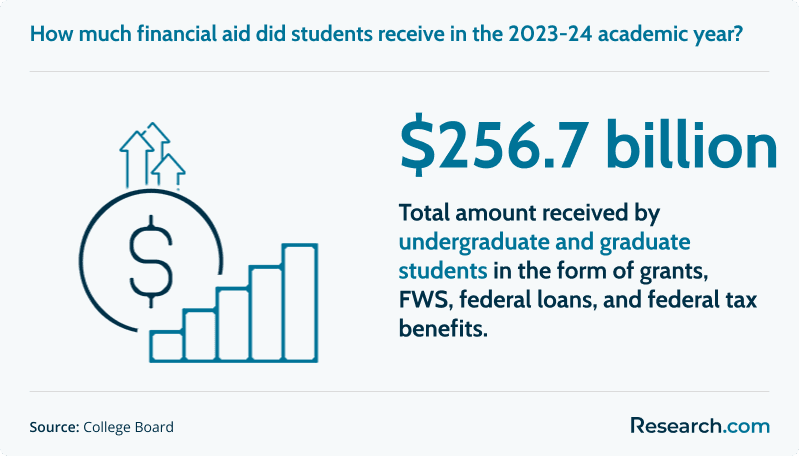
What financial aid options are available for web design graduate students?
Graduate-level financial aid for web designers depends on the degree type, field of specialization, academic record, institution, financial need, and eligibility rules. Students moving from web design into computer science, data science, AI, cybersecurity, human-computer interaction, or digital media should compare school-based aid with external fellowships and employer support.
- GEM Fellowship Program: The National GEM Consortium, with support from Adobe, offers the GEM Fellowship Program for students in graduate STEM degree programs at eligible academic institutions. For example, the MS Engineering and Science Fellowship Program provides support such as tuition and stipends, along with paid summer internships through qualified employers.
- Computer and Information Science and Engineering Graduate Fellowships (CSGrad4US): The US National Science Foundation offers this 3-year fellowship program for individuals pursuing research interests in computer and information science and engineering. Benefits include cost of education support and stipends. Applicants must be a citizen, national, or permanent resident of the US and must not be enrolled in a degree program at the time of application. Individuals previously enrolled in a doctoral program are not eligible.
- Scholarships and Grants: Universities, professional associations, technology companies, and nonprofit organizations may offer graduate scholarships or grants based on merit, financial need, field of study, or professional goals. These awards do not require repayment. Students interested in analytics-heavy roles may also compare funding opportunities in related fields, such as data science masters programs online.
Ways to reduce the cost of a web design-related degree
- Ask whether previous credits, an associate degree, military training, or professional certifications can transfer.
- Compare total cost, not only tuition. Include fees, required software, hardware, books, and portfolio hosting.
- Use financial aid tools early and check institutional deadlines.
- Look for paid internships, assistantships, employer tuition benefits, or project-based work that builds experience while offsetting costs.
- Avoid borrowing based on expected salary alone; use conservative assumptions and compare multiple career outcomes.
What are my advanced education options beyond a bachelor’s degree in web design?
After earning a bachelor’s degree in web design, you can specialize through graduate study, certificates, or professional training. The best next step depends on whether you want to move toward technical development, UX research, product leadership, AI, cybersecurity, analytics, or management.
| Advanced option | What it can add | When it makes sense |
| Master’s in computer science | Advanced software development, algorithms, systems, emerging technologies, and data analytics. | You want to shift into more technical roles or prepare for senior technology positions. An online MS in computer science may be a relevant option. |
| UX or human-computer interaction graduate study | Research methods, usability testing, interaction design, accessibility, and product strategy. | You want to become a UX researcher, product designer, or design leader. |
| Cybersecurity study | Security principles, risk management, secure systems, and data protection. | You want to design or build safer websites, apps, and digital platforms. |
| AI or data-focused study | Automation, analytics, machine learning concepts, and data-driven product decisions. | You want to work on personalization, intelligent interfaces, analytics platforms, or AI-supported design systems. |
What is the job outlook for web designers?
The job outlook for web design-related roles remains favorable because organizations continue to need websites, digital products, e-commerce tools, mobile-responsive interfaces, and user-friendly online services. The US BLS projects employment for web and digital interface designers to grow 8% from 2023 to 2033, faster than the average for all occupations (US BLS, 2024).
Competition may still be strong for entry-level design roles, especially for candidates with similar coursework but limited practical work. Students can improve their prospects by building a targeted portfolio, completing internships, learning accessibility and performance fundamentals, and developing enough coding knowledge to collaborate with technical teams.
Questions to ask before choosing this career path
- Do I prefer visual design, coding, user research, content strategy, or a mix of all four?
- Does the program produce portfolio-ready work or mainly classroom assignments?
- Will I learn current tools and workflows used by employers?
- Can I afford the program without relying on unrealistic salary expectations?
- Does the curriculum include accessibility, responsive design, UX/UI, and front-end development?
- Will I have access to internships, career advising, critiques, or employer-reviewed projects?
References
- College Board. (2024). Trends in Student Aid: Highlights. https://research.collegeboard.org/trends/student-aid/highlights
- US Bureau of Labor Statistics. (2024, August 29). Computer Programmers. Occupational Outlook Handbook. https://www.bls.gov/ooh/computer-and-information-technology/computer-programmers.htm
- US Bureau of Labor Statistics. (2024, August 29). Database Administrators and Architects. Occupational Outlook Handbook. https://www.bls.gov/ooh/computer-and-information-technology/database-administrators.htm
- US Bureau of Labor Statistics. (2024, August 29). Web Developers and Digital Designers. Occupational Outlook Handbook. https://www.bls.gov/ooh/computer-and-information-technology/web-developers.htm
Key Insights
- A bachelor’s degree in web design is most valuable when it produces a strong portfolio, not just completed coursework.
- Related roles include web and digital interface designer, web developer, computer programmer, database administrator, and database architect.
- According to 2024 US BLS data, 2023 median annual wages for related occupations ranged from $84,960 for web developers to $134,700 for database architects.
- Specialization changes the career path. UX/UI design, front-end development, back-end development, and digital marketing/SEO lead to different roles and skill expectations.
- Online programs can be worthwhile for flexible learners, but students should verify accreditation, portfolio support, faculty feedback, software requirements, and career services.
- AI, cybersecurity, accessibility, analytics, and IT fundamentals are becoming important differentiators for web designers who want to move beyond entry-level production work.
- Before enrolling, compare total cost, transfer policies, curriculum relevance, internship access, and the kinds of portfolio projects you will graduate with.
Other Things You Should Know about Getting a Bachelor’s Degree in Web Design
In 2027, a Bachelor's Degree in Web Design remains highly relevant due to rapidly evolving trends in technology. It provides a strong foundation in user experience design, coding languages like HTML5 and CSS3, and emerging technologies such as AI. This academic background equips professionals to adapt effectively to industry demands.
By 2026, the rapid evolution of technology and software may lessen the value of degrees focused solely on web design. Employers increasingly prioritize practical experience and a broader skill set in digital technologies, potentially overshadowing the importance of a specialized degree.
In 2027, web designers should be proficient in HTML, CSS, JavaScript, and UX/UI design. Familiarity with responsive design, accessibility standards, and popular design tools like Adobe XD or Figma is also crucial. Keeping updated with web technology trends is important for career growth.


