
2027 What Degree Do You Need To Be a Social Worker: Education Requirements in Wisconsin

Co-Founder and Chief Data Scientist
With over 18,000 social work jobs in Wisconsin and a projected growth rate of 12% by 2030, meeting the educational requirements is essential for career success. Wisconsin mandates at least a bachelor's degree in social work (BSW) for entry-level roles and a master's degree (MSW) for clinical licensing.
Pursuing these degrees not only aligns with state regulations but also increases job prospects and earning potential. This article offers clear, practical guidance on degree paths, licensure, and steps to become a social worker in Wisconsin.
Key Things to Know About Social Work Education Requirements in Wisconsin
- A Bachelor’s Degree in Social Work (BSW) is the minimum requirement for entry-level social work positions in Wisconsin.
- A Master’s Degree in Social Work (MSW) is typically needed for clinical licensure and advanced practice, including counseling and therapy roles.
- Wisconsin requires social workers to obtain a license, which includes completing accredited education and supervised fieldwork hours, usually 3,000 hours for clinical licensure.
- What is the minimum degree required to become a licensed social worker in Wisconsin?
- What courses are covered in a social work degree program in Wisconsin?
- How long does it take to complete a social work degree program in Wisconsin?
- How much does a social work degree cost in Wisconsin?
- What degrees are required for different social work specializations in Wisconsin?
- What financial aid options are available to social work students in Wisconsin?
- What are the career prospects and income potential for social work graduates in Wisconsin?
- What are the best practices for preparing for the social work licensure exam in Wisconsin?
- What are the alternative pathways to become a social worker in Wisconsin?
- Are online social work degrees recognized in Wisconsin?
- What organizations accredit social work degree programs in Wisconsin?
- What are the top institutions offering social work degree programs in Wisconsin?
What is the minimum degree required to become a licensed social worker in Wisconsin?
To meet the minimum degree for social worker in Wisconsin, candidates must hold specific accredited degrees that align with their desired licensure level. Below are the recognized degrees that fulfill the state’s education requirements for social work licenses.
- Bachelor’s Degree in Social Work (BSW): A BSW from a CSWE-accredited program is required for entry-level licensure as a Certified Social Worker (CSW). This degree qualifies individuals to work under supervision in various social service settings.
- Bachelor’s Degree in a Related Human Services Field: Applicants without a BSW can obtain a Social Worker Training Certificate (SWTC) if they hold a bachelor’s in areas like psychology or sociology, but must complete additional supervised training before full licensure.
- Master’s Degree in Social Work (MSW): An MSW from a CSWE-accredited program is necessary for advanced licensure categories, such as Licensed Clinical Social Worker (LCSW) or Certified Independent Social Worker (CISW), enabling independent and clinical practice.
- Doctoral Degree in Social Work (DSW or PhD): While not mandatory for initial licensure, a doctorate enhances qualification for advanced clinical roles and specialized practice recognized by the state.
For those exploring career advancement or alternative education pathways, understanding the Wisconsin social work license education requirements is essential. To further explore these steps within the career path of a social worker, review resources that detail professional growth opportunities tied to these academic qualifications.
What courses are covered in a social work degree program in Wisconsin?
Completing the right coursework lays the foundation for effective social work practice and meets Wisconsin’s licensure standards. This ensures students develop critical knowledge and skills necessary for diverse client populations and ethical decision-making.
The following core courses represent the essential curriculum components in Wisconsin social work degree programs, along with state-specific requirements.
- Introduction to Social Work: Overview of the profession’s history, values, and roles to establish a solid base for further study.
- Human Behavior and the Social Environment: Study of psychological, biological, and social influences across the lifespan using systems theory.
- Social Welfare Policy and Services: Analysis of social welfare systems and advocacy within Wisconsin’s policy context.
- Social Work Practice (Individuals, Families, Groups, Communities): Skills training progressing from individual to community-level interventions with a generalist focus.
- Case Management and Advocacy: Techniques for client assessment, coordination, and empowerment in service delivery.
- Social Work Values and Ethics: Focus on professional conduct and the NASW Code of Ethics required for licensure.
- Field Education and Seminar: Supervised practical experience totaling at least 400 hours, mandatory for accreditation and licensure.
- Research Methods in Social Work: Instruction on research design and evidence-based practice to support professional accountability.
- Cultural Diversity and Social Work: Examination of anti-oppressive practices addressing race, ethnicity, gender, and sexual orientation.
- State-Specific Requirement: Wisconsin mandates passing the open-book Statutes and Rules exam alongside degree completion and national exams.
How long does it take to complete a social work degree program in Wisconsin?
Program length is a key factor in planning a social work career in Wisconsin, as it affects how soon you can enter the workforce and meet licensure requirements. Different degree levels and study formats greatly influence this timeline, so knowing what to expect will help you make informed decisions.
Below is a practical breakdown of typical completion times and influential factors for social work degrees in Wisconsin.
- Bachelor of Social Work (BSW): Typically requires four years full-time; students with transfer credits may finish sooner, while part-time study extends this duration.
- Master of Social Work (MSW): Full-time study usually takes two years, but advanced standing students with a BSW can complete it in about one year; part-time programs range from two to four years depending on standing and program format.
- Doctor of Social Work (DSW): Generally completed in three to five years full-time, with part-time options extending up to six years or more due to dissertation and fieldwork demands.
- Doctor of Philosophy (PhD) in Social Work: Requires four to six years full-time, including coursework and research, often longer for part-time study or complex projects.
- Advanced Standing: MSW students entering with a recent BSW can cut their program length roughly in half.
- Fieldwork Requirements: Mandatory internships add time, especially for students balancing jobs or family, as placement schedules vary.
- Part-time versus Full-time: Part-time study provides flexibility but extends completion by typically one to two years or more.
A social worker from Wisconsin, who graduated from a local school, shared that her path took about three years to complete her MSW program. Balancing a part-time schedule while working full-time was challenging, particularly juggling internship hours with employment. "It felt like a constant puzzle," she said, reflecting on the struggle to find enough time for field placements without sacrificing job performance.
Yet, she appreciated the flexibility that part-time study offered, remarking that "even though it took longer, it meant I could keep supporting my family." Her experience highlights how individual circumstances often shape the actual time needed to earn a social work degree, beyond standard program lengths.
How much does a social work degree cost in Wisconsin?
Carefully assessing tuition and fees helps future social workers plan financially and choose the right program. Knowing the cost of a social work degree in Wisconsin allows you to compare options and maximize your return on educational investment.
- Bachelor of Social Work (BSW): In-state tuition at public universities typically runs $8,000–$12,000 per year, while out-of-state can reach $18,000–$25,000; private colleges often exceed $30,000 annually.
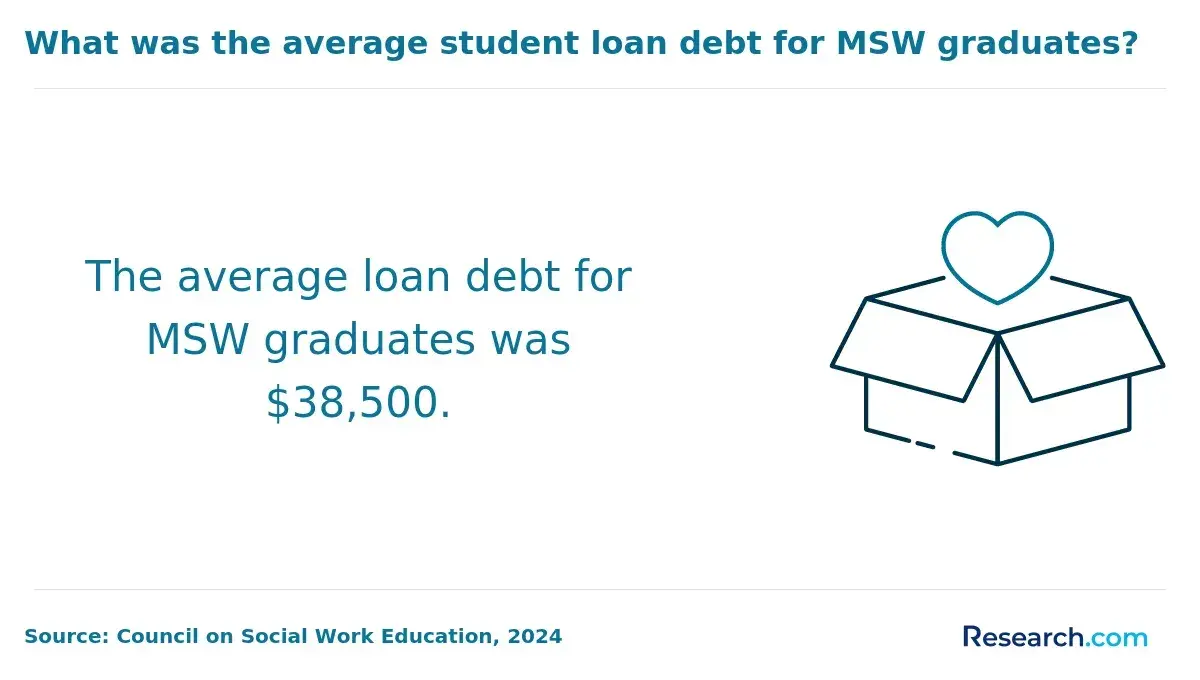
- Master of Social Work (MSW): Public MSW tuition ranges from $10,000 to $15,000 per year for residents and $20,000 to $28,000 for non-residents; private institutions may charge over $40,000 yearly.
- Doctor of Social Work (DSW): Usually offered online, DSW programs cost between $20,000 and $40,000 total, with private schools leaning toward higher fees.
- PhD in Social Work: Public university tuition is $12,000–$20,000 per year for residents and $25,000–$35,000 for out-of-state students; private schools may charge $40,000 or more, but offer assistantships or waivers.
- Additional factors: Tuition for BSW/MSW programs varies by public vs. private and in-state vs. out-of-state status; online options offer per-credit rates from $350 to $700, often reducing living expenses.
For a detailed overview of the career path, including education expectations, check the career requirements for social worker.
What degrees are required for different social work specializations in Wisconsin?
Different social work specializations in Wisconsin require varying degrees based on the specific skills and licensure needed for each role. Knowing the degree requirements for social work specializations in Wisconsin helps you strategically plan your education to meet career goals.
- Clinical Social Work: Requires a Master of Social Work (MSW) from a CSWE-accredited program, clinical fieldwork, and passing the ASWB clinical exam to become a Licensed Clinical Social Worker (LCSW).
- School Social Work: An MSW focused on child, youth, and family welfare is required, along with compliance with Wisconsin Department of Public Instruction licensure regulations.
- Healthcare Social Work: Entry-level jobs typically need a Bachelor of Social Work (BSW), but advanced healthcare roles usually require an MSW for greater responsibility and clinical practice.
- Child and Family Services Social Work: BSW is sufficient for entry-level positions, while supervisory or clinical roles often require an MSW and relevant fieldwork experience.
- Generalist Social Work (Entry-Level): A BSW with specified coursework and a 400-hour internship or equivalent experience is the minimum for Certified Social Worker (CSW) licensure in Wisconsin.
- Social Work Training Certificate (SWTC): Available for individuals with related bachelor’s degrees to complete required coursework and supervised experience for eligibility in entry-level social work roles.
What financial aid options are available to social work students in Wisconsin?
Financial aid plays a vital role for students pursuing social work degrees by easing the financial burden associated with tuition, fees, and living expenses. Accessing financial aid for social work students in Wisconsin can help ensure that students remain focused on their academic and field experiences without excessive financial stress.
- Federal Grants: The Federal Pell Grant and Federal Supplemental Educational Opportunity Grant (FSEOG) provide need-based, non-repayable financial aid to undergraduate social work students, offering up to $7,395 yearly depending on eligibility.
- Wisconsin State Grants: The Wisconsin Grant Program awards need-based grants to eligible residents enrolled in social work programs, with funding prorated by enrollment status and limited to ten semesters.
- Scholarships for BSW and MSW Programs: Numerous scholarships are available through Wisconsin universities like UW-Madison and UW-Milwaukee, alongside external awards such as the SeniorAdvice Caregiver Scholarship; students should also explore resources like the cheapest CSWE-accredited online MSW programs.
- Work-Study Programs: Federal and state work-study options offer part-time employment for students with financial need, providing income and valuable professional experience in social services.
- Student Loans: Federal Direct Subsidized and Unsubsidized Loans are available regardless of financial need, generally offering lower interest rates and flexible repayment terms compared to private loans.
- Graduate Assistantships: MSW students can compete for teaching and research assistant positions that include stipends and tuition remission based on merit and departmental needs.
- Funding from Professional Organizations and Social Work Associations: Groups such as the National Association of Social Workers – Wisconsin Chapter provide scholarships and grants supporting leadership and commitment to social work practice areas.
- Specialized Training Programs: Programs like the IV-E Public Child Welfare Training Program offer financial aid targeted at students entering child welfare, including tuition, books, and stipends for fieldwork.
What are the career prospects and income potential for social work graduates in Wisconsin?
Social work graduates in Wisconsin benefit from a dynamic job market driven by the increasing demand for mental health, child welfare, and community services across the state. Employment opportunities span various sectors including healthcare, education, and government agencies, each offering distinct work environments and growth trajectories. Salary ranges tend to improve with advanced licensure and specialized experience, reflecting increased responsibility in clinical, administrative, or policy-related roles. Recent trends indicate that strategic certification and continuous professional development can substantially enhance income potential and career advancement. For detailed guidance on navigating these career outcomes, refer to how to become a social worker in Wisconsin.
What are the best practices for preparing for the social work licensure exam in Wisconsin?
Candidates should develop a structured study plan that aligns with the exam’s content domains and state-specific practice guidelines. Emphasize periodic self-assessments through practice tests and targeted workshops to address knowledge gaps. Engaging in peer study groups and seeking professional mentorship can offer practical insights and effective test-taking strategies. Additionally, enrolling in preparatory courses tailored for licensure exams can optimize both time management and curriculum focus. For those interested in an accelerated progression in a related field, explore the fastest way to become a counselor in Wisconsin as a complementary pathway.
What are the alternative pathways to become a social worker in Wisconsin?
Individuals with degrees in psychology, sociology, or related fields can transition to social work in Wisconsin without starting over. Alternative pathways make use of existing academic and professional experience to accelerate entry into the field.
- Master’s in Social Work (MSW) Traditional Track: For those without a BSW, this 60-credit program takes about two years and prepares students for advanced licensure.
- MSW Advanced Standing: Holds a CSWE-accredited BSW and can complete the 30-credit MSW in as little as one year.
- Social Worker Training Certificate (SWTC): Allows graduates in related fields to gain entry-level credentials through coursework and supervised fieldwork.
- Post-Bachelor’s Certificate/Bridge Programs: Designed to fulfill prerequisites and field experience for those from other disciplines pursuing licensure.
- State-Specific Provisional Credentialing: Enables practice under supervision for candidates unable to pass the national exam but meeting other requirements.
A social worker from Wisconsin shared that transitioning from a background in criminal justice wasn’t easy but highly rewarding. After earning a certificate locally, he found the blend of coursework and hands-on experience helped build confidence quickly. “At first, I worried about keeping pace with peers who started in social work, but the practical training bridged that gap,” he said.
The process required dedication, especially balancing field hours with personal obligations, yet the supportive local programs made the journey feasible and fruitful. This pathway opened doors he never expected, proving that career changes can be done thoughtfully with the right guidance.
Are online social work degrees recognized in Wisconsin?
Online Bachelor of Social Work (BSW) and Master of Social Work (MSW) programs have grown rapidly in Wisconsin, offering flexibility for working adults and those in remote areas. Recognition of these online degrees is key since it affects eligibility for state licensure and job opportunities. Without proper recognition, students risk investing time and money in programs that don’t qualify them for professional roles.
Licensing in Wisconsin depends on graduating from a Council on Social Work Education (CSWE)-accredited program. The state treats online degrees from accredited schools the same as on-campus credentials. For example, UW-Whitewater and Concordia University Wisconsin offer fully CSWE-accredited online MSW programs. Data shows 94% of UW-Whitewater MSW graduates were employed within a year, proving employers readily accept online degrees if the program meets accreditation standards. Nationally, about one-third of MSW students enroll in distance education, signaling growing acceptance.
Students must also consider supervised fieldwork, which remains mandatory, typically coordinated locally to meet accreditation and licensure needs. Hybrid programs, blending online and occasional in-person training, can enhance learning and skill building. Above all, confirming that the chosen program holds current CSWE accreditation in Wisconsin ensures the degree will be valid for licensure and employment.
What organizations accredit social work degree programs in Wisconsin?
Accreditation plays a critical role in maintaining high standards for social work degree programs in Wisconsin, ensuring that students receive the education necessary for professional success. It guarantees licensure eligibility and employer recognition by confirming that programs meet state and national criteria.
- Council on Social Work Education (CSWE): CSWE accredits bachelor's and master's social work programs nationwide. Graduation from a CSWE-accredited program is mandatory in Wisconsin to qualify for licensure and to sit for the Association of Social Work Boards (ASWB) exam.
- Regional Higher Education Accrediting Bodies: Social work degrees must be from institutions accredited by recognized regional agencies such as the Higher Learning Commission (HLC) in Wisconsin, which ensures the overall quality and integrity of the college or university.
- Wisconsin Department of Safety and Professional Services (DSPS): Although DSPS does not directly accredit programs, it approves social work degrees from regionally accredited institutions that meet state curriculum requirements. DSPS also establishes practice standards and oversees continuing education for licensed social workers.
For those evaluating their options and wondering is a social work degree worth it, choosing a CSWE-accredited program within a properly accredited institution offers a secure pathway to licensure and employment. Prioritizing programs recognized by these social work program accreditation organizations Wisconsin ensures your education meets all necessary criteria for a successful career in the state.
What are the top institutions offering social work degree programs in Wisconsin?
Choosing the right school for your social work education in Wisconsin is essential to ensure your program meets accreditation standards, prepares you effectively for the profession, and justifies your financial investment. Graduating from a Council on Social Work Education (CSWE)-accredited program is a key requirement for licensure and advancing your career.
Here are five of the best social work schools in Wisconsin with accredited social work programs in Wisconsin that stand out for their quality and unique features:
- University of Wisconsin–Madison: Offers CSWE-accredited BSW and MSW degrees with strong research credentials and extensive field placements, leading to higher-than-average graduate earnings.
- University of Wisconsin–Milwaukee: Provides flexible MSW options including part-time and online tracks, supporting working adults with specializations like child welfare and behavioral health.
- University of Wisconsin–Green Bay: Features accredited BSW and MSW programs emphasizing intense fieldwork and serving rural and underserved populations across the state.
- Carthage College (in partnership with Loyola University Chicago): Delivers an MSW program onsite in Kenosha, focusing on urban clinical practice through a nationally recognized curriculum.
- Marian University: Offers an accredited BSW program known for small class sizes, ethical practice focus, and personalized faculty mentorship.
When exploring education options, consider these leading programs and the specific benefits they offer to align your learning with career goals and licensure requirements. For more details on earning a social work degree, visit social work degree.
What Do Social Workers in Wisconsin Say About Their Degree
Completing my social work degree at the University of Wisconsin-Milwaukee gave me the perfect balance of rigorous academics and local community involvement. The program emphasized practical experience alongside theory, which prepared me well for my role working within a local school district. It’s rewarding to see the direct impact of my work on students’ emotional and social well-being every day. The close-knit community here in Wisconsin fosters collaboration and lasting professional relationships that have been invaluable for my growth. Jake
Starting my career as a social worker in a Wisconsin school has been both challenging and incredibly fulfilling. The unique cultural diversity and rural settings of many communities here require adaptability and a deep commitment to understanding regional needs. My degree from Marquette University equipped me with the tools to address these challenges effectively. I’m proud to contribute to the resilience and mental health of students while continuing to expand my professional skills through local workshops and training. Xia
Reflecting on my journey through the social work program at the University of Wisconsin-Eau Claire, I recognize how much personal growth it has triggered. The emphasis on community engagement allowed me to connect deeply with local families and understand the unique challenges posed by Wisconsin’s economic and environmental landscape. This experience ignited my passion for advocacy and policy work aimed at improving social services statewide. It’s empowering to witness the tangible changes in people’s lives while advancing my career in this supportive environment. Kyle
Related Articles for Nearby States
- 2027 What Degree Do You Need To Be a Social Worker: Education Requirements in Minnesota
- 2027 What Degree Do You Need To Be a Social Worker: Education Requirements in Iowa
- 2027 What Degree Do You Need To Be a Social Worker: Education Requirements in Illinois
- 2027 What Degree Do You Need To Be a Social Worker: Education Requirements in Michigan
- 2027 What Degree Do You Need to Be a Social Worker: Education Requirements in Indiana
- 2027 What Degree Do You Need to Be a Social Worker: Education Requirements in Missouri
- 2027 What Degree Do You Need To Be a Social Worker: Education Requirements in Ohio
- 2027 What Degree Do You Need To Be a Social Worker: Education Requirements in South Dakota
- 2027 What Degree Do You Need To Be a Social Worker: Education Requirements in Nebraska
- 2027 What Degree Do You Need to Be a Social Worker: Education Requirements in Kentucky
References:
- CSWE. (n.d.). Accreditation Directory. cswe.org.
- DSPS. (n.d.). Social Work Training certificate. dsps.wi.gov.
- MasterofSocialWork.com. (2022, September 1). MSW Programs in Wisconsin - Campus & Online Master of Social Work. MasterofSocialWork.com | the Definitive Resource for MSW Programs. masterofsocialwork.com.
- NASW Wisconsin. (n.d.). Graduate school resources. naswwi.socialworkers.org.
- Social Work Degrees. (2023, October 18). Wisconsin BSW programs - Social Work degrees. socialworkdegrees.org.
- University of Wisconsin-Madison. (n.d.). Social Work, MSW. guide.wisc.edu.
- University of Wisconsin-Stevens Point. (2025, June 10). Social Work degree University of Wisconsin-Stevens Point. uwsp.edu.
- UW-Whitewater. (n.d.). Social Work | Master’s Degree Programs. uww.edu.
- WCSWE. (n.d.). WISCONSIN COUNCIL ON SOCIAL WORK EDUCATION. wcswe.org.
- White, J. (2024, November 12). 9+ Wisconsin MSW Programs (Online & No GRE & CSWE). Online MFT Programs. onlinemftprograms.com.
Other Things You Should Know About What Degree You Need to Be a Social Worker in Wisconsin
To gain admission to a Bachelor of Social Work (BSW) program in Wisconsin, applicants need a high school diploma or equivalent, meet the institution’s GPA requirements, and submit letters of recommendation. Some programs may also require a personal statement or interview.
To become a social worker in Wisconsin in 2027, you need at least a Bachelor of Social Work (BSW) from a Council on Social Work Education (CSWE) accredited program. To become licensed, completing a Master of Social Work (MSW) may be required, depending on the level of social work practice you pursue.
In 2027, Wisconsin offers education at multiple levels for aspiring social workers. Students can pursue a Bachelor of Social Work (BSW) degree, a Master of Social Work (MSW) degree, and some universities also offer Doctorate programs in social work. However, community colleges typically provide foundational courses that can transfer to a four-year program.


