2027 Best Online MBA Programs for Accountants

Co-Founder and Chief Data Scientist
Accountants seeking to advance often face a dilemma: balancing demanding work schedules with pursuing further education that adds real value. Many desire an MBA program tailored to finance professionals that offers flexibility without sacrificing quality or accreditation.
The challenge grows when shifting from unrelated undergraduate degrees, requiring programs that bridge knowledge gaps efficiently.
Finding the right online option that meets these needs can be overwhelming amid countless choices and varying reputations. This article explores top online MBA programs designed specifically for accountants, focusing on flexibility, curriculum relevance, and accreditation to help professionals make informed decisions aligned with career goals.
Key Things You Should Know
- Online MBA programs for accountants in 2026 emphasize CPA preparation, blending advanced accounting standards with leadership training to enhance career advancement opportunities.
- According to recent data, programs offering flexible schedules and specialized accounting electives see a 25% higher completion rate among working professionals.
- Tuition for top-ranked online MBA programs ranges widely, averaging $40,000, with many schools providing scholarships specifically for accounting professionals to reduce financial barriers.
What are the best online MBA programs for accountants?
Top accredited online MBA degrees for accounting professionals combine rigorous business fundamentals with specialized accounting and finance coursework.
Leading universities like the University of North Carolina at Chapel Hill (Kenan-Flagler), Indiana University (Kelley), and the University of Florida (Warrington) offer flexible curricula tailored to accounting professionals. These programs emphasize skills such as financial analysis, auditing, regulatory compliance, and data-driven decision-making.
Accountants pursuing an online MBA benefit from targeted concentrations in areas like forensic accounting, taxation, and financial reporting. Many programs incorporate experiential learning through virtual simulations or case studies aligned with Certified Public Accountant (CPA) requirements, combining technical skills with executive leadership training.
Online MBAs for accountants must meet accreditation standards such as AACSB to ensure high-quality instruction relevant to evolving industry demands. Networking opportunities through digital platforms and alumni connections address common challenges faced by online learners.
The financial aspect is notable: accountants with an MBA earn a median salary of $132,210 annually, 24% higher than those holding only a bachelor's degree, according to the BLS Occupational Outlook Handbook, 2025 data. This wage increase supports investing in a reputable program.
When choosing a program, consider delivery format (synchronous vs. asynchronous), typical length (18 to 24 months), tuition costs, and availability of scholarships or employer tuition reimbursement.
Selecting a program with CPA exam support adds value for professionals advancing within accounting firms or corporate finance departments. For insights on cost-effective options, explore the most affordable MBA programs online.
Best online MBA programs for accountants in the US often emphasize both foundational business skills and specialized knowledge to prepare graduates for expanded career opportunities and leadership roles.
What is an online MBA for accountants?
An online MBA for accountants enhances managerial, financial, and leadership skills tailored for accounting professionals.
Combining core MBA courses in finance, marketing, and organizational behavior with accounting topics like auditing, tax strategy, and financial reporting, this program prepares accountants for leadership, consulting, or executive roles beyond traditional technical functions. Such specialization in accounting online helps align education with evolving industry demands.
This degree is designed with flexibility in mind, often delivered through asynchronous classes or live virtual sessions that accommodate working professionals.
Programs typically include case studies and project-based learning addressing practical accounting and financial challenges. Exploring online MBA programs for accountants allows career advancement without interrupting current employment.
Growing demand for skilled accountants is fueled by tightened regulations and globalization, driving a 6% employment growth expected over the next decade.
An online MBA helps professionals meet employer expectations in strategic decision-making, risk management, and compliance. Variations include focuses on forensic accounting, corporate finance, or accounting information systems; selecting electives based on career goals is essential.
Certifications such as CPA combined with an MBA improve prospects for senior positions. Additionally, leadership, communication, and analytical skills developed through the degree support advancement to executive roles or entrepreneurship within finance.
For those seeking affordable, accredited programs, exploring MBA AACSB online options can provide valuable insights into cost-effective pathways.
How do you choose the right online MBA for accounting?
Choosing an online MBA program for accounting professionals involves more than just reputation; it requires careful evaluation of curriculum alignment with current accounting standards and practices. Look for courses emphasizing advanced financial reporting, auditing, and tax strategies to build skills that enhance job readiness and career advancement.
Programs offering strong accounting specializations tend to deliver better employment outcomes. For example, the Tepper School of Business at Carnegie Mellon University reports MBA graduates in accounting roles earning an average base salary of $162,000, with 95% employed within three months. Such data reflect the impact of effective career services and employer networks.
Flexibility is crucial, especially for working professionals balancing work and family. Asynchronous coursework and limited residency requirements make it easier to manage schedules.
Accreditation from bodies like AACSB confirms that the program meets high academic and professional standards appreciated by employers. When considering costs, factor in total tuition and fees versus salary return, while also exploring scholarships or employer tuition assistance.
Networking and alumni connections focused on accounting can significantly improve job placement and career growth. Online MBA programs for accounting professionals often provide access to accounting firms and professional organizations, giving students valuable contacts.
Finally, assess technology platforms and student support services to ensure they fit your learning style. Reliable virtual classrooms and career advising optimize your experience and success in accounting roles.
For those interested, reviewing executive MBA healthcare online options can also reveal models of flexible, affordable education that might translate well into accounting-focused paths.
Investing in one of the best accredited MBA degrees for accountants helps ensure a curriculum relevant both to current industry needs and future career opportunities.
What accreditation should online MBA accounting programs have?
Online MBA accounting programs must hold accreditation from recognized bodies to provide quality education and professional credibility.
The most respected accreditation in the United States is from the Association to Advance Collegiate Schools of Business (AACSB), which ensures programs meet rigorous business and accounting standards. Employers and licensing boards often prefer or require degrees from AACSB-accredited institutions for accounting roles.
Regional accreditation is another crucial factor, confirming that the university meets broad academic standards. This complements program-specific accreditations and is vital for credit transfer and financial aid eligibility.
Selecting the best regional accreditation for online MBA in accounting ensures that the degree holds value across states and academic settings.
For candidates pursuing Certified Public Accountant (CPA) licensure, attending an AACSB-accredited online MBA program can simplify meeting the educational requirements for CPA exam eligibility. Such programs often offer the specific coursework that some states require, enhancing professional flexibility.
Programs like the University of Southern California's Marshall MBA exemplify the benefits of accreditation, delivering a 180% return on investment within five years and accounting sector alumni starting salaries averaging $145,000.
Before enrolling, verify a program's AACSB and regional accreditation status on official databases and ensure alignment with your career goals. Considering options such as an MBA online no GMAT can also provide additional flexibility and affordability.
What are the admission requirements for online MBA accounting programs?
Admission for online MBA accounting programs generally requires a bachelor's degree from an accredited institution. While business, accounting, or finance degrees are preferred, many schools accept candidates from diverse fields if they demonstrate relevant work experience or complete prerequisite courses. A minimum GPA of around 3.0 is typically expected, though this varies by institution.
Standardized tests such as the GMAT or GRE are often requested, but an increasing number of programs waive these if applicants have significant professional experience or certifications like CPA or CMA.
Work experience-usually two to three years in accounting, finance, or management-is a key admission factor and helps bridge theory with practical business challenges.
Additional application materials include professional recommendations, a statement of purpose, and an updated resume that highlights career progression and motivation. International candidates must also prove English proficiency through tests such as TOEFL or IELTS.
For instance, University of Texas-Dallas UT Dallas emphasizes a competitive GPA and a strong resume, using a holistic review process to evaluate applicants.
According to the Naveen Jindal School Outcomes Report (2025), graduates report an average salary increase of 42%, earning approximately $118,000 in positions like financial controller.
What does the curriculum cover in online MBA for accountants?
Online MBA programs for accountants blend advanced business management with specialized accounting expertise. Core courses include finance, marketing, operations management, and strategic leadership, building broad managerial skills essential for leadership roles in accounting.
Accounting focused topics cover financial reporting, auditing, taxation, and managerial accounting, with preparation for certifications like CPA and CMA through mastery of standards such as GAAP and IFRS. Some programs also explore forensic accounting, risk management, and corporate governance.
Curricula often integrate data analytics and information systems to improve decision-making and compliance. Students develop proficiency with accounting software and financial data analysis, enhancing their capacity to innovate in their organizations.
Ethics and legal considerations are emphasized, reinforcing the importance of integrity in the accounting field.
Flexibility in electives allows tailoring toward international accounting, sustainability reporting, or entrepreneurship, aligning education with individual career goals and market trends.
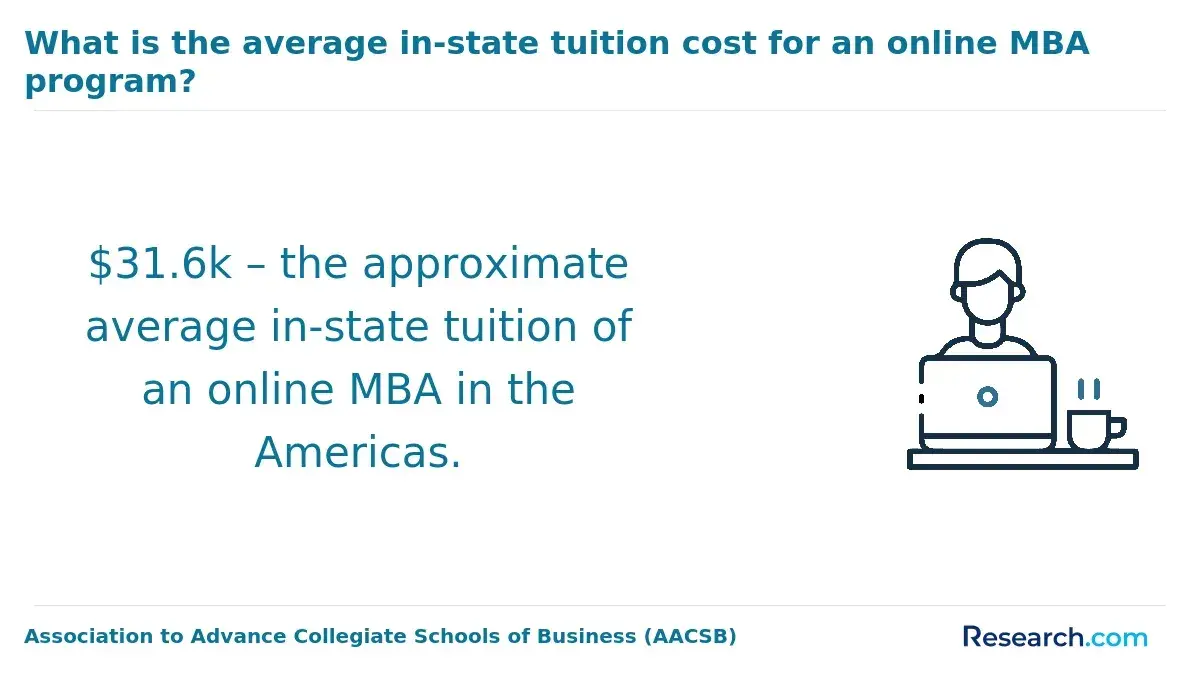
On cost, online MBA tuition averages around $25,000 total, offering more affordability than on-campus alternatives, which average about $45,000. This translates to a 3.2-year payback period, making quality education accessible without compromising professional outcomes.
How long do online MBA accounting programs take and what do they cost?
Online MBA accounting programs generally take between 18 and 36 months to complete, with accelerated options allowing finish times as short as 12 months through heavier course loads or year-round attendance.
Part-time programs offer flexibility but may extend the duration to nearly three years. Coursework includes core business subjects alongside specialized accounting classes such as auditing, taxation, and financial reporting.
Tuition costs vary significantly. Public universities often charge between $20,000 and $45,000 for in-state online MBA accounting degrees, while private schools can range from $40,000 to more than $90,000.
Additional expenses might include technology fees, course materials, and capstone projects. Tuition models differ as some offer fixed rates and others bill per credit hour, usually between $800 and $1,500.
The AICPA CPA Compensation Study highlights MBA graduates in senior accounting roles earn about 35% more than non-MBA peers, with median salaries reaching $175,000 mid-career, underscoring the program's potential return on investment.
What careers can you pursue with an online MBA in accounting?
An online MBA in accounting prepares professionals for various roles in finance, corporate leadership, and consulting. Graduates often pursue careers as certified public accountants (CPAs), financial controllers, internal auditors, and accounting managers, where they apply both accounting principles and business strategy learned through their studies.
Advancement to chief financial officer (CFO) positions is common, with 75% of Fortune 500 CFOs holding MBAs and valuing accounting expertise—especially for overseeing AI-driven financial analytics. This trend reflects the growing importance of advanced education in managing complex financial technologies and regulatory challenges.
Specialized roles like forensic accounting and financial analysis also benefit from an accounting MBA. Forensic accountants investigate financial fraud, requiring deep knowledge of accounting and investigation, while financial analysts evaluate risks and craft strategies using detailed financial data.
Consulting firms hire MBAs to guide corporations on tax strategy, compliance, and financial optimization. Entrepreneurship opportunities include launching financial advisory services or accounting firms.
These careers demand analytical, leadership, and strategic skills nurtured by rigorous online MBA programs. Graduates equipped with this expertise stay competitive in technology-driven financial industries increasingly shaped by data analytics.
What is the salary outlook for accountants with an MBA?
Accountants with an MBA often see substantial salary growth compared to those holding only a bachelor's degree. According to the Georgetown University Center on Education and the Workforce (2025), online accounting MBAs provide a 245% lifetime return on investment, with graduates earning roughly $1.2 million more over 30 years than bachelor's degree holders in accounting fields.
This earnings premium results from enhanced leadership opportunities, advanced financial skills, and strategic business knowledge gained through MBA programs.
Typical accountants earn a median salary between $70,000 and $90,000 annually, while MBA holders can start at $95,000 to $120,000, especially in managerial or financial director positions.
Specializing in financial analysis, auditing leadership, or compliance further boosts compensation. Those moving from staff accountant roles to controller or finance manager positions benefit significantly, as many corporations prefer or require an MBA for senior financial management roles.
Considering the investment needed for an MBA, prospective students should focus on the degree's impact on salary and career progression. The substantial ROI highlights that an MBA is not just a credential but a strategic step toward long-term wealth accumulation in accounting professions.
Does an online MBA for accountants help with CPA certification?
An online MBA for accountants supports candidates in meeting CPA exam eligibility and preparation requirements, though it does not directly qualify them for the exam.
Many states require 150 semester hours of education for CPA licensure, which online MBA programs often help fulfill through relevant accounting and business coursework. These programs cover key CPA topics such as financial accounting, auditing, and regulatory environments, providing a strong foundation for exam success.
Beyond the CPA exam, online MBA programs develop leadership, strategic thinking, and advanced analytical skills. Coursework in data analytics and sustainability reporting addresses emerging industry trends and aligns with projections that 40% of accounting roles will demand MBA-level skills by 2030. This blend of technical accounting and business strategy prepares accountants for evolving career paths.
Students aiming for CPA certification should select programs tailored to CPA prerequisites, including required accounting hours and ethics. Some offer dedicated CPA exam preparation resources or partnerships with review course providers, which enhance exam readiness.
In practice, combining an MBA with CPA licensure opens opportunities for advanced roles such as financial controller, chief financial officer, or management consultant. While an MBA is not a substitute for CPA certification, it expands career potential and earning power by complementing the credential.
Other Things You Should Know About MBA
Yes, many online MBA programs in accounting are designed with flexibility to accommodate working professionals. Courses often use asynchronous formats, allowing students to access lectures and assignments on their own schedules. However, time management and dedication are critical to balancing work and study successfully.
Most online MBA programs in accounting do not require internships because they target professionals who already have relevant work experience. However, some programs may offer optional internships or practical projects to enhance real-world skills. Applicants without prior experience should verify program requirements before enrolling.
While some online MBA programs prefer or require foundational accounting knowledge or coursework, others admit students from diverse academic backgrounds. Introductory accounting courses may be provided at the start to ensure all students meet program standards. It is important to check each program's prerequisites before applying.
References
- What can you do with an online MBA? | edX https://www.edx.org/resources/what-can-you-do-with-an-online-mba
- Athabasca University https://www.athabascau.ca/business/programs/master-of-business-administration/mba-for-accountants.html
- CPA vs MBA: 2026 Salaries, Career Paths & More https://www.sacbee.com/careers-education/cpa-vs-mba/
- Cost of an Online MBA | OnlineMBA.com https://www.onlinemba.com/resources/online-mba-cost/
- Online MBA In Global Accounting: CPA & Global Careers https://onlinechitkarau.com/our-blogs/online-mba-global-accounting-cpa-advantage-india/
- Discover Careers for Graduates of an MBA in Accounting Degree Program https://online.longwood.edu/business/mba/accounting/careers/
- Careers for MBA Graduates | Life After an Online MBA https://www.onlinesrm.in/careers-for-mba-graduates/
- Top MBAs in Accounting | Accounting.com https://www.accounting.com/degrees/mba/
- Benefits of an Online MBA in Accounting | NMU Global Campus https://online.nmu.edu/online-mba-in-accounting-benefits/