2027 Online MBA for Healthcare Administrators

Co-Founder and Chief Data Scientist
Healthcare professionals often face challenges advancing into leadership roles without formal business training. Balancing work with further education presents another obstacle, especially for those transitioning from unrelated fields. An online MBA tailored for healthcare administrators offers flexible learning designed to build essential management, financial, and strategic skills.
This approach enables working professionals to gain expertise without interrupting their careers. This article explores key features of online MBA programs focused on healthcare administration and guides prospective students in selecting accredited, flexible options to successfully pivot into healthcare leadership roles.
Key Things You Should Know
- Online MBA programs for healthcare administrators offer flexible learning tailored to industry demands, with a projected 32% employment growth in healthcare management from 2024 to 2034.
- Curricula emphasize leadership, healthcare policy, and financial management, equipping graduates to efficiently manage complex healthcare organizations and regulatory environments.
- Average tuition ranges from $30,000 to $70,000, with accelerated options enabling degree completion in as little as 12 months to meet urgent industry needs.
What is an Online MBA for Healthcare Administrators?
An online MBA for healthcare administrators is designed to build leadership and operational skills tailored to the healthcare industry. It blends core business principles such as finance, marketing, and organizational behavior with healthcare-specific subjects like healthcare policy, ethics, and health informatics. This combination helps graduates effectively manage hospitals, clinics, and other healthcare organizations.
Many healthcare administration MBA degrees online programs offer flexibility through asynchronous courses, virtual simulations, and interactive case studies. Students gain experience navigating regulatory environments, improving patient care, and implementing cost-effective strategies. Typical specializations include healthcare finance, health information systems, and strategic management.
Career paths for graduates include healthcare administrator, clinical manager, health services manager, and policy analyst. The field's growth is robust-healthcare management jobs are projected to increase by 28% from 2025 through 2033, far exceeding the average for all occupations. This demand stems from expanding healthcare services, regulatory challenges, and technological advances.
When exploring options, prospective students should evaluate accreditation, curriculum relevance, faculty expertise, and alumni outcomes. Many programs also require capstone projects or practicums to apply skills in real-world settings. An online format makes advancing education accessible without leaving a current job. For those seeking affordable options, exploring the cheapest MBA programs online can be beneficial.
What are the benefits of an online MBA in healthcare administration?
An online MBA in healthcare administration offers career advantages by developing leadership skills customized for complex healthcare settings. Students acquire expertise in financial management, healthcare policy, and organizational behavior-critical areas for overseeing hospitals, clinics, and other health services. Such programs are designed to accommodate working professionals, often featuring asynchronous courses that allow study at one's own pace, making it easier to balance work and education.
Graduates of online MBA programs for healthcare administrators in the United States benefit from increased earning potential. According to the Medscape Salary Report 2025, healthcare administrators with an MBA earn a median salary of $117,960, representing a 45% increase over those with only a bachelor's degree. This degree often leads to greater job security and opportunities for career advancement.
Curricula typically include training in data analytics, quality improvement, and value-based care models, providing graduates with the skills to enhance patient outcomes and operational efficiencies. Specializations such as healthcare informatics or policy allow students to tailor their education for specific career goals.
Networking opportunities through virtual cohorts, faculty with healthcare experience, and career services further support career growth by connecting students to healthcare organizations nationwide. Those interested in cost-effective options might explore the cheapest online MBA no GMAT AACSB programs, which combine affordability with quality.
How does an online MBA compare to campus-based healthcare MBA programs?
Online MBA programs for healthcare administrators offer significant flexibility compared to campus-based options, enabling students to access coursework from any location at convenient times. This setup suits working professionals balancing education with job or family responsibilities. One key consideration in comparing online MBA versus campus healthcare programs is cost.
For instance, Mount Vernon Nazarene University's online MBA in Health Care Administration averages $8,964 per year in graduate tuition, among the lowest for ACBSP-accredited programs. Campus programs often have higher tuition plus expenses like commuting and housing, increasing overall costs. These financial advantages make online options attractive without sacrificing program quality.
Curriculum and faculty expertise tend to be comparable in accredited online and campus formats. Yet, traditional programs may offer more direct networking, hands-on experience, and on-site resources such as career services or partnerships with healthcare facilities. Conversely, online MBAs often include virtual simulations and remote case studies tailored for digital learning. Prospective students should assess their learning styles, career goals, and schedules to decide which format aligns best with their needs.
Those researching the benefits of online MBA for healthcare administrators will find that while campus programs provide in-person interaction and campus life, online options often offer lower cost and greater flexibility, especially for those living far from schools. Both formats prepare graduates for leadership roles in healthcare. For those considering cost aspects in particular, consulting resources on online executive MBA cost can provide further insights.
What accreditation should an online healthcare MBA program have?
The most important accreditation for an online healthcare MBA program in 2026 is regional accreditation from recognized U.S. bodies like the Higher Learning Commission (HLC) or the Middle States Commission on Higher Education (MSCHE). This accreditation confirms that the program meets rigorous academic standards and is respected by employers and other institutions. Additionally, for the best accredited MBA programs for healthcare administrators, AACSB accreditation is crucial.
Programs without AACSB accreditation may still provide solid education, but often face limitations in employer recognition and credit transfer. Prospective students should always verify accreditation through official agency websites. State authorization is another essential factor, especially for online programs, because schools must legally operate in the student's state, which can affect financial aid and professional licensure.
Admissions also reveal program priorities. According to OnlineMBA.com's 2025 Best Online MBA Rankings, 58% of top online healthcare MBA programs waive GMAT or GRE requirements, emphasizing professional healthcare experience. This approach benefits working professionals by focusing on applied learning over standardized tests. For those interested in options without test requirements, consider exploring online MBA programs no GMAT.
What are typical admission requirements for online healthcare MBAs?
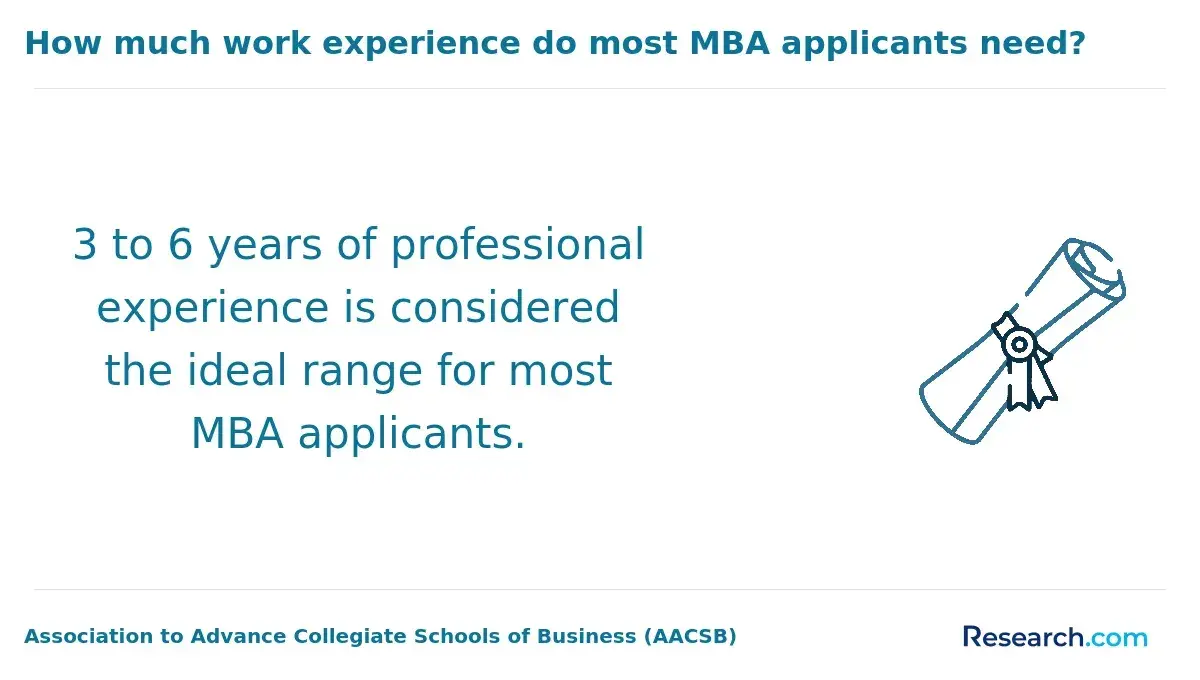
Admission to online healthcare MBA programs typically requires a bachelor's degree from an accredited institution, with a preference for healthcare, business, or science-related fields. Candidates lacking a healthcare background may need to complete prerequisite courses or show relevant work experience. Many programs expect applicants to have 2 to 5 years of experience in healthcare administration, clinical roles, or similar positions to ensure meaningful participation in advanced discussions.
Standardized tests like the GMAT or GRE might be requested, though numerous programs waive these requirements for candidates with significant work experience or advanced degrees. Some schools also offer conditional admission or alternative assessments to support working professionals.
Letters of recommendation, typically two or three, are required. They should come from supervisors or colleagues who can confirm an applicant's leadership, teamwork, and academic potential. Personal statements or essays provide insight into career goals, motivations for pursuing an online healthcare MBA, and awareness of industry trends.
Data-driven decision-making skills are emphasized, with 94% of healthcare MBA curricula including data analytics courses. Applicants with quantitative skills or healthcare data analysis experience often gain a competitive edge. These requirements reflect the growing focus on AI-driven management in healthcare settings and help prepare students for leadership roles in a complex, data-centric industry.
What does the curriculum cover in an online MBA for healthcare administrators?
Online MBA programs for healthcare administrators combine core business principles with specialized healthcare knowledge. Coursework often includes healthcare finance, covering budgeting, reimbursement systems, and revenue cycle management specific to medical settings. Operations management focuses on hospital systems, patient flow, and regulatory compliance to enhance efficiency. Leadership and organizational behavior courses prepare students to lead interdisciplinary teams.
Students also study health informatics and data analytics, learning to leverage electronic health records and patient data for better decision-making. Key courses commonly address healthcare policy and law, highlighting federal and state regulations, insurance frameworks, and ethical issues. Strategic management classes emphasize long-term planning and competitive positioning in a fast-changing industry. Risk management and quality assurance prepare graduates to meet patient safety and accreditation standards.
Electives may explore telemedicine, population health, or global health systems administration. Practical learning through case studies, simulations, and capstone projects helps students handle real-world challenges in healthcare administration. Many programs offer flexible schedules, including asynchronous and part-time options, accommodating working professionals.
The financial return on investment for an online healthcare MBA is significant. Research from the Georgetown University Center on Education and the Workforce demonstrates a 250% lifetime earnings premium compared to bachelor's degree holders, with payback periods under three years. This strong ROI reflects growing demand for skilled healthcare managers who can lead complex organizations effectively.
How long does an online healthcare MBA program take to complete?
Online healthcare MBA programs generally require between 18 and 36 months to complete, influenced by format and student pace. Full-time students often finish in under two years, while part-time options allow professionals to extend studies over three years or more. Accelerated pathways utilize intensive coursework or prior credits to shorten durations to 12-15 months.
Credit requirements typically range from 36 to 60 hours, with many programs offering flexible asynchronous courses to accommodate working students. Programs that integrate internships, capstone projects, or specialization tracks, such as healthcare policy or data analytics, may take longer but provide valuable expertise and practical experience. Some curricula may include synchronous sessions or residencies, which can extend overall program length.
When choosing a program, consider career goals and personal circumstances. Healthcare administrators aiming for rapid advancement might opt for full-time or accelerated plans, completing within two years. Those balancing work and family often prefer part-time schedules spread over several years.
The Modern Healthcare Compensation Survey 2025 reports that healthcare CEOs with MBAs enjoy a 12% salary increase, averaging $252,000, highlighting the value of timely degree completion for career and salary growth. Completing an online healthcare MBA within a reasonable timeframe can thus be a decisive factor in advancing strategic leadership roles.
What are the costs and financial aid options for online healthcare MBAs?
Costs for online healthcare MBA programs at public universities typically range between $15,000 and $23,600 for in-state students. This reflects a notable decrease due to expanded federal aid aimed at adult learners. These figures generally cover tuition and fees but do not include extra expenses such as textbooks or technology costs.
Financial aid plays a crucial role in managing these expenses, with federal options like Pell Grants and Direct Loans serving as primary resources. Eligibility depends on factors like income and enrollment, so submitting the FAFSA early is important to maximize aid potential.
Additional funding sources include scholarships and grants specifically for healthcare professionals pursuing an MBA, which can significantly reduce overall costs. Employer tuition reimbursement programs also offer valuable support, especially for working students in healthcare. Prospective students should consult their HR departments to understand eligibility and availability.
While private loans and payment plans can help make up financial shortfalls, they often come with higher interest rates and fees compared to federal aid. Graduate assistantships or research positions may be less accessible for online learners, but are worth exploring through program financial aid offices.
What careers can you pursue with an online MBA in healthcare administration?
An online MBA in healthcare administration opens diverse career paths in hospital management, healthcare consulting, and health services administration. Graduates often become hospital administrators, overseeing daily operations and ensuring compliance with healthcare regulations. They may also take on roles as clinical department managers, leading nursing or outpatient services.
Healthcare consultants apply advanced business and healthcare knowledge to improve facility efficiency, patient outcomes, and financial results. Many work with managed care organizations to implement policies and coordinate care. An MBA also prepares professionals for leadership roles in pharmaceutical companies, insurance firms, and public health agencies, extending opportunities beyond traditional healthcare settings.
Leadership positions in healthcare IT and data analysis are increasingly important. Roles such as directing health information management or compliance require both business expertise and healthcare knowledge that an MBA provides.
Employers highly value strong accreditation; only 18 U.S. online healthcare MBA programs held dual AACSB and CAHME accreditation in 2025. This dual accreditation signals elite program quality and prepares graduates for competitive salaries and senior positions. Graduates should prioritize programs with dual accreditation to maximize credibility and future career growth.
Key career roles include:
- Hospital Administrator
- Clinical Department Manager
- Healthcare Consultant
- Managed Care Director
- Health Information Manager
- Pharmaceutical Project Manager
What salary and job outlook exist for healthcare administrators with an MBA?
Healthcare administrators with an MBA earn between $90,000 and $150,000 annually, depending on factors like experience, location, and organization size. Senior executives with expertise in healthcare analytics and strategic management often see salaries above $180,000. The U.S. Bureau of Labor Statistics anticipates a 28% growth in medical and health services manager employment through 2031, far exceeding the average for all jobs.
Technology's rapid integration is reshaping administrative roles in healthcare. Deloitte's 2025 Global Healthcare Outlook forecasts that by 2026, 65% of healthcare executives expect AI to transform these positions. This trend increases the value of MBAs with skills in healthcare analytics, data-driven decision-making, and digital transformation, offering enhanced job security and leadership opportunities.
Location affects compensation and opportunity. Urban centers and large hospital systems generally provide higher salaries than rural areas. Those with combined clinical and business expertise gain advantages in specialized sectors such as biotech, insurance, and consulting.
Other Things You Should Know About MBA
Yes, many online MBA programs are designed for working professionals, offering flexible schedules and asynchronous coursework. This allows students to balance work, study, and personal commitments effectively. However, maintaining good time management is essential to keep up with program deadlines and requirements.
Some online healthcare MBA programs include an internship or practicum component to provide real-world experience, but not all require it. Programs that require practical experience often have partnerships with healthcare organizations to facilitate placements. Students should verify program details to understand if and how hands-on experience is integrated.
Online programs often use virtual platforms such as discussion forums, group projects, and live video sessions to encourage interaction among students and faculty. Some schools also organize webinars, alumni events, and networking groups specific to healthcare management. While it differs from in-person networking, these tools help build professional connections effectively.
References
- WHAT - Translation from English into Polish https://en.pons.com/translate/english-polish/what
- Best Online MBA Programs in Healthcare Administration https://www.onlinemba.com/rankings/best-online-mba/healthcare-administration/
- CAHME Accredited Online Master of Health Administration (MHA) Programs https://www.onlineeducation.com/healthcare/faqs/cahme-accredited-online-mha-programs
- Who Accredits MHA Programs? https://www.mhaonline.com/faq/who-accredits-online-mha-programs
- Enroll for Online MBA in Healthcare Management - Blog https://manavrachnaonline.com/blogs/how-and-where-to-enroll-for-online-mba-in-healthcare-management/
- Master of Business Administration with a Healthcare Administration Concentration https://online.ewu.edu/degrees/business/mba/healthcare-administration/
- Top Online MBAs for Accreditations | FIND MBA Online https://findmbaonline.com/lists/top-10-online-mbas-with-the-best-accreditations
- Master of Business Administration with a Concentration in Healthcare Administration https://online.sou.edu/degrees/business/mba/healthcare/
- Online MBA in Health | UC Online | UC Online https://uconline.ac.nz/courses/master-of-business-administration-specialisation-in-health