2027 What Makes an Online MBA Program High Quality?

Co-Founder and Chief Data Scientist
Choosing an online MBA program can feel overwhelming amid a surge of options promising flexibility and career advancement. Many students struggle to identify programs that balance rigorous academics with practical skills, leading to wasted time and resources. Accreditation, faculty expertise, and real-world application often vary widely, making it difficult to judge quality from marketing alone. This article examines the key criteria that define a high-quality online MBA program, offering insights to help prospective students make informed decisions and select a program that supports their career pivot effectively.
Key Things You Should Know
- Accreditation by agencies like AACSB ensures rigorous curriculum standards and quality faculty, which enhances the program's credibility and graduate employability.
- Flexible scheduling combined with robust technology platforms supports over 70% of students balancing work and study in 2025, promoting higher completion rates.
- Programs emphasizing leadership development and real-world projects increase networking opportunities, directly impacting career advancement and salary growth after graduation.
What defines a high-quality online MBA program?
A high-quality online MBA program is marked by accreditation from recognized bodies like AACSB, EQUIS, or AMBA, ensuring rigorous academic and professional standards. These standards guarantee curriculum quality, faculty expertise, and institutional integrity, which are vital for prospective students evaluating online mba accreditation standards.
Curriculum design in top programs blends foundational theories with current business trends, focusing on practical skills such as data analytics, digital transformation, and global strategy. For instance, IE Business School's Global Online MBA features global case studies and leadership modules that contribute to its consistent top ranking in the Financial Times Online MBA Ranking. This approach equips graduates for real-world challenges.
Faculty expertise heavily influences the learning experience, with many renowned online MBA programs in North America employing professors who combine industry experience and active research. This enriches course content and fosters collaboration via live sessions, mentorship, and group projects.
Student support services, including career counseling, internship placement, and strong alumni networks, significantly improve post-graduation outcomes. Flexible scheduling and robust technology platforms make these programs accessible to working professionals without compromising academic rigor.
Geographic diversity among top-ranked programs, especially with European schools holding over half the top 20 spots, reflects broad quality options for international careers. Many U.S. students also explore top affordable online MBA programs for additional flexible, well-regarded education paths.
What accreditation is essential for online MBA programs?
Regional accreditation remains essential for reputable online MBA programs, ensuring institutions meet rigorous standards recognized by the U.S. Department of Education. Verification that a school holds accreditation from one of the seven regional agencies, such as the Middle States Commission or the Higher Learning Commission, is a crucial step for prospective students. Additionally, specialized business accreditations elevate program quality, especially AACSB, ACBSP, and IACBE. Of these, AACSB accreditation, held by fewer than 5% of business schools globally, signifies the highest rigor in faculty expertise, curriculum, and research.
The best online MBA program accreditations often include this combination of regional and AACSB credentials, which provide assurance of academic quality, credit transferability, and employer recognition. Students should carefully review program metrics like selectivity, average GMAT scores, and student diversity. Warwick Business School's AACSB-accredited online MBA, for example, boasts a 690 average GMAT, students from 63 countries, and 28% female participation, showcasing a competitive and diverse cohort.
Programs lacking these dual accreditations may limit graduates' opportunities in licensing, certification, and career advancement. Lower-tier accreditations usually reflect less stringent criteria and can affect post-graduation success. For those seeking affordable online MBA programs with strong credentials, consider exploring options listed at affordable online MBA programs.
In sum, thorough accreditation requirements for online MBA programs establish clear benchmarks for education value, curriculum relevance, and career readiness in today's challenging global marketplace.
How do online MBA programs compare to campus-based ones?
Online MBA vs campus-based programs quality comparison shows that many selective online MBA programs match the rigor of traditional campus degrees. For instance, University of North Carolina Kenan-Flagler's online MBA cohort boasts an average GMAT score of 677, a GPA of 3.2, 35% female representation, and 21% US minorities, highlighting competitive admissions on par with top-tier residential programs.
Faculty expertise and curriculum in leading online programs are equivalent to those on campus. Course delivery includes live lectures, interactive case studies, and group projects, complemented by technologies like video conferencing and discussion boards to simulate real-time collaboration and networking.
Flexibility remains a major benefit of accredited online MBA programs, catering to working professionals balancing career and family. This accessibility draws diverse applicants unable to relocate for campus programs. However, prospective students should assess networking and alumni engagement options, since fewer in-person events may affect relationship-building.
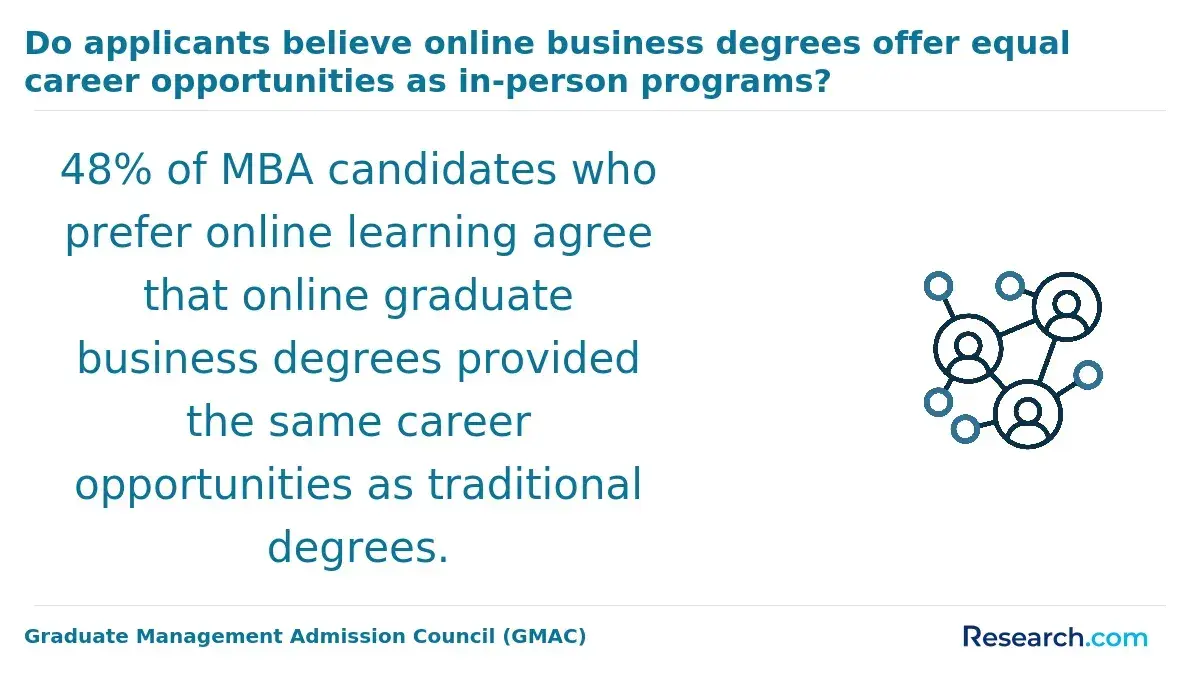
Employers increasingly accept online MBAs from accredited institutions as equally credible credentials. Graduates report competitive job placements and salary growth comparable to campus counterparts, especially from programs with strong reputations and rigorous admissions. Prospective students should confirm accreditation, faculty credentials, and support services align with their career goals. For those interested in cost-efficient options, the best online EMBA programs offer affordable paths to executive advancement.
What are typical admission requirements for online MBAs?
Typical admission requirements for online MBA programs emphasize a balance of academic readiness and professional experience. Most programs require a bachelor's degree from an accredited institution and often set a minimum GPA around 3.0. However, some may accept lower GPAs if applicants present strong work experience or test scores.
Applicants generally must submit GMAT or GRE scores, though an increasing number of schools waive this for candidates with significant professional experience or advanced degrees. For instance, applicants with five or more years of managerial experience might qualify for waivers, reflecting the growing availability of no GMAT online MBA options.
Work experience is a critical prerequisite for enrolling in online MBA degrees, with most reputable programs requiring between two and five years of full-time employment. This ensures students can contribute practical insights while benefiting from advanced coursework. For example, Indiana University-Bloomington's Kelley School of Business Online MBA reports that all enrolled students are employed, highlighting this standard.
Additional application materials typically include letters of recommendation from supervisors or professional contacts to attest to leadership potential, as well as a personal statement explaining candidates' goals. Some schools also conduct interviews to evaluate communication skills and fit, while international applicants must provide proof of English proficiency through tests like TOEFL or IELTS.
In sum, online MBA admissions look for solid academic achievements, relevant professional experience, strong recommendations, and clear career objectives to meet common prerequisites efficiently.
What does the curriculum cover in top online MBA programs?
Top online MBA programs blend core business disciplines with electives that support varied career goals. Core courses commonly include finance, marketing, operations, strategy, leadership, and analytics, providing vital managerial expertise and insight into organizational behavior.
Leading curriculums incorporate practical learning through case studies, simulations, and consulting projects. Carnegie Mellon (Tepper), for example, focuses on career-relevant skills, reflected in their 85% alumni achievement of career aims and a 98% employment rate at enrollment, based on the Financial Times Online MBA Ranking 2026 and US News 2026 Best Online MBA Programs.
Students can specialize through electives such as:
- Entrepreneurship and innovation
- Data analytics and artificial intelligence
- Healthcare management
- Supply chain and logistics
- Financial technology (fintech)
Programs also stress leadership development and ethical decision-making, using tools like leadership labs, mentorship, and cohort collaboration to build communication and teamwork skills.
Tuition varies; Tepper charges $2,274 per credit, offering a balance of cost and quality with strong employment outcomes. When choosing an online MBA, flexibility, real-world application, and alignment with career objectives are key factors for advancing professional goals.
How long do online MBA programs take to complete?
The duration of online MBA programs generally ranges from one to three years, influenced by factors such as program design, student pace, and institutional requirements. Accelerated tracks often allow completion within 12 to 18 months for those dedicating substantial time, while part-time schedules can extend up to three years or longer, accommodating working professionals.
Full-time students typically finish in about two years, similar to traditional campus-based MBA programs. Many schools provide flexible pacing to help students balance studies with careers and personal responsibilities, which means graduation timelines vary significantly.
Program length is also affected by credit requirements. Those with more than 50 credit hours usually take longer, especially if courses are taken one after another. Some programs feature 30-40 credit hours combined with intensive coursework, enabling faster completion.
For instance, the University of Southern California Marshall online MBA, ranked 4th by Financial Times Online MBA 2025, merges a rigorous curriculum with scheduling flexibility. Many students graduate within two years while maintaining employment, with reported alumni average salaries around $228,500, illustrating the program's value.
When selecting a program, consider availability, career ambitions, and employer sponsorship policies. Opt for programs offering clear timelines and strong academic support to avoid delays and ensure timely graduation.
What are the costs of reputable online MBA programs?
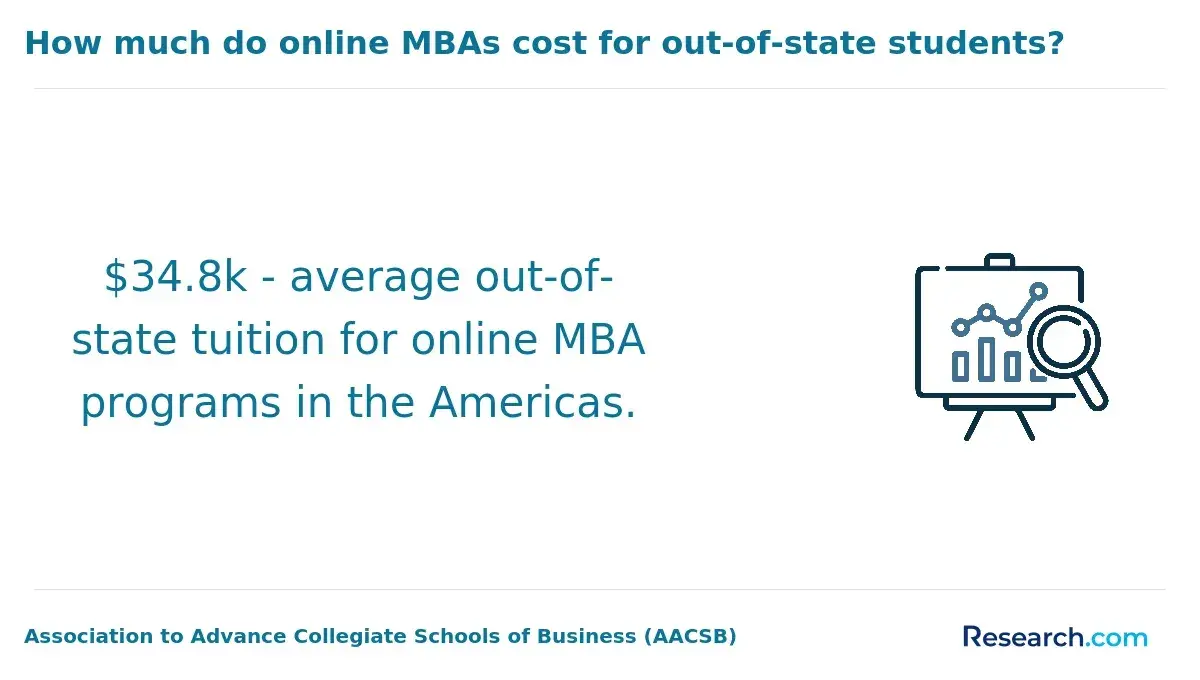
Reputable online MBA programs in 2026 vary widely in total tuition, typically ranging from $30,000 to over $120,000. Costs depend heavily on factors like the institution's prestige, program length, format, and included services. Public universities often offer more affordable tuition, generally between $30,000 and $60,000, while private or highly ranked business schools can charge more than $100,000. Additional fees for technology, course materials, and residency requirements may increase the overall expense by several thousand dollars.
Financial aid, scholarships, and employer tuition assistance are critical in reducing out-of-pocket costs. Investing in a respected online MBA can yield strong returns: graduates of Indiana University-Bloomington Kelley Direct Online MBA report an average salary of $147,000, with 79% securing new jobs or promotions, illustrating the value of enhanced career opportunities (College Raptor Best Accredited Online MBA Programs).
Key considerations when evaluating programs include:
- Total tuition and hidden fees.
- Program duration and flexibility to balance work and study.
- Access to career services and networking opportunities that boost earning potential.
- Accreditation status and alumni outcomes verified by credible sources.
What careers can you pursue with an online MBA?
An online MBA prepares graduates for a range of roles in business, management, and leadership, including positions as product managers, financial analysts, marketing directors, operations managers, and management consultants. Success in these positions depends on skills like strategic thinking, analytics, and leadership, all of which are developed through comprehensive coursework.
This degree also opens specialized career paths such as investment banking, corporate finance, technology management, and healthcare administration, where budgeting, forecasting, risk analysis, and innovation are critical.
Many graduates move into executive roles such as chief financial officer (CFO), chief marketing officer (CMO), or chief operating officer (COO), which demand a high level of business acumen and leadership to align organizational objectives with market dynamics.
Prospective students often evaluate return on investment. For example, Carnegie Mellon Tepper Online MBA is ranked 5th by Financial Times Online MBA 2025, boasting an average alumni salary of $191,841, underscoring the program's strong career impact.
Entrepreneurs gain essential skills to launch and manage startups, while others leverage the online MBA to pivot into consulting or supply chain management, sectors that value strategic and operational expertise.
Identifying target industries and roles early helps tailor electives and networking. Practical experience paired with an online MBA significantly boosts career advancement prospects.
What salary outcomes expect from an online MBA?
Salary outcomes for graduates of an online MBA vary significantly based on program quality, industry, and work experience. Alumni generally report salary increases ranging from 20% to 50% within three years post-graduation. Prestigious online MBA programs often enable graduates to secure leadership roles in management, finance, consulting, and technology, sectors known for competitive pay.
For instance, the University of Florida Warrington online MBA alumni report an 83% success rate in achieving career goals, including salary growth and promotion. This strong performance contributes to their high ranking in the Financial Times US schools Online MBA Ranking 2026. Such achievements highlight the importance of a well-structured curriculum and robust employer connections in maximizing salary gains.
Key factors affecting salary improvements after earning an online mba include:
- Industry: Graduates in finance and consulting often attain six-figure salaries more quickly than those entering nonprofit or government roles.
- Geographic location: Urban areas with higher living costs generally offer better compensation packages.
- Work experience: Mid-to-senior level professionals leverage MBA credentials more effectively to negotiate higher salaries.
- Program reputation: Degrees from top-ranked programs tend to carry more weight with employers, enhancing negotiating power.
Prospective students should review alumni salary data and independent rankings to gauge realistic earning potential. Comparing compensation before and after obtaining an MBA clarifies the financial return on investment and informs better enrollment decisions.
How to choose the best online MBA program?
Selecting the best online MBA program involves evaluating key factors that ensure quality and fit for your goals. Begin with accreditation-regional accreditation is essential, while specialized bodies like AACSB, AMBA, or EQUIS indicate a higher standard of business education.
Program format should match your lifestyle. Options range from fully asynchronous courses, allowing study anytime, to live sessions requiring scheduled participation. Durations typically span one to three years. Check that the program offers concentrations aligned with your career ambitions, such as finance, marketing, or entrepreneurship.
Faculty expertise greatly influences learning quality. Look for qualified instructors and accessible student support including career counseling and mentorship, crucial for remote learners. Consider alumni network strength and employment outcomes, which reveal real-world value.
Cost is a significant factor. Compare tuition and fees, and explore financial aid opportunities. Rankings and student satisfaction are helpful metrics; for example, the University of Texas at Dallas Jindal Online MBA ranks second in student satisfaction according to the Financial Times Online MBA Ranking 2026.
Balance rigor with flexibility and seek programs offering practical coursework and networking to boost career growth. These elements together help you find a program that fits your personal style and professional timeline.
Other Things You Should Know About MBA
Yes, online MBA programs from accredited institutions are generally respected by employers, especially if the school has a strong reputation. Employers often focus on the quality of the institution and the skills demonstrated rather than the delivery format. Many top-tier universities offer online MBAs that carry the same recognition as their on-campus counterparts.
Most online MBA programs offer the option to specialize in fields like finance, marketing, entrepreneurship, or healthcare management. These specializations allow students to tailor their studies toward particular industries or career goals. Specializations often include focused coursework, projects, and sometimes networking opportunities relevant to the chosen area.
Online MBA programs increasingly provide robust networking opportunities through virtual events, group projects, and alumni connections. While online students may miss some in-person interactions, many programs use technology to facilitate professional networking and mentorship. Building relationships during an online MBA remains essential and achievable through these digital platforms.
Work experience plays a significant role in online MBA admissions. Many programs expect candidates to have several years of professional experience to enrich class discussions and apply coursework practically. While requirements vary, it's often considered a valuable asset rather than an absolute prerequisite.
References
- 2026 OMBA Ranking: What It Costs To Get An Online MBA https://poetsandquants.com/2026/01/20/2026-omba-ranking-what-it-costs-to-get-an-online-mba/
- The Importance of Business School Accreditation https://www.allbusinessschools.com/how-to-get-into-mba-program/accreditation/
- Affordable Online MBA Costs for Working Professionals | Online MBA program 2025 https://ebsedu.org/blog/online-mba-costs-for-working-professionals/
- Online MBA Admissions Requirements by Program [Chart] https://www.bschools.org/blog/online-mba-admissions-requirements
- Online MBA vs On-Campus MBA https://www.princetonreview.com/business-school-advice/online-mba-vs-on-campus-mba
- How Long Does An Online MBA Take? | StudyNext Australia https://studynext.com/au/resources/how-long-does-an-online-mba-take
- 4 Features to Look for in a Quality Online MBA Program https://www.concordia.edu/blog/4-features-to-look-for-in-a-quality-online-mba-program.html
- MBA Accredited Schools | OnlineMBA.com https://www.onlinemba.com/resources/what-is-accreditation/
- Online MBA Entry Requirements: Eligibility & Admission https://www.onlinecu.in/blog/cu/most-common-entry-requirements-for-online-mba-programs.php